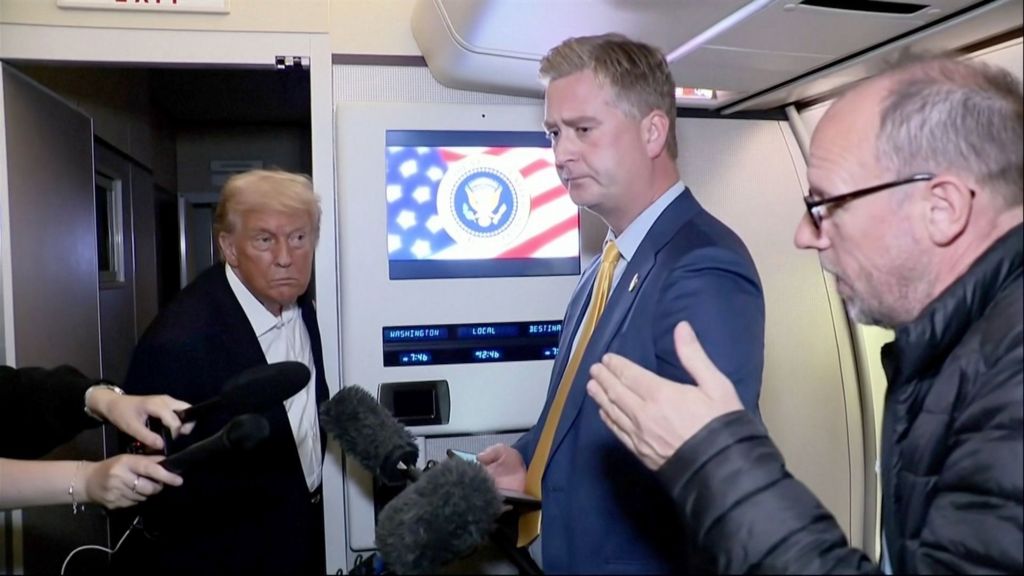
During a press briefing aboard Air Force One, President Donald Trump addressed questions regarding the stability of the recently negotiated ceasefire in Gaza. The BBC’s Tom Bateman pressed the President on whether the fragile truce would hold. Trump responded by emphasizing his focus on the broader vision of rebuilding Gaza, stating, ‘I’m talking about rebuilding Gaza.’ This statement underscores the administration’s commitment to not only maintaining peace but also fostering long-term development in the region. The ceasefire, brokered amidst escalating tensions, has been a critical point of discussion in international diplomacy. Trump’s remarks suggest a shift from immediate conflict resolution to sustainable reconstruction efforts, potentially signaling a new phase in U.S. foreign policy in the Middle East.
分类: politics
-
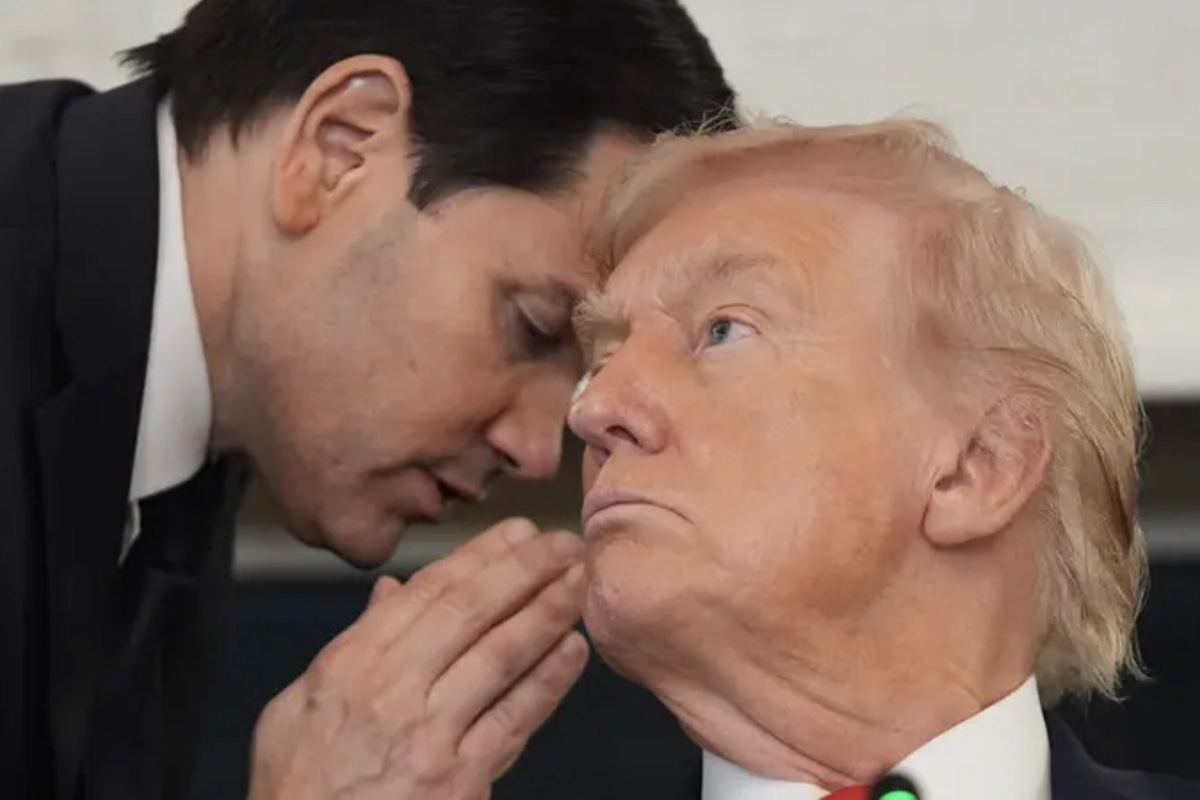
Can Trump’s ‘shock and awe’ doctrine extend beyond Gaza?
U.S. President Donald Trump’s recent visit to Israel and Egypt marked a pivotal moment in his second term, as he oversaw the initial implementation of the Gaza peace agreement. This accord, aimed at ending the two-year conflict in the region, is being hailed as a potential cornerstone of Trump’s foreign policy legacy, potentially surpassing the Abraham Accords of his first term, which normalized relations between Israel and several Arab nations. The swift negotiation of this ceasefire has brought renewed attention to the so-called ‘Trump Doctrine’—a high-energy, unconventional approach to global diplomacy. Central to this doctrine is a leaner, more agile decision-making structure within the administration. Secretary of State Marco Rubio, who also serves as National Security Adviser, has streamlined the National Security Council, reducing staff from 350 to 150. This restructuring has enabled faster, more decisive action, though it has not been without controversy. For instance, the use of Signal app group chats for classified discussions led to security concerns and the ousting of Trump’s first national security adviser, Michael Waltz. Rubio has since implemented a more sustainable communication method, relying on direct channels with key advisers like Chief of Staff Susie Wiles. The administration’s reliance on special envoys, such as Steve Witkoff and Jared Kushner, has also drawn both praise and criticism. While their unorthodox roles have facilitated high-level negotiations, questions about conflicts of interest persist. Trump’s personal diplomacy, characterized by a ‘shock and awe’ approach, has been instrumental in securing the Gaza deal. His ability to balance public support for Israeli Prime Minister Benjamin Netanyahu with private interventions, such as preventing the annexation of the West Bank, underscores his unique style. However, the sustainability of these breakthroughs remains uncertain. Critics point to the vagueness of Trump’s 20-point peace plan and the potential for it to unravel. As Trump pursues separate diplomatic deals with China, Russia, Iran, and North Korea, the true test of his doctrine will be whether he can drive a wedge between these adversaries and weaken their strategic alliances. The Gaza accord may be a significant achievement, but its long-term impact on global geopolitics is yet to be seen.
-
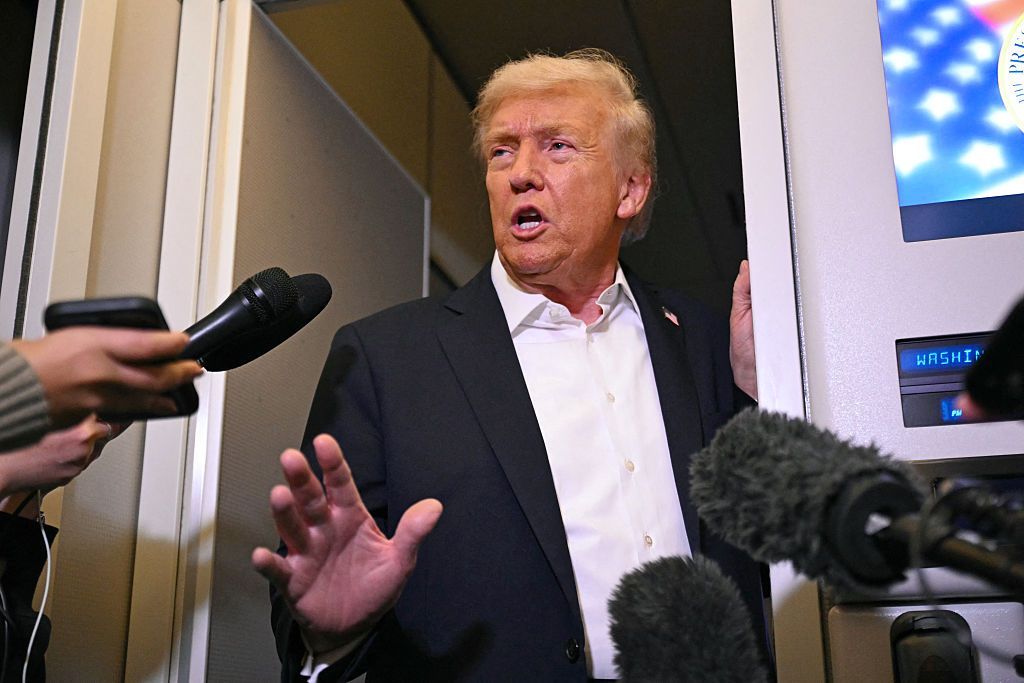
24 hours with Trump on diplomatic tornado through Middle East
In a whirlwind diplomatic tour, former U.S. President Donald Trump heralded a ‘historic day’ as a ceasefire agreement in Gaza came into effect, marking a pivotal moment after two years of devastating conflict. Trump, speaking to the BBC’s Tom Bateman aboard Air Force One, described the deal as a turning point in the millennia-long strife of the region, asserting that ‘everlasting peace’ had been achieved under his leadership. The agreement, brokered in Doha, saw the cessation of major combat operations, the release of hostages held by Hamas in exchange for Palestinian prisoners, and the partial withdrawal of Israeli troops from Gaza. Trump’s visit to Israel was marked by grand gestures, including a fly-by of a beach displaying a giant ‘thank you’ sign and a red-carpet welcome from Israeli Prime Minister Benjamin Netanyahu. However, the fragility of the truce and the challenges of rebuilding Gaza loom large, with Trump’s optimism met by skepticism about the sustainability of the peace. The U.S. president’s speech in the Knesset, where he was hailed as the ‘president of peace,’ was a mix of celebration and political rhetoric, as he attacked his domestic opponents and appealed for Netanyahu’s pardon. The day concluded in Sharm el-Sheikh, Egypt, where Trump presided over a signing ceremony, declaring it had taken ‘3,000 years’ to reach this point, yet acknowledging the long road ahead for lasting peace in the Middle East.
-
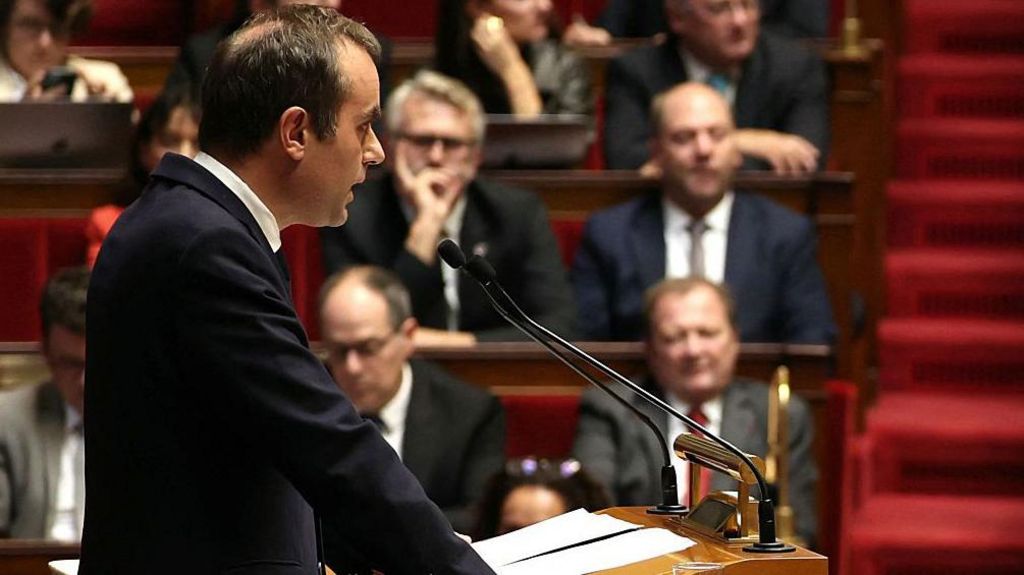
French PM backs suspending Macron’s pension reform in bid to save government
In a dramatic move ahead of crucial confidence votes, French Prime Minister Sébastien Lecornu announced his support for suspending the contentious 2023 pension reforms. The reforms, which raised the retirement age from 62 to 64, were a cornerstone of President Emmanuel Macron’s second term but sparked widespread protests and political unrest. Lecornu, who was reappointed prime minister just days after resigning, faces a precarious political landscape and relies on the support of Socialist MPs to maintain his government’s stability. Addressing parliament, he proposed suspending the reforms until the 2027 presidential election, a statement met with applause from left-wing parties. Opposition factions, including far-right and far-left groups, have called for confidence votes, known as ‘censure’ motions, scheduled for Thursday. They are demanding early parliamentary elections. The Socialists have conditioned their support on an explicit commitment to suspend Macron’s pension reforms entirely. Laurent Baumel, a Socialist MP, emphasized that Lecornu’s political survival hinges on this promise. The reforms, enacted in March 2023 using a constitutional mechanism to bypass a parliamentary vote, remain a divisive issue, with Lecornu acknowledging their legacy as a ‘wound on democracy.’ He also highlighted the financial implications of suspending the reforms, estimating costs of €400 million in 2026 and €1.8 billion in 2027, which would require compensatory savings. Amid France’s economic challenges, including a budget deficit projected at 5.4% of GDP and public debt nearing 114% of GDP, Lecornu’s ability to navigate these crises will determine his tenure.
-
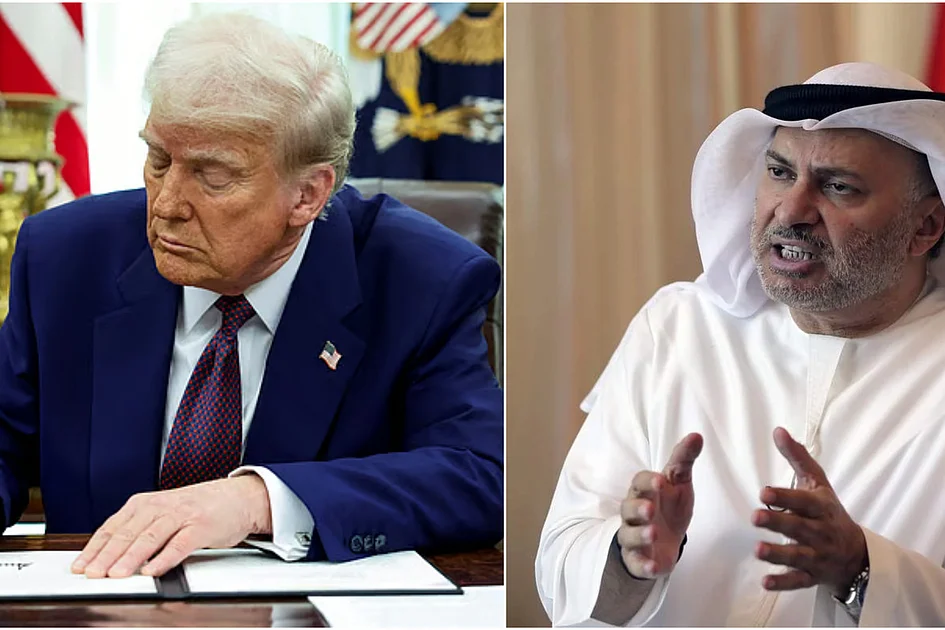
UAE President’s adviser says Trump deserves recognition for halting Gaza war
Dr. Anwar Gargash, a prominent Emirati politician and adviser to the UAE President, has publicly acknowledged US President Donald Trump for his pivotal role in bringing an end to the Gaza war. Speaking at a recent event, Dr. Gargash emphasized that Trump’s unwavering support for the peace plan, which was formalized as the official American initiative, played a crucial role in rallying international consensus during the Sharm El-Sheikh summit in Egypt. ‘From this point, a new phase of discussions and details begins, after the war of extermination has ended and the region has been saved from the repercussions of endless escalation,’ he stated. Earlier, Trump had commended the UAE for its significant contributions to advancing the peace plan. During a high-profile summit in Sharm El-Sheikh, Trump, alongside leaders from Egypt, Qatar, and Turkey, signed a comprehensive ceasefire agreement, marking a historic step toward regional stability. In his address, Trump hailed the agreement as a ‘triumph,’ expressing gratitude to the Arab and Islamic nations, particularly the UAE, Egypt, Türkiye, and Qatar, for their mediation efforts. ‘The momentous breakthrough that we’re here to celebrate tonight is more than the end of the war in Gaza. It’s, with God’s help, it will be the new beginning for an entire beautiful Middle East,’ Trump declared. He further emphasized the potential for a prosperous and united region, free from the scourge of terrorism. This development underscores the UAE’s growing influence in international diplomacy and its commitment to fostering peace in the Middle East.
-
China announces countermeasures against five US-linked subsidiaries of Hanwha Ocean
In a significant diplomatic move, China has announced countermeasures targeting five US-linked subsidiaries of Hanwha Ocean, a major South Korean shipbuilding company. The decision, revealed on October 14, 2025, underscores escalating tensions between Beijing and Washington amid ongoing geopolitical disputes. The Chinese government cited national security concerns and the need to protect its economic interests as the primary reasons for the sanctions. These measures are expected to impact trade relations and business operations between the involved parties. The announcement follows a series of recent diplomatic maneuvers by China in response to perceived threats from foreign entities. Analysts suggest that this action could further strain US-China relations, potentially influencing global trade dynamics and regional stability.
-
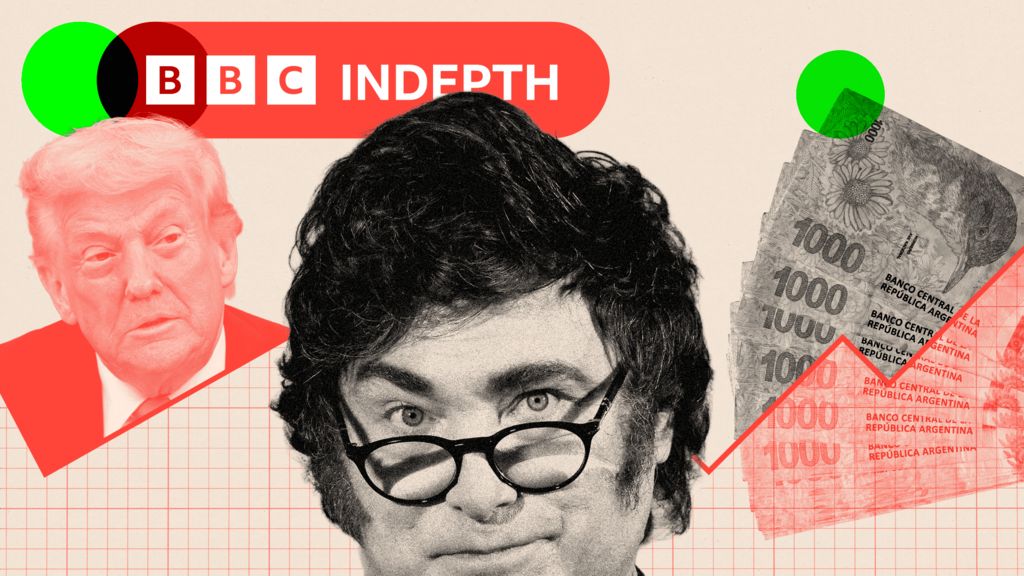
How President Milei’s ‘Thatcherite’ economics divided his nation – but won over Trump
In September 2023, Buenos Aires witnessed a dramatic election rally as hundreds gathered to support Javier Milei, a presidential candidate known for his unconventional tactics. Brandishing a chainsaw, Milei symbolized his intent to slash Argentina’s bloated state apparatus, which he criticized for its excessive public spending and reliance on debt. His campaign slogan, ‘afuera!’ (out!), resonated with voters frustrated by years of economic mismanagement, including inflation that soared to 211% annually and a poverty rate affecting 40% of the population. Milei’s promise of radical austerity measures, including cutting ministries, subsidies, and public jobs, struck a chord with those desperate for change. By December 2023, Milei assumed office and implemented his ‘chainsaw’ reforms, achieving Argentina’s first fiscal surplus in 14 years and reducing inflation to 36%. However, these gains came at a cost. Public protests erupted as pensioners, hospitals, and the working class bore the brunt of the cuts. Critics argue that Milei’s reforms have led to recession, job losses, and weakened public services, with some economists warning of an impending economic downturn. Despite international praise from figures like Donald Trump and Kemi Badenoch, Milei’s domestic support has waned, raising questions about the sustainability of his economic project. As midterm elections approach, Argentina faces a critical juncture: will Milei’s reforms be seen as a necessary sacrifice or a misguided experiment?
-
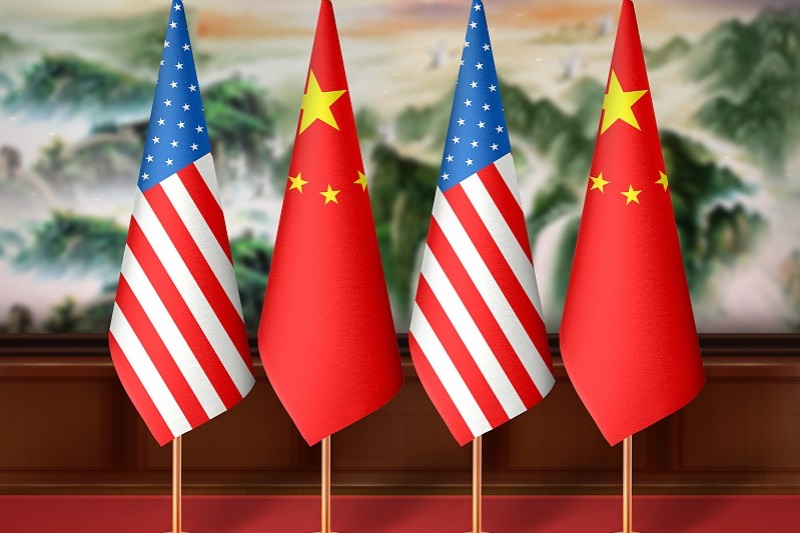
China unveils detailed measures for charging special port fees on US ships
In a significant move amid ongoing trade tensions, China’s Ministry of Transport has released a comprehensive document outlining the implementation of special port fees on ships owned or operated by US entities. The 10-article document, unveiled on October 14, 2025, specifies the scope, standards, and collection procedures for these fees, as well as exemptions for certain vessels, such as those built in China or entering for repair purposes. The measures, which took immediate effect, are a direct response to the US imposition of additional port fees on Chinese ships following a Section 301 investigation. The ministry emphasized that the US actions violate WTO rules and the China-US maritime transport agreement, undermining bilateral maritime trade. China’s decision is framed as a justified step to protect its industries and ensure fair competition in international shipping. The document also indicates that the fee structure will be dynamically adjusted based on future developments.
-
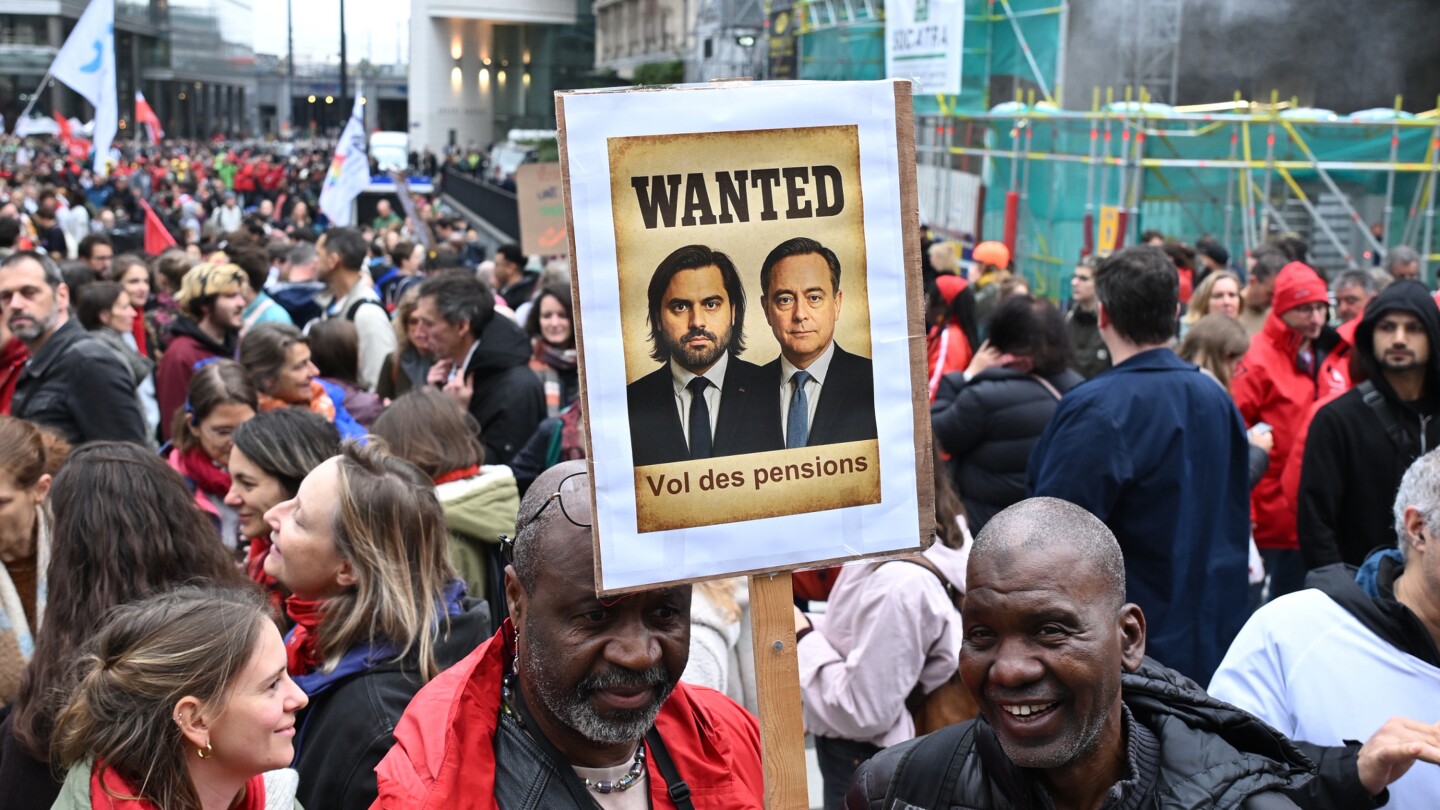
Police fire tear gas at Brussels protest against austerity measures
BRUSSELS — Tens of thousands of demonstrators descended upon Brussels on Tuesday to voice their opposition to Prime Minister Bart de Wever’s proposed austerity measures, leading to clashes with police and widespread disruptions. Belgian authorities resorted to tear gas to disperse the crowds, as minor skirmishes erupted between law enforcement and protesters. The demonstrators, armed with drums, horns, flares, and smoke bombs, chanted slogans against cuts to social welfare programs, crippling traffic in the capital and major transportation hubs. The protest, organized by Belgium’s three major trade unions, was accompanied by nationwide strikes targeting De Wever’s plans to reduce spending on pensions and healthcare. While organizers claimed over 150,000 participants, police estimated the crowd at 80,000. The Federal Planning Office of Belgium predicts the country’s budget deficit will surge to 6.5% of GDP by 2030, exacerbating economic challenges. De Wever, a Flemish nationalist who assumed office in February, has vowed to implement stringent fiscal measures to address these issues. The unrest underscores the growing public discontent with his administration’s policies.
-
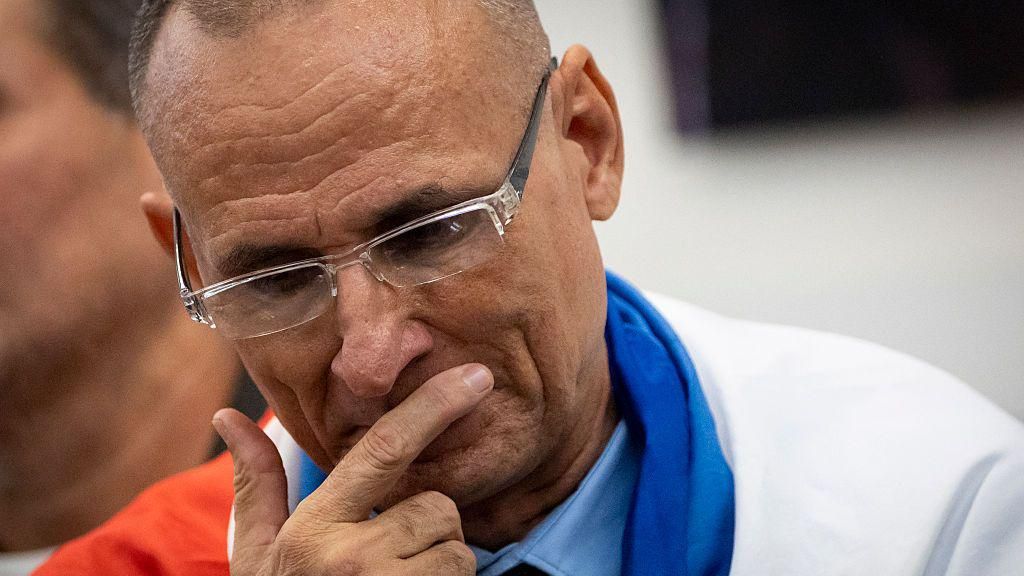
Cuban dissident begins US exile after release from jail
José Daniel Ferrer, a prominent Cuban dissident and vocal critic of the Communist government, has arrived in Miami following his release from a Cuban prison. Upon landing in the United States, Ferrer immediately called for the freedom of hundreds of political prisoners still detained in Cuba. The 55-year-old activist revealed earlier this month that he made the ‘difficult decision’ to go into exile after learning that his wife could face imprisonment and their son might be sent to a juvenile detention facility. The Cuban foreign ministry stated that Ferrer and his family left the country following a ‘formal request’ from the U.S. government, emphasizing that Ferrer had given his ‘explicit acceptance.’ Ferrer, the coordinator of the Patriotic Union of Cuba, a coalition of dissident organizations, has been a relentless advocate for democracy in a country where political opposition is banned. His activism has led to multiple imprisonments, including a brief release in January 2023 as part of a Vatican-negotiated deal that saw Cuba removed from the U.S. list of state sponsors of terrorism. However, Ferrer was re-arrested three months later for allegedly violating his parole terms. He has accused Cuban authorities of subjecting him to humiliation and torture, describing his treatment as ‘cruelty without bounds.’ Fellow dissidents have labeled his departure as a ‘forced exile.’ U.S. Secretary of State Marco Rubio praised Ferrer’s leadership and advocacy, stating that his efforts posed a significant threat to the Cuban regime. Rubio also urged the international community to hold Cuba accountable for its human rights abuses and demand the release of over 700 political prisoners.