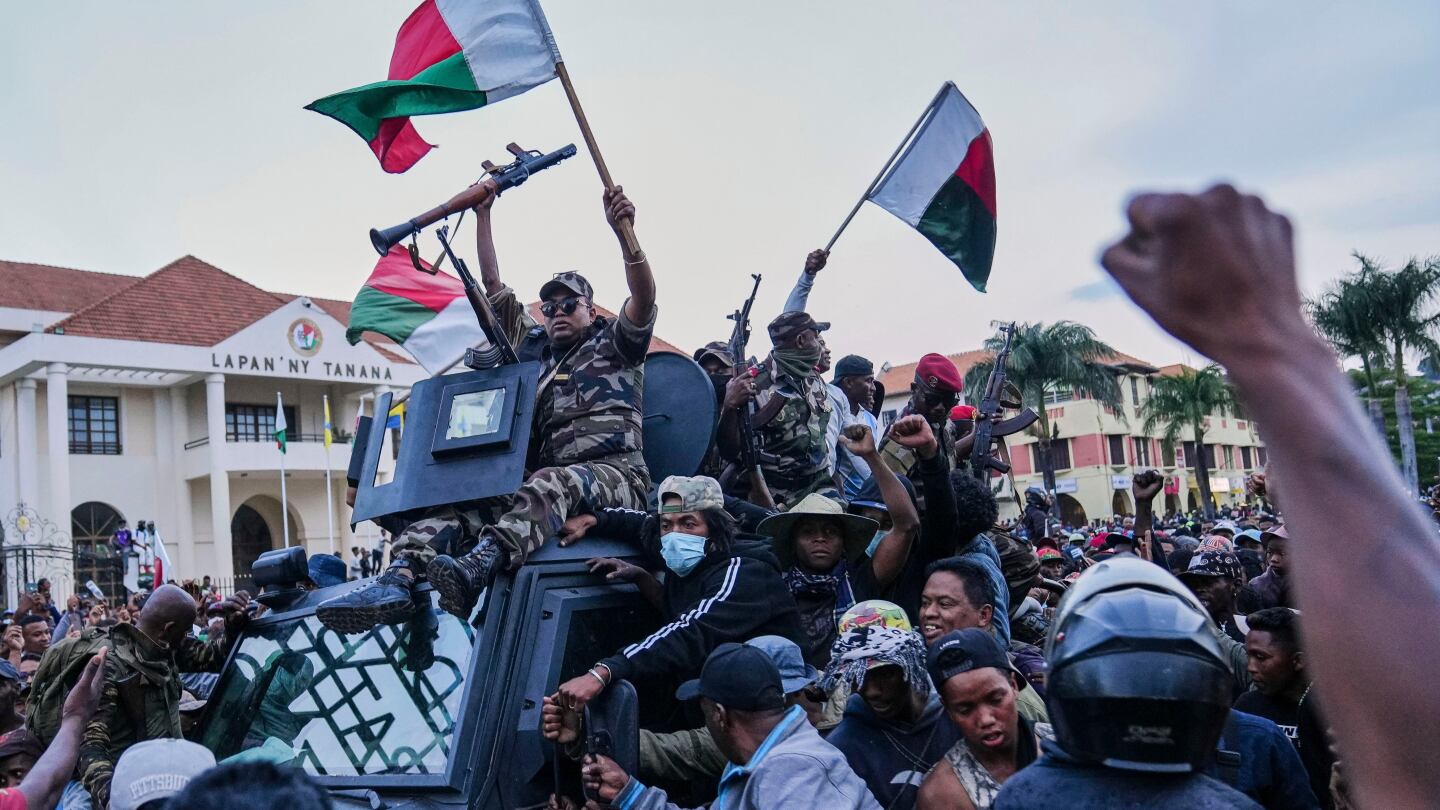
Madagascar is facing a deepening political crisis as an elite military unit, CAPSAT, has turned against President Andry Rajoelina, demanding his resignation in what appears to be an attempted coup. The unit, which previously supported Rajoelina’s rise to power in 2009, has taken control of the armed forces and appointed a new military leader, a move accepted by the defense minister. This escalation follows weeks of deadly anti-government protests, initially sparked by youth groups over water and electricity shortages but now encompassing broader grievances such as poverty, corruption, and the high cost of living. President Rajoelina, whose current whereabouts remain unknown, was scheduled to address the nation on state television, but his office has not confirmed if he is still in the country. Reports suggest he may have fled amid the unrest. The U.S. Embassy has advised American citizens to shelter in place due to the volatile situation, while the African Union has called for calm and restraint. The protests, led by the group ‘Gen Z Madagascar,’ have resulted in at least 22 deaths and widespread injuries, according to the United Nations, though the government disputes these figures. The crisis marks the most significant unrest in Madagascar in years, with curfews imposed in major cities and the nation’s political future hanging in the balance.
分类: politics
-
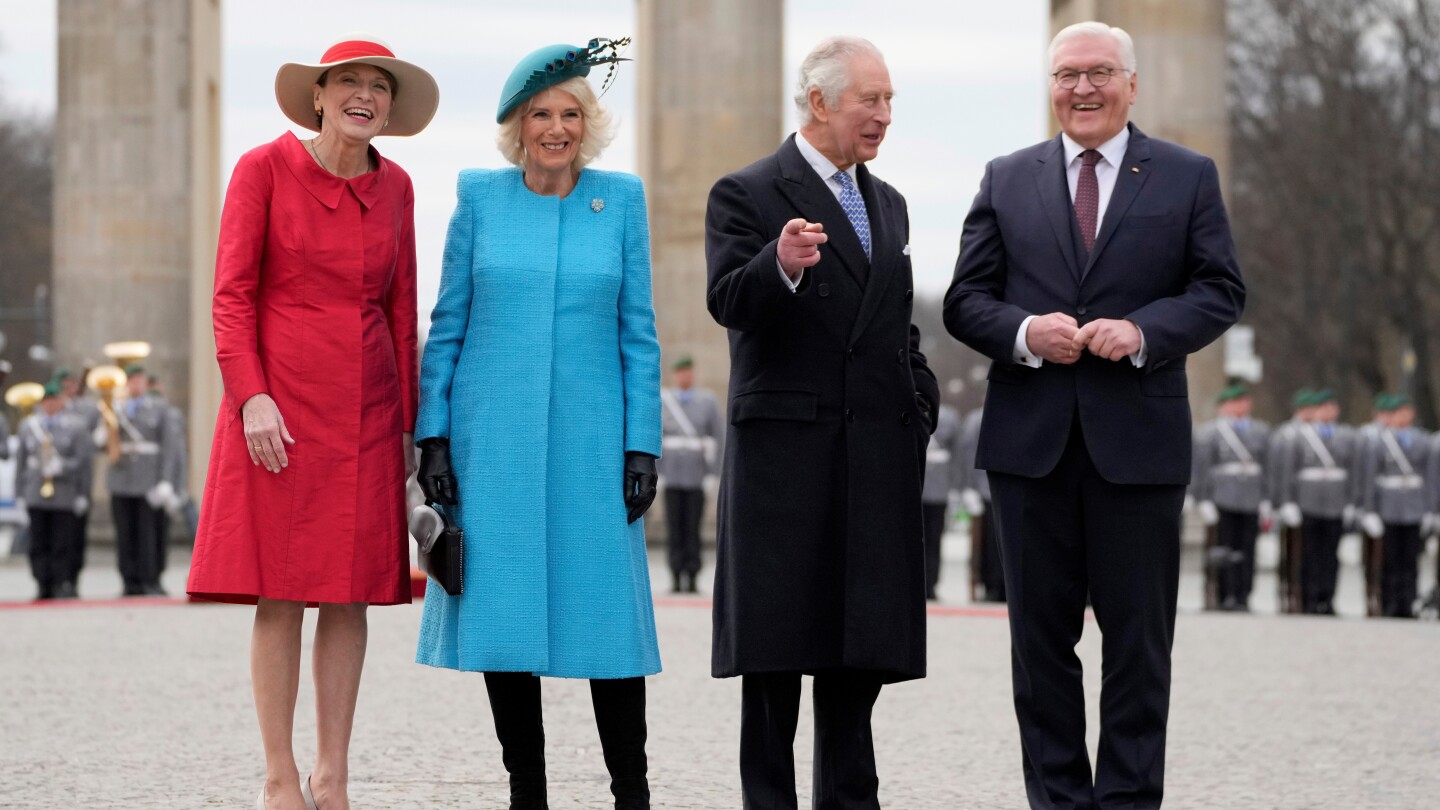
Germany’s president accepts invitation for state visit to UK in December
In a significant diplomatic move, Germany’s President Frank-Walter Steinmeier and First Lady Elke Büdenbender are set to undertake a state visit to the United Kingdom from December 3 to 5. Buckingham Palace confirmed the visit on Monday, announcing that King Charles III and Queen Camilla will host the distinguished guests at Windsor Castle. This marks the first state visit by a German head of state to the UK in 27 years and only the fifth since 1958, underscoring the rarity and importance of such ceremonial occasions. State visits are characterized by elaborate British traditions, including military salutes, carriage processions, and opulent banquets, designed to honor the guest nation and strengthen bilateral ties. These events not only celebrate longstanding alliances but also serve as strategic tools to influence diplomatic relations. The invitation for this visit was extended by King Charles, following the UK government’s recommendation. Earlier this year, Charles made his inaugural foreign trip as monarch to Germany, emphasizing the deep historical, cultural, and economic connections between the two nations. His efforts to foster closer UK-EU relations echo the diplomatic legacy of his mother, Queen Elizabeth II. Steinmeier’s visit is expected to further solidify the partnership between the UK and Germany, highlighting their shared interests in areas such as trade, science, and defense.
-

Growing chaos as shutdown persists in US
The US government shutdown has entered its second week, plunging the nation into growing chaos as mass layoffs and air travel disruptions intensify. President Donald Trump has directed the Pentagon to utilize ‘all available funds’ to ensure military personnel are paid, yet hundreds of thousands of civilian workers remain furloughed without pay. The Centers for Disease Control and Prevention (CDC) initially issued layoff notices to 1,300 employees, only to retract hundreds of them hours later, according to sources familiar with the matter. The Trump administration has initiated widespread job cuts across various federal agencies, including the Treasury Department, the US health agency, and Homeland Security’s cybersecurity division. Trump has squarely blamed Democrats for the layoffs, accusing them of instigating the shutdown. Republicans, who hold majorities in both chambers of Congress, are pushing for an extension of the current budget, while Democrats are advocating for subsidies for low-income health insurance. Senate Democratic Leader Chuck Schumer has criticized Republicans, stating that they bear responsibility for every job lost and every family affected. Labor unions representing federal workers have filed lawsuits to halt the layoffs, arguing they are illegal during a shutdown. Meanwhile, air travel across the US has been severely disrupted due to a shortage of air traffic controllers, many of whom are working without pay. Over 52,000 flights were canceled ahead of the Columbus Day weekend, with significant delays reported in major airports including Chicago, New York, and Dallas. The Federal Aviation Administration has acknowledged staffing issues, which have delayed travel for five consecutive days. As the shutdown persists, the political standoff shows no signs of resolution, leaving federal workers and travelers in limbo.
-
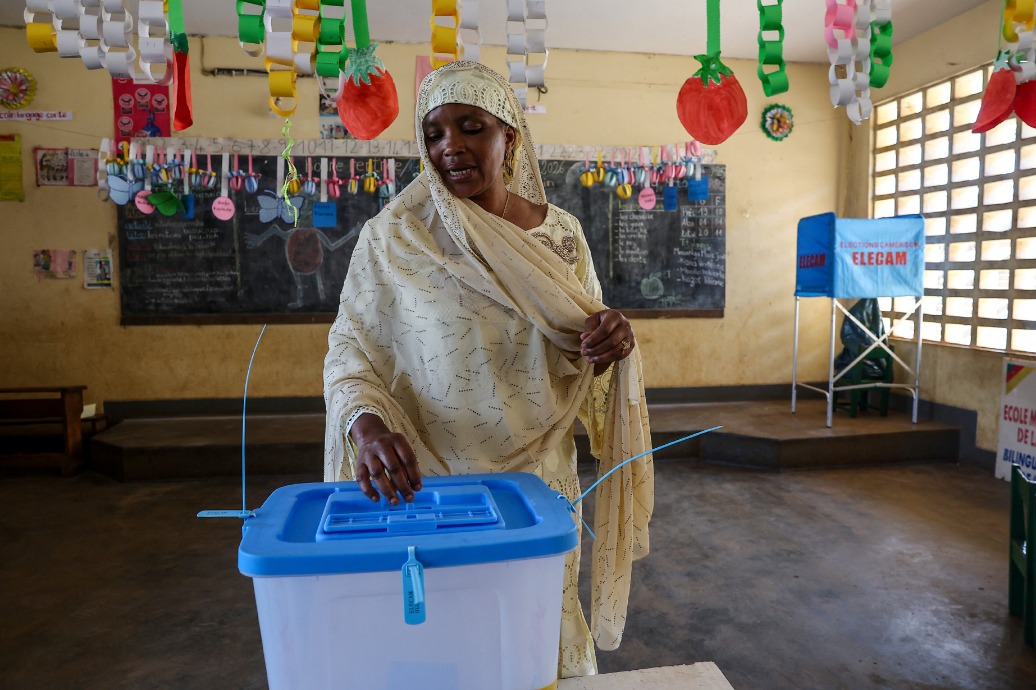
Counting begins as polls close in Cameroon’s presidential election
The presidential election in Cameroon concluded on Sunday evening, marking a significant moment for the nation as ballot counting commenced across the country. Polling stations opened at 8:00 am and closed at 6:00 pm local time, with over eight million registered voters participating in the democratic process to elect their next leader. Elections Cameroon, the national electoral body, reported that the voting process remained largely peaceful, with no major incidents disrupting the proceedings. However, in the English-speaking Northwest and Southwest regions, additional security forces were deployed to safeguard the election after separatist groups, advocating for an independent state, threatened to interfere. The election follows a single-round system, where the candidate with the most votes will be declared the winner. According to Cameroon’s Electoral Code, the Constitutional Council is mandated to announce the official results within 15 days. The nation now awaits the outcome, which will shape its political future.
-
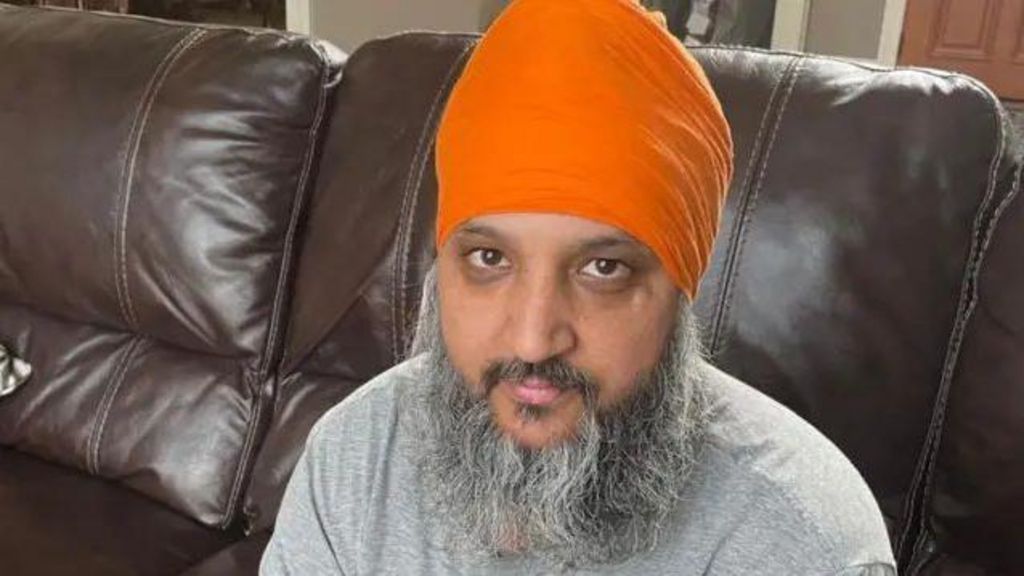
Sikh man with tumour held by US immigration denied medical care – family
Paramjit Singh, a 48-year-old US green card holder and Indian passport holder, has been detained by US immigration authorities for over two months, facing the threat of deportation. Singh, who has lived in the US since 1994 and resides in Indiana with his family, is battling a brain tumor and a heart condition. His wife and two children are US citizens. On July 30, Singh was detained at Chicago O’Hare International Airport upon returning from a trip to India and has since been held in custody. US Immigration and Customs Enforcement (ICE) has cited two decades-old cases as reasons for his detention, but Singh’s family and lawyer argue there are no active cases against him. They accuse immigration authorities of using old cases to delay his release and allege he lacks proper medical care despite his serious health conditions. Singh’s lawyer, Louis Angeles, stated that Singh is not receiving the necessary medical help, only check-ups. Singh’s niece, Kiran Virk, mentioned that he has regularly visited India without immigration issues. This time, his family waited seven hours at Chicago airport for his arrival. Immigration officials told them Singh was detained over a 1999 case involving using a public phone without paying. Court records show he served 10 days in prison and paid a $4,137.50 fine, which has blocked his US citizenship. Virk alleges immigration authorities said at a court hearing that Singh still faced a one-and-a-half-year sentence, with only 10 days dismissed. Authorities also claim Singh was convicted of a forgery offense in Illinois in 2008, but his family contends there are no such charges. A private detective hired by the family found no criminal records for a person named Paramjit Singh in the state, suggesting authorities may have mistaken him for someone else. Singh’s lawyer plans to challenge the detention, calling it ‘unethical’ and taking legal steps to block his deportation. Singh’s family is increasingly worried about his health, as his second brain tumor surgery has been delayed due to detention. His case is set to be heard on October 14. Singh’s detention comes amid a wider crackdown by US President Donald Trump’s administration on immigration, especially illegal immigrants. Critics say immigrants without criminal records who follow due process have also been targeted. In September, Harjit Kaur, a 73-year-old grandmother who spent more than three decades living in the US, was deported to India, sparking anger among the Sikh community.
-

Trump says he may send Tomahawk missiles to Ukraine
In a significant development in the ongoing Russia-Ukraine conflict, U.S. President Donald Trump has hinted at the possibility of supplying Ukraine with Tomahawk long-range cruise missiles. This move, described by Trump as ‘a new step of aggression,’ could dramatically enhance Ukraine’s ability to strike deep into Russian territory. The consideration follows a recent phone conversation between Trump and Ukrainian President Volodymyr Zelensky, during which Zelensky emphasized the need for advanced military capabilities to counter Russian offensives. Tomahawk missiles, with a striking range of 2,500 kilometers (1,500 miles), would place Moscow within Ukraine’s reach, potentially altering the strategic dynamics of the war. However, Moscow has previously cautioned Washington against such actions, warning that it would escalate tensions and further strain U.S.-Russian relations. Trump, speaking to reporters aboard Air Force One en route to Israel, indicated that he might discuss the matter with Russia, stating, ‘Do they [Russia] want Tomahawks going in their direction? I don’t think so.’ The potential deployment of these missiles comes as Ukraine faces relentless Russian attacks on its cities and critical infrastructure, including energy facilities, which have caused widespread power outages. Last month, Trump’s special envoy to Ukraine, Keith Kellogg, suggested that the U.S. president had authorized strikes deep into Russian territory, asserting that ‘there are no such things as sanctuaries’ in this conflict. Despite these developments, the Kremlin has downplayed the impact of Tomahawks, with spokesperson Dmitry Peskov stating that such weapons ‘won’t be able to change the dynamic’ of the war.
-

‘We’re in limbo’: A town in Trump country where shutdown axe looms
Three months into his stay at a temporary housing facility for homeless veterans in Martinsburg, West Virginia, Jonathan Giba continues to wait for essential medical and dental care. The U.S. government shutdown has further delayed his treatment, leaving him frustrated and calling the situation ‘political bs.’ The Veterans Affairs (VA) hospital where Giba resides is still operational, but other VA programs assisting veterans with job placement and transitioning to civilian life have been suspended. ‘The shutdown is a waste of time, and it hurts everyone in the meantime,’ Giba, an Army veteran, remarked. Martinsburg, a town heavily reliant on federal employment, is particularly vulnerable to the shutdown’s ripple effects. With over 3,300 federal workers employed locally and thousands more commuting to Washington, D.C., the economic impact is severe. The shutdown has also disrupted community events and threatened the livelihoods of small businesses. Troy Williams, another veteran, emphasized that the issue transcends party lines: ‘This isn’t a Democrat or Republican issue; this is a why aren’t they working on a solution issue.’ Air Force veteran Marcellus Brothers expressed concern about the uncertainty, stating, ‘We’re in limbo; it’s scary.’ The political deadlock between Republicans and Democrats over government funding has left over 700,000 federal workers on unpaid leave, with 200,000 ‘essential’ employees working without pay. The shutdown has already forced the closure of critical services, including a USDA office assisting farmers and ranchers. West Virginia Senator Shelley Moore Capito has blamed Democrats for the impasse, while local residents fear the long-term economic consequences. ‘The pain to the elderly, the disabled, and to children could be catastrophic,’ warned resident Mark Mulligan. As the shutdown persists, the toll on communities, businesses, and individuals continues to mount.
-
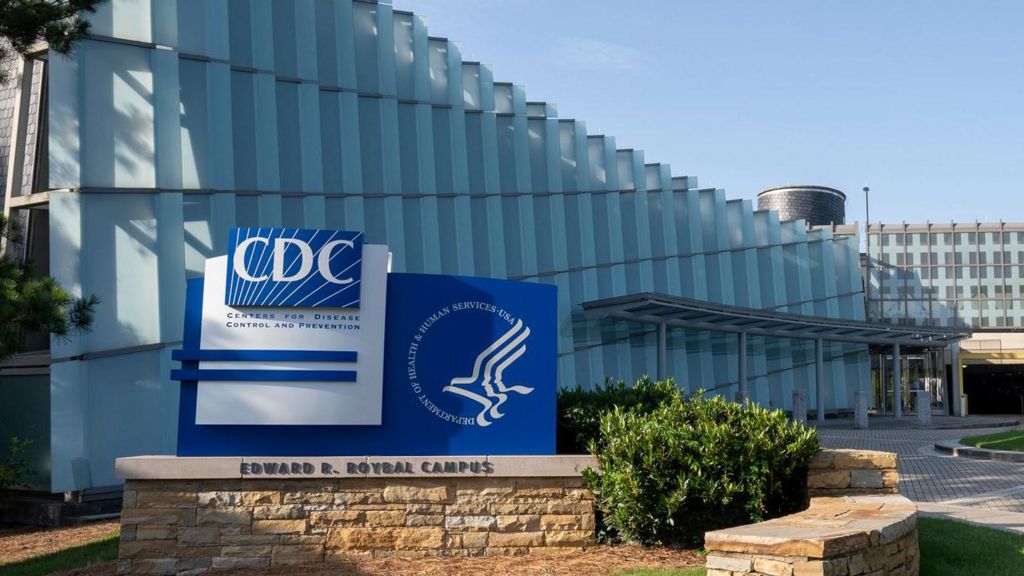
Shutdown: CDC workers who received layoff notices reinstated
As the US government shutdown enters its second week, Vice-President JD Vance has warned of further staffing cuts if the impasse continues. This comes amid a partial reversal of layoffs at the Centers for Disease Control and Prevention (CDC), where around 700 employees were reinstated after being mistakenly notified of their termination. The Trump administration had initially announced the firing of over 4,000 federal workers across seven agencies, including the CDC, as part of its broader effort to reduce the size of the federal workforce and cut government spending. However, a spokesperson for the Department of Health and Human Services (HHS) clarified that some CDC employees were never actually separated from their roles. Vance, speaking on Fox News, emphasized that prolonged shutdowns would lead to deeper and more painful cuts. Meanwhile, the shutdown has left hundreds of thousands of federal workers furloughed without pay, while essential personnel, including military service members, are being paid through reallocated funds. The Department of Defense has secured $8 billion from previous fiscal year reserves to ensure troops receive their paychecks by October 15. Political deadlock persists, with Democrats and Republicans unable to resolve their funding disputes. Senator Mark Kelly (D-AZ) reiterated his party’s stance on reinstating federal healthcare subsidies, while Senator Lindsey Graham (R-SC) opposed extending such measures. As the shutdown continues, its ripple effects are being felt across government services, including the closure of Smithsonian museums, research centers, and the National Zoo in Washington, DC. Representatives from the CDC, HHS, and the White House have yet to comment on the ongoing situation.
-
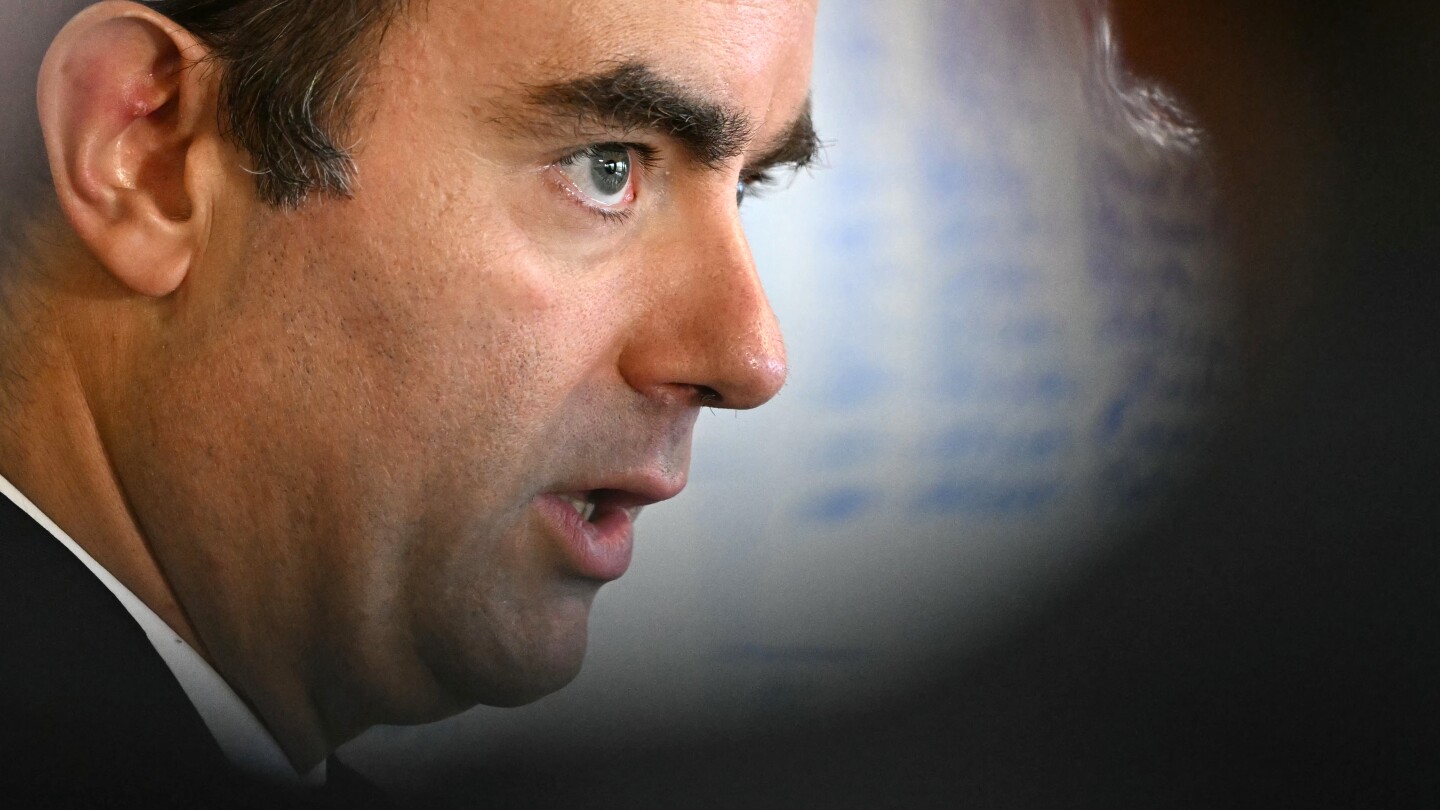
France’s newly re-appointed prime minister names new Cabinet in bid to quell political turmoil
In a bid to stabilize France’s political landscape, Prime Minister Sebastien Lecornu unveiled a new government on Sunday. The reshuffle comes as Lecornu faces mounting pressure to address pressing issues, including crafting a viable budget and restoring confidence among businesses and investors. The Cabinet features a mix of seasoned politicians from President Emmanuel Macron’s centrist alliance and conservative allies, alongside fresh faces from outside the political arena. However, the longevity of this administration remains uncertain, given Macron’s lack of a parliamentary majority and calls from opposition leaders for new elections or his resignation. Lecornu, a 39-year-old centrist and Macron confidant, must navigate a deeply divided National Assembly, where far-right, centrist, and left-wing factions vie for influence. Key appointments include Catherine Vautrin as Defense Minister, tasked with managing France’s military support for Ukraine and addressing European security threats posed by Russia. Paris Police Chief Laurent Nunez, who secured the 2024 Olympics, steps into the role of Interior Minister, while Roland Lescure takes on the critical Finance Ministry portfolio amid concerns over rising debt and poverty. Foreign Minister Jean-Noel Barrot retains his position, accompanying Macron to Egypt for an international ceremony marking the Gaza ceasefire.
-

Presidential candidate calls for Irish unity preparation
In a heated presidential debate broadcast by RTÉ, the two candidates vying for the Irish presidency, Catherine Connolly and Heather Humphreys, addressed critical issues such as Irish unity, neutrality, and foreign policy. Connolly, backed by a coalition of left-leaning parties including Sinn Féin, urged the Irish government to prepare for a united Ireland, citing the Good Friday Agreement and Article 3 of the Irish Constitution as foundational frameworks. She emphasized the need for a green paper and cross-party collaboration to outline steps toward unity, lamenting the lack of progress thus far. Connolly also pledged to make her first presidential visit to Northern Ireland if elected. Humphreys, representing the Fine Gael party, stressed the importance of building trust across communities in Northern Ireland, drawing on her personal experiences and relationships across the border. She highlighted the persistent divisions despite the peace process and expressed her commitment to fostering dialogue and understanding. The debate also saw the candidates clash over the government’s proposal to remove the ‘triple lock’ mechanism, which currently requires UN approval, government decision, and parliamentary vote for deploying Irish troops abroad. Connolly argued for a referendum to protect Ireland’s neutrality, while Humphreys supported the government’s stance, questioning the need for foreign powers to veto Irish peacekeeping missions. Both candidates reaffirmed their commitment to Ireland’s neutrality, though they differed on the specifics of its implementation.