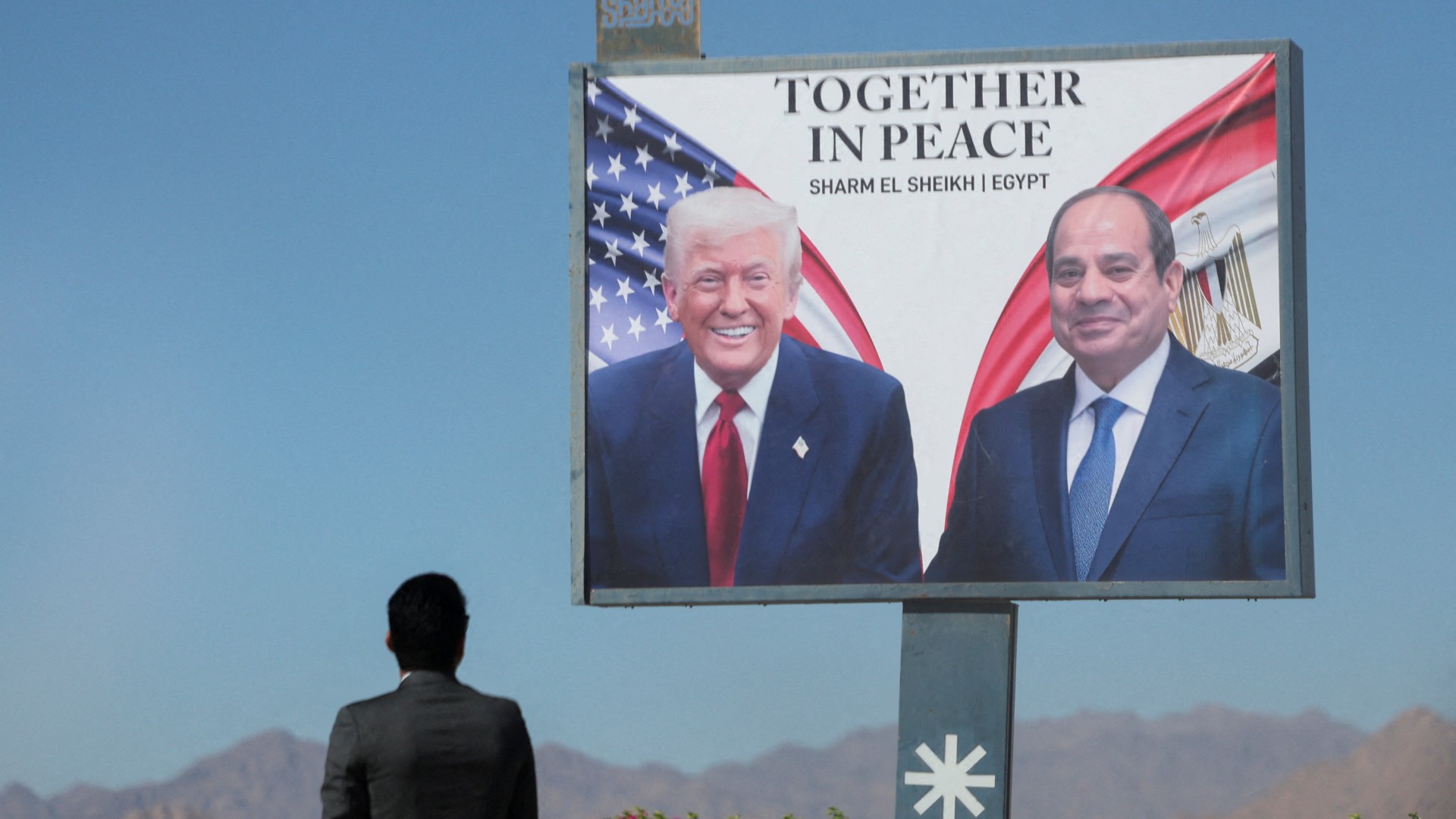
The recent summit in Sharm el-Sheikh, Egypt, co-chaired by US President Donald Trump and Egyptian President Abdel-Fattah el-Sisi, aimed to solidify and celebrate the Gaza ceasefire agreement. However, the conspicuous absence of Saudi Crown Prince Mohammed bin Salman and UAE President Mohammed bin Zayed sent a strong message: the Gulf Arab heavyweights were unwilling to let Egypt take center stage. According to sources from Saudi Arabia, the UAE, and Egypt, their no-show was a deliberate move to prevent Cairo from claiming undue credit for the deal. Egypt has historically played a pivotal role in Middle Eastern diplomacy, particularly in mediating conflicts involving Israel and Gaza. Yet, its recent actions—or inactions—during Israel’s blockade of Gaza’s Rafah crossing, which exacerbated a humanitarian crisis, have drawn criticism. At home, Egypt has also suppressed expressions of solidarity with Palestinians, further complicating its stance. Meanwhile, Saudi Arabia and the UAE, as the region’s wealthiest nations, are expected to shoulder much of Gaza’s reconstruction costs. Both countries argue that their financial contributions warrant a greater role in shaping Gaza’s future. The tension reflects deeper ideological divides, with both Gulf nations viewing Hamas as a threat to their own political stability. Saudi Arabia’s Crown Prince, in particular, sees Hamas’s religious and populist appeal as a challenge to his liberalizing reforms. The UAE, long opposed to political Islam, fears Hamas’s survival could embolden similar movements. The absence of Gulf leaders at the summit underscores the growing fragmentation within the Arab world, as nations grapple with balancing public anger over Gaza, skepticism of US-led initiatives, and the need to maintain Western alliances. The summit, intended to showcase Egypt’s leadership, instead revealed unresolved rivalries and a lack of unified Arab support.
分类: politics
-
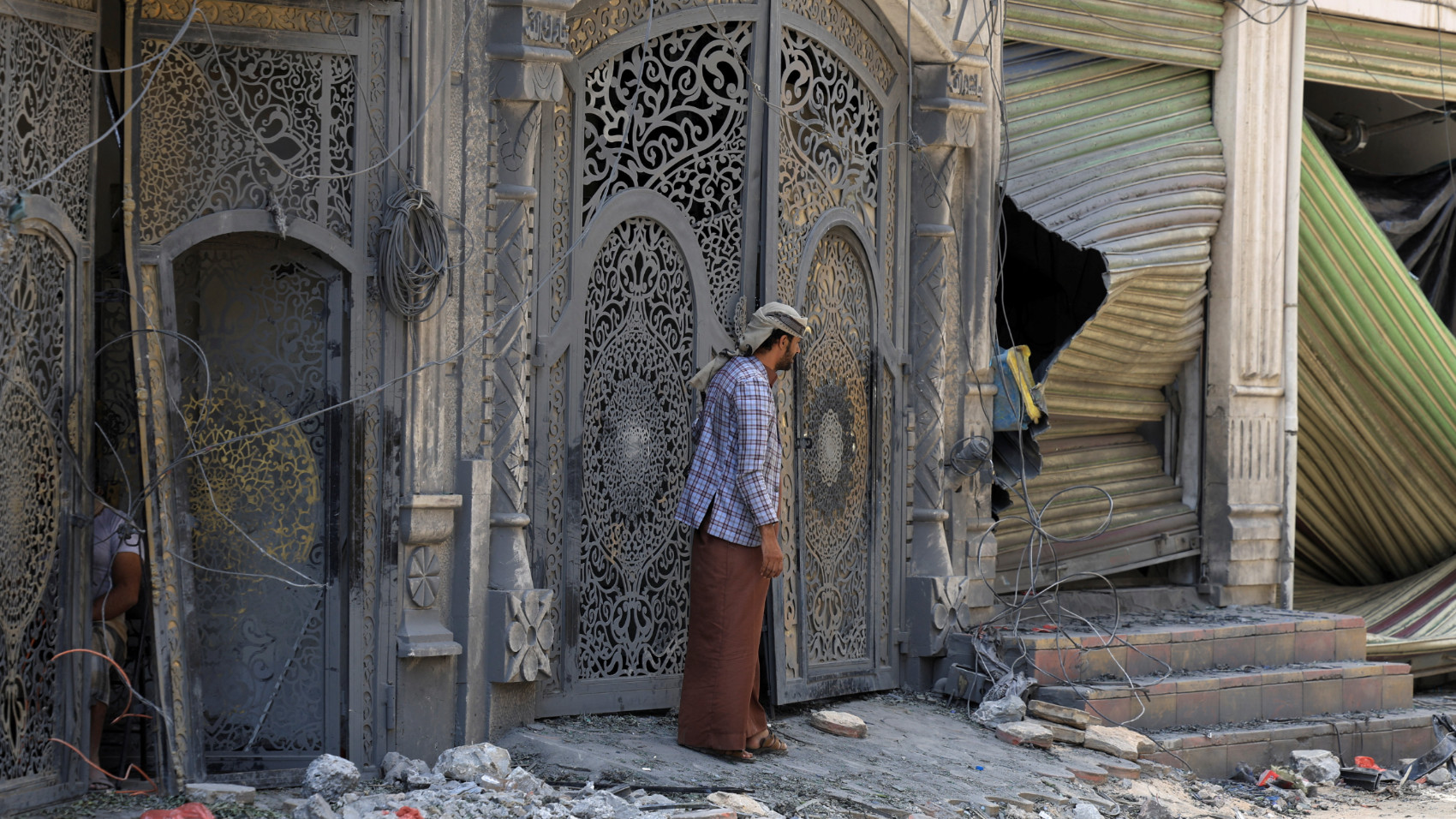
Yemen’s southern secessionists face backlash over talk of ties with Israel
For two years, Amer Ali, a resident of Aden in southern Yemen, actively participated in protests against Israel’s military campaign in Gaza, which has resulted in over 68,000 casualties. Ali viewed these demonstrations as a moral obligation to oppose what the United Nations and genocide scholars have labeled as genocide. However, his commitment to the cause has been shaken by recent signals from the Southern Transitional Council (STC), Yemen’s primary separatist movement, indicating a willingness to normalize relations with Israel. Ali, a long-time supporter of southern secession, now finds himself at odds with the STC’s controversial stance. The STC, which has gained significant military and political influence since 2016 with support from the United Arab Emirates (UAE), controls much of southern Yemen. STC leader Aidarus al-Zoubaidi recently suggested that an independent southern state could pave the way for normalization with Israel, a move that has sparked widespread outrage across Yemen. Critics argue that such a decision would betray the Palestinian cause, which holds deep significance for Yemenis. Despite the STC’s claims that normalization could bring international recognition and stability, many Yemenis, including Ali, reject the idea outright. ‘Building ties with Israel to advance our cause is a grave misstep,’ Ali stated. ‘History will remember the STC as the first entity in Yemen to declare readiness to normalize relations with Israel.’ The STC’s alignment with the UAE, a signatory of the 2020 Abraham Accords with Israel, has further fueled suspicions that the council is prioritizing foreign interests over local sentiment. Political commentators like Sadam al-Huraibi argue that the STC’s pursuit of normalization is a strategic move to gain global legitimacy, but it risks alienating its base and undermining its long-term goals. As tensions rise, the STC’s controversial stance on Israel threatens to deepen divisions within Yemen’s already fractured political landscape.
-
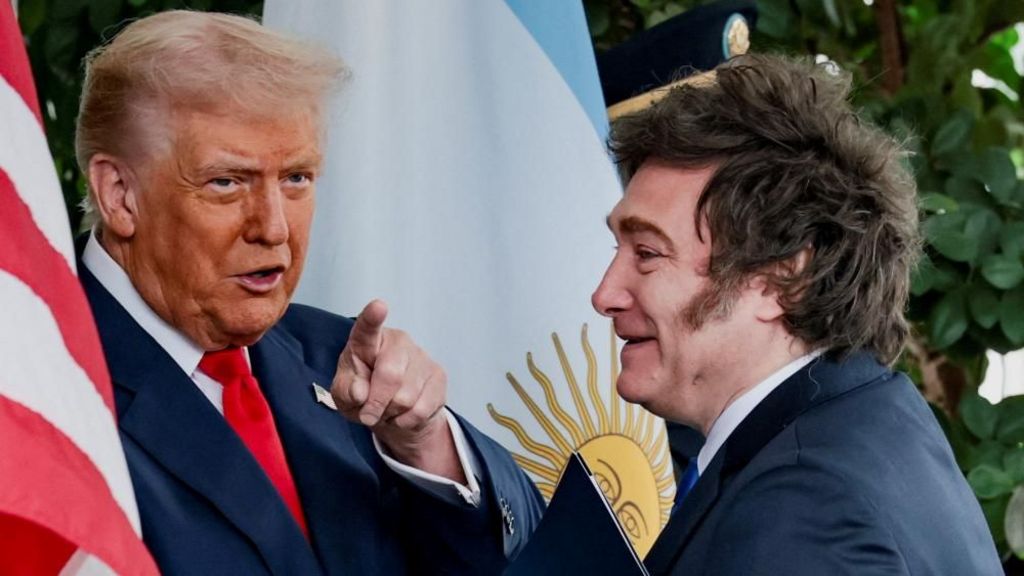
Trump says US will not ‘waste our time’ helping Argentina if Milei loses
President Donald Trump has made it clear that the United States’ $20 billion financial aid package to Argentina is contingent on the electoral success of the country’s libertarian leader, Javier Milei. During a meeting at the White House, Trump emphasized that the US would not ‘waste our time’ with Argentina if Milei’s party fails to secure victory in the upcoming midterm elections. Milei, who has been a staunch advocate of free-market reforms, praised Trump for his efforts in fostering economic prosperity and peace. The financial aid, announced as a currency swap, is intended to stabilize Argentina’s faltering economy, which has been plagued by inflation and a depreciating peso. However, Trump’s explicit linkage of the aid to Milei’s electoral prospects has raised eyebrows, given his previous stance against foreign interference in elections. Milei’s party, La Libertad Avanza, has faced challenges in recent provincial elections, and several corruption scandals have further weakened its position. The outcome of the midterm elections could significantly impact Milei’s ability to push through further reforms, as his government lacks a majority in Congress. Despite the US intervention, financial markets remain skeptical about its potential to bolster Milei’s electoral chances. The aid package, while intended to prevent a financial crisis, has also sparked concerns about its political implications and whether it will resonate with ordinary Argentines, many of whom are weary of Milei’s austerity measures. These measures, though credited with reducing inflation and the deficit, have led to significant cuts in pensions, education, health, and infrastructure, causing widespread social discontent.
-
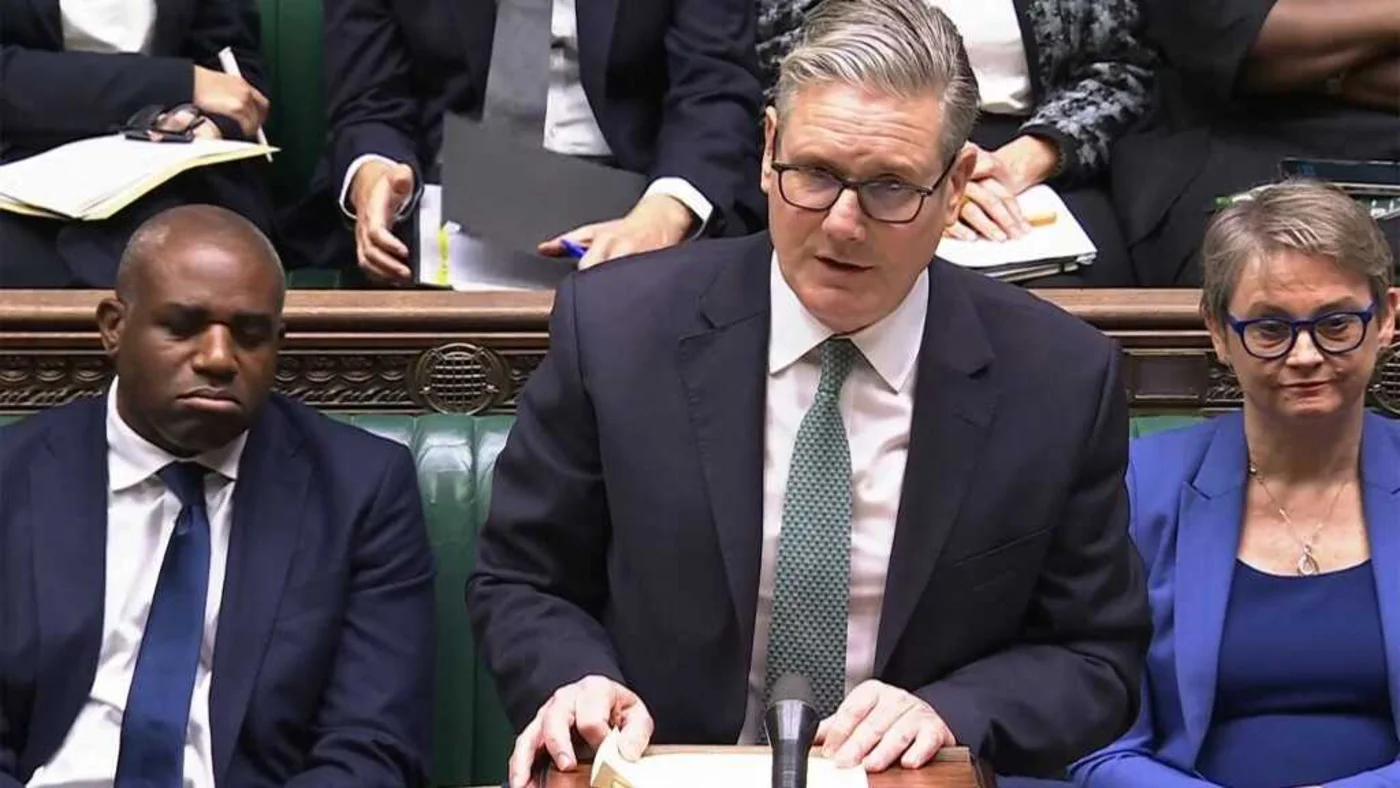
Starmer says ‘intifada’ chant is ‘call to attack’ Jewish people
In a significant parliamentary exchange, UK Prime Minister Keir Starmer unequivocally stated that the slogan ‘internationalise the intifada’ is a direct incitement to violence against Jewish communities worldwide. This declaration came in response to Conservative MP Julian Lewis’s inquiry, which sought clarity on the interpretation of the phrase often chanted at pro-Palestine demonstrations. Starmer’s firm stance marks a pivotal moment in the ongoing debate over the boundaries of protest rhetoric and its implications for community safety. The Prime Minister’s comments follow the government’s introduction of stricter protest regulations, aimed at mitigating the impact of frequent demonstrations on local communities. These measures, however, have sparked widespread criticism, with detractors arguing that they infringe upon the fundamental right to free expression. The controversy is further compounded by the recent classification of Palestine Action as a terrorist organization, a move that has drawn scrutiny from Europe’s top human rights official. Home Secretary Shabana Mahmood has emphasized the need for robust legal frameworks to address hate speech and crimes, ensuring that perpetrators face stringent legal consequences. This unfolding scenario underscores the delicate balance between safeguarding civil liberties and protecting communities from hate-fueled violence.
-
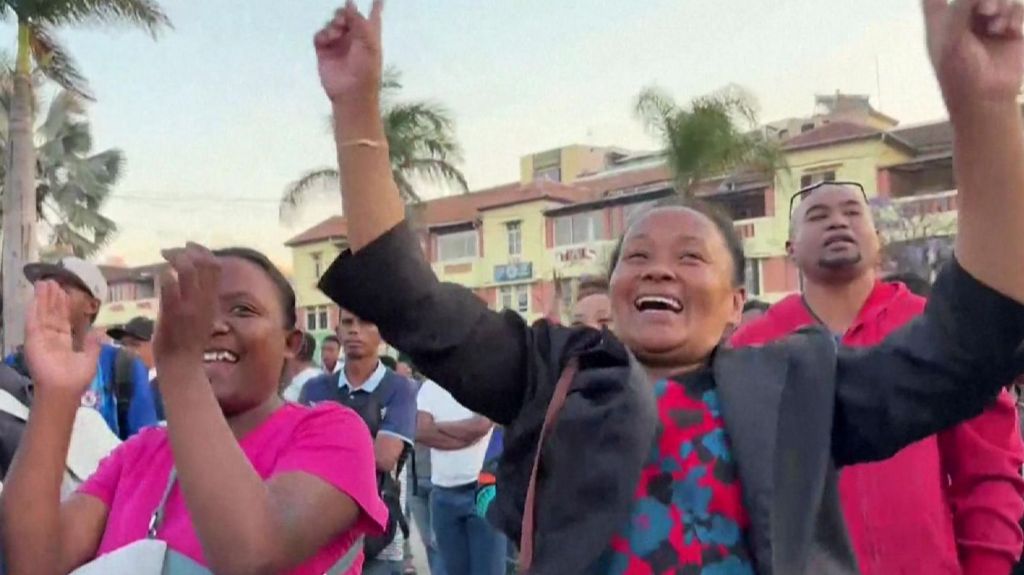
Madagascar crowds cheer as military unit seizes power
In a dramatic turn of events, an elite military unit in Madagascar has declared the seizure of power from the country’s president, sparking widespread jubilation among the populace. The streets of Antananarivo, the nation’s capital, were filled with cheering crowds as news of the military’s intervention spread. The unit, known for its strategic prowess, announced its takeover in a public statement, though details regarding the president’s current status remain unclear. This development marks a significant shift in Madagascar’s political landscape, raising questions about the future governance and stability of the island nation. Analysts are closely monitoring the situation, as the military’s actions could have far-reaching implications for both domestic and international relations.
-
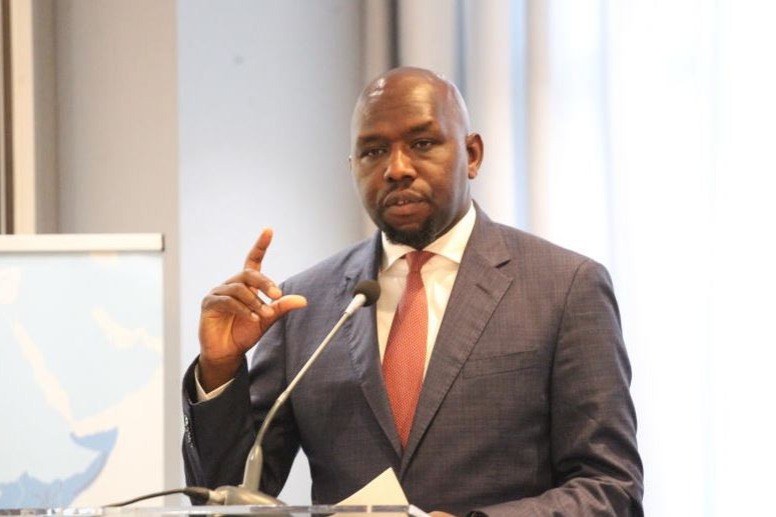
China, Kenya deepen security and law enforcement cooperation to tackle regional threats
China and Kenya have pledged to deepen their collaboration in security, law enforcement, and border management, expanding their partnership beyond traditional economic and trade ties. This renewed commitment was highlighted during a recent bilateral meeting between Kenya’s Interior and National Administration Cabinet Secretary Kipchumba Murkomen and Chinese Ambassador to Kenya Guo Haiyan. Murkomen emphasized that the partnership between the two nations has evolved to include critical areas of governance and security, alongside their ongoing socio-cultural and economic cooperation. He acknowledged China’s significant contributions to Kenya’s infrastructure development under the Belt and Road Initiative, which has played a pivotal role in advancing Kenya’s modernization agenda. Both countries are now exploring ways to enhance their collaboration in security infrastructure, border management, and combating transnational crimes that threaten regional stability. Ambassador Guo reaffirmed China’s commitment to supporting Kenya in building institutional capacity and strengthening law enforcement mechanisms. She also highlighted ongoing efforts to bolster cooperation in security, information exchange, and the use of technology to enhance public safety.
-
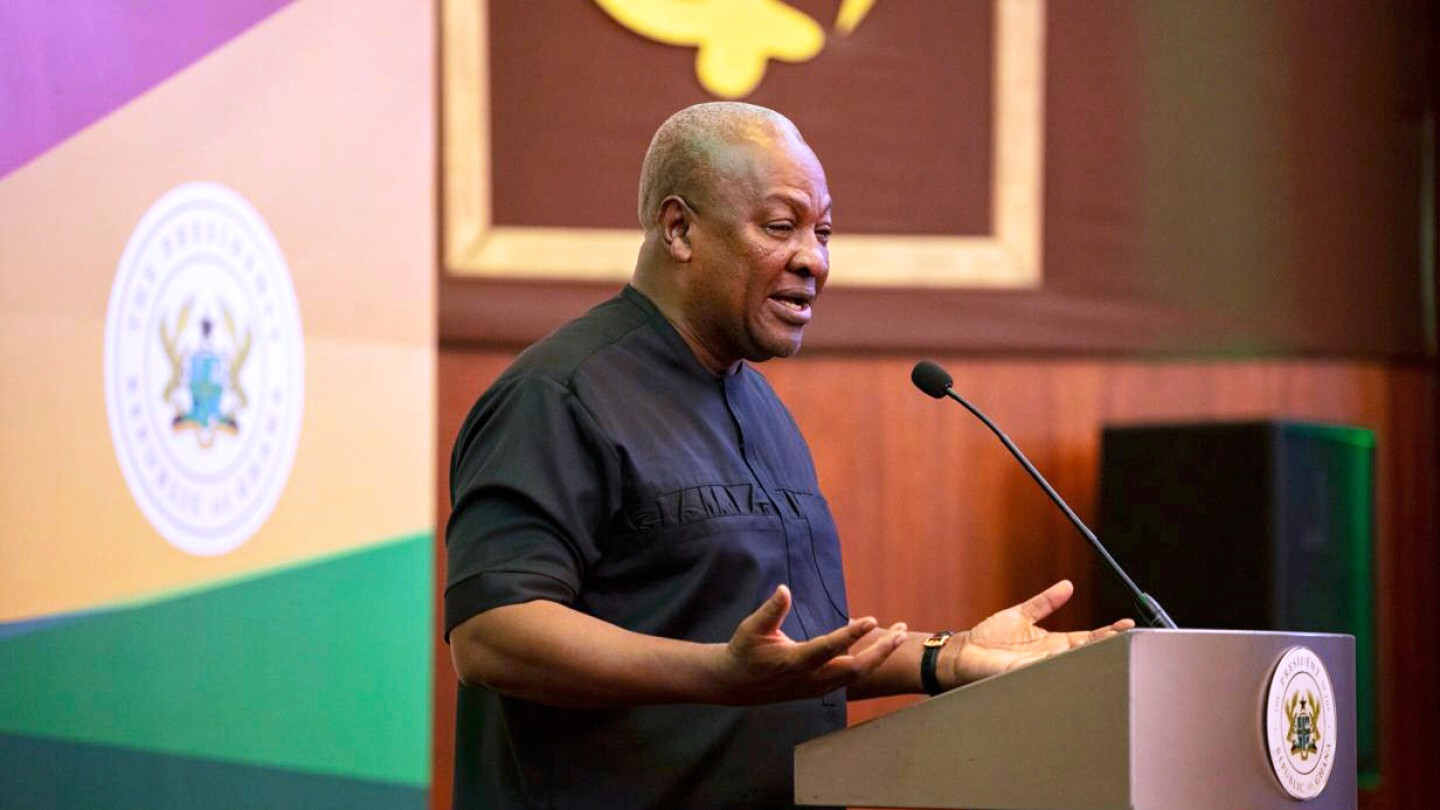
Ghana rights group files lawsuit against government’s acceptance of US deportees
In a recent development, 14 West African nationals were deported from the United States to Ghana, bringing the total number of deportees under a bilateral agreement to 42. The deportation, which occurred on Monday, has sparked significant controversy and legal action. Oliver Barker-Vormawor, a lawyer representing migrants, revealed that his organization, Democracy Hub, filed a lawsuit on Tuesday against the Ghanaian government. The lawsuit alleges that the deportation agreement with the U.S. is unconstitutional, as it was not approved by Ghana’s parliament, and may violate international conventions protecting individuals from being sent to countries where they could face persecution. Government spokesman Felix Kwakye Ofosu stated that the attorney general would defend the arrangement in court but offered no further comments. This deportation program is part of the Trump administration’s broader crackdown on illegal immigration, particularly targeting individuals with criminal records who are difficult to deport to their home countries. Since July, dozens of deportees have been sent to various African nations, including Ghana, South Sudan, Rwanda, and Eswatini, under largely secretive agreements. Critics argue that the program lacks transparency and often sends individuals to countries where they have no ties, potentially denying them due process. Earlier deportations to Ghana saw migrants held in poor conditions at a military camp near Accra, with many later sent to other West African countries. The situation has drawn widespread condemnation from human rights groups, who argue that the program undermines international protections for migrants.
-
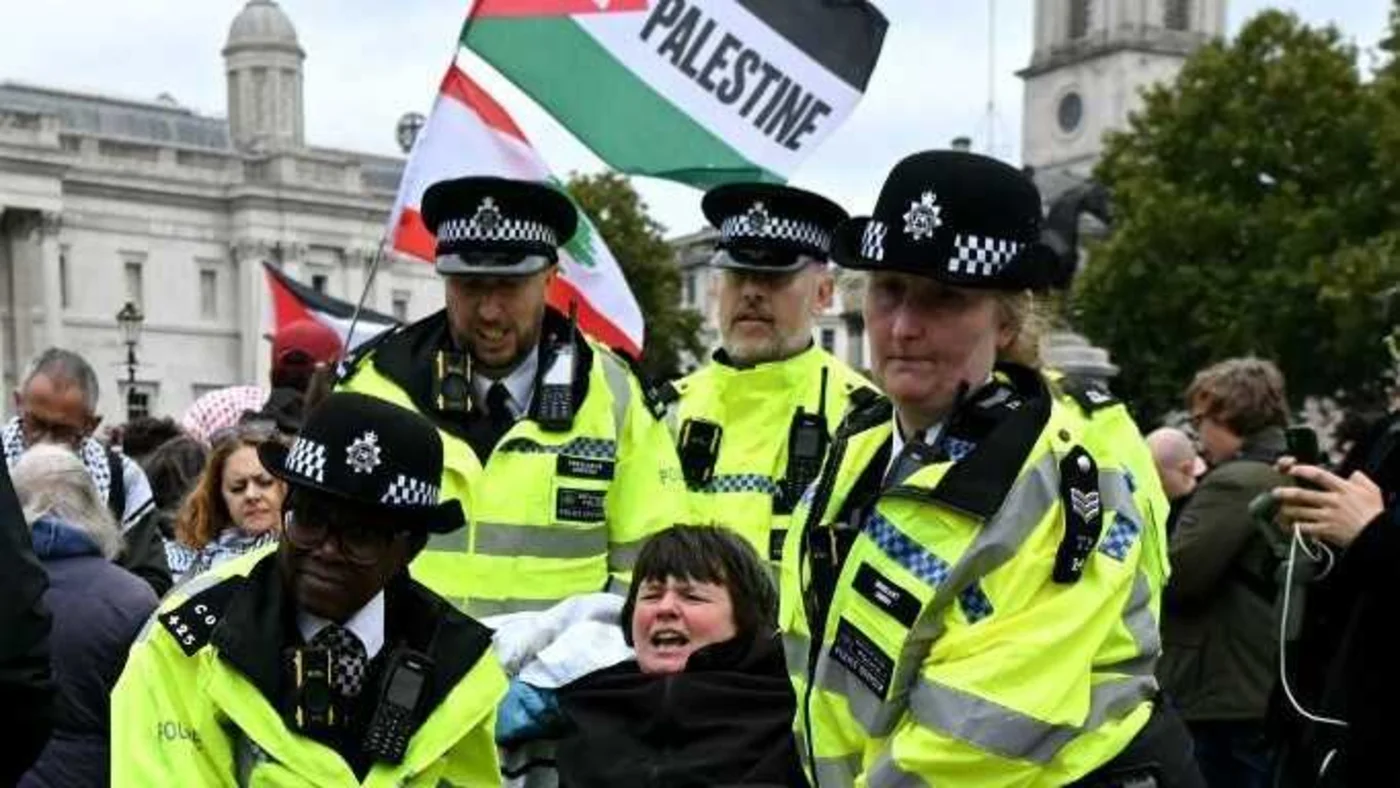
Top European human rights official urges UK to review protest laws over Palestine Action arrests
Europe’s top human rights official has called on the British government to reassess its protest laws following the controversial designation of Palestine Action as a terrorist organization. Michael O’Flaherty, the Council of Europe’s Commissioner for Human Rights, expressed concerns in a letter to UK Home Secretary Shabana Mahmood, stating that the current legal framework risks excessive restrictions on freedom of assembly and expression, potentially leading to overpolicing. This intervention follows a report by Middle East Eye revealing a significant increase in arrests under Section 13 counterterrorism powers since Palestine Action’s proscription in July. Hundreds have been detained for displaying placards opposing the ban, with supporting the group now a criminal offense punishable by up to 14 years in prison. O’Flaherty emphasized that domestic counterterrorism laws must not unduly limit fundamental rights and urged a comprehensive review of the UK’s protest policing legislation. His concerns align with a recent study by the International Federation for Human Rights (FIDH), which accused the UK, France, and Germany of criminalizing the right to protest. The UK government has also introduced new protest restrictions following a deadly attack on a Manchester synagogue, sparking widespread criticism for their authoritarian nature.
-
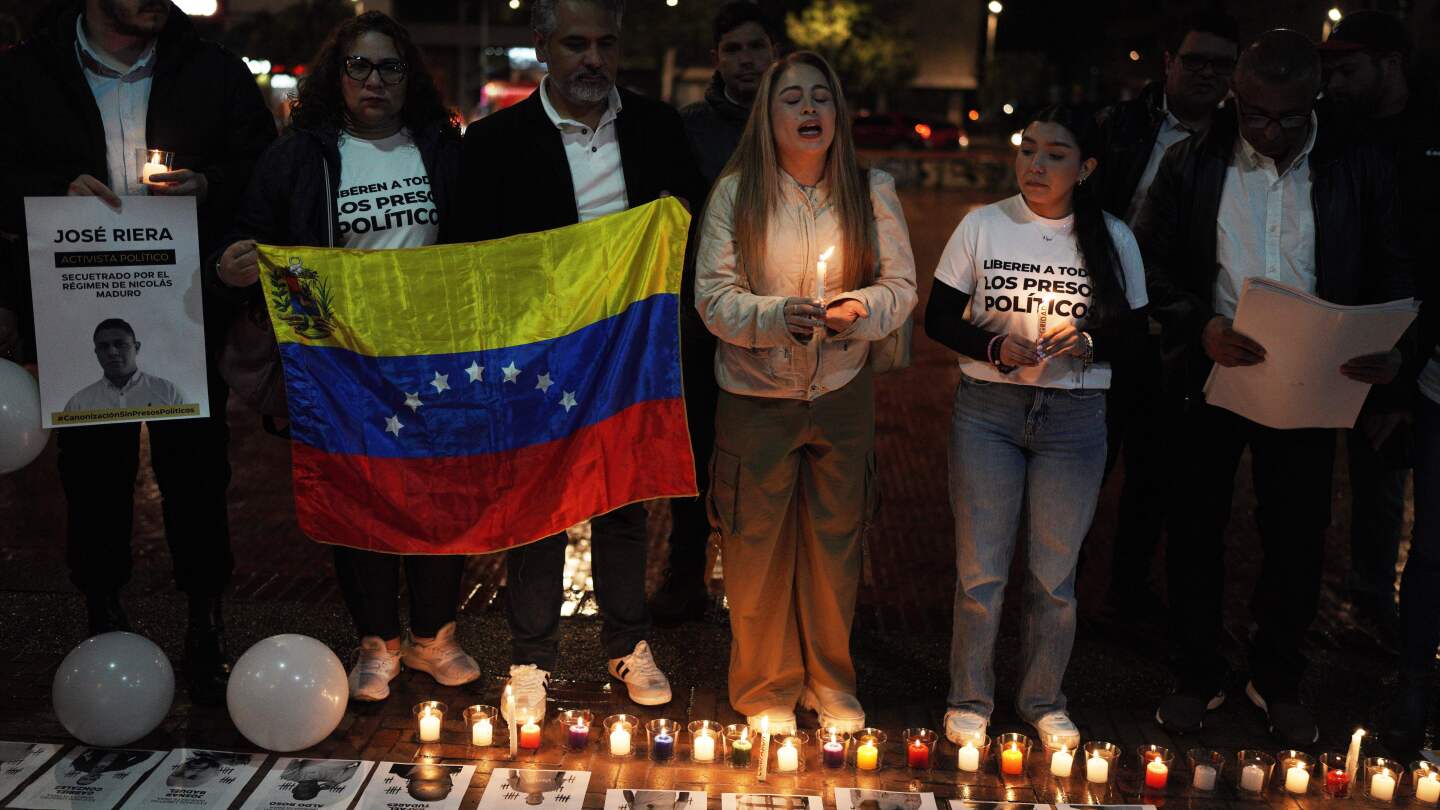
Hit-style shooting of Venezuelan activists in Colombia fuels fear of wider persecution by Maduro
The recent targeted shooting of two Venezuelan activists in Bogotá, Colombia, has ignited widespread concern among Venezuela’s diaspora, raising alarms that President Nicolás Maduro’s crackdown on dissent is extending beyond Venezuela’s borders. On Monday afternoon, human rights activist Yendri Velásquez and political consultant Luis Peche Arteaga were ambushed by unidentified assailants in a car as they exited a building in northern Bogotá. The attackers fired approximately 15 shots, with Peche Arteaga sustaining six gunshot wounds. Both victims underwent surgery and are now in stable condition, according to Laura Dib, Velásquez’s colleague and Venezuela Program Director for the Washington Office on Latin America.
The incident has sent shockwaves through Venezuela’s human rights community, with Dib describing it as a stark reminder of the dangers of transnational repression. While Colombian authorities are investigating the attack, civil society leaders suspect the shooting was politically motivated, given the victims’ profiles as prominent critics of the Maduro regime. Velásquez and Peche Arteaga were among the thousands who fled Venezuela last year following widespread accusations of election fraud and the government’s detention of over 2,000 activists and opposition figures.
Velásquez, who had previously been arbitrarily detained by Venezuelan authorities and had his passport canceled, sought refuge in Colombia, joining nearly 8 million Venezuelans who have fled the country’s economic and political crisis. However, the attack has heightened fears among exiles that they are no longer safe even abroad. Arles Pereda, president of the Colony of Venezuelans in Colombia, warned that such violence was anticipated due to the government’s history of targeting civil society groups. He emphasized the need for enhanced security measures, including hiring bodyguards and identifying third countries for emergency relocation.
The shooting coincides with escalating tensions in the region. Venezuelan opposition leader María Corina Machado, who recently received the Nobel Peace Prize, condemned the attack as a grave aggression and called for protection for Venezuelan exiles. Meanwhile, Maduro’s government has drawn criticism for its abrupt closure of the Venezuelan embassy in Oslo and its ongoing disputes with the U.S. over drug trafficking allegations. The Trump administration’s recent reduction of international aid and protections for Venezuelans has further complicated efforts to support exiles.
As Andean nations grapple with the largest migratory crisis in Latin American history, hostility toward Venezuelan migrants has grown, exacerbating their vulnerability. Despite seeking assistance from Colombia’s Ombudsman’s Office, Velásquez had not been granted international protection at the time of the attack. Dib lamented the missed opportunities to safeguard activists, calling the incident a wake-up call for the international community to address the escalating threats faced by Venezuelan dissidents.
-
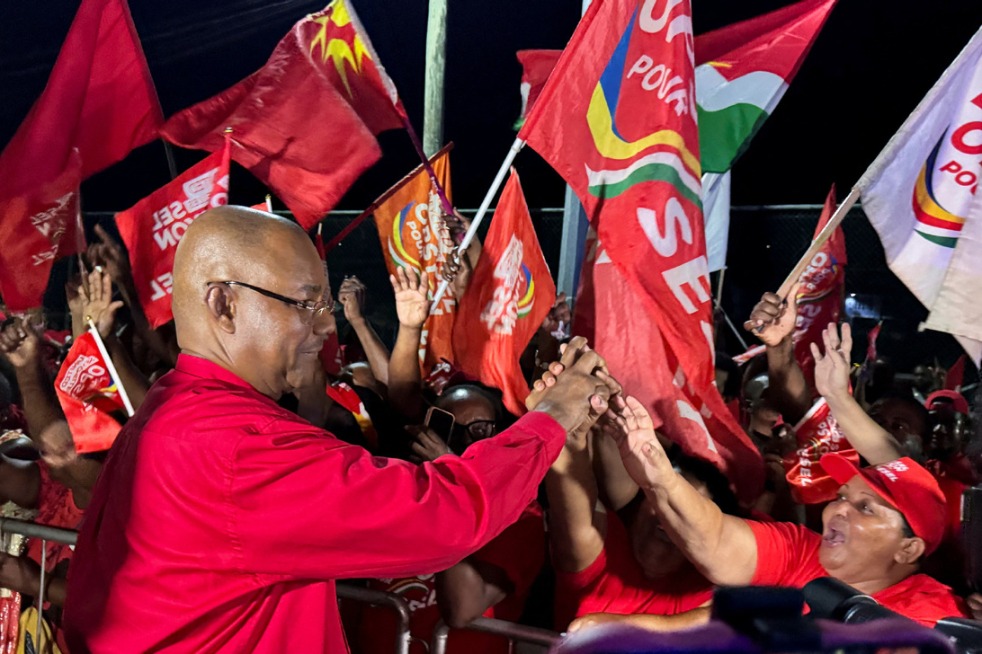
AUC congratulates Seychelles president-elect Patrick Herminie
The African Union (AU) has extended its congratulations to Patrick Herminie, the newly elected president of Seychelles, following his victory in the presidential runoff election on October 12, 2025. The AU has pledged its full support to the incoming administration, emphasizing its commitment to collaborating on the objectives outlined in Agenda 2063, the continent’s strategic framework for socio-economic transformation.
Mahmoud Ali Youssouf, Chairperson of the African Union Commission, praised the citizens of Seychelles for their ‘peaceful and orderly participation’ in what he termed a ‘credible democratic process.’ In a statement released on Sunday, Youssouf highlighted the election as a testament to Seychelles’ dedication to the rule of law and democratic governance. He also lauded the outgoing president, Wavel Ramkalawan, and other candidates for their adherence to the principles of peaceful political competition.
Official results from the Seychelles Electoral Commission revealed that Herminie, leader of the United Seychelles party, secured 52.7 percent of the votes, narrowly defeating incumbent Ramkalawan, who received 47.3 percent. The election proceeded to a second round after neither candidate achieved an outright majority in the initial ballot held two weeks prior.
In his victory speech, Herminie expressed his commitment to unifying the nation, stating, ‘We are turning a new page for all Seychellois. I will be the president of all Seychellois, ending divisions and ensuring fairness and opportunity for everyone.’ His election marks a significant moment in Seychelles’ political landscape, signaling a shift towards inclusive governance and renewed regional collaboration under the AU’s guidance.