分类: politics

  • Palestine Action-linked prisoners end hunger strike

    Palestine Action-linked prisoners end hunger strike

    In a significant development for activist movements and UK-Israel defense relations, three prisoners affiliated with Palestine Action have terminated their prolonged hunger strike following the British government’s decision to withhold a multi-billion-pound contract from Elbit Systems UK, the British subsidiary of the Israeli arms manufacturer. The cessation marks the conclusion of the longest hunger strike in British penal history.

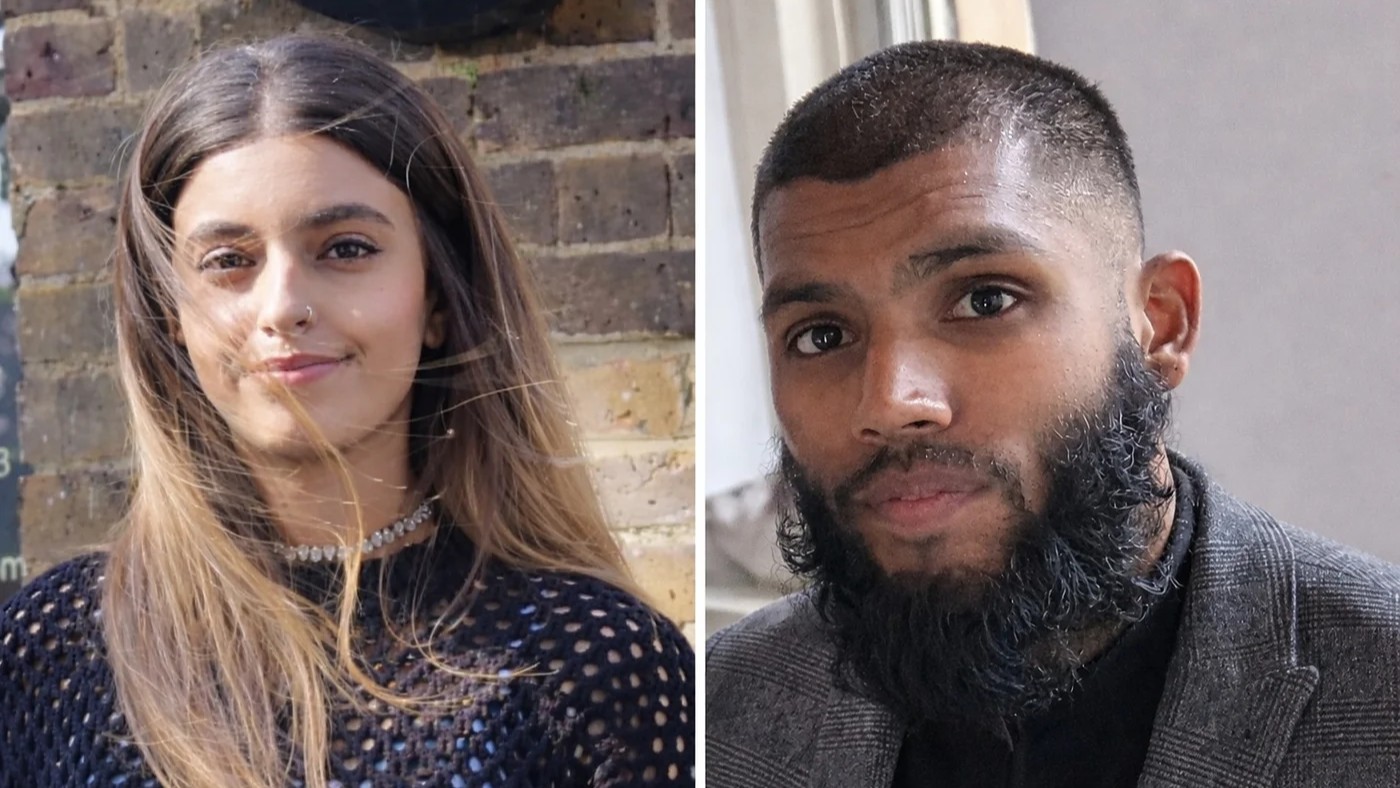
    Heba Muraisi and Kamran Ahmed, who had abstained from both food and water for over sixty days, alongside Lewie Chiaramello—who managed his Type 1 Diabetes while engaging in an alternating-day hunger strike for 46 days—agreed to end their protest late Wednesday. This decision coincided with urgent medical warnings that the strikers were nearing fatal organ failure.

    Simultaneously, four additional protesters—Teuta Hoxha, Jon Cink, Qesser Zuhrah, and Amu Gib—who had previously suspended their strikes in late 2023, formally agreed not to resume their action. The collective resolution brings a close to a highly publicized campaign that highlighted intersections of activism, incarceration, and international arms trading.

    The advocacy group Prisoners for Palestine condemned the ongoing detention of these individuals, labeling it a permanent stain on Britain’s democratic credentials. The organization asserted that Britain is effectively holding political prisoners in service of a foreign regime engaged in genocide, a statement that underscores the deeply polarized perspectives on the Gaza conflict.

    Family members expressed both relief and unresolved anger. Audrey Corno, a relative of Teuta Hoxha, described the ordeal as a ‘painfully traumatic experience’ for loved ones, noting that while victory is declared, critical refeeding processes and long-term health impacts for Muraisi and Ahmed remain a serious concern.

    Nida Gib, related to protester Amu Gib, sharply criticized the Labour government’s silence throughout the crisis, accusing ministers of attempting to isolate dissidents who challenge Britain’s complicity in overseas conflicts. She highlighted the harsh treatment prisoners endured, including being handcuffed to hospital beds during refeeding, and vowed that the movement built around this case would continue to demand accountability and expose perceived injustices.
  • Rift at top of the Taliban: BBC reveals clash of wills behind internet shutdown

    Rift at top of the Taliban: BBC reveals clash of wills behind internet shutdown

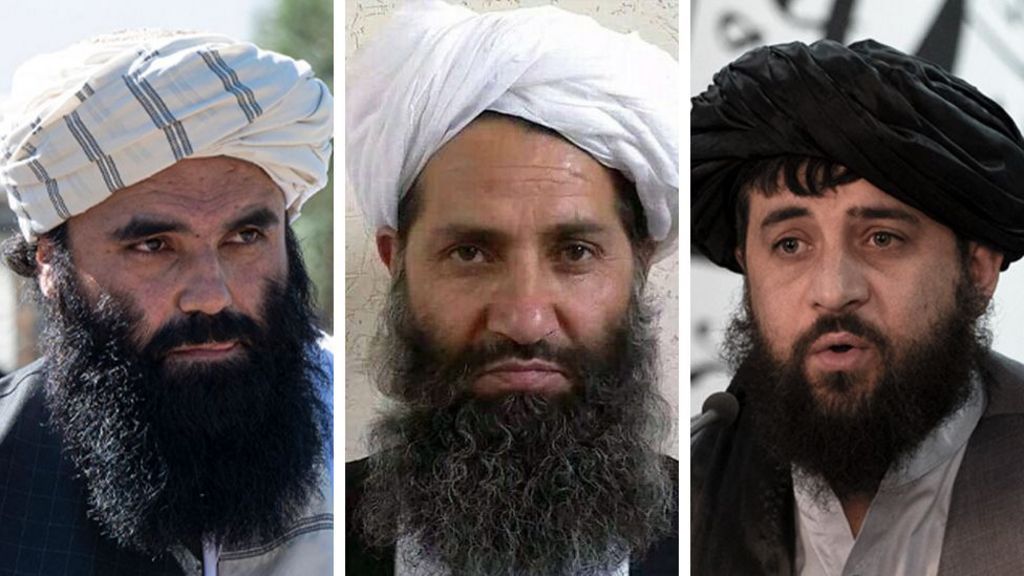
    A profound internal power struggle is threatening the unity of Afghanistan’s Taliban government, pitting the reclusive supreme leader against powerful cabinet ministers in a clash over the country’s future direction. The conflict, revealed through a BBC investigation based on leaked audio and over 100 interviews with Taliban insiders, exposes two competing visions for the nation.

    At the center stands Supreme Leader Hibatullah Akhundzada, who rules from Kandahar with absolute religious authority. Surrounding himself with hardline ideologues, he advocates for a strictly isolated Islamic Emirate severed from modern global systems. His faction has implemented sweeping bans on girls’ education beyond primary school and women’s employment, enforcing rigid religious interpretations across Afghan society.

    Opposing this vision stands the so-called ‘Kabul group’—influential ministers including Interior Minister Sirajuddin Haqqani, Defense Minister Mohammad Yaqoob, and political leader Abdul Ghani Baradar. While still conservative Islamists, these figures advocate for international engagement, economic development, and limited modernization. They particularly disagree with Akhundzada’s education bans and isolationist policies.

    The tension reached its climax in September 2025 when Akhundzada ordered a nationwide internet blackout, citing anti-Islamic content concerns. In an unprecedented act of defiance, Kabul-based ministers collectively pressured Prime Minister Mullah Hassan Akhund to restore connectivity just three days later—an act described by insiders as ‘nothing short of rebellion.’

    This direct challenge to Akhundzada’s authority marked a seismic shift in Taliban dynamics. While the movement has historically valued obedience to leadership, the pragmatic ministers recognized that governing a modern state requires internet access for both administration and commerce.

    The power struggle reflects deeper ideological divisions. Akhundzada, a former Sharia court judge, believes himself accountable only to God and has consolidated power by moving key government functions to Kandahar. Meanwhile, the Kabul faction—many of whom negotiated with the United States and have international experience—seeks a governance model resembling Gulf states while maintaining Islamic principles.

    Despite the confrontation, open rupture remains unlikely. Both factions recognize that visible division could threaten their hold on power. As 2026 begins, the question remains whether these internal tensions will translate into meaningful policy changes for the Afghan people, particularly regarding women’s rights and international relations.

  • Voting begins in Uganda’s presidential election during internet shutdown and polling station delays

    Voting begins in Uganda’s presidential election during internet shutdown and polling station delays

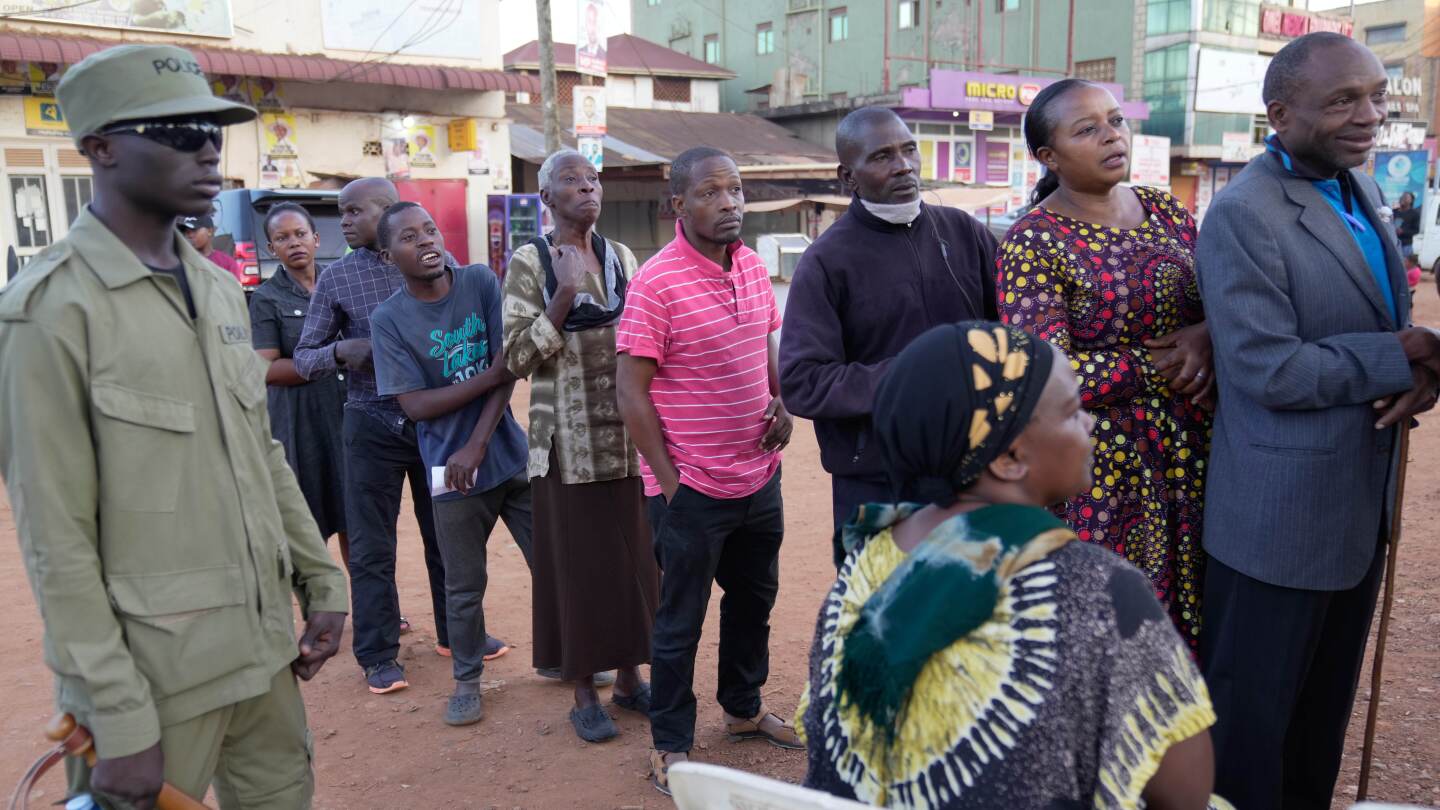
    Uganda commenced presidential voting operations on Thursday under unprecedented digital censorship, as nationwide internet blackouts cast shadows over electoral integrity in East Africa’s longstanding political landscape. Despite scheduled 7 a.m. openings, numerous polling stations witnessed significant delays with electoral materials arriving tardily, prompting substantial voter queues across multiple districts.

    The electoral contest features 81-year-old incumbent Yoweri Museveni, seeking to extend his 35-year presidency against seven challengers. Most notably, opposition momentum centers around Robert Kyagulanyi—the charismatic musician-politician popularly known as Bobi Wine—who has mobilized youth-led movements demanding systemic political transformation.

    With approximately 45 million citizens and 21.6 million registered voters, Uganda’s electoral process unfolds amid international scrutiny regarding digital freedom and transparent governance. The government-enforced internet suspension, criticized by digital rights advocates as fundamentally anti-democratic, severely restricts independent monitoring capabilities and real-time information dissemination.

    Electoral officials acknowledge logistical challenges while maintaining that voting procedures will adhere to constitutional standards. However, the communications blackout raises profound concerns about transparency mechanisms in a nation where the same leadership has governed since 1986.

  • ICE agent shoots Minneapolis man in the leg

    ICE agent shoots Minneapolis man in the leg

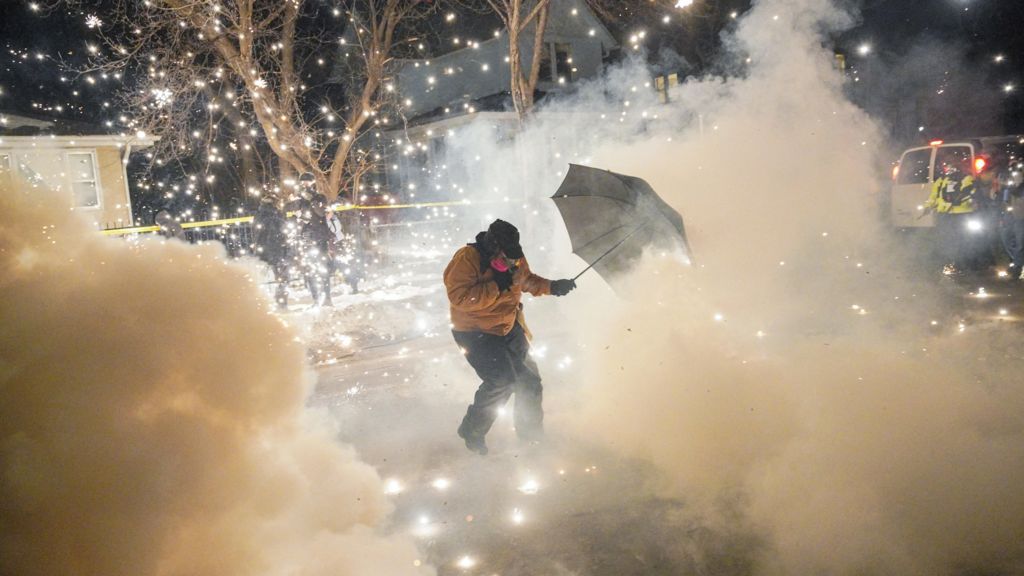
    Minneapolis has become the epicenter of escalating tensions between federal immigration authorities and local officials following a second shooting incident involving Immigration and Customs Enforcement (ICE) officers within a week. According to the Department of Homeland Security (DHS), federal officers pursued a Venezuelan national residing illegally in the United States, culminating in a vehicle chase and subsequent altercation. During the confrontation, the suspect exited his vehicle and engaged with an ICE officer, prompting two additional individuals to emerge from a nearby apartment building and allegedly assault the officer. In what the DHS describes as a “defensive” measure against being “ambushed,” the officer discharged his firearm, striking the primary suspect in the leg. All three individuals are currently in custody, with both the suspect and officer receiving hospital treatment for non-life-threatening injuries.

    The incident has ignited fierce condemnation from Minneapolis leadership. City officials issued a statement on social media platform X demanding the immediate withdrawal of ICE from both the city and the state of Minnesota, acknowledging public anger while urging calm. Minneapolis Mayor Jacob Frey sharply criticized federal officers, accusing them of “creating chaos” across Minnesota. This sentiment was echoed by Governor Tim Walz, who, in a social media address shortly before news of this latest shooting broke, passionately urged former President Trump to terminate what he termed the ICE “occupation” of the state.

    This event marks the second such confrontation in a week, coming on the heels of the fatal shooting of 37-year-old Renee Nicole Good by an ICE agent. Federal authorities claimed Good attempted to run over agents with her vehicle, though Mayor Frey contested this, stating the agent had acted recklessly. Video evidence from that prior incident depicts agents approaching a stationary vehicle in the street before firing shots as it attempts to drive away. Both shootings are under investigation by the FBI.

    The political fallout has been immediate and severe. U.S. Deputy Attorney General Todd Blanche blamed state leadership directly, calling the situation a “Minnesota insurrection” and a direct result of a “FAILED governor and a TERRIBLE mayor encouraging violence against law enforcement.” Meanwhile, protesters have gathered at the scene of the latest shooting, condemning ICE’s intensified operations. The agency has deployed approximately 3,000 officers to Minnesota in recent weeks, significantly heightening local tensions and fueling a deepening rift between state and federal authorities.

  • US, Denmark, Greenland to set up work group as ’fundamental disagreement’ persists

    US, Denmark, Greenland to set up work group as ’fundamental disagreement’ persists

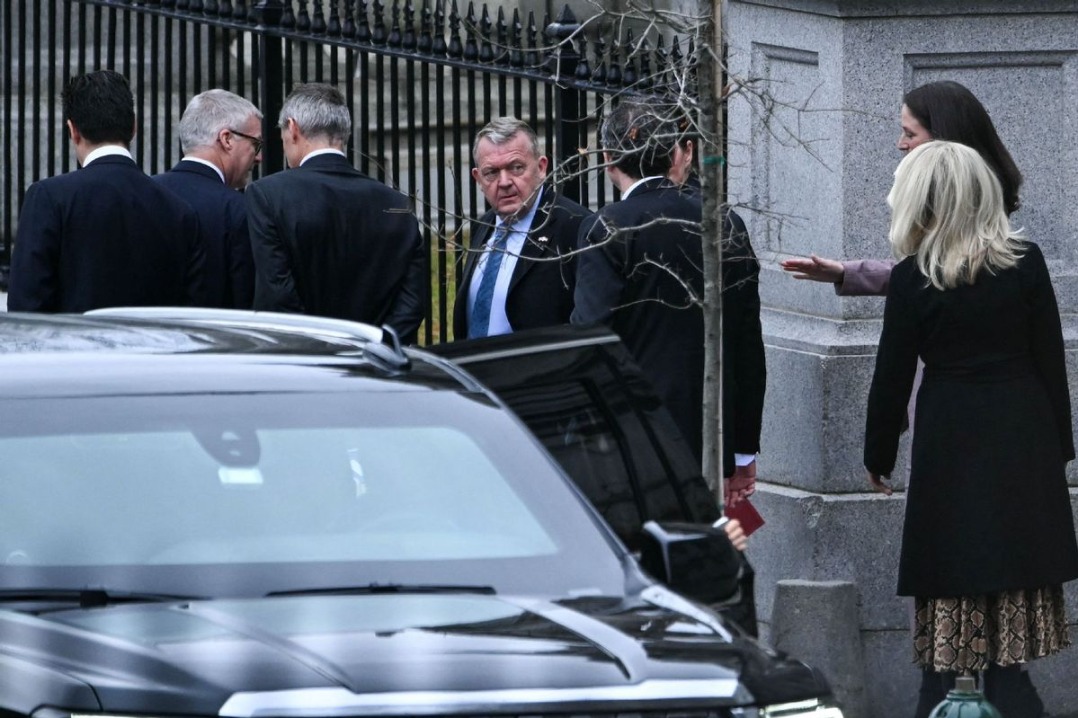
    In a significant diplomatic development, the United States, Denmark, and Greenland have agreed to establish a high-level working group to address escalating tensions over the future status of the world’s largest island. The agreement came following a high-stakes meeting at the White House on January 14, 2026, involving US Vice-President JD Vance, Secretary of State Marco Rubio, Danish Foreign Minister Lars Lokke Rasmussen, and Greenlandic Foreign Minister Vivian Motzfeldt.

    Despite characterizing the discussions as “frank but constructive,” Minister Rasmussen acknowledged that “fundamental disagreements” persist between the nations. The core dispute centers on US President Donald Trump’s persistent ambition to acquire Greenland, which he has deemed essential for national security and the controversial Golden Dome project—a stance that directly conflicts with Danish and Greenlandic sovereignty positions.

    The newly established working group will explore potential compromise areas while respecting what Rasmussen described as “red lines”—specifically the territorial integrity of the Danish Kingdom and Greenland’s right to self-determination. The minister emphasized that any proposals violating these principles would be “totally unacceptable,” reflecting the firm stance maintained by both Danish and Greenlandic leadership.

    The tension reached new heights earlier this week when Danish Prime Minister Mette Frederiksen and Greenlandic Premier Jens-Frederik Nielsen presented a united front in Copenhagen, denouncing what they characterized as “completely unacceptable pressure” from their traditional ally. Nielsen unequivocally stated that if forced to choose between the US and Denmark, Greenland would maintain its current constitutional relationship.

    This geopolitical standoff represents the latest chapter in Trump’s longstanding interest in acquiring Greenland, which dates back to his first presidential term. Despite repeated assertions from both Nuuk and Copenhagen that the island is not for sale, the White House recently declined to rule out the use of force, further complicating diplomatic relations between the NATO allies.

    Greenland, while enjoying self-governance in domestic affairs, remains under Danish sovereignty for defense and foreign policy matters. The United States maintains a strategic military presence at Thule Air Base, adding complex security dimensions to the ongoing negotiations that will commence within weeks.

  • Better know the players as Iran unrest extends to minority groups

    Better know the players as Iran unrest extends to minority groups

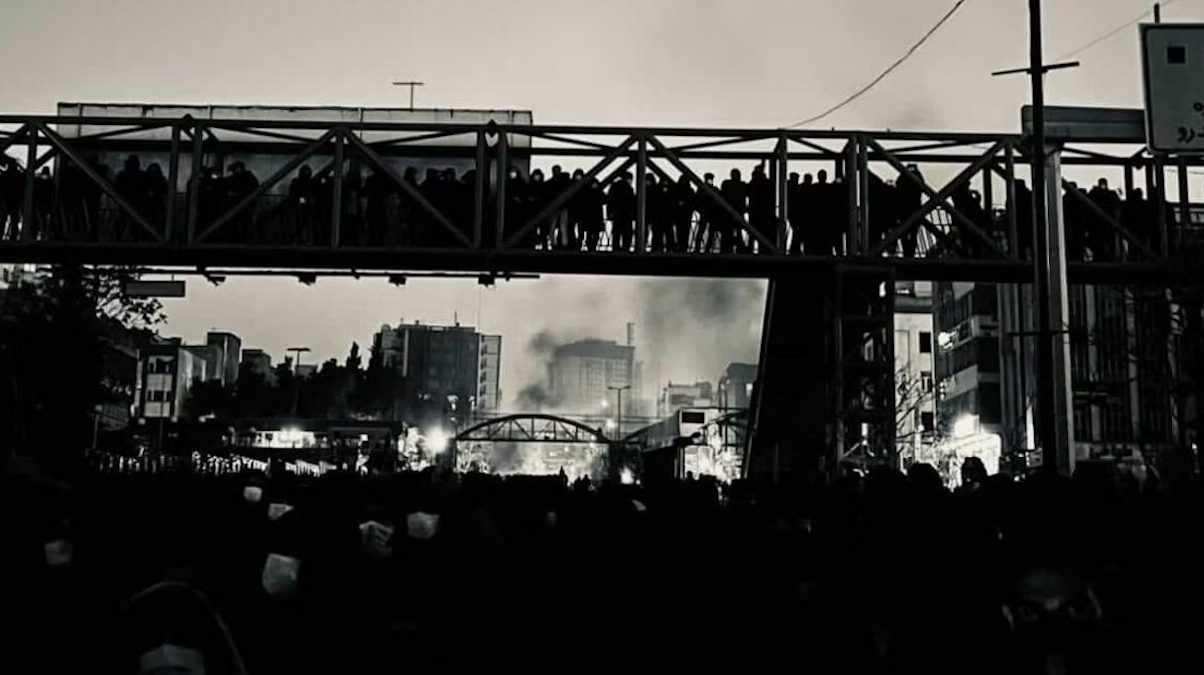
    What began as merchant-led demonstrations in Tehran’s Grand Bazaar on December 28, 2025, has transformed into Iran’s most significant protest movement in decades. The government initially perceived these protests as manageable economic grievances from traditionally conservative bazaar merchants seeking currency stabilization and inflation control. In an unprecedented move, Supreme Leader Ali Khamenei openly acknowledged the merchants’ concerns, marking the first time he had ever legitimized any demonstration.

    However, the situation rapidly escalated beyond governmental expectations. Protests spread to over 25 provinces, evolving into a nationwide challenge to the regime’s survival. The government responded with violent crackdowns that reportedly resulted in more than 6,000 protester fatalities.

    The movement’s most significant development has been the incorporation of Iran’s ethnic minorities into the protest landscape. Iran’s population of 93 million includes substantial ethnic diversity: while Persians constitute 51% of the population, Azeris represent 24%, Kurds number between 7-15 million (8-17%), with Arabs and Baluch minorities comprising 3% and 2% respectively.

    Kurdish communities initiated their involvement through protests in Malekshahi, Ilam province, on January 3. A subsequent security forces raid on wounded protesters at Ilam hospital generated widespread outrage and international attention. Kurdish leadership demonstrated strategic sophistication by calling for regional strikes rather than protests, remembering the brutal suppression during the 2022-23 “Women, Life, Freedom” uprising.

    The southeast Baluchestan region joined the movement on January 9, with protests emerging from Friday prayers, driven by longstanding ethnic and religious marginalization. Iranian Azerbaijan participated more cautiously and later, reflecting their relatively privileged position within Iran’s power structures.

    The protest movement reveals fundamental divisions about political change. Urban Persian-majority protesters typically seek social freedoms, economic recovery, and Western normalization. Ethnic communities carry additional demands for decentralization, linguistic rights, cultural recognition, and genuine power-sharing—demands historically labeled as separatist by Tehran.

    Complicating the opposition landscape, Reza Pahlavi—son of the last Shah—has positioned himself as a transitional leader. However, his published roadmap for transition proposes concentrated power resembling the current supreme leader’s authority and characterizes ethnic demands as national security threats, deepening skepticism in minority regions.

    The future of Iran’s protest movement hinges on whether any political transition can address the fundamental tension between centralized power and ethnic pluralism. Lasting change will require incorporating diverse regional and community demands rather than perpetuating Persian-dominated power structures.

  • Trump is meeting with Venezuelan opposition leader after cozying up to Maduro’s successor

    Trump is meeting with Venezuelan opposition leader after cozying up to Maduro’s successor

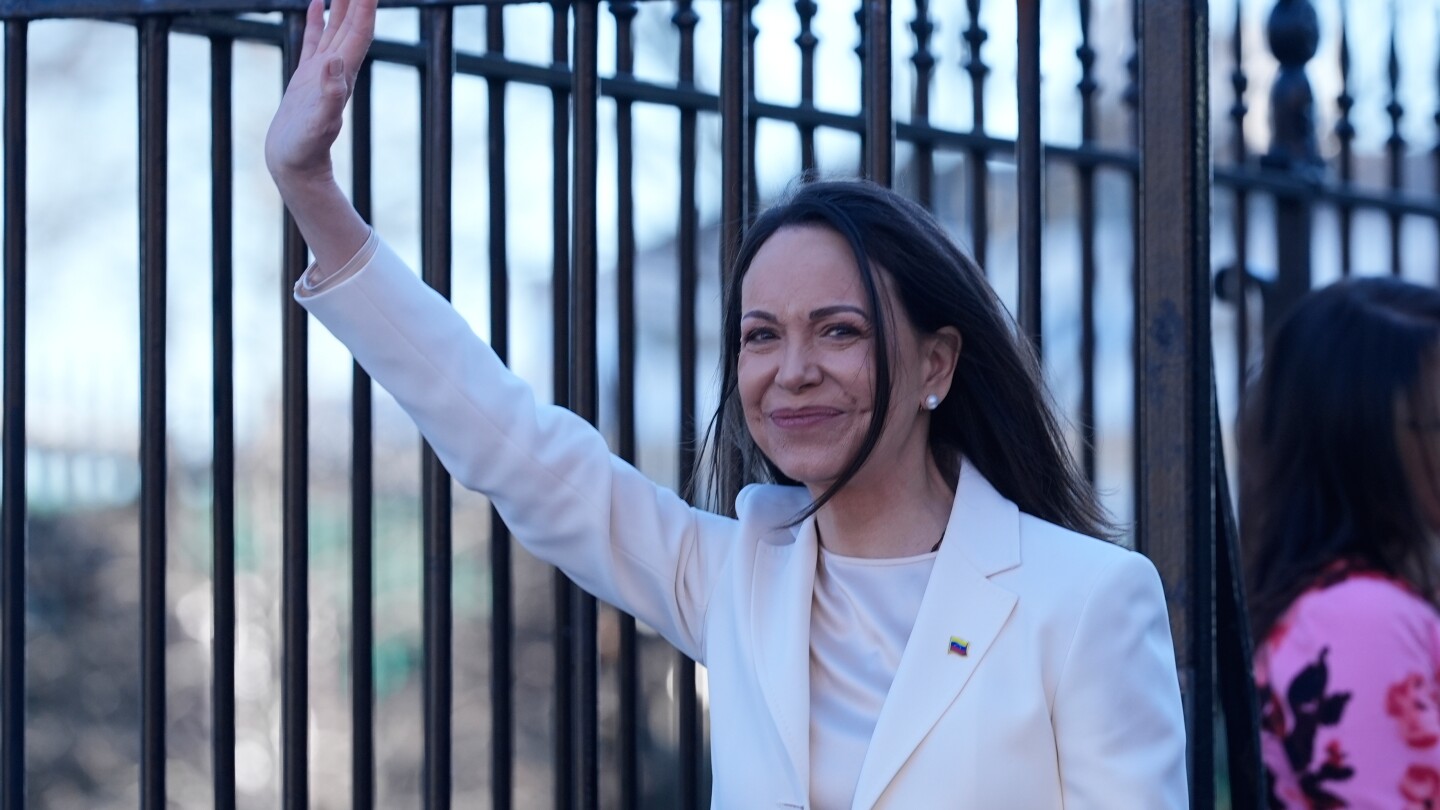
    In a significant diplomatic development, Venezuelan opposition figure María Corina Machado convened with former U.S. President Donald Trump at the White House on Thursday, despite his previously expressed reservations about her political viability. The meeting occurred against the backdrop of ongoing U.S. engagement with Venezuela’s acting leadership following the dramatic capture of former President Nicolás Maduro.

    White House Press Secretary Karoline Leavitt characterized the encounter as a ‘frank and positive discussion’ regarding Venezuela’s political landscape, acknowledging Machado as ‘a remarkable and brave voice’ while maintaining that Trump’s assessment of her limited domestic support remained unchanged. The administration simultaneously continues to recognize acting President Delcy Rodríguez, Maduro’s former deputy, who maintains operational control of government functions and delivered her inaugural state of the union address Thursday.

    This diplomatic balancing act reflects the complexity of U.S.-Venezuela relations following the audacious military operation that apprehended Maduro. The Trump administration has implemented sweeping measures targeting Venezuela’s oil industry, including recent seizures of sanctioned tankers in the Caribbean, as part of broader efforts to dismantle the previous regime’s economic infrastructure.

    Notably, Rodríguez’s government has demonstrated cooperation by releasing political prisoners detained under Maduro, including five American citizens this week. Her administration has adopted a less confrontational stance toward Trump’s ‘America First’ policies than initially anticipated, suggesting potential for continued dialogue.

    Machado’s political journey spans nearly two decades of opposition leadership, beginning with her co-founding of the Súmate organization that challenged Hugo Chávez’s government. Her 2004 Oval Office meeting with President George W. Bush became emblematic of her opposition stance, drawing fierce criticism from Chávez. Despite allegedly winning the 2024 election rejected by Maduro, Machado has faced consistent skepticism from Trump regarding her capacity to govern effectively.

  • Trump told ‘killing has stopped’ in Iran after violent protest crackdown

    Trump told ‘killing has stopped’ in Iran after violent protest crackdown

    U.S. President Donald Trump announced on Wednesday that he had received assurances from “very important sources” indicating that “the killing in Iran has stopped” following widespread anti-government protests. However, he did not dismiss the possibility of future military action against Tehran.

    The statement comes amid a severe crackdown by Iranian authorities, which human rights organizations report has resulted in over 2,400 fatalities. In response to the escalating regional instability, both the U.S. and the U.K. have initiated precautionary measures, including reducing staff at the Al-Udeid Air Base in Qatar—the largest American military installation in the Middle East.

    International concern has mounted following reports that a 26-year-old protester, Erfan Soltani, was sentenced to death. Although his family initially reported an imminent execution, Iranian state media later denied the death penalty had been issued. Foreign Minister Abbas Araghchi stated that “hanging is out of the question,” while cautioning the U.S. against repeating its June 2025 bombing of Iranian nuclear facilities.

    Several nations have issued travel advisories and altered flight paths. Germany’s Lufthansa, among other airlines, announced it would avoid Iranian and Iraqi airspace indefinitely. The British Embassy in Tehran has temporarily closed, operating remotely, and Italy and Poland have urged citizens to leave Iran.

    Internet blackouts imposed by Iranian authorities since last Thursday have severely hampered independent verification of events on the ground. Organizations like HRANA continue to document casualties, reporting 2,435 confirmed deaths, including 13 children, with hundreds more cases under investigation.

    Trump expressed tentative optimism regarding de-escalation but reaffirmed that the U.S. remains prepared to act, stating earlier this week via social media that “HELP IS ON ITS WAY” to Iranian protesters.

  • Greenlanders torn between anxiety and relief after White House talks

    Greenlanders torn between anxiety and relief after White House talks

    The geopolitical spotlight intensified on Greenland this week as high-level diplomatic discussions unfolded at the White House, revealing complex tensions between Arctic sovereignty and American strategic interests. Following President Donald Trump’s repeated remarks about potentially acquiring the autonomous Danish territory, foreign ministers from both Denmark and Greenland engaged in critical talks with Vice President JD Vance and Secretary of State Marco Rubio.

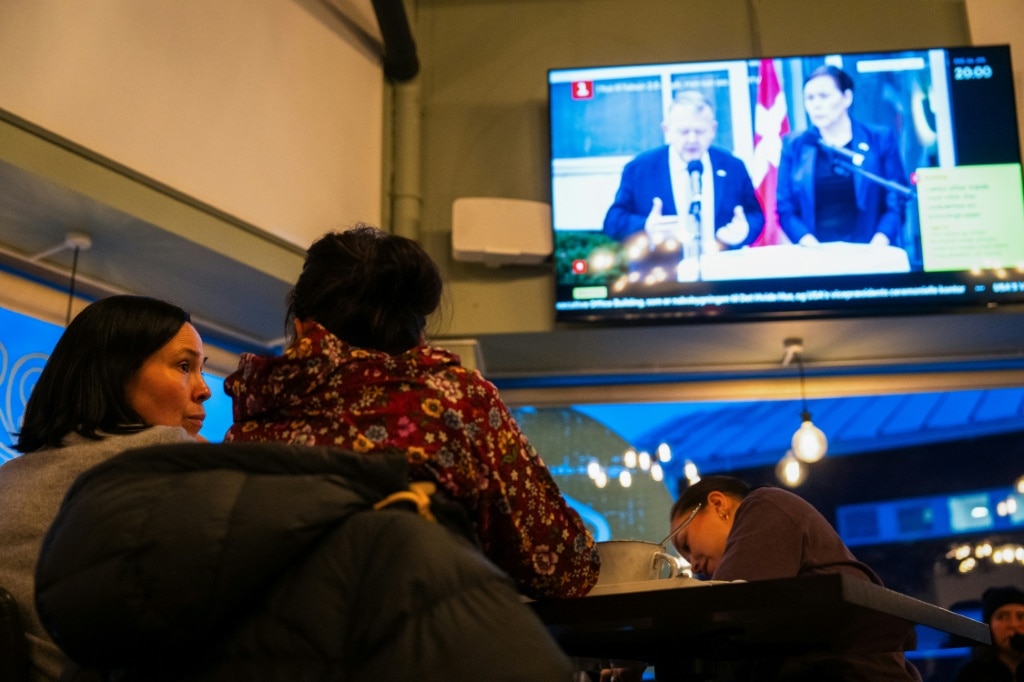
    The meeting, described by participants as an effort to clarify ‘misunderstandings,’ left Greenland’s 57,000 residents experiencing a spectrum of emotions from profound anxiety to cautious optimism. In the capital city of Nuuk, the national flag appeared ubiquitously—displayed in shop windows, apartment balconies, and vehicles—as a powerful symbol of unity during the diplomatic proceedings.

    Danish Foreign Minister Lars Lokke Rasmussen acknowledged ‘fundamental disagreement’ with Washington regarding the Arctic territory’s future, while President Trump maintained optimistic about reaching some form of understanding. The political tension manifested commercially as well, with nationalist merchandise including ‘Greenland is not for sale’ t-shirts selling rapidly throughout local shops.

    Personal accounts captured the emotional impact of these geopolitical maneuvers. Vera Stidsen, a 51-year-old educator, expressed apprehension about the sudden international attention: ‘It’s very frightening because it’s such a big thing. I hope we can continue living peacefully without disturbance.’ Conversely, Ivaana Egede Larsen, 43, reported feeling measurable relief after watching press conference coverage, noting how Trump’s ‘direct, aggressive rhetoric’ had created widespread unease among citizens.

    The discussions highlighted Greenland’s strategic importance in Arctic resource development and shipping routes, bringing unprecedented attention to the island’s autonomous governance under Danish sovereignty. While no agreements emerged from the meeting, residents like Frederik Henningsen, 64, maintained hope for peaceful resolution: ‘They didn’t make an agreement but I want to live in peace.’

  • From Iran to Venezuela, Trump toys with ‘in-and-out’ military options

    From Iran to Venezuela, Trump toys with ‘in-and-out’ military options

    Foreign policy experts are raising alarms that President Donald Trump’s recent pattern of rapid military engagements is creating a dangerous precedent as his administration contemplates potential strikes against Iranian targets. This emerging ‘in-and-out’ intervention model, demonstrated in operations like the capture of Venezuelan President Nicolas Maduro, provides tactical successes with minimal political cost, effectively emboldening further military adventurism according to defense analysts.

    The Stimson Centre’s Will Smith notes that swift tactical victories without significant domestic opposition have left Trump ’emboldened and confident’ in this approach. Recent reports indicate the administration is weighing strikes on Islamic Revolutionary Guard Corps (IRGC) and Basij paramilitary sites, while Qatar confirmed partial US personnel withdrawals from al-Udeid air base—a facility previously struck by Iran following US attacks on nuclear facilities.

    Defense expert Andrew Curtis expressed concern that successful interventions spark thoughts of ‘what else can I do with this toy,’ creating potential momentum for additional conflicts. However, Trump appeared to moderate intervention rhetoric recently, stating protest-related killings had ceased and his administration would monitor Iran’s internal processes before deciding on military action.

    Royal United Services Institute director Neil Melvin characterizes this as a ‘low-cost model of regime change’ that represents a significant shift in US foreign policy. Unlike traditional nation-building approaches requiring substantial troop commitments and financial assistance, the current strategy employs proxy forces and limited military engagement to achieve political objectives without extensive entanglement.

    Regional power dynamics further complicate the situation. While Russia abandoned Syrian ally Bashar al-Assad due to Ukrainian commitments, and China remains focused on Taiwan with limited appetite for Middle Eastern adventurism, Iran presents a more formidable challenge than Venezuela. Years of US sanctions have crippled Iran’s economy and sparked widespread protests, with some reports indicating armed opposition groups receiving Israeli support.

    The practical limitations of simultaneous operations present additional constraints. Curtis notes that while no practical military constraints exist, the US lacks capacity for concurrent planning of major operations against multiple targets, meaning any actions against Iran would need to occur sequentially rather than parallel to other engagements.

    Potential Iranian strikes would likely focus on ballistic missile capabilities to prevent retaliation against US bases, building on previous successful operations including undetected B-2 bomber flights from Missouri and submarine-launched cruise missile attacks from waters south of Iran.