分类: politics

  • Who is Pritam Singh, Singapore’s former Leader of the Opposition?

    Who is Pritam Singh, Singapore’s former Leader of the Opposition?

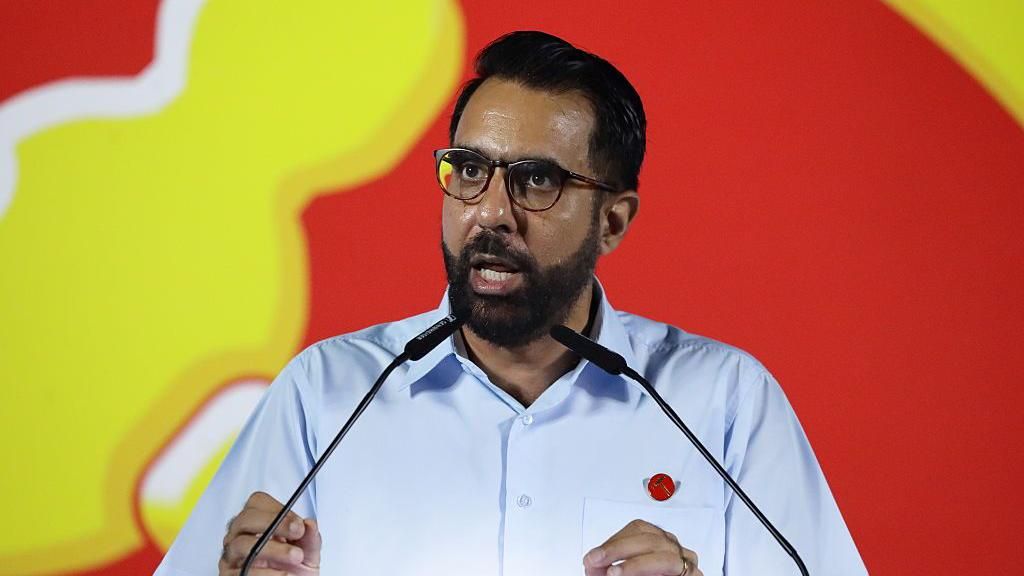
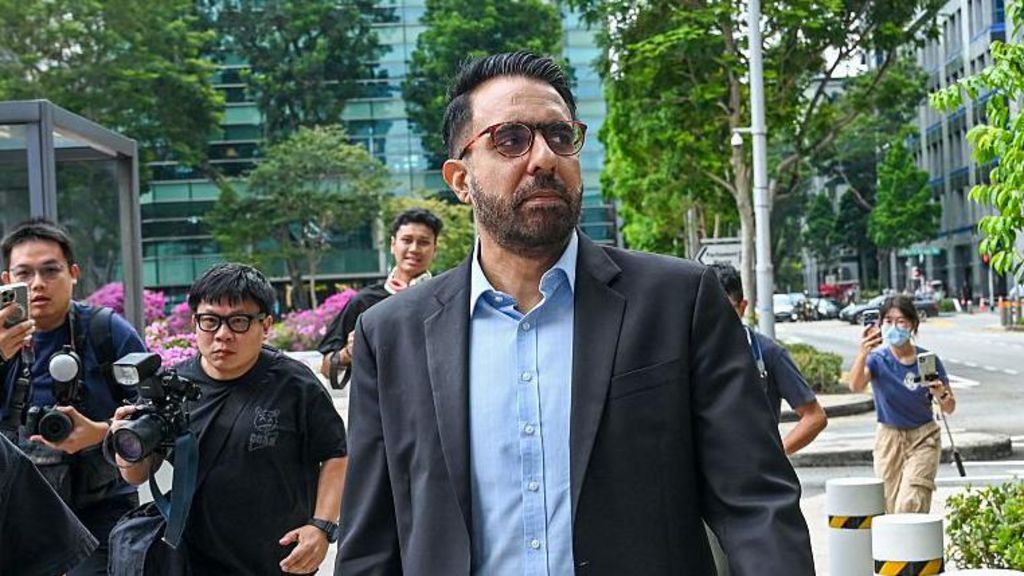
    Singapore’s political landscape witnessed a significant shift as Prime Minister Lawrence Wong formally revoked Pritam Singh’s designation as Leader of the Opposition on Thursday. This decisive action follows Parliament’s approval of a motion declaring the Workers’ Party secretary-general “unsuitable” for the role due to his recent conviction for providing false testimony to a parliamentary committee.

    The 49-year-old opposition leader, who rose to prominence as part of Singapore’s new generation of politicians challenging the long-dominant People’s Action Party (PAP), maintains his parliamentary seat despite the demotion. The controversy stems from Singh’s handling of former WP lawmaker Raeesah Khan, who admitted to lying in Parliament about a sexual assault case. During subsequent investigations, Khan testified that party leaders, including Singh, instructed her to maintain the false narrative despite knowing the truth.

    Singh’s political journey represents both the growth and challenges facing Singapore’s opposition. Educated at the National University of Singapore and King’s College London, the practicing lawyer entered Parliament in 2011 and assumed leadership of the center-left Workers’ Party in 2018. Under his guidance, the party expanded its parliamentary presence to 12 out of 108 seats—the strongest opposition representation in Singapore’s history.

    In 2020, Singh achieved a milestone when then-Prime Minister Lee Hsien Loong formally established the Leader of the Opposition position and appointed him to the role. This contrasted with his predecessor Low Thia Khiang’s rejection of an unofficial version of the title in 2011, which he deemed “belittling” without formal recognition.

    Despite initially receiving cross-party welcome—including symbolic gestures like appearing in the then-PM’s selfie and joining official delegations—Singh’s tenure has been marred by escalating controversies. Following his February 2025 conviction and failed appeal last December, lawmakers debated for three hours before passing the motion that ultimately cost him his title. The motion argued that retaining Singh would “undermine the standing of parliament and public confidence in the integrity of Singapore’s political system.”

    During parliamentary debates, Singh maintained his innocence while accepting the court’s judgment, stating his “conscience will always be clear” regarding the charges. He emphasized that the opposition leader title lacked legal foundation and asserted he had never “hankered” for it. The politician has vowed to continue serving as MP for his constituency, signaling ongoing participation in Singapore’s political arena despite this setback.
  • Warrants filed against oil tankers

    Warrants filed against oil tankers

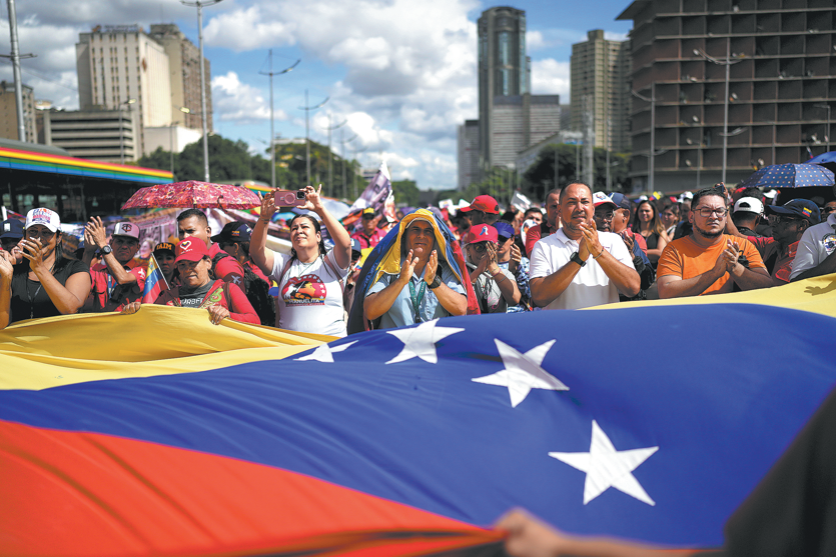
    The Trump administration has initiated a significant escalation in its campaign against Venezuela’s oil industry by filing federal court warrants targeting oil tankers connected to the sanctioned South American nation. According to Reuters reports from Tuesday, the U.S. government has submitted multiple civil forfeiture actions seeking authorization to confiscate both vessels and cargo involved in Venezuelan oil trade.

    This legal maneuver follows the Pentagon’s stark declaration on Friday that it would actively “hunt down and interdict all dark fleet vessels transporting Venezuelan oil at the time and place of our choosing.” Since December, U.S. forces have already seized five oil tankers with Venezuelan connections, demonstrating the administration’s commitment to disrupting President Nicolas Maduro’s primary revenue stream.

    The aggressive stance comes amid dramatic developments in the Venezuela crisis. On January 3rd, the Pentagon executed a large-scale strike in the oil-rich nation that resulted in the capture of President Maduro, who now faces drug charges in New York custody. Following this operation, President Trump announced the United States would assume control over Venezuela’s substantial oil resources, with Energy Secretary Chris Wright clarifying that this control would extend beyond marketing stored oil to indefinitely managing the country’s oil production sales.

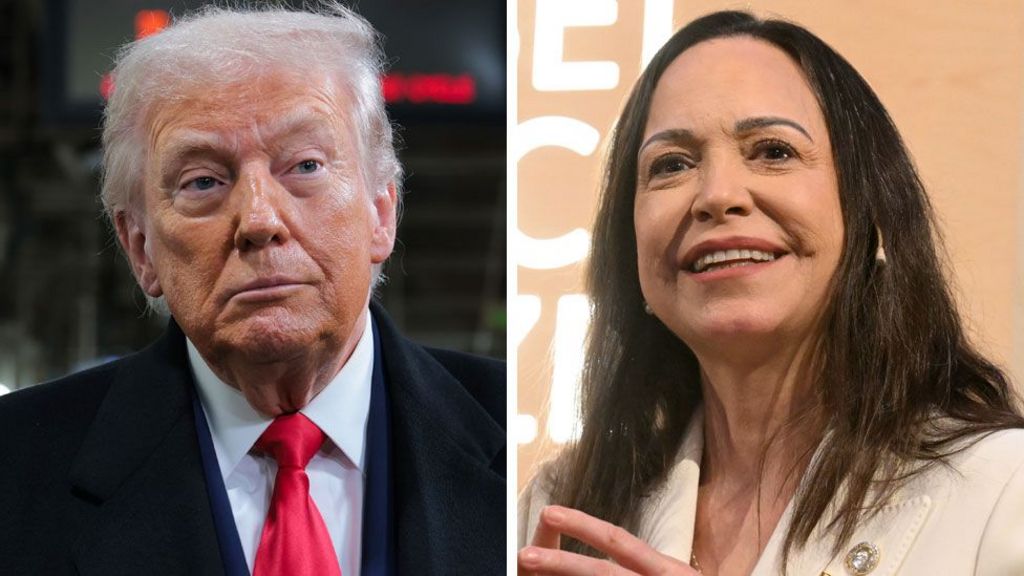
    Parallel to these coercive measures, diplomatic channels show tentative signs of activity. Bloomberg reported that Venezuela’s acting President Delcy Rodriguez is preparing to dispatch an envoy to Washington amid discussions about potentially reopening the U.S. embassy in Venezuela. Felix Plasencia, the country’s ambassador to Britain and former foreign minister, is expected to meet with senior U.S. officials at Rodriguez’s direction. Additionally, prominent opposition figure Maria Corina Machado is anticipated to visit the White House, signaling possible political negotiations.

    The State Department confirmed on Friday that personnel from its Colombia-based Venezuela Affairs Unit will conduct preliminary assessments for a “potential phased resumption of operations” in Venezuela, suggesting the possibility of renewed diplomatic engagement despite the ongoing economic pressure campaign.

  • Senior government officials study Xi’s speech at CPC disciplinary agency plenum

    Senior government officials study Xi’s speech at CPC disciplinary agency plenum

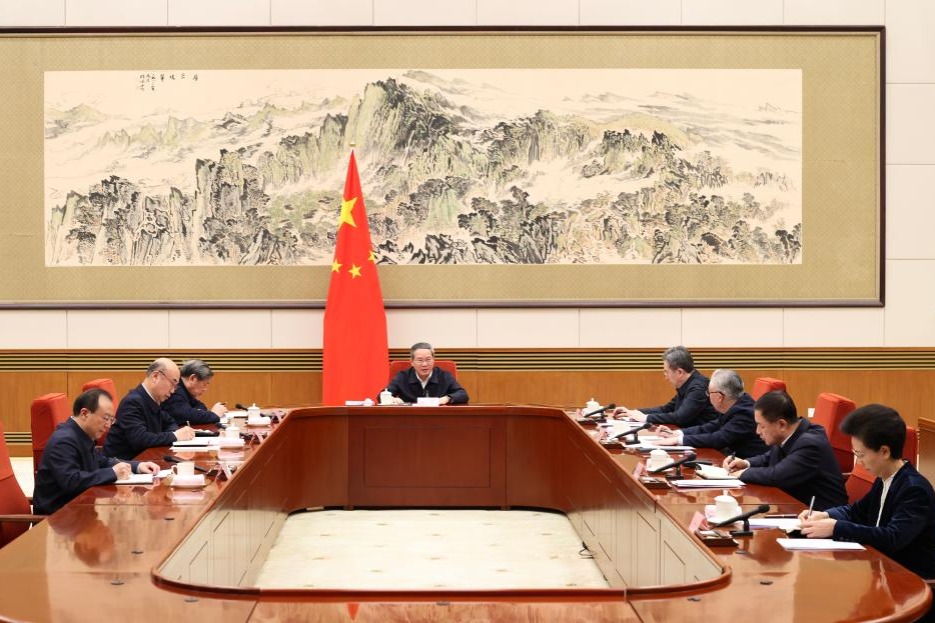
    Beijing’s highest governmental body has convened to thoroughly analyze President Xi Jinping’s pivotal address delivered at the Communist Party’s central disciplinary plenum. The meeting of the State Council’s leading Party members group, chaired by Premier Li Qiang on January 14, 2026, brought together senior officials including Vice-Premier Ding Xuexiang to deliberate on the implementation guidelines emanating from the Fifth Plenary Session of the 20th CPC Central Commission for Discipline Inspection.

    The assembly recognized substantial advancements achieved throughout the previous year in enhancing administrative integrity, refining official conduct, and intensifying anti-corruption measures. Participants underscored the necessity of maintaining this momentum throughout 2026 to establish a robust foundation for the successful launch of the nation’s 15th Five-Year Plan.

    Critical emphasis was placed on adopting a comprehensive strategy that addresses both superficial manifestations and fundamental causes of corruption, particularly in sectors identified as high-risk for recurrent or severe misconduct. The meeting further highlighted the imperative of vigilantly identifying and countering emerging forms of corruption that may manifest through novel or concealed methodologies, ensuring the continued integrity of governance structures.

  • US experts see stormy year ahead

    US experts see stormy year ahead

    Leading American academics are projecting a period of intensified political strife and social division throughout 2026, driven by midterm elections, persistent economic pressures, and deepening institutional fractures. This assessment emerges from expert analyses conducted separately with China Daily, indicating continued turbulence following a volatile 2025.

    Anthony Moretti, Associate Professor at Robert Morris University, anticipates the upcoming electoral cycle will dominate the national conversation. “The overwhelming focus throughout 2026 will revolve around polling data, partisan advantages, and electoral trajectories,” Moretti stated. He further suggested that potential setbacks for former President Donald Trump’s party could trigger intensified rhetoric targeting immigrants and political opponents.

    The pervasive polarization extends beyond mere electoral politics. Sourabh Gupta, senior fellow at the Institute for China-America Studies, characterizes the coming months as particularly combative. “I envision significant polarization persisting for the foreseeable future,” Gupta noted. “Both major parties will likely maintain confrontational stances until after November’s elections, creating a particularly challenging political climate.”

    Economic concerns remain paramount among voter priorities, with affordability and cost of living issues continuing to dominate public anxiety. Gupta expressed skepticism toward economic promises from political leadership, doubting whether proposed policies would translate into tangible job creation or wage improvement. He additionally projected persistent inflationary pressures, potentially worsening throughout the year.

    The analysis further identifies structural vulnerabilities within American governance. Jack Midgley of Georgetown University’s Security Studies Program highlighted how mega-donors tied to specific issues or business interests increasingly impede legislative compromise. “This influence causes lawmakers to adamantly advocate for narrow positions, reducing their willingness to negotiate—even with members of their own party,” Midgley explained.

    This dynamic ultimately weakens constitutional checks and balances. Midgley referenced George Washington’s warnings about powerful political parties potentially subverting the people’s will, noting concerning shifts in governmental power distribution. “We currently observe expanding presidential authority alongside diminishing roles for both Congress and the judiciary,” he stated.

    Internationally, recent US military intervention in Venezuela exemplifies this trend toward executive assertiveness and departure from rules-based order. According to Midgley, this action has destabilized Venezuela, created regional uncertainty, and undermined established international norms by legitimizing spheres of influence and governmental overthrow.

    Collectively, these experts foresee no rapid resolution to current tensions. The profound damage inflicted upon governmental institutions and international relationships will require years to address—assuming the political will eventually emerges to do so.

  • She’s offered Trump her Nobel Prize. But what might Venezuela’s Machado ask for in return?

    She’s offered Trump her Nobel Prize. But what might Venezuela’s Machado ask for in return?

    In a high-stakes diplomatic maneuver, Venezuelan opposition figure María Corina Machado is scheduled to meet with U.S. President Donald Trump at the White House on Thursday, aiming to reverse his recent endorsement of interim leader Delcy Rodríguez. The meeting follows Machado’s symbolic offer to share her Nobel Peace Prize—an honor Trump has publicly coveted—though the Norwegian Nobel Institute has confirmed prize transfer is legally impossible.

    The political landscape shifted dramatically earlier this month when U.S. forces ousted Nicolás Maduro, whose reelection was widely condemned as illegitimate. Despite Machado’s landslide victory in the 2023 opposition primary and her decades-long democratic activism, Trump unexpectedly backed Rodríguez—Maduro’s former vice-president—claiming Machado lacked sufficient respect to lead.

    Machado’s coalition argues Rodríguez represents continuity with Maduro’s abusive regime and seeks to convince Trump that his current alignment undermines democratic restoration. Conversely, Rodríguez supporters believe her transitional leadership prevents instability from armed colectivos and government loyalists who still control state institutions.

    Venezuelans remain deeply divided: many view Machado as the legitimate democratic leader based on her primary victory and protest mobilization capabilities, while others fear immediate opposition rule could trigger violent backlash. Anonymous analysts suggest Trump’s intervention success actually stemmed from Machado’s years of weakening Maduro’s regime, noting that over 80% of Venezuelans desire political change unlikely under Rodríguez.

    The Oval Office meeting represents a critical test of Trump’s unpredictable foreign policy approach, where personal diplomacy could reshape Venezuela’s fragile transition. Ultimately, Trump’s assessment may depend less on Machado’s arguments than on Rodríguez’s performance in coming weeks.

  • DPP slammed for fueling ‘infiltration’ lies

    DPP slammed for fueling ‘infiltration’ lies

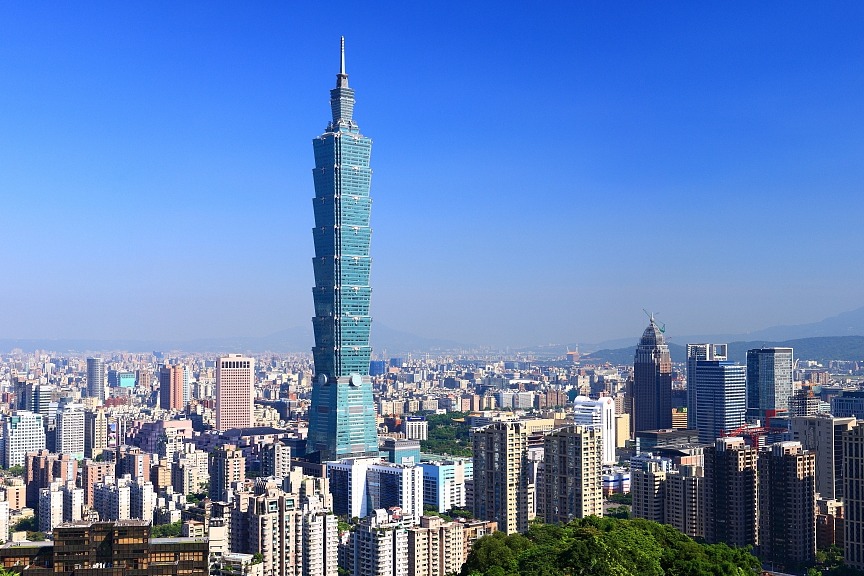
    Chinese mainland authorities have sharply criticized Taiwan’s Democratic Progressive Party (DPP) for propagating what they characterize as fabricated ‘infiltration’ narratives. Zhu Fenglian, spokeswoman for the State Council Taiwan Affairs Office, addressed these claims during a Wednesday press conference, labeling the DPP’s assertions as both misleading and deliberately malicious.

    The controversy emerged following recent statements from DPP officials regarding the use of mainland Chinese expressions in everyday Taiwanese contexts. DPP Secretary-General Hsu Kuo-yung asserted that such linguistic practices, while seemingly minor, could collectively constitute a form of ‘cultural infiltration’ that threatens Taiwan’s distinctive identity.

    This rhetoric has manifested in tangible consequences, including the online harassment of a Keelung dessert shop that incorporated mainland terminology for green grapes in its menu offerings. Zhu characterized these developments as irrational and pathological, attributing them directly to the DPP’s political agenda of eliminating Chinese cultural elements from Taiwanese society.

    The spokeswoman further condemned the DPP’s educational policies, noting the implementation of ‘Taiwan independence’ curricula and textbooks that seek to reconstruct historical narratives. She emphasized that Chinese culture remains the shared heritage of all compatriots across the Strait, encompassing language, writing systems, and traditional celebrations.

    In a related development, Zhu addressed a recent report from Taiwan’s security department alleging mainland use of artificial intelligence and big data analytics for disinformation campaigns. She dismissed these claims as factual distortions designed to foster anti-China sentiment and divert attention from the DPP’s governance challenges.

    The DPP has concurrently pursued legislative measures to counter perceived infiltration, including proposed amendments to strengthen the 2020 ‘anti-infiltration act.’ Zhu characterized this legislation as a political tool for suppressing opposition and intimidating Taiwan residents, ultimately serving separatist objectives while restricting cross-Strait exchanges and undermining fundamental freedoms.

  • Yoon’s fate to be determined on Feb 19

    Yoon’s fate to be determined on Feb 19

    A Seoul court announced on Wednesday that it will render its verdict on February 19 in the landmark insurrection trial of former South Korean President Yoon Suk-yeol, following prosecutors’ unprecedented demand for capital punishment. The Seoul Central District Court’s declaration came after an exhaustive 17-hour final hearing session, setting the stage for a historic judicial decision that could reshape the nation’s political landscape.

    Prosecutors characterized Yoon’s December 2024 declaration of martial law as “a severe demolition of constitutional order orchestrated by anti-state forces.” The special counsel team asserted that Yoon had weaponized the state of emergency as an instrument to consolidate power and establish prolonged authoritarian rule, actions they described as fundamentally violating national security principles and civil liberties.

    The prosecution emphasized that Yoon had demonstrated no genuine remorse or acceptance of responsibility for the constitutional crisis, compelling them to seek the maximum penalty under South Korean law. During the proceedings, the former president maintained composure, offering a faint smile upon hearing the death penalty request before reiterating his unwavering claim of innocence.

    Yoon contended that his implementation of constitutional emergency powers represented a legitimate presidential action to safeguard national interests rather than an attempted insurrection. He argued the martial law declaration aimed to alert citizens to genuine national security threats rather than establish military dictatorship.

    The Blue House, official residence of current President Lee Jae-myung, issued a statement expressing confidence that the judiciary would deliver a ruling consistent with legal principles and public expectations. Presiding Judge Ji Gwi-yeon affirmed the court’s commitment to adjudicating based strictly on constitutional provisions, statutory law, and evidentiary considerations.

    Legal experts note the symbolic significance of the prosecution’s capital punishment request despite South Korea’s de facto moratorium on executions since 1997. Hongik University law professor Cho Hee-kyong explained that insurrection remains technically punishable by death under the Criminal Act, and anything less than the maximum penalty request might have signaled inadequate seriousness about the constitutional violations.

    While most analysts anticipate a life imprisonment sentence, the court retains discretion to consider historical precedents including the 1996 death penalty verdict against former president Chun Doo-hwan for coup-related offenses, which was later commuted to life imprisonment. Yoon’s persistent denial of wrongdoing may serve as an aggravating factor in sentencing determinations.

  • European troops arrive in Greenland as talks with US highlight ‘disagreement’ over island’s future

    European troops arrive in Greenland as talks with US highlight ‘disagreement’ over island’s future

    NUUK, Greenland — A strategic European military deployment is underway in Greenland as NATO allies demonstrate solidarity with Denmark following contentious diplomatic talks with the Trump administration regarding the Arctic territory’s future. French, German, British, Norwegian, and Swedish forces have begun arriving in what defense officials characterize as a symbolic show of force against potential U.S. expansionist ambitions.

    The development coincides with Wednesday’s high-level meeting in Washington between Danish Foreign Minister Lars Løkke Rasmussen, Greenlandic counterpart Vivian Motzfeldt, and White House representatives including Vice President JD Vance and Secretary of State Marco Rubio. Rasmussen subsequently acknowledged “fundamental disagreement” persists regarding President Trump’s expressed interest in acquiring Greenland.

    Danish Defense Minister Troels Lund Poulsen confirmed plans to establish “a more permanent military presence with a larger Danish contribution,” with NATO partners participating through a rotational troop system. The enhanced security measures include increased aerial patrols, naval vessels, and ground personnel operating across Greenland’s strategic territories.

    French President Emmanuel Macron confirmed initial military elements were already en route, with approximately 15 mountain infantry soldiers arriving in Nuuk for exercises. Germany’s Defense Ministry announced plans to deploy a 13-member reconnaissance team on Thursday, characterizing the movement as defensive coordination among European partners.

    Greenlandic residents expressed mixed reactions to the geopolitical developments. While some welcomed European military support as protection against potential U.S. action, others questioned the underlying motivations. Local resident Maya Martinsen, 21, observed the dispute centered primarily on “the oils and minerals that we have that are untouched” rather than genuine security concerns.

    Diplomatic channels remain active despite tensions, with Rasmussen announcing creation of a bilateral working group to address American security concerns while respecting Denmark’s territorial sovereignty. Greenlandic MP Aki-Matilda Høegh-Dam acknowledged the necessity of continued dialogue while expressing concerns about military operations occurring near civilian infrastructure.

    The situation reflects broader transformations in the international rules-based order, with Greenland emerging as a pivotal point in Arctic geopolitics. While Rasmussen dismissed speculation about U.S. military invasion as “the end of NATO,” the Trump administration maintained ambiguous positioning, with the president remarking “We’ll see how it all works out” regarding future developments.

  • Russia expels British diplomat over allegations of spying

    Russia expels British diplomat over allegations of spying

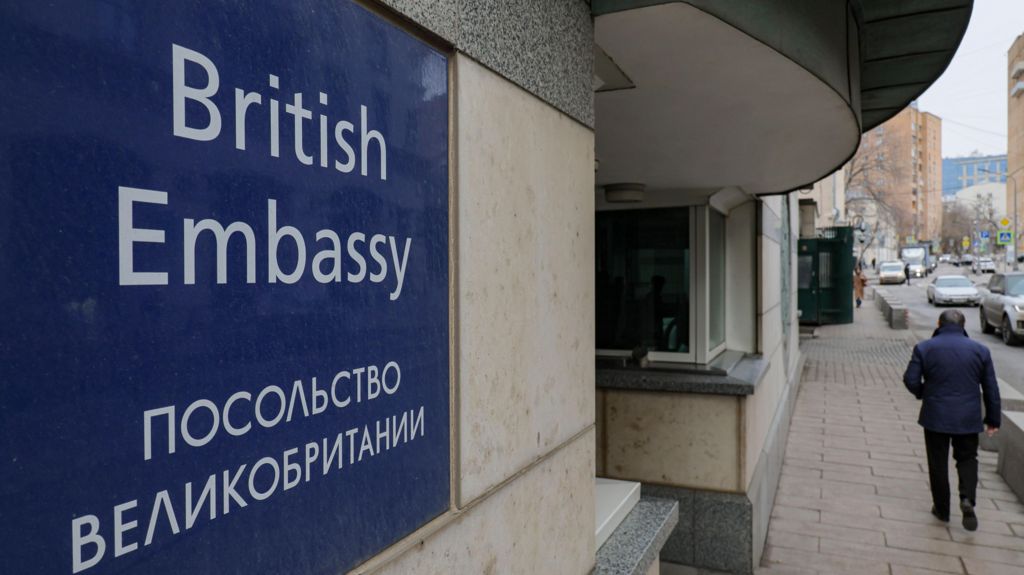
    Russia has declared a British diplomat persona non grata, ordering his immediate expulsion from the country on allegations of operating as an undeclared intelligence operative. The Russian Foreign Ministry announced Thursday that the unidentified individual had his diplomatic accreditation revoked and must depart Russian territory within two weeks.

    The escalating diplomatic confrontation prompted Moscow to summon Britain’s charge d’affaires, Danae Dholakia, to formally deliver the expulsion notice. Russian authorities issued a stern warning that they would not tolerate covert intelligence activities within their borders and threatened further retaliatory measures should London choose to escalate the situation.

    The British government has maintained official silence regarding the specific allegations, with the Foreign Office declining to comment when approached by media outlets. This incident marks the latest deterioration in Russo-British relations, which have been severely strained since Russia’s full-scale invasion of Ukraine in 2022.

    This diplomatic expulsion continues a pattern of reciprocal diplomatic removals between the two nations. In March 2023, Russia expelled two British officials over similar espionage allegations, which the UK Foreign Office denounced at the time as “malicious and baseless accusations.” Britain responded to that previous incident by revoking accreditation for a Russian diplomat and a diplomatic spouse, vowing to protect embassy staff from intimidation tactics.

    The ongoing tit-for-tat diplomatic warfare reflects the profoundly damaged relationship between Moscow and London, with intelligence operations becoming increasingly central to their confrontational dynamic. This latest expulsion further reduces diplomatic presence between the two nations and suggests intelligence networks are actively being disrupted on both sides.

  • Singapore’s leader of opposition stripped of title after lying conviction

    Singapore’s leader of opposition stripped of title after lying conviction

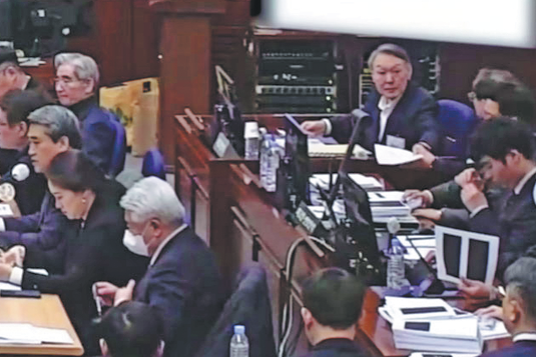
    In an unprecedented political development, Singapore’s parliament has formally removed Pritam Singh from his position as Leader of the Opposition following his criminal conviction for providing false testimony under oath. The decisive parliamentary vote occurred on Wednesday, with the ruling People’s Action Party (PAP) using its substantial majority to pass the motion.

    The resolution stemmed from Singh’s conviction last February for lying to a parliamentary committee investigating a separate case involving former Workers’ Party (WP) lawmaker Raeesah Khan. Despite maintaining his innocence throughout the judicial process and an unsuccessful appeal in December, Singh was found to have committed perjury during committee hearings.

    While Singh retains his parliamentary seat and position as secretary-general of the Workers’ Party, he will forfeit significant privileges including additional financial allowances and priority speaking rights during legislative debates. The opposition leader defended himself during the three-hour debate, stating his “conscience remains clear” and rejecting characterizations of his behavior as “dishonourable and unbecoming.”

    Prime Minister Lawrence Wong declared on Thursday that Singh’s continued tenure as Opposition Leader had become “no longer tenable” given the circumstances. All eleven present WP members voted against the motion, highlighting the partisan divide within the legislature.

    The controversy originated in 2021 when then-WP lawmaker Raeesah Khan fabricated an account of police misconduct toward a sexual assault victim. During subsequent investigations, evidence emerged suggesting Singh had instructed Khan to maintain the false narrative. Khan has since resigned from politics and received fines for her misconduct.

    This case represents one of the rare criminal convictions against a sitting opposition politician in Singapore’s history and has reignited debates about judicial independence in the city-state. Critics have previously alleged that Singapore’s government weaponizes legal mechanisms against political opponents—accusations that authorities consistently deny.