分类: politics

  • Turkey ‘in talks’ with Pakistan and Saudi over defence pact

    Turkey ‘in talks’ with Pakistan and Saudi over defence pact

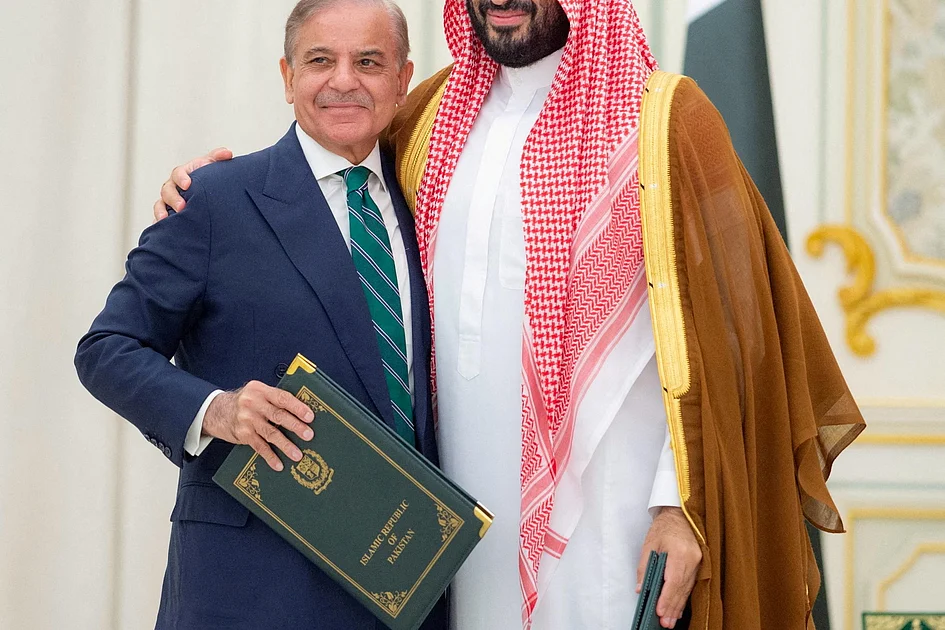
    Turkish Foreign Minister Hakan Fidan confirmed on Thursday that NATO member Turkey is actively negotiating with Pakistan and Saudi Arabia to join a bilateral defense agreement established between the two nations in September 2025. The announcement signals a significant expansion of regional security cooperation amid ongoing geopolitical tensions.

    President Recep Tayyip Erdogan’s administration is pursuing a “broader, more comprehensive vision” aimed at creating an expanded strategic platform, Minister Fidan stated. This development comes against the backdrop of heightened regional instability, particularly following the intense four-day conflict between Pakistan and India in May 2025 that resulted in over 70 casualties through missile, drone, and artillery exchanges—the most severe confrontation between the nuclear-armed neighbors since 1999.

    The existing Pakistan-Saudi defense pact, initially formed during Gulf regional tensions, has raised strategic questions within international circles. Particular attention has focused on the agreement’s potential nuclear dimensions, given Pakistan’s status as a nuclear weapons state. Both Pakistan and India have historically accused each other of supporting militant groups to destabilize their respective governments.

    Saudi Arabia reportedly played a crucial mediating role in de-escalating the recent India-Pakistan conflict. The potential inclusion of Turkey, a NATO member with significant regional influence, would create a substantial tripartite defense framework that could reshape security dynamics across the Middle East and South Asia.
  • Palestinian engineer Ali Shaath tapped to administer devastated Gaza

    Palestinian engineer Ali Shaath tapped to administer devastated Gaza

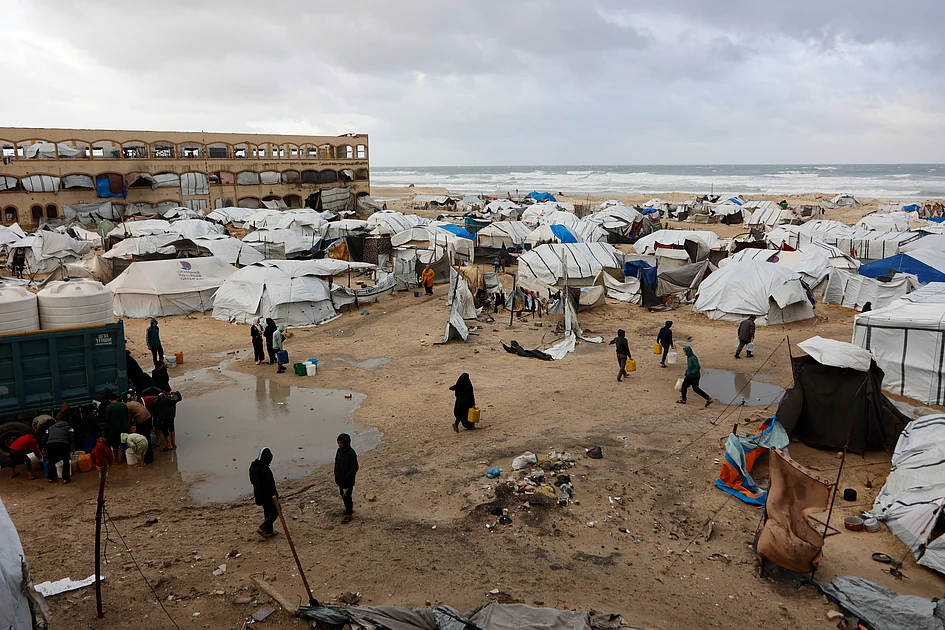
    A significant development has emerged in the Gaza conflict as U.S. diplomatic efforts transition into their second phase. President Donald Trump’s envoy, Steve Witkoff, confirmed the progression via social media, outlining a comprehensive shift from ceasefire arrangements toward demilitarization, technocratic governance, and reconstruction initiatives.

    The newly established 15-member Palestinian technocratic committee will assume administrative control over Gaza, operating under the supervision of an international ‘Board of Peace’ chaired personally by President Trump. Egyptian Foreign Minister Badr Abdelatty announced that all Palestinian factions have reached consensus on the committee’s composition, with former Palestinian Authority Deputy Minister Ali Shaath appointed to lead the governing body.

    This governance framework represents a crucial component of the 20-point U.S. peace plan, moving beyond the initial phase implemented in October that involved ceasefire protocols, prisoner-hostage exchanges, partial Israeli military withdrawal, and humanitarian aid escalation. The committee’s mandate includes managing daily life and essential services within the devastated territory, with deployment expected imminently.

    Notably, Hamas and its ally Islamic Jihad have committed to supporting the committee’s work despite their declared intention to avoid direct governance roles. A senior Hamas official, Taher al-Nunu, expressed the faction’s willingness to ensure the committee’s successful operation while limiting their involvement to oversight functions.

    However, significant challenges remain regarding the demilitarization requirements. Witkoff emphasized that phase two necessitates ‘full demilitarization and reconstruction of Gaza, primarily the disarmament of all unauthorized personnel.’ The U.S. expects Hamas to comply with these obligations, including the return of deceased hostage Ran Gvili, warning of ‘serious consequences’ for non-compliance.

    Israeli officials had previously insisted they would not discuss phase two until Gvili’s remains were returned, though Prime Minister Benjamin Netanyahu has since assured the family that governance developments would not hinder repatriation efforts. Meanwhile, discussions in Cairo have focused on additional critical elements including Israeli troop withdrawal, Rafah crossing reopening, and aid distribution mechanisms.

    The Board of Peace is anticipated to be announced within days, reportedly comprising approximately 15 world leaders with former UN Middle East envoy Nickolay Mladenov expected to lead ground operations.

  • Ethiopia says seized ammunition sent by Eritrea to rebels as tensions rise

    Ethiopia says seized ammunition sent by Eritrea to rebels as tensions rise

    Ethiopian authorities have made explosive allegations that Eritrea supplied thousands of ammunition rounds to armed rebels, dramatically escalating tensions between the Horn of Africa neighbors. Police in Ethiopia’s Amhara region announced Wednesday they intercepted over 56,000 rounds of ammunition allegedly intended for the Fano rebel group, arresting two suspects in the operation.

    According to an official Facebook statement, preliminary investigations indicated the ammunition originated from what Ethiopian officials term the ‘Shabiya government’ – a reference to Eritrea’s ruling party. The discovery has ignited fears of renewed armed conflict between the historically adversarial nations.

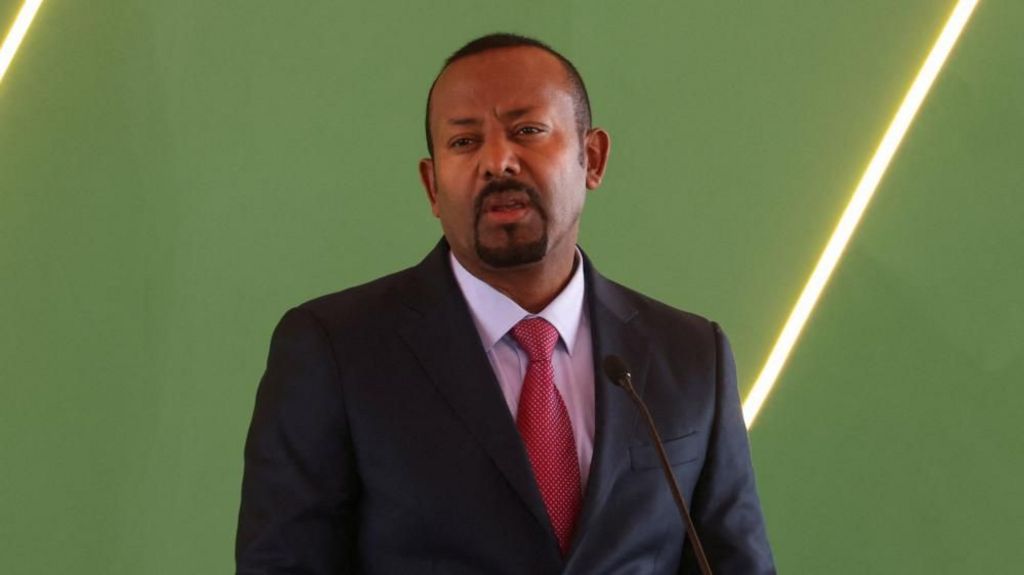
    Eritrea immediately issued a forceful denial through Information Minister Yemane Gebremeskel, who characterized the allegations as ‘false flag’ operations intended to justify military action that Ethiopia ‘has been itching to unleash.’ The minister accused Prime Minister Abiy Ahmed’s Prosperity Party of manufacturing pretexts for aggression.

    The allegations emerge amid deteriorating relations between the neighboring countries, which share a complex history of conflict and temporary reconciliation. Eritrea gained independence from Ethiopia in 1993 after decades of struggle, rendering Ethiopia landlocked despite their 2018 peace agreement that normalized relations.

    Recent months have seen mounting tensions over Ethiopia’s persistent demands for guaranteed access to the Red Sea through Eritrean territory. Prime Minister Abiy has characterized sea access as an existential national priority, while Eritrean President Isaias Afwerki recently accused Ethiopia of effectively declaring war through its maritime claims.

    The current crisis represents a sharp reversal from the cooperation seen during Ethiopia’s 2020-22 civil war, when Eritrean troops supported the Ethiopian government against Tigrayan forces. Relations soured significantly when Eritrea was excluded from the 2022 peace agreement that ended that conflict.

    Ethiopia now faces a violent insurgency from Fano rebels who control substantial territory in northern Amhara region, while simultaneously navigating increasingly hostile relations with its northern neighbor. Both leaders have publicly stated they prefer dialogue over conflict, but the ammunition allegations have brought bilateral tensions to their highest point in years.

  • Iranian press review: Fears grow for thousands of detainees whose fate remains unknown

    Iranian press review: Fears grow for thousands of detainees whose fate remains unknown

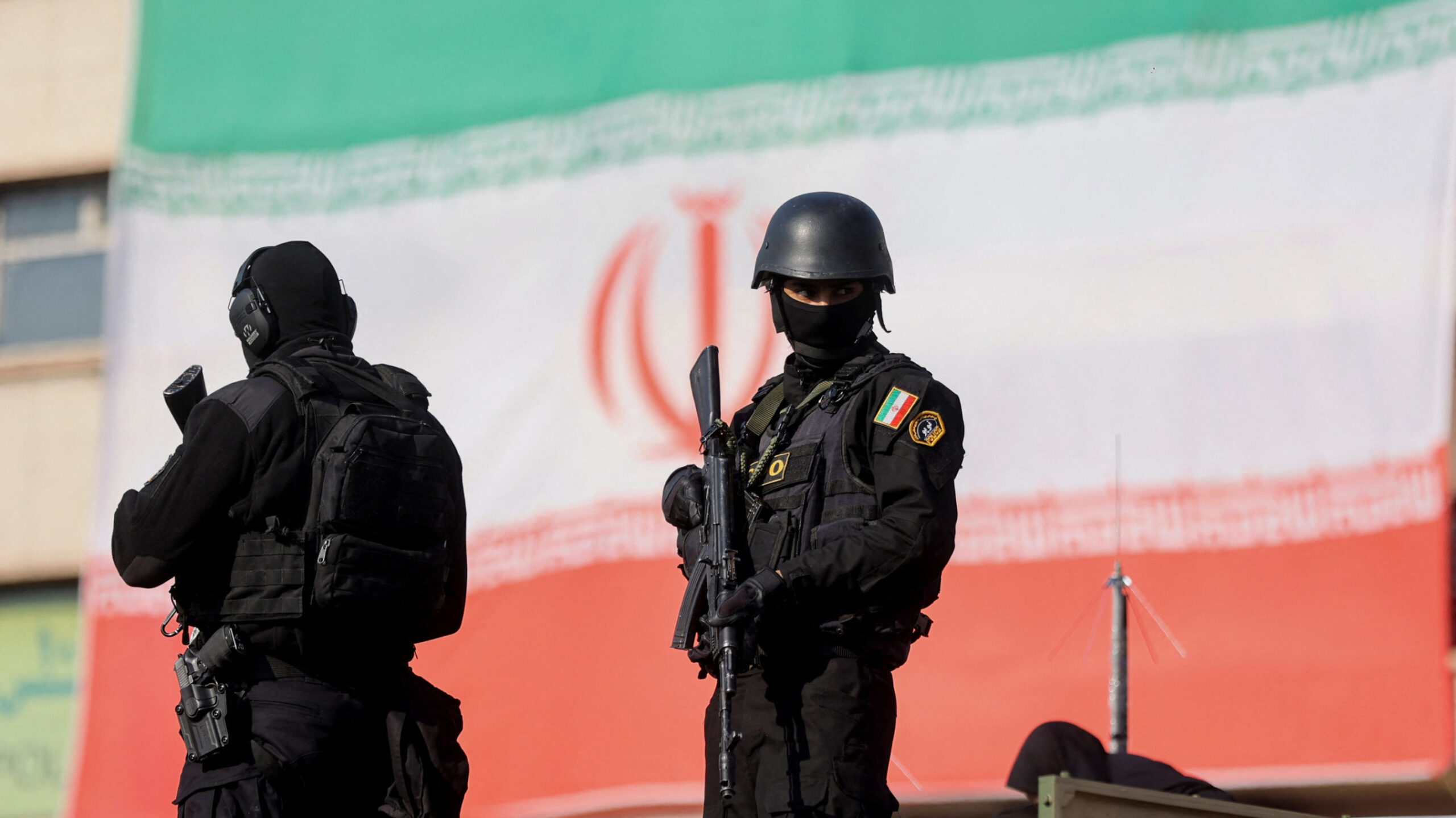
    International alarm is mounting over Iran’s severe response to nationwide demonstrations, with human rights organizations estimating security forces have detained over 10,000 protesters amid escalating concerns about potential death sentences. The situation intensified dramatically when Justice Minister Amin Hossein Rahimi characterized recent unrest as “a civil war” rather than legitimate protest, signaling possible execution orders for those arrested during January 8-11 operations.

    Hossein Bastani, an exiled Iranian journalist, warned via social media platform X that authorities might consider executions “a cheap option,” extending the lethal crackdown beyond street violence to judicial proceedings. This fear materialized temporarily when rights group Hengaw reported 26-year-old Erfan Soltani faced imminent execution in Karaj before international pressure, including explicit warnings from the United States, prompted Iranian officials to deny execution plans and retract Soltani’s death sentence.

    The legal advocacy group Dadban, operating externally, has urgently mobilized Persian-speaking lawyers to provide critical defense for detainees, particularly emphasizing that many young protesters lack awareness of their legal rights. However, a nationwide telecommunications blackout severely hampers these efforts, isolating prisoners from potential legal assistance.

    From within Tehran’s notorious Evin Prison, Kurdish political prisoner Verisheh Moradi—whose own death sentence was recently overturned—issued a powerful message championing the continuing “Women, Life, Freedom” movement that began following Mahsa Amini’s 2022 custodial death. Moradi condemned both the current Islamic Republic system and potential restoration of the pre-1979 monarchy, asserting that “no wall, no bar, and no rope has been able to extinguish the fire of resistance.”

    Simultaneously, Iran’s parliament—comprising lawmakers vetted by intelligence agencies—advanced urgent legislation to further restrict demonstration locations and impose stricter permit requirements, effectively constitutionalizing protest suppression under the guise of maintaining Islamic Republic foundations and public order.

  • Nato Arctic defence needed against Russia, says Cooper

    Nato Arctic defence needed against Russia, says Cooper

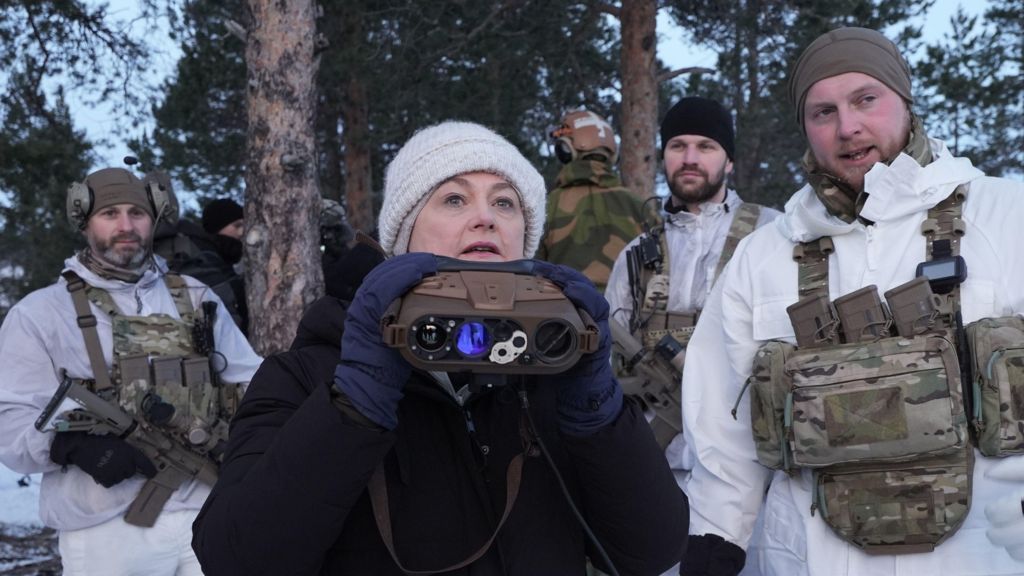
    UK Foreign Secretary Yvette Cooper has urged NATO allies to significantly bolster Arctic security measures during her visit to British forces in northern Norway. Cooper emphasized the critical need for a coordinated defense initiative—dubbed “Arctic Sentry”—to counter growing Russian military activities in the region.

    Speaking alongside Norwegian Foreign Minister Espen Barth Eide, Cooper warned that Russia’s Northern Fleet utilizes Arctic routes as strategic gateways to threaten Western Europe, the United Kingdom, and North America. “Our entire transatlantic security depends on Arctic security,” she stated during joint military observations with Norwegian forces.

    Cooper’s proposed Arctic Sentry framework would mirror existing NATO operations in the Baltic Sea, featuring enhanced intelligence sharing, coordinated military exercises, and joint operational planning. This initiative comes despite ongoing diplomatic tensions between the United States and Denmark regarding Greenland’s status, which Cooper characterized as secondary to collective security concerns.

    Norwegian Foreign Minister Eide endorsed Cooper’s proposal while cautioning against distractions from the primary security challenge. “We must avoid distractions from issue number one,” Eide remarked, referencing his recent visit to Ukrainian shelters in Kyiv. “Helping Ukraine achieve a just and lasting peace matters more than anything else for transatlantic security.

    Both officials emphasized that despite internal NATO disagreements, particularly regarding US interest in acquiring mineral-rich Greenland, the alliance must maintain unity against Russian aggression. Cooper explicitly stated that Greenland’s future should be determined solely by its people and Danish authorities, while urging focused cooperation on Arctic defense strategies.

  • Ugandans vote in tense election as Museveni seeks seventh term

    Ugandans vote in tense election as Museveni seeks seventh term

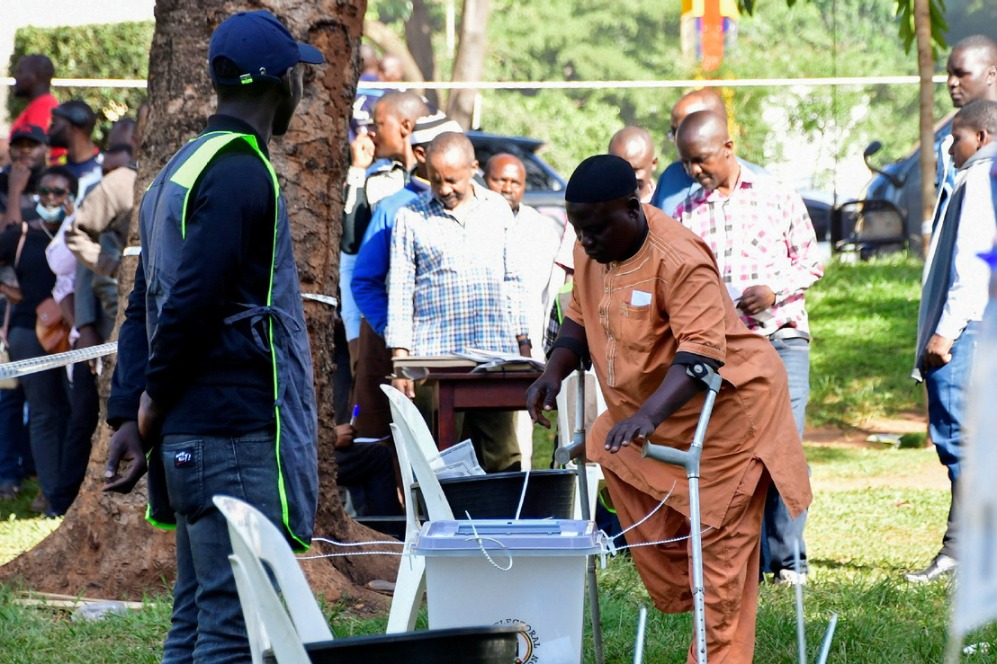
    Uganda embarked on a pivotal electoral process Thursday amid heightened tensions as long-serving President Yoweri Museveni pursued an unprecedented seventh term in office. The East African nation’s general election pits the 81-year-old incumbent against charismatic opposition leader Robert Kyagulanyi Sentamu, popularly known as Bobi Wine, who has mobilized the country’s substantial youth demographic in his bid for power.

    The electoral contest features eight presidential candidates competing to lead Uganda for the next five years, with approximately 21.7 million registered voters participating across 50,739 polling stations nationwide. Beyond the presidency, Ugandans are simultaneously selecting representatives for 353 parliamentary constituency seats, 146 District Woman Representative positions, and numerous local government roles.

    Campaign rhetoric has highlighted starkly different visions for Uganda’s future. President Museveni, representing the National Resistance Movement, has positioned himself as the guardian of national stability and continued development. Conversely, Bobi Wine’s National Unity Platform has centered its campaign on combating systemic corruption and implementing comprehensive governmental reforms.

    The electoral environment has been marked by significant digital restrictions, with Ugandan authorities implementing an internet blackout citing concerns about misinformation dissemination, potential electoral fraud, and prevention of violence incitement. This decision by the Communications Commission has drawn international scrutiny as polling commenced.

    Voting procedures will continue until 4 PM local time Thursday, with electoral officials confirming that any voters in queue at closing time will be permitted to cast their ballots. The electoral commission anticipates announcing presidential results within approximately 48 hours after polling concludes, setting the stage for a potentially contentious outcome declaration.

    The 2026 election represents a critical juncture in Uganda’s political evolution, testing the durability of Museveni’s 40-year administration against growing demands for change from the country’s youthful majority population.

  • BBC reports from Uganda polling station hit by technical problems

    BBC reports from Uganda polling station hit by technical problems

    Uganda’s pivotal presidential election encountered significant operational hurdles on polling day, with widespread technical failures disrupting the electoral process across multiple voting stations. Reports from various constituencies indicate that biometric voter verification systems, crucial for authenticating voter identities, experienced systemic malfunctions, resulting in extensive delays and growing voter discontent.

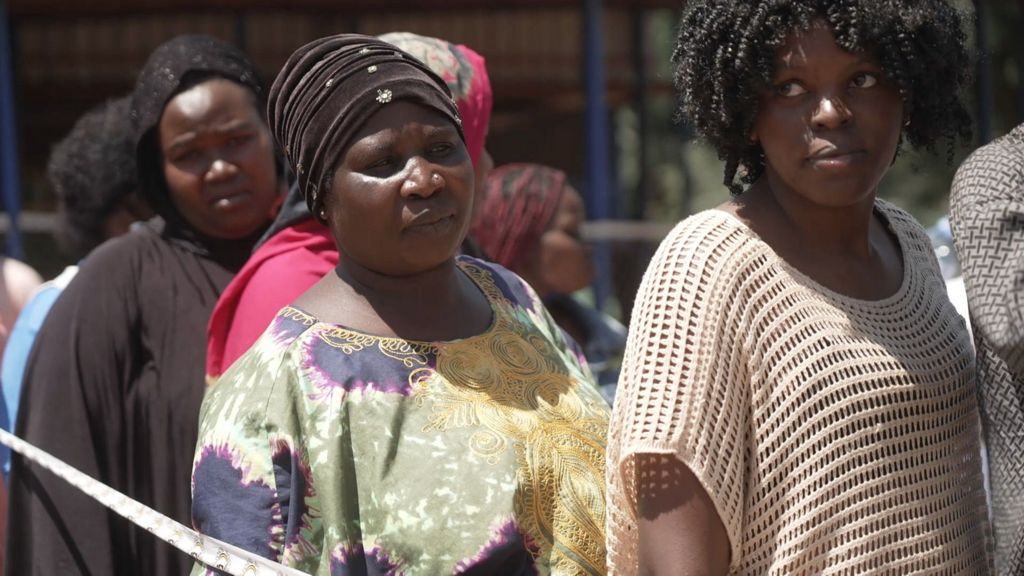
    The technological breakdown precipitated long, snaking queues at numerous polling centers, testing the patience of citizens eager to cast their ballots in this high-stakes political contest. Electoral officials scrambled to implement contingency measures, including manual verification processes, to mitigate the escalating crisis. Despite these efforts, the delays compounded logistical challenges already facing the election administration.

    This electoral event features President Yoweri Museveni, who has maintained an uninterrupted tenure since 1986, confronting his most formidable opposition challenge in decades. The technical difficulties have raised serious questions about the electoral commission’s preparedness and have drawn sharp criticism from opposition representatives monitoring the proceedings.

    International observers and local watchdog organizations have expressed concerns regarding how these technological failures might impact the election’s overall credibility and transparency. The electoral commission has acknowledged the issues while maintaining that these are isolated incidents rather than systemic failures, emphasizing their commitment to ensuring every legitimate voter exercises their democratic right.

  • Venezuela’s new leader faces competing pressures from the US and a government loyal to Maduro

    Venezuela’s new leader faces competing pressures from the US and a government loyal to Maduro

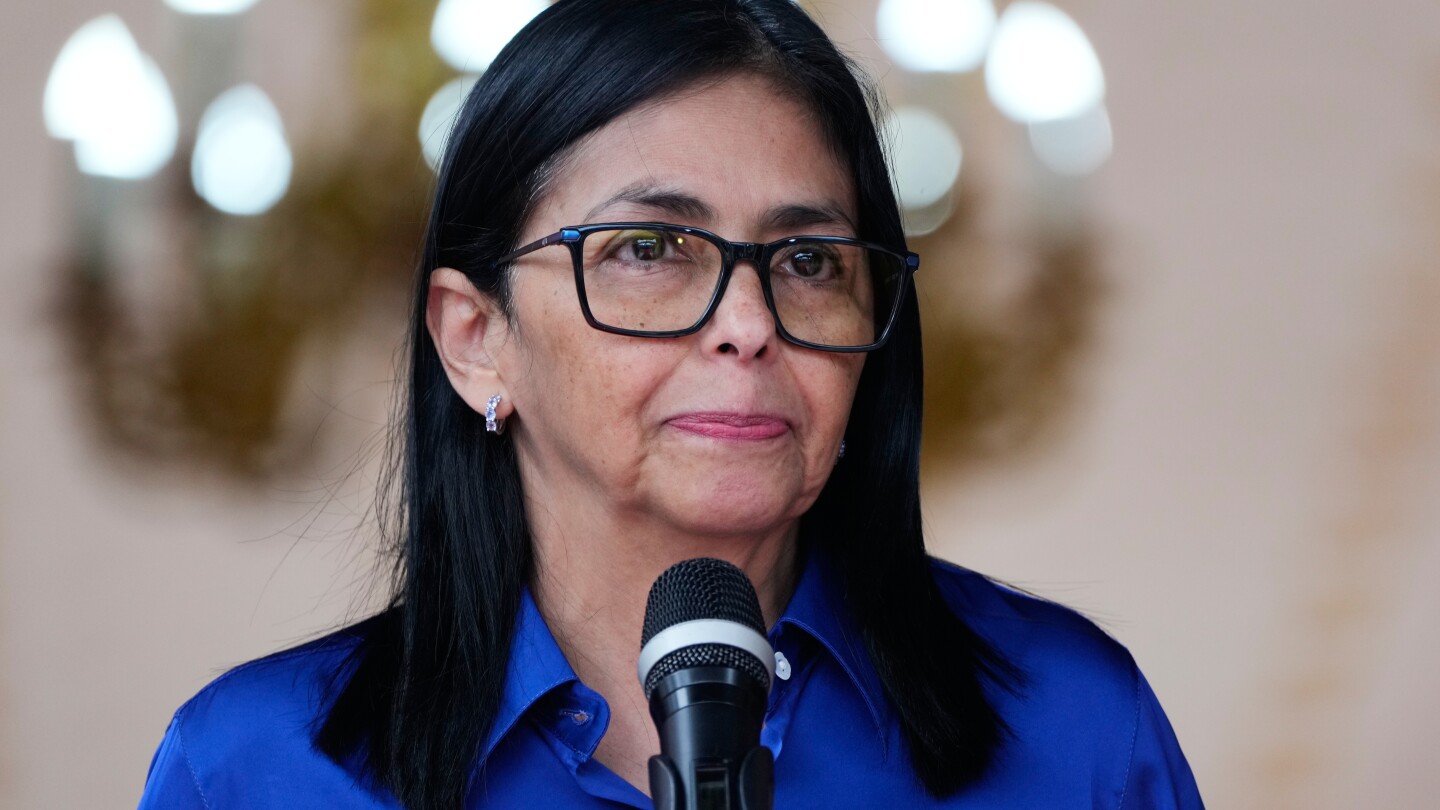
    CARACAS, Venezuela — Venezuela’s interim President Delcy Rodríguez delivered her inaugural state of the union address Thursday amid mounting political tensions, balancing competing demands from the United States government and loyalists of ousted leader Nicolás Maduro. The address to the National Assembly, dominated by the ruling party, outlined Rodríguez’s governance vision during this transitional period.

    The speech followed Rodríguez’s announcement of continued prisoner releases from the Maduro era, characterizing the development as part of a ‘new political moment’ following the U.S.-orchestrated removal of her predecessor earlier this month. The acting president faces the complex task of reconciling Washington’s expectations with the influence of hardline factions controlling Venezuela’s security apparatus.

    In a significant diplomatic development, U.S. President Donald Trump hosted Venezuelan opposition leader María Corina Machado at the White House on Thursday, despite having previously sidelined her by endorsing Rodríguez. Machado’s political coalition is widely recognized as the legitimate winner of the 2024 elections that Maduro had rejected.

    Rodríguez confirmed following a Tuesday telephone discussion with Trump that her administration would dedicate ‘every dollar’ from petroleum revenues to revitalize Venezuela’s critically deteriorated public healthcare infrastructure. The nation’s medical facilities have suffered systemic collapse, requiring patients to provide even basic medical supplies ranging from syringes to surgical implements.

    The interim leader operates under considerable pressure from Washington, having been sanctioned previously for human rights violations during Trump’s initial presidential term. Trump has explicitly threatened Rodríguez with consequences ‘probably worse than Maduro’ should she fail to cooperate with U.S. objectives regarding Venezuela’s oil industry restructuring.

    Maduro remains incarcerated in a Brooklyn detention facility after pleading not guilty to narcotics trafficking allegations, while Rodríguez maneuvers through Venezuela’s complex political landscape.

  • Trump threatens to invoke Insurrection Act over Minnesota protests

    Trump threatens to invoke Insurrection Act over Minnesota protests

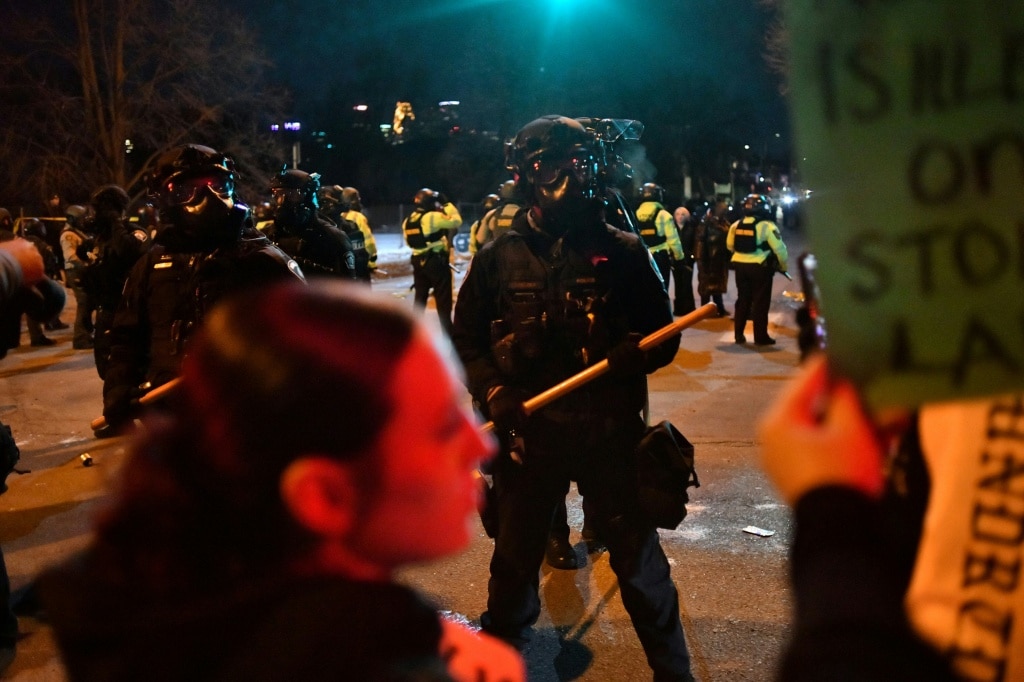
    President Donald Trump has escalated his rhetoric regarding ongoing protests in Minneapolis, Minnesota, threatening to invoke the 19th-century Insurrection Act to deploy military forces domestically. The declaration came via his Truth Social platform amid heightened tensions following two separate shooting incidents involving federal immigration agents.

    The situation intensified Wednesday evening when an Immigration and Customs Enforcement (ICE) agent shot and wounded a Venezuelan man during an apprehension attempt. According to Homeland Security officials, the incident occurred when two individuals emerged from a nearby residence and assaulted the agent with a snow shovel and broom handle during the struggle. The wounded man received treatment for a non-life-threatening leg injury, while his alleged accomplices were taken into custody.

    This marks the second shooting involving ICE personnel within a week in Minneapolis. The previous incident on January 7 resulted in the death of 37-year-old Renee Nicole Good, sparking sustained protests and drawing additional federal agents to the northern city.

    Trump’s social media statement accused Minnesota politicians of failing to control ‘professional agitators and insurrectionists’ targeting ICE personnel. ‘If the corrupt politicians of Minnesota don’t obey the law and stop the professional agitators… I will institute the INSURRECTION ACT and quickly put an end to the travesty,’ the former president wrote.

    The Insurrection Act, last invoked in 1992 by President George H.W. Bush during the Los Angeles riots, empowers the president to deploy military forces for domestic law enforcement during insurrection scenarios. Homeland Security Secretary Kristi Noem declined to speculate on whether Trump would follow through with the threat, acknowledging only that ‘it’s his constitutional right’ to utilize the mechanism.

    The unfolding situation represents the latest escalation in Trump’s hardened immigration enforcement approach, which has previously included threats to deploy National Guard units and has drawn accusations of authoritarian overreach from critics.

  • Colombian president confirms date for meeting with Trump at White House

    Colombian president confirms date for meeting with Trump at White House

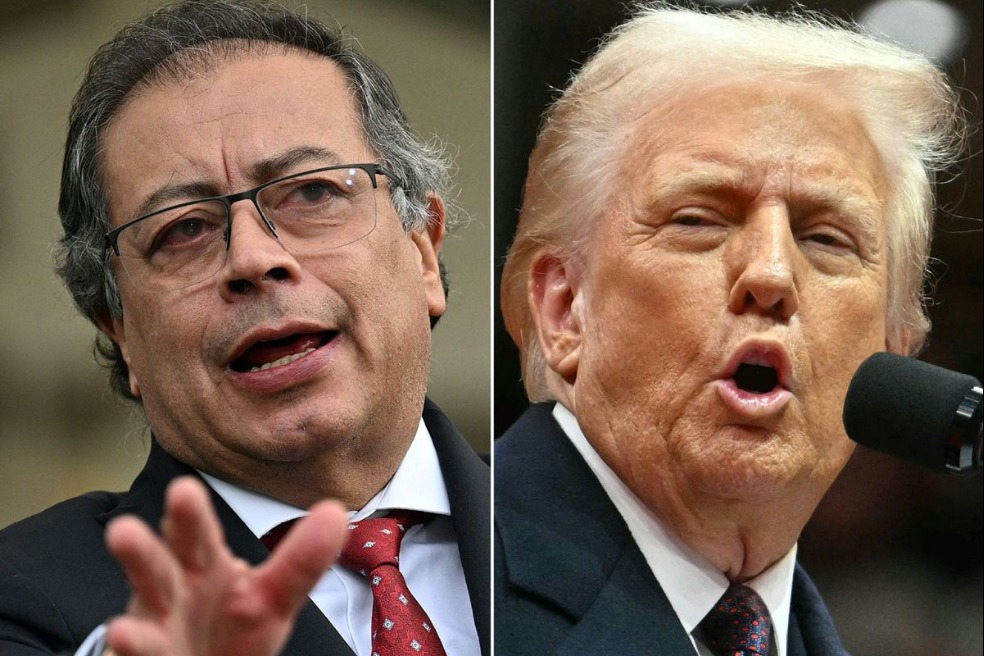
    Colombian President Gustavo Petro has officially confirmed a high-stakes diplomatic meeting with US President Donald Trump scheduled for February 3rd at the White House. The announcement came during a publicly broadcast cabinet meeting on Wednesday, where Petro emphasized the critical nature of these bilateral discussions.

    The meeting, established through formal diplomatic channels between the two governments, will mark the first face-to-face encounter between the leaders since Trump’s return to office. Central to the agenda will be addressing persistent issues in US-Colombia relations, with drug trafficking prevention emerging as a primary focus area.

    President Trump had previously expressed enthusiasm for the January meeting following a January 7th phone conversation between the leaders, during which he publicly praised Petro and emphasized the importance of continued dialogue on narcotics control.

    The diplomatic engagement occurs against a backdrop of heightened US pressure on Latin American nations regarding security and drug-related matters. Tensions surfaced earlier this month when Trump issued veiled threats toward Colombia on January 4th, suggesting that taking action against the country “sounds good.” Petro responded decisively via social media the following day, indicating readiness to “take up again the weapons that no one wants to touch” in response to what he characterized as “illegal threats.”

    Despite these diplomatic friction points, both administrations appear committed to dialogue, with Petro underscoring the meeting’s significance for ensuring the safety and security of the Colombian people.