分类: politics

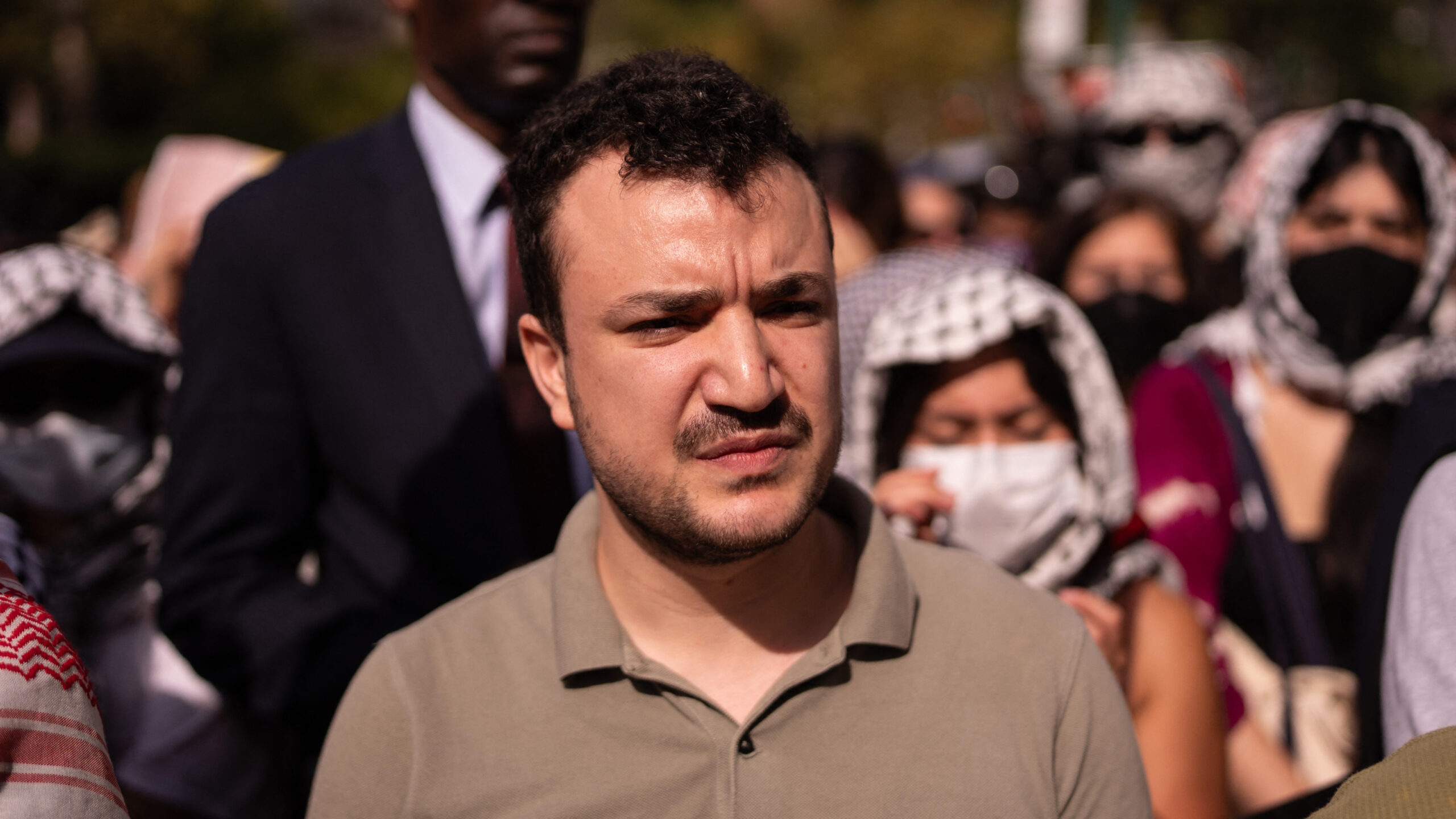
  • US appeals court opens door to re-arrest Palestinian activist Mahmoud Khalil

    US appeals court opens door to re-arrest Palestinian activist Mahmoud Khalil

    A federal appeals court delivered a significant ruling on Thursday that could reignite the contentious legal battle surrounding Palestinian activist and green card holder Mahmoud Khalil. The Third Circuit Court of Appeals determined in a 2-1 decision that the district court judge who ordered Khalil’s release from immigration detention in June lacked proper jurisdiction over the deportation proceedings.

    The ruling represents a substantial victory for the Trump administration while creating immediate uncertainty for Khalil’s immigration status. Although the decision doesn’t immediately reactivate detention orders, it opens the possibility of re-arrest once the ruling takes formal effect, pending potential appeals from Khalil’s legal team.

    Central to the case are fundamental questions about free speech protections for non-citizens, particularly permanent legal residents. Khalil, who served as a lead negotiator during the Gaza war encampments at Columbia University in spring 2024, was arrested by ICE officers on March 8, 2025, despite not personally participating in the protests. He was transferred to a Louisiana detention facility 1,300 miles from his home, separating him from legal counsel and his pregnant wife.

    During his 104 days in ICE custody, Khalil missed both the birth of his first child and his Columbia University graduation ceremony. The government’s deportation efforts relied on a rarely invoked provision of immigration statute—the “foreign policy ground”—with Secretary of State Marco Rubio determining that Khalil’s protected speech allegedly compromised compelling U.S. foreign policy interests.

    Legal experts expressed concern that the appeals court declined to address First Amendment arguments while focusing solely on jurisdictional grounds. Bobby Hodgson, deputy legal director at the New York Civil Liberties Union, stated the decision “undermines the role federal courts must play in preventing flagrant constitutional violations.”

    Khalil’s legal team is currently reviewing multiple appellate options, including seeking en banc review by the full Third Circuit court. The activist vowed to continue his legal fight, stating: “The door may have been opened for potential re-detainment down the line, but it has not closed our commitment to Palestine and to justice and accountability.”
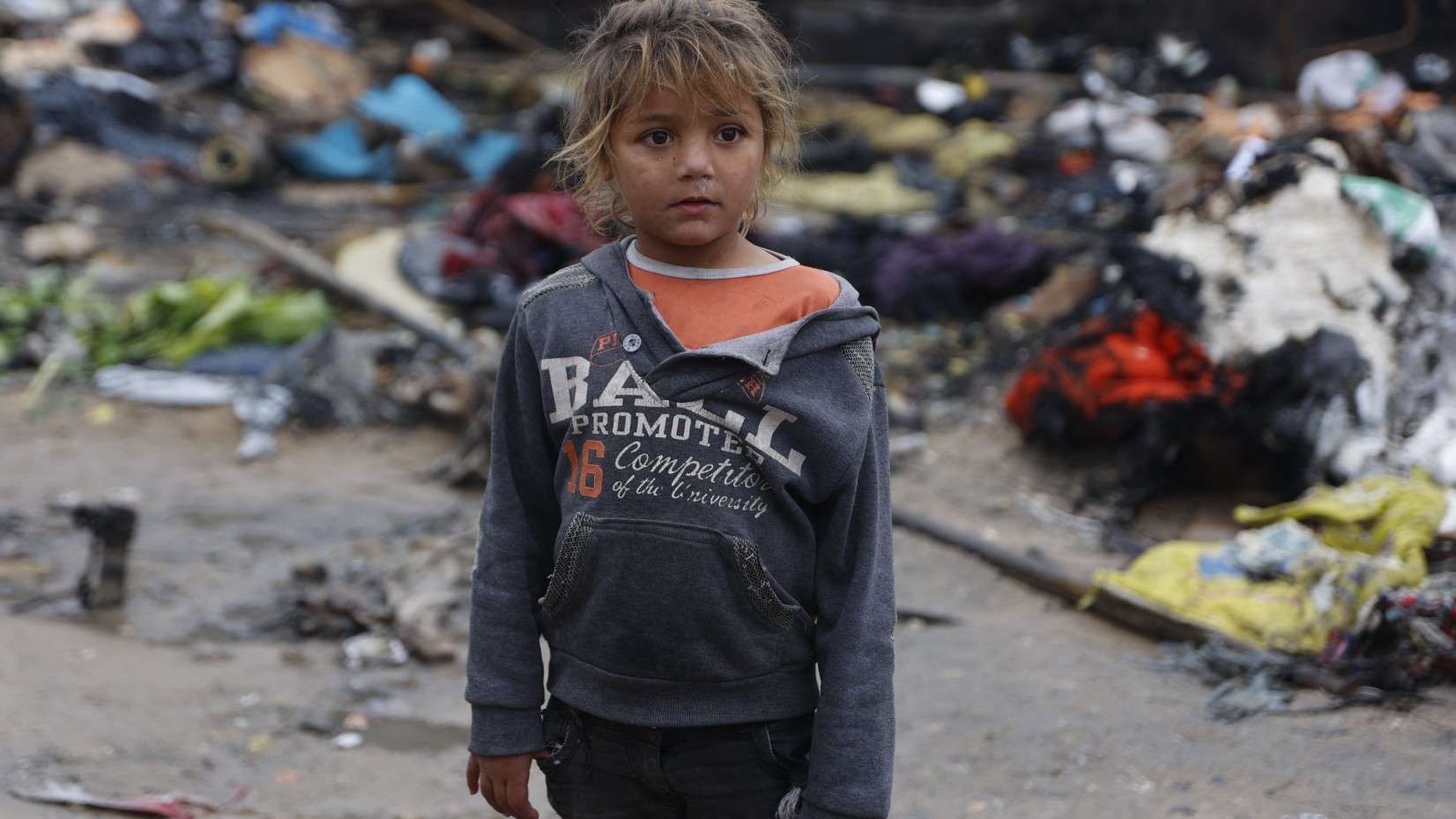
  • Technocratic committee overseeing Gaza transition revealed

    Technocratic committee overseeing Gaza transition revealed

    A newly formed technocratic committee tasked with overseeing Gaza’s transitional governance has been revealed, marking a significant development in the implementation of the ceasefire agreement to end hostilities in the region. The 15-member Palestinian committee will be led by Ali Shaath, former Palestinian deputy minister for planning, with oversight provided by Bulgarian diplomat Nickolay Mladenov, the former UN Middle East peace coordinator.

    The committee’s formation follows Egypt’s Wednesday announcement that most Palestinian factions had reached consensus to support this technocratic governance structure, facilitating the second phase of the Gaza ceasefire plan. Mladenov is reportedly positioned to serve as high representative of a Donald Trump-led ‘Board of Peace’ responsible for monitoring the agreement’s implementation.

    The committee features specialized appointments including Omar Shamali (Communications), Abdul Karim Ashour (Agriculture), Aed Yaghi (Health), and Aed Abu Ramadan (Industry and Economy). Additional appointments encompass Jabr al-Daour (Education), Bashir Al-Rayes (Finance), Ali Barhoum (Water and Municipalities), Hanaa Tarzi (Relief and Solidarity), and Adnan Salem Abu Warda (Judiciary). Completing the roster are Rami Tawfiq Helles (Endowments and Religious Affairs), Osama Hassan Al-Saadawi (Housing and Public Works), and Samira Helles (Energy and Transportation).

    Notably, Hamas and Islamic Jihad have expressed agreement ‘to support the mediators’ efforts in forming the Palestinian National Transitional Committee to administer the Gaza Strip.’ Committee members were instructed to maintain confidentiality about their appointments to allow former President Trump to formally announce the initiative, according to Al-Araby Al-Jadeed reports.

    The committee is expected to comprise Gaza-based figures with no political faction affiliations. Egypt is likely to host the committee’s inaugural meeting, with sources indicating coordination with Israeli authorities to facilitate travel for Gaza-based members. At least four prospective members have remained in Egypt since the conflict began.

    The ceasefire agreement, which took effect in October, has faced implementation challenges due to continued hostilities. Palestinian health authorities report over 71,400 fatalities and 171,000 injuries since the conflict’s onset, with nearly 450 additional Palestinians killed since October amid ongoing restrictions on humanitarian aid access.

  • Denmark rebuts Trump’s Greenland security claims

    Denmark rebuts Trump’s Greenland security claims

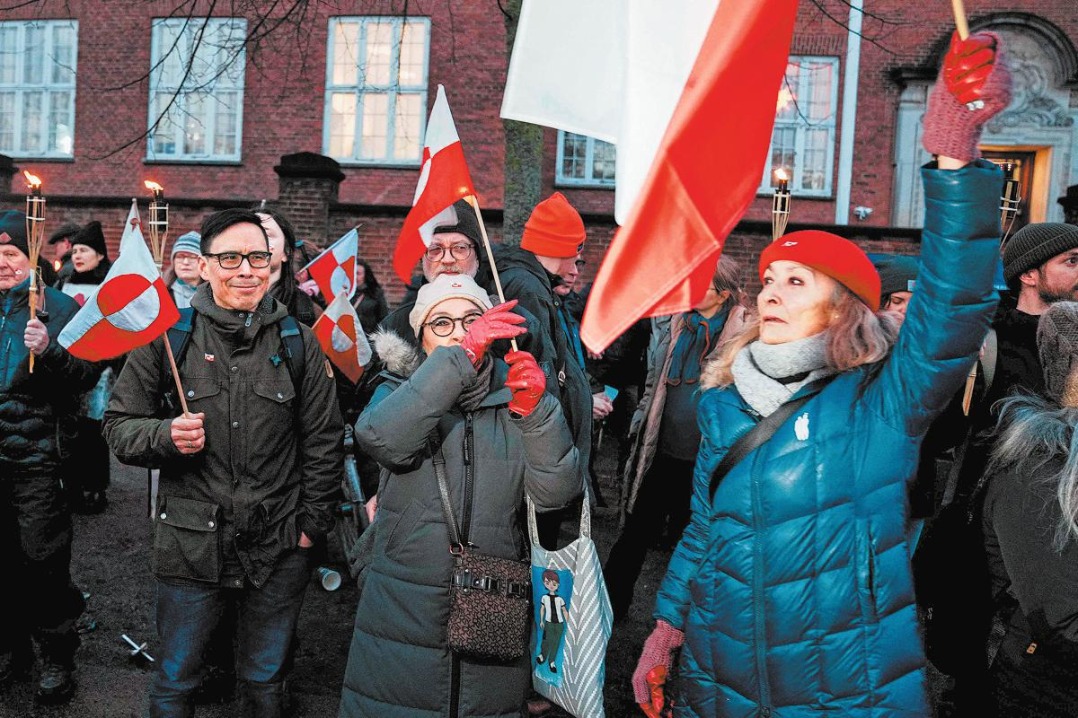
    In a significant diplomatic confrontation, Danish Foreign Minister Lars Lokke Rasmussen has categorically refuted United States security claims regarding Chinese military presence in Greenland, directly challenging the Trump administration’s justification for potential seizure of the Arctic territory.

    During an hour-long meeting at the White House on Wednesday, Rasmussen and Greenland’s Foreign Minister Vivian Motzfeldt confronted Vice-President JD Vance and Secretary of State Marco Rubio with counter-intelligence findings. The high-level talks marked the first face-to-face engagement since Washington’s renewed interest in acquiring Greenland sparked diplomatic tensions.

    ‘We seized the opportunity to confront this false narrative head-on,’ Rasmussen stated in a post-meeting press conference. ‘The assertion that Chinese warships operate extensively around Greenland is simply not supported by factual evidence.’

    The Danish minister presented detailed intelligence indicating no Chinese naval vessels have been detected in Greenlandic waters for approximately a decade. Rasmussen further emphasized that contrary to US claims, there are no substantial Chinese investments or infrastructure projects currently operating in the autonomous Danish territory.

    Despite characterizing the discussions as ‘frank and constructive,’ Rasmussen acknowledged a fundamental diplomatic impasse remains unresolved. ‘The president maintains this ambition of acquiring Greenland,’ he noted. ‘We have unequivocally communicated that such a proposition contradicts the interests and sovereignty of the Danish Kingdom.’

    Greenland’s Foreign Minister Motzfeldt described the meeting as an opportunity to establish clear boundaries while expressing optimism about future diplomatic engagement. The Arctic island, which maintains self-governing status within the Kingdom of Denmark, has become increasingly strategically significant due to melting polar ice caps and emerging shipping routes.

    The Trump administration has repeatedly cited expanding Chinese and Russian influence in the Arctic as primary justification for potential US acquisition of Greenland, though Danish and Greenlandic officials maintain these security concerns are substantially exaggerated.

  • Trump threatens to invoke Insurrection Act in Minnesota after another ICE shooting

    Trump threatens to invoke Insurrection Act in Minnesota after another ICE shooting

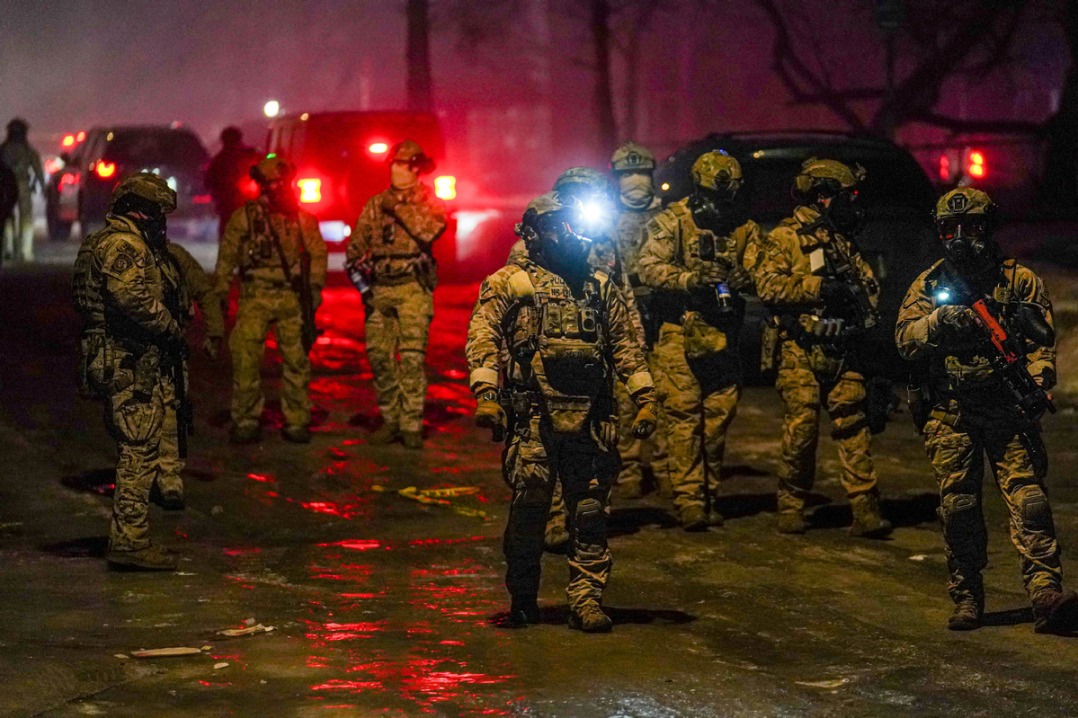
    President Donald Trump has issued a stark warning to Minnesota officials, threatening to deploy military forces under the Insurrection Act following a second controversial shooting involving Immigration and Customs Enforcement (ICE) agents within a week. The unprecedented threat escalates tensions in a state already grappling with civil unrest and allegations of federal law enforcement misconduct.

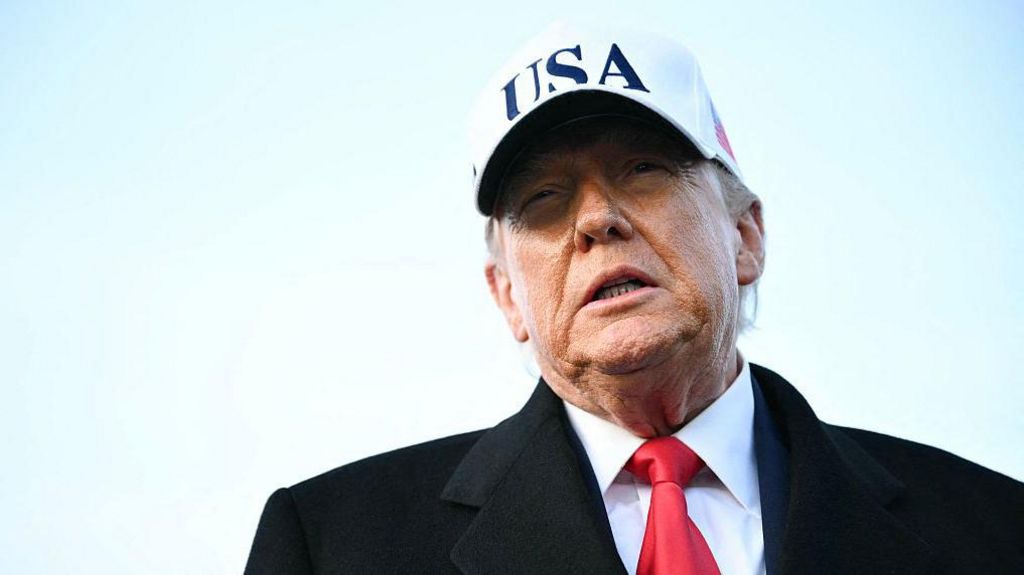
    In a provocative post on his Truth Social platform, Trump declared: “If the corrupt politicians of Minnesota don’t obey the law and stop the professional agitators and insurrectionists from attacking the Patriots of I.C.E., who are only trying to do their job, I will institute the INSURRECTION ACT.” The president asserted that invoking this centuries-old law would “quickly put an end to the travesty” unfolding in the state.

    The crisis stems from two separate incidents that have ignited national outrage. On January 7, ICE agents fatally shot 37-year-old mother Renee Nicole Good under disputed circumstances. While federal authorities claim Good attempted to run over officers with her vehicle, local officials counter that video evidence shows she posed no legitimate threat and that agents acted recklessly.

    The situation deteriorated further on Wednesday evening when ICE agents shot a Venezuelan immigrant in the leg during what the Department of Homeland Security described as an ambush attack by two assailants and the immigrant they were attempting to apprehend. This second shooting has intensified protests across Minneapolis, with police declaring recent gatherings “unlawful assemblies” after participants allegedly threw fireworks and rocks at officers.

    Minneapolis Mayor Jacob Frey characterized the deteriorating situation as “not sustainable,” reflecting growing concerns about the escalating conflict between federal agents and local communities. The 1807 Insurrection Act, which Trump has repeatedly signaled willingness to invoke, provides presidents extraordinary authority to deploy military forces domestically under extreme circumstances—a power historically reserved for actual insurrections or widespread civil disorder that overwhelms local authorities.

  • Gulf leaders convinced Trump to go easy on Iran, say officials

    Gulf leaders convinced Trump to go easy on Iran, say officials

    A coalition of Gulf nations successfully persuaded U.S. President Donald Trump to abandon a planned military strike against Iran, according to senior Saudi diplomatic sources. The diplomatic intervention, led by Saudi Arabia, Qatar, and Oman, culminated in intense last-minute negotiations that ultimately changed the administration’s course of action.

    The breakthrough followed days of escalating tensions and mounting expectations of American military retaliation against Iran’s suppression of nationwide protests. President Trump confirmed from the Oval Office that he had received assurances from highly placed sources within Tehran that planned executions of demonstrators would not proceed.

    In statements indicating a deliberate de-escalation of hostilities, Trump emphasized that the United States would adopt a watchful stance. “They’ve stated the killings have ceased and executions will not occur. We intend to verify these developments,” the president remarked, adding that military options remained under consideration pending Iran’s compliance.

    Subsequent to these diplomatic exchanges, Iranian Foreign Minister Abbas Araghchi denied existence of execution plans for protesters. Iranian state media corroborated this position by reporting that Erfan Soltani, a 26-year-old detainee from Karaj protests, would not face capital punishment.

    The reduced tensions prompted tactical reassessments at strategic regional installations. Personnel previously relocated from Qatar’s Al-Udeid Airbase began returning to their positions as threat levels diminished, according to diplomatic sources familiar with the situation.

    Human rights organizations monitoring the unrest provided staggering casualty estimates, with figures ranging from 2,600 to 3,428 fatalities resulting from protest-related violence and government crackdowns. The Gulf-mediated diplomatic resolution potentially prevented further escalation in a region already experiencing significant instability.

  • At Saudi’s Six Flags, world’s tallest roller coaster travels length of 5 Burj Khalifas

    At Saudi’s Six Flags, world’s tallest roller coaster travels length of 5 Burj Khalifas

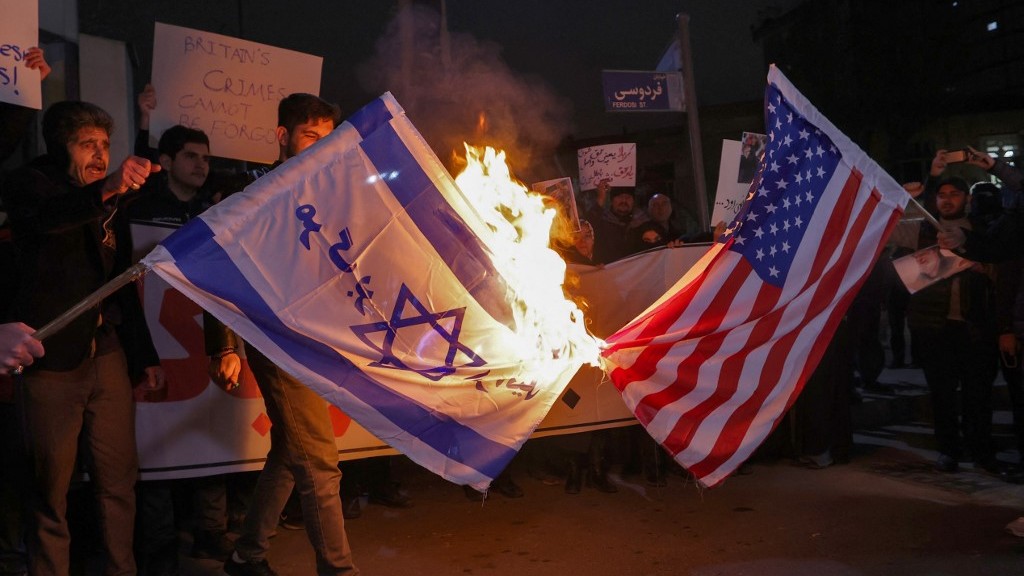
    The United States and Israel have initiated significant military and economic actions targeting Iranian interests and its regional proxies. In a decisive move, the U.S. Treasury Department has imposed comprehensive sanctions on a cohort of senior Iranian leaders directly implicated in the violent suppression of domestic protests. This sanctions package targets key figures within Iran’s security apparatus and morality police, freezing U.S.-based assets and prohibiting American entities from engaging in any transactions with them.

    Concurrently, the Israeli Defense Forces (IDF) launched precision airstrikes against multiple Hezbollah operational sites across southern Lebanon. Military officials confirmed the strikes targeted weapons depots, observation posts, and command centers belonging to the Iran-backed militant group. This military action is described as a direct response to recent cross-border provocations and attempted infiltrations, underscoring the escalating tensions along the Israel-Lebanon frontier.

    The dual developments highlight a concerted effort to challenge Iranian influence on multiple fronts. The U.S. sanctions aim to impose tangible costs on Tehran for its human rights abuses, while Israel’s military strikes seek to degrade the capabilities of Hezbollah, Iran’s primary proxy force in the region. These actions occur amidst stalled negotiations to revive the 2015 nuclear agreement, signaling a potential shift towards a more confrontational approach by the Western and Israeli alliance.

  • South Korea’s impeached leader faces first of several verdicts. Here’s what you need to know

    South Korea’s impeached leader faces first of several verdicts. Here’s what you need to know

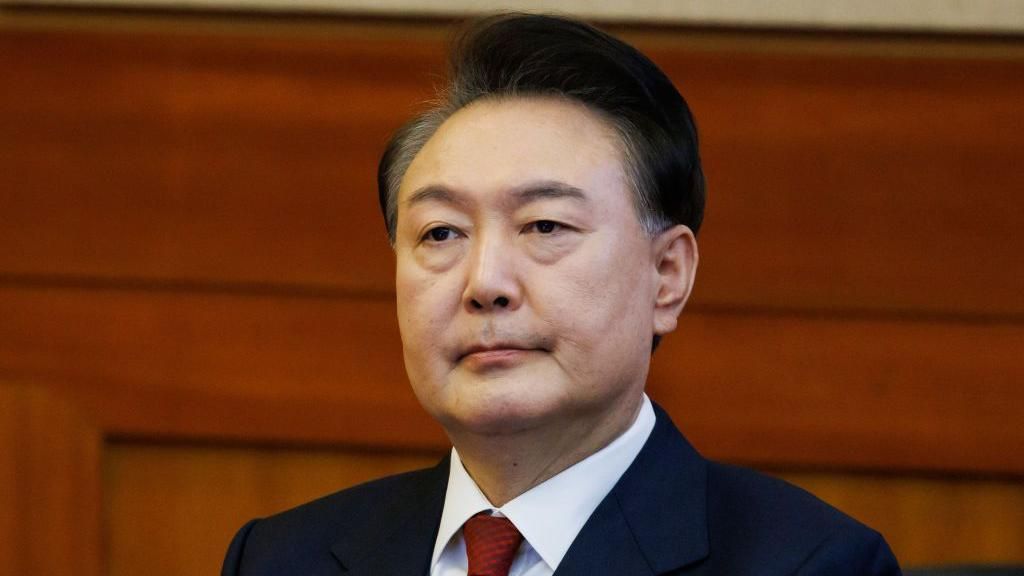
    South Korea’s former President Yoon Suk Yeol awaits a landmark judicial ruling on Friday regarding his controversial 2024 martial law declaration that plunged the nation into political crisis. The embattled ex-leader faces eight distinct charges including insurrection, abuse of power, and campaign law violations in what legal experts describe as one of the most consequential trials in modern Korean history.

    Prosecutors have presented a case alleging Yoon systematically attempted to subvert constitutional order by declaring martial law without legitimate justification. Central to the allegations is his mobilization of military and police forces to blockade the National Assembly compound, preventing lawmakers from challenging his decree, and his authorization of arrests targeting political opponents including the Assembly speaker and party leaders.

    While Yoon initially justified his actions as necessary to counter pro-North Korean elements, evidence suggests the move was primarily motivated by mounting political vulnerabilities. The prosecution has sought capital punishment, characterizing Yoon as remorseless and noting the severity of his actions exceeded even the 1979 military coup led by former dictators Chun Doo-hwan and Roh Tae-woo.

    Legal analysts anticipate a life imprisonment sentence rather than execution, considering both the political implications of martyrdom and South Korea’s 27-year moratorium on capital punishments. Additional charges include obstruction of justice for evading arrest with unprecedented security barricades, abuse of power for bypassing cabinet procedures, and document falsification.

    A separate trial examines allegations that Yoon attempted to provoke military conflict with North Korea through unauthorized drone incursions, potentially to justify his martial law declaration. Former intelligence chief Yeo In-hyung and ex-defense minister Kim Yong-hyun face related indictments.

    Despite the gravity of charges, some experts predict eventual presidential pardon based on Korea’s political traditions, though any sentence would serve as symbolic condemnation of constitutional violations. The proceedings have exposed deep societal divisions, with both supporters and opponents regularly demonstrating outside courtrooms.

  • Trump aims to keep everyone guessing over Iran action

    Trump aims to keep everyone guessing over Iran action

    A tense two-week period of escalating rhetoric between Washington and Tehran appears to have momentarily de-escalated following an unexpected presidential announcement. President Donald Trump, who had previously issued stark warnings to Iranian authorities regarding their treatment of protesters, declared on Wednesday that credible sources indicated a cessation of violence and planned executions within Iran.

    The situation had been building toward potential military confrontation since January 2nd, when Trump first threatened to intervene on behalf of Iranian protesters. Throughout the following days, the administration’s language grew increasingly confrontational, culminating with Trump’s Tuesday declaration that the United States would take “very strong action” if Iran carried out executions of detained demonstrators.

    Military indicators had suggested impending action: personnel at Al-Udeid air base in Qatar were being relocated, embassy staff in Saudi Arabia received vigilance alerts, and reports emerged of airspace closures and flight cancellations. These movements echoed similar patterns observed before previous strikes on Iranian nuclear facilities.

    However, the trajectory shifted dramatically during a White House press briefing when Trump revealed he had received assurances from “very important sources on the other side” that killings had stopped and no executions were planned. The president characterized these as “very good statements” from informed sources, though he provided no specific details about their origins or credibility.

    The apparent pause in hostilities comes amid significant caution from multiple quarters. Gregory Meeks, ranking Democrat on the House Foreign Affairs Committee, warned that military intervention could backfire by discrediting the organic protest movement and strengthening regime narratives. Gulf allies including Saudi Arabia, Qatar, and Oman have expressed reservations about potential regional destabilization—concerns grounded in historical experience with Iranian retaliation.

    Tehran has demonstrated both capability and willingness to respond to external pressure, as evidenced by the 2019 attack on Saudi oil facilities and last year’s missile strike on Al-Udeid base following U.S. actions against nuclear sites. These regional powers fear that significant U.S. military action could trigger widespread instability despite their efforts to improve relations with Iran.

    Analysts suggest Trump’s approach reflects his preference for dramatic gestures and unpredictable statecraft. Andrew Miller, former deputy assistant secretary of state, notes the president’s attraction to “evocative news stories, the use of raw power, and minimal casualties.” However, Miller and others caution against raising expectations without clear follow-through, particularly when protester lives hang in the balance.

    With unconfirmed reports indicating redeployment of the USS Abraham Lincoln carrier group from the South China Sea, the administration appears to be maintaining military options even as diplomatic channels show tentative signs of progress. The fundamental question of whether the United States will ultimately intervene militarily in Iran remains unanswered, leaving both allies and adversaries in a state of uncertain anticipation.

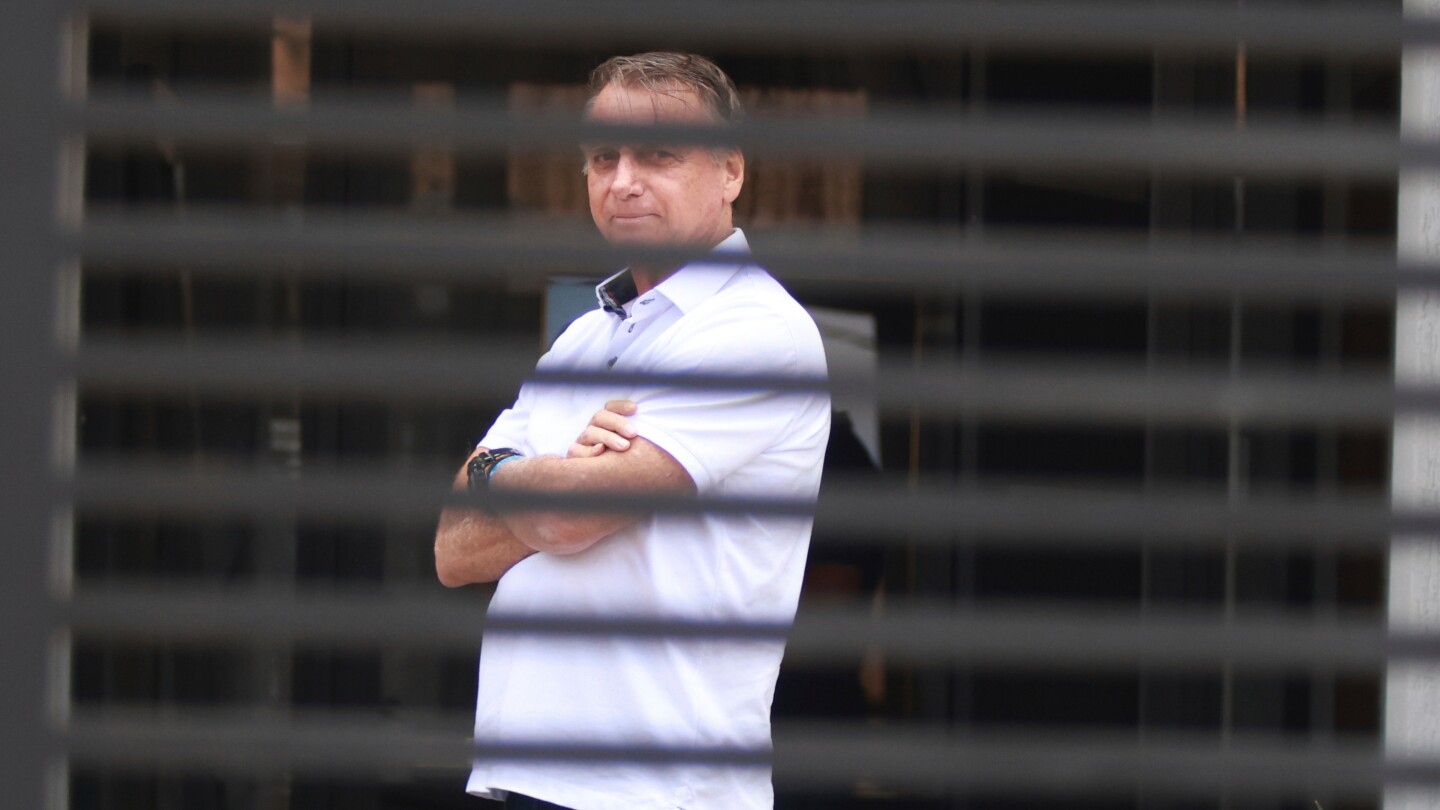
  • Brazil’s Supreme Court moves Bolsonaro to larger cell with outdoor area

    Brazil’s Supreme Court moves Bolsonaro to larger cell with outdoor area

    BRASILIA — Brazil’s Supreme Court has mandated the relocation of former President Jair Bolsonaro to significantly improved detention quarters within the Papuda Penitentiary Complex, marking a notable shift in his incarceration conditions. Justice Alexandre de Moraes issued the ruling on Thursday, transferring the far-right leader from the federal police headquarters to a spacious 54-square-meter cell featuring a 10-square-meter exterior area.

    The new facility, described as apartment-style accommodations, includes a double bed, kitchenette, laundry facilities, living area, and private outdoor space. The enhanced conditions also permit increased family visitation hours and installation of physiotherapy equipment including a treadmill and stationary bicycle. This transition responds to ongoing claims by Bolsonaro’s family regarding alleged inadequate treatment and medical neglect during his imprisonment.

    Justice de Moraes explicitly refuted these allegations in his decision, stating: ‘There has been a systematic attempt to delegitimize the regular and lawful execution of the custodial sentence, which has been carried out with full respect for human dignity.’ The justice emphasized that Bolsonaro’s conviction for ‘extremely serious crimes’ distinguished his sentence from ‘a hotel stay or vacation colony’ as allegedly characterized by the former president’s supporters.

    Notably, the court denied internet-capable smart television access, citing institutional security concerns and potential risks of improper external communication. Bolsonaro will instead receive medical services from an on-site health post staffed by dedicated medical professionals including physicians, nurses, and mental health specialists.

    The former president is serving a 27-year sentence for leading an armed criminal organization and orchestrating attempts to overthrow Brazil’s democratic institutions following his 2022 electoral defeat. Court documents reveal the plot included assassination plans targeting President Luiz Inácio Lula da Silva, Vice President Geraldo Alckmin, and Justice de Moraes himself, alongside incitement of insurrection.

    Bolsonaro’s legal team continues pursuing house arrest based on medical grounds, citing multiple hospitalizations since his 2018 campaign stabbing and recent head injury from a fall. The Supreme Court confirmed the transfer had been executed following the ruling.

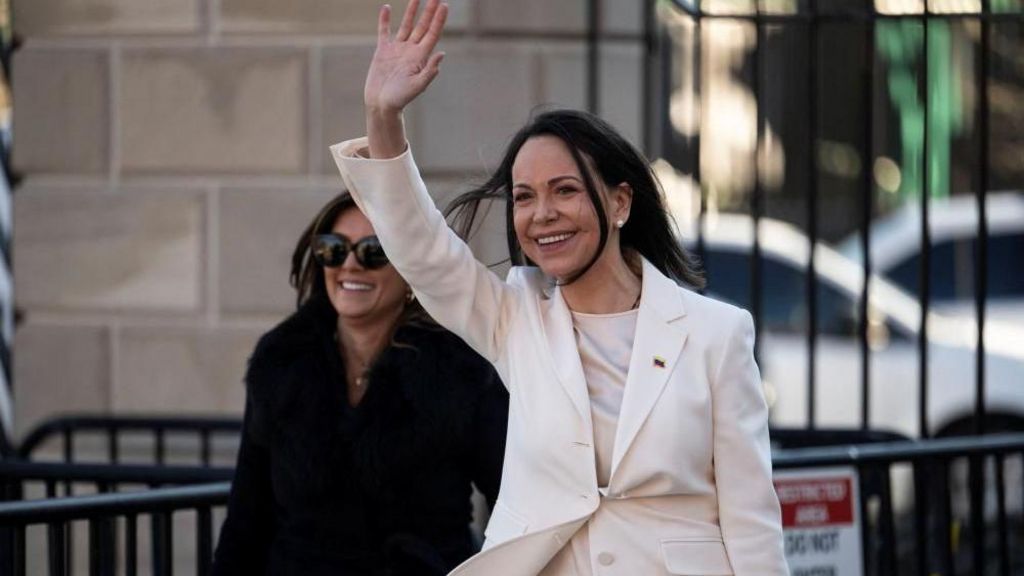
  • Venezuelan Nobel Peace Prize winner presents her medal to Trump

    Venezuelan Nobel Peace Prize winner presents her medal to Trump

    In a politically charged gesture with profound diplomatic implications, Venezuelan opposition figure María Corina Machado presented her Nobel Peace Prize medal to former U.S. President Donald Trump during a private meeting at the White House on Thursday. The encounter marked the first face-to-face discussion between the two controversial figures since U.S. forces captured Venezuelan President Nicolás Maduro earlier this month.

    Machado characterized the event as “a historic day for us Venezuelans” while addressing supporters outside the presidential residence. She later informed journalists in English that she had offered the prestigious award to Trump as “a recognition for his unique commitment with our freedom.” The opposition leader drew historical parallels to a military general from America’s Revolutionary War who allegedly gifted a medal to Simón Bolívar, the foundational figure of modern Venezuela.

    The Trump administration’s current approach toward Venezuela appears increasingly complex. Despite previously describing Machado as a “freedom fighter,” the former president has notably declined to endorse her movement’s claim to leadership following the widely contested 2024 elections. Instead, diplomatic channels have opened with acting head of state Delcy Rodríguez, Maduro’s former vice-president, whom Trump recently praised on social media as “a terrific person” after their telephone conversation.

    White House Press Secretary Karoline Leavitt characterized Machado as “a remarkable and brave voice for many of the people of Venezuela” before the meeting, noting that Trump anticipated “a frank and positive discussion” regarding ground realities in the South American nation.

    Meanwhile, the administration has moved decisively to reshape Venezuela’s oil sector, completing its first $500 million sale of previously sanctioned Venezuelan crude. Concurrently, a Venezuelan government envoy prepared to travel to Washington to initiate steps toward reopening the country’s embassy, signaling potential normalization of diplomatic relations.

    Rodríguez delivered her annual Message to the Nation speech in Caracas, expressing willingness to engage in diplomatic discussions with the United States while maintaining national dignity. “If I ever have to go to Washington as acting president, I will do so standing tall, walking, and not crawling,” she declared, urging her compatriots to embrace diplomacy without fear.