分类: politics

  • ‘Propaganda’: ASIO chief Mike Burgess’ targeted in Hizb ut-Tahrir letter over comparisons to neo-Nazi group

    ‘Propaganda’: ASIO chief Mike Burgess’ targeted in Hizb ut-Tahrir letter over comparisons to neo-Nazi group

    A globally prohibited radical Islamic organization has launched a formal accusation against Australia’s top intelligence official, alleging he has engaged in ‘propaganda pandering’ as the government advances sweeping reforms targeting hate groups. Hizb ut-Tahrir—already banned across the UK, Europe, and multiple Middle Eastern and Asian nations—faces potential proscription in Australia following recent national security developments.

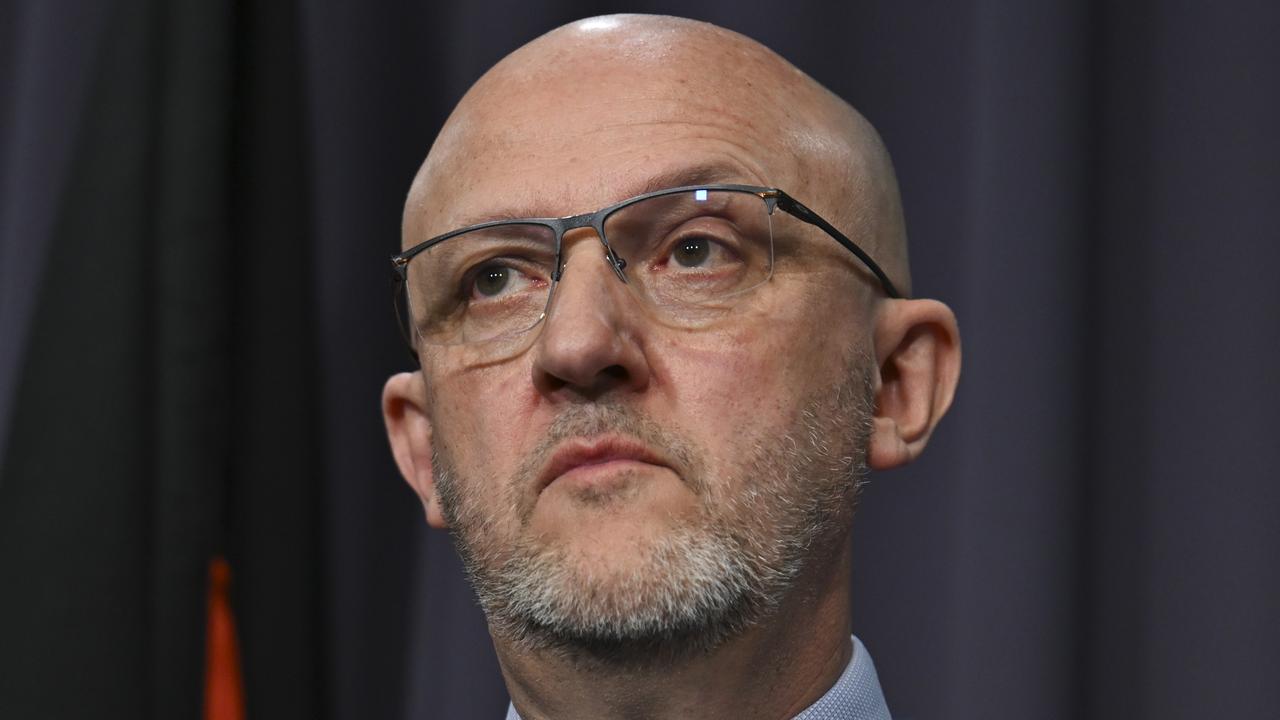
    In a sharply worded letter addressed to ASIO Director-General Mike Burgess, the organization criticized his public statements during a recent Lowy Institute lecture where he compared Hizb ut-Tahrir’s rhetoric and strategies to those of the recently disbanded neo-Nazi group Nationalist Socialist Network (NSN). The letter asserts that Burgess ‘eviscerated any claim to impartiality’ by drawing such parallels and accused him of deliberately muddying complex public conversations.

    The group specifically challenged Burgess’s characterization of their criticism of Israel as disguised anti-Semitism, arguing this conflation discredits legitimate pro-Palestinian advocacy. ‘This argument cannot be sustained unless you are suggesting all pro-Palestinian activism equates to anti-Semitism,’ the letter stated.

    Hizb ut-Tahrir also defended its lawful operations, rejecting suggestions that operating within legal boundaries indicates nefarious intent. ‘Staying within the law is not circumventing the law, it is the law,’ the organization emphasized, adding that such implications could potentially criminalize any law-abiding citizen.

    The controversy emerges as the Australian government, prompted by the recent Bondi Beach terror attack, moves to implement reforms that would streamline the process of designating organizations as prohibited hate groups. Under the proposed measures, membership in or support of banned groups would carry severe penalties, including potential 15-year prison sentences.

    Despite its global reputation, Hizb ut-Tahrir’s Australian spokesperson Wassim Doureihi recently characterized the organization as ‘neither hateful nor violent’ in media interviews, denying any intentions to establish a caliphate in Australia through force.
  • Canada’s Carney hails ‘strategic partnership’ in talks with Xi

    Canada’s Carney hails ‘strategic partnership’ in talks with Xi

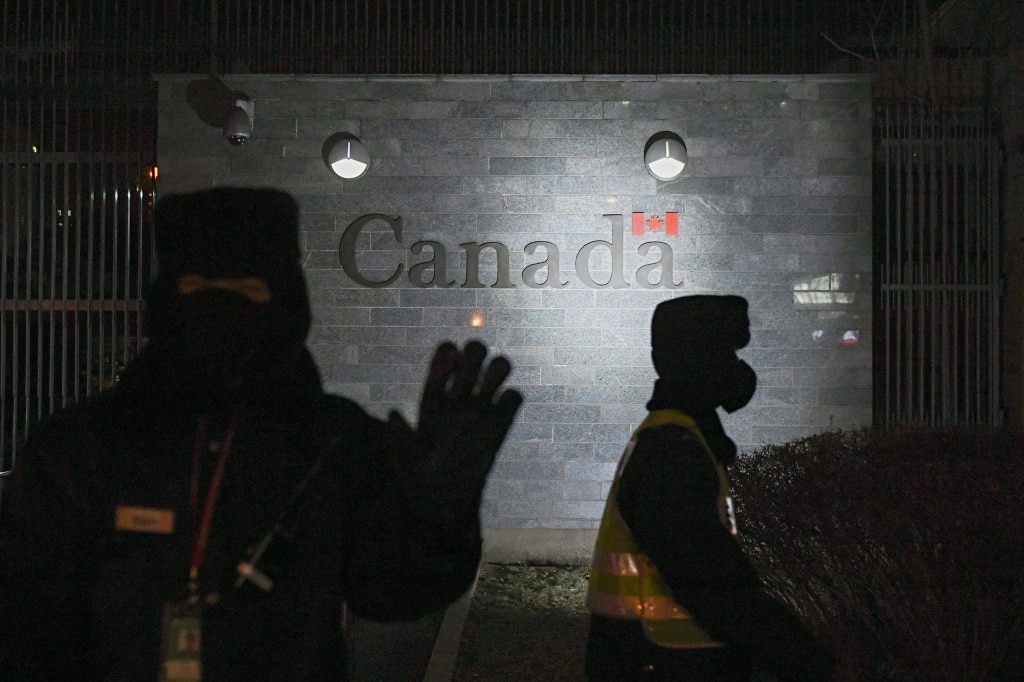
    Canadian Prime Minister Mark Carney and Chinese President Xi Jinping have initiated a significant diplomatic reset during their meeting at Beijing’s Great Hall of the People, marking the first Canadian leadership visit to China in eight years. The high-level discussions focused on establishing what both leaders termed a “new strategic partnership” aimed at overcoming years of strained relations.

    The bilateral relationship had deteriorated significantly since 2018, triggered by Canada’s arrest of Huawei executive Meng Wanzhou on a U.S. warrant and China’s subsequent detention of two Canadian citizens on espionage charges. This diplomatic crisis was further exacerbated by reciprocal trade tariffs and allegations of Chinese election interference.

    Prime Minister Carney emphasized the urgent need to diversify Canada’s economic partnerships, particularly in light of recent aggressive tariff impositions by the Trump administration on Canadian steel, aluminum, vehicles, and lumber. “Together we can build on the best of what this relationship has been in the past to create a new one adapted to new global realities,” Carney stated during the meeting.

    President Xi Jinping acknowledged the positive momentum since the leaders’ previous encounter at the October APEC summit, noting that their discussions had “opened a new chapter in turning China-Canada relations toward improvement.” Xi emphasized that “the healthy and stable development of China-Canada relations serves the common interests of our two countries.”

    The renewed partnership identifies agriculture, energy, and finance as priority sectors for immediate cooperation. Both nations are engaged in ongoing negotiations to reduce trade barriers and enhance bilateral commerce, though no formal agreement has been finalized. While China represents Canada’s second-largest export market, it currently accounts for less than 4% of Canadian exports, significantly trailing the United States’ 75% share.

  • ‘The weave’: Trump believes time is on his side to attack Iran, sources say

    ‘The weave’: Trump believes time is on his side to attack Iran, sources say

    The Trump administration is strategically evaluating the optimal timing for potential military action against Iran, according to current and former U.S. officials familiar with internal discussions. Administration analysts believe time favors American interests as widespread protests against Iran’s Islamic Republic show no signs of diminishing.

    The protests, initially sparked by economic discontent in January, have expanded to traditionally supportive rural areas and merchant communities. Iran’s response has reportedly turned exceptionally violent, with Reuters estimating over 2,600 fatalities—potentially making this crackdown the most severe in recent history.

    A U.S. official, speaking anonymously, highlighted upcoming symbolic dates—martyrs’ commemorations, Ramadan, the revolution anniversary, and Nowruz (Iranian New Year)—as potential flashpoints. Historical tensions during such periods have previously fueled revolutionary movements, including the 1979 overthrow of the U.S.-backed Shah.

    Randa Slim of the Stimson Center’s Middle East Program noted: “This deescalation appears temporary, very much awaiting developments in Iran. I think Trump is betting this regime can’t sustain itself long-term.”

    The administration’s deliberative approach reflects Trump’s documented preference for strategic unpredictability. A former official described this as “the weave”—methodically increasing and decreasing pressure while assessing the optimal moment for action.

    Military analysts identify Revolutionary Guard Corps bases and Basij militia facilities as likely targets should strikes occur. However, a former senior defense official cautioned against premature action: “If we allow this to play out naturally, we will be able to see who is remaining and what the public wants. Military action now may merely disrupt ongoing clandestine operations.”

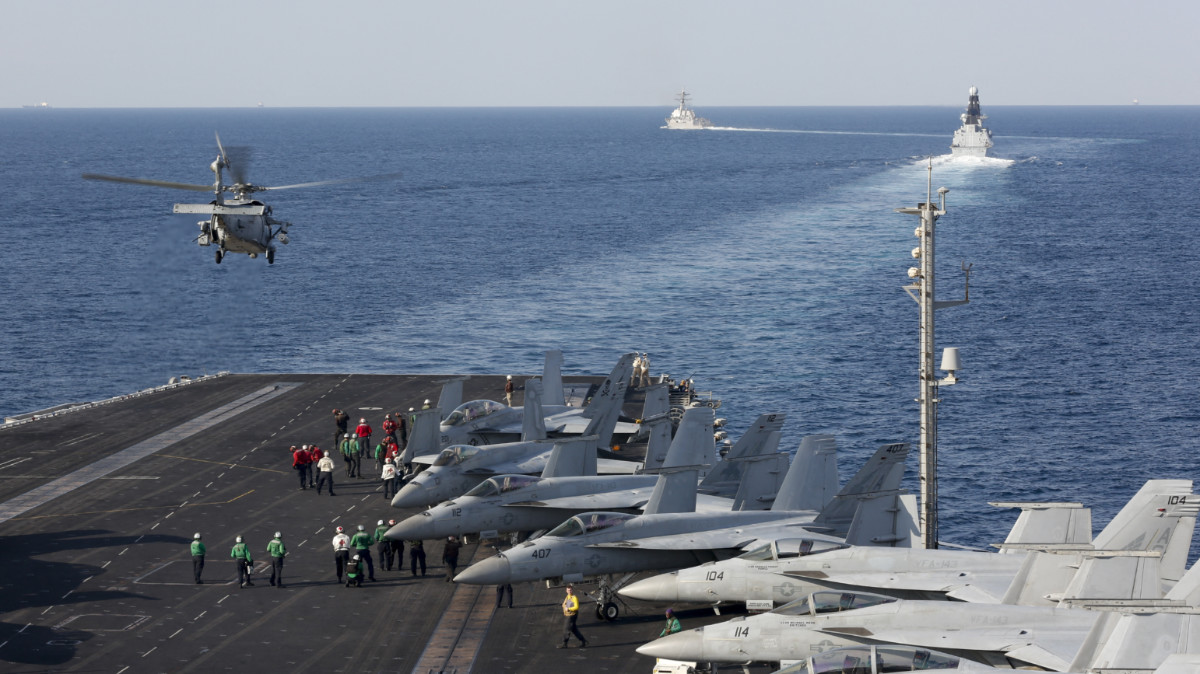
    Logistical considerations also factor into the timing calculus. The USS Abraham Lincoln carrier group requires approximately one week to transit from the South China Sea to the Middle East. Additionally, the U.S. must prepare for potential Iranian retaliation against regional bases and ally Israel, whose Prime Minister Netanyahu reportedly requested a postponement of any attack.

    Regional diplomacy significantly influences Washington’s calculations. Gulf partners—particularly Saudi Arabia, Qatar, and Turkey—have intensified lobbying against military action. Since Trump’s June strikes on Iranian nuclear facilities, regional powers have taken the threat of American intervention more seriously.

    David Schenker of the Washington Institute for Near East Policy concluded: “Everything that has been done is positioning the US to do this. He is signalling that this is coming.” The administration appears to be balancing military preparedness with diplomatic pressures while monitoring Iran’s internal stability.

  • Cuba counts cost of alliance after 32 troops killed in Venezuela

    Cuba counts cost of alliance after 32 troops killed in Venezuela

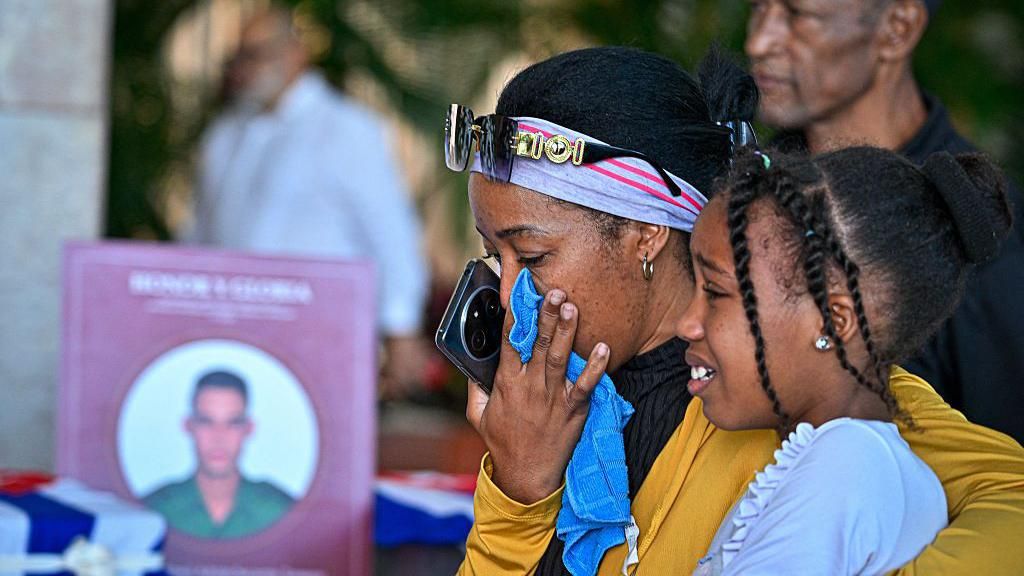
    Havana witnessed a solemn procession as the remains of 32 Cuban personnel killed during recent US military operations in Venezuela returned home. From sunrise, military formations, government officials, and civilians lined the route between José Martí International Airport and the Armed Forces Ministry, paying respects to what state media termed “fallen heroes.” The country’s leadership, including Raúl Castro and President Miguel Díaz-Canel, received flag-draped boxes containing cremated ashes, each displayed alongside photographs of the deceased beneath inscriptions reading “honor and glory.

    This incident represents the most significant combat loss for Cuban forces at US hands since the 1961 Bay of Pigs invasion, highlighting the rarity of direct military engagements between the two nations over the past six decades. The successful Delta Force operation, resulting in no reported American casualties, demonstrated the tactical disparity between US special forces and Cuban operatives.

    The aftermath has forced Havana’s unprecedented acknowledgment of deploying intelligence officers within Venezuela’s power structures, confirming long-standing allegations about Cuban involvement across Caracas’ security apparatus. This revelation exposes the深度of intelligence cooperation that formed a cornerstone of bilateral relations, with Cuba sharing decades of experience in maintaining political control with its Venezuelan partners.

    Geopolitical shifts are accelerating following Venezuela’s leadership transition. Interim President Delcy Rodríguez’s telephone diplomacy with Donald Trump—who subsequently praised her as “a terrific person”—marks a dramatic reversal from previous US characterization of Venezuela’s government as “narco-terrorists.” This emerging modus vivendi between Caracas and Washington leaves Cuban officials uncertain about their future influence in the region.

    Amid these developments, 88-year-old revolutionary veteran Víctor Dreke—a contemporary of Fidel Castro and Che Guevara—draws parallels with the 1961 invasion, insisting Cuba would vigorously resist any US incursion. “If the Americans put a single foot on Cuban soil, it won’t be like their cowardly ambush of our combatants in Venezuela,” Dreke asserted, quoting Raúl Castro’s warning about stirring “a hornets’ nest.”

    The nation prepares under difficult circumstances: widespread blackouts, an economy crippled by embargo and mismanagement, scarce fuel, and stagnant tourism recovery. The potential loss of Venezuelan support compounds these challenges, creating what many perceive as a bleak outlook. Yet revolutionary veterans like Dreke maintain that Cuba has endured previous crises and will persevere through continued resistance, even as officials emphasize they seek no escalation with Washington.

  • NATO chief’s tactic on Trump’s Greenland threats? Change topic

    NATO chief’s tactic on Trump’s Greenland threats? Change topic

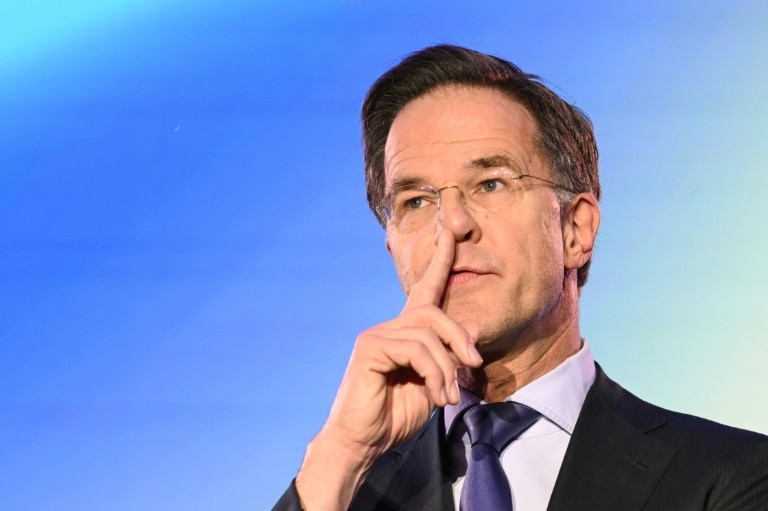
    NATO Secretary General Mark Rutte is employing strategic silence and tactical redirection as he confronts one of the most delicate challenges of his tenure: managing fallout from U.S. President Donald Trump’s controversial interest in acquiring Greenland from Denmark. The territorial claims have created unprecedented tension within the 76-year-old military alliance, testing Rutte’s diplomatic acumen and threatening to destabilize NATO’s foundational unity.

    The former Dutch prime minister has adopted a carefully calibrated approach of minimal public commentary while intensifying behind-the-scenes diplomacy. Rather than directly addressing the Greenland controversy, Rutte has persistently redirected focus toward enhancing Arctic security cooperation among member states. This strategy has included deflecting pointed questions from European Parliament members and maintaining public praise for Trump’s contributions to NATO defense spending increases.

    During a recent tense exchange with Danish legislator Stine Bosse, who demanded intervention in the bilateral dispute, Rutte maintained his disciplined neutrality: ‘My role as secretary general is very clear—I never ever comment when there are discussions within the alliance. You work behind the scenes.’ He instead emphasized what he considers the paramount issue: ‘The defense of the high north, the defense of the Arctic area.’

    Diplomatic analysts recognize Rutte’s position as particularly complex given his reputation as one of few European leaders who maintains functional access to the unpredictable American president. His successful brokering of NATO spending agreements earlier this year earned him credibility as a ‘Trump-whisperer,’ capital now being tested in this crisis.

    Jamie Shea, former NATO senior official now with Chatham House, explained the delicate balance: ‘It’s difficult for Rutte to take the lead here as he has to keep the alliance together and keep the Americans onboard. He can’t take the European side against Washington.’

    The Greenland controversy emerges during a particularly fragile period for transatlantic relations, with Europe simultaneously managing Trump’s evolving approach to Russia’s war in Ukraine and preparing for a potentially volatile NATO summit in Turkey. Some alliance diplomats suggest Rutte may need to expend previously reserved political capital to prevent the Greenland situation from escalating further.

    While Rutte currently maintains that intra-alliance disputes fall outside his direct purview, former NATO official Camille Grand notes the secretary general’s calculated risk: ‘At the moment, he says he is not getting involved in disputes between member states. That may work for now, but at some point he risks being caught up in it.’ Despite these pressures, Rutte projects unwavering confidence in his role and NATO’s resilience, recently stating he remains ‘thoroughly enjoying the role and the job’ when questioned about the alliance’s future.

  • NSW Nationals Deputy Leader Kevin Anderson announces death of wife

    NSW Nationals Deputy Leader Kevin Anderson announces death of wife

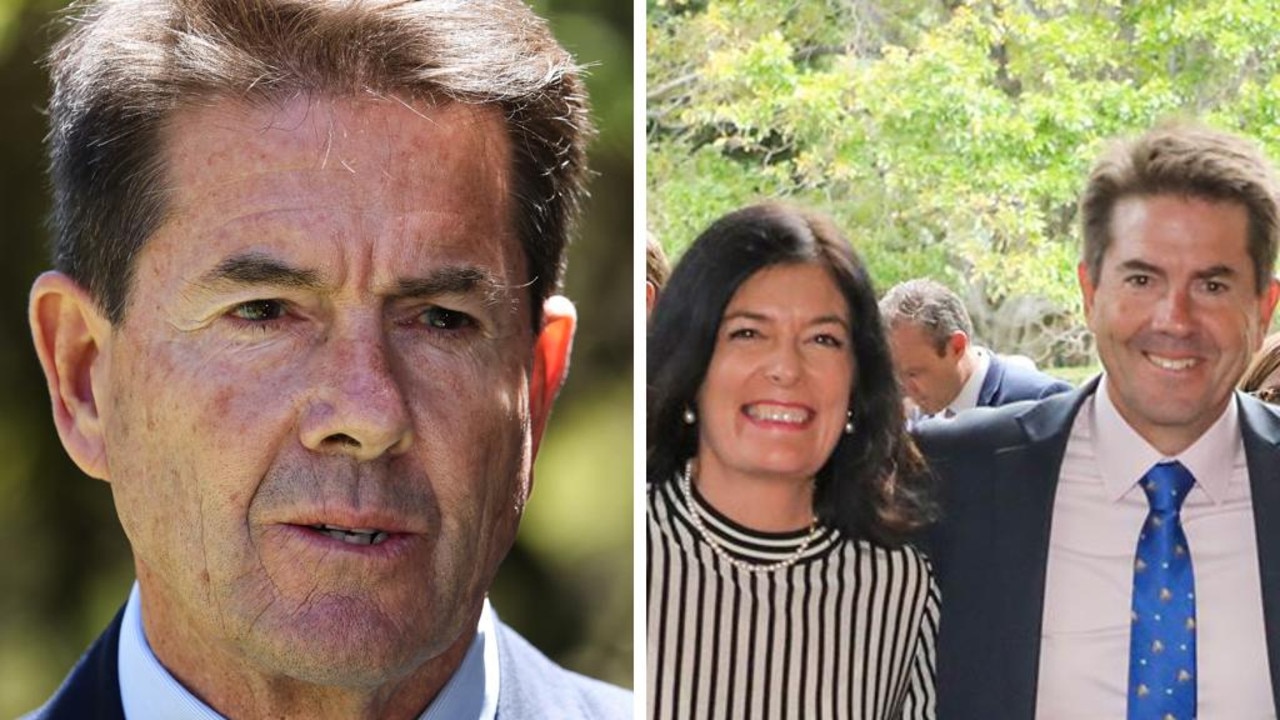
    Kevin Anderson, Deputy Leader of the NSW Nationals and Member for Tamworth, has withdrawn from all public engagements following the sudden passing of his wife, Anna Anderson. The prominent regional politician announced the tragic family loss in a social media statement on Thursday evening, canceling his commitments for the upcoming 2026 Tamworth Country Music Festival.

    Anna Anderson, a respected local pharmacist with over thirty years of service to the Tamworth community and mother to the couple’s three children, died unexpectedly on Tuesday. While no cause of death has been disclosed, her passing has triggered an outpouring of community grief and support for the Anderson family.

    The news prompted immediate condolences from across the political spectrum. Albury MP Justin Clancy expressed solidarity with Anderson and his children, while Lower House Leader and Labor MP Ron Hoenig offered his sympathies, stating his thoughts were with the family “during this incredibly sad time.” Industrial Relations Minister Sophie Cotsis extended her “heartfelt condolences and deep sorrow” to the grieving family.

    Community members remembered Anna Anderson as a beautiful, kind, and caring individual who demonstrated exceptional generosity in serving her community. One local resident recalled her as “such a happy and friendly person” who managed Tamworth Pharmacy with dedication, while another noted her loss would “resonate in so many directions” due to her widespread impact.

    Anderson, first elected to the NSW Legislative Assembly for Tamworth in 2011, recently assumed the deputy leadership of the NSW Nationals following former leader Dugald Saunders’ departure late last year. His previous ministerial portfolios included Hospitality and Racing, as well as Lands and Water under the former state Coalition government. He currently holds opposition responsibilities for Seniors, Western NSW, Tourism, and Hospitality and Gaming.

  • Trump announces ‘board of peace’ formed for Gaza

    Trump announces ‘board of peace’ formed for Gaza

    Former U.S. President Donald Trump has proclaimed the establishment of a Gaza ‘Board of Peace,’ marking a significant development in the implementation of a U.S.-backed roadmap to conclude the ongoing conflict in the Palestinian territory. The announcement was made via Trump’s Truth Social platform on Thursday, where he characterized the newly formed body as ‘the Greatest and Most Prestigious Board ever assembled.’

    This initiative represents the activation of the plan’s second phase, which follows the recent creation of a 15-member Palestinian technocratic committee tasked with handling Gaza’s daily governance in the post-war period. According to Trump, this administrative committee will operate under the direct supervision of the Board of Peace, which he will personally chair.

    The comprehensive peace framework additionally mandates the deployment of an International Stabilization Force to assist in securing the territory and training vetted Palestinian police units. However, the process faces substantial challenges. Bassem Naim, a senior Hamas official, issued a statement placing responsibility on ‘the mediators, the American guarantor and the international community to empower the committee.’

    Critical obstacles remain unresolved. Palestinian authorities continue to emphasize the necessity of Israel’s complete military withdrawal from Gaza—a principle included in the plan but lacking a detailed timetable. Concurrently, Hamas has yet to publicly commit to full disarmament, which Israel considers a non-negotiable prerequisite.

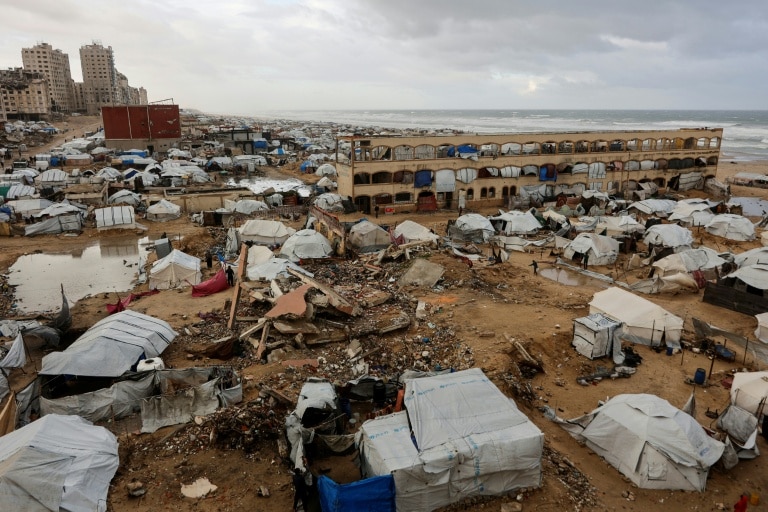
    Amid these diplomatic maneuvers, the humanitarian situation remains grave. The Hamas-run health ministry in Gaza reports that 451 people have been killed since the ceasefire nominally took effect, with ongoing allegations of aid shortages and violence clouding the transition.

    In a related development, Trump’s special envoy, Steve Witkoff, stated that Washington expects Hamas to ‘comply fully with its obligations.’ Trump echoed this sentiment, expressing confidence that selected Palestinian leaders are ‘unwaveringly committed to a PEACEFUL future’ and promising a comprehensive demilitarization agreement with support from Egypt, Turkey, and Qatar.

  • ‘Betrayal’: US to close Qatar camp housing Afghans awaiting US resettlement

    ‘Betrayal’: US to close Qatar camp housing Afghans awaiting US resettlement

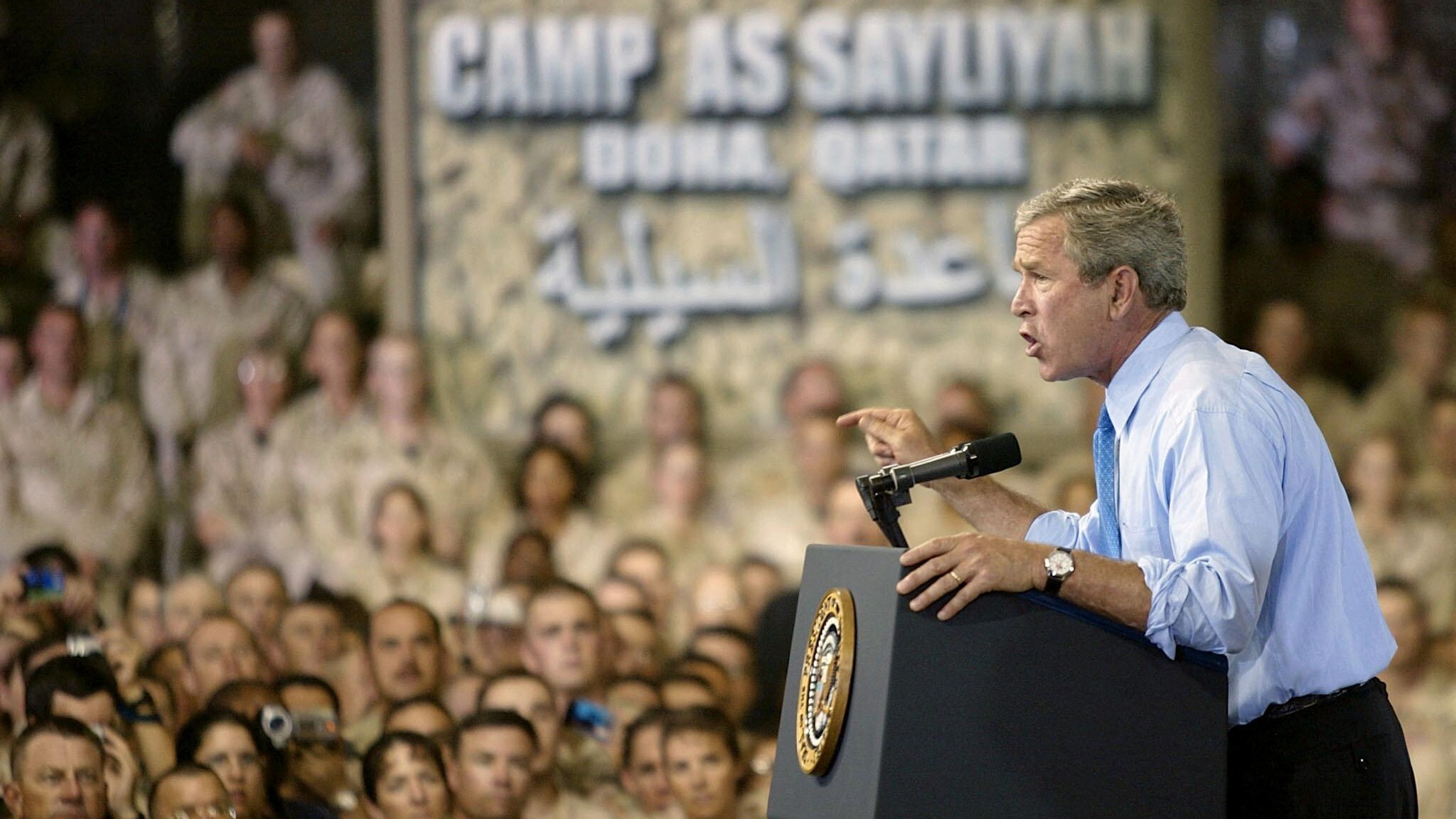
    The U.S. State Department has confirmed plans to close Camp As-Sayliyah (CAS), a military base turned transit facility in Qatar housing approximately 1,000 Afghan evacuees awaiting resettlement in the United States. The closure, scheduled for completion by March 31, has ignited fierce criticism from lawmakers and advocacy groups who condemn it as a betrayal of America’s wartime allies.

    Democratic Representative Gregory Meeks, ranking member of the House Foreign Affairs Committee, characterized the move as “the latest reckless step by the Trump administration to dismantle every remaining pathway for these allies to safely relocate in the United States.” The announcement came concurrently with a Senate Judiciary Committee hearing titled “Biden’s Afghan Parolee Program – A Trojan Horse with Flawed Vetting and Deadly Consequences,” where Republicans expressed security concerns about previous evacuation procedures.

    Camp As-Sayliyah served as a critical processing center during the chaotic 2021 withdrawal from Afghanistan, with some evacuees arriving as recently as January 2025. According to advocacy coalition #AfghanEvac, approximately 800 camp residents are already in the refugee pathway with approved immigration channels to the U.S., including more than 150 immediate family members of U.S. military personnel.

    The State Department defended the decision, stating CAS was “a legacy of the Biden Administration’s attempt to move as many Afghans to America as possible – in many cases, without proper vetting” and that keeping individuals indefinitely on the platform was neither “appropriate or humane.” However, officials have not identified which third countries might receive these Afghan nationals, and no nations are known to have made such agreements.

    Haris Tarin, former chief of staff of Operation Allies Welcome, described the situation as “complete madness,” emphasizing that camp residents “believed in the US mission in Afghanistan” and “laid their lives on the line.” The controversy unfolds against a backdrop of broader policy changes, including the Trump administration’s elimination of Operation Enduring Welcome and suspension of refugee admissions, leaving thousands of Afghans in legal limbo.

    The debate reflects deeper tensions regarding America’s responsibility toward Afghan allies after two decades of conflict, with implications for future international partnerships and the nation’s moral standing in global affairs.

  • Iraq says will not allow use of its territories, airspace to threaten any country

    Iraq says will not allow use of its territories, airspace to threaten any country

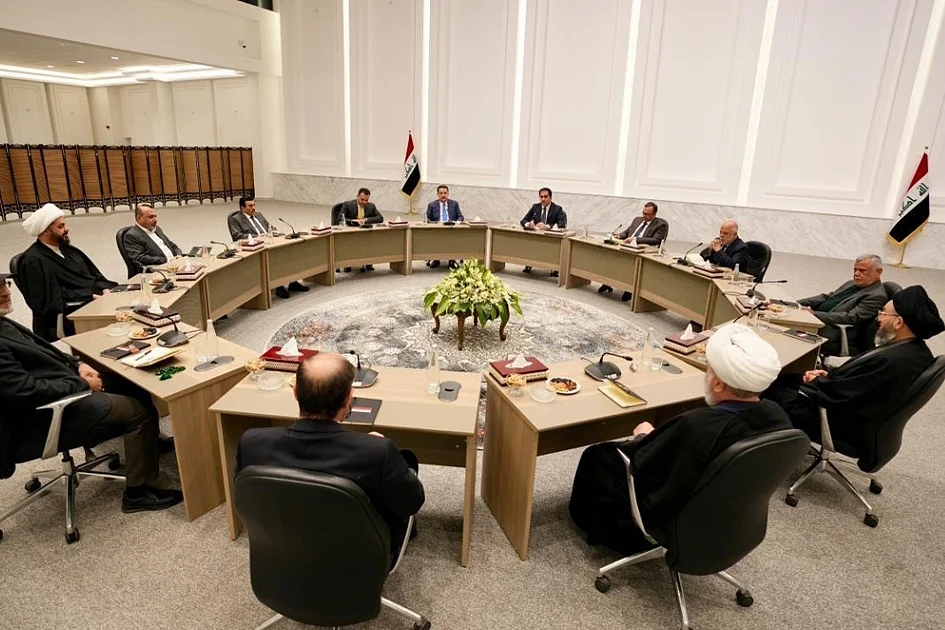
    In a significant geopolitical declaration, the Iraqi government has formally prohibited the utilization of its sovereign territories and airspace for conducting hostile operations against any neighboring countries. This decisive stance emerges amidst escalating regional tensions between the United States and Iran, particularly following Tehran’s severe response to widespread anti-government protests that commenced in late December.

    The Coordination Framework, Iraq’s predominant political coalition, issued an official statement through the state news agency (INA) explicitly rejecting any attempts to transform Iraqi land into a launching platform for military strikes. The statement emphasized that such actions would constitute a gross violation of Iraq’s national sovereignty and potentially entangle the nation in destructive conflicts that contradict both its security interests and the welfare of its citizens.

    Beyond sovereignty concerns, Iraqi authorities highlighted the region’s precarious economic condition, noting that additional military confrontations would be unsustainable given existing financial challenges and declining oil revenues. These economic pressures already create significant hardships for regional populations and jeopardize overall stability.

    Reaffirming its commitment to peaceful resolution mechanisms, Iraq endorsed diplomatic and political approaches as the most effective methodology for crisis management. The government position maintains that dialogue preserves national sovereignty while protecting regional populations from the devastating consequences of armed conflict.

  • US appeals court opens door to re-arrest Palestinian activist Mahmoud Khalil

    US appeals court opens door to re-arrest Palestinian activist Mahmoud Khalil

    A federal appeals court delivered a significant ruling on Thursday that could reignite the contentious legal battle surrounding Palestinian activist and green card holder Mahmoud Khalil. The Third Circuit Court of Appeals determined in a 2-1 decision that the district court judge who ordered Khalil’s release from immigration detention in June lacked proper jurisdiction over the deportation proceedings.

    The ruling represents a substantial victory for the Trump administration while creating immediate uncertainty for Khalil’s immigration status. Although the decision doesn’t immediately reactivate detention orders, it opens the possibility of re-arrest once the ruling takes formal effect, pending potential appeals from Khalil’s legal team.

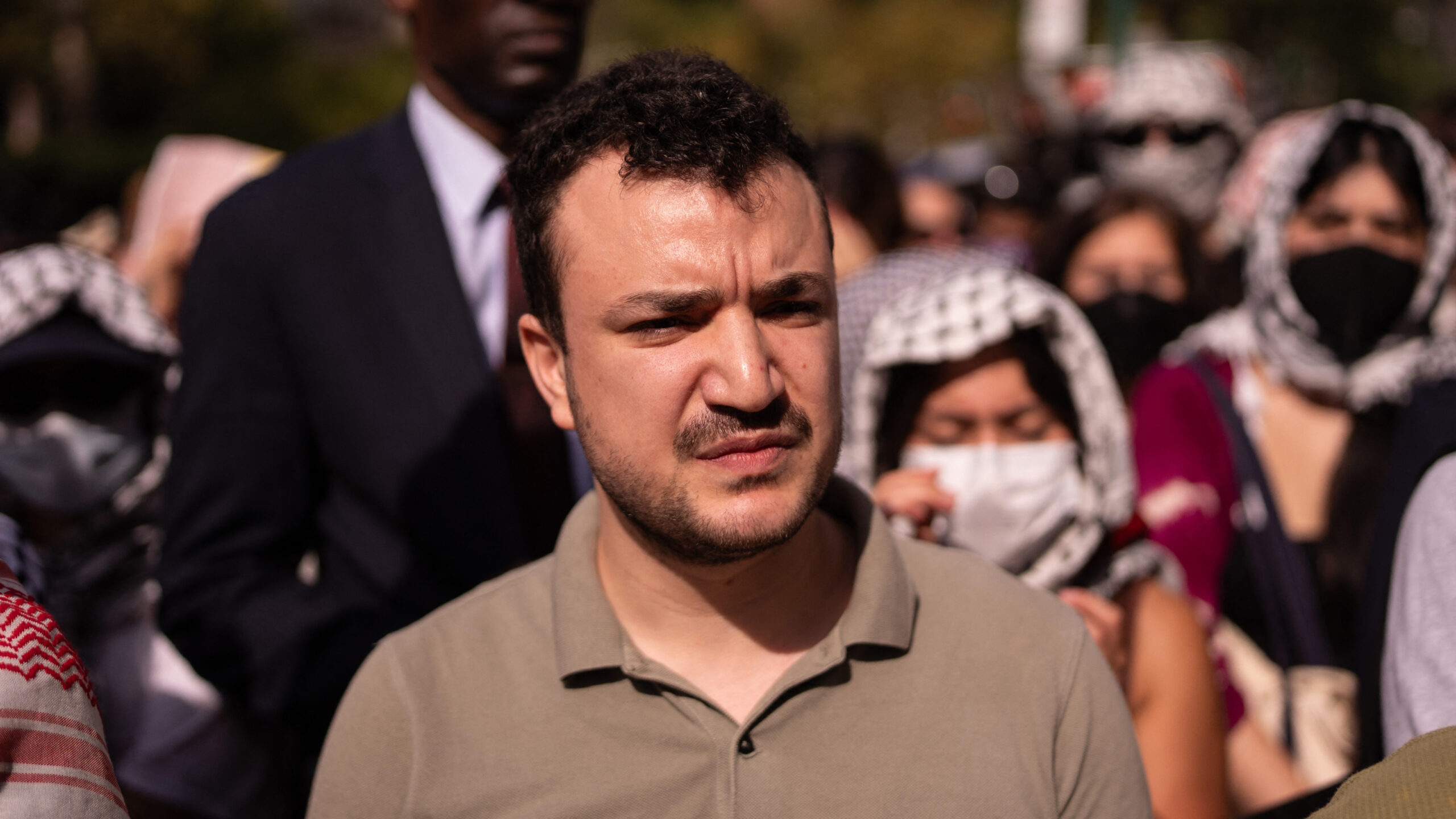
    Central to the case are fundamental questions about free speech protections for non-citizens, particularly permanent legal residents. Khalil, who served as a lead negotiator during the Gaza war encampments at Columbia University in spring 2024, was arrested by ICE officers on March 8, 2025, despite not personally participating in the protests. He was transferred to a Louisiana detention facility 1,300 miles from his home, separating him from legal counsel and his pregnant wife.

    During his 104 days in ICE custody, Khalil missed both the birth of his first child and his Columbia University graduation ceremony. The government’s deportation efforts relied on a rarely invoked provision of immigration statute—the “foreign policy ground”—with Secretary of State Marco Rubio determining that Khalil’s protected speech allegedly compromised compelling U.S. foreign policy interests.

    Legal experts expressed concern that the appeals court declined to address First Amendment arguments while focusing solely on jurisdictional grounds. Bobby Hodgson, deputy legal director at the New York Civil Liberties Union, stated the decision “undermines the role federal courts must play in preventing flagrant constitutional violations.”

    Khalil’s legal team is currently reviewing multiple appellate options, including seeking en banc review by the full Third Circuit court. The activist vowed to continue his legal fight, stating: “The door may have been opened for potential re-detainment down the line, but it has not closed our commitment to Palestine and to justice and accountability.”