分类: politics

  • Russian court considers central bank’s $232B lawsuit against Euroclear over seized assets

    Russian court considers central bank’s $232B lawsuit against Euroclear over seized assets

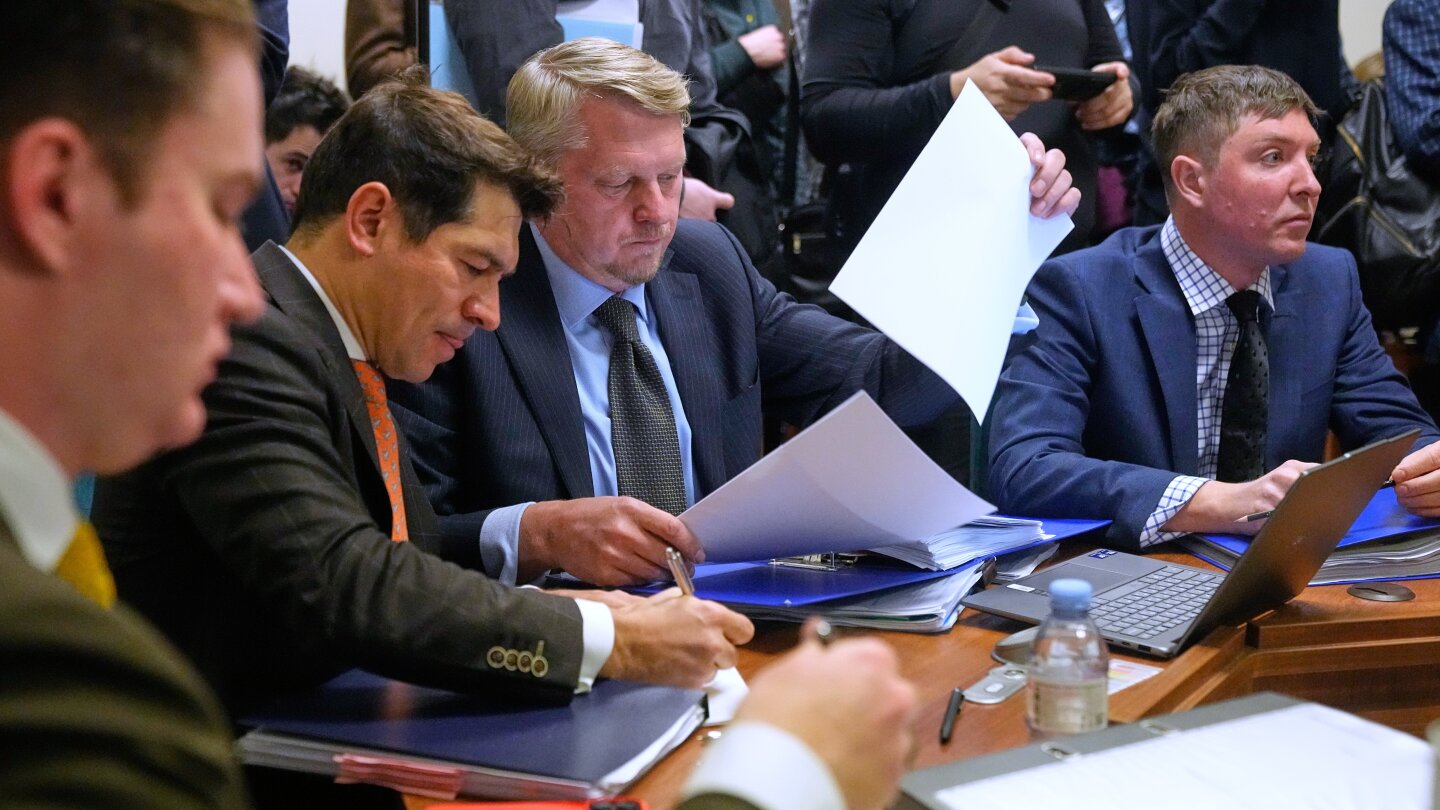
    MOSCOW – In a significant escalation of financial tensions, Moscow’s Arbitration Court commenced proceedings on Friday in a landmark lawsuit filed by Russia’s Central Bank against Brussels-based clearinghouse Euroclear. The legal action demands compensation totaling 18.2 trillion rubles ($232 billion) for damages allegedly incurred when Russia lost control over its frozen funds and securities held by the financial institution.

    The litigation unfolds against the backdrop of sweeping EU sanctions that immobilized approximately 210 billion euros ($244 billion) in Russian state assets following Moscow’s military intervention in Ukraine in February 2022. Euroclear, a key financial intermediary, holds the substantial majority of these frozen assets—approximately 193 billion euros.

    Notably, the Russian legal challenge proceeds despite recent developments in EU policy. Last month, the European bloc abandoned its initial proposal to directly utilize frozen Russian assets for Ukrainian assistance after failing to secure Belgian assurances regarding protection from Russian countermeasures. Instead, the EU opted for an alternative financing mechanism: borrowing 90 billion euros on capital markets to provide Ukraine with an interest-free loan addressing its military and economic requirements for the coming two years.

    The Russian Central Bank has consistently condemned any potential use of its immobilized assets as fundamentally “illegal and contrary to international law,” maintaining that such actions violate established principles of sovereign immunity protecting state assets from foreign seizure or manipulation. The court proceedings are being conducted behind closed doors, reflecting the sensitive nature of this unprecedented financial dispute.
  • Michigan Trump supporters on his biggest successes and failures

    Michigan Trump supporters on his biggest successes and failures

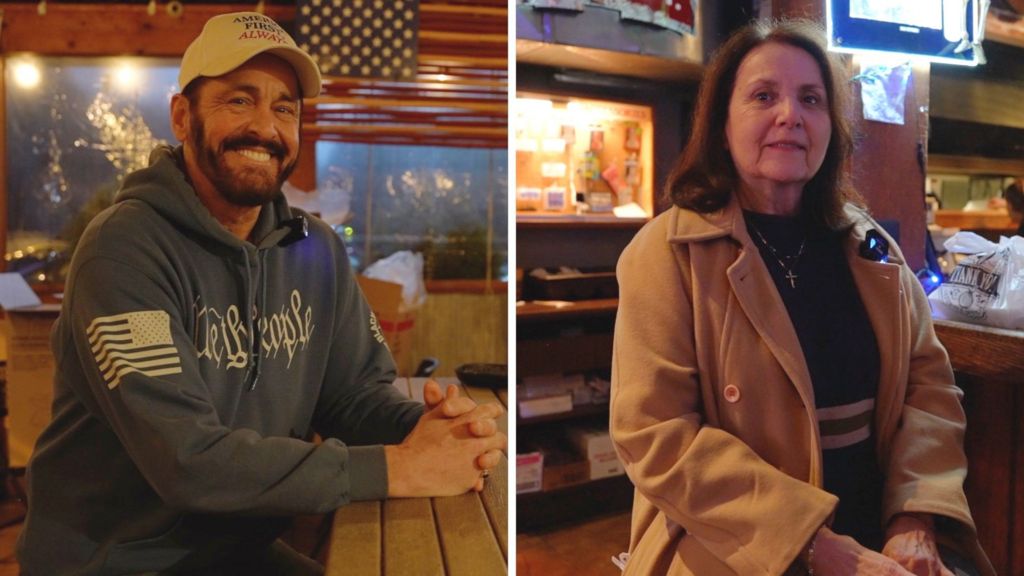
    In the politically pivotal state of Michigan, a detailed examination of Donald Trump’s presidential tenure reveals complex perspectives among his steadfast supporters. Interviews conducted across Macomb County—a historically significant suburban region north of Detroit renowned for its electoral influence—provide nuanced insights into the perceived accomplishments and disappointments of the Trump administration.

    Voters who maintained their allegiance to the 45th president highlighted several key policy achievements. The rapid development and distribution of COVID-19 vaccines through Operation Warp Speed received particular praise, alongside substantial tax reforms and the renegotiation of international trade agreements. Many supporters cited the reconfiguration of the North American Free Trade Agreement into the US-Mexico-Canada Agreement as a significant economic victory for Michigan’s automotive and manufacturing sectors.

    However, these interviews also revealed substantive criticisms from within Trump’s base. Several supporters expressed disappointment with the administration’s inability to comprehensively address healthcare reform, particularly the promised repeal and replacement of the Affordable Care Act. The handling of the COVID-19 pandemic’s early stages and the subsequent economic repercussions drew mixed reviews, with some supporters believing alternative approaches might have yielded better outcomes.

    The political polarization that characterized Trump’s presidency emerged as both a praised attribute and a point of contention. While supporters appreciated his confrontational approach toward established political institutions, some acknowledged that this strategy potentially limited legislative achievements and broader consensus building.

    These reflections from Michigan voters carry significant implications for future electoral strategies. As a bellwether state that narrowly tipped the 2016 election and swung Democratic in 2020, understanding the complex perspectives of Trump’s base provides crucial insights into the evolving political landscape of America’s industrial heartland.

  • Trump accepts Nobel medal from Venezuelan opposition leader Machado

    Trump accepts Nobel medal from Venezuelan opposition leader Machado

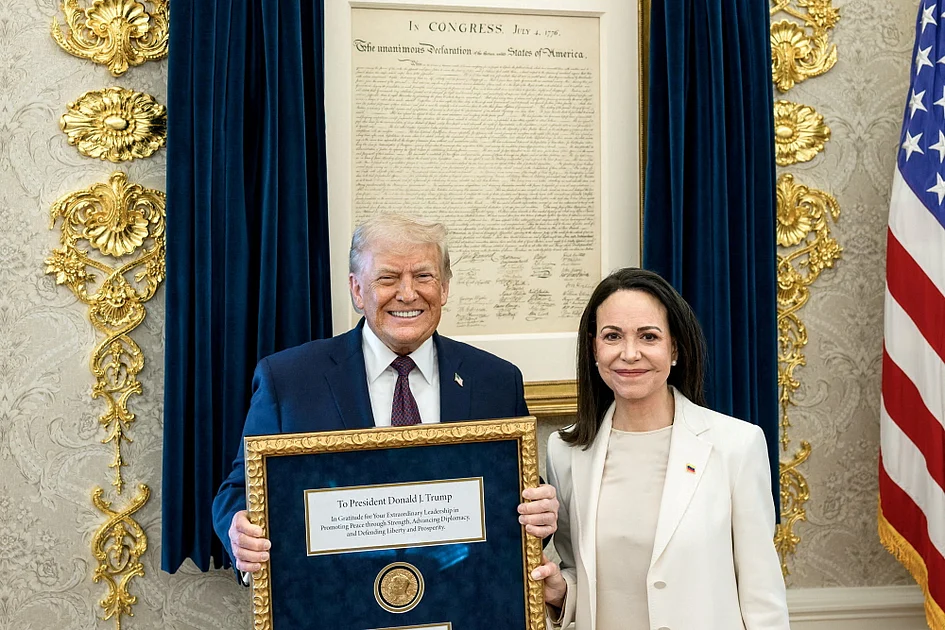
    In a remarkable political gesture at the White House on Thursday, Venezuelan opposition leader Maria Corina Machado presented her Nobel Peace Prize medal to U.S. President Donald Trump during their first face-to-face meeting. The symbolic exchange occurred as Machado seeks to influence Washington’s approach to Venezuela’s political future following the capture of former leader Nicolas Maduro.

    Trump enthusiastically accepted the gold medal, despite the Norwegian Nobel Institute’s clear stipulation that Nobel prizes cannot be transferred, shared, or revoked. The president subsequently celebrated the gesture on social media, describing it as ‘a wonderful gesture of mutual respect’ acknowledging his work toward Venezuelan freedom.

    The meeting, which lasted approximately one hour, represented Machado’s diplomatic effort to position herself within Venezuela’s political landscape after Trump previously dismissed the possibility of installing her as the country’s leader. Machado, who escaped Venezuela by sea in December, characterized their discussion as ‘excellent’ and framed the medal presentation as recognition of Trump’s commitment to Venezuelan liberation.

    While the White House confirmed Trump’s intention to retain the physical medal, the honor remains exclusively Machado’s achievement. The event highlighted Trump’s longstanding interest in the Nobel Peace Prize, having openly campaigned for the recognition before Machado received it last month.

    Following the White House visit, Machado engaged with bipartisan U.S. senators on Capitol Hill, where she reportedly found more enthusiastic support than from the administration. Democratic Senator Chris Murphy of Connecticut expressed skepticism about Venezuela’s democratic transition despite meeting with Machado, noting that repression continues unchanged under interim President Delcy Rodriguez.

    The diplomatic developments occur against the backdrop of competing influences on U.S. policy, with both Venezuelan government representatives and opposition figures vying for Washington’s support. Trump has repeatedly praised Rodriguez, Maduro’s former deputy who assumed leadership after his capture, describing her as ‘very good to deal with’ and emphasizing American interests in Venezuelan oil access and economic reconstruction.

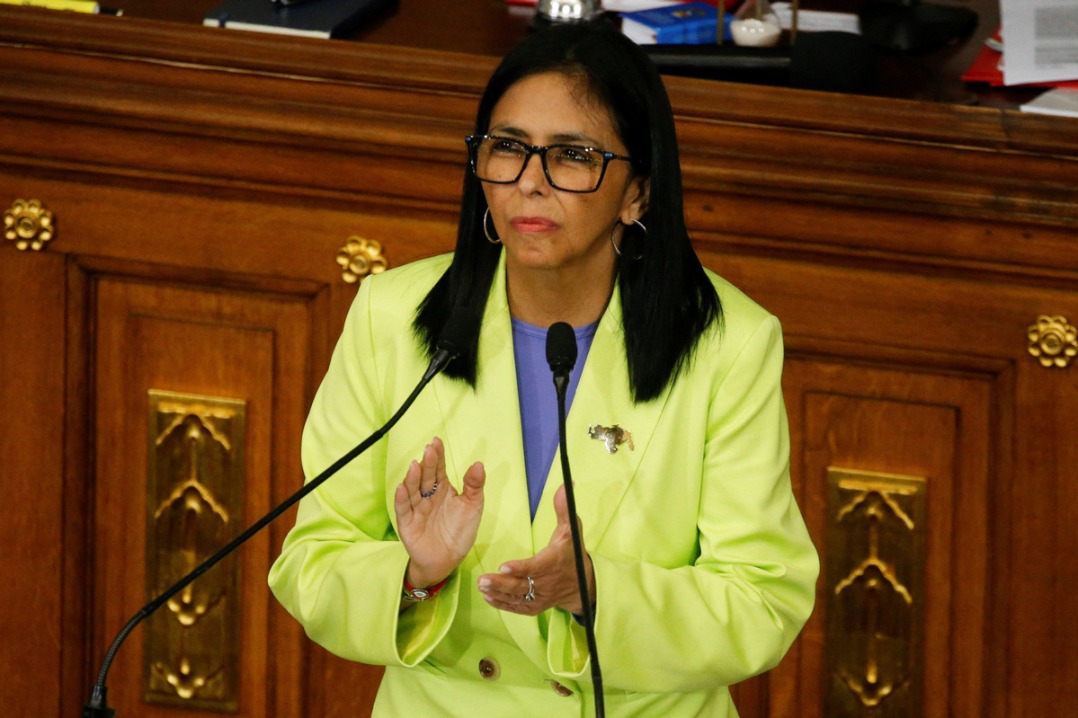
    Rodriguez, in her annual legislative address, called for diplomatic engagement with the U.S. and proposed oil industry reforms to attract foreign investment, signaling potential avenues for cooperation despite ongoing political tensions.

  • US would need more firepower to launch large-scale strike against Iran: media

    US would need more firepower to launch large-scale strike against Iran: media

    Senior military advisers have reportedly informed President Donald Trump that the United States lacks sufficient military assets in the Middle East to execute a comprehensive offensive against Iran, according to exclusive reporting from The Wall Street Journal. The assessment, delivered to the White House this week, indicates that significant additional firepower would be required to protect American personnel and regional allies, particularly Israel, from potential Iranian retaliation.

    The strategic briefing highlighted the complex calculations facing the administration. Military experts and Middle Eastern partners warned that an extensive bombing campaign would likely fail to destabilize the Iranian government while potentially triggering broader regional conflict. Conversely, limited tactical strikes—while potentially boosting morale among Iranian protesters—would have minimal impact on the regime’s security apparatus and its harsh response to domestic unrest.

    Despite these warnings, officials confirmed that President Trump has directed military planners to position resources for potential large-scale operations, though no final decision has been made. White House Press Secretary Karoline Leavitt maintained that “all options remain on the table” during Thursday’s press briefing.

    The administration faces mounting diplomatic pressure to exercise restraint. Israeli Prime Minister Benjamin Netanyahu reportedly urged President Trump during a Wednesday conversation to postpone any military action against Iran. Regional allies including Türkiye, Qatar, and Saudi Arabia have similarly counseled against military escalation.

    Diplomatic channels reveal heightened tensions, with Iranian officials allegedly warning governments across the region through intermediaries that any American attack would prompt retaliatory strikes against U.S. bases. The warnings were reportedly delivered to officials in Türkiye, Qatar, the United Arab Emirates, and Oman.

    The current crisis stems from widespread protests that began in Iranian cities in late December. What originated as peaceful demonstrations has evolved into violent confrontations resulting in casualties and significant damage to public infrastructure, including mosques, government buildings, and financial institutions. Iranian authorities have consistently blamed the United States and Israel for instigating the unrest.

  • Uganda counting votes amid reports of violence

    Uganda counting votes amid reports of violence

    Uganda’s presidential election concluded under a cloud of violence and suppression as long-serving President Yoweri Museveni appears poised to extend his four-decade rule. The electoral process, characterized by heavy military presence and nationwide internet blackout, has drawn international condemnation amid opposition allegations of systematic repression.

    Opposition leader Bobi Wine (Robert Kyagulanyi) remains effectively under house arrest according to his National Unity Platform party, with military and police forces surrounding his residence. The 43-year-old former musician turned politician represents the most significant challenge to Museveni’s regime in recent years, styling himself as the ‘ghetto president’ representative of Kampala’s marginalized communities.

    The most disturbing incident emerged from Butambala, where parliament member Muwanga Kivumbi reported security forces stormed his home, resulting in ten fatalities among campaign agents who had sought refuge. His wife, law professor Zahara Nampewo, described how security personnel fired through garage doors where the victims had hidden. Authorities provided a conflicting narrative, claiming the operation prevented opposition supporters from burning down polling stations.

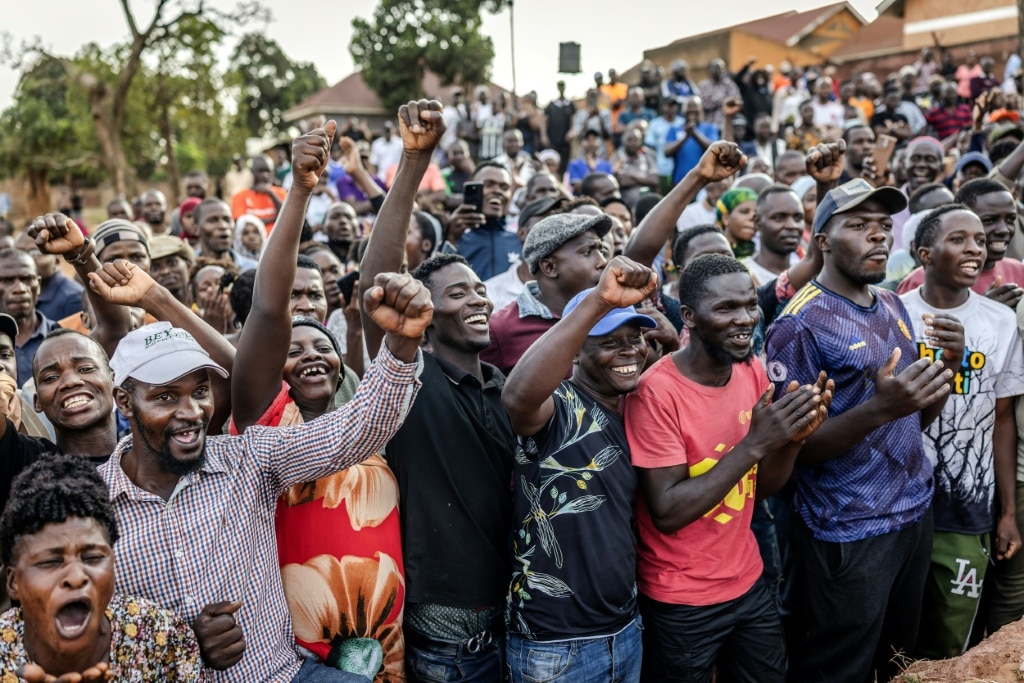
    With approximately 60% of votes counted, Uganda’s Electoral Commission places Museveni at 75.4% against Wine’s 20.7%, though opposition leaders have dismissed these figures as manipulated. The election process encountered significant technical difficulties, including malfunctioning biometric verification systems and delayed ballot deliveries across multiple regions.

    International observers, including the United Nations human rights office, had previously warned that the electoral environment was tainted by widespread intimidation tactics against opposition elements. The government’s internet shutdown, implemented Tuesday, remains in effect, further complicating independent verification of alleged electoral misconduct.

  • US experts warn of economic and social fallout from Trump’s immigration policies

    US experts warn of economic and social fallout from Trump’s immigration policies

    WASHINGTON—A comprehensive analysis presented at a Brookings Institution seminar has revealed profound economic and social consequences stemming from the Trump administration’s aggressive immigration policies. Experts from multiple research institutions detailed how sweeping restrictions implemented throughout 2025 have triggered the first net migration decline in over half a century, with far-reaching implications for the nation’s labor market and community stability.

    According to David Bier, Director of Immigration Studies at the Cato Institute, the administration’s approach has paradoxically created more undocumented immigrants by terminating legal statuses at a rate exceeding actual deportations. “The cancellation of parole programs, near-complete termination of refugee admissions, and the exclusion of approximately 20% of legal immigrants from abroad represent unprecedented restrictions,” Bier explained, noting that administrative backlogs and frequent policy changes have further crippled processing systems.

    The economic impact has been particularly severe. Wendy Edelberg, Senior Fellow in Economic Studies at Brookings, projected that the swing from strong positive net migration in 2024 to negative figures in 2025 represents a dramatic contraction in labor supply. This reversal has forced downward revisions in employment growth projections to approximately 30,000 jobs monthly by year’s end 2025, with potential negative growth looming in 2026 despite low unemployment rates.

    Consumer spending has suffered significantly, with Edelberg estimating reductions between $40-$60 billion in 2025 alone, plus an additional $10-$40 billion through 2026, attributing substantial portions of retail revenue declines to diminished immigrant spending power.

    The statistical evidence underscores these concerns. Pew Research Center data indicates the U.S. foreign-born population dropped from 53.3 million to 51.9 million between January and June 2025—a 2.6% decline representing the most significant reduction in decades.

    Policy implementation has been remarkably aggressive, with Kristie De Pena of the Niskanen Center noting the administration took over 500 immigration actions in its first year, including 38 executive orders comprising 17% of all orders signed. This executive dominance has occurred alongside minimal congressional involvement, creating what experts describe as an unusually unilateral approach to immigration overhaul.

    The latest development came Wednesday with the indefinite suspension of immigrant visa processing for applicants from 75 countries, effective January 21. The State Department cited concerns about potential welfare dependency among migrants from targeted nations including Brazil, Iran, Russia, Somalia, and Haiti.

    Enforcement measures have provoked substantial local resistance. Los Angeles County unanimously established “ICE-free zones” prohibiting federal agents from using county property for raids without permits. This response follows reports of escalating ICE operations, with daily arrests rising from 350 in January 2025 to over 500 by August—many involving non-criminal individuals.

    Meanwhile, Minneapolis continues to experience escalating protests triggered by recent ICE raids that residents perceive as excessively aggressive, reflecting growing national tension over immigration enforcement methodologies.

  • US accuses South Africa military of ‘cosying up to Iran’

    US accuses South Africa military of ‘cosying up to Iran’

    A significant diplomatic rift has emerged between the United States and South Africa following allegations that the South African defense establishment disregarded direct governmental instructions to expel Iranian warships participating in naval exercises in its territorial waters. The U.S. Embassy in Pretoria issued a sharply critical statement, asserting that South Africa’s military leadership had defied orders from President Cyril Ramaphosa’s administration to request the departure of the Iranian vessels. The statement condemned South Africa’s engagement with Iran, particularly during a period of severe internal repression within the Middle Eastern nation, labeling the partnership ‘unconscionable’ and a threat to regional maritime security.

    The week-long ‘Peace Resolve’ naval drills, orchestrated by China and involving members of the expanded BRICS+ alliance—including Russia, Iran, and other nations—commenced last Friday. This military exercise represents a strategic initiative by the coalition of major developing economies to counterbalance Western geopolitical and economic dominance. The controversy erupted when reports indicated that Iranian ships had already docked in Cape Town as the purported order for their turnaround was issued.

    In response to the U.S. accusations, South Africa’s Defense Ministry announced it would launch a formal inquiry to investigate these ‘serious allegations.’ Defense Minister Angie Motshekga’s office, however, stated that the president’s directives had been ‘clearly communicated to all parties concerned, agreed upon, and to be implemented.’

    Analysts like University of Witwatersrand Associate Professor William Gumede highlighted the perceived hypocrisy, noting the African National Congress (ANC) government’s silence on Iran’s human rights abuses despite its frequent critiques of other regimes. The U.S. statement further drew parallels between Iran’s suppression of protests and the democratic freedoms for which South Africans historically fought, intensifying the diplomatic friction.

  • ‘Greatest ever assembled’: Trump announces ‘board of peace’ formed for Gaza

    ‘Greatest ever assembled’: Trump announces ‘board of peace’ formed for Gaza

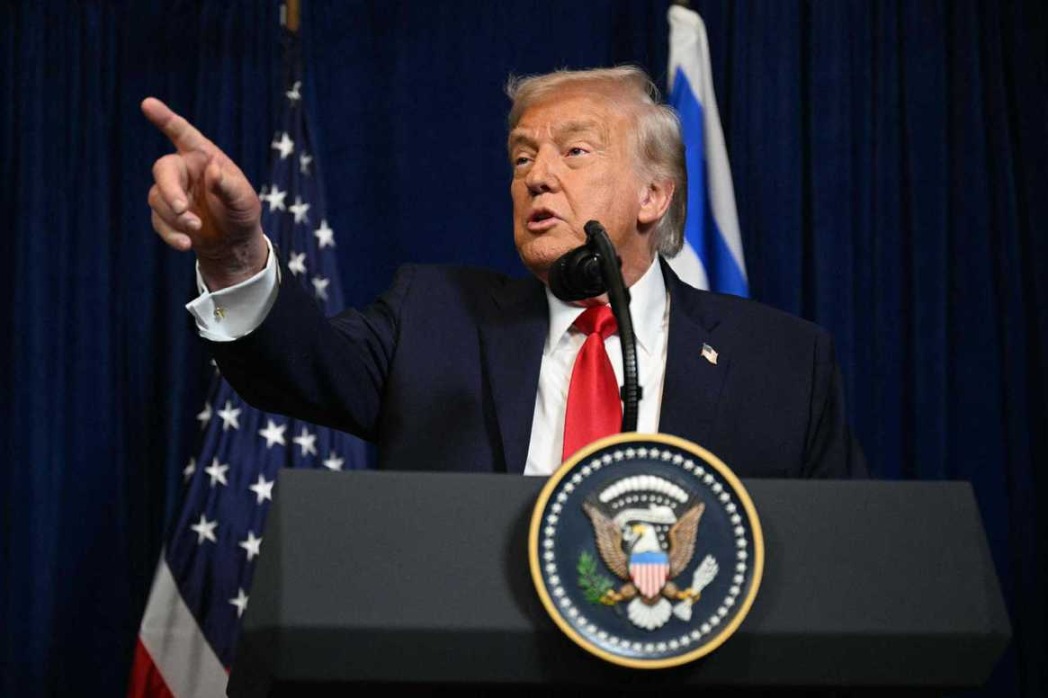
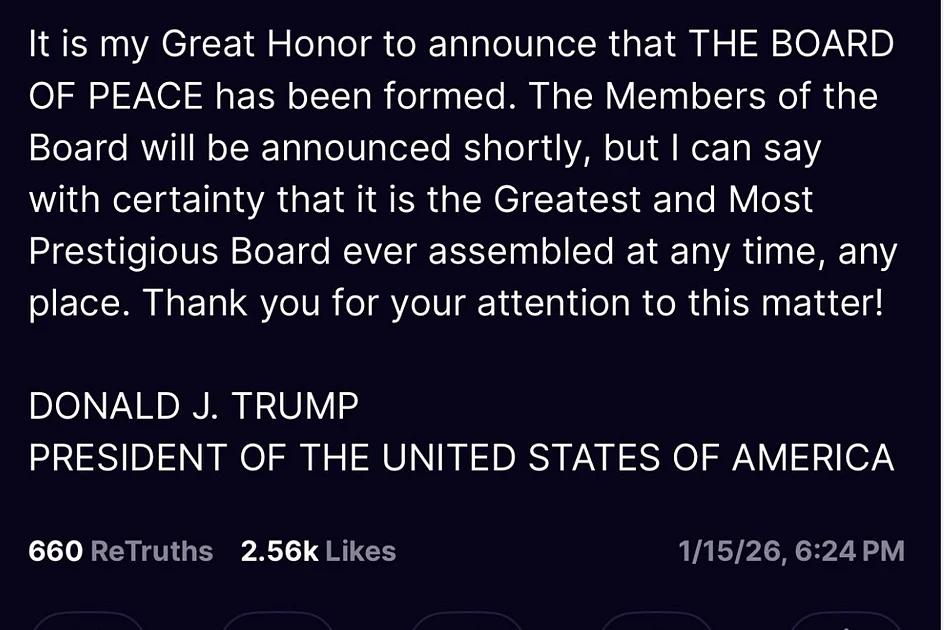
    In a significant development toward implementing the US-backed Gaza peace initiative, former President Donald Trump has proclaimed the establishment of a high-level “Board of Peace” to oversee post-conflict governance in the Palestinian territory. The announcement came via Trump’s Truth Social platform on Thursday, where he characterized the newly formed body as “the greatest and most prestigious board ever assembled at any time, any place.”

    This diplomatic move follows the recent creation of a 15-member Palestinian technocratic committee tasked with managing Gaza’s daily administrative functions following the recent cessation of hostilities. The committee will operate under the direct supervision of the Peace Board, which Trump revealed he will personally chair.

    The comprehensive peace framework, which initially took effect on October 10, 2025, previously facilitated the release of all Hamas-held hostages and established a ceasefire between the militant organization and Israeli forces. The current second phase involves deploying an International Stabilization Force to provide security assistance and train vetted Palestinian police units.

    However, the transition remains fraught with challenges. Gaza’s Hamas-run health ministry reports ongoing casualties, alleging Israeli forces have killed 451 people since the ceasefire nominally began. Palestinian leadership continues to emphasize the critical need for complete Israeli military withdrawal from Gaza—a stipulated but not yet scheduled component of the agreement.

    Meanwhile, Hamas has conspicuously avoided committing to full disarmament, which Israel considers non-negotiable. Trump’s special envoy, Steve Witkoff, emphasized Washington’s expectation that Hamas must “comply fully with its obligations” in a social media post that Trump subsequently endorsed.

    In a parallel development, Hamas is preparing internal elections to reconstitute its leadership structure, significantly diminished by Israeli operations during the conflict. These elections are anticipated in early 2026, according to statements from Hamas officials.

    Trump expressed confidence in achieving comprehensive demilitarization agreements with Hamas through multilateral cooperation with Egypt, Turkey, and Qatar, specifically mentioning the surrender of all weapons and dismantling of tunnel networks.

  • Venezuela not afraid of diplomacy with US, says acting president

    Venezuela not afraid of diplomacy with US, says acting president

    In a striking demonstration of diplomatic resolve, Venezuela’s Acting President Delcy Rodriguez declared her government’s readiness to engage with the United States despite recent military aggression. The announcement came during her inaugural state of the nation address to the National Assembly on January 15, 2026, following the extraordinary capture of President Nicolas Maduro and First Lady Cilia Flores by US forces.

    Rodriguez struck a carefully calibrated tone that blended defiance with diplomatic openness. ‘Let us not succumb to fear of diplomacy,’ she asserted before assembled lawmakers and international observers. While acknowledging Washington’s ‘historical record of intervention’ across Latin America, she emphasized Venezuela’s preparedness to ‘confront it diplomatically through appropriate political dialogue.’

    The acting president revealed her administration is formulating ‘a novel foreign policy approach’ and urged diplomatic representatives in Caracas to accurately convey Venezuela’s position to their respective governments. Rodriguez simultaneously called for national unity, appealing to citizens to ‘preserve Venezuela’s peace and tranquility with absolute dignity and historical responsibility.’

    In perhaps her most symbolic declaration, Rodriguez stated that any potential travel to the United States would be conducted ‘standing tall, walking, not crawling’ – a powerful metaphor for Venezuela’s intended approach to bilateral engagement. The address represents the first comprehensive statement of foreign policy direction since the dramatic change in leadership, signaling potential openness to negotiated solutions while maintaining revolutionary principles.

  • US Congress members visit Denmark as Trump’s pressure on Greenland rises

    US Congress members visit Denmark as Trump’s pressure on Greenland rises

    A bipartisan congressional delegation from the United States has arrived in Denmark amidst escalating tensions over President Donald Trump’s persistent efforts to acquire Greenland. The 11-member group, comprising both Senate and House representatives, is scheduled to meet with Danish Prime Minister Mette Frederiksen and Greenlandic leader Jens-Frederik Nielsen in a demonstration of diplomatic solidarity.

    This diplomatic mission follows unsuccessful high-level discussions in Washington aimed at discouraging President Trump from pursuing his controversial territorial ambitions. The president has repeatedly asserted Greenland’s strategic importance to US national security, claiming Denmark lacks adequate defense capabilities against potential Russian or Chinese aggression in the Arctic region.

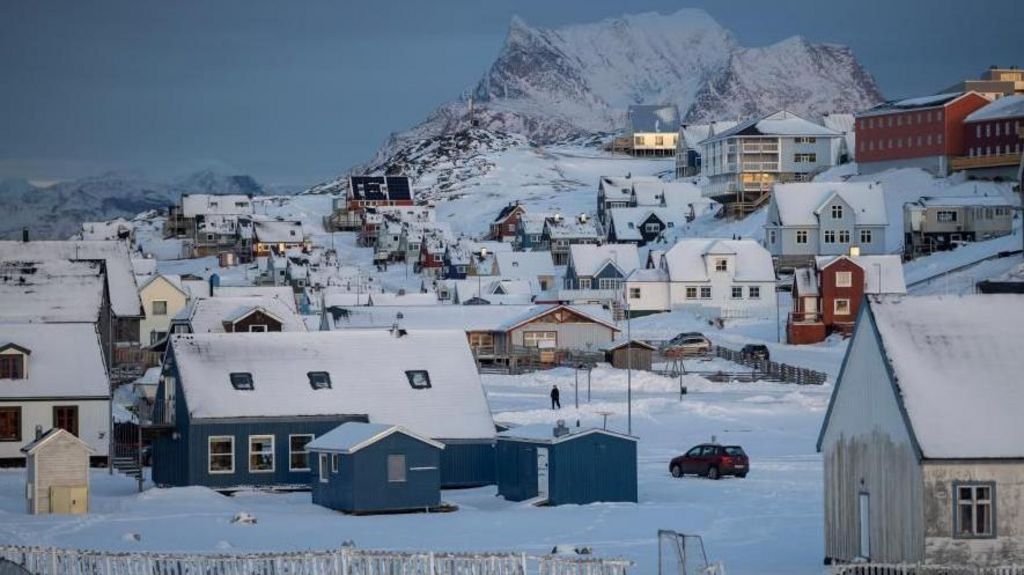
    Despite Greenland’s sparse population, the territory possesses substantial natural resources and occupies a geostrategic position between North America and the Arctic, making it invaluable for missile detection systems and regional surveillance operations. The United States already maintains approximately 100 permanent military personnel at its Pituffik base, operating under existing bilateral agreements that permit unlimited troop deployments.

    President Trump has escalated the situation by not only renewing purchase offers—previously rejected by both Danish and Greenlandic authorities—but also openly contemplating military seizure of the territory. These suggestions have prompted Denmark to issue stark warnings about potential consequences for NATO’s integrity, noting the alliance has never confronted scenarios involving armed conflict between member states.

    European NATO members have mobilized in support of Denmark, with multiple nations including France, Germany, Sweden, Norway, Finland, the Netherlands, and the United Kingdom deploying reconnaissance forces to Greenland. French President Emmanuel Macron has pledged additional land, air, and naval assets to reinforce regional security cooperation.

    The congressional delegation, led by Senator Chris Coons, includes both Democratic and Republican members, reflecting rare bipartisan concern over the administration’s approach. While most delegates oppose Trump’s proposals, legislative efforts have emerged from both sides—with some lawmakers seeking to prevent military action while others have proposed bills supporting annexation.