分类: politics

  • Trump says he may punish countries with tariffs if they don’t back the US controlling Greenland

    Trump says he may punish countries with tariffs if they don’t back the US controlling Greenland

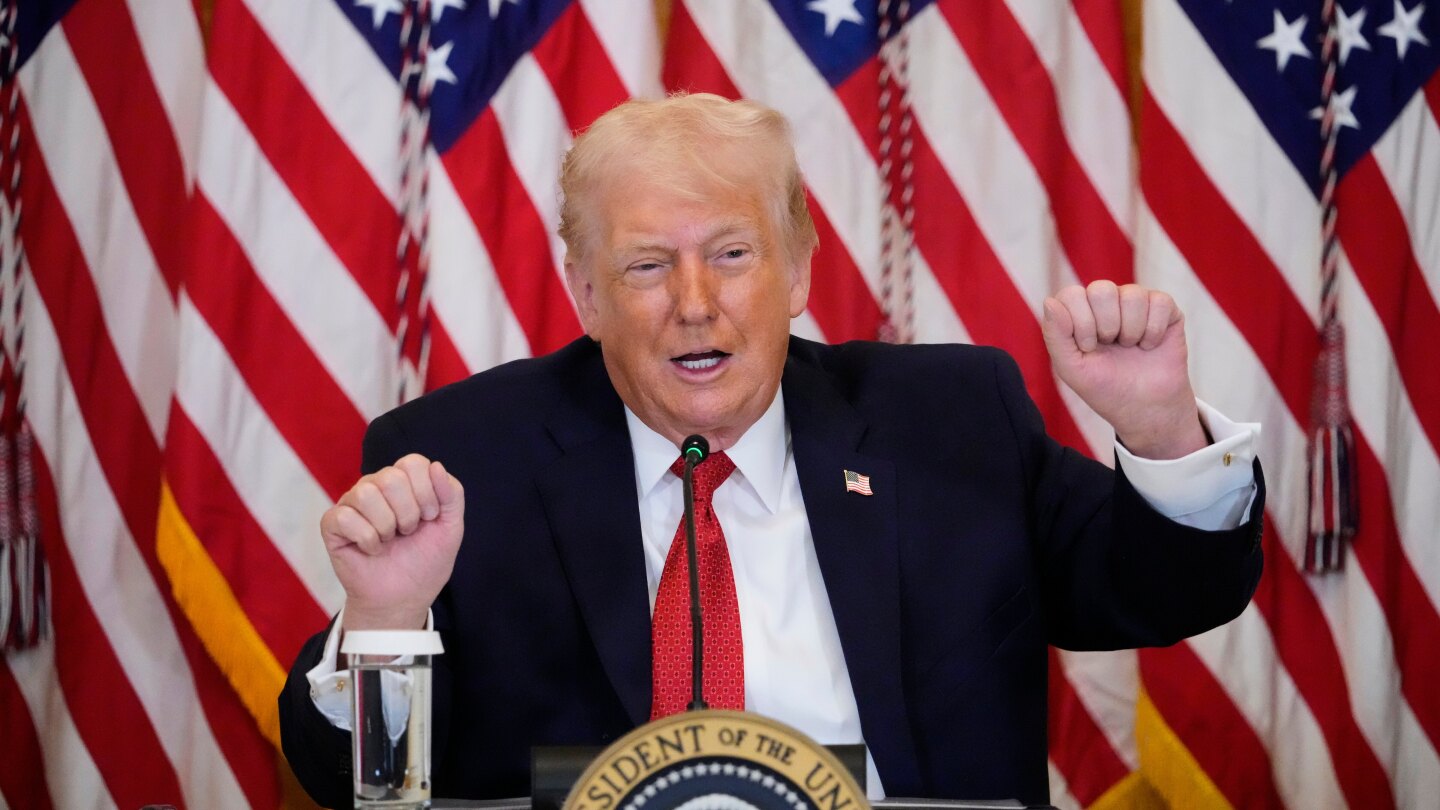
    COPENHAGEN, Denmark — U.S. President Donald Trump has escalated tensions with NATO ally Denmark by suggesting potential tariff impositions on countries that oppose American control over Greenland. The declaration came during a White House event on rural healthcare, marking the first time the president explicitly linked trade policy to his territorial ambitions for the Arctic island.

    Trump asserted that Greenland represents a critical national security priority, justifying his consideration of economic measures against reluctant nations. “I may put a tariff on countries if they don’t go along with Greenland, because we need Greenland for national security,” the president stated, drawing parallels to previous threats against European pharmaceutical exports.

    This hardline stance contrasts sharply with efforts by a bipartisan Congressional delegation visiting Copenhagen to repair diplomatic relations. Led by Senator Chris Coons (D-Delaware), the group emphasized America’s 225-year alliance with Denmark during meetings with Danish Prime Minister Mette Frederiksen and Greenlandic representatives.

    Senator Lisa Murkowski (R-Alaska) articulated the delegation’s contrasting approach, emphasizing that “Greenland needs to be viewed as our ally, not as an asset.” The senator revealed that approximately 75% of Americans oppose acquiring Greenland, reflecting legislation she co-sponsored with Senator Jeanne Shaheen (D-New Hampshire) that would block funding for any annexation of NATO territory without consent.

    The White House’s persistent claims of Chinese and Russian interests in Greenland’s mineral resources have been met with skepticism. Aaja Chemnitz, a Greenlandic politician in the Danish parliament, dismissed these assertions as “lies and exaggeration,” noting that the actual threat originates from American expansionism.

    Greenland’s Prime Minister Jens-Frederik Nielsen has unequivocally stated the territory’s preference for maintaining its current relationship with Denmark and NATO. The Inuit Circumpolar Council chair Sara Olsvig condemned the administration’s rhetoric as reflective of colonial attitudes toward Indigenous peoples, emphasizing that Greenland’s population has no desire to experience recolonization by a global power.
  • Machado vows to lead Venezuela ‘when right time comes’

    Machado vows to lead Venezuela ‘when right time comes’

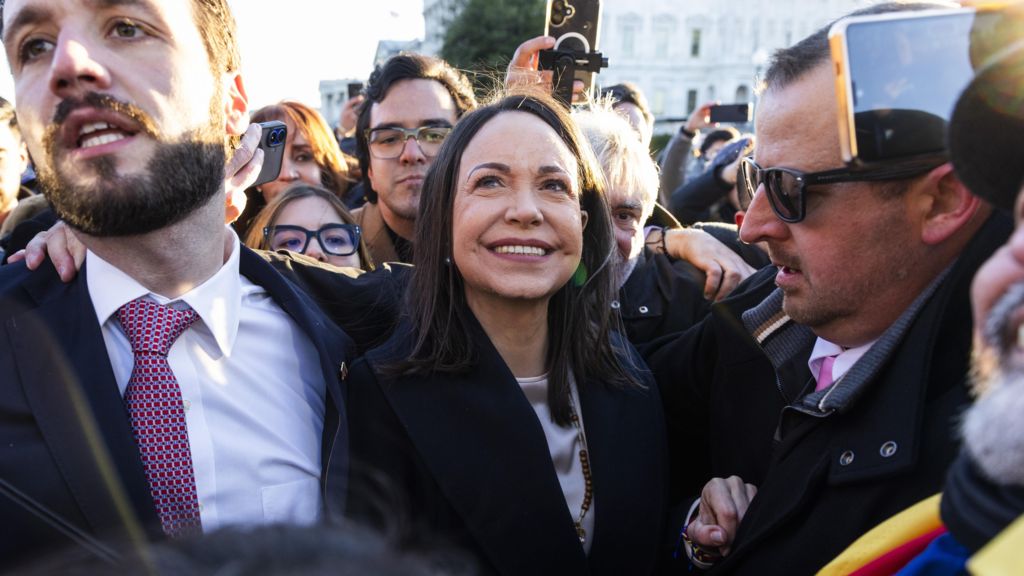
    Venezuelan opposition figure María Corina Machado has declared her intention to assume the presidency “when the right time comes,” positioning herself as the potential first female leader of the nation. During her Washington visit, Machado presented former President Donald Trump with her Nobel Peace Prize medal, characterizing the gesture as acknowledgment of his dedication to Venezuelan liberation.

    This political theater unfolds against the backdrop of extraordinary developments: the U.S. apprehended sitting President Nicolás Maduro in Caracas on January 3rd, transporting him to New York to confront multiple narcotics and weapons trafficking indictments.

    Despite these dramatic events, Trump has refrained from endorsing Machado as Venezuela’s successor leadership, citing insufficient domestic backing—even as her opposition coalition asserts victory in the heavily disputed 2024 elections. Instead, U.S. engagement has focused on interim President Delcy Rodríguez, Maduro’s former vice-president.

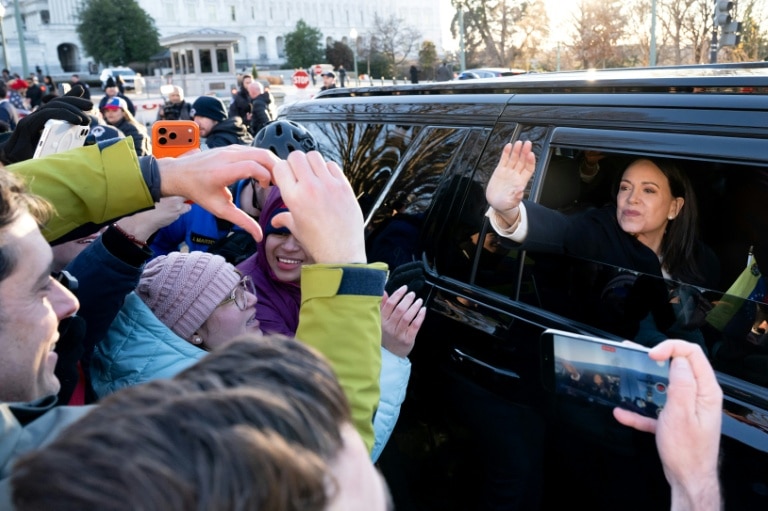
    Machado’s Capitol Hill appearances were met with fervent support from chanting admirers waving Venezuelan flags, though their cries of “María, presidente” occasionally overwhelmed her remarks to journalists.

    Concurrently, Rodríguez conducted a significant two-hour meeting with CIA Director John Ratcliffe at Trump’s behest, described by U.S. officials as confidence-building diplomacy. The discussions reportedly addressed potential economic cooperation and reiterated that Venezuela must cease being a sanctuary for American adversaries.

    In her inaugural state of the union address, Rodríguez asserted Venezuela’s readiness to engage the U.S. through political dialogue while defending national “dignity and honor.” She simultaneously announced oil sector reforms inviting greater foreign investment—a notable departure from Maduro’s economic policies. Trump subsequently praised Rodríguez as a “terrific person” following their telephone discussion, which the interim leader characterized as productive and respectful.

  • Wang Yi’s visit solidifies China’s commitment to Africa

    Wang Yi’s visit solidifies China’s commitment to Africa

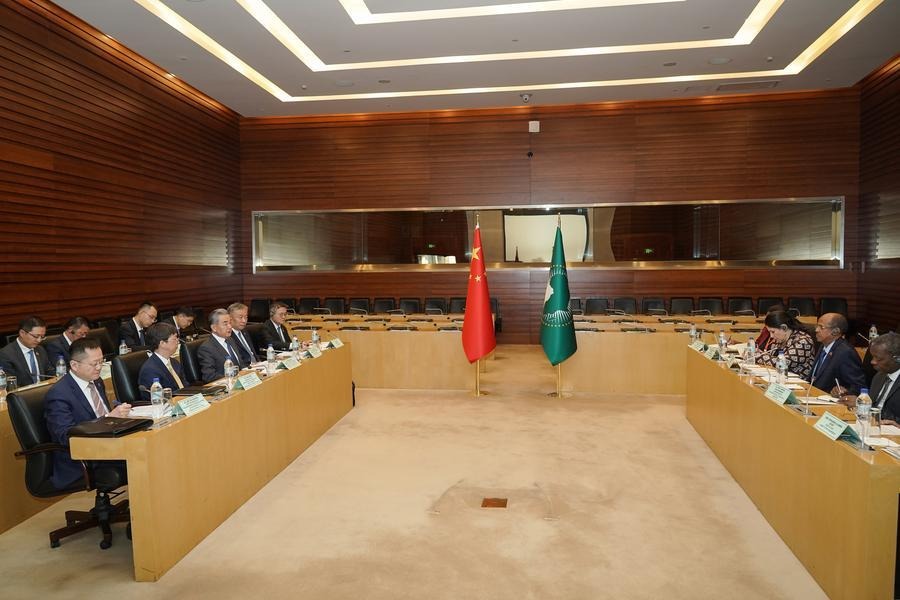
    Chinese Foreign Minister Wang Yi’s recent tour of African nations has underscored Beijing’s enduring commitment to strengthening South-South cooperation amid global uncertainties. The visit, which included stops at the African Union headquarters in Addis Ababa along with Ethiopia, Tanzania, and Lesotho, represents the 36th consecutive year that China’s top diplomat has chosen Africa for their first overseas trip of the year.

    During the strategic engagements, Minister Wang and AU Commission Chairperson Mahmoud Ali Youssouf convened the ninth China-AU Strategic Dialogue, culminating in the official launch of the 2026 China-Africa Year of People-to-People Exchanges. This initiative, established during the 2024 Forum on China-Africa Cooperation Beijing summit, aims to foster deeper connections through educational, cultural, media, and youth engagement programs.

    African analysts have characterized the diplomatic mission as a landmark moment in China-Africa relations. Dr. Al-Sawy Al-Sawy Ahmed, former dean of the Faculty of Arts at Suez Canal University, noted that the visit exemplifies a comprehensive approach integrating political, diplomatic, and economic dimensions. “This tour reflects Beijing’s commitment to strengthening partnerships through enduring development initiatives and collaborative projects that directly benefit local populations while promoting long-term stability,” Ahmed observed.

    Substantive outcomes from the visit include China’s expansion of zero-tariff treatment to all 53 African nations with diplomatic ties to Beijing, a move designed to boost African exports to Chinese markets. Additionally, China reaffirmed its commitment to modernize the Tanzania-Zambia Railway and stimulate integrated development along the economic corridor.

    Hany Soliman, director of the Arab Center for Research and Studies, described the agreements as exemplifying China’s unique approach to combining economic support with long-term development planning. “These initiatives underscore a model of South-South cooperation that balances immediate developmental needs with harmonious, integrated growth while strengthening Africa’s position on the world stage,” Soliman stated.

    Ghada Gaber, a Cairo-based specialist in China-Africa relations, emphasized that the timing and substance of the visit demonstrate how bilateral relations have evolved beyond traditional economic frameworks into deeper political, civilizational, and humanitarian engagement. “This visit transcends short-term, interest-driven considerations and embodies a shared vision grounded in mutual respect and the principle of a ‘shared future for humanity’,” Gaber noted.

    The diplomatic mission also highlighted China’s support for Africa’s expanding role in global governance and institutional reform, positioning the partnership as a counterbalance to traditional Western power structures while advocating for the interests of developing nations on the international stage.

  • South Africa investigates Iran’s participation in naval drills off its coast after US criticism

    South Africa investigates Iran’s participation in naval drills off its coast after US criticism

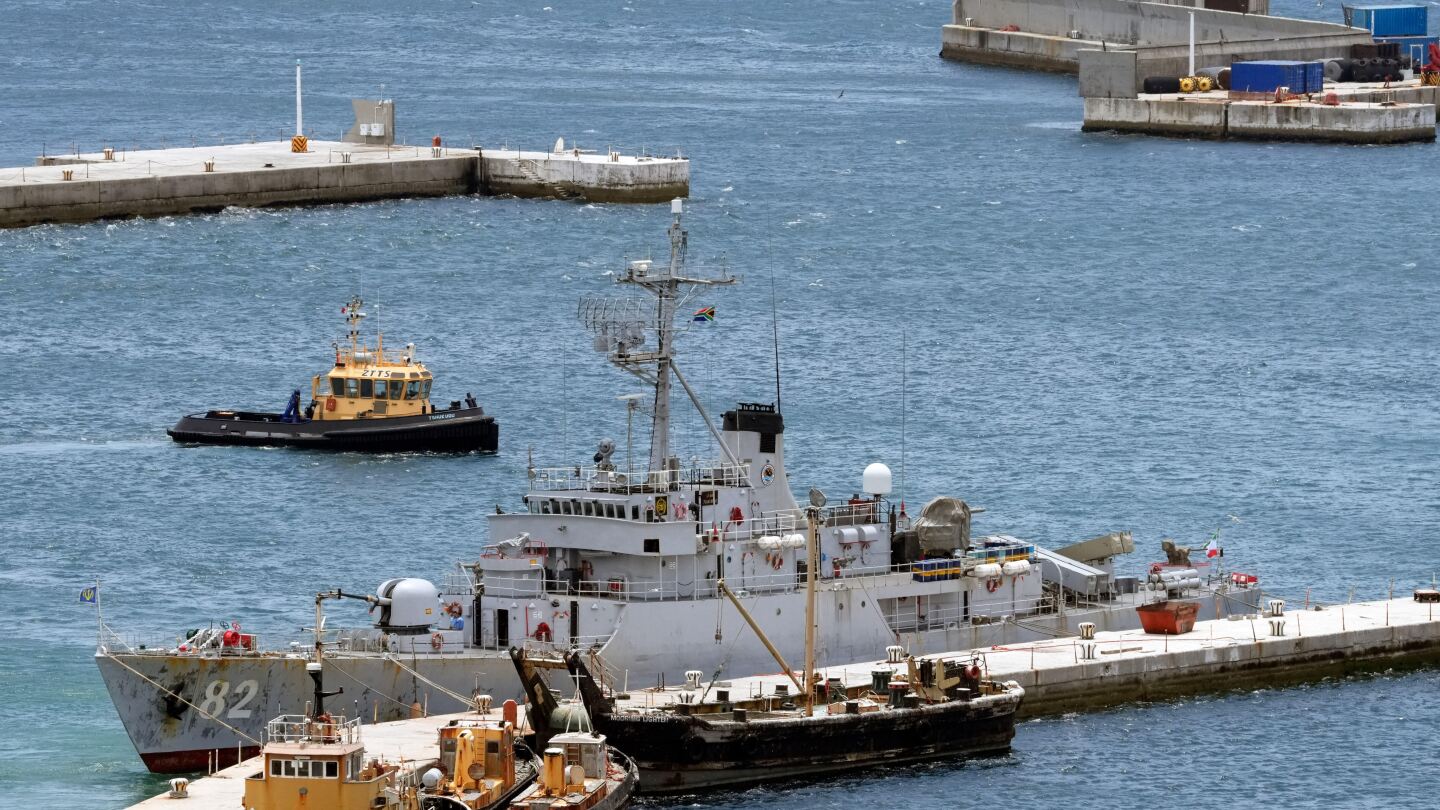
    CAPE TOWN, South Africa — The South African Defense Ministry has initiated a formal investigation into whether military officials disregarded presidential directives regarding Iran’s participation in recent multinational naval exercises. The probe follows revelations that Iranian warships engaged in active combat drills despite President Cyril Ramaphosa’s explicit instructions limiting Tehran to observer status only.

    The controversy emerged amid sharp criticism from the United States, which condemned South Africa’s hosting of Iranian naval forces during joint exercises with China, Russia, and the United Arab Emirates. The U.S. Embassy in Pretoria issued a strongly worded statement characterizing the invitation as ‘unconscionable’ given Iran’s ongoing suppression of domestic protests, which human rights organizations report has resulted in over 2,600 fatalities.

    Defense Minister Angie Motshekga asserted that Ramaphosa’s instructions had been ‘clearly communicated to all parties concerned,’ though specific details of those directives remain undisclosed. The investigation will determine whether these presidential orders were ‘misrepresented and/or ignored’ by defense officials.

    Observers confirmed the presence of at least three Iranian warships in South African waters, including one docked alongside Chinese and Russian vessels in Simon’s Town naval base near Cape Town. The exercises, conducted under the auspices of the BRICS alliance, concluded Friday after several days of operations.

    The diplomatic incident occurs against a backdrop of deteriorating U.S.-South African relations since President Donald Trump’s return to office. The Trump administration has repeatedly criticized Pretoria’s foreign policy orientation, including its diplomatic engagement with Iran and allegations of anti-American alignment. South African officials maintain the country pursues a neutral, non-aligned foreign policy open to dialogue with all nations.

    This development marks Iran’s inaugural participation in BRICS naval operations following its accession to the bloc in 2024, representing another expansion of the coalition designed to counter Western economic and institutional dominance.

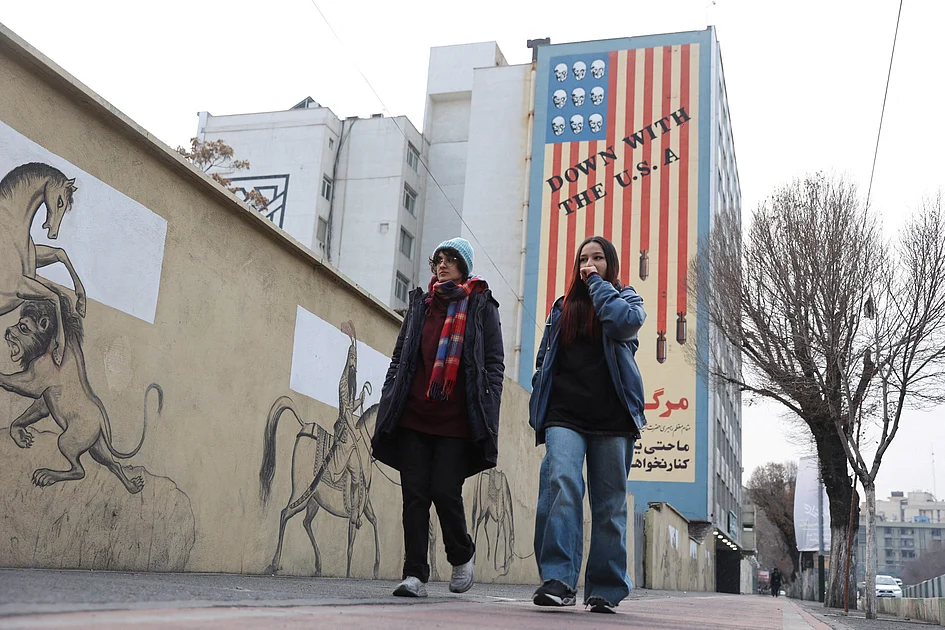
  • US backs ‘brave people of Iran’, tells UN all options on table

    US backs ‘brave people of Iran’, tells UN all options on table

    In a tense United Nations Security Council session convened at Washington’s request, U.S. Ambassador Mike Waltz delivered a forceful declaration of support for Iranian protesters while dismissing Tehran’s allegations of foreign intervention as baseless propaganda. The emergency meeting on Thursday (January 15) addressed the escalating violence in Iran where thousands have reportedly been killed during widespread demonstrations against clerical rule.

    Ambassador Waltz characterized the Iranian regime as ‘weaker than ever before,’ asserting that their claims of a foreign-backed military precursor represented desperate attempts to undermine genuine domestic dissent. ‘The regime is putting forward this lie because of the power of the Iranian people in the streets,’ Waltz stated. ‘They are afraid of their own people.’

    The U.S. diplomat emphasized President Trump’s position that ‘all options are on the table to stop the slaughter,’ describing the American leader as ‘a man of action, not endless talk.’ This strong rhetoric contrasted with Trump’s simultaneous wait-and-see approach expressed elsewhere, where he acknowledged reports of decreasing violence and indicated no immediate plans for large-scale executions.

    The UN response, delivered by senior official Martha Pobee on behalf of Secretary-General Antonio Guterres, called for ‘maximum restraint at this sensitive moment.’ The international body urged all parties to refrain from actions that could precipitate further casualties or trigger broader regional escalation, highlighting concerns about the potential for wider conflict.

    The diplomatic confrontation occurs amid unverified reports that Iran has postponed the execution of a 26-year-old protester, suggesting possible internal divisions within the Iranian establishment regarding how to manage the unprecedented challenges to their authority.

  • Machado vows to be Venezuela president ‘when the right time comes’

    Machado vows to be Venezuela president ‘when the right time comes’

    Venezuelan opposition figure Maria Corina Machado has declared her unwavering conviction that she will eventually assume the presidency of her nation, despite the United States government’s recent pivot toward supporting an alternative political figure. The prominent activist made these assertions during a televised appearance on Fox & Friends, following high-level diplomatic engagements in Washington.

    The political landscape shifted dramatically on January 3rd when American military forces orchestrated the removal of Nicolás Maduro from power. In the subsequent power vacuum, the Trump administration has thrown its support behind Delcy Rodríguez, Maduro’s former vice president, as interim leader of the oil-rich South American nation.

    Machado, who was awarded the Nobel Peace Prize last year for her prolonged campaign against Maduro’s authoritarian regime, presented her medal to President Trump during a White House luncheon. This symbolic gesture aimed to strengthen her diplomatic position, though the Norwegian Nobel Committee maintains that such awards are non-transferable by regulation.

    Despite presenting documented evidence of electoral fraud in Venezuela’s 2024 presidential election—a position supported by numerous international observers—Machado finds herself navigating complex geopolitical realities. The Trump administration has expressed reservations about her level of popular support among Venezuelan citizens, instead favoring Rodríguez contingent upon cooperative access to Venezuela’s substantial petroleum reserves.

    Meanwhile, Rodríguez has struck a notably independent tone, asserting her government’s willingness to engage in diplomatic confrontation with Washington despite acknowledging American power. She delivered this message while presenting what would traditionally have been Maduro’s state of the nation address, as the former leader currently faces narcotics trafficking charges in a New York detention facility.

    The CIA’s reported meeting with Rodríguez signals Washington’s current preference for her leadership, creating a complex political dynamic that Machado must navigate as she maintains her presidential aspirations.

  • US announces Palestinian technocratic rule for Gaza under Trump’s ‘Board of Peace’

    US announces Palestinian technocratic rule for Gaza under Trump’s ‘Board of Peace’

    In a significant diplomatic development, former U.S. President Donald Trump has unveiled plans for a “Board of Peace” to oversee Gaza’s transitional governance. The announcement, made via Truth Social on Thursday, signals a new approach to resolving the protracted conflict, with Trump claiming imminent finalization of a “comprehensive demilitarisation agreement” with Hamas, backed by regional powers Egypt, Turkey, and Qatar.

    The proposed board will reportedly comprise 15 Palestinian members, led by Ali Shaath, former Palestinian deputy minister for planning. While Trump withheld specific details about the committee’s composition, he emphatically declared it “the greatest and most prestigious board ever assembled” and expressed full support for a newly appointed Palestinian Technocratic Government—the National Committee for the Administration of Gaza.

    This initiative aligns with the second phase of the ceasefire agreement that commenced in October, as confirmed by U.S. envoy Steve Witkoff. The transitional technocratic Palestinian administration aims to govern Gaza during its post-conflict recovery period, though progress has been hampered by persistent Israeli military operations in the besieged territory.

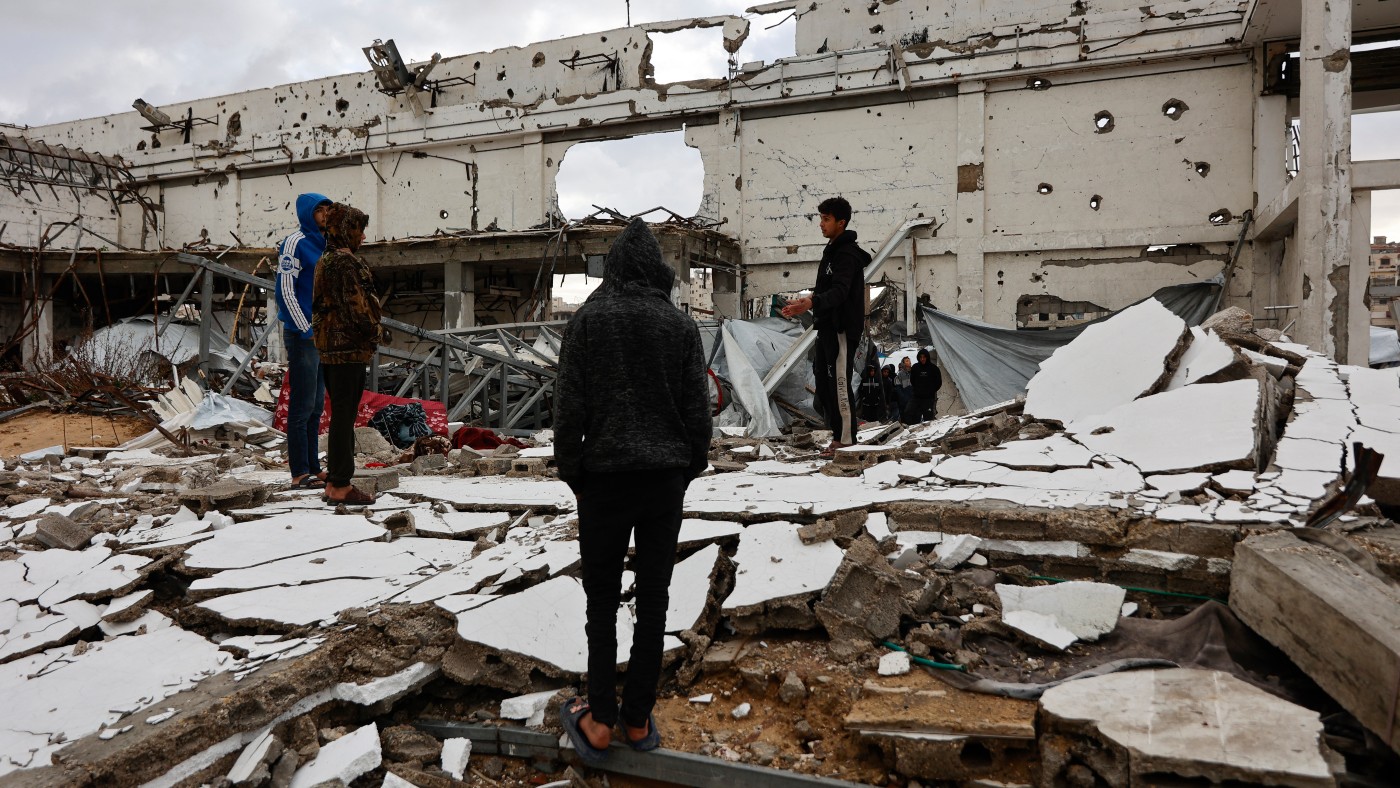
    The human cost of the conflict remains staggering. Palestinian health authorities report over 71,400 fatalities and 171,000 injuries since hostilities began, with nearly 450 deaths recorded since October alone. The United Nations highlights the catastrophic scale of destruction, estimating more than 66 million tons of rubble requiring clearance—a process potentially spanning seven years.

    International response has been cautiously optimistic. Spain welcomed the technocratic authority as a “positive step” toward Palestinian unity and stability, emphasizing its potential to alleviate Gaza’s humanitarian crisis through improved aid distribution. The committee will operate under the supervision of Nickolay Mladenov, Bulgaria’s former UN Middle East peace coordinator, who will serve as high representative.

    According to documents obtained by Middle East Eye, the committee includes Omar Shamali (communications), Abdul Karim Ashour (agriculture), Aed Yaghi (health), and Aed Abu Ramadan (industry and economy), among other specialized appointments. A senior Hamas source indicated no objection to the proposed members, while Egypt confirmed majority support from Palestinian factions.

    The UN describes Gaza’s population as “exhausted, traumatised, and overwhelmed,” with winter conditions exacerbating their misery. Particularly concerning are the psychological impacts on children, with the Palestinian Central Bureau of Statistics estimating over 39,000 had lost one or both parents by March, including 17,000 fully orphaned.

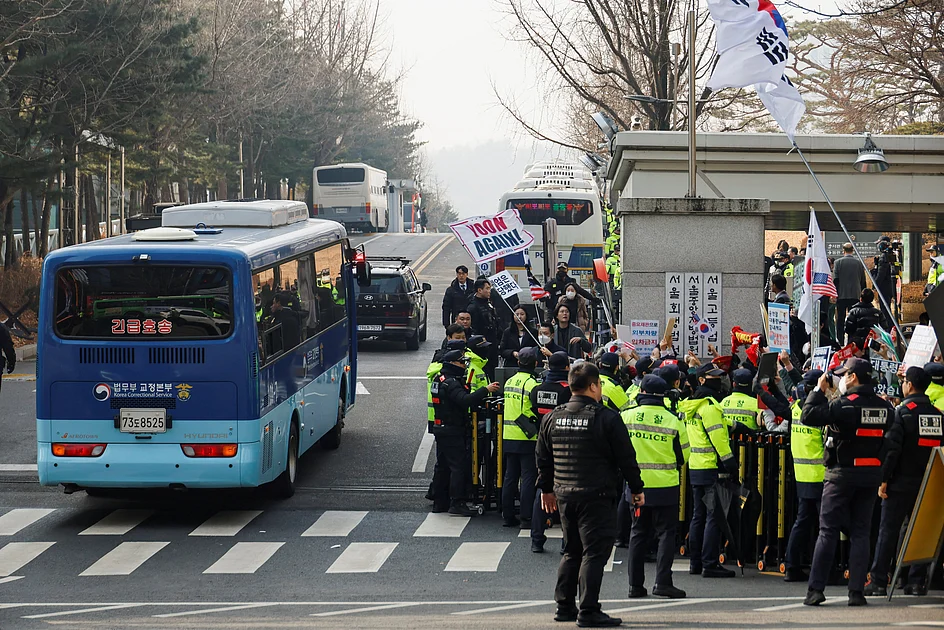
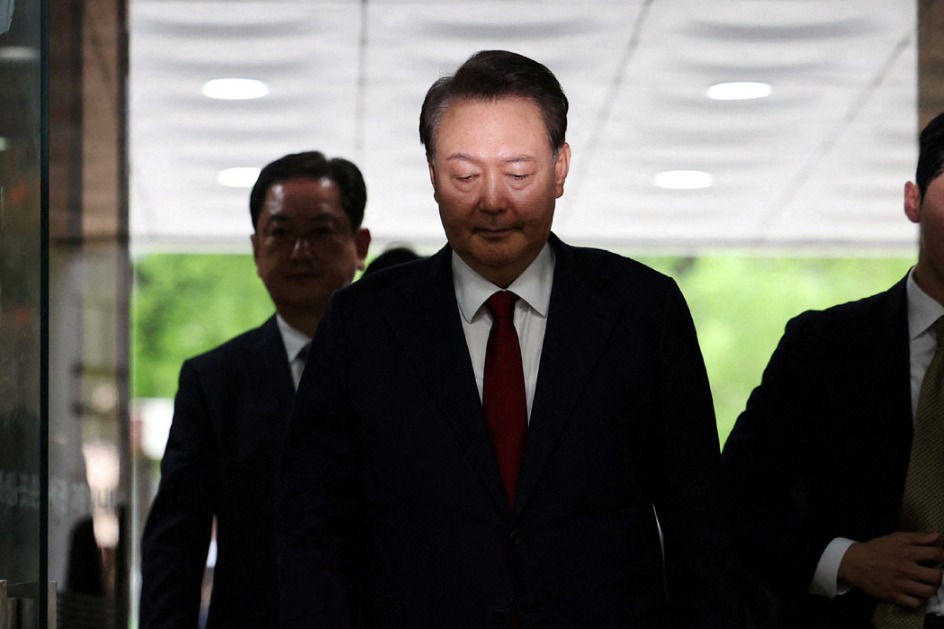
  • Former South Korea President Yoon gets five-year sentence for obstruction

    Former South Korea President Yoon gets five-year sentence for obstruction

    In a landmark judicial ruling with profound political implications, the Seoul Central District Court has convicted former South Korean President Yoon Suk Yeol on multiple felony charges, resulting in a five-year prison sentence. The verdict, delivered on Friday, January 16, 2026, marks a significant moment in the nation’s contemporary political history.

    The court found Yoon guilty of three primary offenses: obstruction of justice by deliberately impeding law enforcement’s execution of an arrest warrant; systematic fabrication of official government documents; and failure to adhere to mandatory legal procedures required for declaring martial law. These charges stem from his controversial and ultimately unsuccessful attempt to impose martial law in December 2024, an event that triggered a constitutional crisis.

    The ruling represents the first judicial conclusion among several criminal cases brought against the former president following the botched martial law declaration. The court’s decision underscores the judiciary’s role in checking executive power, particularly regarding actions perceived as undermining democratic institutions. Legal experts highlight that the conviction for document fabrication specifically relates to creating false justifications for the martial law implementation.

    While this verdict carries immediate legal consequences, the court acknowledged Yoon’s right to appeal the decision through higher judicial channels. The sentencing reflects South Korea’s continued commitment to judicial independence and accountability, even for the highest-ranking officials. This case joins other historic presidential prosecutions in South Korea, demonstrating the nation’s robust legal mechanisms for addressing alleged abuses of power at the highest levels of government.

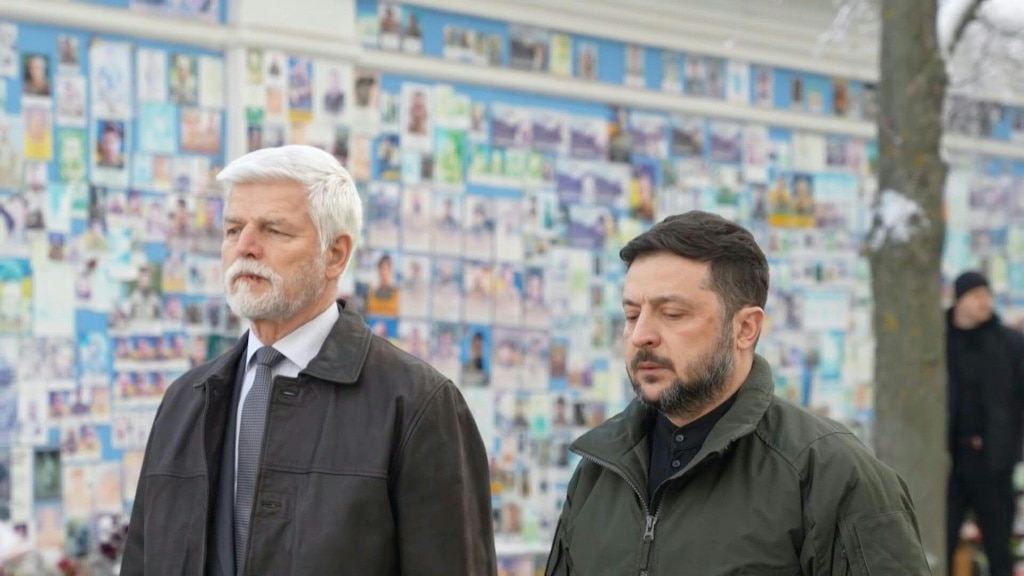
  • Zelensky hopes for security guarantees plan in looming US talks

    Zelensky hopes for security guarantees plan in looming US talks

    Ukrainian President Volodymyr Zelensky has expressed cautious optimism regarding potential security agreements with the United States, anticipated to be finalized during upcoming World Economic Forum negotiations in Davos. The Ukrainian leader revealed that diplomatic teams are en route to Washington for conclusive talks, stating that while Kyiv considers its preparatory work complete, American consensus remains essential for ratification.

    The proposed security framework represents a cornerstone of Ukraine’s strategic defense architecture against future Russian aggression. Zelensky emphasized that such guarantees are indispensable for deterring Moscow from repeating invasion attempts. These developments occur amid mounting tensions with former U.S. President Donald Trump, who has advocated for peace terms that Ukrainian officials equate to capitulation.

    Concurrently, Ukraine faces critical ammunition shortages in its air defense systems during a devastating Russian campaign against energy infrastructure. Zelensky disclosed that several air defense units had completely exhausted their missile inventories, though a newly delivered supply package has temporarily alleviated the crisis. The president acknowledged the tremendous human cost underlying each military shipment, noting that assistance arrives ‘through effort, blood, and people’s lives.’

    Russia’s intensified bombardment has created a humanitarian emergency, with over 15,000 energy workers battling sub-zero temperatures to restore demolished power facilities. Millions of citizens endure prolonged electricity and heating outages as temperatures plunge to -20°C in affected regions. Kyiv has responded by easing wartime curfews to facilitate access to emergency shelters and authorizing increased electricity imports from European neighbors.

    On the battlefield, Russian forces continue making incremental territorial gains, recently capturing villages in Donetsk and Zaporizhzhia regions while maintaining constant artillery pressure across the frontline. The Kremlin persists in claiming its strikes exclusively target military infrastructure, despite overwhelming evidence of civilian infrastructure destruction.

    Ukrainian Energy Minister Denys Shmygal characterized Russia’s strategy as ‘energy terror,’ while Prime Minister Yulia Svyrydenko confirmed the government maintains 20 days of fuel reserves. The convergence of diplomatic negotiations, military challenges, and humanitarian crisis creates a pivotal moment in the nearly two-year conflict, with Ukraine’s resilience facing its most severe test during winter warfare conditions.

  • S. Korea’s ex-president Yoon sentenced to 5 years in prison on arrest obstruction charges

    S. Korea’s ex-president Yoon sentenced to 5 years in prison on arrest obstruction charges

    In a landmark judicial ruling that has captured national attention, former South Korean President Yoon Suk-yeol was convicted and sentenced to five years imprisonment on charges of obstructing the execution of an arrest warrant. The verdict, delivered on Friday, represents the initial judicial outcome in a series of legal proceedings stemming from allegations related to his purported involvement in martial law preparations during his presidency.

    The Seoul Central District Court presided over the high-profile case, which centered on accusations that Yoon deliberately impeded law enforcement officials attempting to serve an arrest warrant connected to the broader investigation into his administration’s activities. The court determined that the evidence substantiated the prosecution’s claims of deliberate obstruction of justice.

    This conviction marks a significant development in South Korea’s political landscape, where former presidents have frequently faced legal scrutiny after leaving office. The case has reignited discussions about presidential accountability and the delicate balance between executive power and judicial oversight in one of Asia’s most vibrant democracies.

    The sentencing follows months of judicial proceedings that examined detailed evidence regarding the former president’s conduct during the final months of his administration. Legal experts note that this verdict could establish important precedents for future cases involving allegations of executive overreach and obstruction of justice.

    Yoon’s defense team had vigorously contested the charges, maintaining that their client’s actions constituted legitimate political maneuvers rather than criminal obstruction. The court, however, found these arguments unpersuasive in light of the documented evidence presented during the trial.

    The case has drawn extensive media coverage both domestically and internationally, reflecting ongoing global interest in South Korea’s political evolution and its continued efforts to address historical patterns of corruption and power abuse among its highest-ranking officials.