分类: politics

  • Brazil’s Lula hails historic EU-Mercosur deal ahead of no-show at its signing

    Brazil’s Lula hails historic EU-Mercosur deal ahead of no-show at its signing

    After a quarter-century of complex negotiations, the European Union and the Mercosur bloc have reached a landmark free trade agreement, creating one of the world’s largest trading zones encompassing approximately 720 million people with a combined GDP exceeding $22 trillion. The historic pact was formally signed in Asunción, Paraguay, on Saturday, marking a significant geopolitical shift in global trade dynamics.

    The agreement between the EU and Mercosur (comprising Brazil, Argentina, Paraguay, and Uruguay) represents Mercosur’s first major international trade deal. Bolivia, the newest Mercosur member, was not involved in initial negotiations but retains the option to join the agreement in subsequent years.

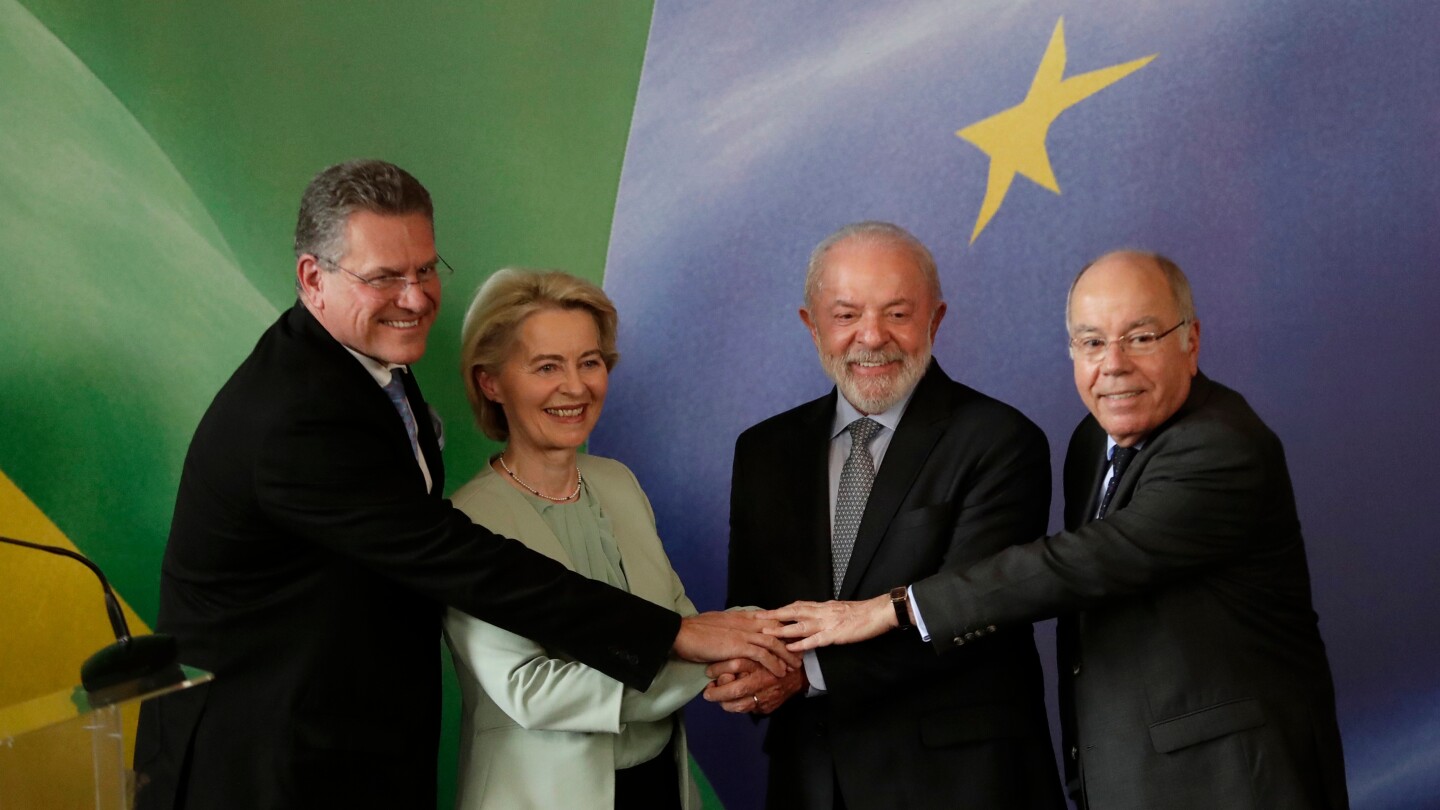
    Despite Brazilian President Luiz Inácio Lula da Silva’s vigorous advocacy for the pact since returning to office in 2023, he notably abstained from attending the signing ceremony. Instead, Brazil was represented by Foreign Minister Mauro Vieira. This absence has been interpreted by political analysts as a strategic signal of Brazil’s dissatisfaction with the delayed signing, which was originally anticipated during Brazil’s rotating Mercosur presidency in December.

    European Commission President Ursula von der Leyen praised Lula’s “political leadership and personal commitment” during the final negotiation phase, acknowledging his crucial role in advancing the agreement. The European Council similarly recognized Brazil’s recent Mercosur presidency as instrumental in finalizing the decades-long negotiation process.

    The comprehensive trade accord grants South American nations preferential access to European markets for agricultural products, with Brazil’s government investment agency Apex projecting approximately $7 billion in additional exports of commodities including instant coffee, poultry, and orange juice. However, President Lula emphasized that Mercosur nations seek to transcend their traditional role as commodity exporters, stating their intention to “produce and sell industrial goods with higher added value.”

    Experts view the agreement as a strategic counterbalance to both United States and Chinese influence in the resource-rich South American region. The pact emerges amid former President Donald Trump’s protectionist trade policies and China’s expanding economic influence through trade and loans throughout Latin America.

    International relations scholars note that while the agreement demonstrates economic advantages for the EU, it carries significant political benefits for both blocs. For Europe, it represents a commitment to multilateral partnership diversification, while for Mercosur, it validates the bloc’s continued relevance in global trade architecture despite previous criticisms regarding its effectiveness and longevity.
  • Venezuelan opposition leader is confident about return of democracy but says little of her plans

    Venezuelan opposition leader is confident about return of democracy but says little of her plans

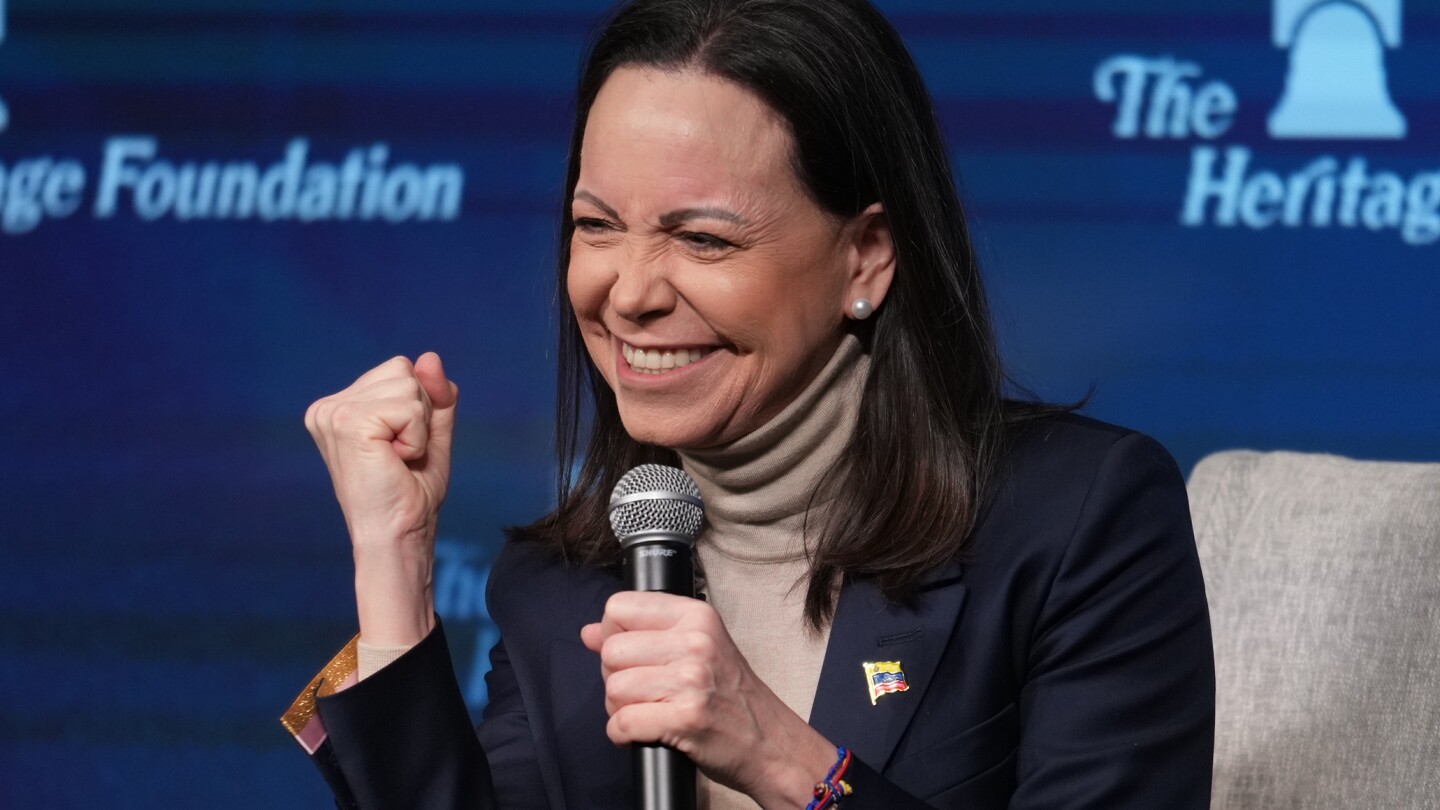
    WASHINGTON — Venezuelan opposition figure María Corina Machado expressed profound confidence in her nation’s democratic future following the U.S. military’s removal of former President Nicolás Maduro, though she notably avoided providing specific timelines for elections or her own return to Venezuela.

    Her carefully measured statements reveal the complex political reality emerging after President Trump’s endorsement of Maduro loyalist Delcy Rodríguez as interim leader. This development has effectively sidelined Machado, the Nobel Peace Prize recipient recognized for her democratic advocacy.

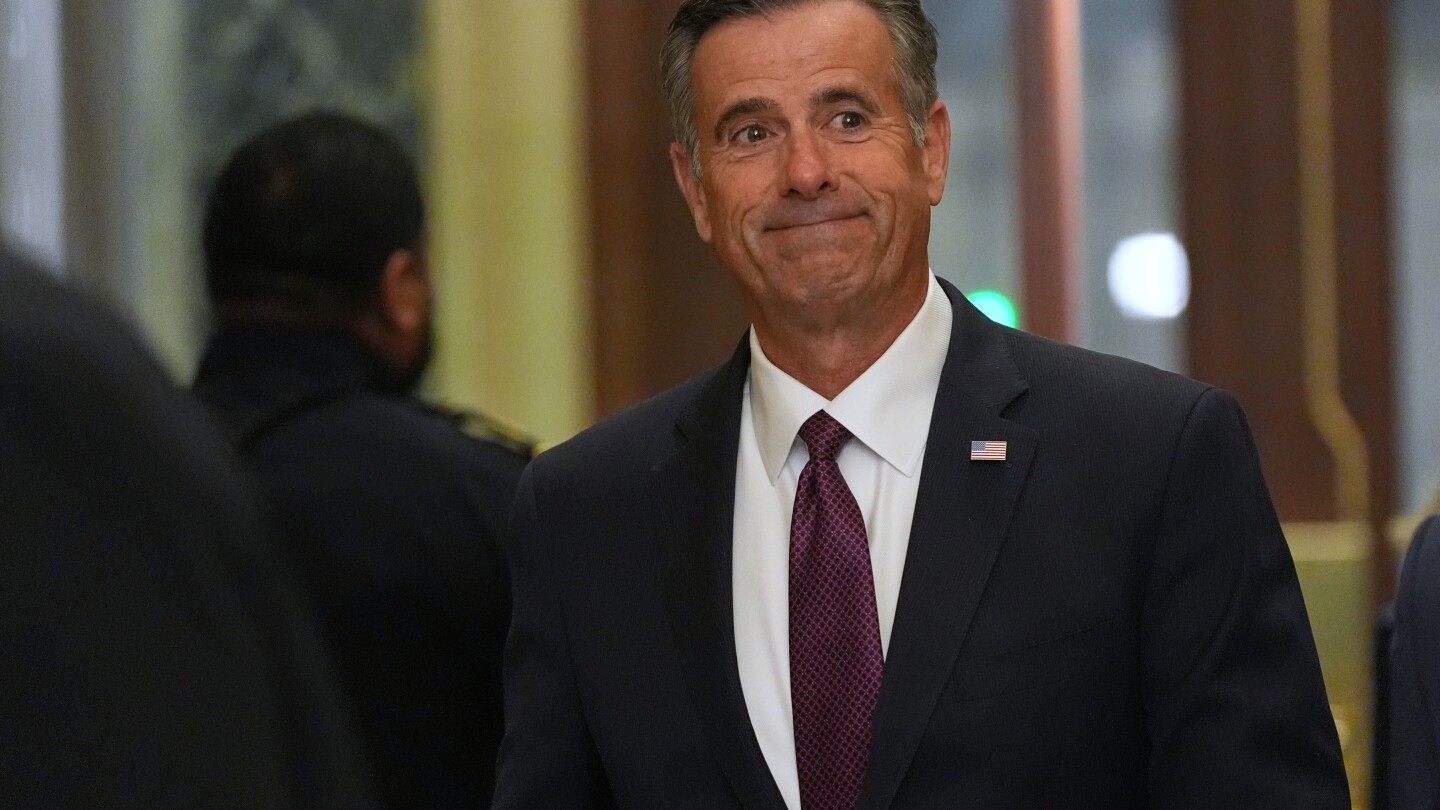
    In a strategic diplomatic gesture, Machado presented her Nobel medal to President Trump during White House talks, simultaneously as CIA Director John Ratcliffe conducted meetings with Acting President Rodríguez in Caracas. This coordinated activity signals the administration’s current preference for working with established government structures rather than opposition movements.

    Addressing attendees at the Heritage Foundation, Machado articulated her vision for Venezuela’s transformation from a socialist government historically antagonistic toward the U.S. into a potential strategic ally. She dismissed suggestions of tension between Rodríguez’s interim government and her opposition movement, instead emphasizing her movement’s popular mandate and documenting the previous administration’s human rights violations.

    Notably, Machado declined to elaborate on her discussions with Trump or specify policy recommendations for U.S. engagement, stating she felt no need to ‘urge the president on specific things.’ Her visit aimed to rebuild support for Venezuelan democracy that characterized Trump’s first term, though the Nobel Institute has clarified that the peace prize cannot be transferred or shared.

    Despite Machado’s diplomatic efforts, the administration continues viewing Rodríguez as the most capable leader to stabilize the nation. Current initiatives include plans for U.S. energy companies to rehabilitate Venezuela’s deteriorated oil infrastructure and potential reopening of the U.S. Embassy in Caracas, which Trump had shuttered during his previous administration.

    The political context remains complex: Machado, who mobilized millions during the 2024 election campaign, was ultimately barred from running. Though her substitute candidate was widely believed to have won, election authorities declared Maduro victorious. Following the disputed election, Machado entered hiding before resurfacing to accept her Nobel Prize in Norway—her first international travel in over a decade.

  • Yemen appoints new prime minister amid Saudi-UAE tensions

    Yemen appoints new prime minister amid Saudi-UAE tensions

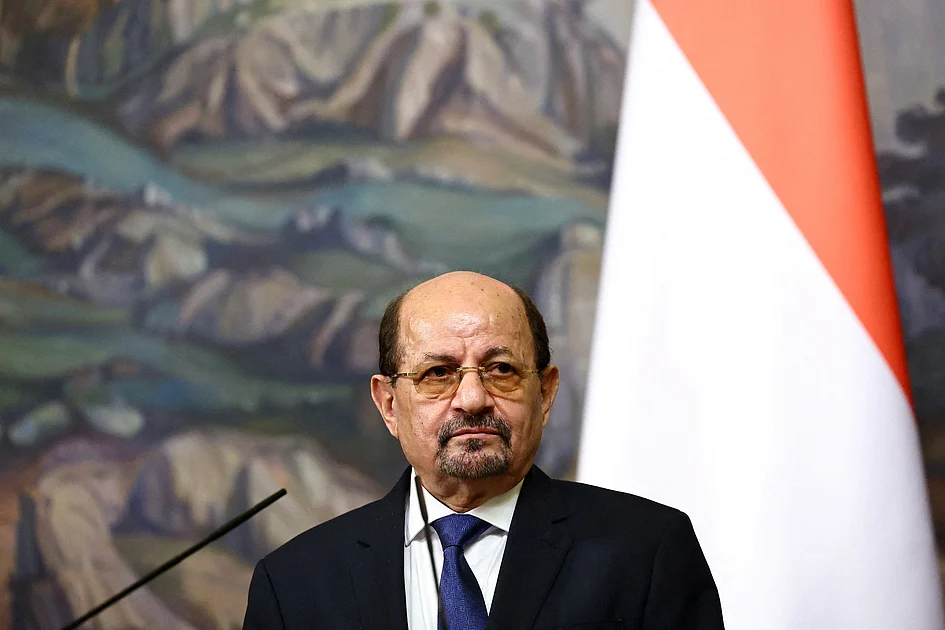
    In a significant political reshuffle, Yemen’s internationally recognized Presidential Leadership Council (PLC) has accepted the resignation of Prime Minister Salem bin Breik and appointed Foreign Minister Shaya Mohsen Zindani as his successor. The state news agency Saba announced the leadership transition on Thursday, marking a pivotal moment in Yemen’s ongoing governance challenges.

    The council approved Bin Breik’s formally submitted resignation before tasking Zindani with forming the next cabinet. According to official statements, the outgoing prime minister met with PLC chairman Rashad al-Alimi to present the government’s resignation, thereby facilitating the pathway for new executive formation. The current administration will maintain operational continuity—excluding personnel appointments and dismissals—until the new government is established.

    Official communications cited comprehensive institutional restoration, strengthened decision-making unity, and countering what they termed ‘the coup’ as primary motivations for the governmental change. This political reorganization follows recent military developments that saw PLC forces reclaim control over southern regions from separatist factions.

    The backdrop to this political transition involves intense regional tensions between Gulf powers Saudi Arabia and the United Arab Emirates. Last month, Southern Transitional Council (STC) separatists—reportedly backed by the UAE—seized extensive territories, infrastructure, and oil facilities from Saudi-supported tribal forces. Saudi Arabia responded with military strikes against STC positions and Emirati logistical support, accusing Abu Dhabi of facilitating the escape of STC leader Aidarous al-Zubaidi.

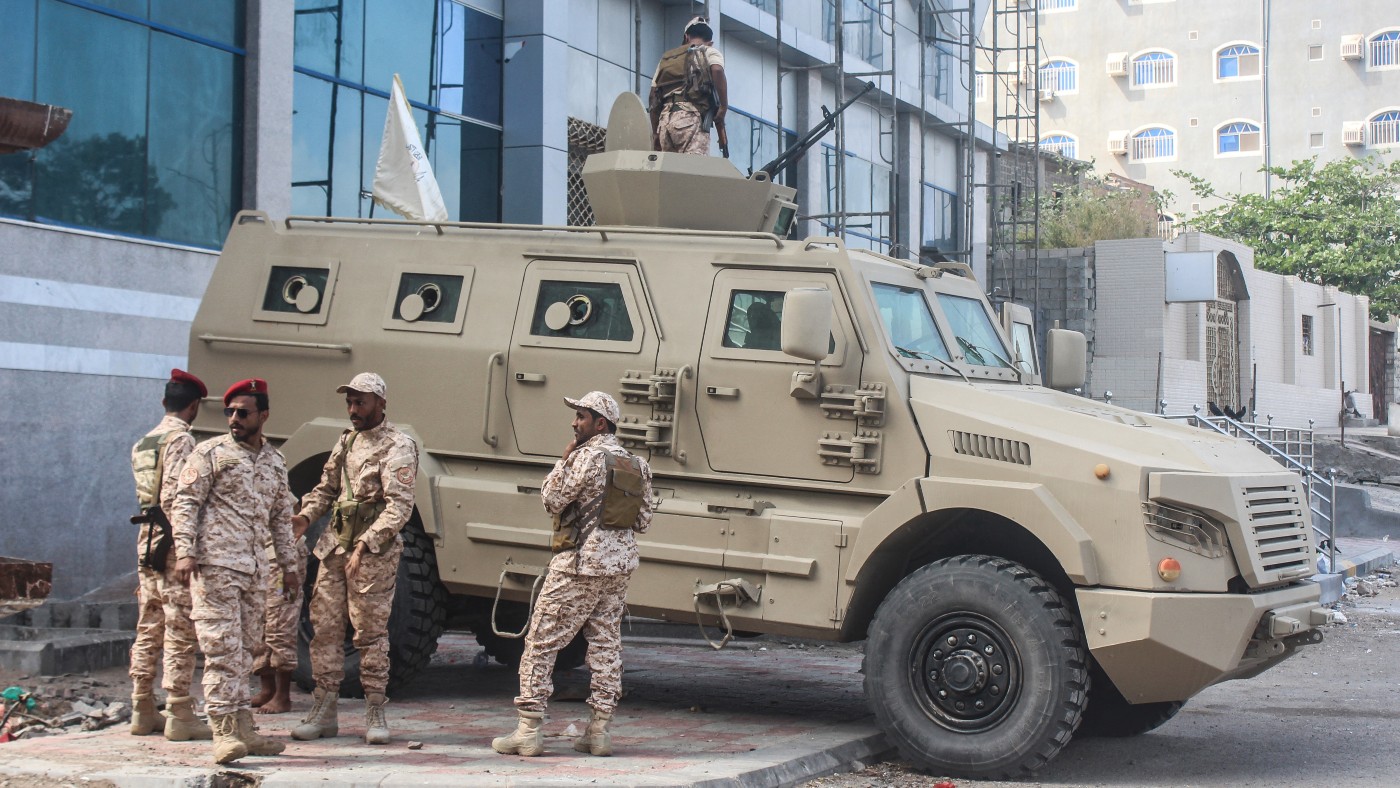
    By Monday, PLC forces had successfully regained full control of southern Yemen, including Aden—the city the separatists had envisioned as capital of a future independent state. Notably, many soldiers now patrolling Aden had previously been aligned with the STC before defecting to support the internationally recognized government.

  • CIA director meets Venezuela’s acting president in Caracas

    CIA director meets Venezuela’s acting president in Caracas

    In a significant diplomatic development, CIA Director John Ratcliffe conducted a high-level meeting with Venezuela’s Acting President Delcy Rodríguez in Caracas, marking the most senior Trump administration engagement since the extraordinary U.S. military operation that captured former leader Nicolás Maduro. The two-hour discussion on Thursday represented a strategic effort to reshape bilateral relations between the historically adversarial nations.

    The previously undisclosed meeting, confirmed by U.S. officials speaking on condition of anonymity, was personally directed by President Donald Trump as a demonstration of Washington’s willingness to forge improved ties with Venezuela’s current leadership. The diplomatic overture occurred concurrently with opposition figure María Corina Machado’s White House visit, where she presented her Nobel Peace Prize to Trump—an event that highlighted the administration’s complex balancing act with Venezuelan political factions.

    Ratcliffe’s delegation, which included a select team of American officials, focused discussions on potential economic cooperation frameworks and delivered a firm warning regarding Venezuela’s tolerance of U.S. adversaries. The CIA director emphasized that Caracas must prevent the resurgence of drug trafficking networks and other anti-American elements within its borders. This diplomatic mission builds upon the CIA’s instrumental role in providing intelligence support for Maduro’s capture and previous operations targeting cartel infrastructure.

    Meanwhile, Acting President Rodríguez used her inaugural state of the union address to advocate for liberalizing Venezuela’s state-controlled oil industry, seeking increased foreign investment following the Trump administration’s commitment to oversee the nation’s crude oil sales. This policy shift suggests potential alignment with U.S. economic interests despite previous tensions.

  • Myanmar military-backed party extends lead ahead of final election round

    Myanmar military-backed party extends lead ahead of final election round

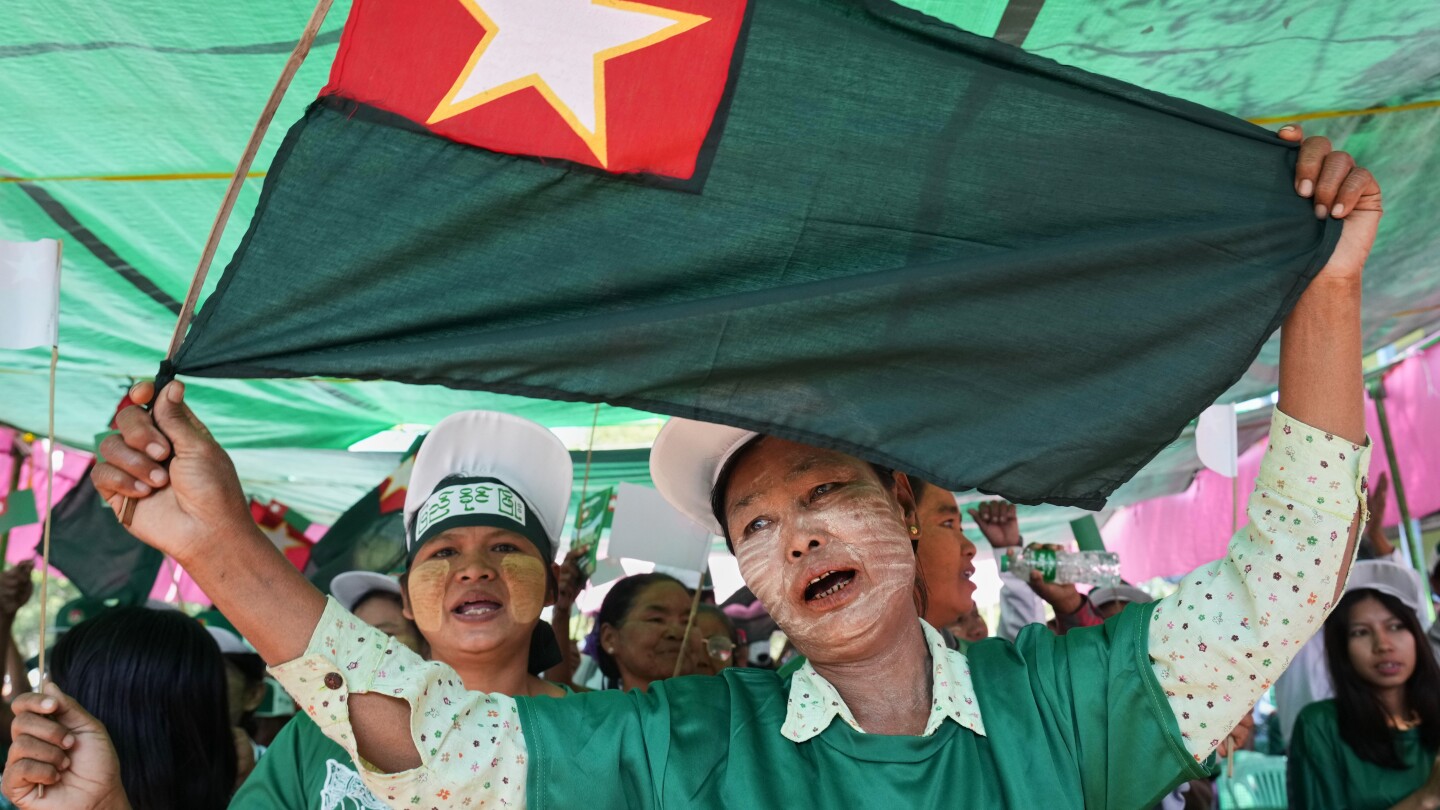
    BANGKOK (AP) — Myanmar’s military-aligned Union Solidarity and Development Party (USDP) has significantly advanced toward securing a parliamentary majority following the second phase of the country’s staggered general election, according to official data released Friday by the state election body.

    The latest figures, broadcast by state media MRTV, indicate the USDP captured 86 of 100 contested seats in the lower house during Sunday’s voting. Combined with previous results, this brings the party’s total to 182 seats—exceeding the required majority in the 330-member elected lower chamber—with one final voting round scheduled for January 25.

    The electoral process has faced intense criticism from human rights organizations and opposition groups who denounce it as neither free nor fair. They contend the military junta, which seized power from Aung San Suu Kyi’s democratically elected government in February 2021, is using the polls to legitimize its authority. The coup triggered widespread civil disobedience that has since escalated into full-scale civil war.

    Myanmar’s political structure consists of a bicameral legislature totaling 664 seats, with the military automatically allocated 25% of seats in both houses under the constitution. The party achieving a combined parliamentary majority holds the power to select the president, who subsequently appoints a cabinet and forms the new government.

    The election is being conducted in three phases due to ongoing armed conflicts across the country. The initial two rounds occurred on December 28 and January 11 across 202 of Myanmar’s 330 townships. The final phase will include additional townships, though 65 will remain excluded from voting due to security concerns and active combat.

    Military government spokesperson Maj. Gen. Zaw Min Tun confirmed Sunday that parliament will convene in March, with the new government assuming duties in April. Over 4,800 candidates from 57 political parties are competing for legislative positions at both national and regional levels.

    The electoral process has been marred by suppression of dissent under a new Election Protection Law that imposes severe penalties for public criticism of the polls. Authorities have recently charged more than 330 individuals for leafleting or online activities deemed critical of the election.

    Meanwhile, armed resistance groups have conducted attacks against polling stations and government buildings during both completed voting phases, according to military officials. Only six parties are contesting seats nationwide, with one—the People’s Pioneer Party—facing potential dissolution after its leadership encountered legal scrutiny for unauthorized meetings with foreign embassy representatives.

    Final results for all national and regional legislative seats are anticipated by late January.

  • China warns of ‘catastrophic disasters’ from unchecked Japanese militarist ambitions

    China warns of ‘catastrophic disasters’ from unchecked Japanese militarist ambitions

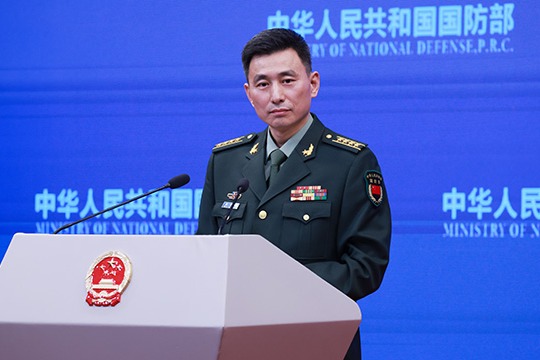
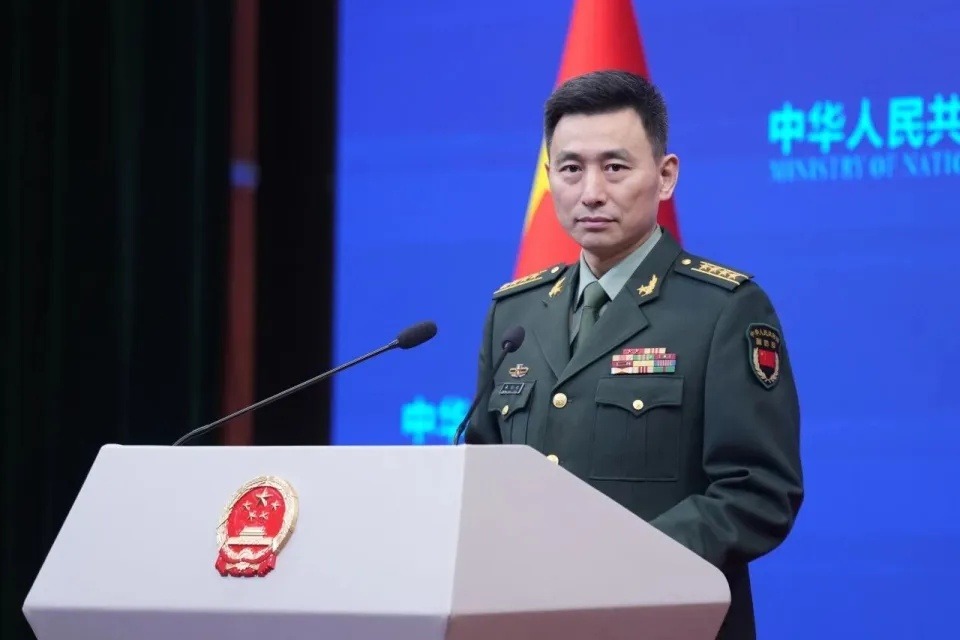
    Beijing has delivered a stern caution regarding Japan’s accelerating military expansion, characterizing it as a dangerous trajectory threatening regional stability. Chinese defense spokesperson Zhang Xiaogang articulated these concerns during a Friday press briefing, asserting that unchecked militarist ambitions would inflict “catastrophic disasters” upon the Japanese populace and constitute a severe threat to neighboring Asian nations.

    The remarks came in response to inquiries about internal Japanese political criticisms directed at Prime Minister Sanae Takaichi. Zhang noted that discerning observers within Japan are increasingly recognizing the perils associated with their government’s contentious policies.

    According to the defense official, Japan’s right-wing conservative factions have demonstrated escalating assertiveness in recent years, aggressively pursuing military enhancement and national remilitarization. This strategic shift, China contends, represents a hazardous deviation from post-war pacifist principles.

    Zhang reaffirmed China’s commitment to collaborative international efforts aimed at countering militarist resurgence. The nation stands prepared to partner with peace-oriented countries to preserve the historical achievements of World War II’s Allied victory and ensure continued regional and global security. This multilateral approach, Beijing maintains, serves as a critical bulwark against destabilizing nationalist agendas in East Asia.

  • Chinese vice-premier to attend World Economic Forum Annual Meeting, visit Switzerland

    Chinese vice-premier to attend World Economic Forum Annual Meeting, visit Switzerland

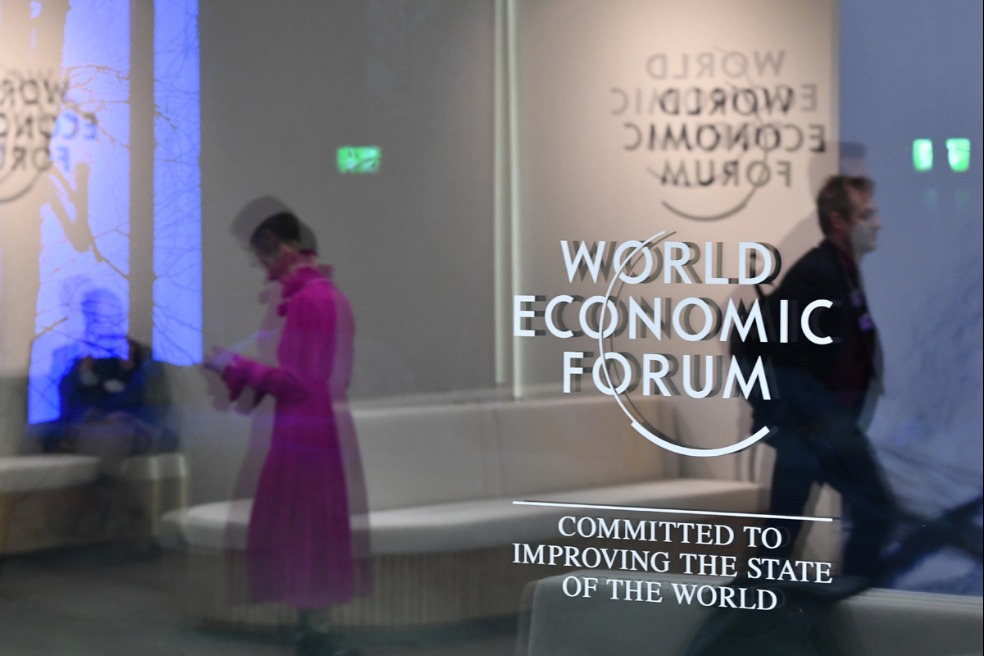
    BEIJING – China’s Vice-Premier He Lifeng will represent the nation at the prestigious World Economic Forum Annual Meeting 2026 in Davos, Switzerland, followed by an official state visit to the Swiss Confederation from January 19-22. The diplomatic mission was formally announced on Friday by China’s Ministry of Foreign Affairs.

    Vice-Premier He, who simultaneously serves on the Political Bureau of the Communist Party of China Central Committee, is undertaking the visit following joint invitations extended by both the World Economic Forum organization and the Swiss federal government. The high-level participation underscores China’s continued engagement with global economic governance platforms and its commitment to multilateral dialogue.

    The Davos gathering, scheduled for January 20-23, will convene world leaders, corporate executives, and influential thinkers to address critical global challenges under the theme ‘Collaborative Innovation in a Fragmented World.’ Vice-Premier He’s attendance marks China’s continued high-level participation in the forum following the country’s post-pandemic reopening and economic recalibration.

    His Swiss itinerary is expected to include bilateral meetings with Swiss government officials and business leaders, potentially covering topics ranging from financial cooperation to technological innovation. Switzerland was among the first European nations to establish diplomatic relations with China and remains a significant economic partner within continental Europe.

    The vice-premier’s delegation is anticipated to present China’s economic outlook and policy directions while engaging in discussions about global economic stability, climate finance, and artificial intelligence governance. This diplomatic mission occurs amid evolving global economic dynamics and China’s ongoing efforts to strengthen international partnerships despite geopolitical tensions.

  • All options against Taiwan separatists remain on the table, ministry says

    All options against Taiwan separatists remain on the table, ministry says

    China’s Ministry of National Defense has emphatically reaffirmed its position regarding Taiwan, declaring that all necessary measures remain available to address separatist activities. The statement came during a Friday press briefing where ministry spokesman Zhang Xiaogang addressed international media speculation about potential Chinese actions toward Taiwan.

    Zhang specifically countered recent comparisons between China’s Taiwan policy and the United States’ approach toward Venezuela, dismissing such analogies as fundamentally flawed. He emphasized that the Taiwan question represents an exclusively internal matter for China, not subject to external interference or comparison with other nations’ foreign policies.

    ‘The Taiwan question is purely China’s internal affair. How to resolve it is a matter for the Chinese people, which brooks no interference from external forces,’ Zhang stated unequivocally during the digital press conference.

    The defense spokesman employed vivid terminology to characterize potential actions against separatist forces, suggesting that dealing with ‘Taiwan independence’ armed elements would be comparable to ‘catching turtles in a jar’ – indicating the certainty of success should such measures become necessary.

    This latest statement reinforces China’s consistent position that maintains all options, including punitive measures, remain available to preserve national sovereignty and territorial integrity. The ministry’s comments come amid ongoing discussions in international media about cross-strait relations and China’s policy approaches.

  • Iran protest movement subsides in face of ‘brutal’ crackdown

    Iran protest movement subsides in face of ‘brutal’ crackdown

    Iran’s most significant protest movement in years has been forcibly subdued following a severe government crackdown characterized by internet blackouts and lethal force, according to international monitors. The demonstrations, which originated from economic discontent in late December, rapidly evolved into a widespread challenge against the nation’s theocratic establishment.

    The Institute for the Study of War confirmed that the regime’s ‘brutal’ repression tactics have temporarily quelled public dissent. However, analysts note that the extensive mobilization of security forces represents an unsustainable strategy that may lead to renewed protests in the future.

    Human rights organizations report alarming casualty figures, with Iran Human Rights documenting 3,428 verified deaths while acknowledging the actual toll could reach 20,000 due to verification challenges during the internet shutdown that has exceeded 180 hours. Opposition channels outside Iran have cited even higher estimates from government sources.

    Reza Pahlavi, son of Iran’s late Shah, declared during a Washington press conference that the Islamic Republic’s fall is inevitable, stating: ‘I will return to Iran.’ Meanwhile, international responses have varied, with the U.S. implementing new sanctions targeting Iranian officials while apparently stepping back from immediate military action following diplomatic efforts by Middle Eastern nations.

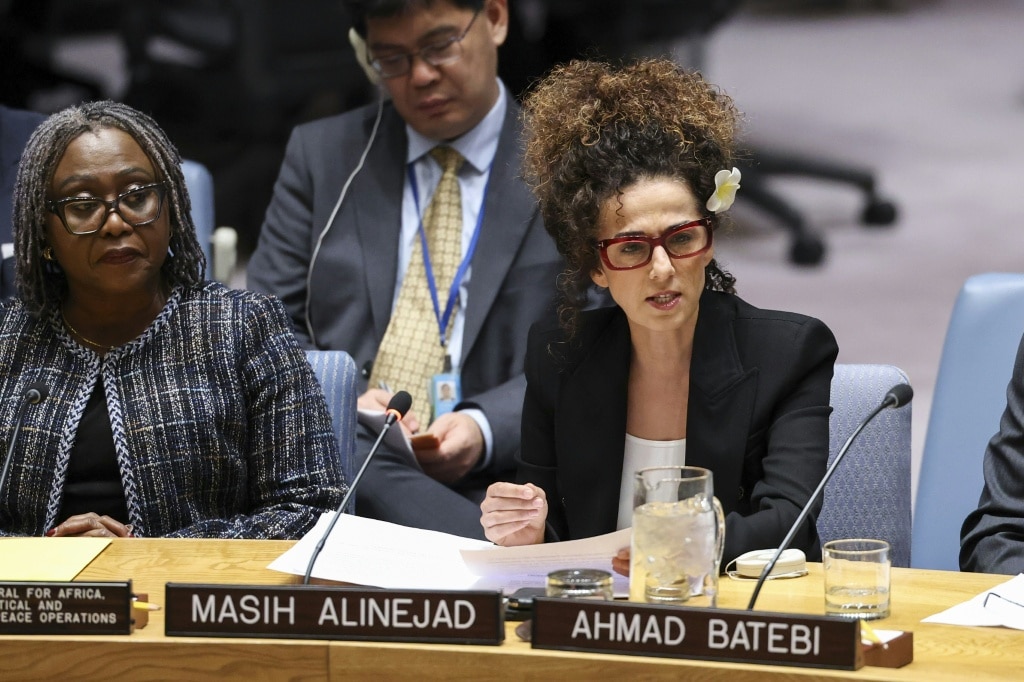
    The United Nations Security Council addressed the situation, where Iranian-American journalist Masih Alinejad testified about nationwide unity against the clerical system, while Iranian representatives accused Washington of exploiting protests for geopolitical purposes. Russian President Vladimir Putin engaged in telephone diplomacy with Iranian leadership, seeking de-escalation measures amid the ongoing crisis.

  • Yemen’s prime minister quits, replaced by foreign minister

    Yemen’s prime minister quits, replaced by foreign minister

    Yemen’s political landscape has undergone a significant transformation following the resignation of Prime Minister Salem bin Breik and the subsequent appointment of Foreign Minister Shaya Mohsen Zindani as his successor. The presidential leadership council formally accepted Bin Breik’s resignation, citing strategic efforts to restore state institutions and reinforce unified sovereign decision-making as primary motivations behind the leadership change.

    According to the official statement released by Yemen’s state news agency Saba, the transition occurred on Thursday with the presidential council approving Zindani’s nomination to form a new cabinet. The outgoing government will maintain administrative operations, excluding personnel appointments and dismissals, until the new administration is fully established.

    This political reorganization unfolds against a backdrop of heightened regional tensions and factional struggles for territorial control. In December, the Southern Transitional Council (STC), a prominent separatist movement, successfully ousted the internationally recognized government from its Aden headquarters, asserting dominance across southern regions.

    Despite these internal challenges, substantial de-escalation and development initiatives are progressing. Saudi Arabia has committed to injecting over $500 million into Yemen’s development projects, as announced by the Kingdom’s defense minister in January. Concurrently, the United Arab Emirates has urged the international community to intensify diplomatic efforts toward achieving sustainable peace and stability in Yemen and the broader region, as articulated by Ambassador Mohamed Abushahab during a recent UN Security Council meeting.