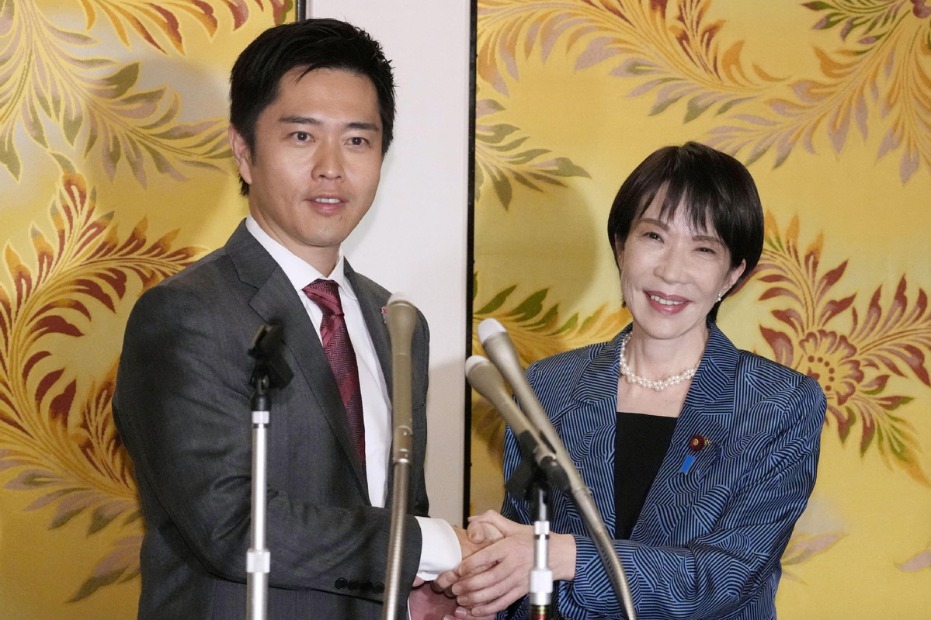
In a landmark political development, Japan’s ruling Liberal Democratic Party (LDP) and the Japan Innovation Party have officially entered into a coalition agreement. The pact, signed by LDP leader Sanae Takaichi and Japan Innovation Party chief Hirofumi Yoshimura, was formalized during a joint press conference at the National Diet Building in Tokyo on October 20, 2025. This strategic alliance is expected to bolster Takaichi’s prospects in the imminent prime ministerial designation vote, positioning her to potentially become Japan’s first female prime minister. The coalition agreement encompasses a comprehensive policy agenda, emphasizing swift economic relief measures, constitutional amendments, and structural reforms. The decision to unite comes amid challenging domestic and international circumstances, with both parties committing to bridge ideological divides and foster a stable government to rejuvenate Japan. The collaboration will extend to the prime ministerial vote during the extraordinary Diet session scheduled for the following day. This political realignment follows the recent dissolution of the long-standing coalition between the LDP and Komeito, prompted by the latter’s dissatisfaction with the LDP’s handling of a high-profile political funds scandal. The move underscores the evolving dynamics within Japan’s political landscape as parties seek to navigate pressing national issues and restore public confidence.
分类: politics
-
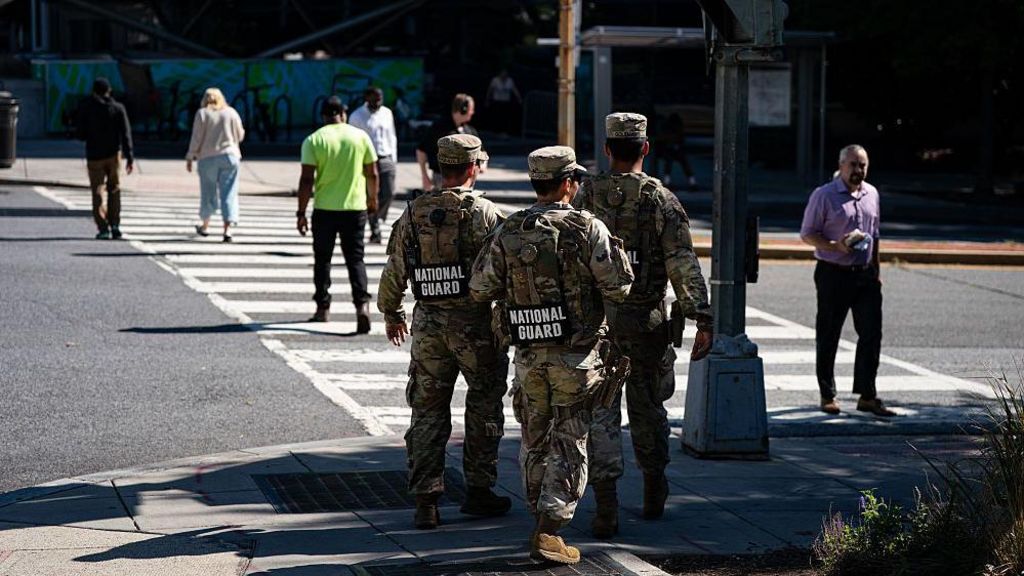
Appeals court allows Trump to deploy National Guard to Portland
A federal appeals court has overturned a lower court’s decision, permitting President Donald Trump to deploy National Guard troops to Portland, Oregon. The ruling, issued by the San Francisco-based Ninth Circuit Court of Appeals, allows approximately 200 troops to be stationed to safeguard federal buildings. This decision comes despite strong opposition from local and state officials, who argue that such intervention is unnecessary. The court’s majority found Trump’s 60-day deployment plan to be a ‘measured response’ to ongoing protests outside an Immigration and Customs Enforcement (ICE) facility in Portland’s South Waterfront district. The protests, which have persisted for months, have occasionally turned violent. The Justice Department had sought the deployment, asserting that local authorities have failed to address the unrest adequately. Earlier this month, US District Court Judge Karen Immergut had issued a temporary restraining order to block the deployment of the Oregon National Guard. Hours later, she also halted Trump’s attempt to deploy Texas National Guard units. The White House welcomed the appeals court’s decision, stating it reaffirms the president’s lawful authority to protect federal assets and personnel. However, Oregon Attorney General Dan Rayfield criticized the ruling, warning it grants the president ‘unilateral power’ to deploy troops with minimal justification. He urged the Ninth Circuit judges to reconsider and overturn the decision before the deployment proceeds.
-
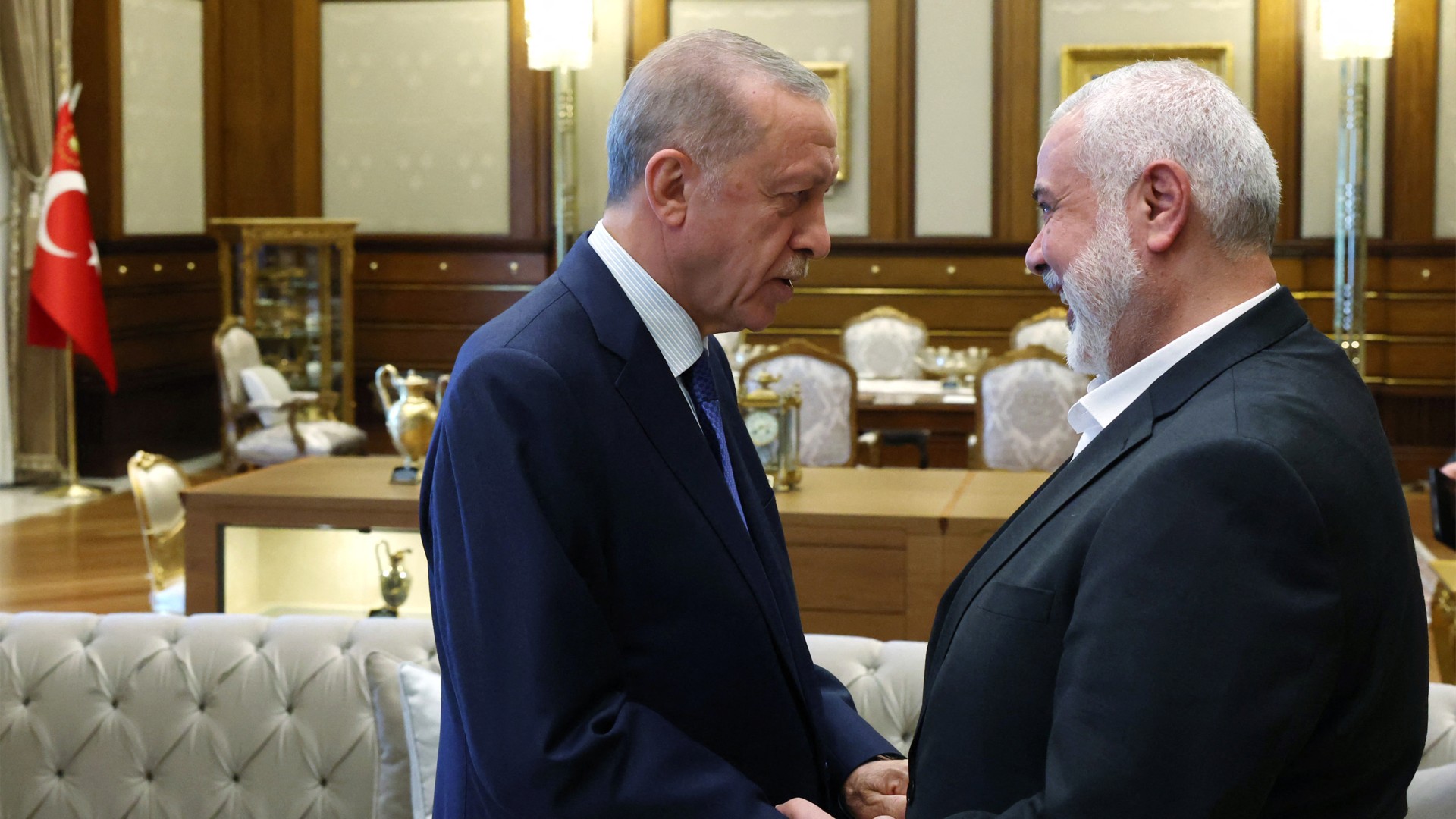
Exclusive: Israel allows Haniyeh family members to leave Gaza after Turkish request
In a significant diplomatic move, Israel permitted the departure of at least 66 Palestinians and Turkish citizens from the Gaza Strip earlier this month, following a formal request from Turkey. Among the group were 16 members of the family of the late Hamas leader Ismail Haniyeh, who was assassinated by Israel in July 2024. The arrangement, facilitated through bilateral negotiations, included 14 Turkish citizens and 40 close relatives of Turkish nationals, such as spouses, children, and parents. This decision aligns with the Gaza ceasefire agreement brokered in early October, where Turkey played a pivotal mediating role by engaging Hamas in negotiations. Notably, five of the Haniyeh family members were related to Turkish citizens, underscoring Turkey’s longstanding ties with Hamas leadership. Despite not hosting an official Hamas office, Turkey has been a frequent destination for the group’s leaders, who often travel between Qatar, Egypt, Lebanon, and Turkey. Israel’s decision to allow Haniyeh’s family to leave is particularly striking, given its military’s April 2024 airstrike that killed three of his sons and four grandchildren in Gaza. Analysts suggest this move reflects Israel’s broader strategy to ease tensions with Turkey, responding positively to Ankara’s diplomatic overtures. Since the ceasefire, Israeli media has adopted a more conciliatory tone toward Turkey, with prominent figures like Turkish intelligence chief İbrahim Kalin being praised for his empathy and efforts to rebuild ties. Israeli journalist Ben Caspit highlighted Israel’s forward-looking approach, while Uriel Lynn, president of the Federation of Israeli Chambers of Commerce, emphasized the importance of restoring relations with Turkey for regional stability and economic growth. Lynn noted the historical strength of trade, economic, and tourism ties between the two nations, advocating for a pragmatic foreign policy guided by prudence rather than political posturing.
-
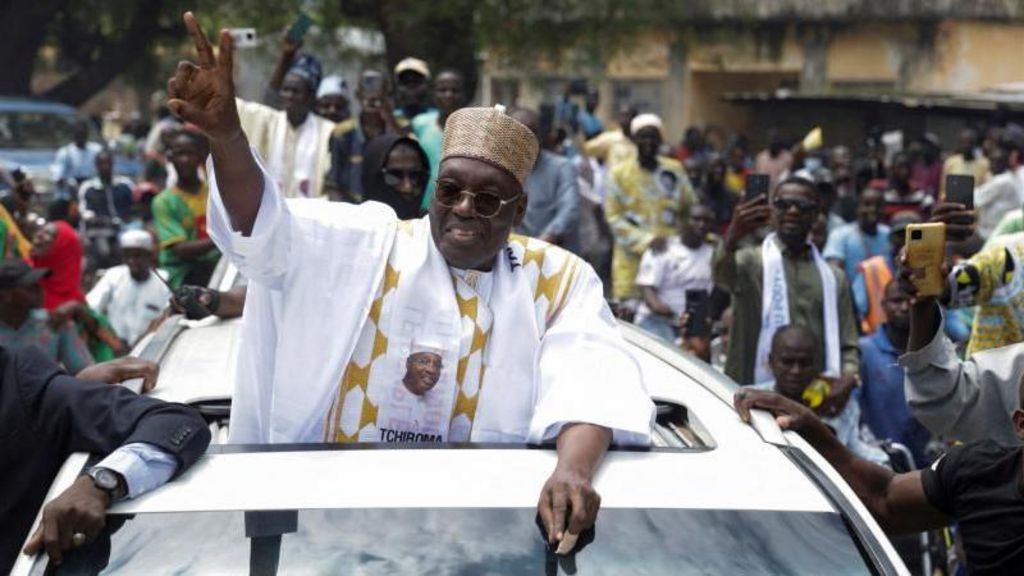
Cameroon’s bishops call for calm after opposition declares election victory
Cameroon is on edge as opposition leader Issa Tchiroma Bakary has boldly declared himself the winner of the 12 October presidential election, challenging the long-standing rule of 92-year-old President Paul Biya. Bakary, a former government spokesman, claims to have defeated Biya, who is seeking to extend his 43-year tenure by another seven years. His self-proclaimed victory has been met with sharp criticism from the government and Biya’s ruling party, with officials labeling it as illegal. The Constitutional Council, responsible for announcing the final results, has until 27 October to declare the official winner. Bakary’s defiance has sparked fears of potential violence in the central African nation, as tensions rise over the legitimacy of the election outcome. The influential Catholic Church in Cameroon has called for calm, urging authorities to ensure the results reflect the true will of the electorate. In a statement, the National Episcopal Conference of Cameroon (NECC) emphasized the importance of peace and stability, echoing widespread concerns about potential electoral manipulation. The Church, regarded as a moral authority in the country, has been vocal in its criticism of Biya’s governance. Earlier this year, Bishop Yaouda Hourgo of Yagoua Diocese expressed strong opposition to Biya’s re-election, stating that even the ‘devil’ would be preferable to another term under the incumbent president. As protests over alleged fraud continue, the Constitutional Council has announced it will begin hearing complaints, with its verdict set to determine the nation’s next leader. Amid the uncertainty, the Catholic Bishops have reminded the judges of their duty to uphold the truth, quoting, ‘The truth shall set you free.’ The outcome of this election will not only shape Cameroon’s future but also test the resilience of its democratic institutions.
-
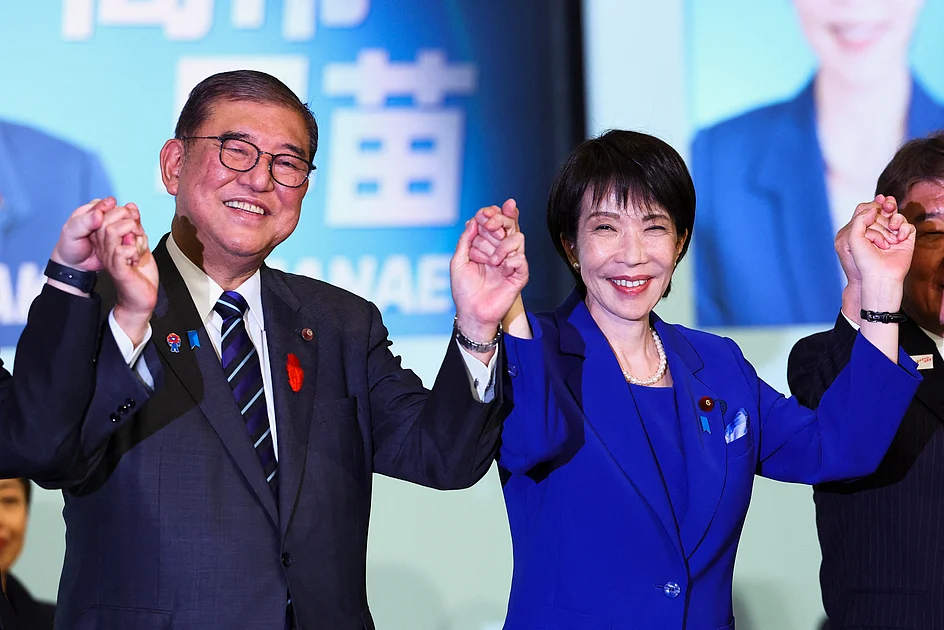
Japan set for new coalition and first woman premier
Japan is on the brink of a historic political transformation as Sanae Takaichi, a prominent figure from the ruling Liberal Democratic Party (LDP), moves closer to becoming the nation’s first female prime minister. This milestone follows the LDP’s decision to form a coalition with the Japan Innovation Party (JIP), announced just hours before the lower house vote on Takaichi’s appointment. Despite the coalition still lacking two seats for a majority, Takaichi is expected to secure the premiership in a second-round run-off vote, where she only needs to outpace her competitor. Takaichi, a 64-year-old China hawk and traditionalist, recently won the LDP leadership but faced setbacks after the collapse of the party’s long-standing alliance with Komeito. The latter cited concerns over Takaichi’s hardline stance on China and her visits to the controversial Yasukuni Shrine, which honors war criminals. The new coalition has already sparked optimism in financial markets, with the Nikkei 225 index surging over three percent to a record high. Analysts attribute this to expectations of Takaichi’s proactive fiscal policies, reminiscent of the ‘Abenomics’ approach championed by her mentor, former Prime Minister Shinzo Abe. However, Takaichi’s administration will face significant challenges, including navigating U.S. President Donald Trump’s upcoming visit, addressing Japan’s demographic crisis, and revitalizing its stagnant economy. Additionally, the coalition will need to collaborate with other parties to pass legislation, as it lacks a majority in both parliamentary houses. The JIP has proposed policies such as eliminating the consumption tax on food and reducing the number of lawmakers, signaling a potential shift in Japan’s political landscape.
-
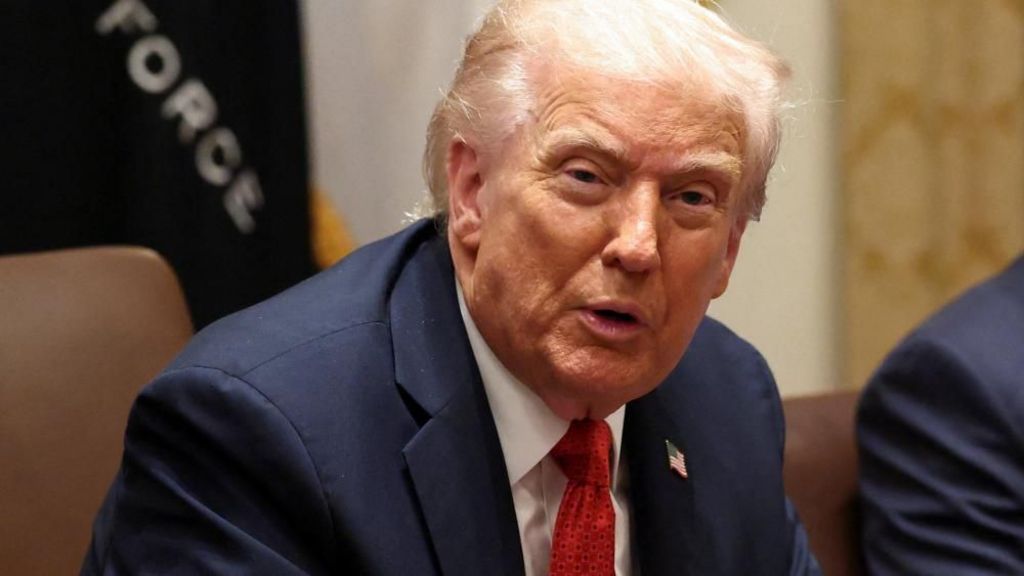
Trump to Australian ambassador: ‘I don’t like you either’
A notable diplomatic exchange between former U.S. President Donald Trump and Australia’s ambassador has come to light, highlighting strained relations during Trump’s tenure. In 2020, Kevin Rudd, former Australian Prime Minister and then-ambassador, publicly criticized Trump on social media, labeling him as the ‘most destructive’ president in U.S. history. This remark reportedly prompted a sharp retort from Trump, who allegedly responded with, ‘I don’t like you either.’ The incident underscores the often contentious nature of Trump’s interactions with foreign leaders and diplomats, reflecting broader challenges in U.S.-Australia relations during his administration. While such exchanges were not uncommon for Trump, this particular instance sheds light on the personal and political tensions that characterized his approach to international diplomacy.
-
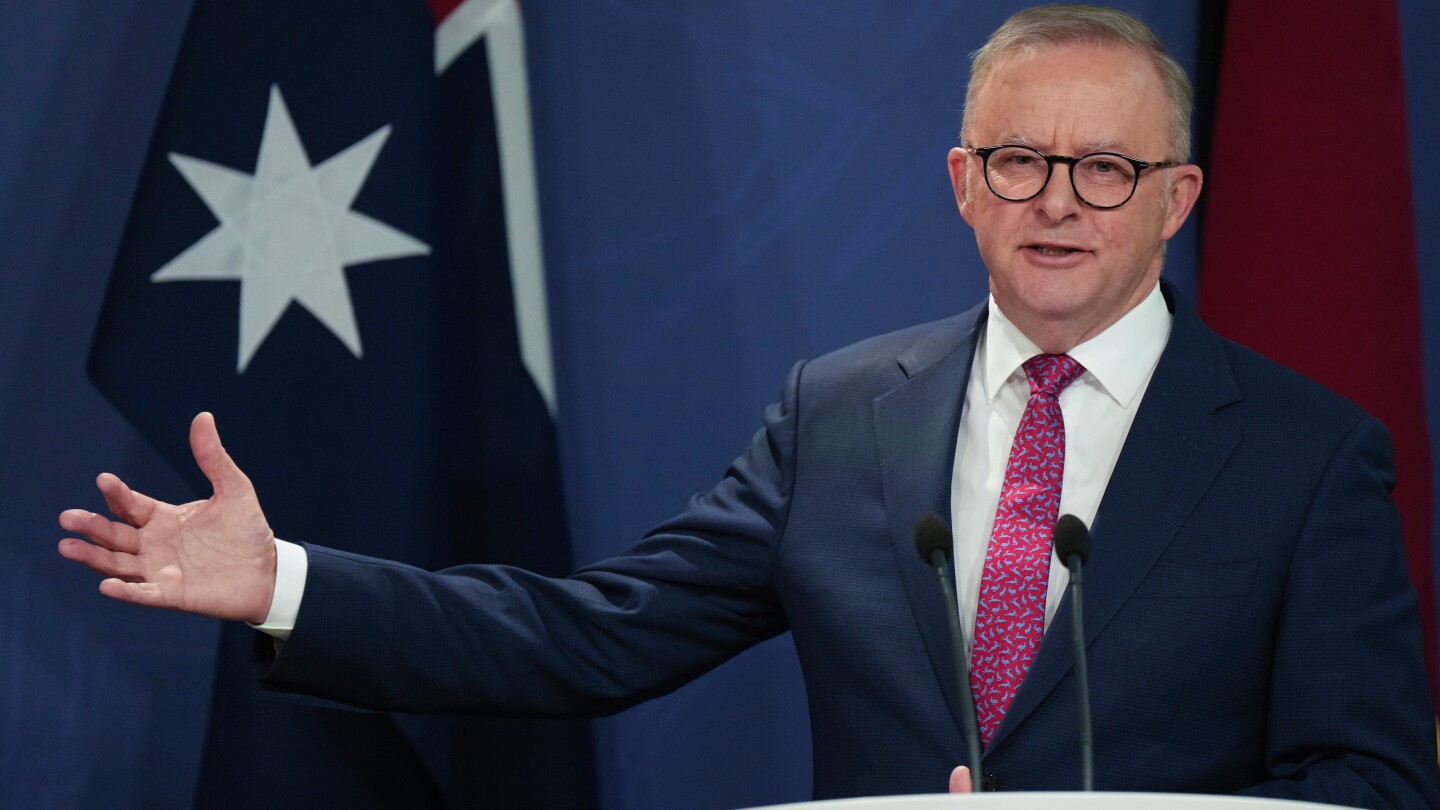
US and Australia sign critical-minerals agreement as a way to counter China
In a significant move to reduce reliance on China’s rare-earth resources, President Donald Trump and Australian Prime Minister Anthony Albanese signed an $8.5 billion critical-minerals agreement at the White House on Monday. The deal, negotiated over several months, aims to bolster the supply of rare-earth materials essential for advanced technologies, from fighter jets to electric vehicles. Trump confidently predicted that within a year, the U.S. would have an abundance of these resources, while Albanese emphasized that the agreement elevates the U.S.-Australia relationship to a new level. The partnership comes as China tightens export controls on rare-earth materials, a move the Trump administration views as an attempt to dominate the global tech supply chain. Kevin Hassett, director of the White House’s National Economic Council, praised Australia’s mining economy and its role in mitigating global economic risks posed by China’s rare-earth monopoly. The agreement includes plans for $3 billion in joint investments within six months, signaling the urgency of the initiative. However, experts caution that while Australia’s resources are valuable, the U.S. must also invest in mining and processing projects in other regions, such as Central Asia, to fully counter China’s decades-long head start. The deal underscores the broader geopolitical strategy of leveraging alliances to counter China’s influence, with discussions also touching on the AUKUS security pact. Albanese’s visit precedes Trump’s upcoming meeting with Chinese President Xi Jinping, highlighting the high-stakes nature of these negotiations.
-
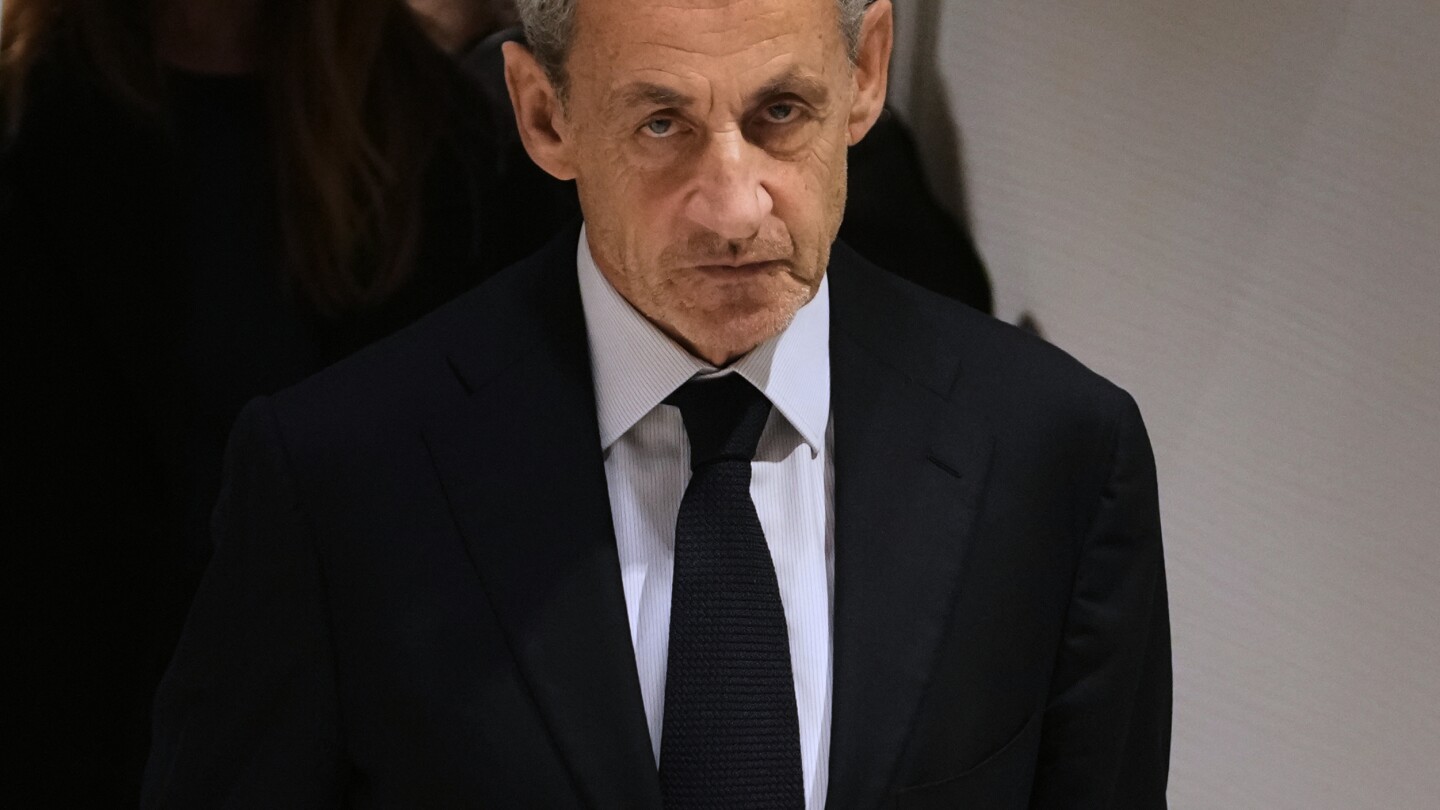
France’s former president Sarkozy will begin serving a 5-year prison sentence Tuesday
In a historic turn of events, Nicolas Sarkozy, the former French president, is set to become the first ex-head of state in living memory to serve a prison sentence. On Tuesday, Sarkozy is expected to begin a five-year term at Paris’ La Santé prison, a facility renowned for housing high-profile inmates since the 19th century. The sentence stems from his 2021 conviction for criminal conspiracy related to the illegal financing of his 2007 presidential campaign using Libyan funds. Despite maintaining his innocence, Sarkozy will be admitted to the prison, where he may face solitary confinement or be placed in the “vulnerable” section, colloquially known as the VIP wing. La Santé, inaugurated in 1867, has undergone significant renovations in recent years, but its conditions remain stark. Former inmates describe the initial shock of incarceration, with cells measuring just 9 square meters and equipped with basic amenities. Sarkozy, who has vowed to “hold his head high,” is permitted to bring three books, including Alexandre Dumas’ “The Count of Monte Cristo,” and 10 family photos. His son, Louis, has called for a rally in support of his father, while Sarkozy’s wife, Carla Bruni-Sarkozy, has shared heartfelt messages on social media. The Paris court’s decision to enforce the sentence before his appeal is heard underscores the gravity of the case. Sarkozy’s imprisonment marks a dramatic fall from grace for the once-powerful leader, raising questions about accountability and justice in France’s political landscape.
-
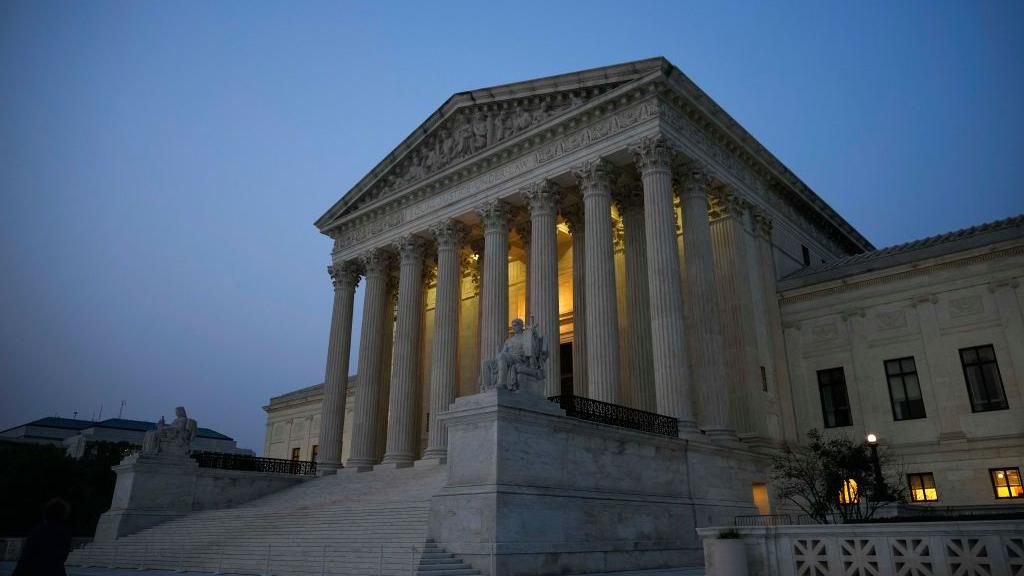
Supreme Court to consider law barring illegal drug users from owning guns
The US Supreme Court is set to deliberate on whether a federal law prohibiting habitual illegal drug users from possessing firearms violates the Constitution. This case, prompted by the Trump administration, follows a lower federal court in Texas ruling in favor of Ali Hemani, an alleged regular marijuana user charged under the statute. Hemani’s attorneys successfully argued that the law infringed on his Second Amendment rights, leading to the charge being dismissed. The government, however, contends that the law is essential to prevent individuals who pose ‘unique dangers to society’ from owning guns. Solicitor General John Sauer emphasized the heightened risk of armed, impaired encounters with law enforcement. The government asserts that the restriction is narrowly tailored and does not unjustly infringe on Second Amendment rights, as individuals can regain gun access if they cease illegal drug use. Hemani, however, argues that the law is overly broad and could unfairly affect marijuana users, especially in states where cannabis is legal or decriminalized. This case follows the high-profile prosecution of Hunter Biden, son of former President Joe Biden, who was convicted under the same law in 2024 but later pardoned. The Supreme Court’s conservative majority has historically supported gun rights, though exceptions exist, such as its 2024 decision upholding a ban on firearms for individuals with domestic violence restraining orders. The outcome of this case could significantly impact the intersection of gun rights and drug policy in the United States.
-
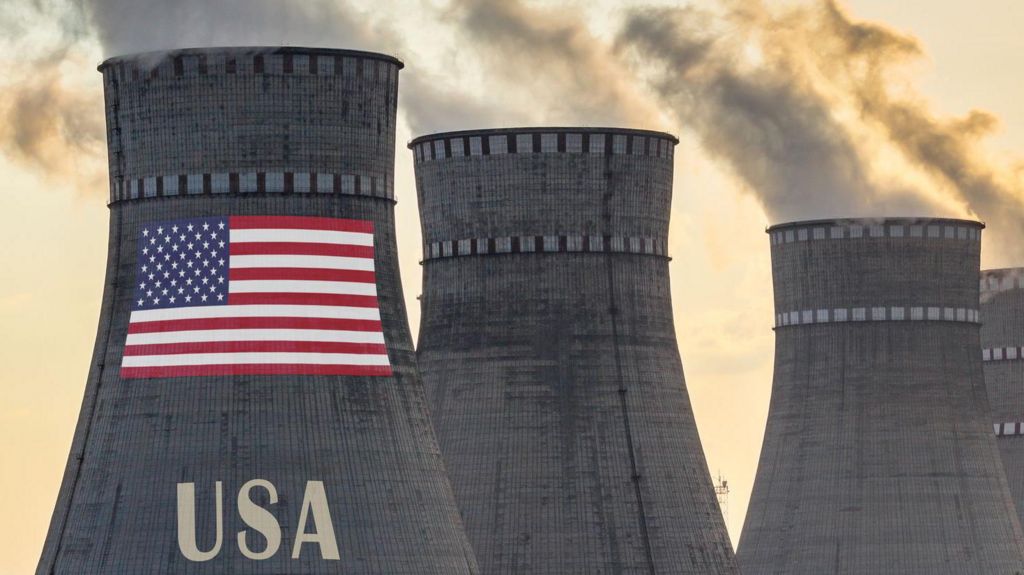
US nuclear stockpile agency to layoff hundreds as shutdown continues
The National Nuclear Security Administration (NNSA), a semi-autonomous agency under the US Department of Energy, has announced the temporary layoff of approximately 1,400 employees as the federal government shutdown enters its 20th day. This marks the first time in the agency’s history, since its establishment in 2000, that such measures have been taken. Officials revealed that fewer than 400 employees will remain operational post-furlough. The NNSA plays a critical role in safeguarding the US nuclear stockpile and preventing the global proliferation of nuclear weapons. Spokesperson Ben Dietderich stated, ‘We are left with no choice this time. We’ve extended funding as long as we could.’ The Office of Secure Transportation, responsible for transporting nuclear weapons, has secured funding until October 27. Energy Secretary Chris Wright, who is set to address the issue at a news conference in Nevada, assured that the nuclear stockpile remains secure, though modernization efforts will be hindered. Meanwhile, the US Senate is poised to vote on a funding bill, which has already failed 10 times. Senate Majority Leader John Thune plans to introduce legislation to pay federal employees and military personnel working without pay. The shutdown, stemming from a deadlock between Republicans and Democrats over healthcare funding and budget negotiations, has left 1.4 million federal employees either furloughed or working without pay.