
In a landmark judicial decision that has sent shockwaves through France, former President Nicolas Sarkozy has been sentenced to serve time in prison. This unprecedented event marks a significant moment in French political history, as Sarkozy becomes the first former head of state in modern France to face incarceration. According to the BBC’s Paris Correspondent Hugh Scofield, Sarkozy will be housed in a modest cell, underscoring the gravity of the situation. The verdict stems from a long-standing legal battle involving charges of corruption and influence peddling, which Sarkozy has consistently denied. This development not only tarnishes the legacy of a once-influential leader but also raises questions about the integrity of political figures in France. The case has drawn widespread attention, both domestically and internationally, as it highlights the judiciary’s increasing willingness to hold high-ranking officials accountable. Sarkozy’s imprisonment is seen as a pivotal moment in the fight against political corruption, signaling a new era of transparency and accountability in French governance.
分类: politics
-

Slovak PM Fico’s attacker sentenced to 21 years in prison
In a landmark ruling, Juraj Cintula, the 72-year-old pensioner who shot and severely injured Slovakian Prime Minister Robert Fico in May 2024, has been sentenced to 21 years in prison on terrorism charges. The attack occurred during Fico’s visit to Handlova, a town approximately 180 kilometers from Bratislava. Cintula fired five shots at close range, targeting the prime minister as he extended his hand in what he believed was a friendly gesture. Footage from the scene captured the chilling moment when Cintula raised his weapon and fired before being swiftly subdued by Fico’s security team. Fico sustained life-threatening abdominal injuries and was airlifted to a nearby hospital for emergency surgery. In court, Cintula denied intent to kill, claiming he aimed away from vital organs to merely injure Fico and halt policies he deemed detrimental to Slovakia. Despite his defense, Judge Igor Kralik emphasized that the attack was a direct assault on the prime minister, not an ordinary citizen. Cintula’s lawyer sought to downgrade the charge to attacking a public official, which carries a lesser penalty, but the request was denied. The defense has indicated plans to appeal the verdict. The incident has further polarized Slovakia’s political landscape, with Fico accusing the opposition of inciting hatred, even as his own rhetoric remains deeply divisive.
-

Belize agrees to host migrants seeking asylum in US
Belize, a small Central American nation, has entered into a landmark agreement with the United States to serve as a ‘safe third country’ for migrants seeking asylum in the US. The deal, which awaits approval from the Belize Senate, would allow migrants deported from the US to apply for asylum in Belize rather than returning to their countries of origin. Prime Minister John Antonio Briceño described the arrangement as akin to a ‘job program,’ emphasizing that qualified individuals could contribute meaningfully to Belize’s economy. The US State Department hailed the agreement as a critical step in curbing illegal immigration and addressing abuses of the asylum system. However, the deal has drawn sharp criticism from human rights organizations, which warn that migrants could face harm in third countries. Belize’s Foreign Ministry assured that the agreement includes stringent security measures to safeguard national sovereignty and allows Belize full discretion in approving or rejecting transfers. Opposition leader Tracy Taegar Panton expressed concerns about the potential financial and security implications for Belize. This agreement mirrors similar deals with other Central American nations, including Paraguay, Panama, Costa Rica, El Salvador, and Honduras. The move aligns with President Donald Trump’s broader immigration policies, which have intensified since his re-election, including a recent Supreme Court ruling enabling deportations to non-home countries without risk assessments.
-
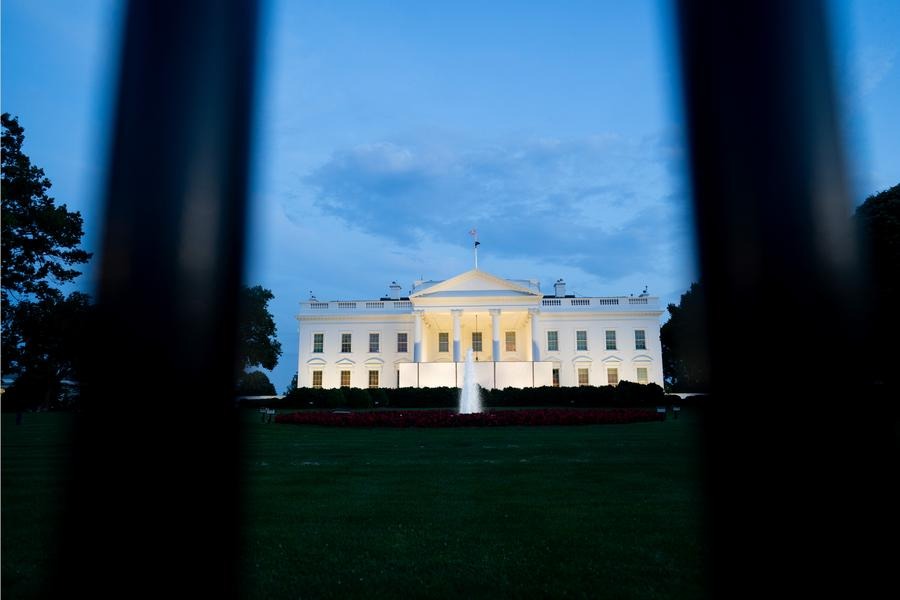
White House begins demolishing part of East Wing to build Trump’s ballroom
The White House has initiated the demolition of a section of its historic East Wing to pave the way for a new ballroom, a project personally championed by former President Donald Trump. The announcement was made by Trump himself on his Truth Social platform, where he expressed pride in finally realizing a long-held presidential aspiration. “I am pleased to announce that ground has been broken on the White House grounds to build the new, big, beautiful White House Ballroom,” Trump stated, emphasizing that the project is being privately funded. He added, “For more than 150 years, every President has dreamt about having a Ballroom at the White House to accommodate people for grand parties, State Visits, etc. I am honored to be the first President to finally get this much-needed project underway.
The project, estimated to cost $250 million, has sparked significant controversy, particularly among Democrats. California Governor Gavin Newsom criticized Trump’s priorities, posting on X that the former president is focused on “bulldozing the White House” rather than addressing pressing national issues. The East Wing, constructed in 1902, has undergone numerous renovations over the years, including the addition of a second story in 1942. Despite assurances from Trump that the construction would not interfere with the existing structure, the project has raised concerns about the preservation of the White House’s historical integrity.
The ballroom is envisioned as a grand space for hosting state visits, parties, and other significant events, fulfilling a long-standing presidential ambition. However, the project’s high cost and the decision to demolish part of the East Wing have drawn widespread criticism, highlighting the ongoing political divide over Trump’s legacy and priorities.
-
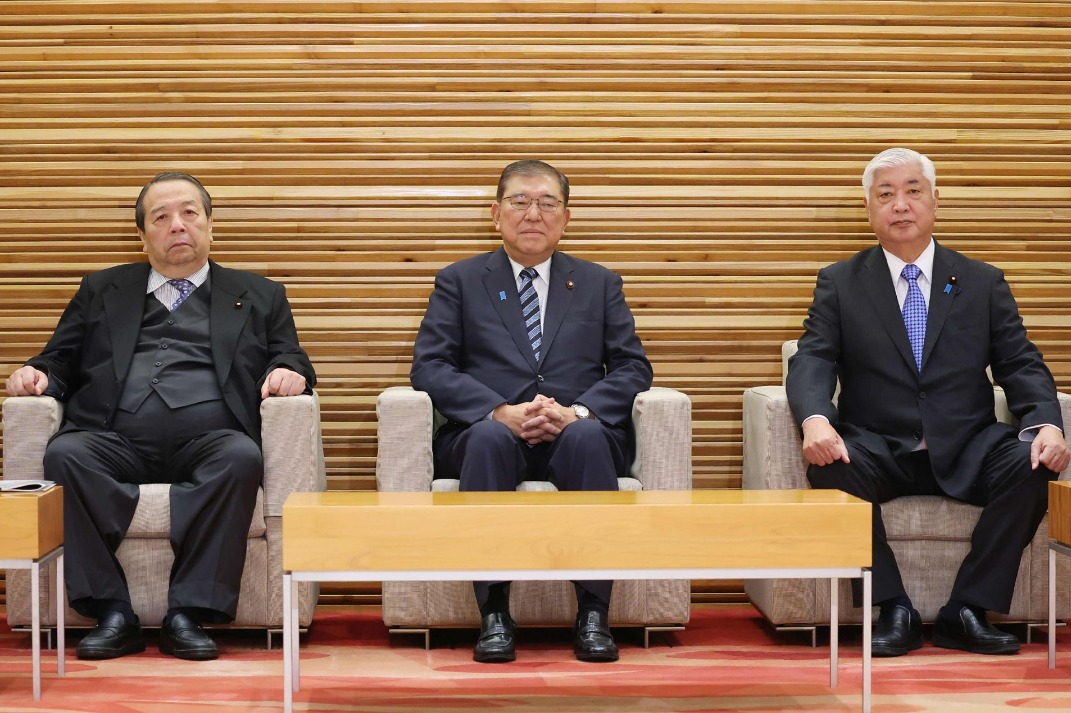
Japanese PM Ishiba’s cabinet resigns
In a significant political development, Japanese Prime Minister Shigeru Ishiba and his cabinet officially resigned on Tuesday, October 21, 2025, bringing an end to an administration that had been in power for just over a year. The resignation took place during an extraordinary cabinet meeting held in Tokyo, where ministers submitted their formal letters of resignation. This move paves the way for the election of Japan’s next prime minister, with both chambers of the Diet set to convene later in the day. Sanae Takaichi, the president of the ruling Liberal Democratic Party (LDP), is widely anticipated to secure the position. Her candidacy is bolstered by the support of the Japan Innovation Party, which recently formed a coalition with the LDP following the withdrawal of Komeito from the alliance. Once elected, Takaichi is expected to finalize her cabinet appointments, with the chief cabinet secretary scheduled to announce the new lineup. Additionally, Takaichi plans to hold a press conference to outline her policy priorities and the rationale behind her key cabinet selections. This transition marks a pivotal moment in Japan’s political landscape, as the nation prepares for a new leadership era under Takaichi’s stewardship.
-
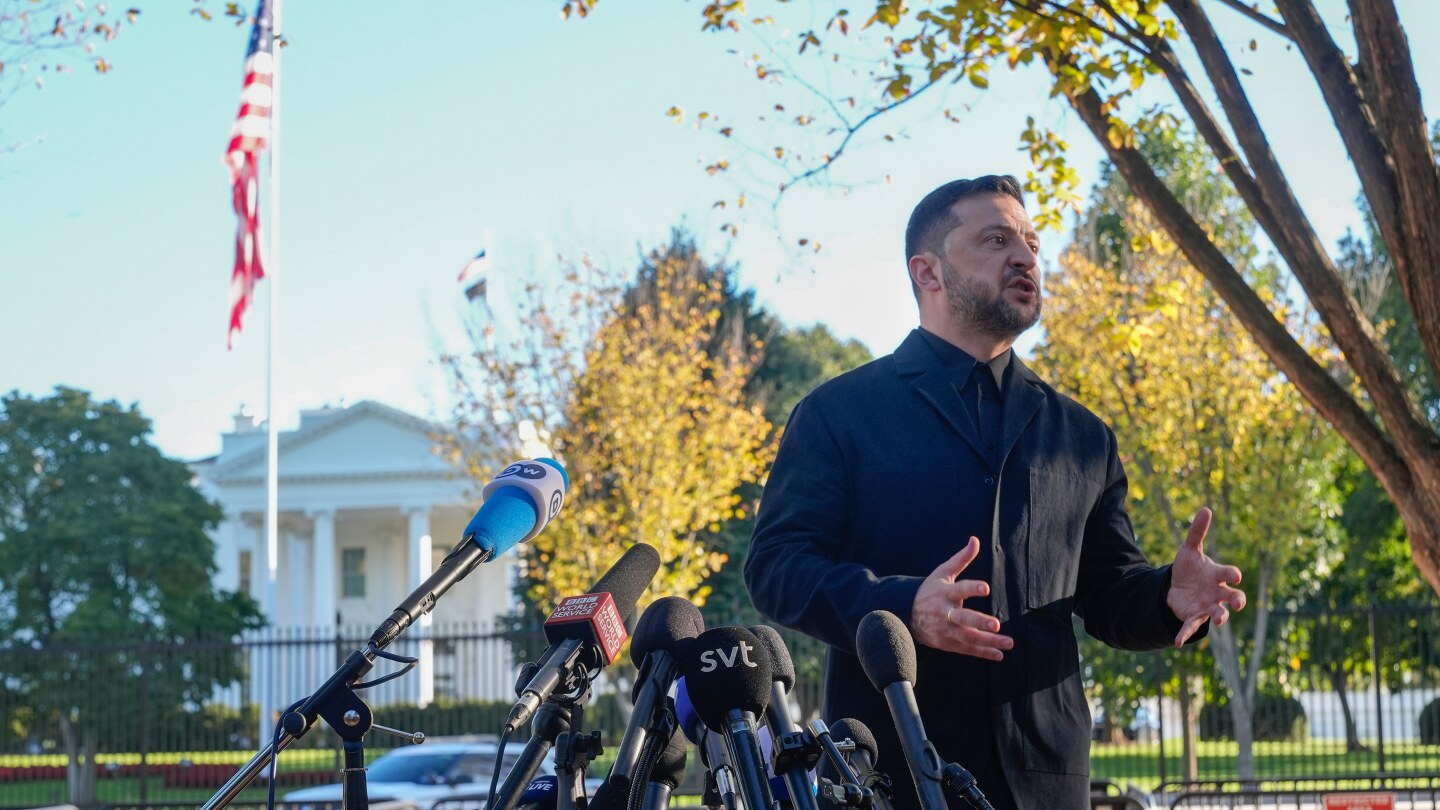
Ukraine and EU leaders accuse Putin of stalling and reject land concessions for peace
Ukrainian President Volodymyr Zelenskyy and European leaders have accused Russian President Vladimir Putin of deliberately delaying diplomatic efforts to end the ongoing invasion of Ukraine. They have firmly opposed any suggestion of Ukraine surrendering territory to Russia in exchange for peace, a proposal occasionally floated by U.S. President Donald Trump. In a joint statement, eight European leaders and senior EU officials announced their intention to utilize billions of dollars in frozen Russian assets abroad to support Ukraine’s war efforts, despite concerns over the legality and potential repercussions of such a move. The statement also expressed support for Trump’s peace initiatives but emphasized their commitment to the principle that international borders must not be altered by force. Trump’s shifting stance on the issue has added complexity to the situation. After initially suggesting Ukraine could reclaim all lost territory, he recently urged both Kyiv and Moscow to halt hostilities at the current front lines. European and Ukrainian leaders are working to maintain Trump’s support while ramping up pressure on Russia through economic sanctions and diplomatic efforts. An EU summit in Brussels is expected to discuss further sanctions, while the Coalition of the Willing, a group of 35 countries supporting Ukraine, will convene in London later this week.
-
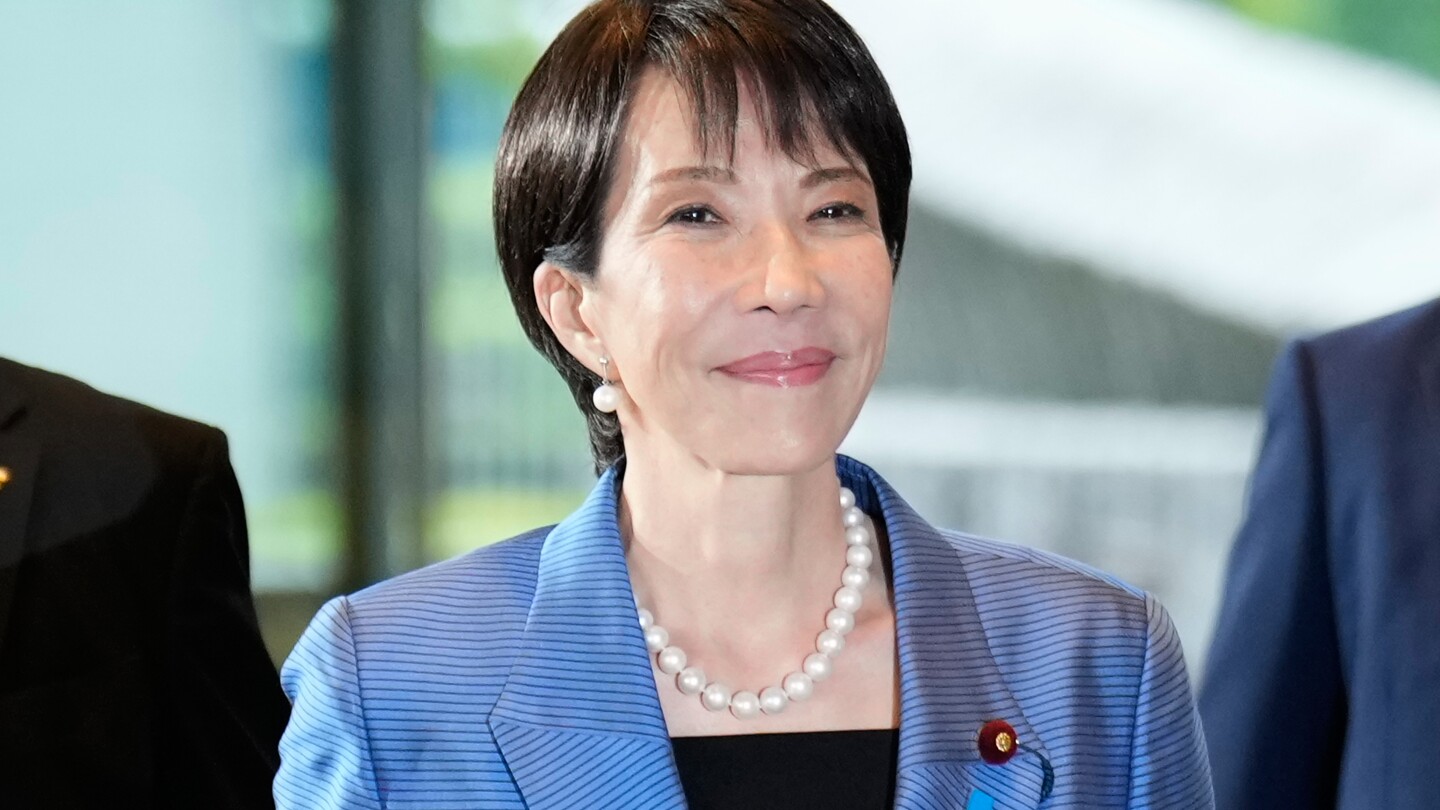
Japan’s first female leader is an ultraconservative star from a male-dominated party
In a historic milestone for Japan, Sanae Takaichi has been elected as the nation’s first female prime minister, shattering the glass ceiling in a political landscape long dominated by men. At 64, Takaichi also becomes the first woman to lead the Liberal Democratic Party (LDP), which has been the cornerstone of Japan’s postwar governance. Known for her ultraconservative stance, Takaichi is a staunch admirer of former British Prime Minister Margaret Thatcher and a proponent of Shinzo Abe’s nationalist policies. Her hardline views on China and her frequent visits to the controversial Yasukuni Shrine, which critics argue glorifies Japan’s wartime past, have drawn international scrutiny. Despite Japan’s poor global ranking in gender equality, Takaichi has rarely addressed the issue during her campaign, though she acknowledged the symbolic significance of her election by stating, ‘Now that the LDP has its first female president, its scenery will change a little.’ Takaichi, who first entered parliament in 1993, has held key ministerial roles, including economic security and internal affairs, though her diplomatic experience remains limited. She advocates for a stronger military, increased fiscal spending, nuclear fusion development, and stricter immigration policies. A self-proclaimed workaholic, Takaichi has vowed to abandon the concept of ‘work-life balance,’ emphasizing relentless dedication to her role. Her election has sparked mixed reactions, with critics questioning her commitment to diversity and gender equality. Takaichi has pledged to increase female representation in her government but supports traditionalist policies such as male-only imperial succession and opposes same-sex marriage. Her hard-right views on history and security, including her revisionist stance on Japan’s wartime actions, may strain relations with neighboring countries like China and South Korea. Despite these challenges, Takaichi’s leadership marks a significant, albeit controversial, turning point in Japanese politics.
-

Simone Gbagbo, Ivory Coast’s iron lady, eyes presidential palace in unlikely comeback bid
Simone Ehivet Gbagbo, the former first lady of Ivory Coast, is making a bold bid for the presidency in the upcoming election, marking a potential historic moment for the West African nation. At 76, Gbagbo is running under the Movement of Skilled Generations party, challenging incumbent President Alassane Ouattara, who is seeking a fourth term. If successful, she would become the country’s first female president, a milestone she believes Ivorians are now ready to embrace. ‘The idea of a female president is much less shocking than it was 20 years ago,’ Gbagbo told The Associated Press during a campaign stop in Guibéroua. ‘It’s good for a woman to run, and if it’s me, then so much the better.’ Gbagbo’s political journey has been marked by both power and controversy. As first lady during her ex-husband Laurent Gbagbo’s presidency, she earned the nickname ‘iron lady’ for her influential role and tough stance against opposition and rebel forces. Her tenure coincided with a civil war and a violent electoral crisis in 2010-2011, which left thousands dead and brought the country to the brink of collapse. Following her husband’s refusal to concede defeat in the 2010 election, the couple was arrested in 2011 after a siege on their bunker in Abidjan. Laurent Gbagbo faced charges at the International Criminal Court (ICC) but was acquitted, while Simone was sentenced to 20 years in prison by Ivorian authorities for ‘undermining state security.’ She was granted amnesty in 2018 and has since reemerged as a political figure. Despite her controversial past, Gbagbo is campaigning on promises of social welfare programs to address poverty and inequality, as well as national reconciliation to heal the scars of the civil war. However, her candidacy faces significant challenges, including a fragmented opposition and allegations of a clampdown on rival candidates. Gbagbo remains undeterred, urging Ivorians to ‘turn out en masse to vote and defeat the candidate they don’t want.’
-
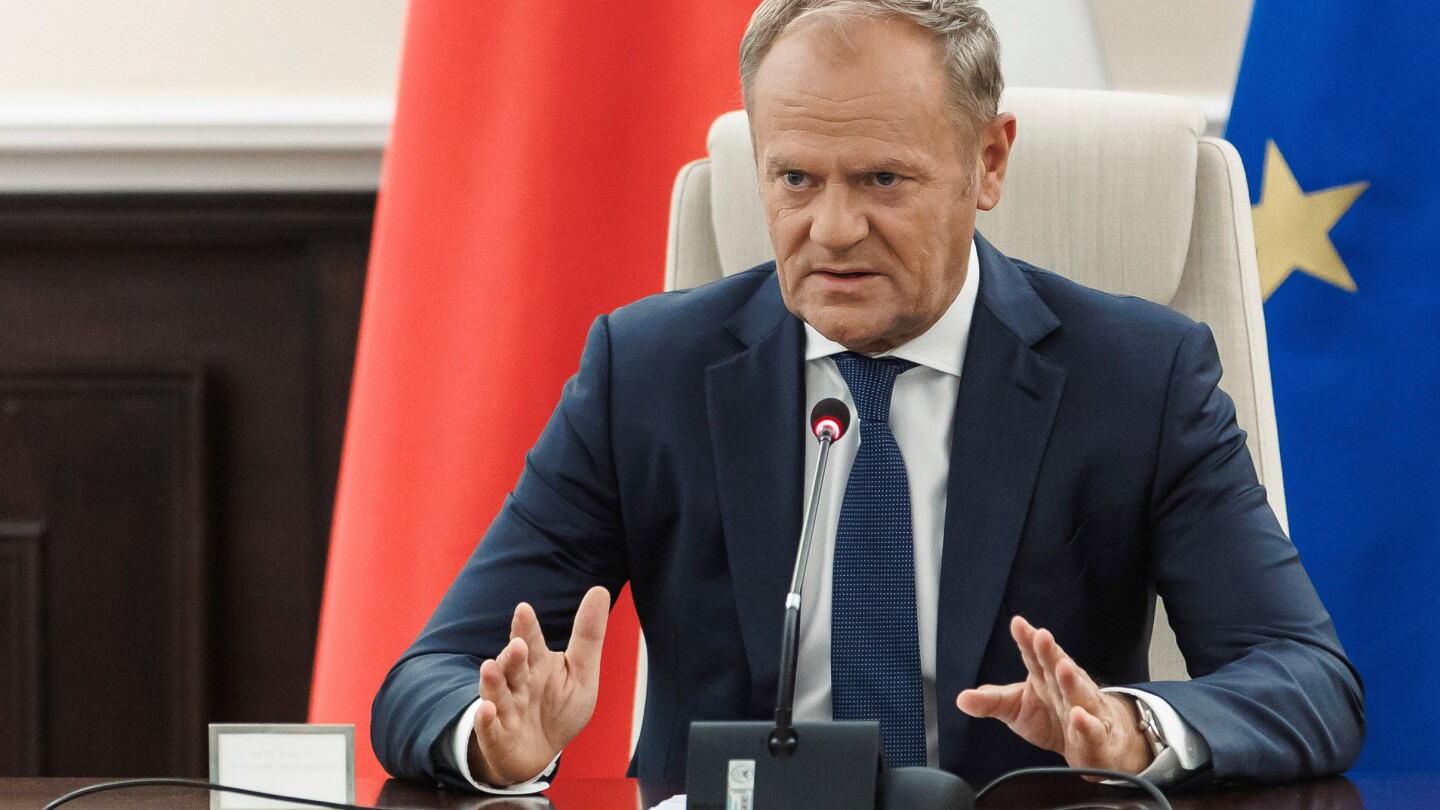
Polish authorities detain 8 in suspected sabotage plot, says Tusk
Polish Prime Minister Donald Tusk announced on Tuesday via social media platform X that authorities have apprehended eight individuals suspected of planning sabotage operations across the country. The suspects are accused of conducting reconnaissance on military installations and critical infrastructure, gathering resources for sabotage, and preparing to execute direct attacks. Tomasz Siemoniak, Poland’s minister overseeing special services, corroborated the details on X, emphasizing the seriousness of the alleged activities. This development comes amidst heightened security measures in Poland, which has detained numerous individuals on suspicion of sabotage and espionage since Russia’s invasion of Ukraine in February 2022. The arrests underscore Poland’s ongoing vigilance in safeguarding its national security and infrastructure against potential threats.
-
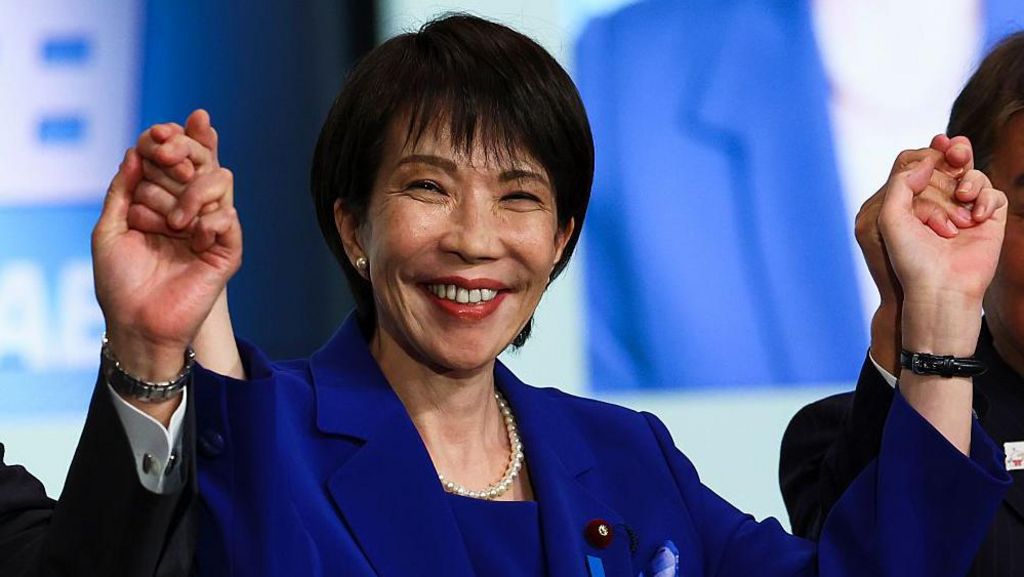
Sanae Takaichi makes history as Japan’s first female prime minister
Sanae Takaichi has made history by becoming Japan’s first female prime minister, securing a decisive victory in both houses of parliament. The 64-year-old leader of the ruling Liberal Democratic Party (LDP) garnered 237 votes in the Lower House and 125 in the Upper House on Monday, marking a significant milestone in Japanese politics. Known for her staunch conservative views and admiration for former British Prime Minister Margaret Thatcher, Takaichi assumes office during a period of economic uncertainty and public discontent. Her election comes as Japan grapples with rising living costs and a series of short-lived premierships, with Takaichi being the fourth prime minister in just five years. Despite initial obstacles, including the withdrawal of support from the LDP’s coalition partner, Komeito, a last-minute deal with another opposition party secured her position. Takaichi’s leadership will be tested both domestically and internationally. Domestically, she faces the challenge of restoring public trust in the LDP, which has recently suffered significant electoral losses. Internationally, her right-wing, nationalist leanings have raised concerns in South Korea, while her hawkish stance towards China mirrors that of her predecessors. A crucial test lies ahead with an upcoming meeting with U.S. President Donald Trump, where she must navigate complex bilateral issues, including defense spending and security treaties. Takaichi’s conservative policies, such as her opposition to same-sex marriage and her stance on married women retaining their maiden surnames, have drawn mixed reactions, particularly among younger women. Despite these challenges, her election has injected a sense of optimism into the markets, offering a glimmer of hope for Japan’s economic future.