
Pakistan’s parliament has passed a controversial constitutional amendment granting Field Marshal Asim Munir, the country’s army chief since November 2022, expanded powers, lifetime immunity from arrest and prosecution, and oversight of the navy and air force. The 27th constitutional amendment, enacted on Thursday, also introduces significant changes to the judiciary, including the creation of a new Federal Constitutional Court (FCC) to handle constitutional matters. Critics argue the move consolidates military influence and undermines civilian governance, while supporters claim it brings clarity to the military command structure and addresses court backlogs. The amendment has sparked resignations from Supreme Court justices, who decry the erosion of judicial independence. Analysts warn the changes signal a shift towards authoritarianism, with the military’s role in Pakistan’s politics becoming increasingly dominant.
分类: politics
-

What does Adnan Hussain’s departure mean for Your Party and the British left?
In a significant blow to the nascent left-wing political movement in the UK, Adnan Hussain, a key figure in the formation of the temporarily named ‘Your Party,’ has announced his departure from the steering group. This decision, revealed on Friday afternoon, underscores his belief that the party lacks the pluralism and inclusivity necessary to accommodate his political vision. Hussain, an independent MP for Blackburn, expressed his concerns about the party’s culture, describing it as ‘toxic, exclusionary, and deeply disheartening.’ His exit comes just weeks before the party’s founding conference, casting doubt on its future and its ability to unite diverse voter bases. Hussain’s departure highlights internal rifts within the party, particularly regarding its ideological breadth and treatment of members. His criticisms extend to the handling of Muslim men within the steering process, which he likened to the very political forces the left opposes. Despite his exit, Hussain remains committed to the Independent Alliance, a parliamentary grouping that includes other independents and former Labour leader Jeremy Corbyn. Your Party, which initially garnered significant attention and support, has been plagued by infighting and ideological clashes. The party’s ability to form a strategic alliance with the Green Party and mobilize working-class and Muslim voters now hangs in the balance. With the British left’s momentum seemingly shifting toward the Green Party, Your Party’s future remains uncertain, leaving the broader left-wing coalition in a precarious position.
-
Emails highlight Jeffrey Epstein and Steve Bannon relationship
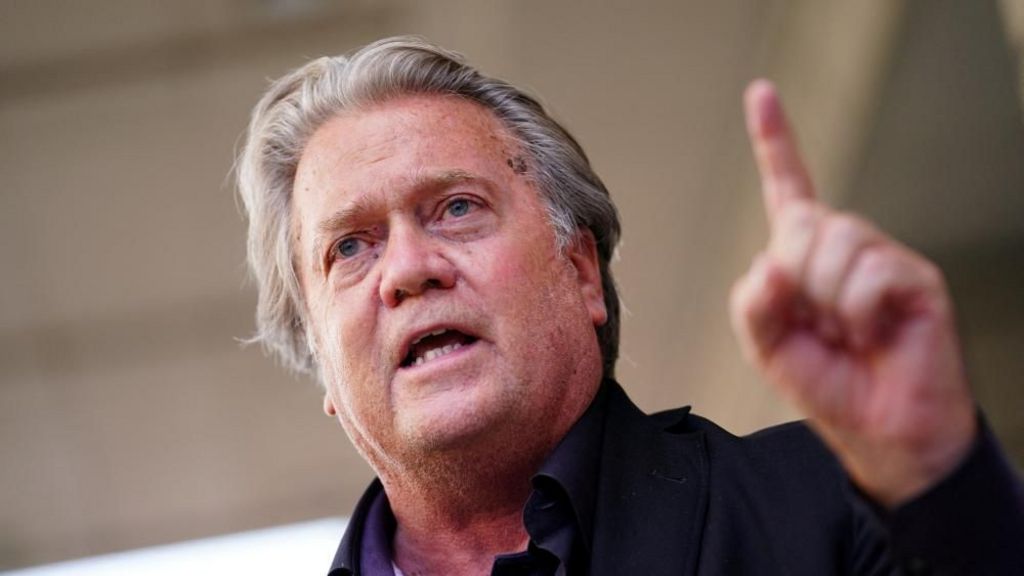
Newly disclosed documents from the estate of Jeffrey Epstein, the late convicted sex offender and financier, have shed light on his interactions with Steve Bannon, former chief strategist for Donald Trump. The documents, released by the House Oversight Committee, include over 20,000 pages of communications, revealing a closer relationship between Bannon and Epstein than previously known. Among the revelations is an iMessage chat where Epstein appears to assist Bannon with travel arrangements, even joking about being his ‘highly paid travel agent.’ The messages also show discussions about UK politics, including Brexit and the leadership of then-Prime Minister Theresa May. Bannon, who was in the UK in November 2018 for a speech at the Oxford Union, communicated with Epstein about his engagements with prominent Brexit figures like Nigel Farage, Boris Johnson, and Jacob Rees Mogg. Epstein, who died in prison in 2019, was known for his connections to powerful individuals, including Trump. The former president has denied any wrongdoing and claims he distanced himself from Epstein in the early 2000s. The release of these documents has reignited interest in Epstein’s network and its implications for high-profile figures. The US House of Representatives is set to vote next week on whether the Justice Department should release all files related to its Epstein investigation.
-

UK government faces legal challenge over broken promise to rescue family from Gaza
A Palestinian father residing in the UK has accused the British government of endangering his family in Gaza by failing to fulfill its promise to evacuate them. Despite assurances made over two months ago, his wife, three children, and adopted nephew remain stranded in the Zawida area of Gaza, displaced by relentless Israeli bombardment. The family now lives in a fragile tent with scarce access to food, clean water, or medical care. The father, who wishes to remain anonymous to protect his family, expressed his anguish, stating, ‘My family are in constant danger, and I worry about them every minute of every day.’ He lamented the UK government’s broken promise, which has left his children terrified and unable to sleep due to hunger and the constant threat of airstrikes. In August 2025, the Foreign, Commonwealth and Development Office (FCDO) agreed to provide consular assistance for the family’s evacuation. However, despite obtaining Israeli clearances, neither the FCDO nor the Home Office has taken concrete steps to secure their exit. The Home Office has granted family reunion visas in principle, but biometric checks—required to activate these visas—are impossible to complete in Gaza, where no visa application center operates. The nearest viable location for biometrics is Jordan, but UK officials have refused to provide the necessary assurances for the family to cross the border. Frustrated by the government’s inaction, the father is now pursuing legal action against Home Secretary Shabana Mahmood and Foreign Secretary Yvette Cooper, accusing them of abandoning his family. Lawyers from human rights firm Leigh Day argue that the UK’s refusal to facilitate the family’s evacuation is unlawful, especially given its previous success in evacuating other groups under similar circumstances. Sarah Crowe, a solicitor with Leigh Day, emphasized the family’s dire situation, stating, ‘They are living on the streets in Gaza without food, shelter, or medical care and remain at risk of serious harm or death.’ The legal action coincides with warnings from local authorities in Gaza about catastrophic flood risks for the displaced population. Since the war on Gaza began in October 2023, Israeli forces have killed over 70,000 Palestinians, with thousands more missing and feared dead. Middle East Eye continues to provide independent coverage of the region, shedding light on such critical issues.
-

Election for body representing Palestinian citizens of Israel sparks reform calls
The election of a new president for the High Follow-Up Committee for Arab Citizens of Israel has ignited a heated debate about the need for reform within the organization. The committee, established in the early 1980s, serves as a representative body for the two-million-strong Palestinian population in Israel, advocating for their political and civil rights. However, critics argue that the committee has become increasingly ineffective in addressing pressing issues such as rising crime rates and ongoing violence in Gaza and the West Bank.
-
Lancang-Mekong countries vow to target telecom and cyber fraud
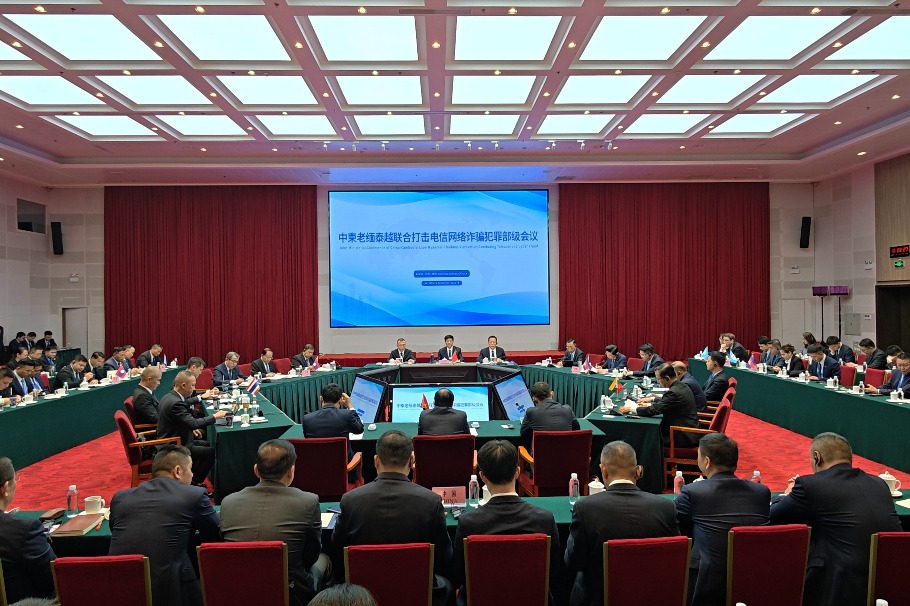
In a significant move to tackle the growing menace of telecom and cyber fraud, senior officials from China, Cambodia, Laos, Myanmar, Thailand, and Vietnam convened in Kunming, Yunnan province, for a ministerial-level meeting on Friday. The delegates pledged to deepen law enforcement cooperation and launch coordinated crackdowns against these transnational crimes. The meeting, attended by observers from Interpol, the United Nations Office on Drugs and Crime, and the Lancang-Mekong Integrated Law Enforcement and Security Cooperation Center, highlighted the severe impact of such fraud on regional economic development, public security, and social stability. The officials called for concerted efforts to eradicate these crimes and protect the lawful rights and interests of citizens across the region. As a crucial step forward, the six nations signed outcome documents and discussed China’s proposal to establish an international alliance against telecom and cyber fraud, initially presented at the 2025 Conference of the Global Public Security Cooperation Forum in Lianyungang, Jiangsu province. The parties expressed strong commitment to the initiative, agreeing to develop a standing coordination mechanism, enhance real-time information exchange, and continue joint repatriation of suspects to improve enforcement effectiveness and safeguard regional peace. In recent years, China has actively implemented the Global Security Initiative and Global Governance Initiative, strengthening law enforcement cooperation with neighboring countries and achieving concrete results. Notable achievements include the establishment of a trilateral coordination mechanism with Myanmar and Thailand, leading to the repatriation of over 5,500 suspects to China, and joint operations with Laos and Vietnam resulting in the capture of hundreds of suspects. An officer from China’s Ministry of Public Security emphasized the ongoing multinational joint operations against cross-border telecom and cyber fraud, reaffirming the commitment to strengthen international law enforcement cooperation and eliminate criminal dens to protect the safety of people’s lives and property.
-
China slams Japanese leader for refusing to withdraw her remarks
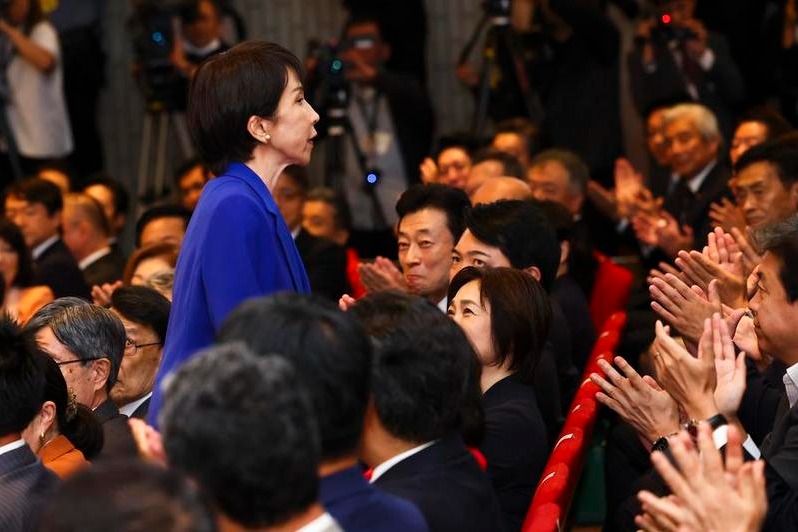
China has issued a stern rebuke to Japanese Prime Minister Sanae Takaichi for her refusal to withdraw controversial remarks suggesting potential Japanese military intervention in the Taiwan Strait. Foreign Ministry spokesman Lin Jian condemned the comments as ‘extremely erroneous, dangerous, and provocative,’ emphasizing that they constitute blatant interference in China’s internal affairs and threaten the post-war international order. Lin’s statement followed a meeting between Chinese Vice-Foreign Minister Sun Weidong and Japanese Ambassador Kenji Kanasugi in Beijing. Lin reiterated China’s unwavering commitment to its sovereignty and territorial integrity, warning that any attempts to challenge these principles would be met with a resolute response. He stressed that forces seeking to obstruct China’s reunification are destined to fail, underscoring the gravity of the situation. The remarks have further strained China-Japan relations, which are already navigating a complex political landscape. China, a nation dedicated to peace, remains steadfast in defending its core interests against external provocations.
-

China expresses worry over Japan’s military and security moves
China has expressed deep concern over Japan’s recent military and security developments, emphasizing the need for Japan to adhere to peaceful development. Foreign Ministry spokesperson Lin Jian highlighted these concerns during a press conference on Friday, pointing to Japan’s ambiguous stance on its Three Non-Nuclear Principles and its consideration of acquiring nuclear-powered submarines. These actions, Lin argued, represent a significant and alarming shift in Japan’s defense policy, raising fears of a return to militarism. Lin also referenced Japanese Prime Minister Sanae Takaichi’s recent comments, which suggested potential military intervention in the Taiwan Strait, further escalating regional tensions. He urged Japan to reflect on its history of aggression, particularly as this year marks the 80th anniversary of the end of World War II and the Chinese People’s War of Resistance Against Japanese Aggression. Lin called on Japan to cease its military buildup and take concrete steps to rebuild trust with its neighbors and the international community.
-

What does Trump want with boat strike campaign?
In a significant escalation of military operations, the United States has conducted a series of airstrikes targeting suspected drug vessels in the Caribbean and eastern Pacific since early September. Dubbed Operation Southern Spear, this campaign has resulted in the deaths of at least 80 individuals, according to reports. The Trump administration has justified these strikes as a necessary measure to combat the flow of narcotics into the US, with Defense Secretary Pete Hegseth stating that the operation aims to eliminate ‘narco-terrorists’ from the hemisphere and protect American lives. However, the campaign has sparked controversy and raised concerns about potential violations of international law. Critics argue that the strikes, which have targeted vessels in international waters, may have resulted in civilian casualties and lacked due process. The Pentagon has provided limited information on the targets, though some officials have linked them to Tren de Aragua, a Venezuelan gang designated as a foreign terrorist organization earlier this year. The US has deployed substantial military assets to the region, including the USS Gerald R Ford aircraft carrier and long-range bombers, prompting fears of a broader conflict. Venezuelan President Nicolás Maduro has accused the US of escalating tensions and called for peace, while the Venezuelan military has conducted readiness exercises in response. The Trump administration maintains that the strikes are legal and part of a broader strategy to combat drug cartels, but legal experts and critics continue to question their legitimacy and potential impact on regional stability.
-
Trump to order investigation into Epstein’s alleged ties with Clinton and banks
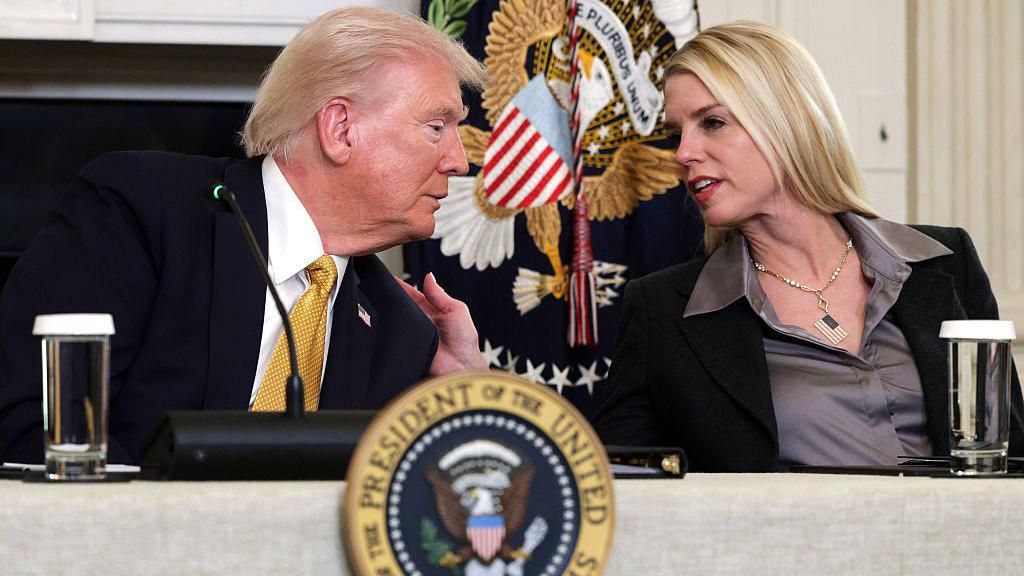
In a significant development, former US President Donald Trump has announced plans to initiate an investigation into the alleged connections between convicted financier Jeffrey Epstein and prominent Democrats, including former President Bill Clinton, as well as major financial institutions. Trump, via social media, stated that he would direct Attorney General Pam Bondi and the FBI to scrutinize Epstein’s ‘involvement and relationship’ with Clinton and others to uncover the extent of their associations. This move follows the recent release of over 20,000 pages of documents from Epstein’s estate by US lawmakers, some of which mention Trump. Clinton has vehemently denied any awareness of Epstein’s criminal activities. Trump also called for the Department of Justice (DoJ) to investigate JP Morgan and Chase, former Treasury Secretary Larry Summers, and LinkedIn founder Reid Hoffman, a notable Democratic donor. Trump emphasized, ‘Epstein was a Democrat, and he is the Democrat’s problem, not the Republican’s problem!’ A spokesperson for JPMorgan Chase expressed regret over any past association with Epstein but clarified that the bank did not facilitate his crimes. This investigation request precedes a crucial House of Representatives vote next week on whether the DoJ should release all files related to the Epstein probe. The vote was triggered by Democrat Adelita Grijalva’s swearing-in and her immediate signing of a discharge petition, which garnered the necessary 218 signatures to proceed.