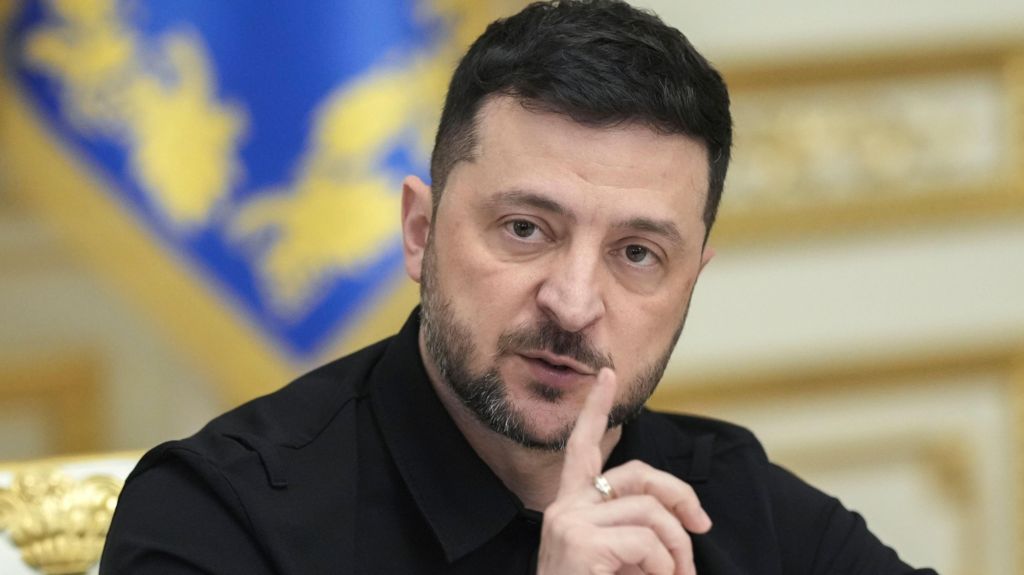
Ukrainian President Volodymyr Zelensky has announced a comprehensive restructuring of state-owned energy companies following a significant corruption scandal that has rocked the nation’s energy sector. Anti-corruption investigators revealed that approximately $100 million (£76m) has been embezzled, sparking widespread outrage in a country already grappling with severe power outages caused by Russian attacks. In a post on X on Saturday, Zelensky outlined plans for a full audit of the financial activities of these companies and a renewal of their management. The state nuclear company, Energoatom, which is central to the scandal, will see a new supervisory board appointed within a week. Several individuals implicated in the scandal have close ties to Zelensky, adding complexity to the situation. The scandal emerges as Russian assaults on Ukrainian energy infrastructure, including substations supplying nuclear power plants, intensify. Zelensky has instructed government officials to maintain continuous communication with law enforcement and anti-corruption bodies. He also called for the swift appointment of a new head of Ukrhydroenergo, a hydropower company, and reforms for oil and gas giant Naftogaz and the Gas Transmission System Operator. The scandal has already led to the resignation of two ministers and sanctions against a former business partner of Zelensky. The National Anti-Corruption Bureau of Ukraine (Nabu) and the Specialised Anti-Corruption Prosecutor’s Office (Sap) disclosed that a 15-month investigation has implicated several government members, including Justice Minister Herman Halushchenko, former Deputy Prime Minister Oleksiy Chernyshov, and businessman Timur Mindich, a co-owner of Zelensky’s former TV studio Kvartal95. Zelensky has reiterated his commitment to full cooperation with the anti-corruption investigation, emphasizing the importance of transparency and integrity in the energy sector. However, the scandal has cast doubt on Zelensky’s dedication to combating corruption, especially after he signed a law in July limiting the independence of Nabu and Sap. Although he later reversed this decision, the incident drew criticism from European allies, including France and Germany, and prompted G7 ambassadors to seek discussions with Ukrainian leadership.
分类: politics
-
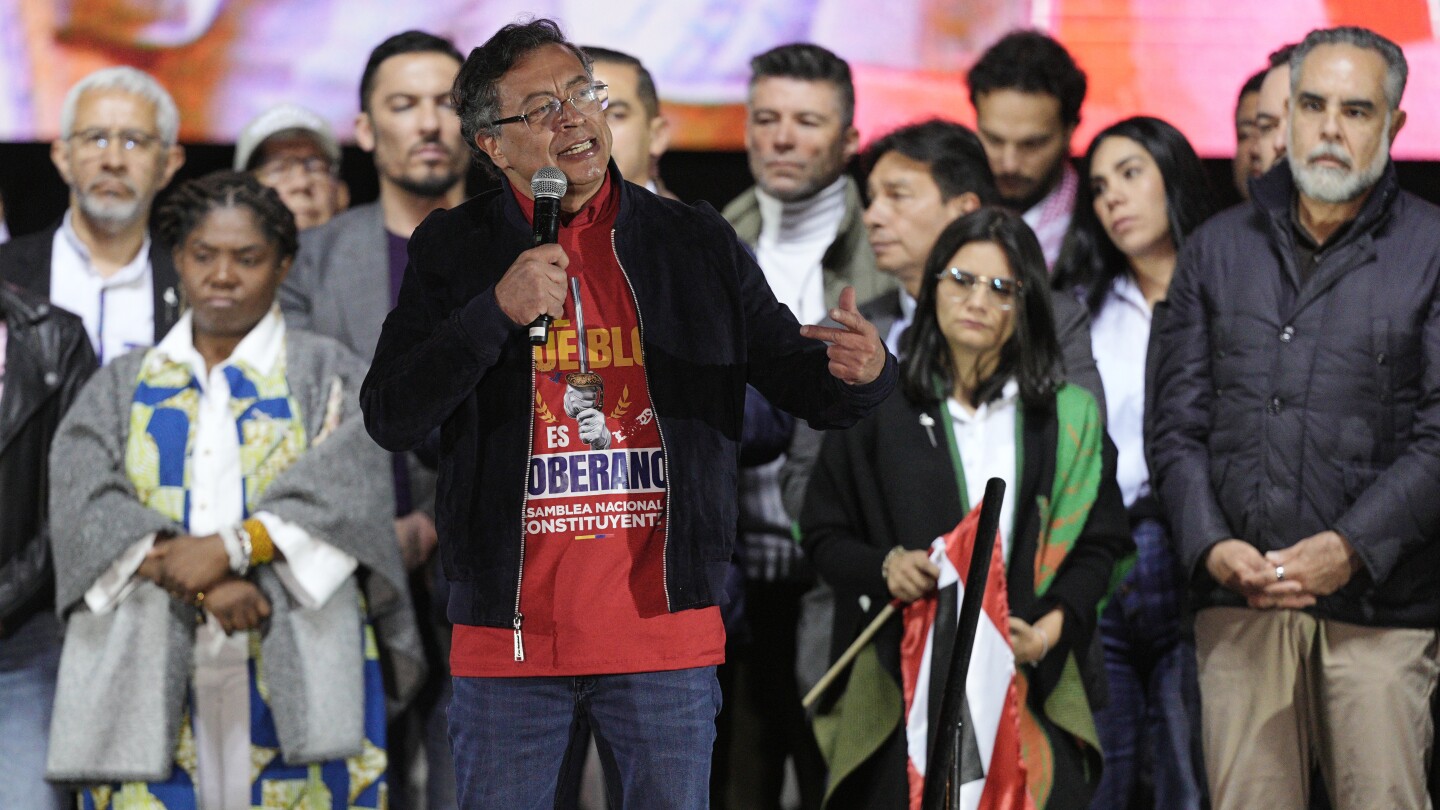
Colombian officials say 6 children were killed in an airstrike against a rebel group this week
In a tragic turn of events, Colombia’s human rights ombudswoman, Iris Marin, revealed on Saturday that six children were among those killed in a recent airstrike targeting the FARC-EMC rebel group in Guaviare province. The minors, reportedly forcibly recruited by the rebels, were allegedly used as “human shields” during the military operation. Marin urged both the Colombian government and rebel factions to adhere to international humanitarian law, emphasizing that children coerced into hostilities must be protected from military actions. The incident has reignited debates over the ethical implications of military strikes in conflict zones. Colombian Defense Minister Pedro Sanchez defended the operation, asserting that those involved in hostilities forfeit protection, regardless of age. This tragedy echoes a 2019 scandal where a former defense minister resigned after the government concealed the deaths of eight children in a similar airstrike. President Gustavo Petro, who initially suspended airstrikes to minimize civilian casualties, justified the recent operation as necessary to protect Colombian troops from an advancing rebel column. Despite his administration’s efforts to curb violence, the resumption of airstrikes underscores the ongoing struggle to control territories abandoned by the FARC following their 2016 peace agreement. Petro, a vocal critic of U.S. military actions in the Caribbean, argued that Colombia’s strikes target armed combatants posing direct threats to government forces and civilians.
-
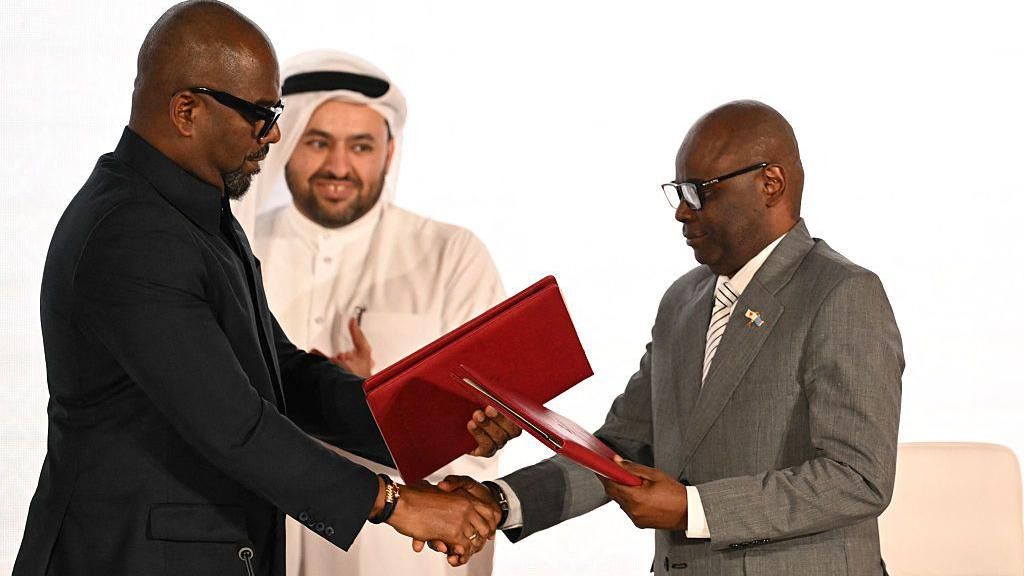
DR Congo and M23 rebels sign framework for peace in Qatar
In a significant development aimed at ending decades of conflict in the resource-rich eastern region of the Democratic Republic of Congo (DRC), the Rwandan-backed M23 rebels and the Congolese government have signed a peace framework in Doha, Qatar. The ceremony, attended by Congolese envoy Sumbu Sita Mambu and M23 secretary Benjamin Mbonimpa, marks a crucial step toward resolving one of Africa’s most protracted conflicts. Qatar, alongside the United States and the African Union, has been actively mediating the peace process. Earlier this year, the M23 captured key cities, including Goma and Bukavu, escalating tensions. The new framework, which builds on previous agreements signed in July and last month, outlines eight protocols addressing humanitarian access, the return of displaced people, and judicial protection. However, US Africa envoy Massad Boulos noted that many details remain unresolved, and progress on prisoner exchanges and ceasefire monitoring has been slower than anticipated. Kinshasa has demanded the withdrawal of Rwandan troops from its territory, while Kigali insists this can only occur once the Congo-based FDLR militia, linked to the 1994 Rwandan genocide, is disbanded. The M23, one of the largest factions in the conflict, has expressed support for the Qatar-mediated talks, emphasizing their focus on addressing the root causes of the crisis. Despite this progress, the region remains volatile, with thousands killed and hundreds of thousands displaced since January. The DRC government has reportedly sought US assistance in securing the region, offering access to critical minerals like coltan in exchange for security guarantees. Rwanda denies supporting the M23, despite substantial evidence, and claims its military presence is defensive. The peace framework represents a fragile hope for stability in a region long plagued by violence and exploitation.
-
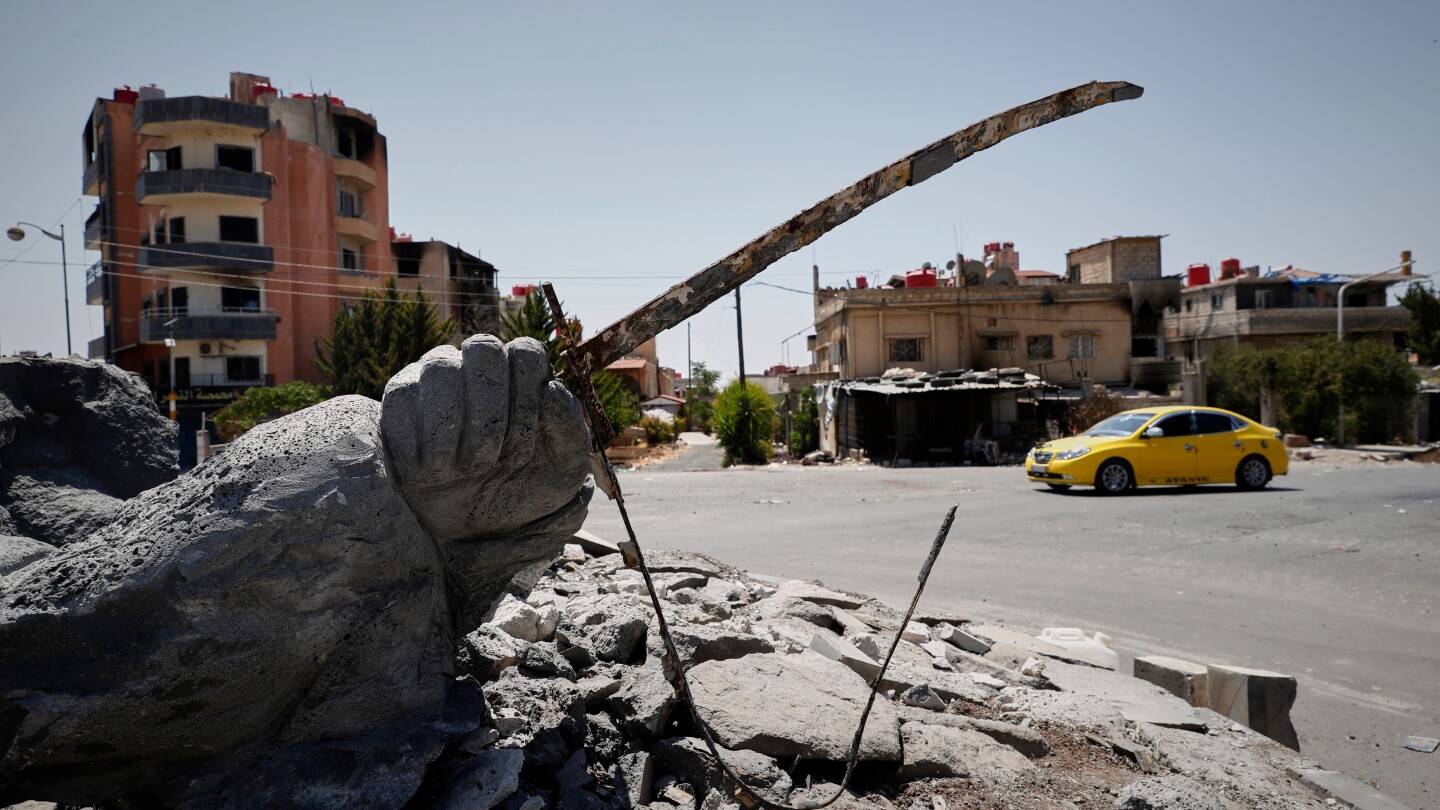
After Assad’s fall, Syrians and EU officials hold rare meeting in Damascus
In a groundbreaking event, representatives of Syria’s civil society convened in Damascus on Saturday for open discussions, facilitated by the European Union and the transitional government. This marked the first time such dialogues, previously held in Brussels, took place within Syria. The discussions addressed critical issues including sectarian tensions, ethnic divisions, and the casualties from various conflicts. The event, titled “The Day of Dialogue,” signifies a pivotal moment nearly a year after the fall of the 54-year Assad family rule, which was overthrown by insurgent groups in December. Historically, these meetings were boycotted by Bashar Assad’s government, but the current transitional authorities and civil society actively participated this time. Syrian Foreign Minister Asaad al-Shibani emphasized the significance of hosting these talks in Syria, stating, “The meeting that used to be held to talk about Syria is now being held in Syria.” He highlighted the solid partnership between Syria’s civil society and the EU. Michael Ohnmacht, the EU delegation’s chargé d’affaires, noted the participation of 500 individuals from diverse religious and ethnic backgrounds, calling it a positive step toward an inclusive future for Syria. Despite these advancements, Syria continues to grapple with sectarian violence, as seen in recent clashes in the coastal region and Sweida province, which resulted in hundreds of deaths. These incidents underscore the ongoing challenges in a 14-year conflict that has claimed half a million lives. Social Affairs Minister Hind Kabawat stressed that the dialogue marks the beginning of change and rebuilding, emphasizing the importance of partnership between the state and civil society. During sessions on transitional justice and the fate of the missing, Syrians demanded answers on unresolved issues, including the disappearance of over 130,000 people under Assad’s rule. Ethnic minorities, such as Kurds, shared experiences of decades-long state discrimination, while others highlighted violence against women from minority sects. Mazen Darwish, a prominent Syrian activist, acknowledged the end of Assad’s rule but cautioned against assuming a smooth future, urging Syrians to seize the current opportunity for change.
-
Suspect accused of ransacking US attorney Habba’s office arrested
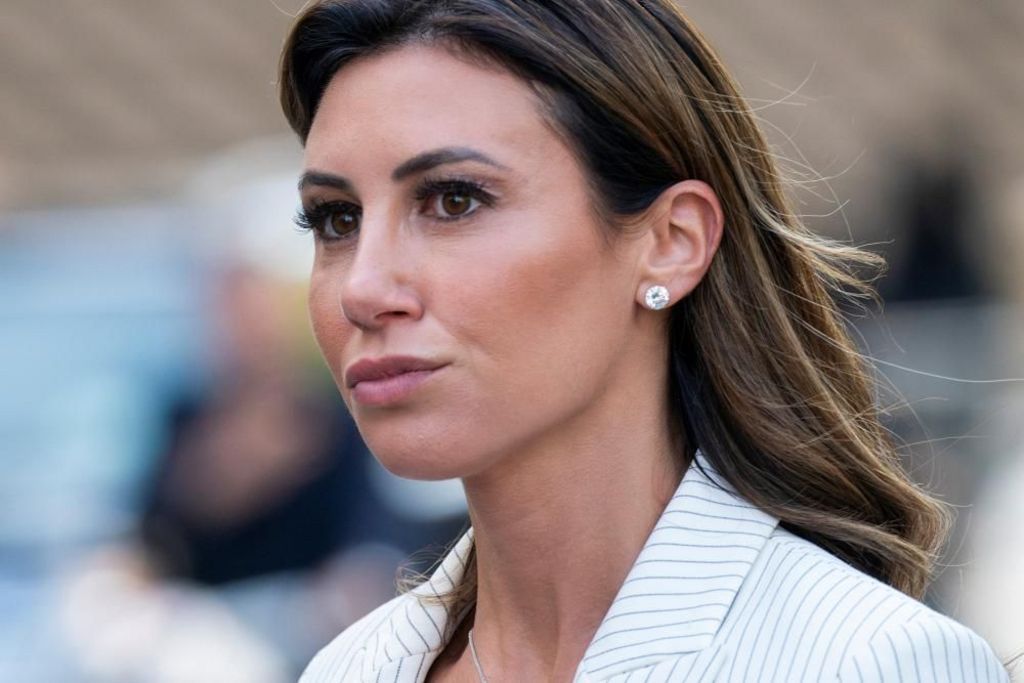
A suspect accused of ransacking the office of Alina Habba, the acting US Attorney in New Jersey, has been apprehended following an extensive manhunt. The arrest was announced by US Attorney General Pam Bondi on X (formerly Twitter), where she emphasized that threats or intimidation against US Attorneys and their offices would not be tolerated. The incident occurred on Wednesday when the suspect attempted to enter Habba’s office wielding a baseball bat. After being turned away, the individual returned without the weapon and proceeded to vandalize federal property in the office’s waiting area before fleeing. The FBI had issued a bulletin warning that the suspect was dangerous. Bondi did not disclose the suspect’s identity, but earlier in the week, the FBI had released a name and offered a $25,000 reward for information leading to the arrest. Habba, who previously served as Donald Trump’s personal attorney before being appointed as New Jersey’s top federal prosecutor, also confirmed the arrest on X, expressing gratitude to the FBI and US Marshals. The suspect faces charges of possessing a dangerous weapon in a federal facility and damaging federal property. Investigators have yet to determine a motive for the attack. Habba’s tenure has been contentious, marked by legal challenges and clashes with Democrats. A federal judge ruled in August that her appointment was illegal without Senate confirmation, and her case is currently under appeal by a higher court.
-
Epstein files: Who else was mentioned?
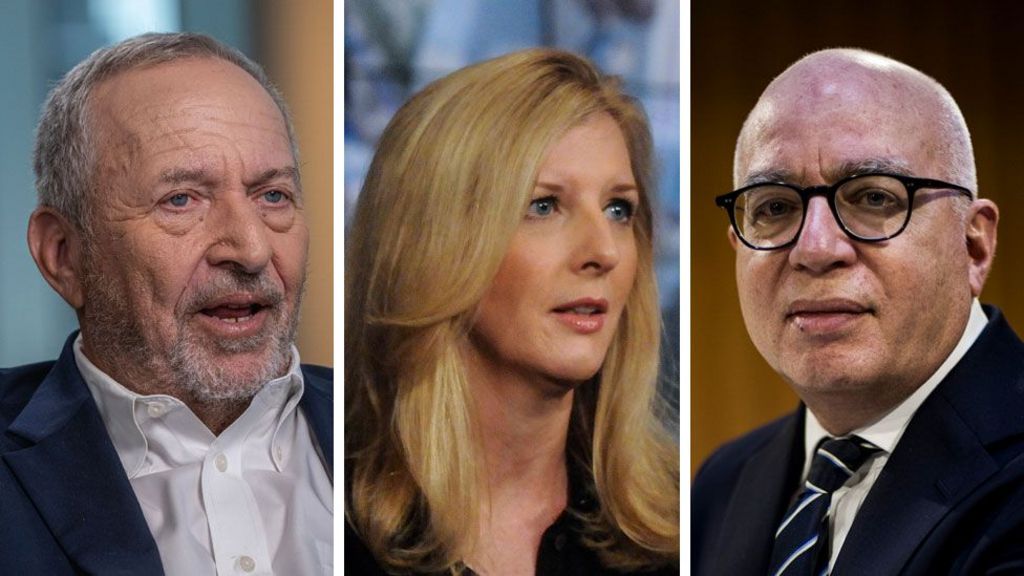
The release of over 20,000 pages of documents from the estate of Jeffrey Epstein has unveiled a web of connections involving prominent figures from politics, media, and entertainment. Among the names mentioned are former U.S. Treasury Secretary Larry Summers, former White House counsel Kathryn Ruemmler, and journalist Michael Wolff. These documents, made public by Congress, shed light on Epstein’s extensive network and his interactions with influential individuals. Michael Wolff, known for his controversial book ‘Fire and Fury,’ revealed that he had corresponded with Epstein, discussing strategies related to Donald Trump’s presidential campaign. Wolff disclosed that he had advised Epstein on how to handle questions about Trump’s relationship with the disgraced financier. Larry Summers, who served under President Bill Clinton, was also implicated, with emails showing frequent dinners and discussions about global figures. Summers has expressed regret over his association with Epstein. Kathryn Ruemmler, who served as White House counsel under Barack Obama, was involved in discussions about hush-money payments made by Trump to Stormy Daniels. Ruemmler has since stated her regret for knowing Epstein. The documents also mention billionaire investor Peter Thiel, who was invited by Epstein to visit his Caribbean island, though Thiel denies ever going. Linguist Noam Chomsky was also found to have corresponded with Epstein, discussing various topics including Trump. The revelations continue to highlight the far-reaching influence of Epstein and the complex relationships he maintained with some of the world’s most powerful individuals.
-
Japanese PM’s erroneous remarks on Taiwan continue to spark domestic outcry, stern Chinese warnings
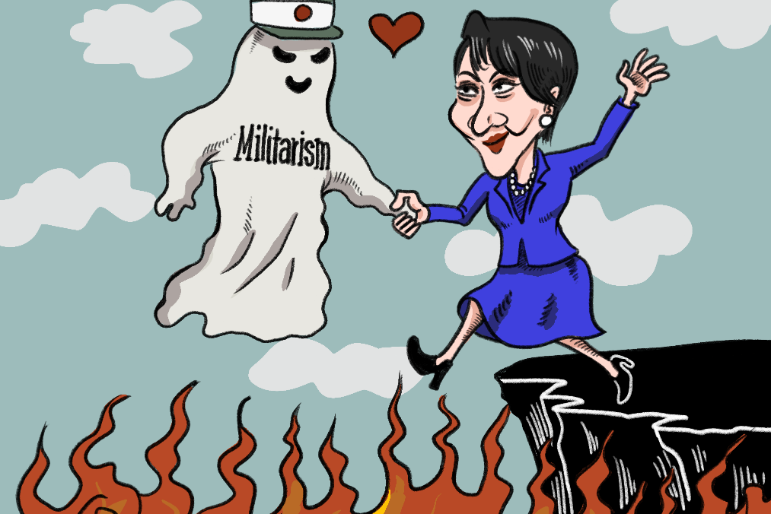
Japanese Prime Minister Sanae Takaichi’s recent comments on Taiwan have ignited a wave of domestic criticism and drawn stern warnings from China. Speaking at a Diet meeting last week, Takaichi suggested that Japan’s Self-Defense Force could exercise the right of collective self-defense if China were to use military force against Taiwan. Despite China’s strong objections and diplomatic protests, Takaichi has refused to retract her remarks, which imply potential armed intervention in the Taiwan Strait. Her statements have been labeled as both erroneous and dangerous by senior political figures and media outlets in Japan. Former Prime Minister Shigeru Ishiba criticized Takaichi’s comments as dangerously close to equating a Taiwan contingency with a Japan contingency, a stance previous governments had carefully avoided. Hiroshi Ogushi of the Constitutional Democratic Party of Japan demanded Takaichi revoke her remarks, emphasizing the gravity of such declarations. Ichiro Ozawa, another CDPJ member, warned that such rhetoric could lead to significant sacrifices for the Japanese people. Former Prime Minister Yukio Hatoyama reiterated that Japan should not interfere in China’s internal affairs. Major Japanese newspapers, including the Nikkei and Yomiuri Shimbun, have also condemned Takaichi’s abandonment of ‘strategic ambiguity’ and her exploitation of security policy for political gain.
-
Japan protests China’s travel advisory over Taiwan remarks
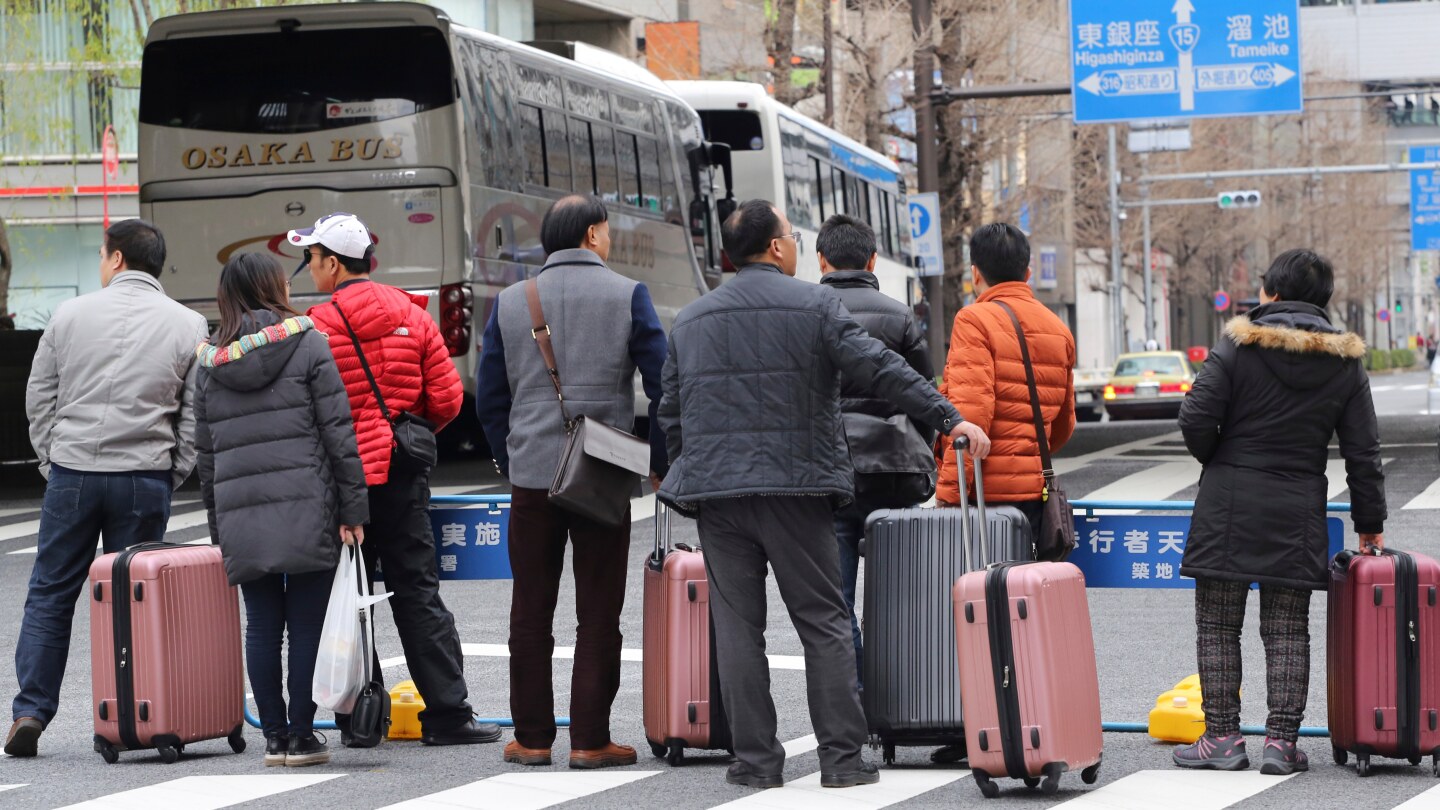
Tensions between China and Japan have intensified following a travel advisory issued by Beijing urging its citizens to avoid visiting Japan. The advisory, announced on Friday, cited concerns over recent attacks against Chinese nationals in Japan and what it described as “erroneous remarks” by Japanese Prime Minister Sanae Takaichi regarding Taiwan. China argued that these comments have undermined the atmosphere for bilateral exchanges between the two nations. In response, Japan lodged a formal protest, with Chief Cabinet Secretary Minoru Kihara urging China to take “appropriate measures” to address the situation. Kihara emphasized the importance of multilayered communication to navigate the differences between the two governments. This latest development comes amid a broader context of strained relations, as Takaichi, who assumed office last month, has advocated for strengthening Japan’s military to counter potential threats from China, particularly in contested waters of the western Pacific. The dispute has further complicated an already fragile relationship, with China asserting its territorial claims over Taiwan and conducting military drills in the region. While neither Japan nor the United States maintains official diplomatic ties with Taiwan, the U.S. remains a key supplier of defense equipment to the island and opposes any forceful resolution to the China-Taiwan issue. The travel advisory, which appears more stringent than previous warnings, has raised questions about its potential impact on Chinese tourism to Japan, a popular destination that significantly contributes to Japan’s economy. Several Chinese airlines have already offered no-penalty refunds for tickets to Japan following the announcement.
-
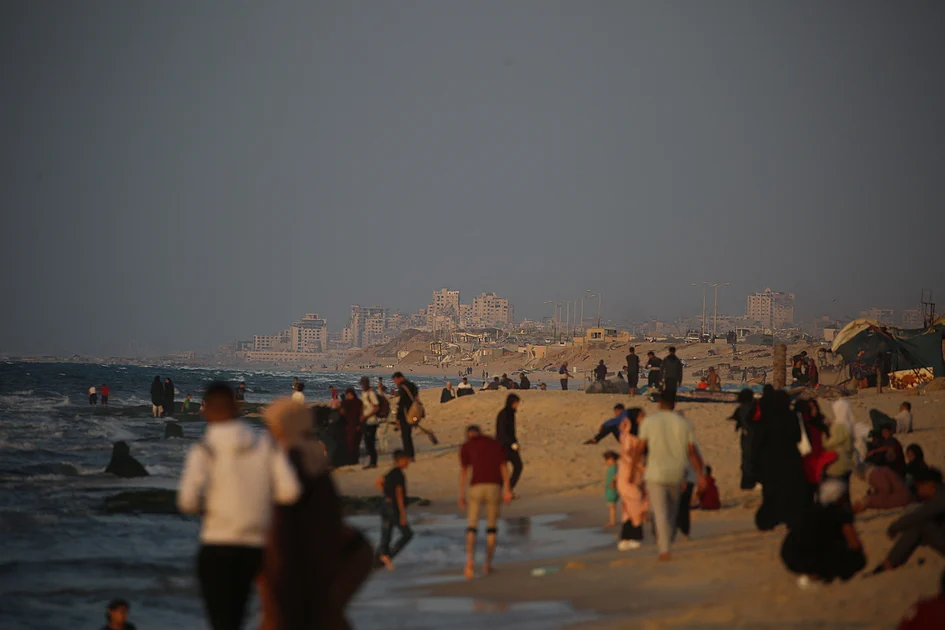
UAE, 8 countries support US draft UN resolution to endorse Trump’s Gaza plan
In a significant diplomatic move, nine countries, including the United Arab Emirates (UAE), have jointly endorsed a US-drafted United Nations Security Council resolution supporting President Donald Trump’s Comprehensive Plan to End the Gaza Conflict. The resolution, formally circulated last week, proposes a two-year mandate for a transitional governance body and an international stabilization force. The plan, announced on September 29, aims to pave the way for Palestinian self-determination and statehood, according to a joint statement issued by the UAE, US, Qatar, Egypt, Saudi Arabia, Indonesia, Pakistan, Jordan, and Turkey. These nations emphasized the plan as a sincere effort toward achieving peace and stability in the region. The US mission to the UN has urged the Security Council to expedite the resolution’s adoption. Notably, Israel and Hamas agreed to the first phase of Trump’s 20-point plan in October, which includes a hostage release deal and is annexed to the draft resolution. While Trump has ruled out deploying US troops to Gaza, discussions are underway with countries like Indonesia, the UAE, Egypt, Qatar, Turkey, and Azerbaijan to contribute approximately 20,000 troops to the stabilization force.
-
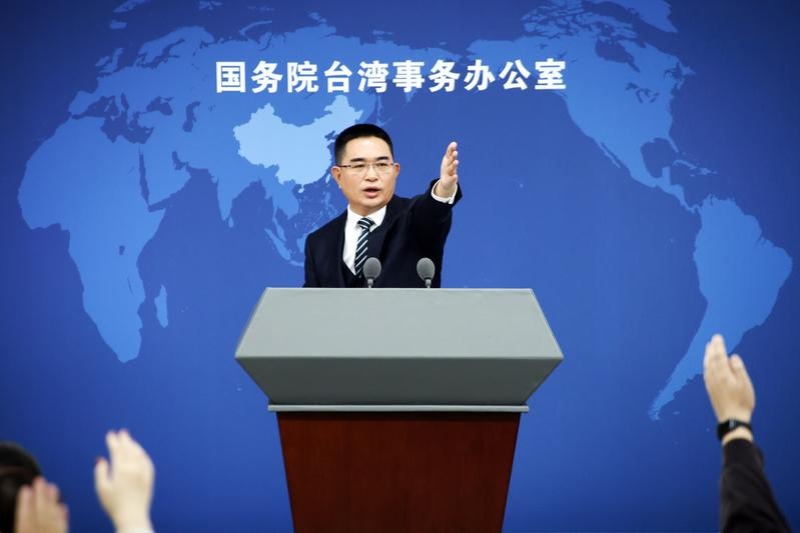
Beijing protests new US arms sale to Taiwan
China has issued a stern protest against the United States following the announcement of a new arms sale to Taiwan, labeling the move as a severe violation of its sovereignty and security interests. Chen Binhua, spokesperson for the State Council Taiwan Affairs Office, emphasized that the sale, which includes aircraft parts worth approximately $330 million, sends a dangerous signal to ‘Taiwan independence’ separatists. He reiterated China’s unwavering opposition to such transactions, urging the US to adhere to the one-China principle and the three US-China joint communiques, particularly the August 17 Communique. Chen warned that the actions of Taiwan’s Democratic Progressive Party (DPP) authorities, under the leadership of Lai Ching-te, have exacerbated tensions by pursuing military expansion and relying on external forces. He described Taiwan as being pushed toward becoming a ‘powder keg,’ jeopardizing the safety and well-being of its residents. Chen asserted that China would take all necessary measures to safeguard its national sovereignty, security, and territorial integrity, declaring that any path toward ‘Taiwan independence’ is doomed to fail.