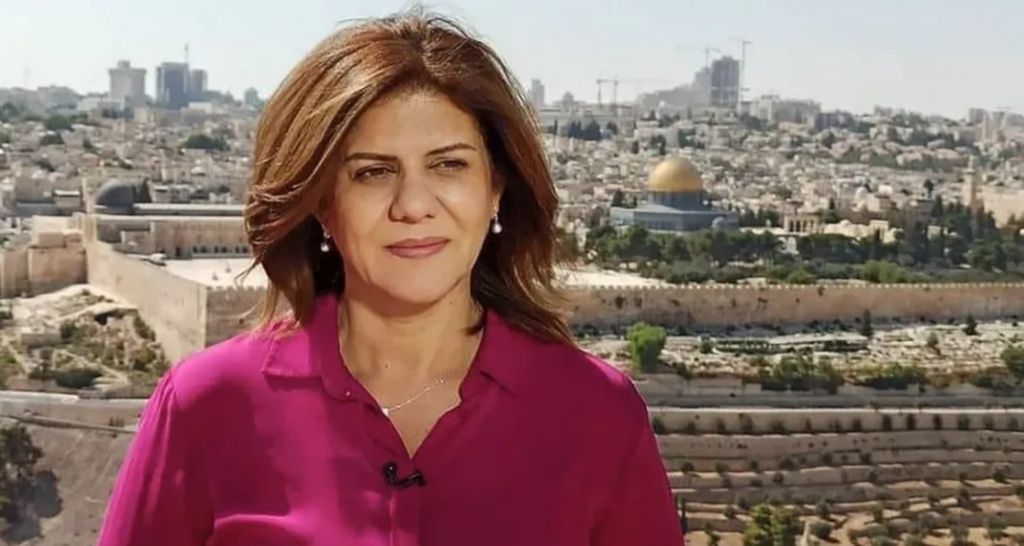
Three years after the tragic killing of Palestinian-American journalist Shireen Abu Akleh by the Israeli army, new allegations have surfaced suggesting a US cover-up. Tony Abu Akleh, the brother of the slain Al Jazeera correspondent, claims that a retired US military officer, Colonel Steve Gabavics, has revealed that his superiors and the Biden administration softened findings to protect US-Israel relations. Colonel Gabavics, who investigated the incident, concluded in 2022 that Ms. Abu Akleh was intentionally shot, despite wearing a press vest clearly identifying her as a journalist. The Israeli army initially blamed Palestinian gunmen for her death but later admitted she was likely killed by its soldiers by mistake. The Biden administration supported this narrative, stating it found no evidence of intentional targeting. However, Colonel Gabavics now asserts that the evidence pointed to a deliberate act, and the findings were altered for political reasons. Tony Abu Akleh criticized the US government for downplaying the truth, accusing it of prioritizing political interests over justice. He called for accountability and a thorough investigation into his sister’s death. The BBC has reached out to the US Department of State and the Israeli embassy in Washington for comment. The case has reignited debates about US-Israel relations and the safety of journalists in conflict zones.
分类: politics
-
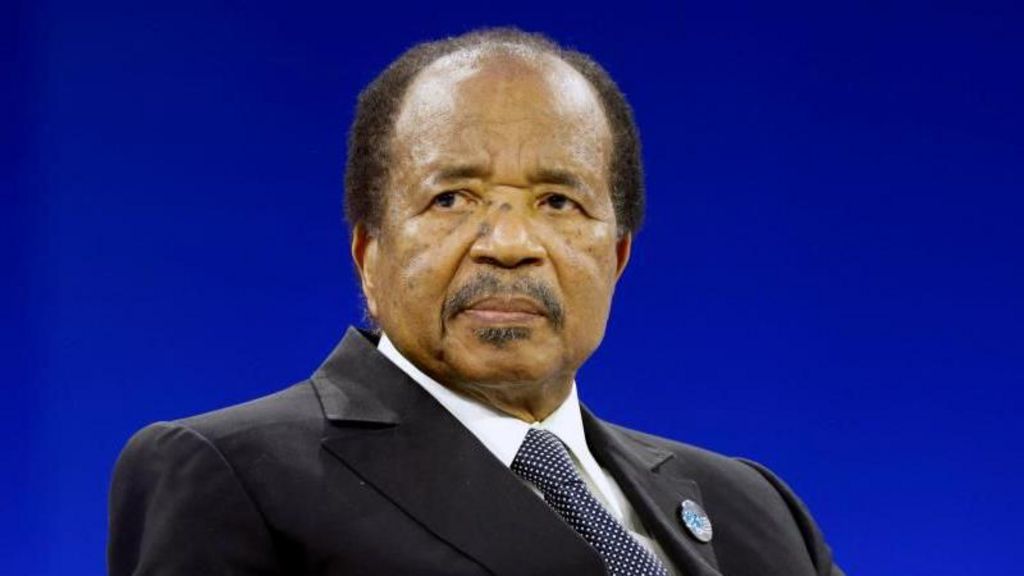
The 92-year-old president who never loses
In a widely anticipated yet contentious outcome, Cameroon’s Constitutional Council has declared 92-year-old President Paul Biya the winner of the recent presidential election, marking his eighth consecutive term in office. Biya, the world’s oldest head of state, secured 53.7% of the vote, while his primary challenger, former government minister Issa Tchiroma Bakary, garnered 35.2%. The announcement, made on Monday, has sparked a mix of shock and disillusionment among Cameroonians, many of whom had hoped for a change in leadership. Biya’s decision to seek another seven-year term, after already ruling for 43 years, has been met with criticism, particularly regarding his governance style and frequent absences from the country. His extended stays in Geneva and other undisclosed locations have fueled speculation about his actual involvement in governing Cameroon, with many suggesting that key decisions are made by Prime Minister Ferdinand Ngoh Ngoh and other senior officials. Biya’s inscrutable leadership, characterized by a lack of public engagement and formal cabinet meetings, has left many questioning the direction of his administration. Despite these concerns, Biya has maintained his grip on power, balancing Cameroon’s complex social, regional, and linguistic divides. His regime has sporadically cracked down on dissent, detaining vocal critics and suppressing protests. However, his ability to navigate the country’s internal tensions and maintain financial stability has also contributed to his longevity. The recent election, however, has highlighted growing discontent, particularly in the English-speaking regions, where a bloody crisis has exposed the limits of Biya’s cautious approach. Opposition supporters have accused Biya of rigging the election, and tensions have escalated, with reports of security forces shooting protesters in Douala and Garoua. As Biya embarks on another term, the question remains whether Cameroonians will continue to tolerate his semi-authoritarian rule or demand a more decisive change in leadership.
-
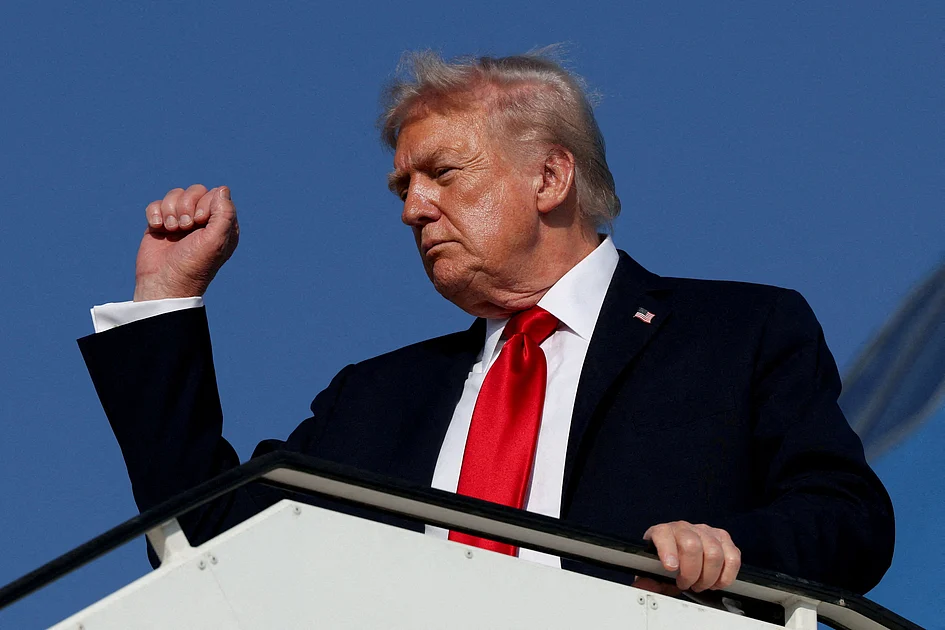
Trump dismisses 2028 VP run as ‘too cute,’ leaves door open to third term
Former U.S. President Donald Trump has firmly dismissed the possibility of running as vice president in the 2028 election, labeling the idea as ‘too cute’ and suggesting it would not resonate with the public. However, he left the door open to the prospect of seeking a third term, reigniting debates about the constitutional limits of presidential tenure. Trump’s remarks, made aboard Air Force One during a flight from Malaysia to Tokyo, have fueled speculation about his political ambitions and the potential legal challenges they might face. The 22nd Amendment to the U.S. Constitution explicitly bars individuals from being elected president more than twice, but some of Trump’s allies have hinted at exploring ways to circumvent this restriction. Trump, who would be 82 in 2028, expressed enthusiasm for another term, citing his ‘best numbers ever’ and maintaining an active public schedule despite his age. He also praised Vice President JD Vance and Secretary of State Marco Rubio as a potentially ‘unstoppable’ team in future elections. Meanwhile, figures like Steve Bannon have suggested that plans are being developed to challenge the 22nd Amendment, further complicating the Republican Party’s future leadership landscape.
-
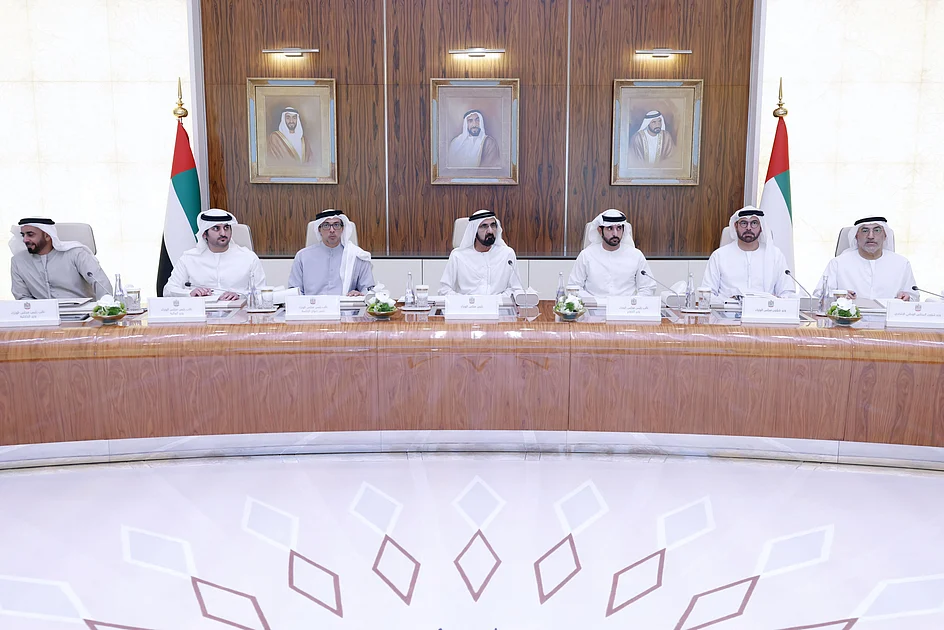
UAE Cabinet reforms Health Council, approves new sustainability guidelines
In a pivotal session on October 27, 2025, the UAE Cabinet unveiled a series of transformative decisions aimed at bolstering the nation’s governance, sustainability, and international cooperation. Among the key resolutions was the restructuring of the Health Council, now led by Ahmed bin Ali Al Sayegh, Minister of Health and Prevention, alongside senior representatives from federal, local, and private healthcare sectors. The Cabinet also greenlit the reformation of the National Committee for Public Health, signaling a renewed focus on public health governance. Sustainability took center stage as the Cabinet endorsed the National Guideline for Assessing the Economic Value of Groundwater, a strategic move to safeguard water resources and ensure long-term water security. Additionally, the UAE Biennial Transparency Report on greenhouse gas emissions was approved, underscoring the nation’s commitment to the Paris Agreement and climate action. On the economic front, the Cabinet reviewed the UAE Export Development Policy, which has driven a 247% surge in exports since 2019, supported by Comprehensive Economic Partnership Agreements (CEPAs) with multiple nations. Food safety initiatives were also highlighted, including the launch of a national training plan for food establishment employees and the development of a unified food risk assessment framework. The Cabinet further addressed social support, updating federal legislation to empower vulnerable communities and promote economic independence. International cooperation was another focal point, with the ratification of agreements with Qatar and Tunisia, alongside plans to negotiate over 30 additional accords in fields such as double taxation, nuclear regulation, and cultural cooperation. The UAE’s hosting of the International Conference on Artificial Intelligence for Cybersecurity and the Second National Conference of Medical Colleges was also approved, reflecting the nation’s ambition to lead in innovation and healthcare.
-
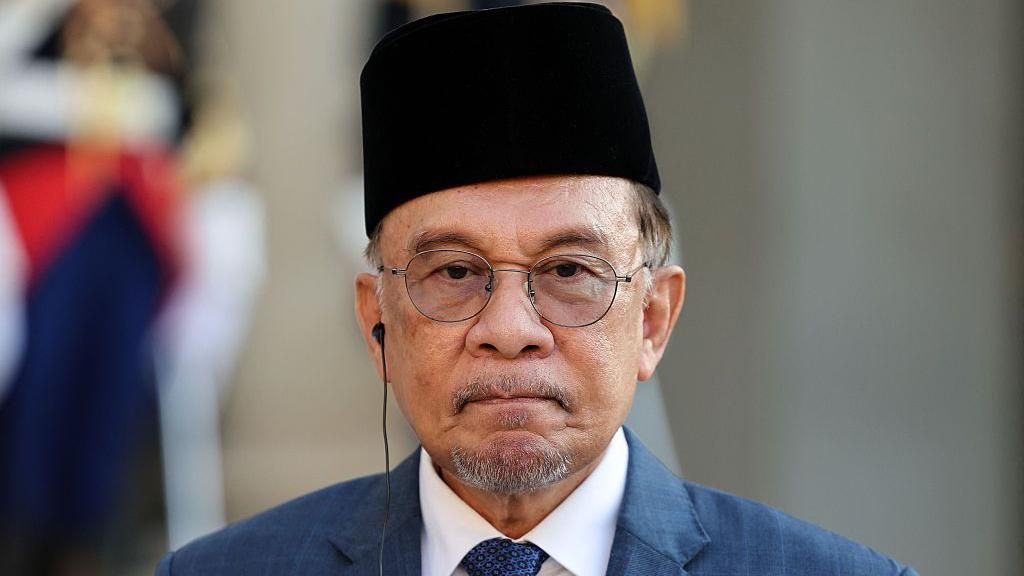
Who is Anwar Ibrahim, the Malaysian leader who helped Trump preside over a ‘peace deal’?
Malaysian Prime Minister Anwar Ibrahim’s recent diplomatic achievements have been overshadowed by domestic challenges. During a high-profile meeting with US President Donald Trump in Kuala Lumpur in October 2025, Anwar secured a crucial tariff reduction on Malaysian exports to the US, from 24% to 19%. This deal, though lacking in finer details, provides much-needed stability for Malaysia’s export-driven economy. More significantly, Anwar orchestrated Trump’s attendance at the ASEAN summit, where the US president presided over a peace deal between Thailand and Cambodia—a fragile ceasefire brokered by Anwar after deadly border clashes earlier in the year. These diplomatic wins have bolstered Malaysia’s standing in the region, but critics argue that Anwar’s success was partly due to his role as ASEAN’s rotating chair. Domestically, Anwar faces mounting pressure. Rising living costs, slow economic reforms, and accusations of favoritism have fueled public discontent. In July 2025, 20,000 protesters took to the streets demanding his resignation. Additionally, his administration’s handling of religious tensions and corruption allegations has drawn criticism. Despite these challenges, Anwar’s international diplomacy has been commendable. He has navigated Malaysia’s position between the US and China, securing visits from both Trump and Chinese President Xi Jinping. However, his ability to replicate this success at home will determine his political survival as Malaysia heads toward the 2028 elections.
-
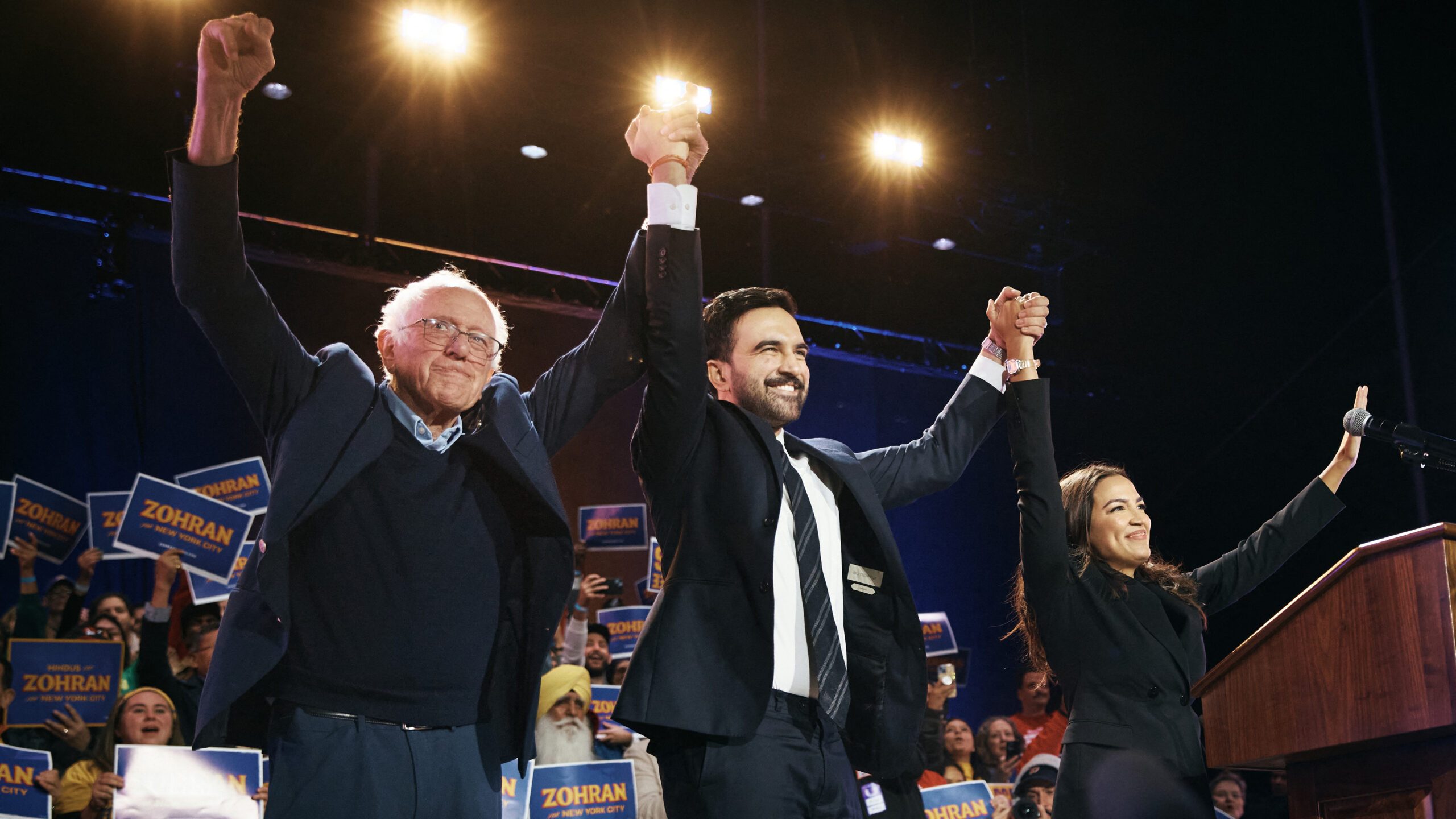
Mamdani, AOC and Sanders rally huge crowd ahead of New York City mayoral election
Despite an unexpected dip in temperature during an otherwise warm October, over 13,000 enthusiastic supporters gathered at Forest Hills Stadium in Queens on Sunday evening to rally behind Democratic Socialist and New York City mayoral candidate Zohran Mamdani. The event, themed ‘New York is not for Sale,’ was held in anticipation of the upcoming mayoral election on November 4. The historic 1920s venue buzzed with excitement as attendees of diverse backgrounds and ages came together, reflecting the broad coalition Mamdani has cultivated. Queens, known for its cultural diversity, served as the perfect backdrop for this vibrant assembly. Among the speakers was NYC Comptroller Brad Lander, who humorously referred to himself as ‘your second choice in the primary.’ Lander praised Mamdani’s coalition-building efforts, urging the crowd to reject former governor Andrew Cuomo, who is running as an Independent. Cuomo, accused of sexual harassment and corruption during his tenure, has faced criticism for his handling of the pandemic and recent Islamophobic rhetoric. Congresswoman Alexandria Ocasio-Cortez (AOC) and Vermont Senator Bernie Sanders also took the stage, delivering impassioned speeches. AOC emphasized the importance of affordable housing, decent wages, and healthcare, while Sanders highlighted the global significance of the election, warning against complacency and the dangers of oligarchy. Mamdani, who won the Democratic primary with 56% of the vote, concluded the rally with a powerful message of hope and determination, urging supporters to continue their efforts in the final days leading up to the election. Early voting has already seen significant turnout, with 164,000 ballots cast, matching the total from the 2021 early voting period. Despite Mamdani’s lead in the polls, recent data shows Cuomo narrowing the gap, setting the stage for a closely contested race.
-
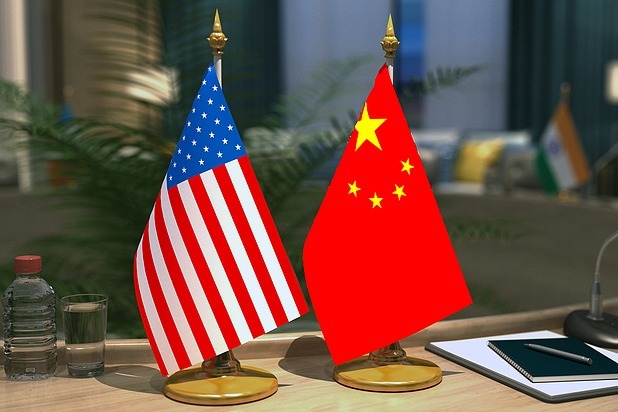
Wang, Rubio hold phone call to prepare ground for high-level engagements
In a significant diplomatic move, Chinese Foreign Minister Wang Yi and U.S. Secretary of State Marco Rubio held a crucial phone conversation on Monday, laying the groundwork for upcoming high-level engagements between the two nations. Wang emphasized the importance of mutual efforts to foster bilateral relations and create favorable conditions for future exchanges. He highlighted the enduring respect and strategic rapport between Chinese President Xi Jinping and U.S. President Donald Trump, describing their relationship as a cornerstone of China-U.S. ties. The call preceded Xi’s visit to South Korea for the 32nd Asia-Pacific Economic Cooperation (APEC) Economic Leaders’ Meeting. Wang underscored the global implications of a stable and sustainable China-U.S. relationship, noting its significance for both nations and the international community. He also addressed recent challenges in economic and trade relations, referencing the fifth round of talks in Kuala Lumpur, where both sides reached a framework consensus on pressing trade issues. Wang stressed the importance of implementing head-of-state agreements and resolving differences through dialogue. Rubio echoed the sentiment, calling the U.S.-China relationship the world’s most critical bilateral partnership and expressing hope for positive international signals through high-level interactions.
-
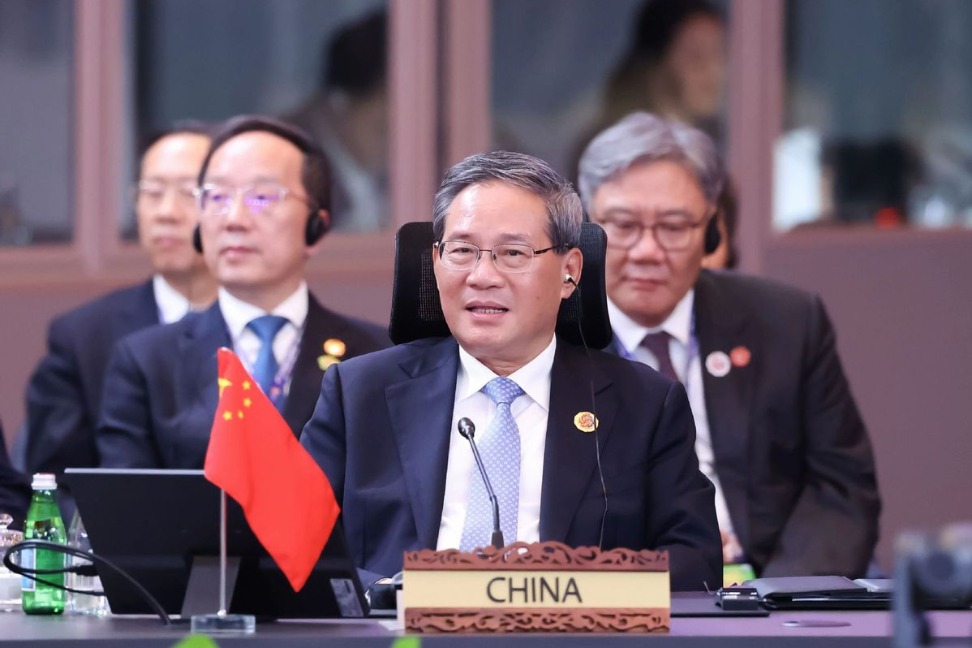
Chinese premier calls for openness, stronger alignment of development strategies
In a significant address at the 28th ASEAN Plus Three Summit in Kuala Lumpur, Chinese Premier Li Qiang emphasized the importance of openness, strategic alignment, and regional cooperation to navigate the complex global economic landscape. Premier Li highlighted the resilience and vitality of the East Asian economy, which has been one of the fastest-growing regions globally, creating numerous economic miracles over the decades. He stressed that the East Asian Miracle is not a relic of the past but a continuing narrative that requires sustained effort and collaboration. Li called for an environment conducive to regional development, urging parties to resolve differences through dialogue, uphold free trade, and oppose protectionism. He also emphasized the need to deepen industrial and supply chain collaboration, leverage respective strengths, and enhance connectivity and cooperation. The premier underscored the importance of scientific and technological innovation, advocating for joint research and the development of new growth drivers in areas such as the digital economy, electric vehicles, and clean energy. Other leaders at the summit echoed Li’s sentiments, emphasizing the need for solidarity, regional community, and commitment to openness and mutual benefit. They highlighted the importance of advancing cooperation in trade, investment, finance, food security, green economy, public health, climate change, and disaster mitigation. The summit, chaired by Malaysian Prime Minister Anwar Ibrahim, concluded with a reaffirmation of the commitment to regional peace, stability, and economic integration.
-
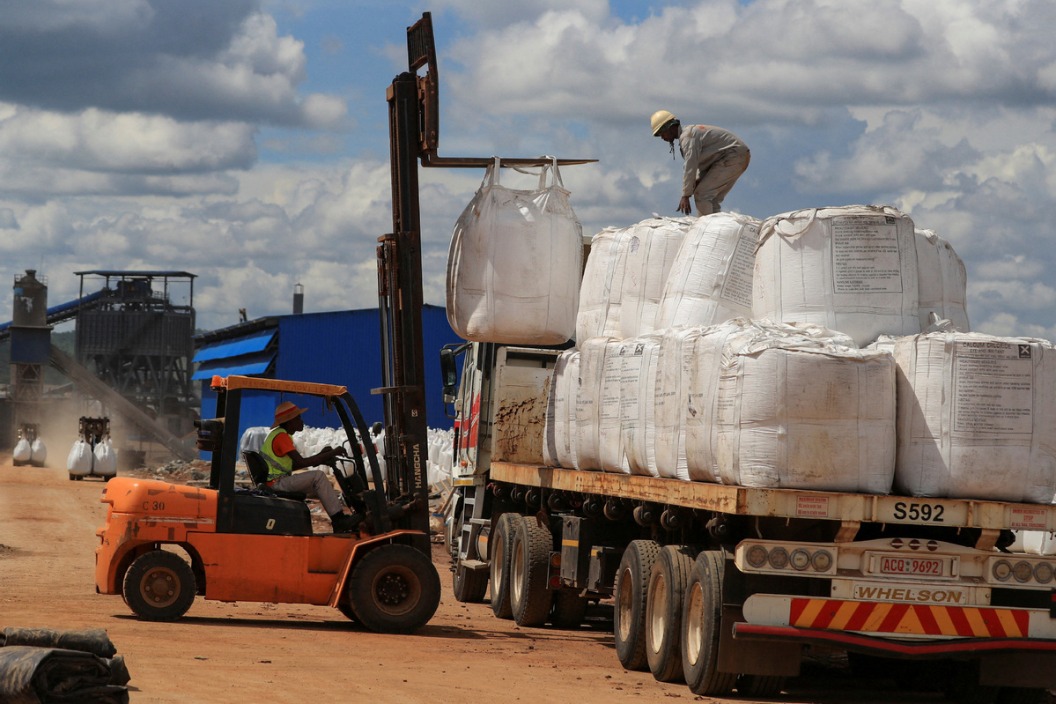
AU renews calls for lifting of sanctions on Zimbabwe
The African Union (AU) has once again called for the immediate and unconditional removal of sanctions on Zimbabwe, emphasizing the detrimental impact these measures have had on the nation’s socio-economic development. Speaking during the Southern African Development Community (SADC) Anti-Sanctions Day on Saturday, AU Commission Chairperson Mahmoud Ali Youssouf highlighted the prolonged suffering of Zimbabwe’s people and economy due to these ‘coercive measures.’ Youssouf underscored that the sanctions have severely restricted Zimbabwe’s access to international finance, deterred foreign direct investment, and increased the cost of doing business, thereby hindering regional progress. While the statement did not specify the countries imposing the sanctions, the United States has been a key enforcer since 2001 under the Zimbabwe Democracy and Economic Recovery Act. Zimbabwean President Emmerson Mnangagwa, addressing the nation during Anti-Sanctions Day events in Harare, reiterated the country’s resilience in pursuing economic growth despite these ‘illegal sanctions.’ He argued that the sanctions were imposed as punishment for Zimbabwe’s assertion of sovereignty and its pursuit of equitable development. Mnangagwa pointed to progress in food security and agricultural self-sufficiency through climate-resilient programs but lamented the continued barriers to accessing global credit and financial markets. The AU has pledged unwavering support for Zimbabwe, vowing to mobilize international backing until the sanctions are fully lifted. Meanwhile, Zimbabwean civil society groups, such as Citizens Against Economic Sanctions, have echoed the call for the unconditional removal of these measures, emphasizing their ongoing negative impact on economic growth and social development.
-
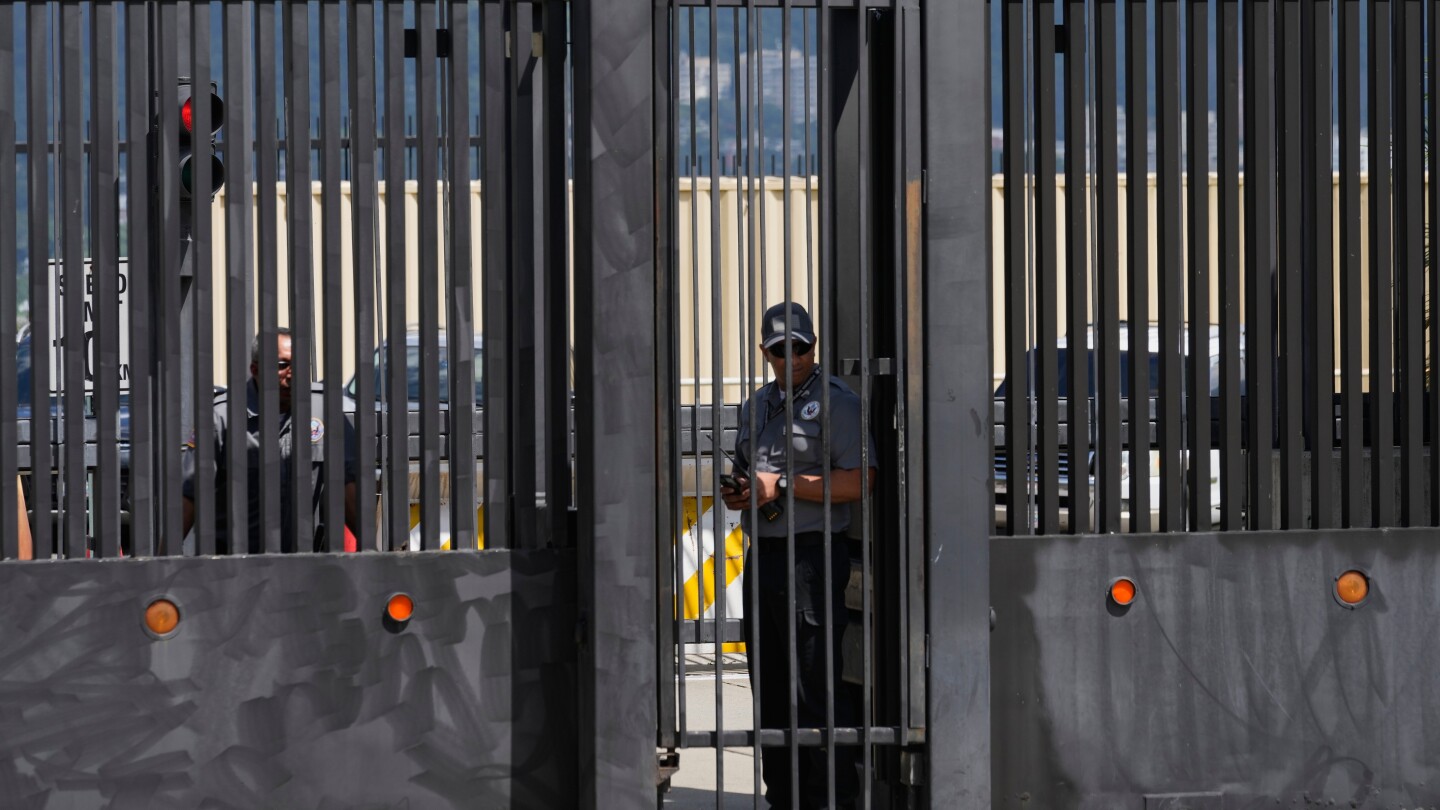
Venezuela moves to cancel energy agreements with Trinidad after US warship arrives at island nation
Venezuela’s Vice President Delcy Rodríguez announced on Monday that the country is considering terminating energy agreements with Trinidad and Tobago, citing what she described as “hostile” actions by the island nation. The decision comes in response to Trinidad’s hosting of the USS Gravely, a U.S. guided-missile destroyer, which arrived on Sunday to conduct joint naval exercises. Rodríguez, who also serves as Venezuela’s Minister of Hydrocarbons, accused Trinidad’s Prime Minister Kamla Persad-Bissessar of aligning with the U.S. “war-mongering agenda” and stated she would urge President Nicolás Maduro to withdraw from a 2015 agreement that facilitates joint natural gas exploration projects between the two nations. The narrow 7-mile (11-kilometer) bay separating the countries has been a focal point of cooperation, but recent developments have strained relations. Venezuela has condemned the U.S. military presence in the Caribbean as a threat to its sovereignty, alleging that the deployment of warships is part of a broader effort to destabilize Maduro’s government. Tensions have escalated further with the Trump administration’s recent announcement of deploying its largest aircraft carrier to the region, intensifying the geopolitical standoff.