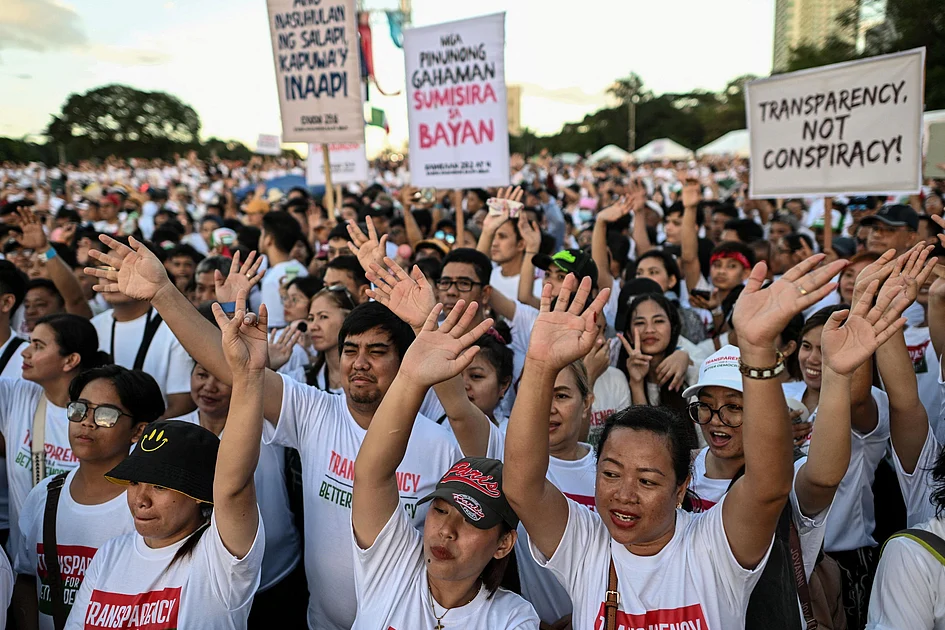
For the second consecutive day, tens of thousands of demonstrators flooded the streets of Manila on Monday, intensifying their calls for accountability in the wake of alleged corruption tied to flood-mitigation projects. The protests, which began on Sunday and attracted over 600,000 participants, are set to continue until Tuesday. Organized by Iglesia Ni Cristo, a prominent church with a membership of 2 million known for its bloc voting influence, the movement has mobilized supporters nationwide. Many protesters expressed frustration over what they perceive as inadequate investigations into irregularities in major infrastructure projects. Freddie Beley, a 60-year-old participant, emphasized the need for a genuine and transparent inquiry, stating, ‘We demand that the government conduct a sincere investigation and not shield anyone involved in this anomaly.’ The scandal gained momentum in August when Philippine President Ferdinand Marcos Jr. revealed the findings of an internal audit on flood-control projects, exposing significant irregularities. The controversy has implicated public works officials, construction firm executives, and lawmakers, who are accused of profiting from substandard or non-existent projects. This has eroded investor confidence and contributed to a four-year low in economic growth during the third quarter, as public spending declined. Marcos has established a commission to investigate the alleged corruption, particularly in flood-control facilities. Positioning himself as a champion of accountability and transparency, the president, whose father was accused of widespread corruption during his rule, vowed on Thursday that those responsible for the flawed projects would face imprisonment before Christmas. However, protester Armelyn Bandril, 35, criticized the lack of progress, noting, ‘Nearly 100 days have passed since the investigation began, yet no one has been jailed despite ample evidence.’
分类: politics
-
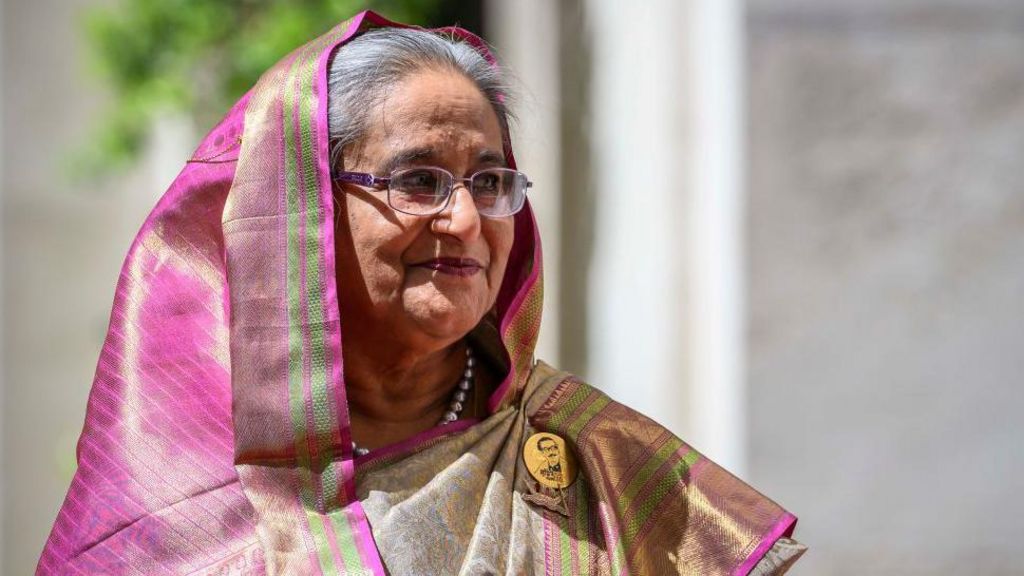
Bangladesh’s ousted leader Sheikh Hasina sentenced to death
In a landmark ruling, Bangladesh’s former Prime Minister Sheikh Hasina has been sentenced to death by the International Crimes Tribunal (ICT) for her role in the violent crackdown on student-led protests in 2024, which resulted in the deaths of 1,400 individuals. The verdict, delivered in absentia, marks a significant moment in Bangladesh’s political landscape, as Hasina has been in exile in India since her ousting in July 2024. The tribunal found her guilty of authorizing the use of lethal force against protesters, a charge she vehemently denies, labeling the trial as “biased and politically motivated.”
The protests, initially sparked by demands to abolish government job quotas, quickly escalated into a broader anti-government movement. A UN report in February highlighted the severity of the crackdown, describing the killings as potential “crimes against humanity.” Leaked audio verified by the BBC suggested Hasina had authorized the use of “lethal weapons” during the unrest, which was presented as evidence during the trial.
Families of the victims have welcomed the verdict, with many calling for severe punishment. Ramjan Ali, whose brother was killed during the protests, expressed a desire for “exemplary punishment” for Hasina and others involved. Lucky Akther, who lost her husband, emphasized the need for the sentence to be carried out before the next election to bring closure to the bereaved families.
The verdict has intensified political tensions in Bangladesh, with the interim government banning Hasina’s Awami League party in May. Hasina has warned that millions might boycott the upcoming 2026 election if her party’s candidates are barred from participating. The ruling also poses a diplomatic challenge for India and Bangladesh, as Dhaka has requested her extradition, a move India has yet to comply with.
While the sentence offers some closure to the victims’ families, it is unlikely to heal the deep political divisions in the country. Rights activists and observers have noted that without an apology or remorse from Hasina and her party, the Awami League’s path to political rehabilitation remains uncertain.
-
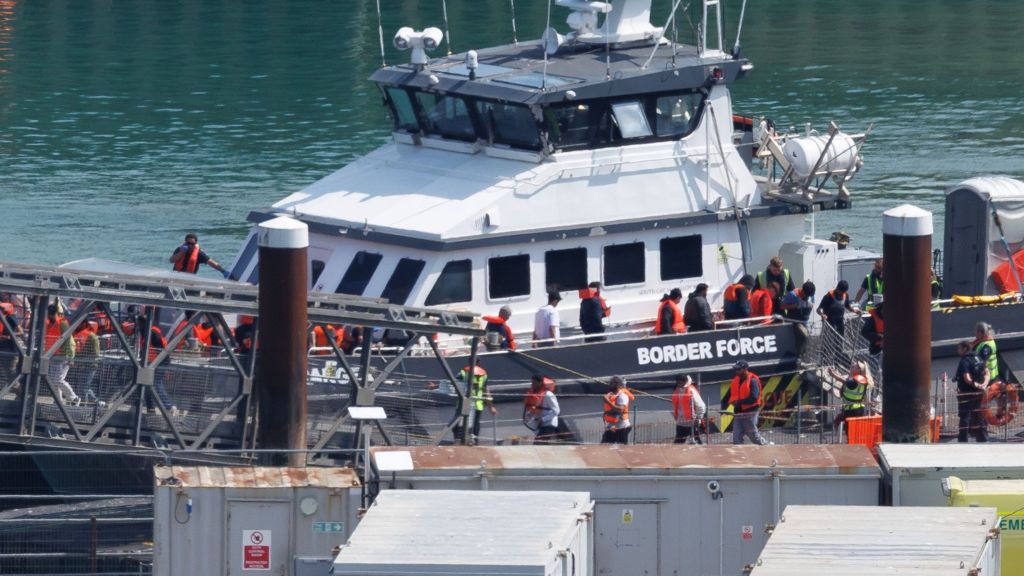
Fast-track deportations to be announced as part of asylum reforms
The UK government has announced a series of bold reforms to its asylum and immigration policies, spearheaded by Home Secretary Shabana Mahmood. The plans include fast-tracking the deportation of illegal migrants and overhauling human rights laws to address the record-high number of asylum claims. Under the new measures, individuals granted asylum will be returned to their home countries if those nations are deemed safe at any point, and they must wait 20 years to apply for permanent residency—a significant increase from the current five-year requirement. Additionally, the UK will suspend visa issuance for citizens of three African countries—Angola, Namibia, and the Democratic Republic of Congo—if their governments fail to improve cooperation on deportation processes. The reforms also aim to streamline the appeals system, which currently faces a backlog of over 50,000 cases, by limiting appeals to a single attempt and expediting the removal of foreign criminals. Successful asylum seekers will face stricter conditions, including biennial reviews of their status and the potential loss of housing and financial allowances. The government plans to adopt a Danish-inspired model, seizing assets like cars and e-bikes to cover accommodation costs, though sentimental items such as wedding rings will be exempt. Critics, including some Labour MPs and refugee advocacy groups, argue that the reforms risk creating prolonged uncertainty and alienation for asylum seekers. However, the government maintains that these measures are necessary to restore public trust and control over immigration. The Home Office has also signaled intentions to reform Article 3 and Article 8 of the European Convention on Human Rights, which have been used to block deportations in certain cases. While the reforms have drawn mixed reactions, they underscore the government’s commitment to addressing the challenges posed by illegal migration and asylum claims.
-
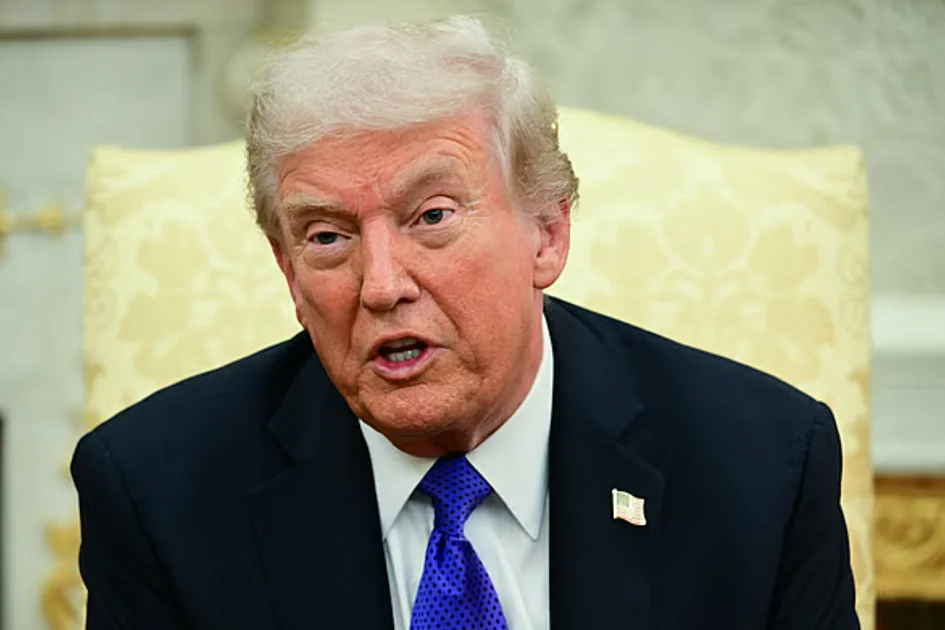
Trump says House Republicans ‘should vote’ to release Epstein files
In a surprising shift, former US President Donald Trump has called on House Republicans to vote for the release of documents related to the late convicted sex offender Jeffrey Epstein. This move marks a reversal from his previous stance, as Trump had initially resisted such actions. The announcement came via a post on his Truth Social platform, where he emphasized the need for transparency, stating, ‘House Republicans should vote to release the Epstein files, because we have nothing to hide.’ Trump framed the issue as a Democratic ‘hoax’ aimed at undermining Republican successes, including their recent victory in averting a government shutdown.
-
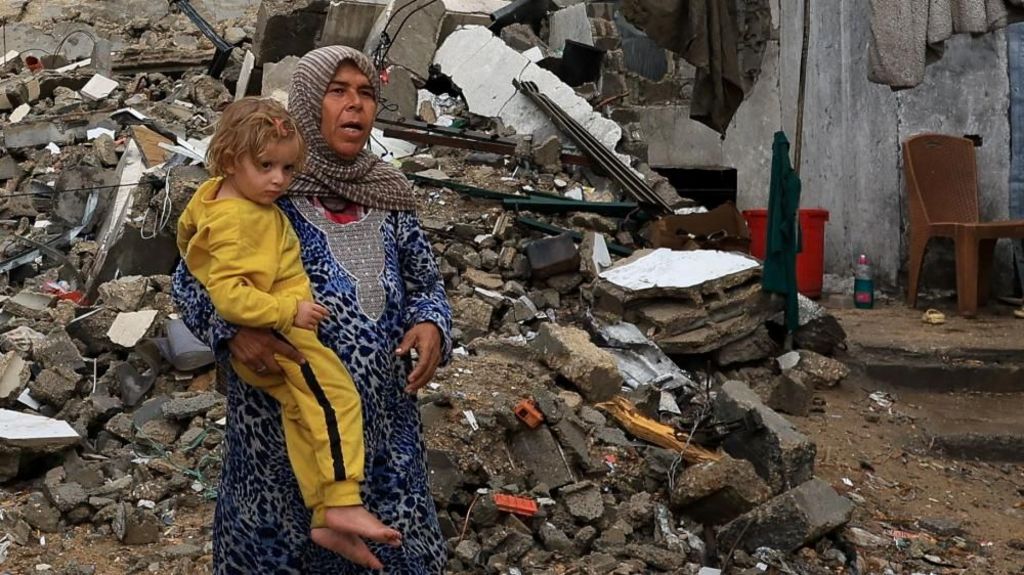
UN Security Council to vote on Trump peace plan for Gaza
The United Nations Security Council is poised to vote on a draft resolution supporting former U.S. President Donald Trump’s comprehensive peace plan for Gaza. The proposal, submitted by the United States, outlines the deployment of an International Stabilization Force (ISF) and the establishment of a transitional administration in the region. While the U.S. claims several unnamed nations have pledged contributions to the ISF, its precise mandate—whether to enforce Hamas’s disarmament or serve as a peacekeeping entity—remains ambiguous. This initiative is a cornerstone of Trump’s 20-point strategy, which recently facilitated a ceasefire in the two-year conflict between Israel and Hamas. The draft resolution also cautiously introduces the concept of a Palestinian state, a notion vehemently opposed by Israel. Intense negotiations have surrounded the text, with Washington cautioning that rejection could reignite hostilities. Beyond authorizing the ISF, which would collaborate with Israel and Egypt, the draft advocates for the creation of a newly trained Palestinian police force in Gaza, replacing the current Hamas-controlled authority. Reports suggest the ISF would focus on disarming non-state armed groups, including Hamas, while safeguarding civilians and humanitarian corridors. Hamas, however, has denounced the resolution as ‘dangerous,’ rejecting any foreign military presence and disarmament clauses, which it views as an infringement on Palestinian sovereignty. The draft also proposes a Board of Peace, likely led by Trump, to oversee a temporary technocratic administration tasked with Gaza’s reconstruction. Amid pressure from key Arab states, the text hints at a potential future Palestinian state, though it stops short of explicitly endorsing one. This inclusion has drawn sharp criticism from Israeli Prime Minister Benjamin Netanyahu, who reiterated Israel’s unwavering opposition to a Palestinian state west of the Jordan River. Trump’s plan has temporarily halted the Israel-Gaza conflict, which erupted after Hamas’s October 7, 2023, attack on Israel, resulting in significant casualties and hostages. The Hamas-run health ministry reports over 69,483 Palestinian deaths since the conflict began.
-
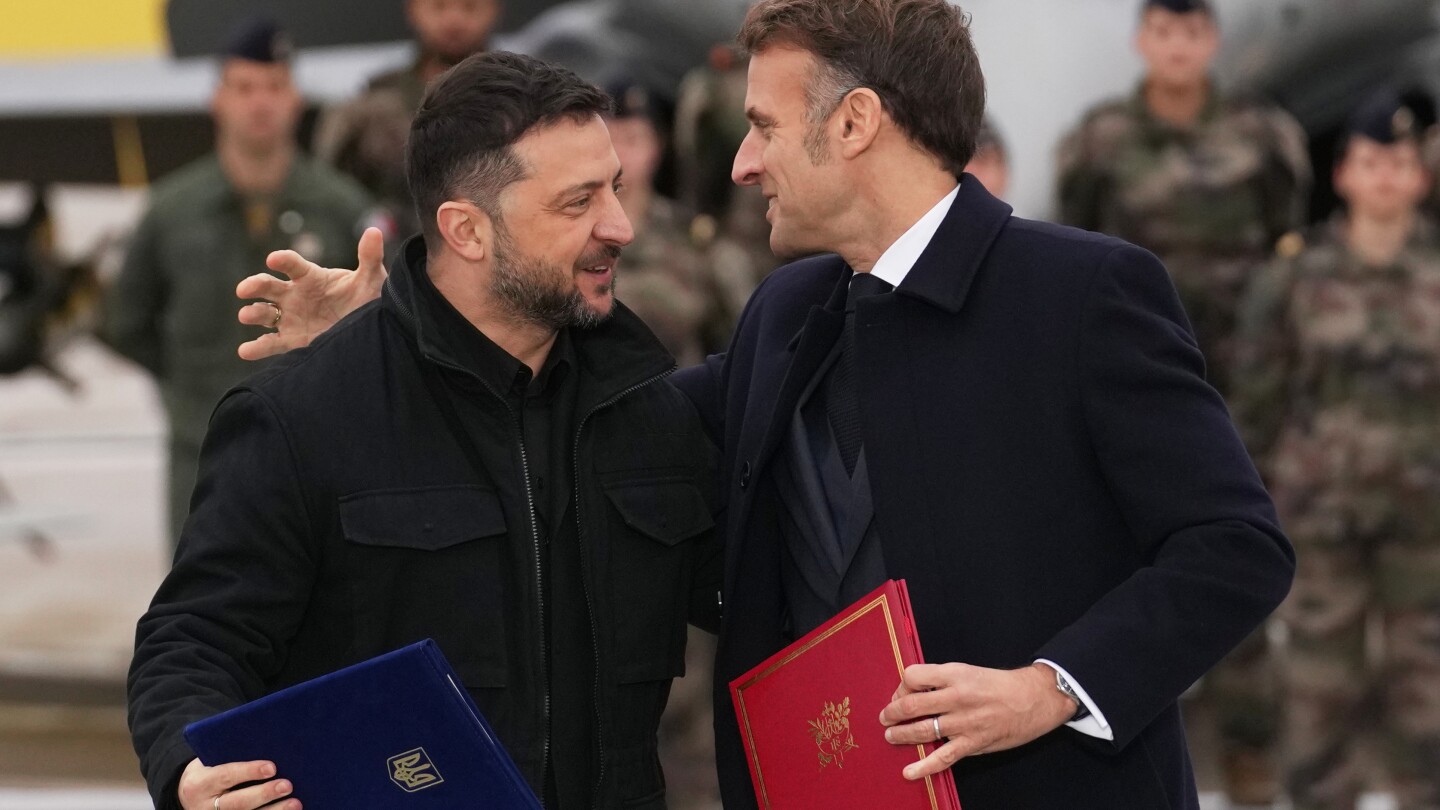
Ukraine signs a letter of intent to buy up to 100 Rafale warplanes from France
In a significant move to bolster Ukraine’s military capabilities, Ukrainian President Volodymyr Zelenskyy and French President Emmanuel Macron signed a letter of intent on Monday, paving the way for Ukraine to purchase up to 100 Rafale fighter jets from France. The agreement, announced by both the Ukrainian Embassy and the French president’s office, underscores Ukraine’s ongoing efforts to strengthen its defense systems amid relentless Russian aggression. While specific details of the deal remain undisclosed, the document highlights Ukraine’s consideration of acquiring French defense equipment, including the advanced Rafale jets. This marks Zelenskyy’s ninth visit to Paris since Russia’s full-scale invasion in February 2022, as Ukraine braces for another winter under Russian bombardment of its energy infrastructure and other critical targets. Earlier in the day, Macron and Zelenskyy toured an air base on the outskirts of Paris before meeting with representatives of a multinational force, referred to as the ‘coalition of the willing,’ which France and Britain are spearheading with over 30 nations to enforce a potential ceasefire in Ukraine. Zelenskyy expressed optimism about the deal, calling it a ‘historic agreement’ to enhance Ukraine’s combat aviation and air defense capabilities. This development follows Ukraine’s recent defense agreements, including a pact with Sweden to explore the purchase of up to 150 Gripen fighter jets and the acquisition of American-made F-16s and French Mirages.
-
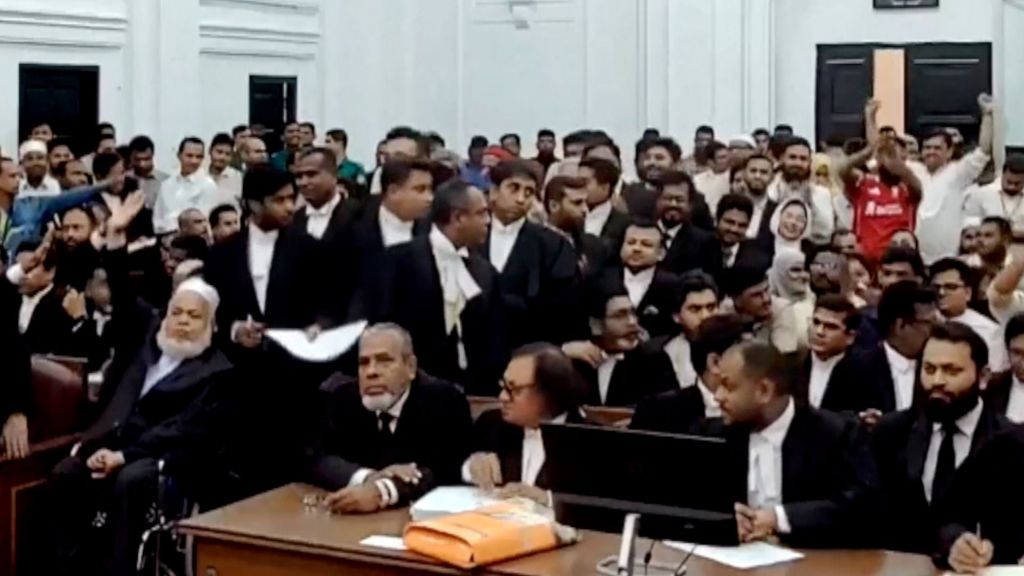
Moment Ex-Bangladesh leader Sheikh Hasina’s sentence is announced
In a dramatic turn of events, former Bangladeshi leader Sheikh Hasina has vehemently criticized a recent court ruling against her, labeling it as ‘biased and politically motivated.’ The verdict, which has sparked widespread debate, was announced amidst a charged political atmosphere in Bangladesh. Hasina, who has been a prominent figure in the country’s political landscape, issued a strong statement following the decision, asserting that the ruling was influenced by external political forces rather than legal merit. This development has further intensified the already polarized political environment in Bangladesh, with supporters and critics of Hasina clashing over the legitimacy of the court’s decision. The case has drawn significant attention both domestically and internationally, raising questions about the independence of the judiciary and the state of democracy in the region.
-
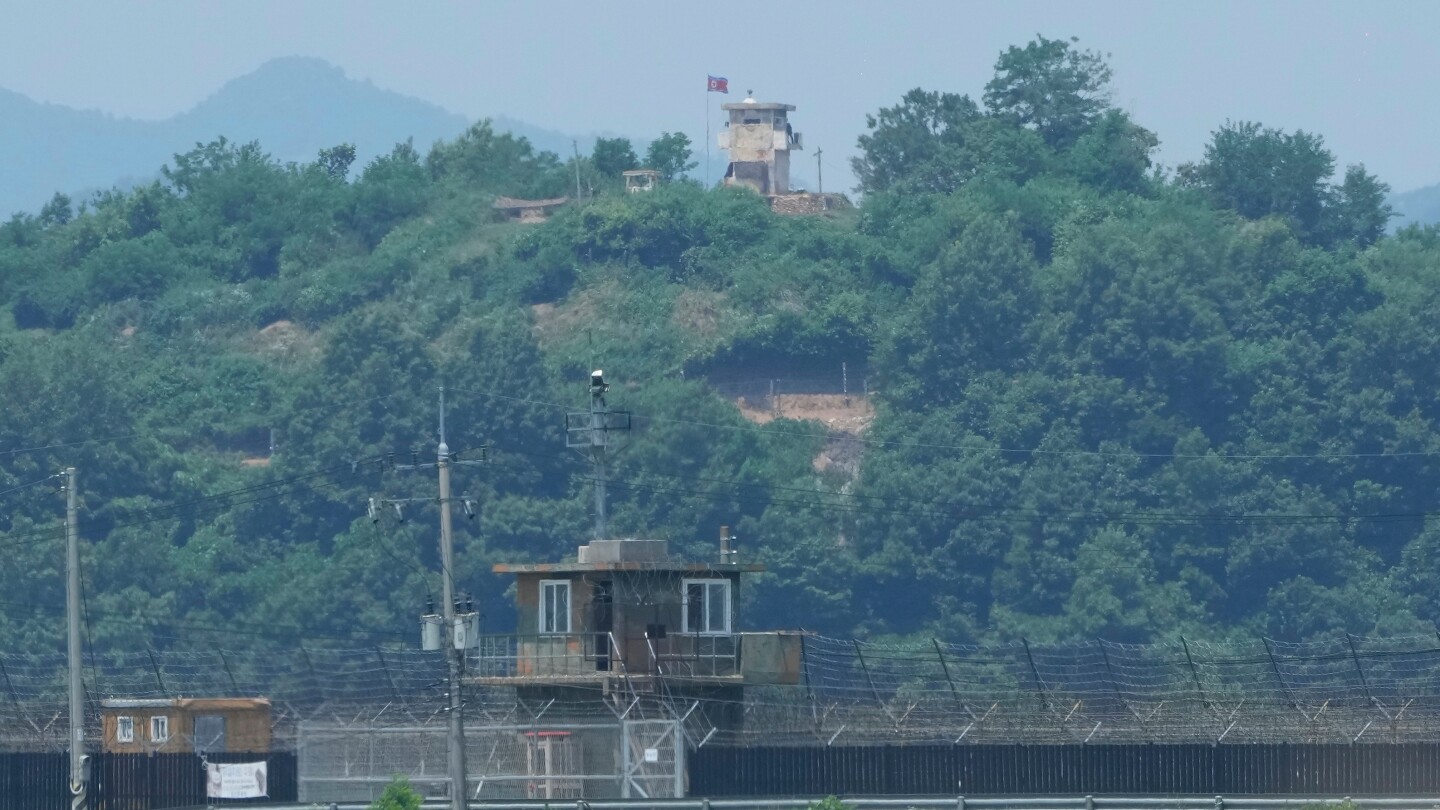
South Korea offers talks with North to prevent accidental armed clash at border
In a bid to mitigate escalating military tensions, South Korea has extended an offer for talks with North Korea to clarify the disputed border line and prevent potential armed clashes. The proposal comes amid repeated border intrusions by North Korean soldiers, which have raised concerns about accidental confrontations. South Korea’s military has reported firing warning shots to repel North Korean troops who have allegedly violated the military demarcation line multiple times since last year, when Pyongyang began fortifying its front-line defenses. North Korea, however, has denied these claims, asserting that its soldiers operated within its own territory and threatening unspecified retaliatory measures. Kim Hong-Cheol, South Korea’s deputy minister for national defense policy, emphasized that the talks aim to reduce tensions and address differing interpretations of the border, as many demarcation posts established after the 1950-53 Korean War have disappeared. The likelihood of North Korea accepting the offer remains uncertain, given its reluctance to engage in dialogue with South Korea and the U.S. since the collapse of nuclear negotiations between Kim Jong Un and former U.S. President Donald Trump in 2019. Observers suggest that the proposal reflects South Korean President Lee Jae Myung’s broader efforts to reopen communication channels with the North. Last year, Kim Jong Un declared an end to the long-standing goal of peaceful unification, designating South Korea as a permanent adversary and reinforcing border defenses with anti-tank barriers and landmines. The 248-kilometer-long border, one of the world’s most heavily fortified frontiers, remains a volatile legacy of the unresolved Korean War.
-
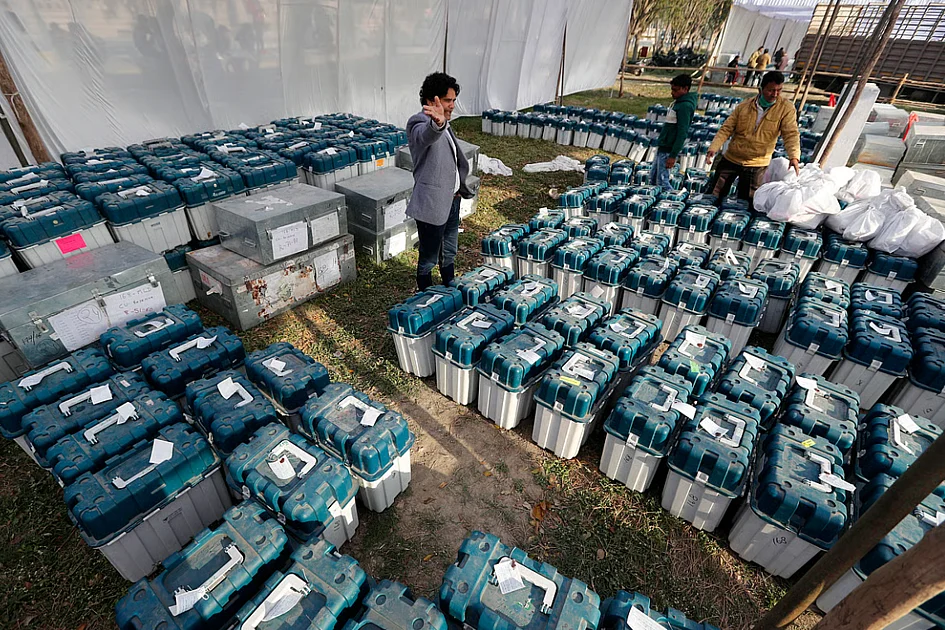
SIR forms: Indian expats in UAE rush to update, verify voter status
Indian expatriates residing in the UAE are actively engaging in the Special Intensive Revision (SIR) process to update and verify their voter status ahead of the 2026 elections in India. The Election Commission of India is conducting this initiative across 12 states and Union Territories, including Kerala and Karnataka, to ensure accurate voter rolls by removing fraudulent entries and adding eligible voters. This marks the first such comprehensive revision in 21 years. Only those listed on the electoral roll will be eligible to vote in upcoming local and national elections. Many expats are sending necessary documents, such as Aadhar cards and passports, to their families in India to facilitate the process. Dubai resident Asheem PK shared, ‘My father urged me to complete the process, so I sent all required documents as soon as it began.’ The first draft of the voter list will be published on December 9, after which new applicants can submit Form 6A online to be added. Muneer Berike, an Indian social worker, emphasized the significance of this opportunity for non-resident Indians (NRIs), stating, ‘We fought hard for this right, and now it’s crucial for NRIs to exercise it.’ NRI voter registration began in 2010, with overseas electors allowed to register since 2011. Applicants must provide details such as their overseas address, reason for residing abroad, and a relative’s voter information. Proof documents, including the Aadhar card, may also be required. Unlike resident voters, NRIs do not receive voter IDs and must vote in person in India using their passports. To assist expats, Indian social groups are planning to set up help desks, though the Indian consulate has yet to confirm its involvement in the registration process. The final voter list will be published in February 2026.
-
Japan PM’s remarks on Taiwan draw criticism
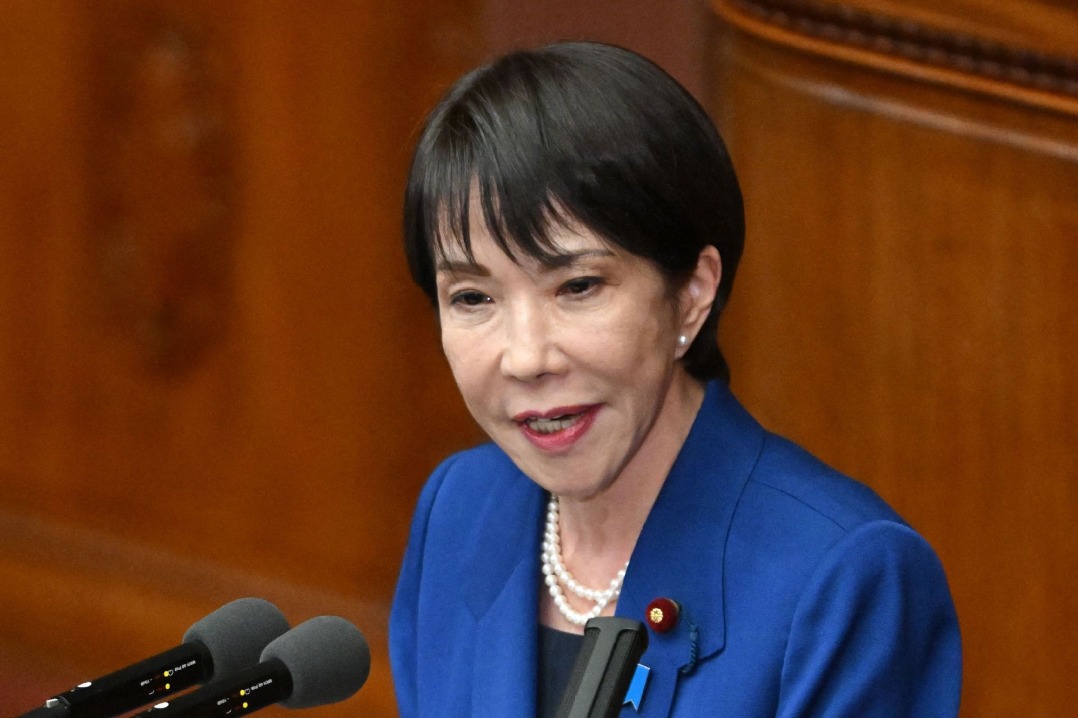
Japanese Prime Minister Sanae Takaichi’s recent comments on Taiwan have ignited widespread criticism both domestically and internationally, with observers warning of severe repercussions for Japan-China relations. Takaichi’s remarks, made during a November 7 session of Japan’s Diet, suggested that a military contingency involving Taiwan could pose a ‘survival-threatening situation’ for Japan, potentially justifying the use of collective self-defense by Japan’s Self-Defense Forces. This assertion has been condemned as a blatant violation of the one-China policy, which recognizes Taiwan as an inalienable part of China. Critics argue that such statements erode the mutual trust established by the 1972 Japan-China joint statement and risk destabilizing regional security. On November 16, approximately 100 Japanese citizens protested outside the prime minister’s official residence in Tokyo, demanding Takaichi’s resignation and calling for an immediate retraction of her remarks. Prominent figures, including former Prime Ministers Yukio Hatoyama and Shigeru Ishiba, have also criticized Takaichi’s stance, emphasizing the importance of avoiding interference in China’s internal affairs. Experts like Ukeru Magosaki, a former senior official at Japan’s Ministry of Foreign Affairs, and Hiroshi Shiratori, a political science professor at Hosei University, have warned that Takaichi’s comments not only distort Japan’s pacifist principles but also jeopardize the fragile diplomatic balance in East Asia. Despite China’s formal protests, Takaichi has refused to retract her statements, further straining bilateral relations and raising concerns about the potential for unnecessary regional conflict.