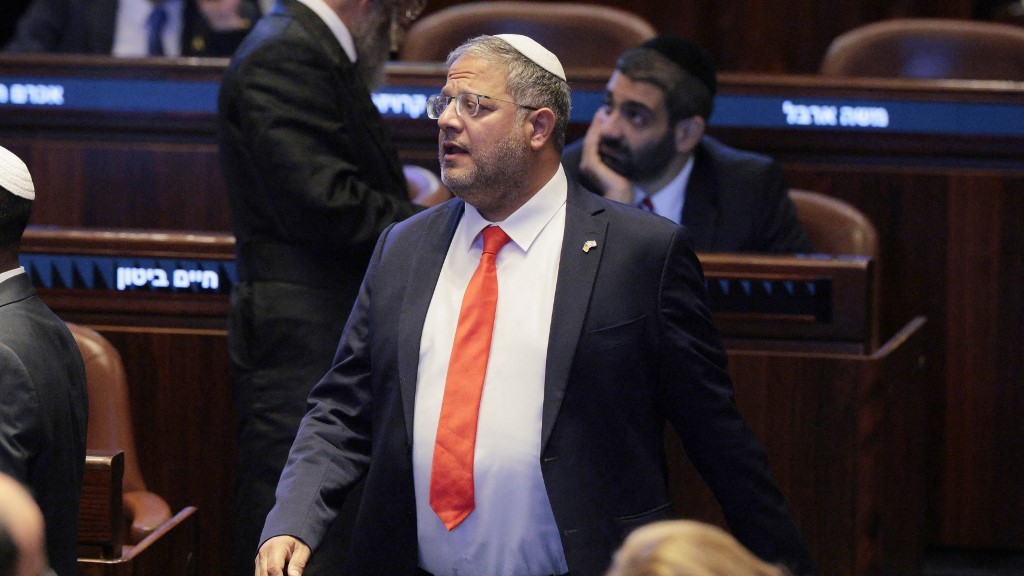
Israel’s National Security Minister Itamar Ben Gvir has sparked controversy by demanding the arrest of Palestinian President Mahmoud Abbas should the United Nations recognize Palestinian statehood. In a provocative statement on X (formerly Twitter), Ben Gvir also urged targeted assassinations of senior Palestinian Authority (PA) officials, whom he branded as “terrorists.” He revealed that a solitary confinement cell at Ketziot Prison has already been prepared for Abbas, referred to by his honorific name, Abu Mazen. These remarks come ahead of a critical UN Security Council vote on a US-backed resolution endorsing a Gaza peace plan, which includes a “credible pathway” to Palestinian statehood. On Sunday, Kan News reported that Israeli Prime Minister Benjamin Netanyahu’s government is making last-minute diplomatic efforts to remove references to statehood from the draft resolution. The current draft suggests that conditions for Palestinian self-determination and statehood could be met following PA reforms and Gaza’s redevelopment. Meanwhile, the National Commission for Palestinian Popular Action (NCPPA) issued a strong statement rejecting US proposals for an externally imposed transitional administration in Gaza, labeling it as “a new colonialism.” The NCPPA, comprising various Palestinian groups and figures, emphasized that any governing body must reflect the will of the Palestinian people and uphold their right to self-determination, resistance, and freedom under international law.
分类: politics
-
Canada narrowly approves Carney’s first federal budget
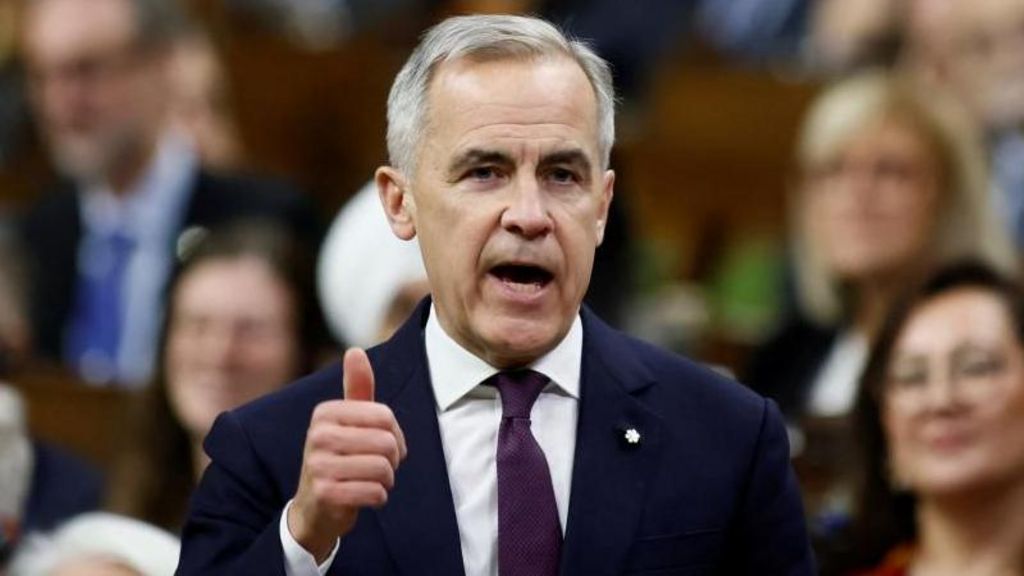
In a razor-thin vote, Canada’s Parliament has approved Prime Minister Mark Carney’s first federal budget, narrowly averting an early election for his minority Liberal government. The fiscal plan, which projects a record deficit of C$78 billion ($55.3 billion), passed with 170 votes in favor and 168 against, relying heavily on support from opposition MPs, including Green Party leader Elizabeth May. Despite widespread criticism from opposition lawmakers, Carney defended the budget as a “generational investment” aimed at bolstering Canada’s economy. The vote was pivotal for the Liberal government, which holds two seats short of a majority, necessitating support from at least two opposition MPs or abstentions from four. Two NDP MPs and House Speaker Francis Scarpaleggia abstained, while Conservative MPs Shannon Stubbs and Matt Jeneroux also refrained from voting. May’s support was secured after Carney committed to advancing Canada’s climate targets. The Conservative Party, led by Pierre Poilievre, and the Bloc Québécois opposed the budget, accusing the government of neglecting affordability concerns. Poilievre criticized the plan as a “credit card budget” that fails to address the cost-of-living crisis. Liberal MP Nathaniel Erskine-Smith expressed concerns about the budget’s shortcomings in tackling housing and climate issues. The budget proposes C$140 billion in new spending over five years to enhance productivity, competitiveness, and resilience, including investments in trade infrastructure and support for businesses affected by US tariffs. However, Carney’s plan to reduce the federal workforce by 10% has sparked backlash from public sector employees. The budget’s passage follows weeks of political drama, including the defection of Conservative MP Chris d’Entremont to the Liberals and the resignation of Matt Jeneroux, raising questions about Poilievre’s leadership.
-
US will give visa appointment priority to World Cup ticket holders
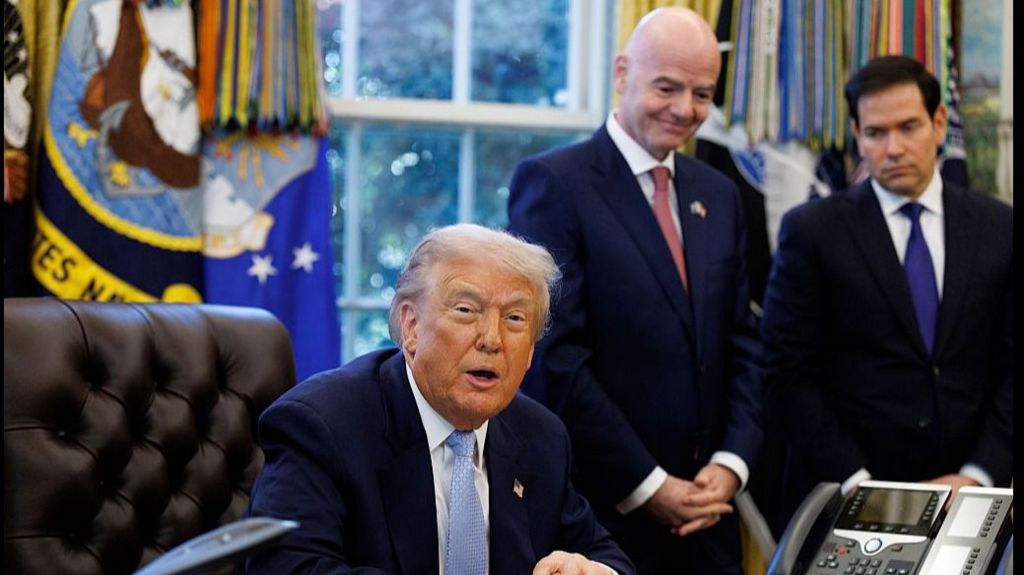
In a significant move to streamline visa processes for the 2026 FIFA World Cup, President Donald Trump has unveiled the FIFA Prioritized Appointment Scheduling System (PASS). This initiative, announced at the White House on Monday, aims to expedite visa interviews for foreign nationals holding tickets to the tournament, which will be co-hosted by the United States, Canada, and Mexico. Secretary of State Marco Rubio emphasized that while ticket-holders will not automatically receive visas, they will be prioritized for interviews within six to eight weeks of application. However, Rubio clarified that possessing a ticket does not guarantee entry into the U.S., as all applicants will undergo standard vetting procedures. FIFA President Gianni Infantino, present at the announcement, projected that up to 10 million visitors could attend the event, underscoring the importance of efficient visa processing. The announcement comes amid lengthy visa wait times in countries like Colombia (11 months), Mexico City (9.5 months), and Toronto (14 months), which could otherwise hinder fans from attending the tournament. The U.S. Travel Association praised the initiative, highlighting its potential to enhance security while reducing wait times. However, questions remain about the eligibility of ticket-holders from countries affected by Trump’s June executive order, which restricts travel from 12 nations, including Iran, whose team has qualified for the World Cup. While the order exempts athletes and coaching staff, fans from these countries may still face travel bans. The BBC has reached out to the U.S. State Department for further clarification. Notably, citizens of countries under the U.S. Visa Waiver Program, including much of Europe, Japan, and Australia, can travel visa-free for up to 90 days. This contrasts with recent World Cups in Russia and Qatar, where tickets served as fan IDs, functioning like visas for entry.
-

A Chinese firm bought an insurer for CIA agents – part of Beijing’s trillion dollar spending spree
Since 2018, the United States has significantly tightened its laws to prevent foreign adversaries, particularly China, from investing in sensitive sectors such as semiconductors and telecommunications. This shift in policy was partly triggered by the 2015 acquisition of Wright USA, a small insurance company specializing in liability insurance for FBI and CIA agents, by China’s Fosun Group. The deal raised alarms in Washington due to Wright USA’s access to personal details of top U.S. intelligence officials. Although the transaction was legal, it highlighted the potential risks of Chinese state-backed investments in critical industries. This case, along with others, led to the Trump administration’s stricter investment regulations.
-
South Africa foreign minister says charter flights part of a plan to clear Palestinians out of Gaza
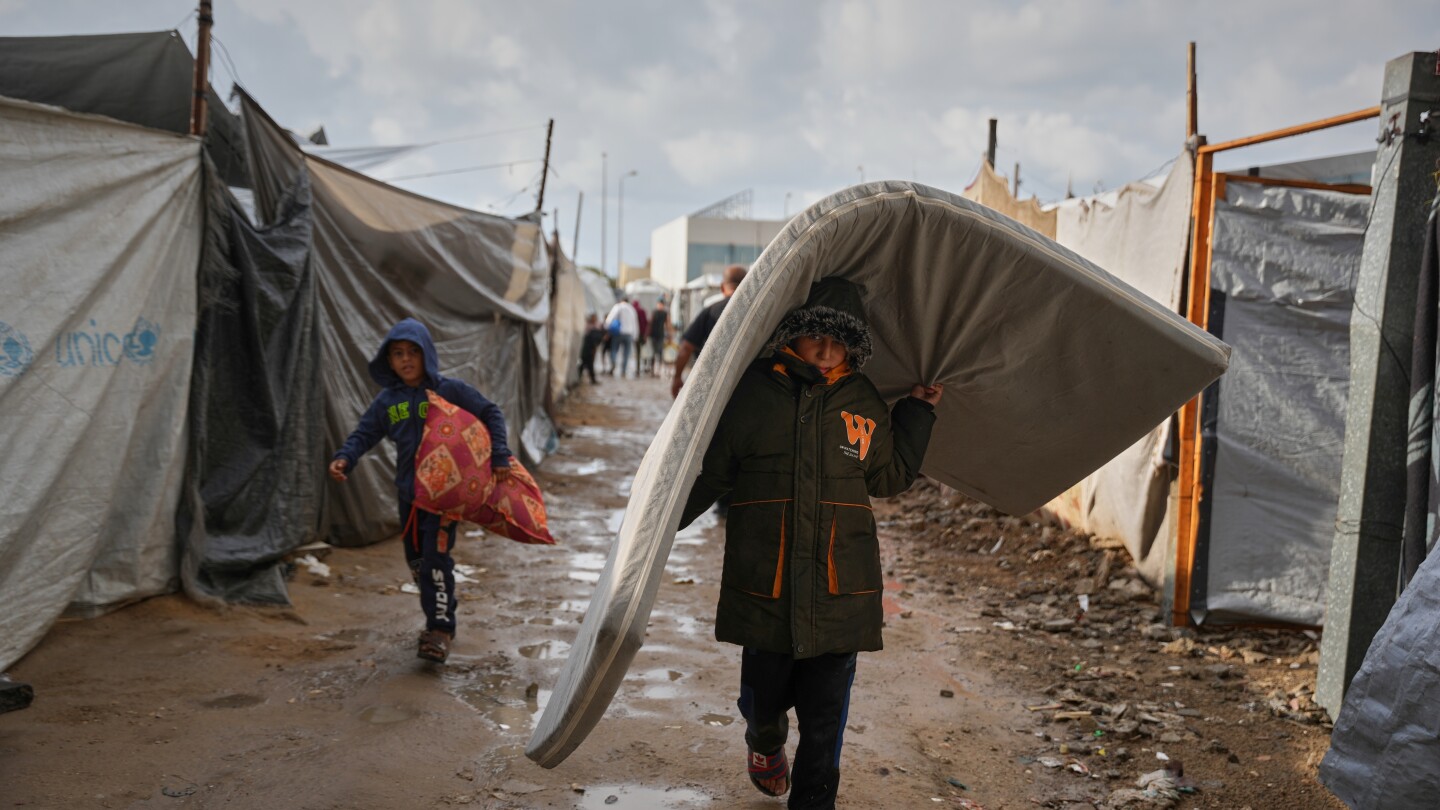
South Africa’s Foreign Minister Ronald Lamola has raised suspicions over a chartered flight that arrived in Johannesburg last week carrying more than 150 Palestinians, suggesting it is part of a broader agenda to displace Palestinians from Gaza and the West Bank. The flight, which originated from Israel’s Ramon Airport with a stopover in Kenya, has sparked concerns about a coordinated effort to relocate Palestinians globally. Lamola did not explicitly name Israel but implied its involvement, stating, “It does look like it represents a broader agenda to remove Palestinians from Palestine into many different parts of the world.” The Israeli authority responsible for civilian policies in Palestinian territories clarified that the passengers left Gaza with approval from a third country, as part of a policy allowing residents to depart. However, the third country was not disclosed. South African President Cyril Ramaphosa has ordered an intelligence investigation into the matter, emphasizing the government’s opposition to such flights. The passengers, including families and a heavily pregnant woman, were initially denied entry due to improper documentation but were later allowed to disembark after a 12-hour delay. South Africa, a longstanding supporter of the Palestinian cause, has criticized Israel’s actions, with civic groups alleging ties between the flight’s organizer, Al-Majd, and Israel. An anonymous Israeli military official confirmed Al-Majd’s role in arranging the transport, while a South African NGO noted this was the second such flight in recent weeks. The incident has reignited debates over Israel’s resettlement policies and their implications for Palestinian rights.
-
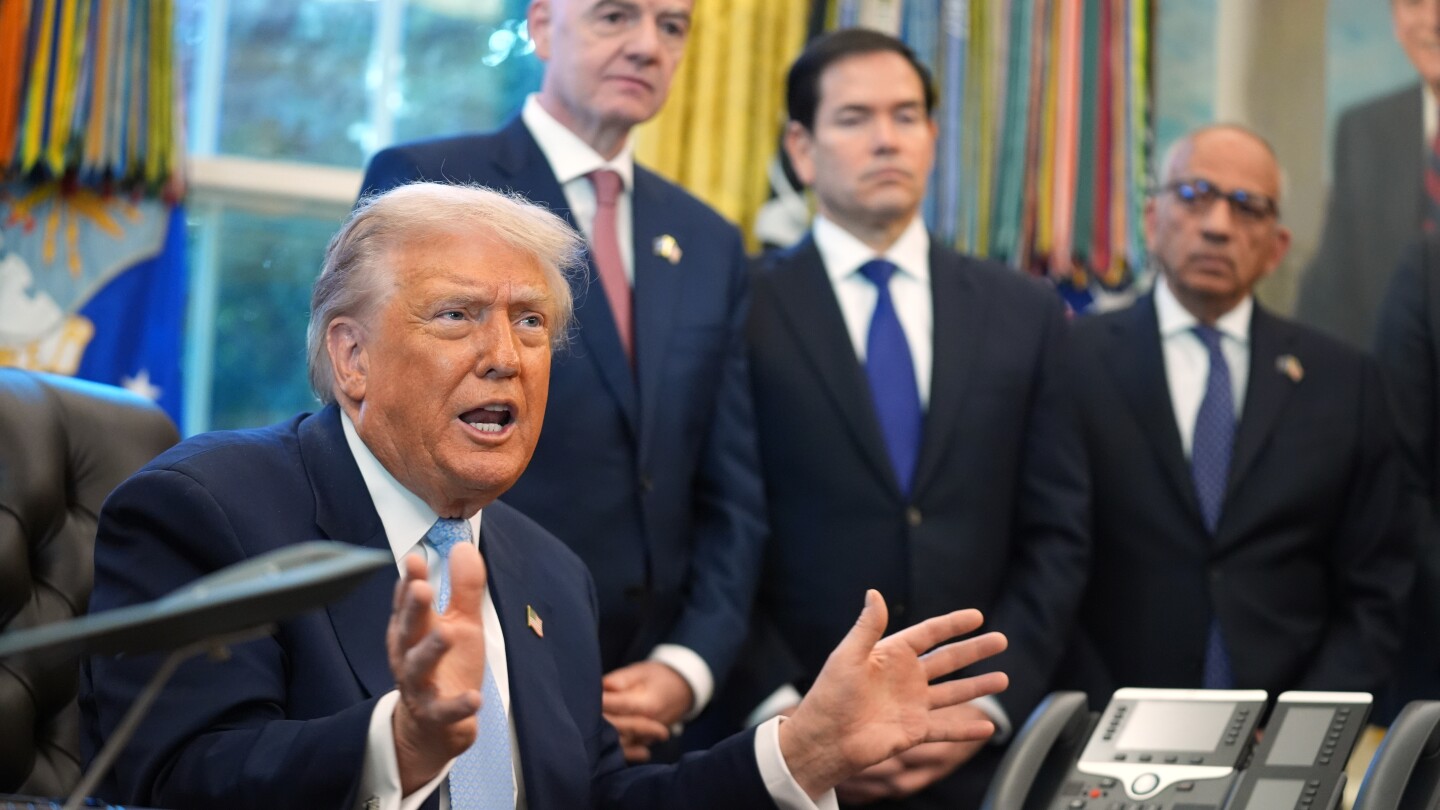
Trump floats possible talks with Venezuela but leaves military action on the table
In a press briefing on Monday, President Donald Trump maintained ambiguity regarding potential military intervention in Venezuela, even as he hinted at the possibility of diplomatic engagement with Venezuelan leader Nicolás Maduro. Maduro has accused the U.S. of orchestrating a military buildup and targeting alleged drug-trafficking vessels near Venezuela as part of a broader strategy to oust him from power. Trump, while expressing openness to dialogue, emphasized that military action remains a viable option. ‘I don’t rule out that. I don’t rule out anything,’ he stated, sidestepping questions about whether Maduro could influence the U.S. to de-escalate its military posture. Trump further criticized Maduro, alleging that he has caused significant harm to the U.S. through drug trafficking and migration. ‘He’s done tremendous damage to our country,’ Trump remarked. ‘He has not been good to the United States, so we’ll see what happens.’ The Trump administration has intensified pressure on Maduro’s government in recent days, with plans to designate a cartel allegedly led by Maduro and other Venezuelan officials as a terrorist organization. The arrival of the USS Gerald R. Ford and accompanying warships in the Caribbean coincided with U.S. military strikes on suspected drug-trafficking vessels. While the administration frames these actions as counterdrug operations, analysts and Venezuelan opposition figures view them as escalating pressure tactics. Geoff Ramsey, a Venezuela policy expert at the Atlantic Council, noted that the Trump administration’s approach reflects a desire to negotiate from a position of strength. ‘They really want to negotiate from a place of strength,’ Ramsey said. ‘Either [Maduro] engages in credible talks about a transition, or the U.S. will have no choice but to escalate.’ Maduro has previously engaged in negotiations with the U.S. and Venezuelan opposition, resulting in agreements aimed at ensuring free and fair elections. However, Maduro’s alleged manipulation of these agreements has fueled skepticism. In Caracas, reactions to the prospect of renewed dialogue were mixed, with some expressing hope for a peaceful resolution and others questioning the government’s commitment to honoring agreements. ‘If [the dialogue] actually happens, I hope the government will actually follow through this time,’ said shopkeeper Gustavo García. Stay-at-home mother Mery Martínez added, ‘Talking is always better. Anything that helps prevent a tragedy is good.’
-
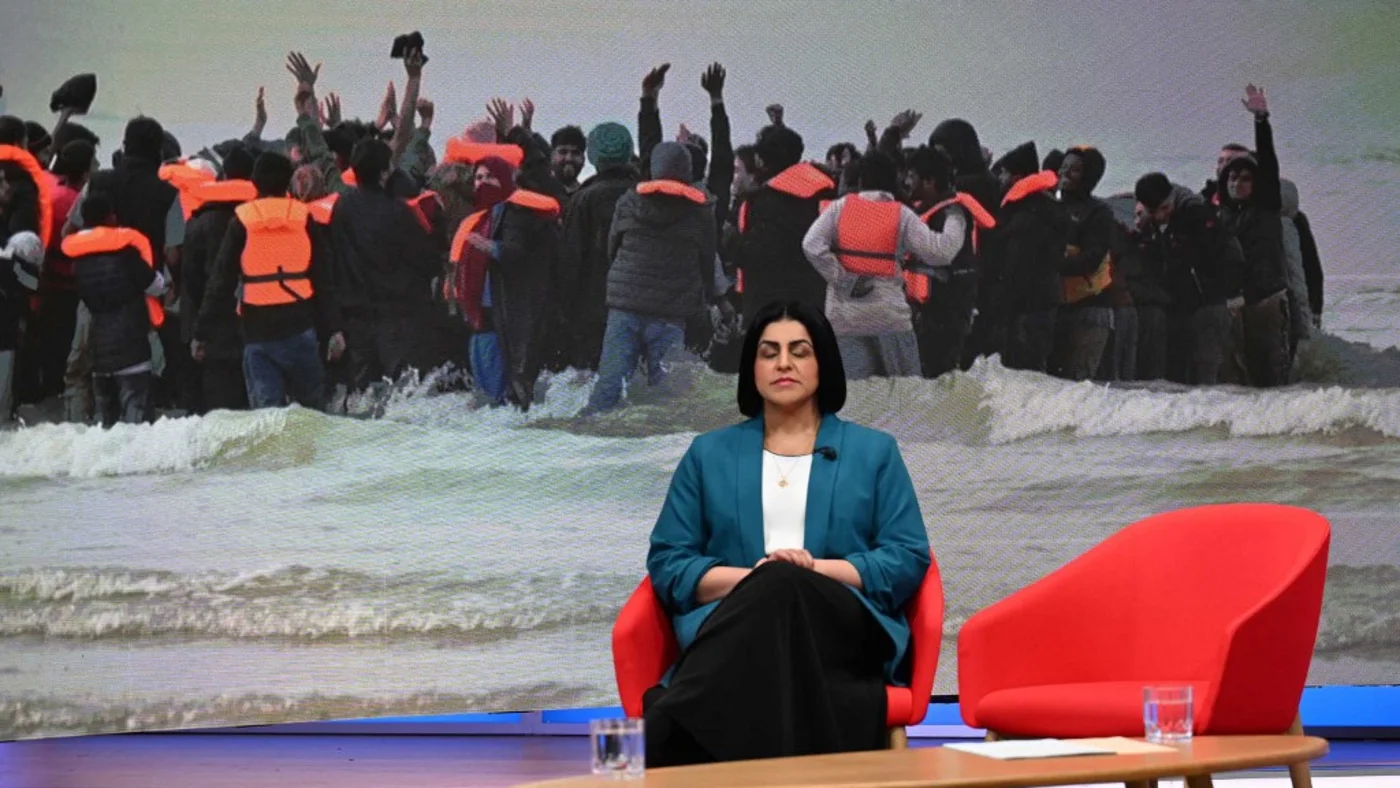
Corbyn and Polanski condemn UK’s plans to seize jewellery from asylum seekers
The UK Labour government’s proposed asylum reforms have sparked widespread condemnation from opposition politicians, who have labeled the measures ‘disgraceful,’ ‘dehumanising,’ and ‘disgusting.’ The reforms, which include seizing valuables from asylum seekers to cover processing costs, have drawn sharp criticism for their perceived harshness and resemblance to policies in Denmark. Home Office minister Alex Norris defended the plan, stating that asylum seekers with assets such as cars or e-bikes should contribute to their accommodation costs, though he clarified that personal heirlooms would not be confiscated. However, critics argue that the policy targets some of the world’s most vulnerable individuals. Green Party leader Zack Polanski, whose Jewish ancestors fled persecution in Latvia, called the proposals ‘chilling’ and reminiscent of darker historical chapters. Former Labour leader Jeremy Corbyn, now an independent MP, accused the government of implementing a ‘degrading’ agenda that mirrors far-right rhetoric. The reforms also include diplomatic sanctions on countries refusing to repatriate asylum seekers and periodic reviews of refugee status, even for families with young children. Labour MP Kim Johnson criticized the policy as a ‘misguided attempt to win votes’ by adopting divisive narratives, while independent MP Ayoub Khan urged the government to allow asylum seekers to work and address application backlogs instead. Critics argue that the reforms distract from pressing issues like poverty and inequality, with Johnson calling for accountability from the wealthiest rather than the most vulnerable. The controversy underscores growing tensions within the Labour Party and broader concerns about the treatment of asylum seekers in the UK.
-
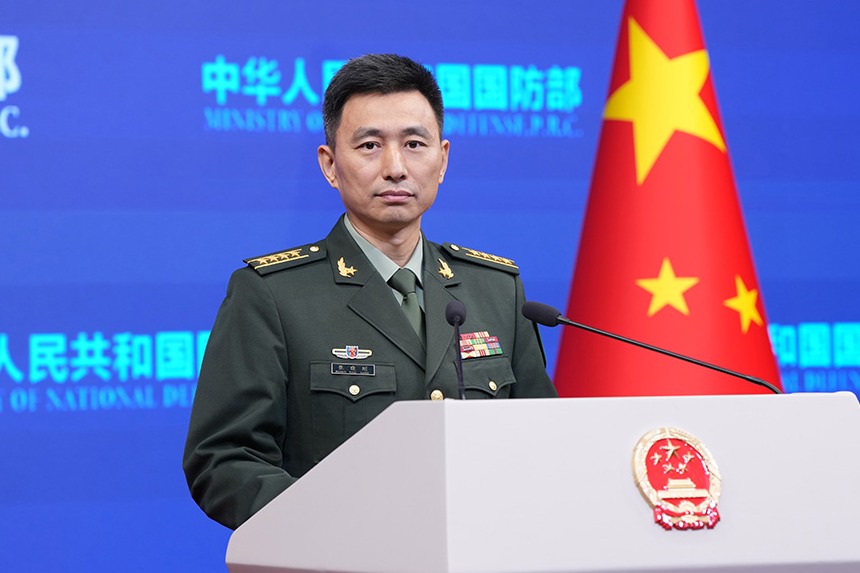
China strongly condemns US $330 million arms sale to Taiwan
China has issued a stern condemnation of the United States’ recent approval of a $330 million arms sale to Taiwan, labeling it a severe infringement on its sovereignty and a blatant interference in its internal affairs. The Chinese Ministry of National Defense expressed strong dissatisfaction and firm opposition to the sale, which was confirmed by the US Defense Security Cooperation Agency on Thursday. The sale includes non-standard spare and repair parts along with related equipment. Zhang Xiaogang, a spokesperson for the ministry, criticized the US for violating the one-China principle and the three China-US joint communiques. He emphasized that such actions undermine China’s security interests and send a wrong signal to Taiwan’s independence separatist forces. Zhang urged the US to cease arming Taiwan immediately to prevent further damage to China-US relations and military ties. He also warned Taiwan’s Democratic Progressive Party that relying on external forces for independence is futile and that China will take all necessary measures to protect its sovereignty and territorial integrity.
-
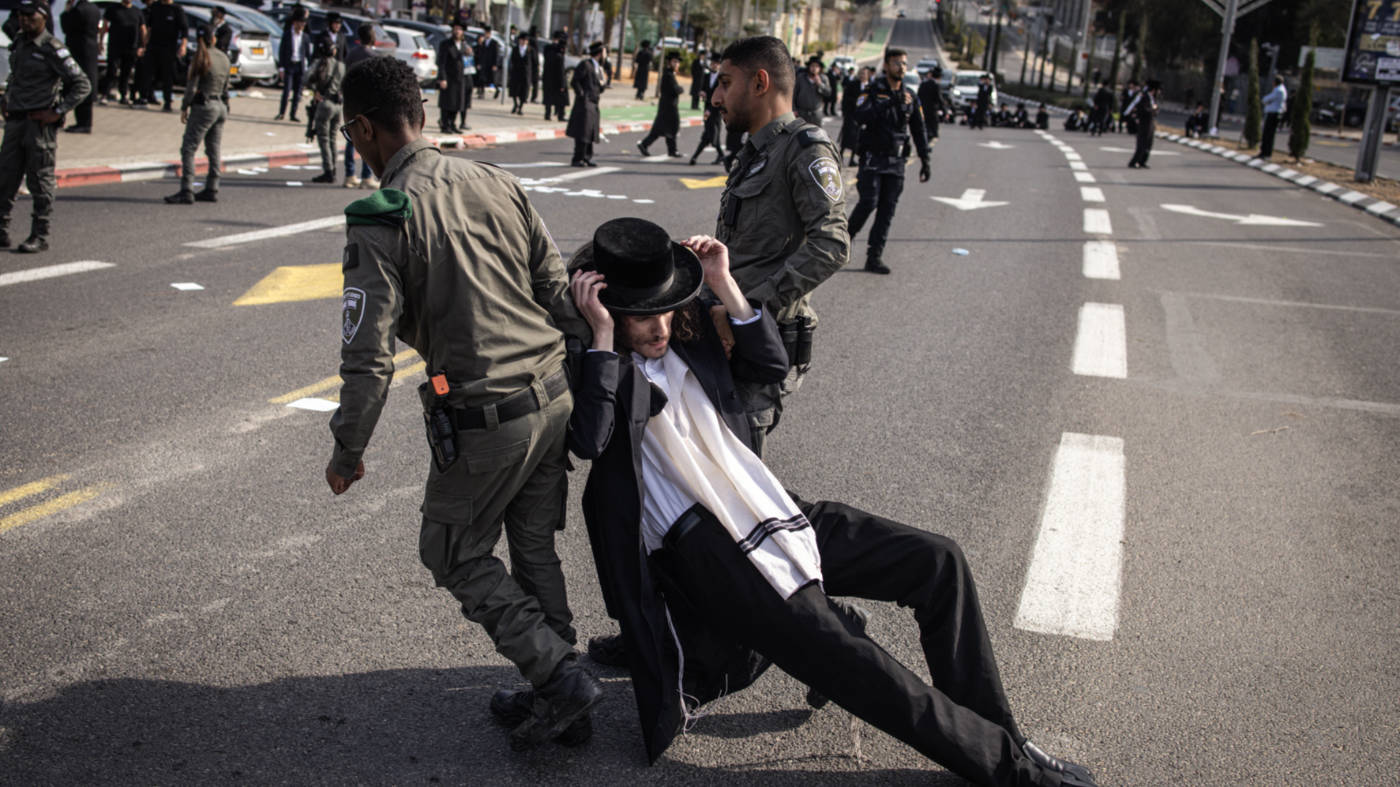
Israel’s genocide in Gaza: Why are ultra-Orthodox Jews against conscription?
Israel’s military, stretched thin by its ongoing conflicts in Gaza, the West Bank, Lebanon, Iran, Yemen, and Syria, faces a deepening internal crisis over the conscription of ultra-Orthodox Jews, known as Haredim. Historically exempt from mandatory military service, the Haredim have become a focal point of societal and political tension following a June 2024 Supreme Court ruling that mandated their enlistment. This decision has sparked mass protests, with hundreds of thousands of Haredi men taking to the streets of Jerusalem in October 2025, marking one of the largest demonstrations in years. The issue has placed Israeli Prime Minister Benjamin Netanyahu in a precarious position, as his governing coalition relies heavily on ultra-Orthodox political parties. The Haredim, numbering around 1.3 million in Israel, represent 13% of the population and are known for their conservative lifestyle, strict adherence to religious laws, and reliance on government subsidies for their yeshivas (religious schools). While some Haredim support Israel’s military actions, others, like the Neturei Karta, oppose secular Zionism on religious grounds. The draft exemption, rooted in a 1948 policy by Israel’s first prime minister, David Ben-Gurion, has long been justified by the belief that Torah study contributes to national security. However, with the Israeli military facing troop shortages and public support for the exemption waning, the government has begun criminal proceedings against draft evaders. The crisis has exacerbated divisions within Netanyahu’s coalition, with ultra-Orthodox parties threatening to withdraw their support. As protests continue and political tensions escalate, the issue of Haredi conscription remains a critical challenge for Israel’s leadership and societal cohesion.
-
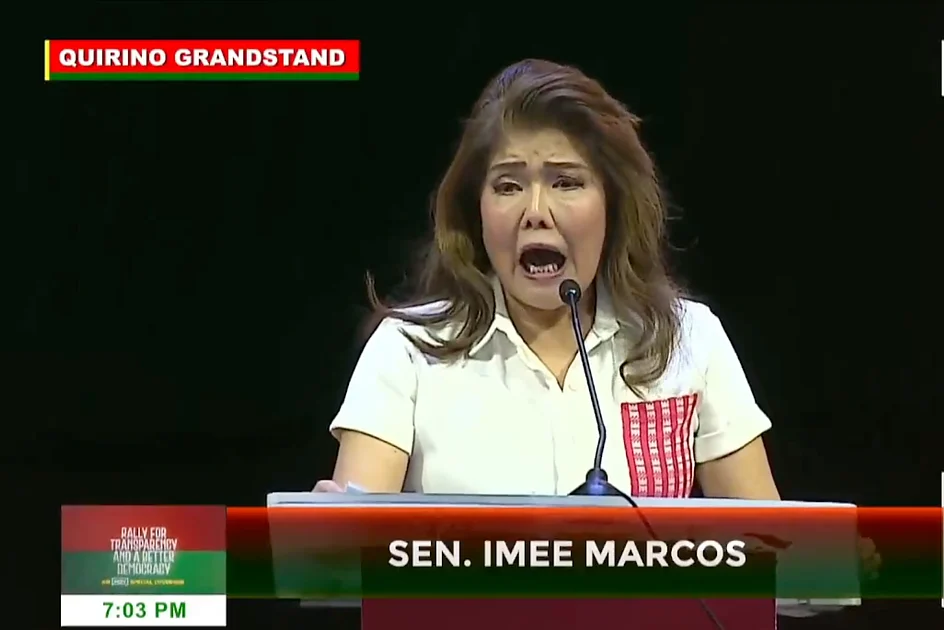
Philippine President Marcos accused of drug use by sister, Senator Imee
In a startling revelation, Senator Imee Marcos, sister of Philippine President Ferdinand ‘Bongbong’ Marcos Jr., publicly accused him of drug use during a rally in Manila. The allegations were made on November 17, 2025, at the Iglesia Ni Cristo’s ‘Rally for Transparency and a Better Democracy’ held at Quirino Grandstand. Senator Marcos claimed that the President’s drug problem has been a long-standing issue within the family, dating back to their youth. She expressed deep concern for her brother’s wellbeing, urging him to seek professional help and clear drugs from his system. The senator also implicated First Lady Liza Araneta-Marcos, alleging that both the President and his wife are involved in drug use. This accusation follows similar claims made by former President Rodrigo Duterte a year prior, which President Marcos had dismissed as influenced by Duterte’s reported fentanyl use. As of now, President Marcos has not responded to these latest allegations.