
Aster Volunteers, the global corporate social responsibility (CSR) arm of Aster DM Healthcare, has marked a significant milestone in its humanitarian mission with the launch of its 67th Mobile Medical Unit. This initiative, aimed at delivering free healthcare services to marginalized and remote communities in the Republic of Chad, was officially inaugurated at a ceremony held at the Taj Hotel in Business Bay, Dubai. The event underscored Aster Volunteers’ commitment to bridging healthcare access gaps worldwide. The new mobile unit, equipped with IoT-integrated tele-health capabilities, consultation rooms, diagnostic facilities, medicine dispensing services, and solar-powered health education spaces, is designed to bolster Chad’s primary healthcare capacity. This initiative is being implemented in collaboration with the Ministry of Health, Chad, following the signing of a memorandum of understanding (MoU) that formalizes a shared commitment to improving healthcare access in Central Africa. The flag-off ceremony was led by Dr. Azad Moopen, founder chairman of Aster DM Healthcare, alongside Oumar Teguen Idibei Berde, Ambassador of the Republic of Chad to the UAE, and Yousif Mohammed Elnour Shata, adviser to the health minister of Chad. Senior leadership from Aster DM Healthcare and representatives from the Consulate of Chad in Dubai also attended the event. Dr. Moopen emphasized the significance of the initiative, stating, ‘These mobile clinics are more than healthcare on wheels; they are a symbol of hope and compassion for communities that have long lacked access to even the most basic medical services.’ Ambassador Berde expressed gratitude for the partnership, highlighting its potential to address critical healthcare needs in Chad’s most underserved areas. The Aster Volunteers Mobile Medical Services (AVMMS) program, a flagship CSR initiative of Aster DM Healthcare, has treated over 2.6 million individuals across India, the Middle East, and Africa since its inception. Each mobile unit is equipped with advanced medical technology, including IoT-enabled telemedicine services, and offers a comprehensive range of healthcare services, from diagnostics and consultations to treatment and community health education.
分类: health
-
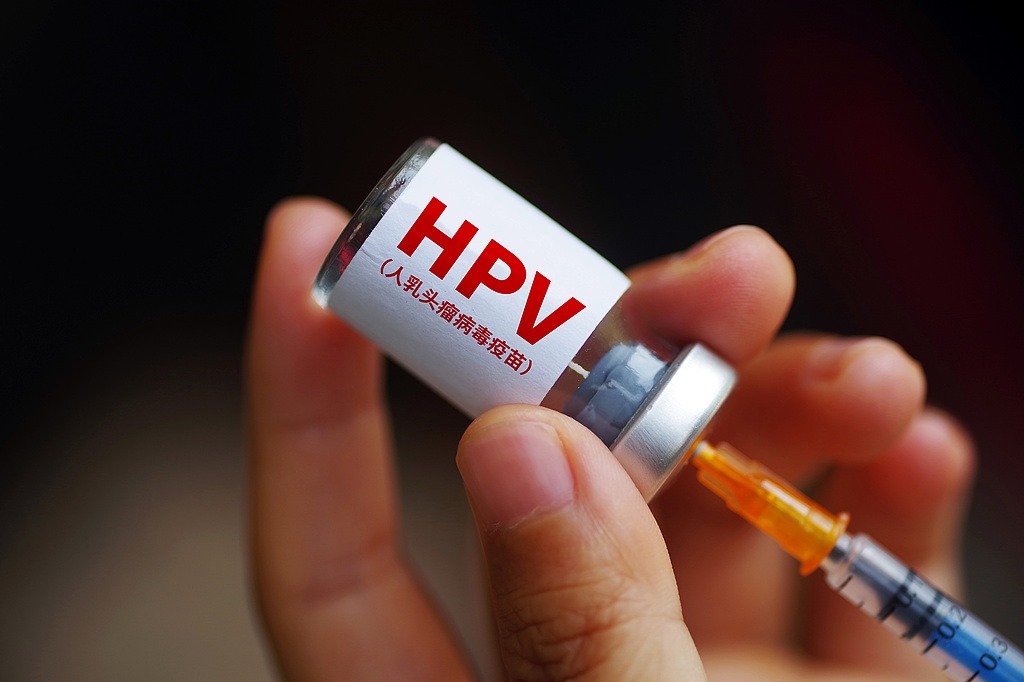
Girls will soon receive free HPV shots
China is set to introduce a groundbreaking public health initiative by including the Human Papillomavirus (HPV) vaccine in its national immunization program starting November 10, 2025. This policy, announced by the National Disease Control and Prevention Administration, will provide free HPV vaccinations to girls aged 13 and above, marking a significant step in the fight against cervical cancer, one of the most prevalent threats to women’s health globally. The initiative aims to reduce the burden of HPV-related diseases and enhance public health safeguards. HPV vaccination is recognized as the most cost-effective and efficient long-term strategy to mitigate the risk of cervical cancer, potentially preventing over 70% of cases. The bivalent HPV vaccine, chosen for its safety, efficacy, and availability, will be administered in two doses, six months apart, to girls born after November 10, 2011. This decision aligns with the World Health Organization’s recommendation to prioritize HPV vaccination for girls aged 9-14, tailored to China’s specific demographic and developmental context. The policy builds on earlier efforts, with 18 provincial-level regions already integrating HPV vaccination into local health programs. Local authorities will now focus on preparatory tasks, including assessing eligible populations, training vaccination staff, and updating immunization systems to ensure a smooth rollout. This initiative underscores China’s commitment to advancing public health and achieving the global goal of eliminating cervical cancer.
-

UAE-Pakistan flights: Low-cost airline begins 2 weekly flights between Dubai, Lahore
In a groundbreaking effort to enhance early detection of breast cancer, the Burjeel Cancer Institute has launched a mobile screening initiative aimed at making mammography services accessible to all. This innovative program deploys state-of-the-art mobile units equipped with advanced diagnostic tools to reach underserved communities, ensuring that no one is left behind in the fight against breast cancer. The initiative is part of a broader strategy to reduce mortality rates by catching the disease in its early stages when treatment is most effective. By bringing screening services directly to people’s doorsteps, the institute is breaking down barriers such as transportation, cost, and awareness. The program also includes educational campaigns to empower women with knowledge about breast health and the importance of regular screenings. This initiative has already garnered widespread support from healthcare professionals and community leaders, who praise its potential to save lives and reduce healthcare disparities. The Burjeel Cancer Institute’s mobile mammography drive is a testament to the power of innovation and compassion in addressing critical public health challenges.
-

Daniel Radcliffe set to make Broadway return with ‘Every Brilliant Thing’
In a groundbreaking effort to enhance public health, the Burjeel Cancer Institute has unveiled a mobile breast cancer screening initiative aimed at making early detection accessible to all. This innovative program, aptly named ‘Early Detection on Wheels,’ brings state-of-the-art screening technology directly to communities, eliminating barriers such as distance and limited healthcare infrastructure. The initiative is particularly focused on underserved areas, where access to regular health check-ups is often restricted. By offering free or low-cost screenings, the program seeks to identify breast cancer at its earliest stages, significantly improving treatment outcomes and survival rates. The mobile units are staffed by experienced healthcare professionals who provide not only screenings but also educational resources to raise awareness about the importance of early detection. This initiative underscores Burjeel Cancer Institute’s commitment to combating breast cancer through proactive, community-centered solutions. The program has already garnered widespread support from local governments and health organizations, highlighting its potential to make a substantial impact on public health. As breast cancer remains one of the most prevalent cancers globally, this initiative represents a critical step forward in the fight against the disease.
-

Saudi Arabia removed as host of inaugural Esports Olympics in 2027
In a groundbreaking effort to enhance early detection of breast cancer, Burjeel Cancer Institute has unveiled a mobile screening initiative aimed at making diagnostic services more accessible to all. The program, aptly named ‘Early Detection on Wheels,’ deploys state-of-the-art mobile units equipped with advanced screening technologies to reach underserved communities. This initiative seeks to bridge the gap in healthcare access, particularly for women in remote or economically disadvantaged areas, where early detection can significantly improve survival rates. The mobile units will offer mammograms, consultations, and educational resources, all free of charge, ensuring that financial barriers do not hinder essential healthcare services. By bringing these critical services directly to communities, Burjeel Cancer Institute aims to empower individuals with the knowledge and tools needed to combat breast cancer effectively. This innovative approach underscores the institute’s commitment to public health and its mission to reduce the burden of cancer through proactive measures.
-
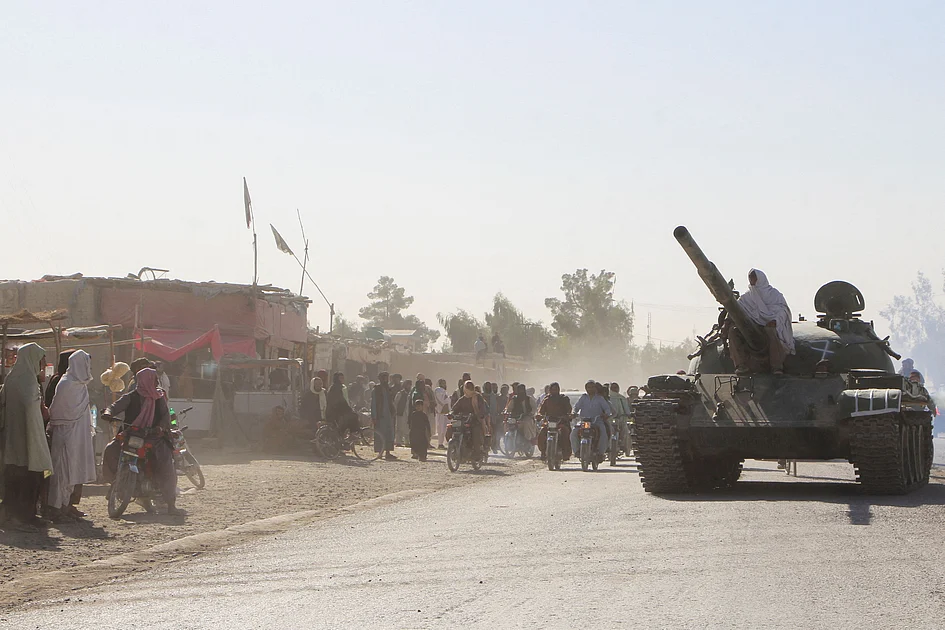
Pakistan-Afghanistan peace talks likely to resume in Istanbul
In a groundbreaking move to combat breast cancer, the Burjeel Cancer Institute has launched a mobile screening initiative aimed at making early detection accessible to all. This innovative program, dubbed ‘Early Detection on Wheels,’ features state-of-the-art mammography units mounted on specially equipped vehicles, designed to reach underserved communities and remote areas. The initiative seeks to bridge the gap in healthcare access, particularly for women who face barriers to regular screenings due to geographical, financial, or cultural constraints. By bringing diagnostic services directly to patients, the program aims to detect breast cancer at its earliest stages, significantly improving treatment outcomes and survival rates. The mobile units are staffed by experienced healthcare professionals who provide comprehensive screenings, education, and follow-up care. This initiative aligns with global efforts to reduce breast cancer mortality and underscores the importance of early detection in saving lives. The Burjeel Cancer Institute’s commitment to equitable healthcare access sets a new standard in cancer prevention and care.
-

Trump strikes deal with China’s Xi Jinping on tariffs, rare earth exports
In a groundbreaking effort to enhance early detection of breast cancer, Burjeel Cancer Institute has unveiled a mobile screening initiative designed to make diagnostic services more accessible to communities across the region. This innovative program, aptly named ‘Early Detection on Wheels,’ features state-of-the-art screening equipment housed within a fully equipped mobile unit. The initiative aims to reach underserved populations, particularly in remote or rural areas, where access to healthcare facilities is often limited. By bringing advanced diagnostic tools directly to these communities, Burjeel Cancer Institute seeks to bridge the gap in healthcare accessibility and promote early intervention, which is critical in improving survival rates. The mobile unit will offer mammograms, clinical breast exams, and educational workshops to raise awareness about the importance of regular screenings. This initiative underscores the Institute’s commitment to combating breast cancer through proactive measures and community engagement. Early detection remains a cornerstone in the fight against breast cancer, and this program is poised to make a significant impact in reducing late-stage diagnoses and saving lives.
-

Trump says he ordered US to start nuclear weapons testing ‘immediately’
In a groundbreaking effort to enhance public health, the Burjeel Cancer Institute has launched a mobile breast cancer screening initiative aimed at making early detection accessible to all. This innovative program brings state-of-the-art screening facilities directly to communities, eliminating barriers such as distance, cost, and lack of awareness. The mobile unit is equipped with advanced diagnostic tools and staffed by experienced healthcare professionals, ensuring high-quality care. The initiative focuses on underserved areas where access to healthcare is limited, emphasizing the importance of early detection in improving survival rates. By taking healthcare on the road, Burjeel Cancer Institute is not only addressing a critical public health issue but also empowering individuals to take proactive steps in managing their health. This initiative is part of a broader strategy to combat breast cancer, which remains one of the leading causes of cancer-related deaths globally. The program has already garnered widespread support and is expected to make a significant impact in reducing the burden of breast cancer in the region.
-

Early detection on wheels: Burjeel Cancer Institute’s drive to make breast cancer screening accessible for all
In a groundbreaking effort to make breast cancer screening more accessible, Burjeel Cancer Institute (BCI) has launched the ‘Scan for Life’ campaign, a mobile mammogram program designed to bring early detection and education directly to communities across the UAE. The initiative, which kicked off during Pink October, features a bright pink mammogram truck equipped with state-of-the-art digital mammography systems, operated by an all-female team to ensure privacy and comfort for participants. The mobile unit has already visited key locations in Abu Dhabi, Al Ain, and Al Dhafra, with plans to expand to Dubai and Sharjah soon. At each stop, BCI specialists conduct educational talks on breast health, teaching women how to perform self-examinations and recognize early warning signs. The campaign has been met with overwhelming positivity, with hundreds of women screened since its launch. For those requiring further assessment, BCI provides seamless follow-up at its Breast Centre in Burjeel Medical City, where advanced imaging and same-day diagnosis are available. The Breast Centre, launched in April 2025, offers AI-assisted imaging and a Survivorship Programme to support women post-treatment. Dr. Diaeddine Trad, Director & Consultant Medical Oncology at BCI, emphasized the importance of early detection, stating, ‘The earlier breast cancer is detected, the better the chances of successful treatment.’ The campaign’s success lies in its integration of education, technology, and empathy, making it a model for community-centered healthcare. ‘Every woman screened today is one step closer to saving a life tomorrow,’ said Dr. Dima Abdul Jabbar, Consultant Medical Oncology and Director of Burjeel Breast Centre. Through this initiative, BCI is redefining how healthcare systems can reach out, listen, and care, proving that access to life-saving care should not depend on geography or circumstances.
-
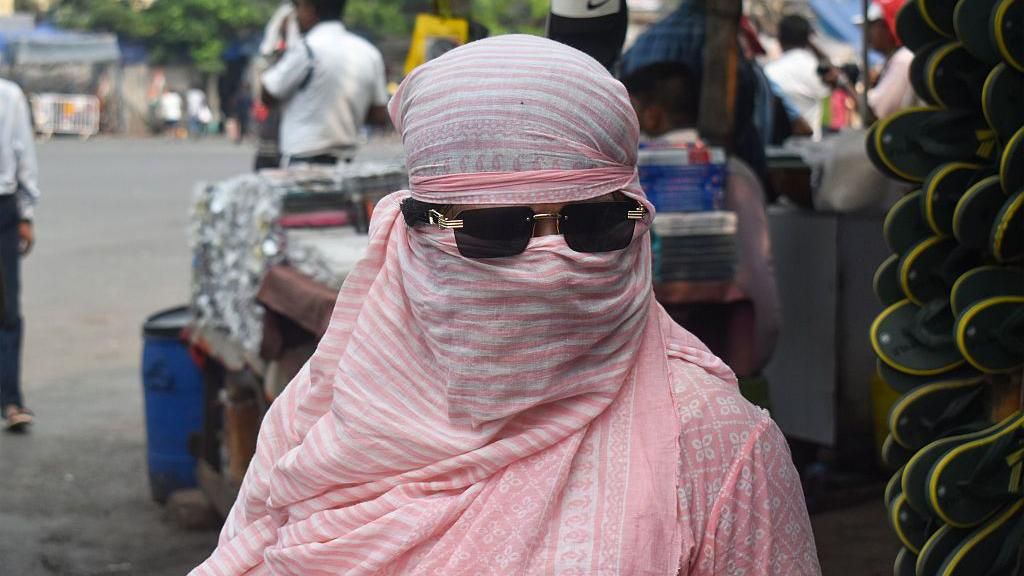
Climate change intensified India’s heatwaves in 2024 – Lancet study
India has been grappling with increasingly severe heatwaves, a phenomenon exacerbated by climate change, according to a recent report by The Lancet. The study revealed that nearly one-third of the 19.8 heatwave days recorded in India in 2024 were directly attributable to human-induced climate change, equating to 6.6 days that would not have occurred otherwise. These extreme temperatures have had profound consequences, resulting in the loss of 247 billion potential labor hours, primarily in agriculture and construction, and causing an estimated economic loss of $194 billion. The report also highlighted the escalating health risks associated with prolonged exposure to extreme heat, including dehydration, heatstroke, cardiovascular stress, and increased mortality, particularly among vulnerable populations such as the elderly, infants, and outdoor workers. The Lancet Countdown report, a key scientific reference on the health impacts of climate change, emphasized that the health risks posed by rising global temperatures are now more severe than ever. It noted that 152 record-breaking extreme weather events occurred across 61 countries in 2024, with life-threatening heat events becoming more intense than previously predicted. Jeremy Farrar, assistant director-general for Health Promotion and Disease Prevention and Care at the World Health Organization (WHO), stated, ‘The climate crisis is a health crisis. Every fraction of a degree of warming costs lives and livelihoods.’ The report also found that heat-related mortality has increased by 23% worldwide since the 1990s, with an average of around 546,000 deaths annually. Additionally, the report shed light on India’s worsening air quality, particularly in the Indo-Gangetic plains, where air pollution levels have remained in the ‘poor’ to ‘very poor’ categories, sometimes reaching hazardous levels. In 2022, atmospheric pollution, primarily caused by PM2.5 pollutants, was responsible for 1.7 million deaths, with 44% of these deaths linked to harmful emissions from burning fossil fuels. The report also highlighted the deadly impact of heavy reliance on biofuels such as wood, dung, and crop residue for cooking, which continues to claim thousands of lives, especially among women and children in rural areas. The findings were released ahead of the COP30 summit in Brazil, underscoring the urgent need for global action to address the intertwined crises of climate change and public health.