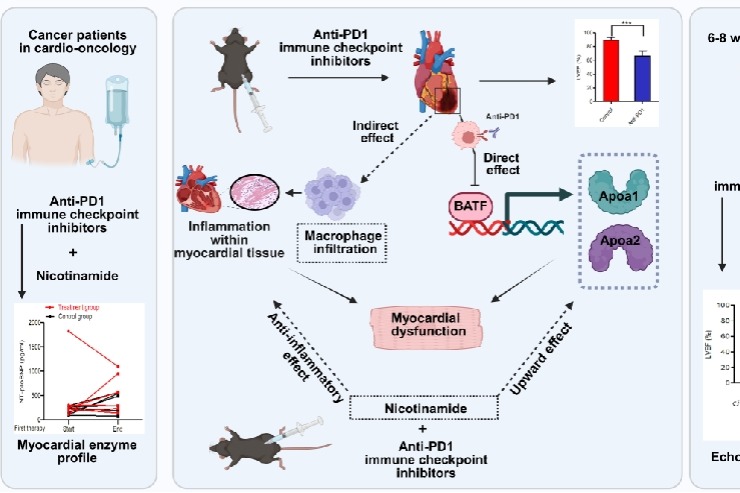
In a groundbreaking study, researchers from Lanzhou University have unveiled the heart-protective properties of nicotinamide, a derivative of B vitamins, in the context of tumor treatment. Published in the journal *Science China: Life Sciences*, the research sheds light on the mechanisms behind early cardiotoxicity induced by immune checkpoint inhibitors, such as anti-programmed cell death protein 1 (PD-1), which are increasingly used in cancer immunotherapy. Led by Professor Bai Ming of Lanzhou University First Hospital, the study combined clinical data with experimental models to explore the role of PD-1 in cardiotoxicity and its underlying pathways. The team conducted randomized controlled trials to validate nicotinamide’s efficacy in preventing early cardiotoxicity linked to PD-1 therapy. Their findings revealed that nicotinamide, a clinically accessible drug, offers a safe and effective preventive strategy. This approach emphasizes early intervention, enabling the protection of heart function without compromising anti-tumor efficacy. Professor Bai highlighted the significance of the study in addressing safety concerns in cancer treatment, noting that nicotinamide could serve as a promising preventive measure against cardiac immune-related adverse events. The research underscores the potential for rapid clinical application, offering a synergistic treatment model that balances tumor control and heart health.
分类: health
-

Safer winter: Protecting infants from respiratory syncytial virus
As winter approaches, healthcare institutions across the UAE are gearing up for an anticipated surge in respiratory syncytial virus (RSV) cases, particularly among infants. This seasonal spike highlights the critical need for coordinated efforts among families, communities, and healthcare providers to mitigate the spread of the virus and protect vulnerable populations. RSV, a leading cause of infant hospitalizations globally, demands proactive measures to prevent severe outcomes. Dr. Markus Knuf, Head of the Children’s Hospital in Worms, Germany, and a Paediatric Infectious Disease Consultant at the University of Mainz, emphasized the success of Germany’s strategy, which reduced RSV-related hospitalizations by 80% through public awareness campaigns, preventive measures, and early interventions. This remarkable achievement underscores the importance of education and timely action in safeguarding children’s health. In the UAE, experts like Dr. Walid Abu Hammour, Head of the Infectious Disease Department at Al Jalila Children’s Specialty Hospital, and Dr. Eslam El Baroudy, Professor and Paediatric Consultant at Cairo University and Sheikh Khalifa Medical City, have highlighted the ease of RSV transmission through respiratory droplets and contaminated surfaces. They advocate for consistent preventive practices in households and schools, emphasizing the role of community-wide collaboration in minimizing risks. Sanofi’s General Manager for the Greater Gulf, Baptiste de Clarens, reiterated the company’s partnership with UAE healthcare authorities to promote preventive measures and raise public awareness. These collective efforts aim to ensure a safe and healthy start to the winter season for every child, while also alleviating strain on the healthcare system and fostering a culture of health awareness and shared responsibility.
-
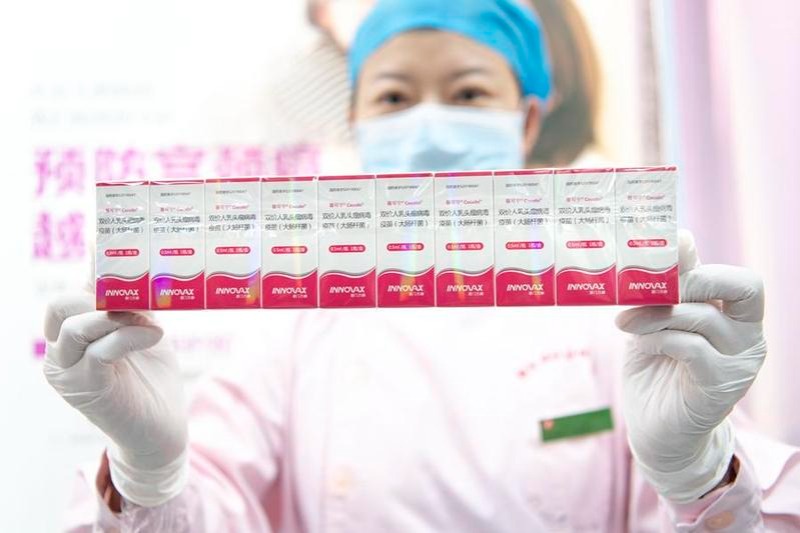
Experts promote raising awareness to boost HPV vaccination
Health experts are urging for heightened public awareness and the dispelling of misconceptions to improve the coverage rate of the human papillomavirus (HPV) vaccine in China. HPV, a leading cause of cervical cancer, claimed 350,000 lives globally in 2022, with China accounting for 16% of these fatalities. Starting November 10, China will integrate the HPV vaccine into its national immunization program, offering free bivalent HPV vaccines to girls aged 13 and above born after November 10, 2011. This marks a significant shift from previous policies that targeted children under six, now extending to adolescents and focusing on preventing a malignant tumor caused by chronic infection, particularly in women. Du Heng of the Gates Foundation emphasized the long-term impact of this initiative, noting that full outcomes may take 20 to 30 years to manifest. As of June, 18 provincial-level regions in China have already provided free HPV vaccinations to about 5 million girls annually, targeting those aged 9 to 14. In Beijing, for instance, girls in the 7th grade and above can receive free domestically developed bivalent vaccines, which protect against the two most common HPV strains responsible for 70-80% of cervical cancers. Despite these efforts, some parents remain hesitant, citing concerns about the necessity and safety of the vaccine. However, experts like Qiao Youlin from Peking Union Medical College believe that these challenges are temporary and will improve with increased health awareness. The World Health Organization aims for 90% of girls globally to be fully vaccinated against HPV by the age of 15 by 2030, as part of its strategy to eliminate cervical cancer. In China, the free vaccination policy has already covered many eligible girls, showcasing significant progress. Experts also stress the importance of regular cervical cancer screenings and the role of men in HPV prevention, as their infection rate is as high as 45%, often without symptoms. Eliminating cervical cancer is seen as a shared societal responsibility, achievable through enhanced scientific awareness and collective action.
-
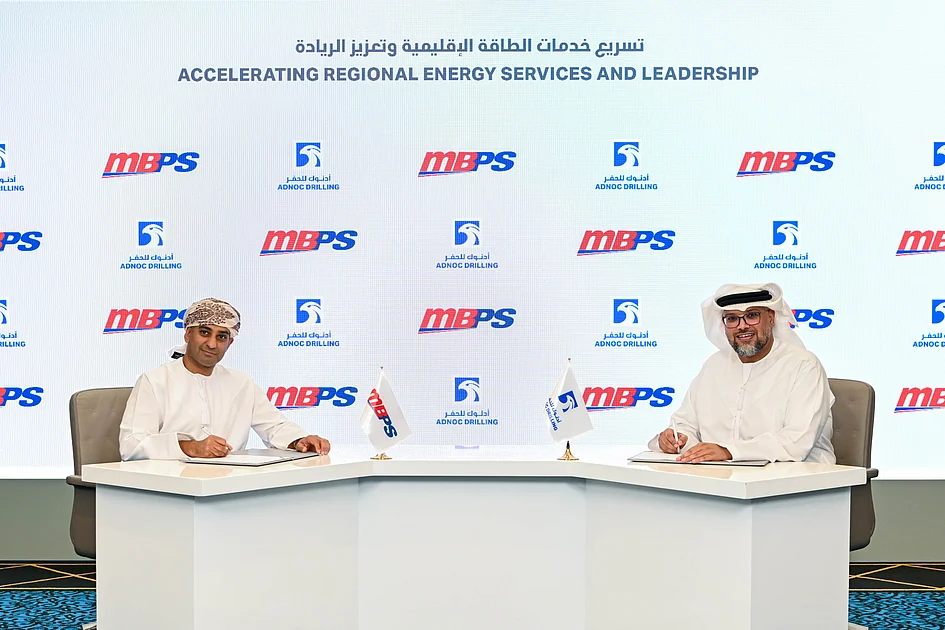
Adnoc Drilling expands regional footprint with major stake in MB Petroleum Services
NMC Royal Hospital located in Khalifa City has been honored with the esteemed Comprehensive Chest Pain Center Certification by the American Heart Association (AHA). This recognition underscores the hospital’s commitment to delivering exceptional cardiac care and its adherence to rigorous international standards in diagnosing and treating chest pain. The certification process involved a thorough evaluation of the hospital’s protocols, facilities, and medical expertise, ensuring that patients receive timely and effective care for cardiac emergencies. This achievement positions NMC Royal Hospital as a leader in cardiovascular health within the region, enhancing its reputation as a trusted healthcare provider. The certification also reflects the hospital’s dedication to continuous improvement and patient safety, aligning with global best practices in cardiac care.
-
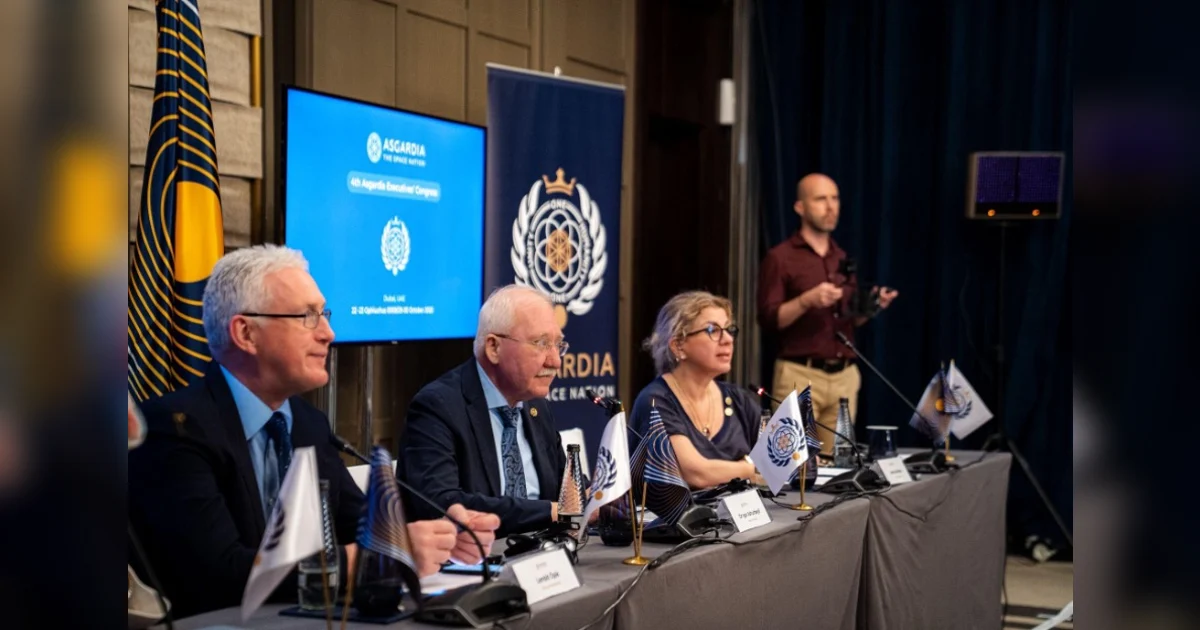
Dubai hosted Fourth Asgardia Executive Congress – synergy for humanity’s cosmic future
NMC Royal Hospital, located in Khalifa City, has achieved a significant milestone by receiving the Comprehensive Chest Pain Center Certification from the American Heart Association (AHA). This prestigious accreditation underscores the hospital’s commitment to delivering exceptional cardiac care and adhering to the highest standards in diagnosing and treating chest pain and related cardiovascular conditions. The certification process involved rigorous evaluation of the hospital’s protocols, facilities, and medical expertise, ensuring alignment with AHA’s stringent criteria. This recognition not only highlights NMC Royal Hospital’s advanced capabilities in cardiac care but also positions it as a leading healthcare provider in the region. The achievement is expected to enhance patient trust and attract individuals seeking top-tier medical services for heart-related issues.
-

NMC Royal Hospital – Khalifa City awarded comprehensive Chest Pain Center Certification from the American Heart Association
NMC Royal Hospital – Khalifa City has been awarded the Comprehensive Chest Pain Center Certification by the American Heart Association (AHA), a globally recognized benchmark for excellence in cardiac care. This accolade underscores the hospital’s dedication to delivering safe, timely, and effective treatment for patients experiencing chest pain and other cardiac emergencies. The certification process involved a rigorous evaluation of the hospital’s adherence to evidence-based standards, advanced clinical protocols, and continuous quality improvement in chest pain management. By achieving this recognition, NMC Royal Hospital joins an elite group of healthcare institutions worldwide that provide top-tier emergency cardiac care. For patients, this certification translates to faster, life-saving interventions during critical moments. Chest pain is often the first indicator of a heart attack, and prompt treatment is essential to minimize heart muscle damage and enhance survival rates. The hospital’s multidisciplinary cardiac care team is trained to respond swiftly and efficiently, ensuring patients receive immediate diagnosis, expert treatment, and seamless care coordination. Families can rest assured that every stage of care, from emergency triage to specialized treatment, meets the highest international standards. Dr. Abdulla Al-Nakshabandi, Medical Director of NMC Royal Hospital – Khalifa City, emphasized the importance of this achievement, stating, “Early recognition of chest pain can save lives, and every minute counts in treating a heart attack. Our team’s timely and expert care ensures that every cardiac emergency receives the attention it deserves.” Beyond clinical expertise, this milestone reflects NMC Healthcare’s broader commitment to patient safety, innovation, and trust. The hospital has invested in cutting-edge technology, highly skilled cardiac specialists, and evidence-based practices to deliver exceptional care. It also highlights the hospital’s leadership in the UAE’s healthcare sector, contributing to national efforts to reduce the burden of cardiovascular disease, a leading cause of death globally. Additionally, the certification aligns with NMC’s mission to promote community health through education, prevention, and awareness. By emphasizing the importance of early recognition and treatment of chest pain, NMC Royal Hospital aims to empower individuals and families with life-saving knowledge.
-

Exercise may have more significant heart-protecting effect on women: research
A groundbreaking study published in the international journal *Nature Cardiovascular Research* highlights that women may experience significantly greater cardiovascular benefits from exercise compared to men. Conducted by a collaborative team led by Professor Wang Yan and Associate Researcher Chen Jiajin from Xiamen Cardiovascular Hospital Xiamen University and Shanghai Chest Hospital Affiliated to Shanghai Jiao Tong University School of Medicine, the research analyzed wearable device data from 85,000 participants. The findings reveal that women need only 250 minutes of weekly exercise to reduce their risk of coronary heart disease by 30%, whereas men require 530 minutes to achieve the same level of protection. For individuals already diagnosed with coronary heart disease, women exercising 51 minutes weekly can lower their mortality risk by 30%, while men need 85 minutes for similar results. Coronary heart disease remains a leading cause of death globally, with organizations like the World Health Organization recommending at least 150 minutes of moderate-intensity or 75 minutes of vigorous-intensity weekly activity for adults. The study challenges the ‘one-size-fits-all’ approach to exercise guidelines, advocating for gender-specific recommendations to optimize heart disease prevention and treatment.
-
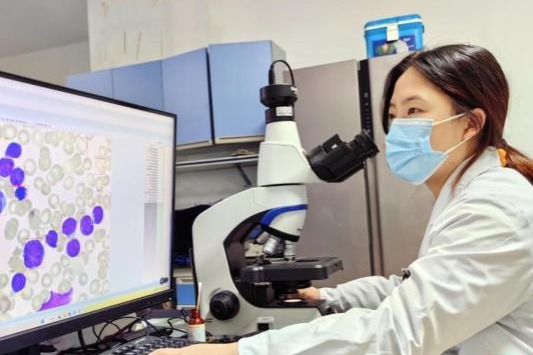
Chinese authorities call for broader AI application in health sector
In a significant move to modernize its healthcare system, China’s National Health Commission, alongside four other governmental bodies, has issued a directive advocating for the extensive application of artificial intelligence (AI) in the health sector. The announcement, made public on Tuesday, outlines ambitious goals to be achieved by 2030. According to the document, primary-level medical institutions, including community and village clinics, will universally adopt intelligent diagnosis and treatment assistance. Furthermore, hospitals at or above the second grade in China’s three-tier hospital system will widely implement AI technologies such as intelligent medical imaging and clinical decision-making support. The directive also emphasizes enhancing patient services through AI, enabling hospitals to offer integrated intelligent services throughout the treatment process, including precise appointment scheduling, triage, and pre-diagnosis and follow-up services. Additionally, China plans to upgrade its intelligent epidemiological investigation systems to provide real-time, precise support for infectious disease prevention and control decision-making. This initiative underscores China’s commitment to leveraging cutting-edge technology to improve healthcare delivery and public health outcomes.
-

Hovering danger
Jakarta, Indonesia, is grappling with a significant environmental and public health crisis as microplastics contaminate its air and water. A 2022 study by the National Research and Innovation Agency (BRIN), published in the Marine Pollution Bulletin, revealed the presence of microplastics in rainwater samples collected across the city. These tiny plastic particles, ranging from 1 nanometer to 5 millimeters in size, originate from both household and industrial sources, indicating widespread atmospheric contamination. The study also found that the deposition rate of microplastics increases during the rainy season, exacerbating the issue. In response, the Jakarta Environment Agency has pledged to enhance plastic waste management and reduce single-use plastics. Agency head Asep Kuswanto emphasized the urgency of addressing this ‘environmental warning,’ noting that plastic pollution has now permeated the skies above Jakarta. Researchers, led by Muhammad Reza Cordova, observed microplastics as small as 0.3 to 0.5 millimeters in rainwater samples from North Jakarta. Reza warned that the situation may worsen due to rising plastic consumption, particularly during the dry season when rainfall is scarce. The health implications of microplastic exposure are severe, with potential risks including inflammation, respiratory illnesses, and even cancer. A 2024 Cornell University study highlighted that Indonesians ingest an alarming 15 grams of microplastics monthly, the highest globally. Coastal communities, heavily reliant on seafood, are particularly vulnerable. Despite these risks, many fishermen remain unaware of the dangers, continuing to consume fish from polluted waters. Yuyun Ismawati, co-chair of the International Pollutants Elimination Network, criticized the government for prioritizing industrial investments over public health, urging stricter pollution monitoring and waste import regulations. The Jakarta administration has begun expanding its monitoring systems to trace microplastics in the air and rainwater, but the long-term health and environmental impacts remain a pressing concern.
-
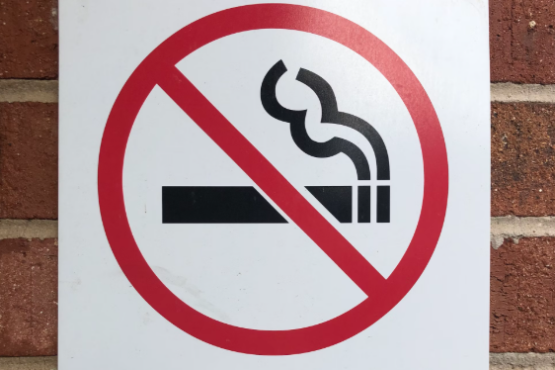
Maldives hailed for imposing generational tobacco ban
The Maldives has taken a groundbreaking step in public health by implementing a generational tobacco ban, effective from November 1, 2025. This bold initiative, which prohibits tobacco use among individuals born on or after January 1, 2007, has been widely praised by health experts, international organizations, and other nations. The ban also includes a nationwide prohibition on electronic cigarettes and vaping products, marking a significant milestone in the global fight against tobacco-related health issues. Maldivian Minister of Education Ismail Shafeeu highlighted the country’s leadership in this area, noting that the decision has been positively received internationally. Ahmed Afaal, managing director of ADK Hospitals and vice-chair of the Tobacco Control Board of the Maldives, emphasized that while the ban’s impact will not be immediate, it is a long-term strategy aimed at fostering a healthier population and reducing healthcare costs. The new regulations require retailers to verify the age of customers before selling tobacco products, ensuring compliance with the law. The move has been welcomed by most citizens, with local resident Mohamed Shauf Rilwan expressing optimism about the creation of a ‘smoke-free generation in the future.’ Analysts have also dismissed concerns that the ban could negatively affect the Maldives’ tourism industry, noting that tourists are drawn to the country for its natural beauty rather than its smoking regulations. Judith Mackay, director of the Hong Kong-based Asian Consultancy on Tobacco Control, lauded the Maldives’ efforts, stating that the country’s actions are commendable and set a strong example for others to follow.