
Thumbay Group has taken a significant leap forward in its mission to integrate human, animal, and environmental health by launching a comprehensive veterinary ecosystem under its One Health philosophy. This initiative, anchored by the newly approved Doctor of Veterinary Medicine (DVM) programme at Gulf Medical University (GMU), marks a pivotal moment in the UAE’s healthcare and education landscape. The programme, which has received initial accreditation from the Commission for Academic Accreditation (CAA), UAE, aims to address the region’s growing demand for veterinary expertise amid rising pet ownership, livestock health concerns, and food security challenges. The DVM programme will admit 60 students annually, offering a globally aligned curriculum supported by over 30 academic and industry partnerships. These collaborations include prestigious institutions such as the Royal Veterinary College in London and Don State Technical University in Russia, ensuring students gain access to advanced diagnostics, clinical rotations, and research opportunities. Thumbay Group’s broader veterinary ecosystem includes the Thumbay Veterinary Clinic in Sharjah, a forthcoming veterinary hospital in Thumbay Medicity, and additional clinics and labs across Dubai and Ras Al Khaimah. Professor Manda Venkatramana, Chancellor of GMU, emphasized the programme’s alignment with the One Health approach, which is increasingly recognized as a global necessity. The initiative not only prepares graduates for clinical practice but also supports the UAE’s development goals in public health, food security, and scientific innovation. With applications now open, the programme invites aspiring veterinarians to join this transformative journey towards a healthier, more interconnected world.
分类: health
-

Average life expectancy in Beijing rises to 83.93 years
Beijing has reached a new milestone in public health, with the average life expectancy of its residents climbing to 83.93 years in 2024, up from 82.51 years in 2023, according to the Beijing Municipal Health Commission. This remarkable improvement underscores the city’s commitment to enhancing healthcare infrastructure and services. Key maternal and infant health indicators have also achieved international standards, with maternal mortality at 0.69 per 100,000 and infant mortality at 1.35 per 1,000. Wang Jianhui, deputy director of the commission, attributed these advancements to the expansion of high-quality medical resources and the strengthening of primary healthcare services. In recent years, Beijing has strategically allocated medical resources to underserved areas, increasing hospital beds per 1,000 residents in new urban districts by 14.6% since 2021. The city has also established 62 comprehensive medical alliances and 122 specialized consortia to promote tiered diagnosis and treatment. Pediatric services are now universally available in all secondary and higher-level hospitals, while community health centers provide comprehensive children’s medical care. Additionally, 162 medical institutions offer psychological clinics, and 94 provide treatments for sleep disorders. Beijing’s focus on critical care is evident with 12 national medical centers and 23 national clinical research centers, representing nearly half of the country’s total. Over 900 community health centers have been upgraded, and 763 specialized clinics have been established, with traditional Chinese medicine services now accessible in all community centers. Under the 15th Five-Year Plan (2026-30), Beijing aims to further enhance community healthcare capacity, ensuring residents have access to high-quality, convenient medical services close to home.
-
Energy drink overdose sends delivery worker to hospital
A 36-year-old food delivery worker in Shenzhen, Guangdong province, was hospitalized after consuming six bottles of energy drinks in a single day, leading to severe health complications. The man, surnamed Hu, was found unconscious by his family after attempting to stay alert during his evening shift. He experienced symptoms including a racing heartbeat, fever, sweating, and recurring seizures, with one episode lasting up to 30 minutes. Hu was rushed to the intensive care unit at the Third People’s Hospital of Shenzhen, where tests revealed caffeine intoxication. Despite medical interventions to promote excretion, such as hydration and diuretics, toxicology tests detected high levels of caffeine in his blood and urine 40 hours after consumption. Doctors estimated that Hu had ingested 300 to 350 milligrams of caffeine, far exceeding the European Food Safety Authority’s recommended daily limit of 400 milligrams. Caffeine poisoning can cause severe symptoms, including convulsions, impaired consciousness, and even death in extreme cases. After targeted treatment, Hu recovered and was discharged. Medical experts warn that excessive caffeine intake can overstimulate the central nervous system, leading to palpitations, anxiety, and toxic encephalopathy, and urge adherence to recommended consumption limits.
-
Bird flu outbreak confirmed near Northern Ireland border
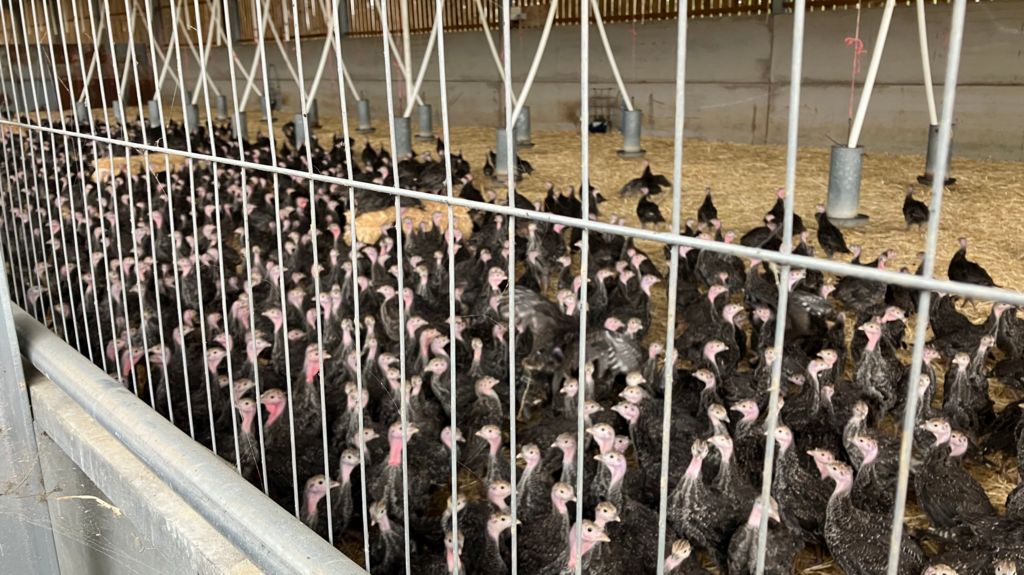
A fresh outbreak of avian influenza, commonly known as bird flu, has been detected on a commercial turkey farm in the Republic of Ireland, near the border with Northern Ireland. The announcement was made by Martin Heydon TD, the Republic’s Minister for Agriculture, Food, and the Marine, who confirmed the infection in a flock located near Clontibret, County Monaghan. This area lies just one mile from the border with County Armagh in Northern Ireland. In response to the outbreak, authorities have established restriction zones around the affected site, including a 3km (1.9 miles) protection zone and a 10km (6.2 miles) surveillance zone, in compliance with national and EU regulations. This marks the third confirmed case of bird flu on a commercial turkey farm in the Republic of Ireland within a week. Earlier this week, a mandatory housing order was enacted, requiring all poultry and captive birds to be kept indoors to prevent further spread. The situation has raised concerns across the region, particularly in Northern Ireland, where six outbreaks have been reported in commercial farms since the beginning of the year. Last week, a turkey flock in County Fermanagh was culled, and 12,000 chickens were reportedly being culled at a poultry facility in Pomeroy, County Tyrone. The repeated outbreaks highlight the ongoing challenges in controlling the spread of avian influenza in the region.
-

No link between paracetamol and autism, reveals major review
A comprehensive review published in the British medical journal BMJ has conclusively refuted claims associating paracetamol use during pregnancy with autism in children. This comes after former US President Donald Trump sparked controversy in September by asserting that the common painkiller, also known as acetaminophen, was linked to higher autism rates. Trump’s remarks, which urged pregnant women to avoid paracetamol and ‘tough it out,’ drew widespread criticism from the medical community, who warned that such statements could deter women from using the safest available pain relief option and further stigmatize autistic individuals. The World Health Organization (WHO) has consistently emphasized the lack of robust evidence supporting a connection between paracetamol and autism. The BMJ review, led by a UK-based team of researchers, analyzed all existing scientific studies on the topic and found no clear link between prenatal paracetamol exposure and autism or attention deficit hyperactivity disorder (ADHD) in offspring. Previous studies suggesting a potential link were deemed of ‘low to critically low’ quality, as they failed to account for confounding factors like genetic predisposition. The review also highlighted the historical underinvestment in women’s health research and called for more rigorous studies. Experts, including Professor Dimitrios Siassakos of University College London and Steven Kapp of the University of Portsmouth, praised the findings, noting that neurodivergence is not caused by paracetamol and that efforts should focus on improving the lives of neurodivergent individuals rather than attempting to prevent neurodivergence. Trump and his vaccine-skeptic Health Secretary Robert F. Kennedy Jr. have repeatedly made unfounded claims about autism, including labeling it an ‘epidemic.’ However, experts attribute the rise in autism diagnoses to improved diagnostic methods and increased awareness.
-

Canada loses its measles-free status, with US on track to follow
Canada has officially lost its measles elimination status, as announced by the Pan American Health Organization (Paho) on Monday. This comes after the country failed to control a measles outbreak for 12 consecutive months. The Americas region as a whole has also lost its elimination status, despite other individual countries still being considered measles-free. The United States is at risk of losing its status if it cannot halt its ongoing outbreak by January, with cases already reported in Utah, Arizona, and South Carolina.
The outbreak in Canada began in October 2024, with health officials attributing the surge to declining vaccination rates. At a press conference, Paho officials urged Canadian governments and the public to increase vaccination efforts, emphasizing that 95% of the population must be immunized to effectively stop the spread of measles. Dr. Jarbas Barbosa, Paho’s director, stated, ‘This loss represents a setback, but it is also reversible.’
Canada had maintained its measles-free status for three decades prior to this outbreak. To regain elimination status, the country must curb the spread of the current measles strain for at least 12 months. In 2025 alone, Canada reported over 5,000 measles cases, primarily in Ontario and Alberta—three times the number reported in the U.S., despite Canada’s smaller population.
The outbreak has been concentrated in ‘under-vaccinated communities,’ with Alberta particularly affected. Provincial data reveals that vaccination rates in some areas, such as the South Zone, which includes Calgary, are as low as 68% for children under two. The MMR vaccine, which is 97% effective against measles, mumps, and rubella, remains the most effective defense against the virus, which can cause severe complications like pneumonia, brain swelling, and even death.
Canadian immunologist Dawn Bowdish highlighted systemic issues contributing to low vaccination rates, including limited access to healthcare, the absence of a national vaccination registry, and widespread misinformation. She called for improved public health outreach to hesitant communities and urged policymakers to address these systemic failures.
The Americas had been the first and only region globally to achieve measles elimination in 2016, though this status was briefly revoked after outbreaks in Venezuela and Brazil. Both countries regained elimination status in 2024 through coordinated vaccination campaigns. However, measles has re-emerged in North America, with Mexico also experiencing a surge in cases, ranking among the top 10 countries with the largest outbreaks according to the U.S. Centers for Disease Control and Prevention.
-
China sees rise in influenza, rhinovirus, and other respiratory infectious diseases
China is currently grappling with a significant uptick in respiratory and intestinal infectious diseases, according to the National Disease Control and Prevention Administration. During a recent press briefing, spokesperson Xi Jingjing highlighted the rising prevalence of influenza, respiratory syncytial virus, rhinovirus, and other acute respiratory infections. Additionally, norovirus infections, hand, foot, and mouth disease, and other intestinal illnesses are circulating at elevated levels, particularly in schools and childcare facilities. Wang Dayan, director of the Chinese National Influenza Center, noted that flu activity is increasing nationwide, with the H3N2 subtype of influenza A dominating over 95% of cases. The remaining cases are attributed to the H1N1 influenza A strain and influenza B. With 23 provincial-level regions reaching a medium level of influenza activity, the administration anticipates a continued rise in cases as the peak flu season approaches from late December to early January. Authorities are urging the public, especially vulnerable groups such as the elderly, children, and individuals with underlying health conditions, to get vaccinated promptly and enhance personal protection in crowded spaces. Meanwhile, the risk of imported vector-borne diseases like chikungunya fever and dengue fever persists, particularly in southern provinces.
-
Chinese medical team sets up health education column in PNG newspaper
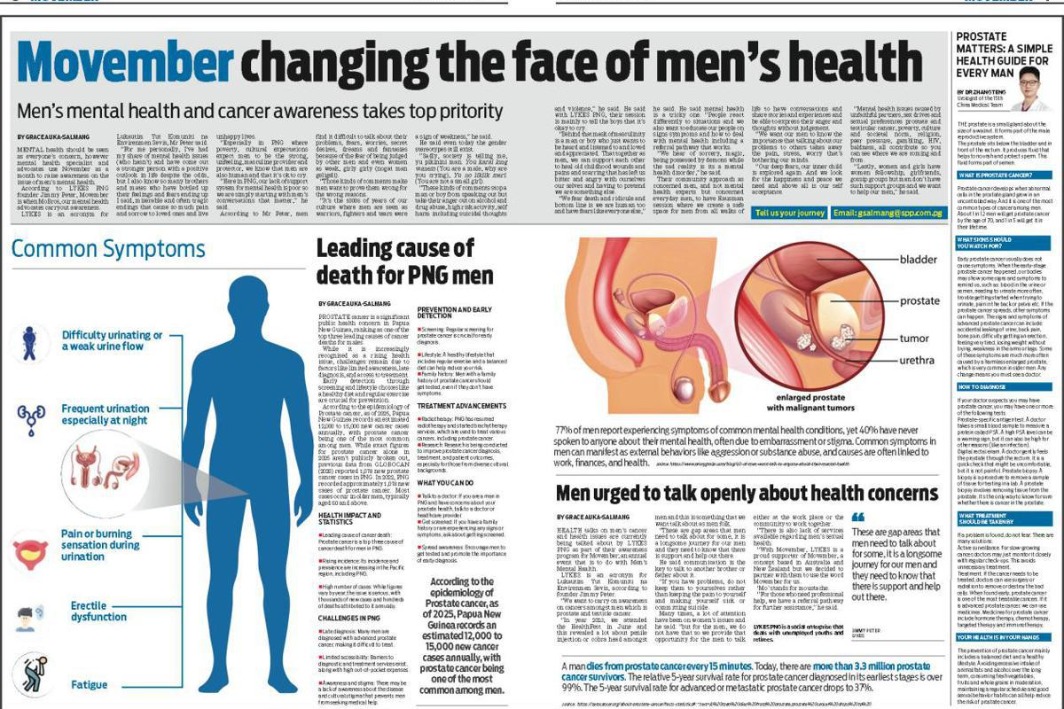
In a groundbreaking initiative to enhance public health awareness, the 15th Chinese medical team in Papua New Guinea (PNG) has introduced a health education column in the Post-Courier, one of the nation’s leading newspapers. This marks the first time in the 62-year history of Chinese medical aid abroad that such a collaboration has been established. The column’s debut aligns with Movember, a global campaign focused on raising awareness about prostate and testicular cancer, addressing significant gaps in knowledge and screening for prostate diseases among PNG’s male population. Dr. Zhang Teng, the team’s urology specialist, authored the inaugural piece, detailing the causes, early symptoms, screening methods, and preventive measures for prostate cancer. The article also provides practical self-care advice, such as maintaining a healthy diet and regular exercise, and underscores the importance of seeking medical attention for symptoms like blood in urine, difficulty urinating, and lower back pain. Team leader Xu Wei highlighted the column’s role in deepening public health services in PNG, with plans for monthly updates covering various medical fields, including thoracic surgery, neurosurgery, gynecology, cardiology, neonatology, dentistry, and traditional Chinese medicine. The 15th Chinese medical team, comprising eight experts from top-tier hospitals led by the Chongqing University Cancer Hospital, arrived in PNG on October 13 for a one-year mission at the Port Moresby General Hospital. This initiative builds on a longstanding medical collaboration that began in 2002 when Chongqing first dispatched a medical team to PNG, marking China’s first medical mission in the South Pacific region.
-

Empowering wellness through AI-driven healthcare solution
Artificial Intelligence (AI) is reshaping the healthcare landscape by offering personalized wellness solutions that cater to individual needs. By analyzing data from wearables, mobile apps, and health records, AI provides tailored health insights, predicts risks, and recommends preventive measures in real-time. This technological advancement is not only enhancing diagnostics and treatment planning but also empowering individuals to take proactive control of their health. Industry experts highlight that AI-driven platforms are revolutionizing mental health support by offering adaptive therapy options and personalized wellness programs. These platforms assist healthcare professionals in making informed decisions, leading to targeted interventions that improve patient outcomes. The global AI healthcare market is projected to grow from $32.3 billion in 2024 to $208.2 billion by 2030, driven by increasing adoption across hospitals, clinics, and health systems. Investments are focused on predictive analytics, telemedicine, personalized medicine, and robotic surgery, reflecting a growing recognition of AI’s potential to enhance patient care and reduce costs. However, challenges such as data privacy, integration into clinical workflows, and ensuring accuracy across diverse populations remain. Experts emphasize the need for multidisciplinary collaboration and continuous validation to address these issues. AI’s role in healthcare is set to expand, with 75% of leading healthcare companies testing or planning to expand AI applications, and 64% of patients ready to use AI-powered virtual nurse assistants. This transformative approach fosters a proactive healthcare ecosystem, reducing costs associated with late-stage interventions and empowering patients to manage their health more effectively.
-
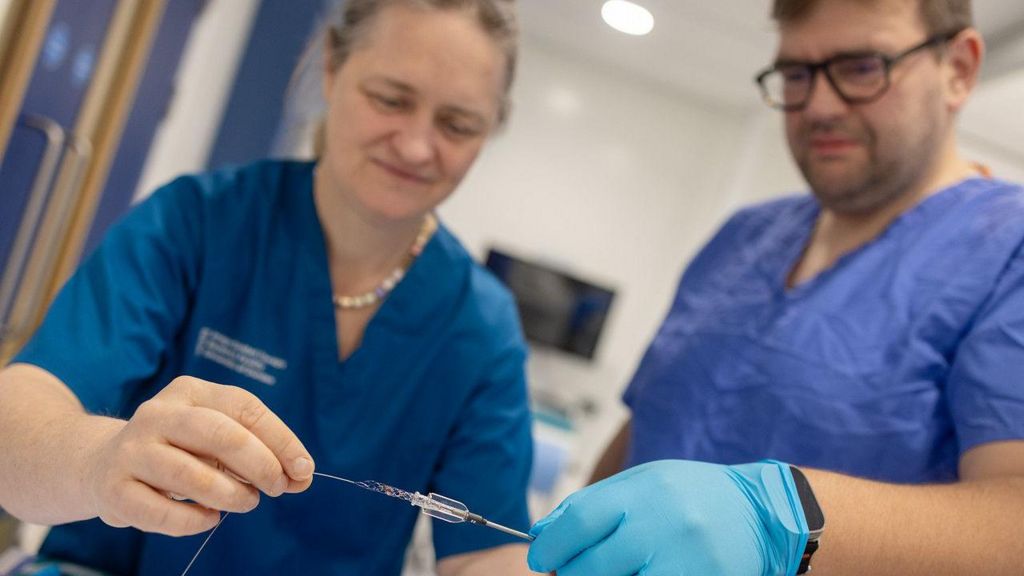
Dundee and US surgeons achieve world-first stroke surgery using robot
In a groundbreaking medical achievement, doctors from Scotland and the United States have successfully completed what is believed to be the world’s first remote stroke procedure using robotic technology. The pioneering procedure, known as a thrombectomy, involves the removal of blood clots from stroke patients. Led by Professor Iris Grunwald of the University of Dundee, the team performed the surgery on a human cadaver donated to medical science. Prof. Grunwald operated from Ninewells Hospital in Dundee, while the cadaver was located at the university’s facility across the city. Hours later, Dr. Ricardo Hanel, a neurosurgeon based in Jacksonville, Florida, replicated the procedure, performing the first-ever transatlantic thrombectomy on a body in Dundee, over 4,000 miles away. The team utilized robotics developed by Lithuanian firm Sentante, marking a significant leap in remote medical intervention. The procedure, described as a potential ‘game changer,’ could revolutionize stroke care by eliminating geographical barriers to accessing specialist treatment. Prof. Grunwald emphasized the transformative potential of the technology, stating, ‘It felt as if we were witnessing the first glimpse of the future.’ The University of Dundee, a global training center for stroke treatment, is the only UK facility where doctors can practice on cadavers with circulated human blood to simulate live procedures. The experiment involved four cadavers, with human blood used to mimic real-life conditions. The team now aims to proceed with clinical trials in 2026. Stroke treatment is highly time-sensitive, with delays significantly impacting recovery chances. Currently, only a small percentage of stroke patients in the UK receive thrombectomies due to limited access to specialists. This innovation could democratize access to life-saving treatment, particularly for those in remote areas. Juliet Bouverie of the Stroke Association hailed the development as ‘a remarkable innovation,’ highlighting its potential to address inequities in stroke care. The Sentante robotics system, supported by tech giants Nvidia and Ericsson, ensures minimal lag time, enabling precise real-time operations. Dr. Hanel described the 120-millisecond delay as ‘truly remarkable.’ Prof. Grunwald and Sentante CEO Edvardas Satkauskas expressed optimism about the technology’s future, with Satkauskas noting, ‘Sometimes, the future is way closer than we think.’