分类: health

  • Hovering danger

    Hovering danger

    Jakarta, Indonesia, is grappling with a significant environmental and public health crisis as microplastics contaminate its air and water. A 2022 study by the National Research and Innovation Agency (BRIN), published in the Marine Pollution Bulletin, revealed the presence of microplastics in rainwater samples collected across the city. These tiny plastic particles, ranging from 1 nanometer to 5 millimeters in size, originate from both household and industrial sources, indicating widespread atmospheric contamination. The study also found that the deposition rate of microplastics increases during the rainy season, exacerbating the issue. In response, the Jakarta Environment Agency has pledged to enhance plastic waste management and reduce single-use plastics. Agency head Asep Kuswanto emphasized the urgency of addressing this ‘environmental warning,’ noting that plastic pollution has now permeated the skies above Jakarta. Researchers, led by Muhammad Reza Cordova, observed microplastics as small as 0.3 to 0.5 millimeters in rainwater samples from North Jakarta. Reza warned that the situation may worsen due to rising plastic consumption, particularly during the dry season when rainfall is scarce. The health implications of microplastic exposure are severe, with potential risks including inflammation, respiratory illnesses, and even cancer. A 2024 Cornell University study highlighted that Indonesians ingest an alarming 15 grams of microplastics monthly, the highest globally. Coastal communities, heavily reliant on seafood, are particularly vulnerable. Despite these risks, many fishermen remain unaware of the dangers, continuing to consume fish from polluted waters. Yuyun Ismawati, co-chair of the International Pollutants Elimination Network, criticized the government for prioritizing industrial investments over public health, urging stricter pollution monitoring and waste import regulations. The Jakarta administration has begun expanding its monitoring systems to trace microplastics in the air and rainwater, but the long-term health and environmental impacts remain a pressing concern.

  • Maldives hailed for imposing generational tobacco ban

    Maldives hailed for imposing generational tobacco ban

    The Maldives has taken a groundbreaking step in public health by implementing a generational tobacco ban, effective from November 1, 2025. This bold initiative, which prohibits tobacco use among individuals born on or after January 1, 2007, has been widely praised by health experts, international organizations, and other nations. The ban also includes a nationwide prohibition on electronic cigarettes and vaping products, marking a significant milestone in the global fight against tobacco-related health issues. Maldivian Minister of Education Ismail Shafeeu highlighted the country’s leadership in this area, noting that the decision has been positively received internationally. Ahmed Afaal, managing director of ADK Hospitals and vice-chair of the Tobacco Control Board of the Maldives, emphasized that while the ban’s impact will not be immediate, it is a long-term strategy aimed at fostering a healthier population and reducing healthcare costs. The new regulations require retailers to verify the age of customers before selling tobacco products, ensuring compliance with the law. The move has been welcomed by most citizens, with local resident Mohamed Shauf Rilwan expressing optimism about the creation of a ‘smoke-free generation in the future.’ Analysts have also dismissed concerns that the ban could negatively affect the Maldives’ tourism industry, noting that tourists are drawn to the country for its natural beauty rather than its smoking regulations. Judith Mackay, director of the Hong Kong-based Asian Consultancy on Tobacco Control, lauded the Maldives’ efforts, stating that the country’s actions are commendable and set a strong example for others to follow.

  • New bulk-buy to drive drug price cuts

    New bulk-buy to drive drug price cuts

    China’s National Healthcare Security Administration has announced the results of the 11th nationwide centralized drug procurement round, selecting 55 medicines that are expected to be available at reduced prices starting February 2026. The bidding process, held in Shanghai on October 27, included a wide range of therapeutic areas such as infections, allergies, cancers, and chronic conditions like diabetes and high blood pressure. Among the selected drugs are the flu medication oseltamivir, the diabetes drug metformin, and the cancer treatment olaparib. This round saw participation from 794 products across 445 enterprises, with 453 products from 272 companies ultimately chosen. Approximately 46,000 medical institutions had pre-submitted their procurement demands, with 75% of these volumes successfully matched with winning products. The administration emphasized that the selected brands align closely with clinical needs and are produced by established manufacturers with proven supply capabilities and quality assurance. To reinforce quality control, bidding manufacturers were required to demonstrate prior experience in producing the same category of drugs and have a clean manufacturing record over the past two years. Regulatory authorities will conduct comprehensive supervision and inspections of all selected products. The competition in this round was notably more intense compared to previous rounds, prompting the administration to introduce measures to mitigate excessive competition and avoid extremely low bids. These measures included an anchor price reference, a revival mechanism, and proactive communication with companies to encourage reasonable pricing. As a result, the round maintained a relatively high selection rate, with a substantially smaller average price gap among winning drugs compared to earlier batches. The administration also emphasized efforts to prevent bid-rigging and collusion, promoting a fair and competitive market environment. Since its inception in 2018, the centralized procurement program has included a cumulative total of 490 drug varieties through 11 rounds.

  • Hospital pioneers remote robotic surgery

    Hospital pioneers remote robotic surgery

    In a groundbreaking medical achievement, Xiamen Cardiovascular Hospital in Fujian Province, China, has successfully conducted the world’s first cross-border remote robot-assisted heart surgery. This historic procedure, performed on October 23, 2025, involved collaboration between Chinese and French medical experts. The surgery was led by Wang Yan, president of Xiamen Cardiovascular Hospital, and Lionel Leroux, a professor of cardiovascular disease from Bordeaux University Hospital in France. Using a robotic system developed jointly by the Xiamen hospital and a Shanghai-based robotics company, the team remotely performed a transcatheter mitral valve repair on a 73-year-old patient in Xiamen, with no local surgeons physically present. The hour-long operation was executed with submillimeter precision and stable communication, monitored in real-time by the Xiamen hospital’s cardiac intervention, anesthesia, ultrasound, and nursing teams. The patient recovered well and was discharged shortly after the successful procedure. This milestone demonstrates the practicality and safety of remote precision control in robotic interventional therapy, marking a significant advancement in global medical technology. Wang Yan emphasized that this achievement highlights China’s capability to export its cardiovascular robotic systems for complex surgeries worldwide. French experts, including Thomas Modine, praised the technology as a major step forward in democratizing advanced medical skills globally. The success of this surgery is expected to pave the way for broader adoption of remote robotic techniques in clinical settings across the United States, Europe, and Southeast Asia.

  • India’s weight-loss drug boom – and the risks behind it

    India’s weight-loss drug boom – and the risks behind it

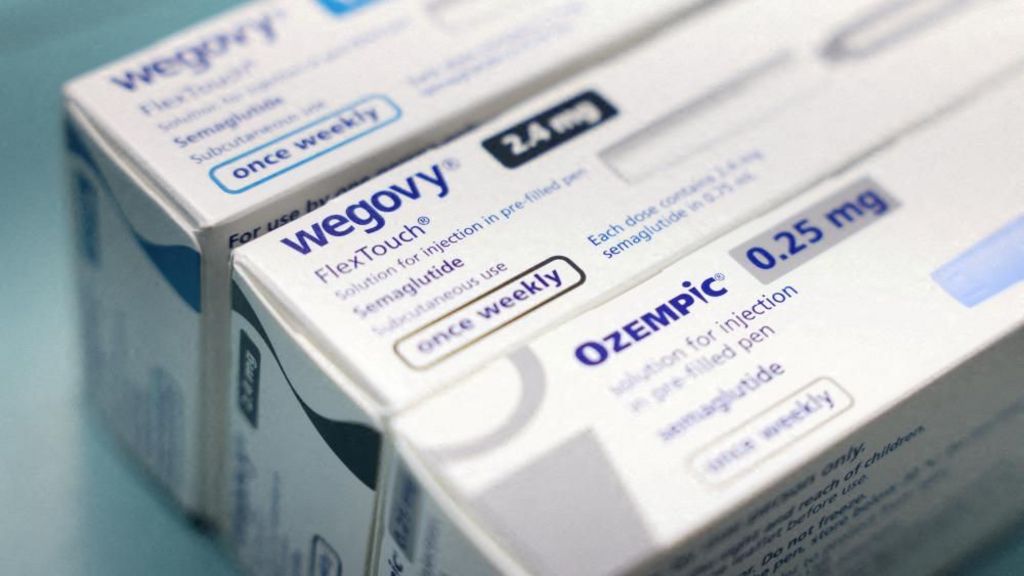
    India’s anti-obesity drug market has experienced a staggering sixfold increase over the past five years, driven by surging demand among urban professionals and the growing prevalence of obesity and diabetes. Originally developed to manage diabetes, drugs like semaglutide (marketed as Rybelsus and Wegovy) and tirzepatide (sold as Mounjaro) are now being hailed as revolutionary weight-loss solutions. These GLP-1 drugs, which mimic a natural hormone regulating hunger, slow digestion and act on the brain’s appetite centers, helping users feel full longer. However, their rapid adoption has sparked concerns about misuse, lack of medical supervision, and the risks of side effects such as nausea, gallstones, and muscle loss.

  • NMC Healthcare offers 50% discount on prostate screening and ultrasound in November

    NMC Healthcare offers 50% discount on prostate screening and ultrasound in November

    In observance of Men’s Health Awareness Month, also known as ‘Movember,’ NMC Healthcare has announced a significant initiative to promote prostate health among men aged 40 and above. Throughout November, the healthcare provider is offering a 50% discount on Prostate-Specific Antigen (PSA) screening and ultrasound services. This campaign aims to heighten awareness about prostate cancer and underscore the importance of early detection through regular screenings. The discounted package includes a complimentary consultation with an NMC physician to review results, discuss potential next steps, and address any health concerns. Appointments can be conveniently booked online via www.nmc.ae or by contacting any of NMC’s hospitals and clinics across the UAE. Dr. Zakaullah Khan, Chief Clinical Officer of NMC Healthcare, emphasized the critical role of early screening in detecting prostate cancer at its most treatable stages. He urged men to take advantage of this opportunity to prioritize their health, stating, ‘A simple screening process can make a significant difference in outcomes.’ For further details, visit NMC Healthcare’s official website at https://nmc.ae/en.

  • Maldives bans smoking for younger generations

    Maldives bans smoking for younger generations

    The Maldives has taken a groundbreaking step in public health by implementing a nationwide ban on tobacco use for individuals born on or after January 1, 2007. This makes the archipelago the first country in the world to enforce a generational tobacco prohibition. The health ministry announced the new law on Saturday, making it illegal for younger generations to purchase, sell, or use tobacco products. The ban underscores the government’s commitment to safeguarding youth from the detrimental effects of tobacco, aligning with the World Health Organization’s Framework Convention on Tobacco Control. Ahmed Afaal, vice chair of the Maldives’ tobacco control board, highlighted that the country’s prior ban on vaping in 2023 was a crucial precursor to this measure, aimed at curbing the tobacco industry’s tactics of targeting younger demographics. The new regulation extends to all forms of tobacco, with retailers mandated to verify buyers’ ages. Tourists visiting the Maldives must also comply with the law, though officials assert that the ban will not deter tourism, as visitors are drawn to the islands’ natural beauty rather than smoking opportunities. Despite similar efforts being abandoned in New Zealand and still under deliberation in the UK, the Maldives remains steadfast in its pursuit of a tobacco-free future. The country projects over 2 million tourist arrivals in the coming year, signaling confidence in the policy’s compatibility with its thriving tourism industry.

  • Young Russians are being seduced by a cheap, dangerous weight-loss pill called Molecule

    Young Russians are being seduced by a cheap, dangerous weight-loss pill called Molecule

    A dangerous trend has emerged among young Russians, fueled by the unlicensed weight loss drug ‘Molecule,’ which has gone viral on TikTok. Promising rapid weight loss, the pill has been aggressively marketed with captions like ‘Take Molecule and forget food exists’ and ‘Do you want to sit in the back of the class in oversized clothes?’ The drug, packaged in blue boxes with holographic labels, has gained popularity through social media ‘weight-loss journeys’ shared by teenagers. However, the consequences have been severe. Maria, a 22-year-old from St. Petersburg, experienced extreme side effects, including dry mouth, loss of appetite, severe anxiety, and negative thoughts. ‘These pills were having a profound effect on my psyche,’ she said. Other users reported dilated pupils, tremors, insomnia, and hospitalizations. At least three schoolchildren have been hospitalized, including a 13-year-old boy who suffered hallucinations and panic attacks after being teased about his weight. Investigations revealed that Molecule contains sibutramine, a substance banned in many countries due to its links to heart attacks and strokes. Despite being illegal without a prescription in Russia, the drug is widely sold online, often mislabeled as ‘dietary supplements’ or ‘sports nutrition.’ Endocrinologist Ksenia Solovieva warned of the risks of overdose, emphasizing the lack of regulation. Despite government efforts to curb its sale, Molecule continues to appear under new names and packaging. Online communities promoting eating disorders have also become hubs for Molecule promotion. Influencer Anna Enina, who has struggled with eating disorders, urged her followers to avoid the drug, stating, ‘The consequences will be dire.’ Maria, now a vocal critic, discourages others from using Molecule, but the drug remains popular, leaving a trail of health crises in its wake.

  • Millions of Americans brace for healthcare insurance costs to spike

    Millions of Americans brace for healthcare insurance costs to spike

    As the open enrollment period for the Affordable Care Act (ACA) marketplace begins, millions of Americans are bracing for a significant surge in health insurance costs. Approximately 24 million individuals currently purchase health insurance through the marketplace, with the majority benefiting from tax credits that reduce their monthly premiums. However, these subsidies are set to expire at the end of the year, potentially leading to an average increase of 114% in monthly costs, according to the health research nonprofit KFF. This could translate to an additional $1,000 annually, or even more in some cases. For small business owners like Stacy Cox and her husband in Utah, the loss of tax credits could mean their monthly premiums skyrocket from $495 to $2,168—a staggering 338% increase. Ms. Cox, who has an autoimmune disease, and her husband, who suffers from hereditary cardiovascular disease, are considering canceling their health plan and opting for emergency insurance, which would not cover routine or preventative care. Experts warn that if the subsidies are not extended, around seven million people may stop buying insurance through the marketplace, with four to five million likely to lose coverage entirely. The issue has become a focal point in the ongoing federal government shutdown, now in its second month. Democrats are pushing to renew the subsidies and reverse steep Medicaid cuts made by former President Donald Trump. While some Republican lawmakers oppose the subsidies as part of the ACA, others, including Trump ally Marjorie Taylor Greene, have expressed support for their continuation. Meanwhile, the government shutdown has also threatened food aid programs like SNAP, which serves over 40 million Americans. A recent court ruling has temporarily ensured the continuation of SNAP benefits, but the broader healthcare and financial uncertainties remain unresolved.

  • UAE residents over 50 urged to get shingles vaccine to curb stroke, dementia

    UAE residents over 50 urged to get shingles vaccine to curb stroke, dementia

    In a significant push towards preventive healthcare, medical professionals in the UAE are urging residents aged 50 and above to consider the shingles vaccine as part of their routine immunisation. This recommendation comes in light of emerging research suggesting that the vaccine not only prevents the painful viral rash associated with shingles but also significantly reduces the risk of cardiovascular diseases, dementia, and mortality.