分类: health

  • Heart, liver ‘live’ outside body as UAE unveils new system for donor organs

    Heart, liver ‘live’ outside body as UAE unveils new system for donor organs

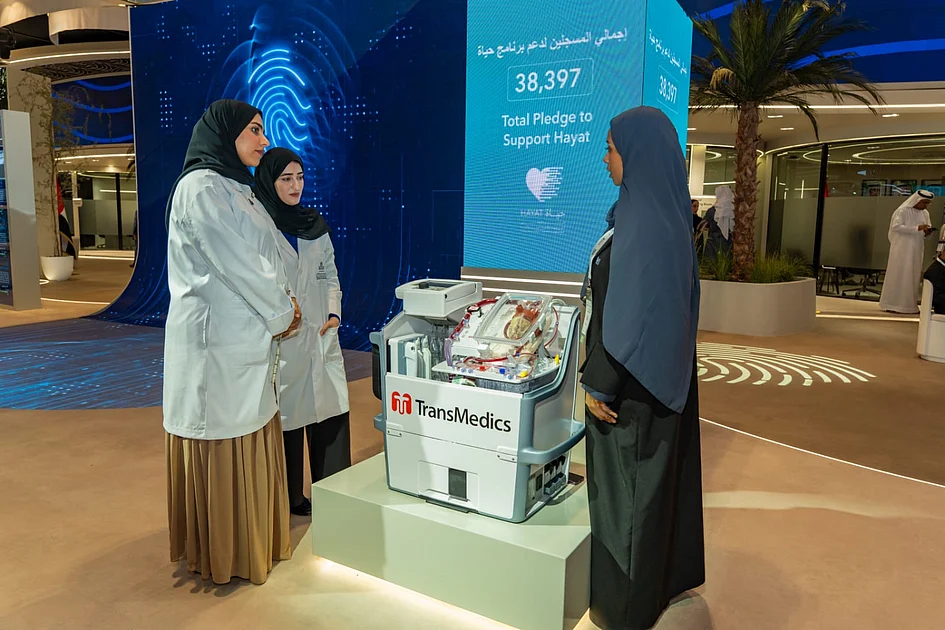
    Dubai has become the epicenter of a medical revolution with the unveiling of a groundbreaking organ preservation technology that fundamentally alters the race against time in transplant procedures. Announced at the World Health Expo 2026, this advanced perfusion system enables human organs to function externally outside the human body, creating unprecedented opportunities for successful transplants.

    The innovative technology, introduced under the UAE’s national organ donation program ‘Hayat’ through the Emirates Health platform, represents a quantum leap from traditional ice-based storage methods. Rather than merely preserving organs in dormant states, the sophisticated perfusion apparatus actively sustains hearts, livers, and other vital organs in a biologically active condition. This miniature circulatory system meticulously replicates natural blood flow patterns, oxygen absorption mechanisms, and physiological responses—effectively keeping donor organs ‘alive’ during transport and evaluation periods.

    Dr. Amin Hussein Al Amiri, Assistant Undersecretary for the Health Regulation Sector at MoHAP, emphasized the transformative implications of this technological breakthrough. ‘This advanced technology extends the safe transport window for organs across cities and nations while significantly enhancing preservation quality,’ he stated. The system enables surgeons to monitor real-time functional performance, measure fluid dynamics, and reassess organs previously deemed unsuitable for transplantation—potentially expanding the pool of viable donor organs and recipient candidates.

    Beyond immediate clinical benefits, the technology promises to reshape international healthcare collaboration. Dr. Al Amiri highlighted how the system ‘enhances opportunities for regional and international cooperation in organ exchange’ while strengthening partnerships between medical institutions and research facilities. The integration of smart perfusion devices into the National Centre for regulating Human Organs and Tissues Transplantation is expected to optimize medical resource allocation and improve logistical planning for complex transplant procedures.

    Concurrently, MoHAP showcased the National Genome System—an ambitious precision medicine initiative establishing comprehensive genetic databases to revolutionize disease prevention, diagnosis, and treatment protocols. Together, these advancements position the UAE at the forefront of medical innovation, demonstrating the nation’s commitment to leveraging artificial intelligence and cutting-edge technology in therapeutic applications while reinforcing organ donation as a profound humanitarian value.


  • Healing with horses: Inside Dubai’s new wellness trend

    Healing with horses: Inside Dubai’s new wellness trend

    Dubai’s wellness landscape has welcomed an innovative therapeutic approach at Crystalline Equine, the city’s first boutique sanctuary specializing in equine-facilitated healing. Nestled within JSR Equestrian Centre on the city’s outskirts, this sanctuary offers a stark contrast to Dubai’s fast-paced environment, creating a tranquil space where horses serve as intuitive partners in emotional and physical restoration.

    Founded by Joy Desmond, a former British Airways executive who discovered the therapeutic power of horses during her volunteer work with London-based organization Strength and Learning Through Horses, the center represents a radical career transformation. Desmond’s personal observations of horses helping foster children, neurodivergent youth, and even adult prisoners inspired her vision of combining equine therapy with crystalline energy healing.

    The science behind equine-assisted therapy reveals why these interactions prove so transformative. Horses possess biological sensitivity that makes them exceptional healing partners—their hearts generate electromagnetic fields five times stronger than humans’, and their innate herd dynamics enable them to read human energy and intention with remarkable accuracy. This biological compatibility facilitates co-regulation, where human nervous systems naturally synchronize with equine rhythms, resulting in lowered heart rates, deeper breathing, and muscular release.

    Crystalline Equine’s methodology integrates ground-based interactions with mindfulness practices, somatic awareness, breathwork, and crystal bowl sound healing. Two specially selected horses—Atoll, a retired grand prix jumper providing grounded stability, and Crystalline, an Arabian-Lipizzaner cross embodying elegant presence—move freely throughout sessions, participating according to their intuitive assessment of participants’ needs.

    The therapeutic outcomes observed at the center have been profound. Participants experiencing anxiety, burnout, or trauma—including those with equine-related fears—have demonstrated significant breakthroughs. One notable case involved a woman overcoming decades-long riding accident trauma through gradual exposure, eventually progressing to feeding horses and contemplating riding again.

    Desmond emphasizes the non-directive philosophy underlying their approach: ‘Horses respond to authenticity, not control.’ This principle informs all activities at the sanctuary, where upcoming expansions include Reiki integration allowing horses to intuitively identify areas of emotional density in participants.

    Operating seasonally to honor natural rhythms, Crystalline Equine represents a growing recognition of interspecies healing modalities. Desmond envisions the center evolving into a collaborative hub for horse-assisted practitioners while maintaining its boutique, intentionally holistic approach to wellness that reconnects humans with ancient healing partnerships.

  • Pen-sized electric syringe could mean less pain, faster recovery for cancer patients in UAE

    Pen-sized electric syringe could mean less pain, faster recovery for cancer patients in UAE

    A groundbreaking medical device resembling a writing instrument is poised to transform therapeutic experiences for cancer patients and individuals with diabetic retinopathy across the United Arab Emirates. The innovative ‘aDose Core’ system, developed through advanced engineering research, represents a paradigm shift in targeted drug delivery methodologies.

    This next-generation electro-osmotic pump technology utilizes electrical current to administer ultra-micro doses of medication with unprecedented precision, bypassing traditional bloodstream flooding approaches. The core mechanism operates through a patented ceramic component invented by Japanese scientist Dr. Mamoru Hirafuji, where electrical polarity controls bidirectional fluid movement at nanoliter levels.

    According to Abhishek Choudhary, India Business Manager at atDose Co., Ltd, the technology’s revolutionary nature stems from its departure from mechanical pressure systems. “Unlike conventional syringes that depend on manual force and needle dimensions,” Choudhary explained to Khaleej Times, “this system enables pure voltage-controlled dosage administration, achieving up to 0.05 microliters of drug delivery.”

    The clinical implications are particularly significant for oncology treatments, where direct tumor-site medication administration could dramatically reduce chemotherapy side effects and patient discomfort. Similarly, ophthalmology stands to benefit enormously, with the device capable of delivering therapeutics directly to retinal tissues using ultra-fine needles—a previously unattainable medical achievement.

    The UAE’s substantial investments in oncology and specialized eye care infrastructure position the nation as an ideal adoption market for this technology. Current prototyping focuses on breast cancer applications, with future iterations anticipated to incorporate advanced chips, enhanced reservoir systems, and potential battery-powered functionality.

    Notably, the system maintains compatibility with existing needle designs while featuring a detachable architecture that permits partial sterilization. This thoughtful design approach underscores the technology’s practical orientation toward addressing genuine unmet medical needs rather than simply replacing conventional syringes.

  • UAE imam saved from paralysis after fall; doctors warn against ignoring back pain

    UAE imam saved from paralysis after fall; doctors warn against ignoring back pain

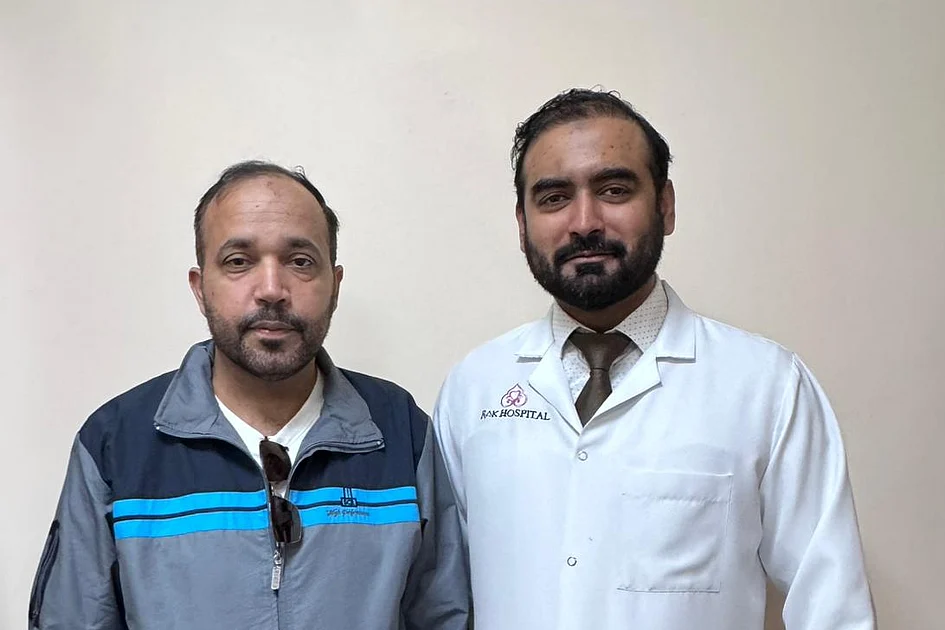
    In a remarkable medical case from Ras Al Khaimah, a 49-year-old Syrian imam narrowly avoided permanent paralysis following a serious fall, demonstrating the critical importance of immediate spinal injury response. Abdul Alchahazie, a long-term UAE resident, suffered a three-meter fall that resulted in severe compression of his vertebral column, with bone fragments directly pressing against his spinal cord.

    RAK Hospital’s medical team sprang into action following the incident, with diagnostic scans revealing an unstable fracture that placed the patient at imminent risk of irreversible neurological damage. Dr. Adnan Shariq, Consultant Neurosurgeon at the facility, emphasized the crucial medical principle guiding such cases: ‘Time is spine.’ He explained that when the spinal cord experiences compression, delayed intervention can result in permanent loss of motor function and sensation.

    The medical team performed urgent minimally invasive surgery to decompress the spinal cord and stabilize the fracture using advanced orthopedic hardware. This prompt intervention proved decisive in Alchahazie’s recovery trajectory. Remarkably, within one week of the procedure, the patient was discharged walking independently without neurological deficits, having undergone intensive physiotherapy.

    This case occurs against the backdrop of global spinal injury statistics from the World Health Organization, which indicates over 15 million people worldwide live with spinal cord injuries, predominantly resulting from preventable trauma. Falls and road accidents constitute the primary causes, followed by violence, occupational hazards, and sports-related incidents.

    Medical professionals stress that the initial 24 hours following potential spinal trauma represent the most critical window for intervention. Symptoms including severe back pain accompanied by numbness, weakness, or mobility difficulties should be treated as medical emergencies. Experts strongly advise against attempting movement after such incidents, recommending instead that patients remain stationary while awaiting trained emergency personnel who can properly stabilize and transport them.

    The successful outcome in this case underscores how coordinated emergency response, rapid diagnosis, and timely surgical intervention can fundamentally alter patient prognosis, potentially determining the difference between complete recovery and lifelong disability.

  • Antibiotic misuse among UAE residents fuels superbugs, raises resistance threat

    Antibiotic misuse among UAE residents fuels superbugs, raises resistance threat

    Medical authorities in the United Arab Emirates are confronting a dangerous public health trend as inappropriate antibiotic consumption during peak flu season accelerates antimicrobial resistance. Healthcare facilities across the nation report concerning patterns of patients self-medicating with antibiotics for viral respiratory symptoms, exacerbating what experts describe as a critical threat to modern medicine.

    The phenomenon appears particularly prevalent among expatriate communities, where cultural practices and previous healthcare experiences contribute to misconceptions about antibiotic efficacy against viral infections. Dr. Igbal Mubarak Sirag, Internal Medicine Specialist at NMC Royal Hospital, reveals that approximately 30% of outpatient antibiotic prescriptions may be medically unjustified, primarily driven by respiratory complaints without confirmed bacterial involvement.

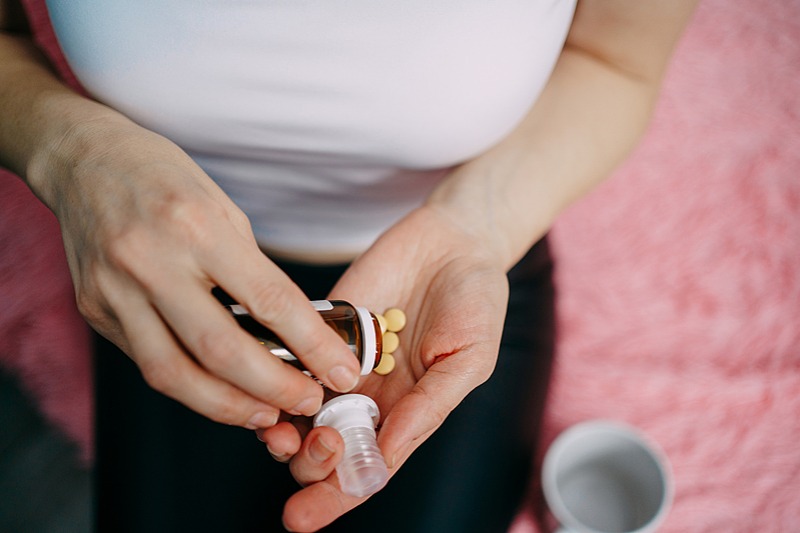
    Alarming survey data indicates nearly half of respondents admit to using antibiotics without professional consultation, perpetuating what physicians term the ‘travel medicine cabinet’ effect—where individuals retain leftover medications from previous treatments or import pharmaceuticals from their home countries.

    The clinical consequences extend beyond individual health risks, including potential side effects and allergic reactions. More significantly, improper antibiotic use cultivates resistant bacterial strains within patients’ own systems, potentially rendering future infections untreatable with conventional medications.

    At the institutional level, UAE healthcare providers are implementing comprehensive antibiotic stewardship programs featuring prescribing guidelines, systematic audits, and professional education initiatives. Advanced diagnostic technologies are increasingly deployed to ensure targeted, evidence-based antibiotic administration only when medically necessary.

    Medical professionals emphasize that public awareness represents the cornerstone of combating antimicrobial resistance. Physicians urge complete adherence to prescribed treatment regimens, avoidance of medication sharing, and consultation with healthcare providers before antibiotic consumption. The Ministry of Health and Prevention continues its ‘Fight Superbugs’ campaign to promote rational antibiotic usage across all societal sectors.

  • Flu activity drops in China, but authorities warn of potential virus risks amid holiday travel rush

    Flu activity drops in China, but authorities warn of potential virus risks amid holiday travel rush

    Health authorities in China report a significant reduction in influenza activity across most regions, with acute respiratory infections now trending downward nationwide. According to a weekend briefing from the National Disease Control and Prevention Administration, respiratory syncytial virus positivity rates are declining, though rhinovirus, parainfluenza virus, and common coronaviruses continue to circulate at observable levels.

    The administration noted that positivity rates for novel coronavirus and other monitored respiratory pathogens remain generally low. However, health officials emphasized that mosquito-borne arboviruses, while currently outside epidemic season, still present risks of imported dengue fever, chikungunya fever, and malaria cases. Warmer southern regions face potential local transmission from either imported cases or overwintering mosquitoes.

    With the Spring Festival holiday prompting massive cross-border and cross-region travel, along with increased social gatherings and dining events, health authorities warn of potential virus transmission spikes. The administration has directed local authorities to enhance outbreak management capabilities and strengthen preparedness for public health emergencies.

    Additionally, health officials stressed the critical importance of monitoring global spread patterns of key infectious diseases, including COVID-19, chikungunya fever, and Nipah virus, alongside surveillance of epidemic situations in neighboring countries and regions to enable proactive response measures.

  • New approach to breast cancer treatment found

    New approach to breast cancer treatment found

    A groundbreaking study from Chinese medical researchers has revealed a previously unknown mechanism behind treatment resistance in aggressive breast cancer, potentially paving the way for rapid clinical application of existing migraine medication to improve outcomes.

    The research, conducted jointly by Fudan University Shanghai Cancer Center and the Institute for Translational Brain Research, identified sensory nerves within tumors as primary instigators of immunotherapy resistance in triple-negative breast cancer (TNBC) patients. Published in the prestigious journal Cell, the findings demonstrate how these nerves function as biological ‘commanders’ that actively suppress the body’s immune response against cancerous growths.

    Triple-negative breast cancer represents approximately 20% of all breast cancer diagnoses and is characterized by its aggressive nature and tendency to metastasize within five years. While immunotherapy has emerged as a promising treatment modality that harnesses the body’s natural defenses, many TNBC patients either fail to respond initially or rapidly develop resistance.

    The research team adopted an innovative approach by examining the tumor microenvironment rather than focusing exclusively on cancer cells themselves. Through comprehensive analysis of 360 clinical samples, they discovered that tumors with significant sensory nerve infiltration—the same nerves responsible for transmitting touch and pain sensations—correlated with the most unfavorable patient outcomes.

    According to Dr. Shao Zhimin, lead researcher and director of general surgery at the cancer center, these sensory nerves create an immunosuppressive barrier preventing immune cells from penetrating the tumor’s core regions. The study mechanism reveals that cancer cells communicate with these nerves, triggering nearby cells to produce dense collagen formations that physically block therapeutic agents from reaching their targets.

    In a compelling translational application, researchers administered rimegepant—an already approved migraine medication—to animal models. The results demonstrated that blocking nerve signals not only decelerated cancer progression but significantly enhanced immunotherapy effectiveness. Since rimegepant has established safety profiles and regulatory approval, researchers anticipate a relatively short timeline for clinical adaptation in cancer treatment protocols.

    Dr. Jiang Yizhou, co-lead researcher, emphasized that this discovery underscores the critical interconnection between the nervous and immune systems in oncology. The study advocates for integrated therapeutic approaches that address both biological systems simultaneously, potentially revolutionizing treatment strategies for resistant cancers beyond breast oncology.

  • Five steps to get your blood pressure under control

    Five steps to get your blood pressure under control

    With nearly half of American adults affected by hypertension, medical experts are sounding the alarm about this silent health threat that significantly increases risks for heart attack, stroke, and cognitive decline. Recent research reveals a troubling trend: hypertension-related heart disease deaths are rising among adults aged 35-64, challenging previous assumptions that primarily older populations were vulnerable.

    Dr. Eduardo Sanchez, Chief Medical Officer for Prevention at the American Heart Association, emphasizes that hypertension represents the most modifiable risk factor for cardiovascular disease and stroke. “Lifestyle changes and medication can dramatically alter the trajectory for heart attack and stroke,” he notes.

    Medical professionals recommend five essential strategies for blood pressure management:

    1. Regular Monitoring: Understanding your blood pressure numbers provides critical baseline information. More than half of those with uncontrolled hypertension remain unaware of their condition. Proper measurement technique requires appropriate cuff size, seated position with feet flat, arm supported at heart level, and no conversation during measurement. Home monitoring is particularly valuable given that up to 30% of patients experience ‘white coat hypertension’ in clinical settings.

    2. Risk Assessment: Hypertension develops through complex interactions between genetic predisposition and environmental factors including smoking, excess weight, and poor sleep. Those with family history of heart attack or stroke face increased genetic risk. Age, race, and gender also influence vulnerability, with higher prevalence among Black individuals and men. Women who develop hypertension during pregnancy require special attention as they face elevated cardiovascular risks postpartum.

    3. Dietary Modification: The Dietary Approaches to Stop Hypertension (DASH) diet emerges as the most effective nutritional intervention among 22 lifestyle changes analyzed across 100+ studies. This approach emphasizes potassium-rich foods that help eliminate sodium and relax artery walls. Beyond bananas, excellent potassium sources include avocados, cantaloupe, citrus fruits, spinach, and Swiss chard. Combining DASH with sodium reduction below 2,300mg daily—primarily by avoiding restaurant meals and processed foods—produces optimal results. Alcohol reduction, ideally complete abstinence, further supports blood pressure control.

    4. Physical Activity and Stress Management: Aerobic exercise strengthens heart efficiency, ranking as the second-most effective intervention after dietary changes. Isometric resistance exercises (wall squats, planks) placed third by promoting blood vessel dilation and improved circulation. These activities simultaneously reduce stress, as do meditation, yoga, and various religious practices. Weight reduction through exercise provides additional blood pressure benefits.

    5. Medication Acceptance: When lifestyle modifications prove insufficient, medication becomes essential for achieving target levels below 130/80 mm Hg (with under 120/80 mm Hg ideal). Multiple generic options exist, including convenient single-pill combinations that address patient concerns about complex regimens. While some medications cause side effects like frequent urination or leg swelling, physicians can adjust prescriptions to minimize discomfort. Medication complements rather than replaces lifestyle changes, with Dr. Jennifer Cluett of Beth Israel Deaconess Medical Center noting that “lifestyle changes help more than just your blood pressure number.”

  • A singer’s tragic death highlights Nigeria’s snakebite problem

    A singer’s tragic death highlights Nigeria’s snakebite problem

    The untimely death of 26-year-old Nigerian soprano Ifunanya Nwangene has ignited national outrage and exposed critical deficiencies in the country’s emergency medical response system. The promising vocalist, who gained fame on Nigeria’s version of The Voice, succumbed to a venomous snakebite in Abuja last Saturday under circumstances that reveal systemic failures in antivenom accessibility and emergency protocols.

    Ifunanya was awakened in her ground-floor apartment in Nigeria’s capital by intense pain as a forest cobra bit her wrist. Following established first-aid procedures, she applied a tourniquet before seeking hospital care—a decision that would later become controversial. Her father, Christopher Nwangene, recounted the frantic efforts to secure treatment as his daughter visited multiple medical facilities in search of antivenom.

    The Federal Medical Centre in Jabi, where Ifunanya eventually received treatment, has disputed claims of antivenom unavailability, though family accounts describe desperate searches for the life-saving medication at local pharmacies. Medical professionals removed her tourniquet upon admission, administering intravenous fluids instead. Witnesses reported her rapid deterioration, with the young singer losing speech function and struggling to breathe despite partial treatment.

    This tragedy highlights Nigeria’s persistent struggle with snakebite emergencies, classified by the WHO as a neglected tropical disease causing approximately 30,000 annual deaths across sub-Saharan Africa. The country records about 20,000 snakebite cases yearly, with antivenom costs ranging from $33 to $58 per vial—prohibitively expensive for many Nigerians.

    The crisis extends beyond urban centers like Abuja. In rural areas where electricity instability complicates antivenom refrigeration, traditional healers often become the primary treatment option. Hafiz Aminu from Kaduna State survived a cobra bite through herbal remedies after hospitals lacked antivenom, though experts caution that traditional methods remain ineffective against highly venomous species.

    In response to the public outcry, Nigeria’s Senate has urged health authorities to ensure nationwide availability of safe, effective, and affordable antivenoms. International researchers have proposed innovative solutions, including repurposing the blood thinner heparin as a cost-effective antidote. Yet for grieving families like the Nwangenes, these developments come too late, underscoring the urgent need for both medical infrastructure improvement and compassionate emergency care.

  • UAE doctors warn against rise in eye infections due to screens, AC, self-medication

    UAE doctors warn against rise in eye infections due to screens, AC, self-medication

    Medical specialists across the United Arab Emirates are reporting a significant escalation in ocular health emergencies, with conjunctivitis cases reaching concerning levels. Leading ophthalmologists attribute this alarming trend to a dangerous convergence of environmental aggressors, digital lifestyle habits, and the growing peril of self-medication practices.

    Clinical data from multiple healthcare facilities indicates a sharp increase in patients presenting with acute red eye symptoms, displaying characteristics of both infectious and allergic conjunctivitis. Dr. Pavly Moawad, Specialist Ophthalmologist at Saudi German Hospital Ajman, confirms: ‘We’re observing a diverse caseload encompassing bacterial, viral, and allergic conjunctivitis variants, each requiring distinct therapeutic approaches.’

    The medical community identifies three primary catalysts driving this public health concern:

    1. Environmental Factors: Dubai’s arid climate, combined with pervasive air conditioning systems and atmospheric particulate matter, creates optimal conditions for ocular surface irritation. These elements compromise the eye’s natural defense mechanisms, increasing vulnerability to infections.

    2. Digital Lifestyle: Extended screen exposure and subsequent reduced blink rates have led to epidemic levels of chronic dry eye syndrome—a significant predisposing factor for more severe ocular conditions.

    3. Diagnostic Misadventures: A dangerous trend of self-diagnosis through mobile applications and AI consultations has resulted in numerous cases of mismanaged treatment. Dr. Emad Badawi of Medcare Eye Centre warns: ‘Superficial symptoms often mask deeper pathologies. Inappropriate management can precipitate corneal ulcers and permanent vision deterioration.’

    Particular concern surrounds the misuse of ocular medications, including non-prescribed antibiotics, shared eye drops, and unsupervised steroid applications. These practices not only exacerbate existing conditions but contribute to antimicrobial resistance patterns.

    High-risk populations include young professionals, athletes exposed to environmental irritants, and chronic allergy sufferers who frequently self-medicate. Contagion risks amplify in shared environments like educational institutions, corporate offices, and fitness centers, compounded by inadequate ventilation systems.

    Ophthalmologists emphasize that early symptoms—including grittiness, burning sensations, watery discharge, and photophobia—often get dismissed as minor irritations. Medical intervention becomes imperative when symptoms persist beyond 48 hours or manifest with pain, visual disturbances, or purulent discharge.

    Preventive strategies include rigorous hand hygiene, avoidance of eye rubbing, and refraining from sharing personal items. Infected individuals should minimize social interactions to curb transmission vectors. Contrary to popular belief, viral conjunctivitis requires physical contact for transmission—not visual exposure.

    The medical consensus underscores that ocular health preservation begins with professional diagnosis and responsible treatment protocols, emphasizing that vision protection demands more than over-the-counter solutions.