分类: health

  • National health body asks consumers to read nutritional information on food labels

    National health body asks consumers to read nutritional information on food labels

    In a significant move to bolster public health awareness, China’s National Health Commission (NHC) has issued a nationwide appeal for consumers to actively scrutinize nutritional information on food packaging. The initiative accompanies the upcoming implementation of revised labeling standards for prepackaged foods, with a strong emphasis on digital innovation to enhance accessibility.

    NHC spokesman Yang Jinrui announced that updated ‘General Rules for Nutrition Labeling of Prepackaged Foods’ are scheduled to take full effect on March 16, 2027. However, food manufacturers are being actively encouraged to adopt these enhanced standards ahead of the mandatory deadline. The revised regulations introduce a critical update by classifying saturated fats and sugars as mandatory core components that must be prominently displayed alongside existing requirements for total fat and sodium.

    A groundbreaking aspect of the new framework involves the integration of digital labeling technology. Food enterprises will be incentivized to incorporate QR codes on packaging, which consumers can scan to access comprehensive product information through digital interfaces. These smart labels will feature adjustable font sizes, voice recognition capabilities, and video playback functions—innovations specifically designed to assist elderly consumers and those with visual impairments.

    Furthermore, the updated labeling standards will provide clearer contextual information by indicating what percentage of the recommended daily intake a single serving of the product contributes for each nutrient. Health authorities emphasize that developing the habit of reading nutritional information represents a fundamental step toward making informed dietary choices and safeguarding long-term family health, particularly as China addresses nutrition-related public health challenges.

    The commission’s announcement reflects China’s broader commitment to utilizing technological solutions and regulatory measures to promote preventive healthcare and consumer empowerment in nutritional decision-making.

  • Bascom Palmer Eye Institute Abu Dhabi, Emirates Society of Ophthalmology sign strategic partnership agreement

    Bascom Palmer Eye Institute Abu Dhabi, Emirates Society of Ophthalmology sign strategic partnership agreement

    Abu Dhabi witnessed a significant healthcare collaboration as Bascom Palmer Eye Institute Abu Dhabi and the Emirates Society of Ophthalmology (ESO) formalized a strategic partnership through a Memorandum of Understanding. The ceremony, held at Bascom Palmer’s Abu Dhabi facility, established a framework for cooperative efforts to enhance ophthalmic education, research, and clinical standards throughout the United Arab Emirates.

    This alliance brings together ESO, the UAE’s premier professional organization representing ophthalmologists, and the Abu Dhabi branch of the internationally acclaimed Bascom Palmer Eye Institute, which has maintained its position as the top-ranked ophthalmology center in the United States for 24 consecutive years according to U.S. News & World Report.

    Dr. Sheikha Noura Al Qassimi, President of ESO, characterized the agreement as a transformative milestone for ophthalmic advancement in the region. ‘This partnership embodies our mutual dedication with Bascom Palmer to propel ophthalmic education, clinical excellence, and innovation across the UAE,’ she stated. ‘We are establishing a comprehensive platform for scientific programming, professional training, and knowledge exchange that will strengthen clinical standards and contribute to sustainable eye care development throughout the Emirates.’

    The collaboration extends beyond conventional conference partnerships to include initiatives focused on best practice implementation, public awareness campaigns, and unique opportunities for Emirati medical students and residents to engage with Bascom Palmer’s global faculty and advanced facilities.

    Dr. Zain Kenderian, CEO of Bascom Palmer Eye Institute Abu Dhabi, emphasized the partnership’s broader implications: ‘This represents a pivotal moment for ophthalmic education and professional development in the UAE. Our joint commitment with ESO will elevate training, research, and clinical excellence for the benefit of medical professionals and the community at large. This memorandum initiates a long-term journey to advance regional eye care.’

    A joint oversight committee will ensure the partnership delivers tangible outcomes. Suhail Jaffar Al Zarouni, Board Chairman of Bascom Palmer Abu Dhabi, highlighted the practical benefits: ‘Collaborating with ESO enables us to directly bring Miami’s pioneering faculty and research to UAE professionals, creating lasting impact through shared knowledge and best practices.’

    The ceremony concluded with both institutions expressing confidence that their collaboration will accelerate progress in addressing regional eye health challenges, including diabetic retinopathy and pediatric care, while reinforcing the UAE’s emerging status as a hub for medical excellence.

  • Age limit for blood donors may be raised

    Age limit for blood donors may be raised

    China is poised to significantly revise its blood donation policies by potentially raising the maximum donor age from 55 to 65 years and reducing the minimum donation interval from six months to just 90 days. The National Health Commission announced these proposed changes on Wednesday as part of a draft amendment to the country’s Blood Donation Law, which has remained unchanged since its inception in 1997.

    The initiative aims to align China’s blood donation standards with international practices and contemporary medical research. According to the commission, these adjustments would help address the nation’s persistent blood shortages while maintaining strict safety protocols. All prospective donors will continue to undergo comprehensive health screenings to ensure donation safety.

    The proposed revisions draw support from both global benchmarks and successful regional implementations. The World Health Organization recommends an donor age range of 18-65 years, while several developed nations including the United States, Canada, Australia, and Japan have either adopted similar upper age limits or eliminated them entirely. Chinese provinces such as Hainan and Jiangxi, along with the city of Shenzhen, have already demonstrated the feasibility of these relaxed standards through local regulations.

    Medical evidence presented by the commission indicates that donating 400 milliliters of blood represents less than 10% of total blood volume in adults, causing no harm to healthy individuals. Blood regeneration typically completes within one to two weeks following donation.

    The draft legislation also introduces enhanced protections and incentives for donors, including financial subsidies, additional paid leave, and prioritized access to medical services. Donors would receive exemptions from blood processing costs, while their immediate family members would qualify for either full exemptions or reduced fees. The proposal further mandates establishing at least one fixed donation station in each county-level region, with additional facilities in high-demand areas.

    Despite a national blood donation rate of 11.4 donors per 1,000 people, China continues to experience seasonal, regional, and blood-type-specific shortages exacerbated by an aging population and evolving lifestyles. The commission emphasized that safeguarding donor health and ensuring blood safety remain fundamental principles throughout this modernization effort.

  • HKSAR govt releases first-ever Chinese medicine development blueprint

    HKSAR govt releases first-ever Chinese medicine development blueprint

    HONG KONG – In a landmark move for healthcare development, the Hong Kong Special Administrative Region (HKSAR) government has formally launched its inaugural Chinese Medicine Development Blueprint on December 19, 2024. This comprehensive strategic document represents the region’s first systematic framework for advancing traditional Chinese medicine (TCM) within its healthcare ecosystem.

    The blueprint establishes a multi-phase implementation strategy with clearly defined short-term, medium-term, and long-term objectives across five critical domains: TCM clinical services, professional development, pharmaceutical advancement, cultural preservation, and international expansion. The strategic plan specifically emphasizes enhancing clinical service excellence through clearly defining TCM’s role within Hong Kong’s broader healthcare infrastructure.

    A key component of the initiative involves establishing sophisticated interprofessional collaboration mechanisms that will integrate TCM services more effectively with conventional medical practices. The development plan also addresses pharmaceutical quality control, outlining rigorous standards and management protocols to elevate the overall quality and safety of Chinese medicinal products.

    Health Secretary Lo Chung-mau emphasized the blueprint’s dual purpose during the announcement: “This strategic framework aims to provide Hong Kong residents with higher quality, more comprehensive healthcare services through traditional Chinese medicine, while simultaneously positioning Hong Kong as the premier bridgehead for TCM’s global expansion.”

    The development blueprint emerges as part of Hong Kong’s broader commitment to healthcare innovation and cultural preservation, potentially establishing new international standards for traditional medicine integration within modern healthcare systems.

  • Parents in India devastated as children with thalassemia test HIV positive

    Parents in India devastated as children with thalassemia test HIV positive

    A disturbing pattern of HIV transmission through blood transfusions has emerged across India, exposing critical gaps in the nation’s healthcare safety protocols. In Madhya Pradesh’s Satna district, five thalassemia patients aged 3-15 have tested positive for HIV following life-saving transfusion procedures, according to state health authorities. This incident mirrors a similar tragedy weeks earlier in Jharkhand, where five children under eight contracted the virus through contaminated blood at a government hospital.

    Thalassemia, a genetic blood disorder requiring regular transfusions to manage severe anemia, has placed thousands of Indian children in vulnerable positions. Despite routine HIV screening protocols, the window period of infection—when donors carry the virus but test negative—remains a persistent challenge. Health officials confirm the affected children received transfusions at multiple facilities, including both government hospitals and private clinics.

    Dr. Manoj Shukla, Satna’s chief medical officer, emphasized that all blood units from district hospital banks undergo mandatory government testing before release. “In rare cases,” he noted, “donors in early HIV stages may escape detection during initial screenings but test positive later.” The investigation has revealed that in only one case did both parents test HIV-positive; other cases ruled out mother-to-child transmission.

    This crisis has reignited demands for the National Blood Transfusion Bill 2025, which advocates say would establish stricter regulations for blood collection, testing, and transfusion practices. Campaigners—including previously infected patients—describe the legislation as a crucial step toward ensuring quality-assured blood for transfusion-dependent individuals.

    The human impact extends beyond medical concerns. Families face severe social stigma and discrimination alongside their children’s health battles. One Jharkhand family was forcibly evicted from their rented home after their landlord discovered their 7-year-old son’s HIV status, compelling them to relocate to a remote village with limited access to healthcare and education.

    With over 2.5 million Indians living with HIV and approximately 66,400 new infections annually, these incidents highlight systemic vulnerabilities in healthcare infrastructure, particularly in rural areas. While antiretroviral therapy has transformed HIV into a manageable condition, the psychological and social consequences continue to devastate affected families.

  • Research ward at children’s hospital in Shanghai treats over 200 patients with rare diseases

    Research ward at children’s hospital in Shanghai treats over 200 patients with rare diseases

    The Children’s Hospital of Fudan University in Shanghai has reached a significant milestone, with its specialized research ward successfully treating more than 200 patients afflicted with difficult-to-diagnose rare diseases since its inauguration in July 2024. This cutting-edge medical facility has drawn patients from across China and internationally, offering hope to families facing complex pediatric health challenges.

    Rare pediatric diseases present particular diagnostic difficulties, with approximately 72% of these conditions having genetic origins. These disorders frequently involve multiple organ systems and contribute significantly to infant mortality, accounting for 35% of such cases worldwide. The diagnostic journey for these conditions typically spans four to eight years from initial symptom manifestation to definitive diagnosis, creating substantial challenges for patients and medical professionals alike.

    Established to address these diagnostic and treatment hurdles, the 3,000-square-meter research ward features 60 patient beds and represents a novel approach to tackling rare diseases. The facility combines clinical care with advanced research capabilities, creating an environment where diagnostic protocols and treatment methodologies can be developed and refined simultaneously.

    Among the recent success stories is a two-month-old infant from South Africa who arrived at the facility with suspected Krabbe disease. Following comprehensive medical evaluation, the infant received a tailored treatment regimen that included hematopoietic stem cell transplantation earlier this month. This case exemplifies the ward’s international reach and its capacity to deliver personalized medical interventions for complex conditions.

    The hospital commemorated these achievements with a special ceremony in May, honoring the recovery of a young patient from Pakistan who had received treatment at the facility. This event underscored the hospital’s growing reputation as a center of excellence for rare disease treatment and its commitment to international medical collaboration.

  • Govt funding eases access to healthcare

    Govt funding eases access to healthcare

    China has fundamentally transformed its healthcare accessibility through a massive 3 trillion yuan ($425.8 billion) investment program initiated since 2018, creating one of the world’s most comprehensive medical security systems. According to the National Healthcare Security Administration’s Wednesday announcement, this unprecedented funding has facilitated over 18 billion medical expense reimbursements across the nation.

    The substantial financial commitment has primarily bolstered the basic medical insurance scheme for urban and rural residents, with 2.87 trillion yuan allocated to ensure widespread coverage. The current per capita funding standard reaches 1,100 yuan annually, with government subsidies covering approximately 64% (700 yuan) of the total cost, significantly reducing out-of-pocket expenses for individuals.

    A critical component of this healthcare transformation involves the 237.5 billion yuan directed toward medical assistance for vulnerable populations. In 2024 alone, this support enabled nearly 80 million economically disadvantaged citizens to obtain basic medical insurance coverage while providing approximately 200 million instances of medical aid for both outpatient and inpatient services.

    The administration reported remarkable success in safeguarding low-income groups, maintaining insurance participation rates above 99% among formerly impoverished rural residents. The system achieves exceptional financial protection, with reimbursement rates exceeding 90% for policy-covered medical expenses within this demographic.

    Technological advancement has been central to this healthcare evolution. Since 2019, 27.6 billion yuan has established a unified national healthcare security information platform that serves over 1.2 billion people through digital access codes. This sophisticated system processes an average of 28 million settlement transactions daily with remarkable efficiency, delivering inpatient expense settlements in just 0.8 seconds.

    The digital transformation has made over 90% of frequently used healthcare security procedures available online, while physical accessibility has similarly improved with more than 90% of townships and subdistricts offering localized healthcare insurance services.

    Cross-province medical expense settlements have witnessed extraordinary growth, expanding 110-fold since 2019, with the network of designated healthcare institutions capable of processing such claims tripling from 27,600 to 80,000 facilities.

    Looking forward, the administration has already pre-allocated 416.6 billion yuan in collaboration with the Ministry of Finance for 2026 healthcare security subsidies and capacity-building programs, ensuring the system’s continued development and sustainability.

  • Indian scientists predict how bird flu could spread to humans

    Indian scientists predict how bird flu could spread to humans

    A groundbreaking simulation study from Indian researchers reveals the critical timing required to contain a potential H5N1 avian influenza pandemic before it spirals out of control. The peer-reviewed modeling, published in BMC Public Health Journal, utilizes real-world data and computer simulations to map how an outbreak might unfold in human populations.

    Professor Gautam Menon of Ashoka University, who co-authored the research with Philip Cherian, emphasizes that while ‘the threat of an H5N1 pandemic in humans is a genuine one, we can hope to forestall it through better surveillance and a more nimble public-health response.’

    The study employed BharatSim, an open-source simulation platform originally developed for COVID-19 modeling, to create a synthetic community replicating a typical village in India’s poultry-intensive Namakkal district. This computer-generated population of 9,667 residents included realistic household structures, workplaces, and market spaces where infected birds were introduced to simulate real-world exposure scenarios.

    The research demonstrates that pandemic containment depends overwhelmingly on timing. According to the model, isolating infected individuals and quarantining households can effectively stop transmission at the secondary stage. However, once tertiary infections emerge (contacts of contacts), the outbreak becomes virtually uncontrollable without implementing drastic measures such as lockdowns.

    The findings present public health authorities with a challenging trade-off: implementing quarantine too early may increase household transmission among confined family members, while acting too late renders containment measures largely ineffective.

    While targeted vaccination raises the threshold at which the virus can sustain itself, it provides limited protection against immediate household transmission. Bird culling remains effective only when implemented before the virus jumps to human populations.

    Virologist Dr. Seema Lakdawala of Emory University notes important caveats, pointing out that the model ‘assumes a very efficient transmission of influenza viruses,’ while actual transmission dynamics are more complex and strain-dependent. Emerging research indicates that only a subset of infected individuals typically shed infectious influenza virus into the air—a super-spreader phenomenon well-documented in COVID-19 but less characterized for influenza.

    Despite these complexities, health authorities have advantages compared to previous pandemics. Dr. Lakdawala suggests that established influenza defenses—including licensed antivirals effective against H5N1 strains and stockpiled candidate vaccines—could potentially make an H5N1 pandemic more comparable to the 2009 swine flu outbreak than COVID-19 in terms of disruption.

    The World Health Organization has documented 990 human H5N1 cases across 25 countries from 2003 to August 2025, with a concerning 48% fatality rate. In the United States alone, the virus has impacted over 180 million birds, spread to more than 1,000 dairy herds across 18 states, and infected at least 70 people, primarily farmworkers, resulting in several hospitalizations and one fatality.

  • China planning to raise age limit for blood donors, shorten the minimum interval

    China planning to raise age limit for blood donors, shorten the minimum interval

    China is poised to implement significant revisions to its national blood donation policy, marking the first major update to the Law on Blood Donation since its inception in 1997. The National Health Commission announced on Wednesday, December 17, 2025, proposed changes that would raise the maximum donor age from 55 to 65 years and reduce the minimum donation interval from six months to just 90 days.

    This regulatory modernization follows extensive review of international practices and contemporary medical research. The World Health Organization’s guidelines recommend donor ages between 18 and 65, with numerous developed nations including the United States, Canada, Australia, and Japan either permitting older donors or establishing no strict upper age limitations. Similarly, the proposed 90-day interval aligns with the 8-12 week standards commonly implemented worldwide.

    The Commission emphasized that all potential donors will undergo comprehensive health screenings to ensure safety. Medical evidence confirms that donating 400 milliliters of blood represents less than 10% of total blood volume, with the human body continuously regenerating blood cells without adverse health effects.

    Several regions including Hainan Province, Jiangxi Province, and Shenzhen City have already successfully implemented similar relaxed standards through local regulations, providing practical demonstration of the policy’s feasibility and safety.

    The draft revision prioritizes donor health protection and blood safety as fundamental principles, proposing enhanced health assessments, scientific donation criteria, improved monitoring systems, and superior donor services. Additional measures include financial subsidies, extended paid leave, and improved medical service access for donors.

    The National Health Commission is currently soliciting public feedback on the proposed revisions until January 17, 2026, before submitting the final draft to the legislative body for approval.

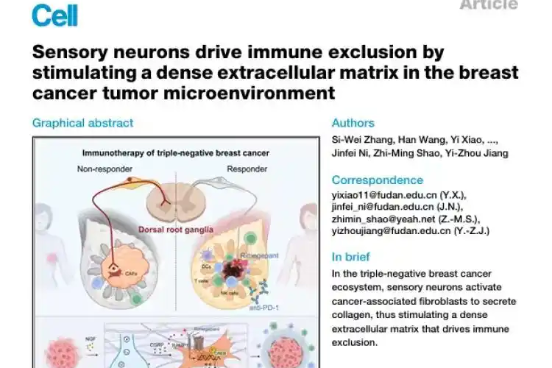
  • Novartis leads effort to bring breast cancer awareness and early detection to UAE workplaces

    Novartis leads effort to bring breast cancer awareness and early detection to UAE workplaces

    In a groundbreaking public health initiative, pharmaceutical giant Novartis has partnered with the Friends of Cancer Patients’ Pink Caravan to bring breast cancer awareness and screening services directly to workplaces across the United Arab Emirates. This corporate-health sector collaboration represents a strategic shift in cancer detection approaches, moving beyond traditional healthcare settings into the daily environments of working professionals.

    The comprehensive program has already engaged major employers across telecommunications, aviation, and media sectors, providing hundreds of employees with accessible health screenings during work hours. While launched during Breast Cancer Awareness Month in October, the campaign maintains year-round operations, reflecting a sustained commitment to early detection rather than seasonal awareness.

    Aisha Abdulla Al Mulla, Director of Friends of Cancer Patients, emphasized the critical nature of this initiative: ‘Breast cancer constitutes over one-third of all female cancer cases in the UAE, presenting a significant healthcare challenge that demands collaborative solutions. By integrating education and screening into workplace settings, we’re breaking down barriers to early detection.’

    Medical experts note the particular urgency in the UAE context, where breast cancer manifests at younger average ages and more advanced stages compared to Western populations, with approximately 20% of cases occurring in women under 40. Dr. Aydah Al Awadhi, Consultant Medical Oncologist and Division Chair at Sheikh Shakbout Medical City, praised the initiative for addressing cultural stigmas while providing essential health resources.

    Among participating organizations, telecommunications leader e& has implemented on-site testing for its workforce. Ali Al Mansoori, Group Chief People Officer at e&, stated: ‘Employee wellbeing forms the cornerstone of our corporate culture. This collaboration eliminates access barriers and empowers our colleagues to make informed health decisions.’

    Mohamed Ezz Eldin, GCC Cluster Head at Novartis, explained the strategic vision: ‘Transformative progress requires both awareness and accessibility. By integrating detection protocols into employee wellness programs, we’re ensuring breast health receives priority alongside professional responsibilities.’

    Novartis has announced plans to expand these workplace health initiatives throughout 2026, demonstrating an ongoing commitment to fostering proactive health management across the UAE’s corporate landscape.