
The World Health Organization (WHO) has issued its highest-level alert for the ongoing Ebola outbreak spreading across eastern Democratic Republic of the Congo (DRC), classifying the event as a Public Health Emergency of International Concern (PHEIC). As of the latest official update, the outbreak — which is caused by the rare Bundibugyo Ebola strain — has recorded roughly 246 suspected cases and 80 confirmed deaths across the region, though global health officials stress that the event does not rise to the level of a pandemic emergency.\n\nIn an official statement, WHO Director-General Dr Tedros Adhanom Ghebreyesus highlighted critical gaps in current outbreak data, noting that “significant uncertainties remain around the true size of the infected population and the full geographic scope of the virus’s spread.” Unlike more common Ebola strains, for which multiple approved vaccines and antiviral treatments exist, there are currently no licensed medical countermeasures for the Bundibugyo strain, raising additional concerns for frontline response teams.\n\nTo date, eight cases have been definitively confirmed through laboratory testing. Infections and suspected deaths have been recorded across three high-risk health zones: Bunia, the provincial capital of Ituri; Mongwalu, a major gold-mining hub; and Rwampara, another mining-focused town. Alarmingly, the virus has already crossed international borders, with two confirmed cases detected in neighboring Uganda. Ugandan health authorities confirmed that one of those cases, a 59-year-old man, died from the virus earlier this week.\n\nThe WHO warns that all countries sharing a border with the DRC face elevated risk of further spread, driven by high volumes of cross-border population movement, routine trade activity, and regular travel between affected and unaffected regions. In response to the outbreak, the global health body has issued a series of formal guidance for affected and at-risk nations. It has called on the DRC and Uganda to immediately activate emergency operations centers, tasked with scaling up case monitoring, contact tracing, and evidence-based infection prevention protocols. To curb transmission, the WHO recommends that all confirmed cases be isolated immediately and receive clinical care until two consecutive Bundibugyo-specific PCR tests, collected at least 48 hours apart, return negative results.\n\nFor neighboring countries that have not yet recorded cases, the WHO advises strengthening routine disease surveillance and improving real-time public health reporting to detect imported cases early. The agency has also pushed back against overly restrictive public health measures, emphasizing that countries outside the affected region have no scientific justification for closing borders or imposing broad bans on travel and trade, noting that such actions are typically driven by public fear rather than data.\n\nFirst identified in 1976 in what is now the DRC, Ebola is a zoonotic virus believed to originate in bat populations, and this current event marks the 17th Ebola outbreak the country has faced since the virus was first discovered. The pathogen spreads through direct contact with infected bodily fluids or broken skin, and causes progressive illness that often leads to severe internal bleeding and multiple organ failure. Early, non-specific symptoms include fever, muscle aches, extreme fatigue, headache, and sore throat, which quickly progress to vomiting, diarrhea, widespread rash, and abnormal bleeding. The WHO reports that the average global fatality rate for Ebola sits around 50%, and no universal curative treatment has been fully validated for all strains to date.\n\nThe Africa Centres for Disease Control and Prevention (Africa CDC) has previously echoed the WHO’s concern over the outbreak’s trajectory, pointing to multiple elevated risk factors that could drive rapid spread. These include the presence of transmission in densely populated urban areas of Rwampara and Bunia, as well as informal, mobile workforces in Mongwalu’s gold mining sector that make contact tracing extremely challenging. Africa CDC Executive Director Dr Jean Kaseya emphasized that large-scale cross-border population movement between affected DRC regions and neighboring countries means coordinated regional action is non-negotiable to contain the outbreak.\n\nOver the past 50 years since Ebola was first discovered, approximately 15,000 people across African nations have died from the virus. The DRC’s deadliest Ebola outbreak on record occurred between 2018 and 2020, when nearly 2,300 people lost their lives to the disease. Just last year, another smaller outbreak in a remote DRC region killed 45 people before it was fully contained.
分类: health
-

Canadian from hantavirus-hit cruise ship tests positive
A new presumptive positive case of hantavirus has been detected in a Canadian passenger who traveled on the MV Hondius, the Dutch cruise ship that experienced a deadly viral outbreak among passengers in April, British Columbia provincial health officials announced this week.
The infected individual, a resident of Yukon who is one of four Canadian passengers currently isolating on Vancouver Island after disembarking from the vessel, has only developed mild symptoms so far, according to provincial authorities. Dr. Bonnie Henry, British Columbia’s senior provincial health officer, confirmed that all four isolating passengers have had zero interactions with members of the general public since they returned to Canadian soil.
This new case pushes the total number of confirmed hantavirus infections linked to the MV Hondius voyage to 11, with all cases tied to passengers who were on board the trip. To date, three passengers who sailed on the cruise have died, and two of those fatalities have been officially confirmed to be caused by the virus. Dr. Henry noted that the Yukon passenger’s test returned a presumptive positive result on Friday, meaning official confirmation is still pending from Canada’s national microbiology laboratory.
“Clearly, this is not what we hoped for, but it is what we planned for,” Dr. Henry told reporters, according to comments published by Canada’s national public broadcaster CBC. She went on to clarify key differences between hantavirus and the more widely known respiratory viruses that global health systems have managed in recent years, adding, “I want to emphasise that hantavirus is a very different virus than the other respiratory viruses that we’ve been dealing with – like Covid, like influenza, like measles – and it remains one that we do not consider to have pandemic potential.”
Of the six Canadian citizens who were on the MV Hondius when the outbreak unfolded, two are currently self-isolating in private homes in Ontario. The remaining four are staying in isolation on Vancouver Island: one couple from British Columbia, and the other couple from Yukon, the group that includes the presumptive positive case. As of the latest update, the other five Canadian passengers have all tested negative for the virus.
The outbreak began after the cruise set sail from Argentina on 1 April, with early cases of the virus emerging mid-voyage. The ship was held at sea for multiple weeks while global health authorities coordinated a response, and it finally docked in Tenerife, part of Spain’s Canary Islands, earlier this month. All 147 passengers and crew members, who hail from 23 different countries, were allowed to disembark and enter mandatory isolation once the ship reached port.
On 10 May, all Canadian passengers were flown back to Canada from Tenerife to complete their isolation periods. The World Health Organization currently recommends a 42-day isolation period for anyone exposed to the outbreak. Canadian protocols initially required a 21-day isolation period for returning passengers, but Dr. Henry confirmed that this timeline is now under review and may be extended to align with global guidance.
Hantaviruses are most commonly carried by wild rodent populations, and human-to-human transmission is rare for most strains. However, the Andes strain of hantavirus — which the WHO has confirmed is the variant that infected at least some passengers during the voyage, which traveled through South America — can spread between humans.
Common symptoms of hantavirus infection include high fever, extreme exhaustion, body and muscle aches, abdominal pain, vomiting, diarrhea, and difficulty breathing. Canadian public health officials have reiterated that despite the new positive case, the risk of a large community outbreak of hantavirus linked to this cruise remains extremely low.
-
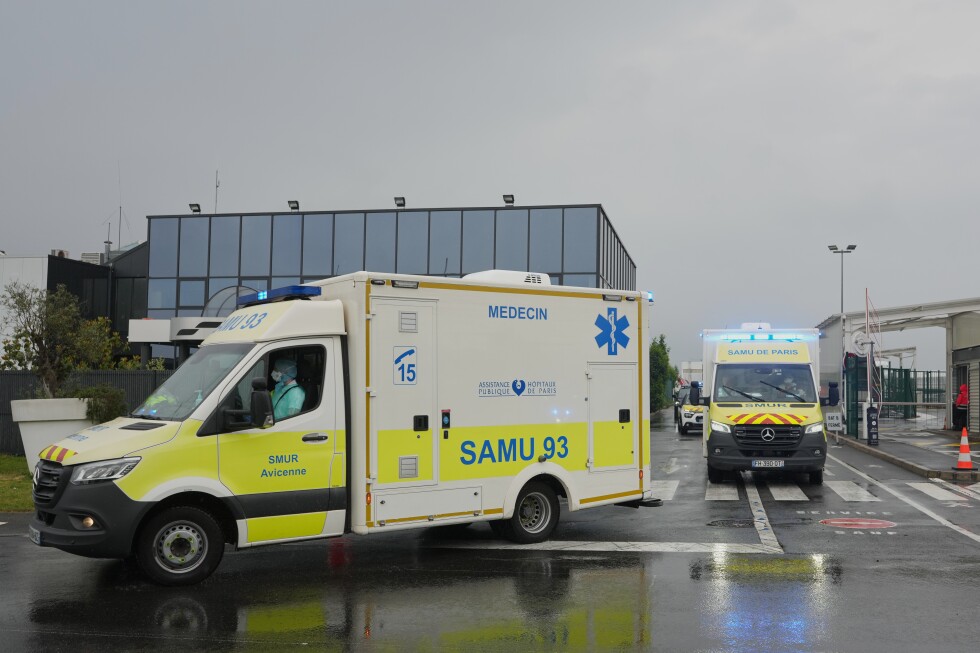
France says cruise ship Andes virus matches known South American viruses
PARIS – France’s world-renowned Pasteur Institute has completed full genomic sequencing of the Andes virus isolated from a French passenger who fell ill after a voyage on the MV Hondius cruise ship, and confirmed that the pathogen matches well-documented strains already circulating in South America. As of the latest update, researchers have uncovered no evidence of new genetic traits that would increase the virus’s transmissibility or make it more lethal to humans.
French Health Minister Stéphanie Rist shared the key findings in a public post on X Friday, emphasizing that the sequenced variant aligns with strains currently tracked by public health systems across South America. “At this stage, no element suggests the emergence” of a more transmissible or dangerous form of the virus, Rist wrote.
Genomic analysis verified that the virus taken from the French patient is an exact match to samples collected from other infected cases on the same vessel, Pasteur Institute officials confirmed. It also bears a very close genetic resemblance to archived Andes virus samples from endemic regions across South America. All virus samples collected from passengers on the MV Hondius are identical to one another, and carry roughly 97% genetic similarity to known Andes strains circulating in South America, including variants found in rodent populations, the natural reservoir for the virus.
Jean-Claude Manuguerra, head of the Pasteur Institute’s Environment and Infectious Risk unit, explained that the 3% genetic divergence seen in the sequenced samples falls within the expected range of natural viral variation. The small differences do not appear to alter the core biological characteristics of the virus that affect how it spreads or harms human hosts, he noted.
The French passenger tested positive for Andes virus following her trip aboard the MV Hondius, and has since received inpatient care at a Paris medical facility. French public health officials previously disclosed that the patient was in serious condition when admitted. Currently, virological investigations remain ongoing, conducted in close collaboration between Pasteur Institute researchers, French national health authorities, and global public health partners. Rist added that the full genomic sequencing data will be shared openly with the international scientific community to support global monitoring and research efforts, noting that the new data will improve understanding of the virus and enable more rigorous ongoing public health surveillance.
-
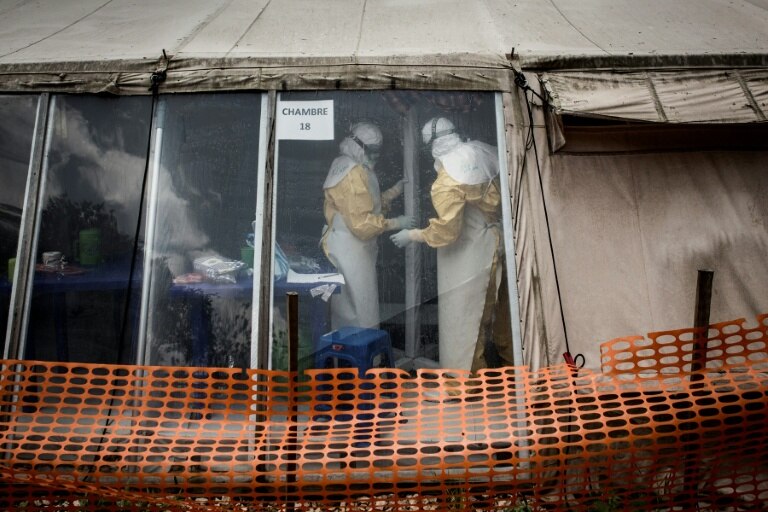
No vaccine for latest Ebola outbreak, DRC warns as as toll hits 80
The Democratic Republic of the Congo (DRC) is grappling with its 17th recorded Ebola outbreak, marked by a grim rise in fatalities and a troubling lack of targeted medical countermeasures for the rare strain involved. In a press briefing held in Kinshasa on Saturday, DRC Health Minister Samuel-Roger Kamba issued a stark warning about the unfolding crisis: the currently circulating Bundibugyo strain has no approved vaccine or specific antiviral treatment, and carries a mortality rate as high as 50 percent.
By Saturday, official death counts from the outbreak had climbed to 80, up from the 65 fatalities reported just 24 hours earlier. Health authorities also confirmed the outbreak has already crossed international borders, claiming one life in neighboring Uganda. The victim, a 59-year-old Congolese national, died in Kampala earlier this week after being admitted to hospital, and genetic testing confirmed he was infected with the Bundibugyo strain— a variant first identified in 2007. His remains were repatriated to the DRC the same day he passed away.
The outbreak, formally confirmed by African health officials on Friday, is centered in DRC’s northeastern Ituri province, which shares borders with both Uganda and South Sudan. Currently available Ebola vaccines only offer protection against the more common Zaire strain, which was first documented in 1976 and carries an even higher fatality rate of 60 to 90 percent.
Public health experts warn the risk of widespread transmission is particularly high in this region, due to frequent and unregulated cross-border population movement between the DRC, Uganda, and South Sudan. As of Saturday, DRC health authorities reported 246 suspected cases of infection across the affected area. Patient zero, the index case for this outbreak, was a nurse who first sought care at a health facility in Bunia, the capital of Ituri province, on April 24 after developing classic Ebola symptoms: fever, hemorrhaging, and vomiting.
Speaking on Friday, Jay Bhattacharya, acting director of the U.S. Centers for Disease Control and Prevention, described the event as a large-scale outbreak that demands urgent international attention. This is the first new Ebola outbreak in the DRC since August 2023, when a smaller outbreak in the country’s central region killed 34 people before being declared eradicated in December. The deadliest Ebola outbreak in DRC history, which ran between 2018 and 2020, claimed nearly 2,300 lives.
First identified nearly 50 years ago, Ebola is a deadly viral hemorrhagic fever that is thought to originate in bat populations. The virus spreads through direct contact with infected bodily fluids or contaminated blood, and infected individuals only become contagious after they begin showing symptoms. The incubation period can last up to 21 days, making contact tracing and outbreak control particularly challenging. According to the World Health Organization (WHO), historical Ebola outbreaks have recorded mortality rates ranging from 25 percent to as high as 90 percent, depending on the strain and access to care. Overall, the virus has killed roughly 15,000 people across Africa over the past five decades, even with recent advances in vaccine and treatment development.
The WHO has already moved to respond to the crisis, announcing Friday that it is preparing to airlift five tonnes of critical supplies—including personal protective equipment and infection prevention gear—from Kinshasa to the affected region. However, mounting an effective response poses major logistical challenges. The DRC is home to more than 100 million people, covers an area four times the size of France, and suffers from severely underdeveloped transportation and communication infrastructure that slows the movement of personnel and supplies to remote outbreak zones. In its statement, the WHO highlighted the deep uncertainty surrounding the current outbreak’s trajectory, noting: “Given the uncertainties and severity of the illness, there is concern about the scale of transmission in affected communities.”
-
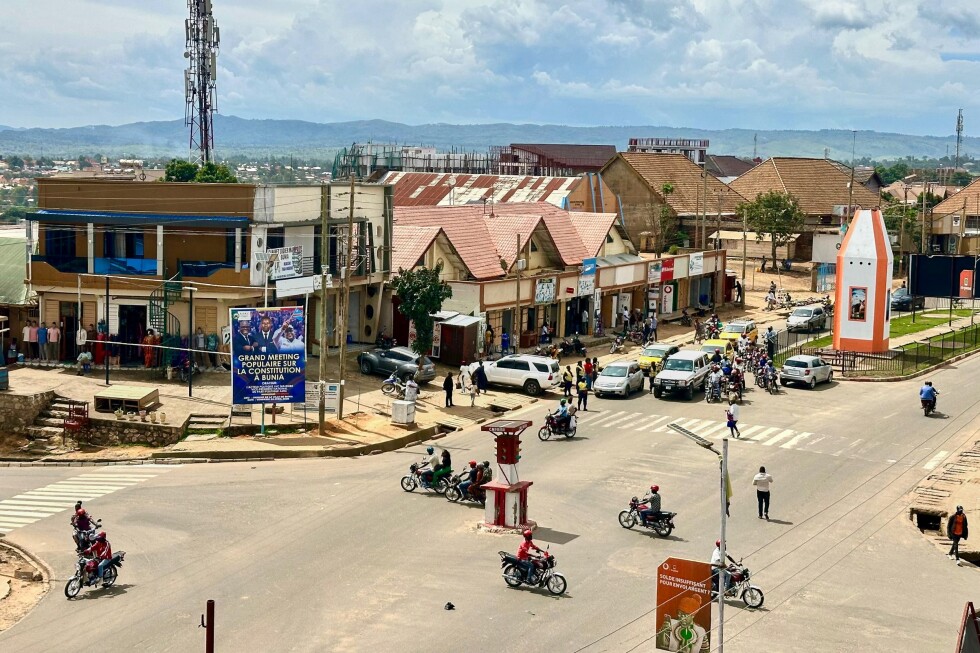
Congolese report constant burials as deaths in new Ebola outbreak reach 80
A new Ebola outbreak in the Democratic Republic of the Congo’s eastern Ituri Province has claimed at least 80 lives, pushing public health authorities into a race against time to scale up border screenings, contact tracing and outbreak containment measures as of Saturday, local officials confirmed.
Authorities first publicly declared the emergency on Friday, when they initially reported 65 fatalities and 246 suspected cases across affected areas of the province. As of Friday evening, Congolese Health Minister Samuel-Roger Kamba confirmed that eight cases had received positive laboratory confirmation, four of which have resulted in death. Genomic sequencing has identified the pathogen as the Bundibugyo strain, a less common Ebola variant that has not been the primary cause of past large-scale outbreaks in the country. This event marks the 17th Ebola outbreak the country has grappled with since the disease was first detected in Congolese territory in 1976.
Ebola is an extremely contagious viral pathogen that spreads through direct contact with infected bodily fluids including blood, vomit, and semen. While the disease is classified as rare, it causes severe, acute illness that carries a high fatality rate for most infected patients.
According to Minister Kamba, health investigators believe the suspected index case, or first patient to trigger the outbreak, was a nurse who died at a Bunia hospital three weeks prior, on April 24. Kamba noted the patient showed classic Ebola symptoms, though he did not confirm whether the nurse’s samples were tested for the virus.
Local residents in Bunia, the capital of Ituri Province, described a growing climate of fear to Associated Press journalists on the ground, as communities face repeated burials of suspected Ebola victims. “Every day, people are dying … and this has been going on for about a week. In a single day, we bury two, three, or even more people,” said Jean Marc Asimwe, a long-time Bunia resident. “At this point, we don’t really know what kind of disease it is,” Asimwe added.
The outbreak has already crossed Congo’s northern border, with Ugandan health authorities confirming an imported Ebola case from Congo on Friday. The infected patient died at Kampala’s Kibuli Muslim Hospital on May 14. The Uganda Ministry of Health later confirmed the patient’s remains were returned to Congo for burial, and no secondary locally transmitted cases have been detected in the country to date. As of Saturday, routine health screenings have been activated at the entrance of Kibuli Muslim Hospital to prevent further transmission.
The Africa Centres for Disease Control and Prevention has issued a statement warning of high risk of further cross-border spread, due to the close proximity of affected Congolese areas to both Uganda and South Sudan. Some regional neighbors have already activated emergency preparedness measures: Kenya, a neighbor of Uganda, announced Saturday that it assesses the current risk of Ebola importation as moderate, driven by frequent regional travel and cross-border movement. In response, the Kenyan government has convened a dedicated Ebola preparedness task force and boosted public health surveillance at all border entry points.
For many Ugandans, the new outbreak has stirred painful memories of past public health emergencies. “I really get scared because I remember burying my father without looking at his body during the COVID-19 pandemic,” said Kampala resident Ismail Kigongo.
While the DRC has decades of experience responding to and containing Ebola outbreaks, the response to this latest emergency faces steep structural challenges. The country is the second largest on the African continent by land area, with vast distances between provinces that are frequently disrupted by ongoing armed conflict. Ituri Province, where the outbreak is concentrated, sits roughly 1,000 kilometers (620 miles) from the national capital Kinshasa, and has been ravaged by years of violence from insurgents affiliated with the Islamic State group.
To date, the outbreak has been confirmed in three Ituri health zones: Bunia, Rwampara, and Mongwalu, with the bulk of cases concentrated in the latter two areas. The National Institute of Biomedical Research has only been able to process 13 blood samples from suspected cases, according to Kamba; eight returned positive for the Bundibugyo strain, while the remaining five could not be analyzed due to insufficient sample volume.
Despite the growing death toll, daily life in central Bunia remained largely unchanged as of Friday, with businesses open and public activity continuing as normal. Local resident Adeline Awekonimungu called on national authorities to prioritize a rapid, coordinated response. “My recommendation is that the government take this matter seriously and that it takes charge of the hospitals so that this matter can be brought under control,” she said.
Reporting for this article included contributions from Associated Press journalists Chinedu Asadu based in Abuja, Nigeria; Patrick Onen in Kampala, Uganda; and Evelyne Musambi in Nairobi, Kenya.
-

What is a ‘safe death’? Mentally ill woman asks for assisted dying in Canada
For nearly 30 years, 49-year-old Toronto-based performer Claire Brosseau has navigated a devastating path of severe, treatment-resistant bipolar disorder and post-traumatic stress disorder (PTSD). A veteran stand-up comedian and actor who has worked across film, television, and theatre worldwide, Brosseau says she has tried every available intervention for her conditions—from talk therapy and pharmaceutical interventions to electroconvulsive brain stimulation. None have brought relief. Today, she is unable to work, leave her home unaccompanied, or maintain consistent connection with her loved ones, describing her own condition as “functionally terminal.” Now, she is at the center of a high-stakes national debate over whether Canada should expand its existing legal medically assisted dying (MAID) framework to include people whose only qualifying condition is untreatable mental illness.
Currently, MAID is legal in Canada for patients with terminal illnesses and irreversible serious physical disabilities, but it explicitly excludes those whose sole diagnosis is mental illness. Brosseau, who has lived with debilitating mental illness since adolescence and received psychiatric care in four major North American cities over three decades, is now asking an Ontario court for a special exemption to access MAID immediately, arguing that the existing law is discriminatory and unconstitutional. She says she wakes every day consumed by overwhelming dread and crippling anxiety, and she wants a peaceful, controlled death rather than being forced to die by suicide.
“Stigma is at the root of this exclusion,” Brosseau explained in an interview with the BBC. “If I were diagnosed with terminal cancer tomorrow, I would be immediately eligible for MAID even if I chose to stop treatment. But people like me, living with unbearable, incurable mental suffering, are denied the same right that is already a standard part of Canadian healthcare. I am not asking for special treatment—only equal treatment.”
Canada first approved MAID for terminally ill patients in 2016, and expanded it to include non-terminal patients with irreversible serious medical conditions five years ago, following a successful legal challenge by disability advocates. The federal government had initially planned to extend eligibility to patients with treatment-resistant mental illness by 2024, but has twice delayed the expansion, most recently pushing any decision to 2026, amid widespread concerns that the Canadian healthcare system lacks the infrastructure, training, and regulatory frameworks to safely implement the change. Prime Minister Mark Carney has confirmed he will not make a decision until he receives the final recommendations from a joint parliamentary committee tasked with reviewing the proposed expansion. “I will base my position on the full evidence presented to the committee,” Carney told reporters recently.
Over two months of hearings, the cross-party committee heard conflicting testimony from medical experts, disability advocates, and international commentators that laid bare the deep divides on this issue. Critics of expansion argue that expanding MAID to mentally ill patients risks turning assisted dying into a substitute for inadequate social and medical support. They point to reports of Canadian healthcare providers offering MAID to disabled patients who never requested it, arguing that systemic gaps in affordable housing, disability support, and specialized mental healthcare leave many vulnerable people with no other option to end unaddressed suffering. “We are currently investing in ending lives instead of investing in improving lives,” said Krista Orr, president of national disability advocacy group Inclusion Canada, who called on the committee not just to reject expansion but to roll MAID back to only terminal illness cases.
Other critics warn that medical science still lacks a full understanding of many severe mental illnesses, making it impossible to definitively distinguish between temporary suicidal ideation and irreversible, untreatable suffering. Dr. Sonu Gaind, former chief of psychiatry at a major Toronto hospital, told the committee that none of the core safeguards and assessment questions have been resolved since the expansion was paused. “We now have even more evidence that we are not prepared to safely offer MAID for mental illness,” Gaind said.
International experience, particularly from the Netherlands—one of the only countries that already allows MAID for patients suffering solely from mental illness—has added fuel to both sides of the debate. The Netherlands requires all patients seeking MAID for psychiatric reasons to undergo a full assessment by a qualified psychiatrist, and approvals for these cases remain relatively rare, accounting for only 2% of all assisted deaths in the country. However, the number of approved cases has skyrocketed from just 2 in 2010 to 219 in 2024. Dutch psychiatrist Dr. Jim van Os warned Canadian lawmakers that this growing trend reflects what he calls a “suicide contagion effect,” arguing the Dutch experience is a clear warning for Canada. But fellow Dutch psychiatrist Dr. Sisco Van Veen pushed back, noting that approved cases remain rare and MAID provides critical mercy to patients whose suffering is unbearable and untreatable.
The committee itself has faced accusations of bias from supporters of expansion. Brosseau says she requested to testify before the committee multiple times but was denied a spot. One sitting member, Alberta Senator Kristopher Wells, has publicly called the review “one-sided” and says he has no confidence in the final report. Committee co-chairs Marcus Powlowski, a Liberal MP, and Conservative Senator Yonah Martin—both of whom have publicly opposed expanding MAID to mental illness—defended the process in statements, noting that limited hearing time meant prioritizing testimony from medical professionals and industry associations, and adding that the committee has “dutifully listened to both sides” of the debate. The committee’s final report is not expected to be delivered to parliament until as late as October 2025.
For Brosseau, who says her condition is worsening by the month and cannot wait for years of parliamentary review, the delay is a matter of life and death. Confined to her home, with even short trips to the local grocery store triggering crippling panic attacks, she says her legal challenge is not a campaign for death—it is a fight for equal human rights. “I’m not campaigning for death. I’m campaigning to be seen as not a subsection of human,” she said. “We deserve the same autonomy over our bodies and our suffering that people with physical illness already have.”
Public opinion polling shows a majority of Canadians support broad access to medically assisted dying, but public opinion becomes far more divided when the question is limited to mental illness. Currently, 96% of MAID approvals in Canada go to patients with reasonably foreseeable death, mostly terminal cancer patients, with only 4% going to non-terminal patients with irreversible serious conditions. As the country waits for the committee’s final recommendation, Brosseau’s legal case is pushing the judiciary to address a gap in the law that the federal government has so far been unwilling to fill.
-
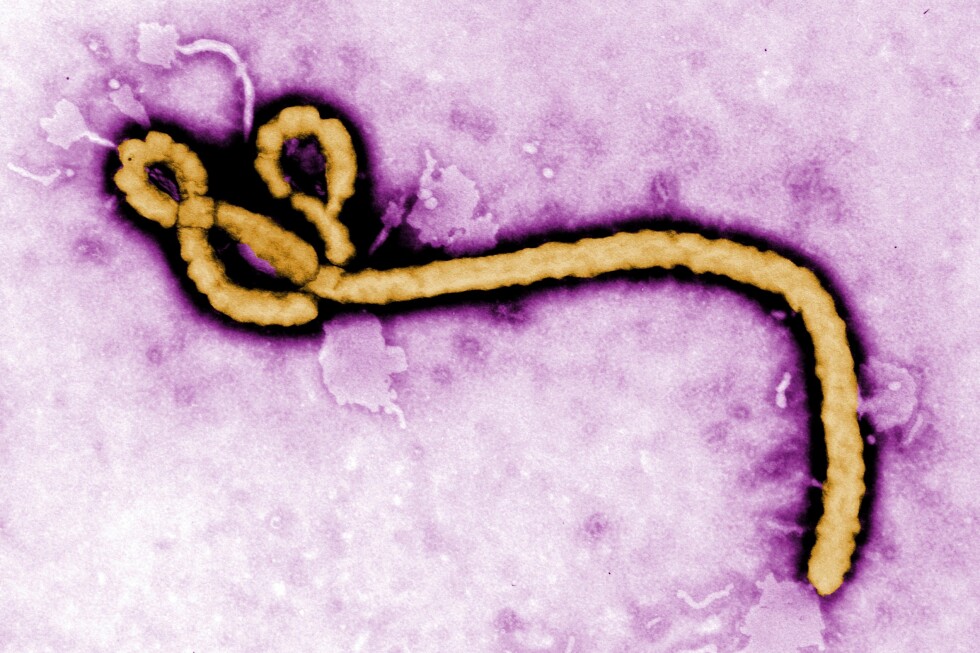
A look at major Ebola outbreaks and when the disease was first identified
CAPE TOWN, South Africa – African public health authorities have confirmed a new Ebola outbreak in the Democratic Republic of the Congo’s northeastern Ituri province, reporting at least 246 suspected infections and 65 fatalities as authorities move to contain the spread of the highly lethal pathogen.
First identified nearly 50 years ago following two back-to-back outbreaks in what is now South Sudan and the Democratic Republic of Congo (then known as Zaire), Ebola has remained an endemic threat almost exclusively to sub-Saharan Africa, with all major recorded outbreaks concentrated in West and Central African regions, according to the World Health Organization (WHO).
The disease is triggered by a group of RNA viruses within the Filoviridae family, with three strains — Ebola virus, Sudan virus, and Bundibugyo virus — responsible for all large-scale public health emergencies in recorded history. Researchers trace the virus’s natural reservoir to fruit bat populations native to the African continent, though other wild animals including gorillas, chimpanzees, and monkeys can also carry and transmit the pathogen to humans. Human-to-human transmission occurs exclusively through direct contact with infected bodily fluids — such as blood, feces, or vomit — or contact with contaminated surfaces and materials, making frontline health workers particularly vulnerable to infection during outbreaks.
According to the U.S. Centers for Disease Control and Prevention (CDC), Ebola symptoms develop between two days and three weeks after initial exposure, with most patients showing signs of infection roughly one week after contact. Early infection presents with flu-like indicators including fever, muscle aches, general fatigue, and sore throat, progressing in severe cases to gastrointestinal distress, organ damage, skin rashes, seizures, and internal or external bleeding. WHO data puts the average Ebola fatality rate at around 50%, though historical outbreaks have recorded mortality rates ranging from 25% to as high as 90% depending on the viral strain and speed of public health response. While approved vaccines and targeted treatments exist for the Ebola virus strain, no comparable medical countermeasures are currently cleared for other pathogenic Ebola strains.
This new outbreak marks the latest in a long history of Ebola emergencies across Central Africa, with the most severe event on record occurring just over a decade ago between 2013 and 2016 across West Africa. That epidemic, which began when a young child in southeastern Guinea came into contact with infected fruit bats according to researcher estimates, spread across Guinea, Liberia, and Sierra Leone, causing more than 28,000 confirmed and suspected cases and over 11,000 deaths. A small number of secondary cases were also recorded in Europe and the United States, linked to returning travelers and healthcare workers who had responded to the outbreak.
The second-largest Ebola outbreak in history took place between 2018 and 2020, centered in Congo’s North Kivu, South Kivu, and Ituri provinces, with a small number of cases spreading across the border to Uganda. Caused by the Ebola virus strain, that outbreak recorded more than 3,400 cases and over 2,200 deaths, resulting in a 66% fatality rate per CDC data. Congo has recorded more than a dozen major Ebola outbreaks in modern history, including one as recent as late 2024.
A notable 2000-2001 outbreak in Uganda, caused by the Sudan virus strain, resulted in 425 reported cases and 224 deaths. Ugandan public health authorities were widely commended for their rapid, community-centered response, which included widespread public education on transmission risks and efforts to counter dangerous misinformation, limiting the outbreak’s geographic spread. The East African nation has also faced multiple smaller Ebola events in the decades since.
The first officially recognized Ebola outbreaks were recorded back in 1976, 48 years before the current event. The first, in what was then Sudan (now part of South Sudan), was traced to a cotton factory where workers came into contact with roosting bats, and was later identified as the Sudan virus strain. That initial outbreak caused 284 confirmed cases and at least 151 deaths, with many secondary infections among healthcare workers who treated patients before the unknown virus was identified. Just months later, a separate outbreak in a remote village near the Ebola River in northern Zaire (now the Democratic Republic of Congo) resulted in 280 deaths and an extremely high fatality rate, leading scientists to identify and name the Ebola virus. The first recorded Ebola infection outside Africa occurred the same year, when a British laboratory technician accidentally pricked himself with a contaminated needle while studying virus samples; he ultimately recovered. To date, only a tiny handful of Ebola cases have been recorded outside of the African continent.
Public health teams have not yet released additional details on the current outbreak’s genetic sequencing or ongoing containment efforts as of the initial announcement.
-
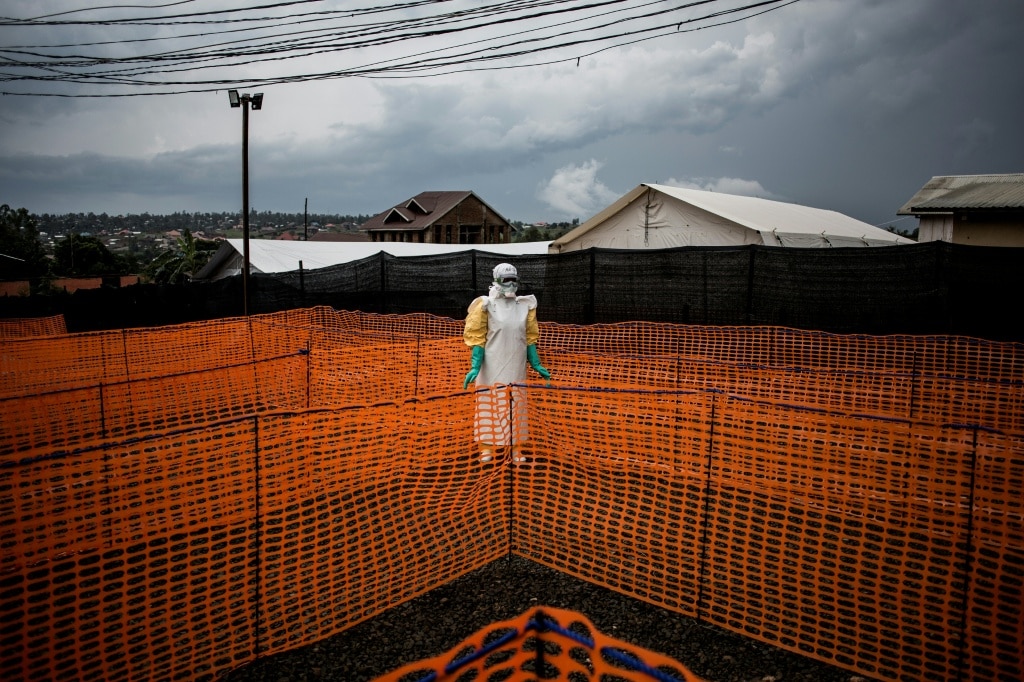
New deadly Ebola outbreak hits DR Congo
African public health authorities announced Friday the confirmation of a new Ebola outbreak in the northeastern Ituri Province of the Democratic Republic of the Congo (DRC), warning of heightened risks of widespread transmission due to long-running regional insecurity, unregulated cross-border movement, and strained local health infrastructure.
As of the latest update from the Africa Centres for Disease Control and Prevention (Africa CDC), the outbreak has already been linked to 65 deaths among 246 suspected cases, with preliminary lab results confirming Ebola infection in 13 tested samples, four of which were fatal. Suspected cases have also been detected in Bunia, Ituri’s provincial capital home to 300,000 residents, and confirmation testing is currently underway.
This new event marks the 17th recorded Ebola outbreak the DRC has faced since the virus was first identified in the region in 1976. The country’s most devastating outbreak, which ran from 2018 to 2020, claimed nearly 2,300 lives, while the prior outbreak, declared in August 2023 in central DRC, was only eradicated in December 2023 after killing at least 34 people.
Ituri Province, which shares borders with Uganda and South Sudan, presents unique challenges to outbreak response. The region’s gold-rich geology has drawn thousands of artisanal miners, creating constant, unregulated cross-border and internal population movement that can accelerate viral spread. For more than a decade, the area has also been roiled by recurring inter-militia violence, which has restricted access to remote communities and displaced tens of thousands of people into crowded urban settlements — conditions that dramatically increase the risk of person-to-person transmission.
Preliminary genetic analysis suggests the circulating strain is not the Zaire ebolavirus variant, the deadliest form of the disease with a case fatality rate of 80 to 90 percent, and the only strain for which an approved vaccine currently exists. Full genomic sequencing is still ongoing to confirm the strain’s identity to guide response efforts.
Local residents and community leaders report a sharp spike in unexplained deaths since mid-April, with some areas recording five to six fatalities per day. “For the past few weeks, the municipality of Mongbwalu has been recording a cascade of deaths, with at least five to six people dying every day in the streets,” local resident Gloire Mumbesa told Agence France-Presse. “We just dug graves to bury three people, but we don’t actually know what these people died of. We’re starting to be afraid of every possible case of illness,” added Salama Bamunoba, a civil society organizer in Rwampara health zone.
Confirmed and suspected patients are currently isolated in local health facilities, but an anonymous local health source confirmed that frontline workers are facing critical shortages of personal protective equipment and other essential supplies. Logistics also present a major barrier to response across the DRC, a country four times the size of France with sparse, poorly maintained road infrastructure that makes rapid delivery of medical supplies and personnel difficult.
Response teams from the World Health Organization and medical humanitarian organization Doctors Without Borders have already deployed to the affected region to conduct risk assessments, scale up testing, and support contact tracing efforts. Over the past 50 years, Ebola — a viral hemorrhagic fever spread through direct contact with infected bodily fluids that causes severe bleeding and organ failure — has killed an estimated 15,000 people across Africa, even with the development of effective vaccines and treatments for the Zaire strain. While recent outbreaks have been contained far more effectively than the 2014 West African epidemic that killed over 11,000 people, ongoing insecurity and weak health systems in central Africa continue to create risks of large-scale transmission.
-
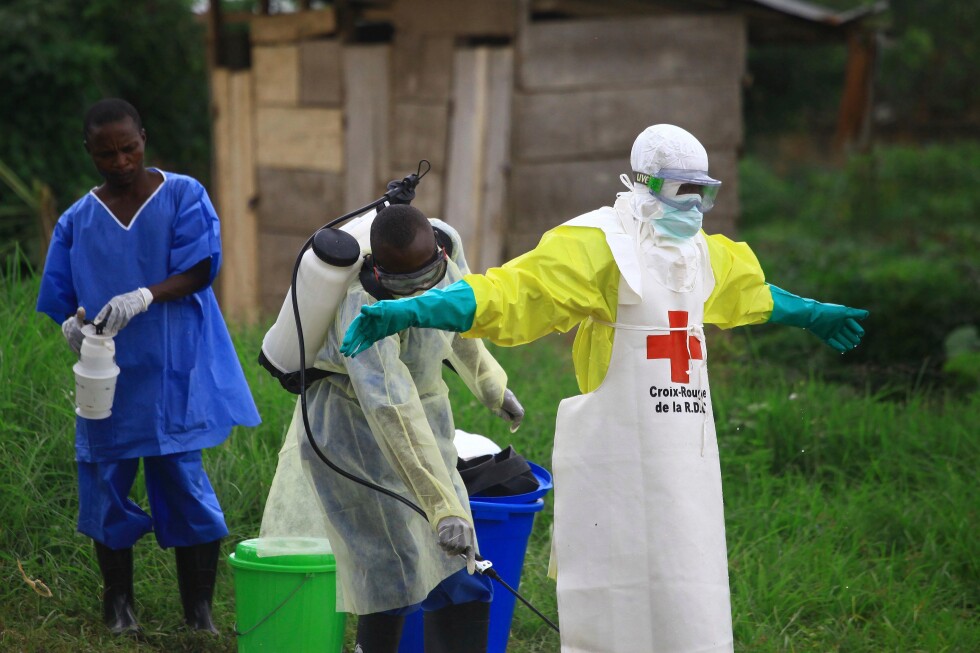
What to know about new Ebola outbreak that has killed 65 people in Congo
Africa’s leading regional public health authority has officially declared a new Ebola outbreak in the Democratic Republic of the Congo’s (DRC) northeastern Ituri province, triggering urgent coordinated response efforts across Central Africa amid alarming early mortality figures.
In a formal statement released Friday, the Africa Centres for Disease Control and Prevention (Africa CDC) announced that health workers have already documented 246 suspected cases and 65 fatalities linked to the outbreak across the affected region. To date, only four of the recorded deaths have received full laboratory confirmation, but public health officials formalized the outbreak declaration following a sustained surge in suspected infections.
The outbreak is concentrated in the remote, under-resourced Mongwalu and Rwampara health zones of Ituri, a province located more than 1,000 kilometers (620 miles) from the DRC’s capital, Kinshasa. Suspected cases have also been identified in Bunia, Ituri’s provincial capital, highlighting early signs of geographic spread. The region’s underdeveloped road infrastructure and remote location have long complicated large-scale public health responses, a challenge that looms large over current containment work.
Public health leaders have flagged multiple high-risk factors that could accelerate the virus’s spread beyond DRC’s borders. Most notably, the affected zones sit in close proximity to the national borders with Uganda and South Sudan, while frequent cross-border population movement, including migration linked to regional artisanal mining operations, creates constant transmission risk. Compounding this danger is the ongoing security crisis in Ituri, where violent attacks by armed groups over the past year have killed dozens of residents and displaced thousands, disrupting health care access and contact tracing efforts. Africa CDC also noted critical gaps in contact listing, a core process for identifying and isolating people exposed to the virus, as local teams work to scale up response operations.
Despite these challenges, urgent action to contain the outbreak is already underway. The Africa CDC has partnered with Congolese national health authorities and global public health partners to launch a rapid, coordinated response. On the same day the outbreak was confirmed, the agency convened an emergency high-level coordination meeting bringing together health officials from DRC, Uganda, and South Sudan, alongside representatives from United Nations agencies, international donor nations, and global health organizations. The meeting focused on aligning priorities for immediate intervention, strengthening cross-border surveillance and coordination, establishing protocols for safe, dignified burials (a key step to reducing transmission), and mobilizing critical financial and logistical resources for the response.
While safe, effective vaccines for Ebola do exist, response teams face significant logistical and financial barriers that mirror challenges from past outbreaks in the region. The DRC, Africa’s second-largest country by land area, has a long history of struggling to deploy rapid vaccine distributions due to poor infrastructure and vast distances between population centers. During a 2023 Ebola outbreak, for example, the World Health Organization required a full week to deliver vaccine doses after the outbreak was formally confirmed. Funding gaps have also plagued past responses, with public health officials raising alarms last year over the impact of United States funding cuts to outbreak response programs, even after the U.S. Agency for International Development contributed up to $11.5 million to support regional Ebola response efforts across Africa in 2021.
This new outbreak marks the 17th recorded Ebola event in the DRC since the virus was first discovered in the country in 1976. It comes just five months after the DRC declared its previous Ebola outbreak over in December 2023, which claimed 43 lives. The 2022 outbreak in the country’s Equateur province killed six people, while the devastating 2018–2020 outbreak in eastern DRC killed more than 1,000 people — the deadliest Ebola event on record since the 2014–2016 outbreak across Guinea, Sierra Leone, and Liberia that killed more than 11,000 people.
First identified near the Ebola River in what is now the DRC, the Ebola virus is highly contagious and can jump to human populations from wild animal hosts. Once introduced to human communities, it spreads through direct contact with contaminated bodily fluids including blood, vomit, and semen, as well as contact with surfaces and materials such as bedding and clothing that have been exposed to these fluids. Ebola causes severe, often fatal illness in humans, with common symptoms including fever, muscle pain, vomiting, diarrhea, and in advanced cases, internal and external bleeding. The first documented outbreaks occurred in remote Central African villages near tropical rainforests, where human contact with wild animal populations put communities at risk.
-
New outbreak of Ebola kills 65 in eastern DR Congo
The Africa Centres for Disease Control and Prevention (CDC Africa) has publicly confirmed a new Ebola outbreak in the Democratic Republic of Congo’s northeastern Ituri Province, marking the 17th recorded occurrence of the deadly viral pathogen in the Central African nation since the virus was first discovered in 1976.
According to the regional health body’s official statement released Friday, the outbreak has so far been linked to 246 suspected cases and 65 confirmed deaths, with the vast majority of infections concentrated in two gold-mining communities: Mongwalu and Rwampara. Preliminary laboratory analysis conducted by the Institut National de Recherche Biomédicale (INRB) in DR Congo’s capital Kinshasa has returned positive Ebola results for 13 out of 20 tested samples, with just four of the total fatalities recorded among lab-confirmed cases. Health officials are also awaiting test results for additional suspected cases that have recently emerged in Bunia, Ituri’s provincial capital.
As of Friday afternoon, the Congolese national government had not yet issued an official declaration of the outbreak, with a senior government staffer confirming to the BBC that a formal press conference addressing the situation was scheduled for later the same day.
To contain the spread of the virus, CDC Africa announced it has convened an urgent coordination meeting with DR Congo’s national health authorities, alongside neighboring nations Uganda and South Sudan, and other global public health partners. The gathering will focus on aligning rapid response measures and strengthening cross-border disease surveillance, a critical step to prevent the outbreak from spilling into adjacent countries.
Ebola, which scientists believe originates in fruit bat populations, first emerged in what is now DR Congo in 1976. The virus spreads exclusively through direct contact with infected bodily fluids, and causes rapid onset of severe symptoms including fever, muscle aches, extreme fatigue, sore throat, and eventually progresses to widespread internal bleeding and organ failure. To date, no definitive cure for Ebola exists, though early supportive care significantly improves patient survival outcomes.
The current outbreak unfolds against a complex security backdrop in Ituri, which has been under direct military rule since 2021. The Congolese government imposed military governance on the region to counter a decades-long presence of dozens of armed insurgent groups, including the Islamic State-affiliated Allied Democratic Forces (ADF), which has carried out frequent attacks on civilian and government targets across the province for years. This security instability poses additional challenges to rapid deployment of public health response teams to affected communities.
DR Congo has a long history of Ebola outbreaks, with the country’s deadliest event on record occurring between 2018 and 2020, when the virus claimed nearly 2,300 lives. Just last year, an outbreak in the country’s central Kasai Province killed 45 people. Across all African nations, Ebola has killed approximately 50,000 people since it was first identified 50 years ago.