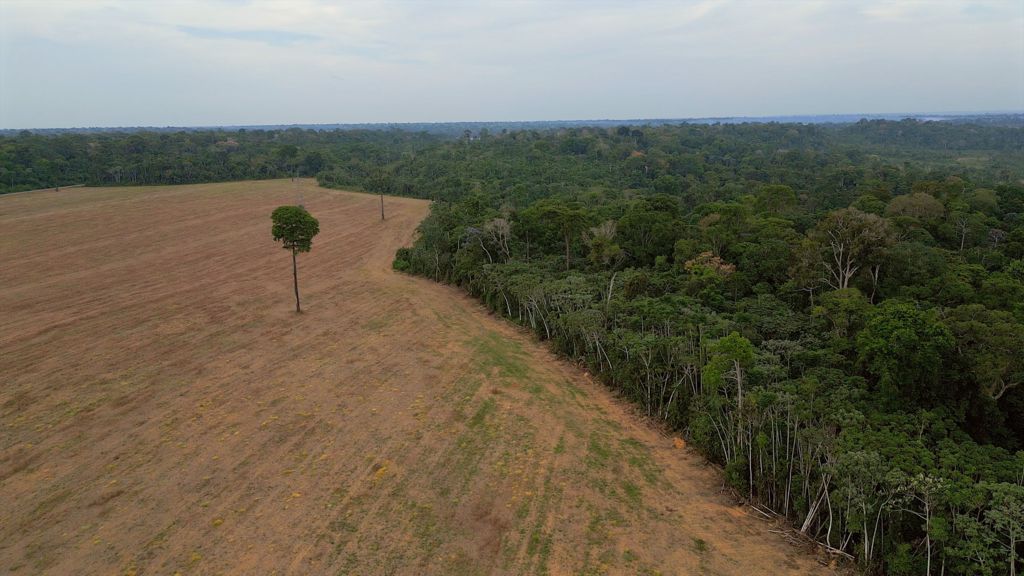
The Amazon rainforest, often referred to as the ‘lungs of the Earth,’ is at risk of a renewed wave of deforestation as efforts intensify to overturn a long-standing ban that has protected it. Known as the Amazon Soy Moratorium, this agreement prohibits the sale of soya grown on land cleared after 2008 and has been hailed as a global environmental success story. However, powerful farming interests in Brazil, supported by a faction of politicians, are pushing to lift these restrictions, particularly as the COP30 UN climate conference progresses. Critics argue that the ban unfairly favors a small group of companies, creating a ‘cartel’ in the soya trade. Environmental groups, however, warn that revoking the moratorium would be catastrophic, potentially leading to widespread land grabbing and further deforestation. Scientists have already cautioned that the Amazon is nearing a ‘tipping point,’ where the rainforest could irreversibly transform into a savannah, releasing vast amounts of carbon and disrupting global weather patterns. Brazil, the world’s largest producer of soya beans, plays a pivotal role in this debate. Much of the soya imported into the UK, a key component of animal feed, originates from the Brazilian Amazon. Major UK food companies, including Tesco, Sainsbury’s, and McDonald’s, have joined the UK Soy Manifesto, advocating for the continuation of the moratorium to ensure deforestation-free supply chains. Public opinion in the UK also strongly supports protecting the Amazon, with 70% of respondents in a recent World Wildlife Fund survey backing government action to eliminate illegal deforestation from supply chains. Despite this, Brazilian opponents of the moratorium argue that it stifles economic growth and have called for the Supreme Court to investigate whether the agreement constitutes anti-competitive behavior. The debate has even divided the Brazilian government, with the Justice Ministry questioning the ban while the Ministry of the Environment and the Federal Public Prosecutors Office defend it. The moratorium, initially signed nearly two decades ago by farmers, environmental organizations, and global food companies, has significantly reduced deforestation rates in the past. However, the pressure to lift the ban comes as Brazil prepares to open a major new railway that could further incentivize land clearing. Scientists monitoring the Amazon warn that deforestation is already reshaping the rainforest, with potentially devastating consequences for global climate stability and biodiversity.
分类: environment
-

UAE: 6 illegal fishing boats seized amid crackdown in Fujairah’s Bird Island Reserve
In a decisive move to protect marine biodiversity, authorities in Fujairah have confiscated six fishing vessels engaged in illegal activities within the Bird Island Reserve. The Fujairah Environment Authority (FEA) conducted the operation during routine field inspections as part of an ongoing monitoring campaign. FEA Director Asila Al Mualla emphasized that fishing within marine reserves constitutes a severe environmental violation and is subject to legal penalties. The monitoring system employs daily oversight, scheduled field visits, and advanced surveillance technologies to detect and address illegal activities promptly. Al Mualla highlighted the importance of protecting Fujairah’s natural reserves, which serve as vital habitats for coral reefs, small fish, and endangered species. Illegal fishing disrupts food chains, depletes fish stocks, and damages coral structures, which are essential for marine life. Additionally, fishing near diving sites poses risks to divers and sea users due to potential entanglement in fishing lines or accidents involving high-speed boats. The FEA stressed that safeguarding these reserves is crucial for environmental sustainability, allowing fish populations to recover and reproduce in safe habitats. These efforts also support the blue economy by promoting eco-tourism and sustainable diving practices. Al Mualla reiterated the FEA’s commitment to enforcing environmental regulations and urged fishers and sea users to comply fully to preserve Fujairah’s natural resources for future generations. This crackdown underscores the emirate’s dedication to balancing human activity with environmental protection.
-

China, Brazil conclude seminar on bamboo as a plastic substitute
A landmark 20-day seminar on bamboo as a sustainable alternative to plastic has concluded in Beijing, marking a significant milestone in China-Brazil bilateral cooperation in the forestry and grassland sector. Organized by China’s Ministry of Commerce and the International Centre for Bamboo and Rattan under the National Forestry and Grassland Administration, the event brought together 25 Brazilian government officials and experts for an intensive exchange of knowledge and technical expertise. The seminar underscored the shared commitment of both nations to advancing green development and fostering sustainable practices. Luiz Keppe, representative of the Brazilian embassy in China, lauded the initiative as a testament to the deepening ecological collaboration between the two countries. He emphasized the dual benefits of technical exchange and strengthened mutual trust, expressing hope for future collaborations. The Bamboo as a Substitute for Plastic Initiative, launched in 2022 by the International Bamboo and Rattan Organization in partnership with the Chinese government, aligns with China’s vision of ‘lucid waters and lush mountains as invaluable assets.’ Brazil, a member of INBAR and a pilot country for related projects, is poised to leverage its abundant bamboo resources to enhance regional capacities. This seminar is part of China’s broader commitment to international training programs, with 176 initiatives conducted during the 14th Five-Year Plan period, benefiting nearly 9,000 participants worldwide. The event not only strengthens China-Brazil ties but also sets the stage for a new ‘Golden 50 Years’ of bilateral cooperation.
-
Carbon Peaking and Carbon Neutrality China’s Plans and Solutions
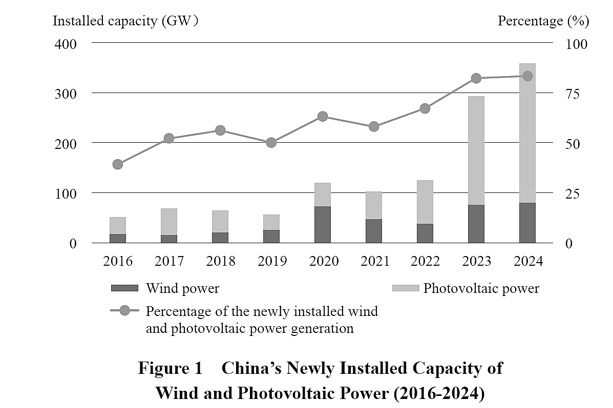
China has solidified its commitment to achieving carbon peaking by 2030 and carbon neutrality by 2060, positioning itself as a global leader in climate action. The country has implemented a robust ‘1+N’ policy framework, which includes a top-level design and sector-specific action plans to guide its green transition. This framework emphasizes the development of renewable energy, energy efficiency, and low-carbon technologies, while also addressing key sectors such as industry, transport, and urban development. China has made significant strides in renewable energy, boasting the world’s largest installed capacity of wind and solar power, and leading in the adoption of new energy vehicles. The nation has also prioritized international cooperation, actively participating in global climate governance and supporting the Paris Agreement. Through these efforts, China aims to not only reduce its carbon footprint but also contribute to global sustainability and the fight against climate change.
-

Amazon tree-felling blamed for polluting UK rivers
A groundbreaking report by environmental groups Size of Wales and WWF Cymru has uncovered a hidden connection between deforestation in the Amazon rainforest and pollution in UK rivers, particularly the River Wye. The study highlights the role of soy imported from Brazil, which is used as livestock feed in the UK. High in phosphorus, the soy becomes a pollutant when animal manure runs off into waterways, exacerbating phosphate pollution in rivers across Wales and beyond. The report calls for urgent action to halt the import of commodities linked to deforestation, emphasizing the profound impact of consumer choices on global ecosystems and indigenous communities. The Welsh government has acknowledged the issue, stating it is taking ‘ambitious steps’ to address the problem. The findings coincide with the COP30 climate talks in Belém, Brazil, where world leaders are discussing strategies to combat deforestation and climate change. The report also urges governments and local councils to adopt deforestation-free supply chains and promote sustainable diets. Positive examples of leadership in Wales include Caerphilly and Monmouthshire councils, which have implemented deforestation-free criteria for food procurement. Monmouthshire has even replaced chicken curry with a deforestation-free chickpea korma on school menus, following lobbying by local pupils. The report underscores the need for collective action to protect the planet for future generations.
-
Biofuel pledge at climate summit highlights India’s ethanol blending debate
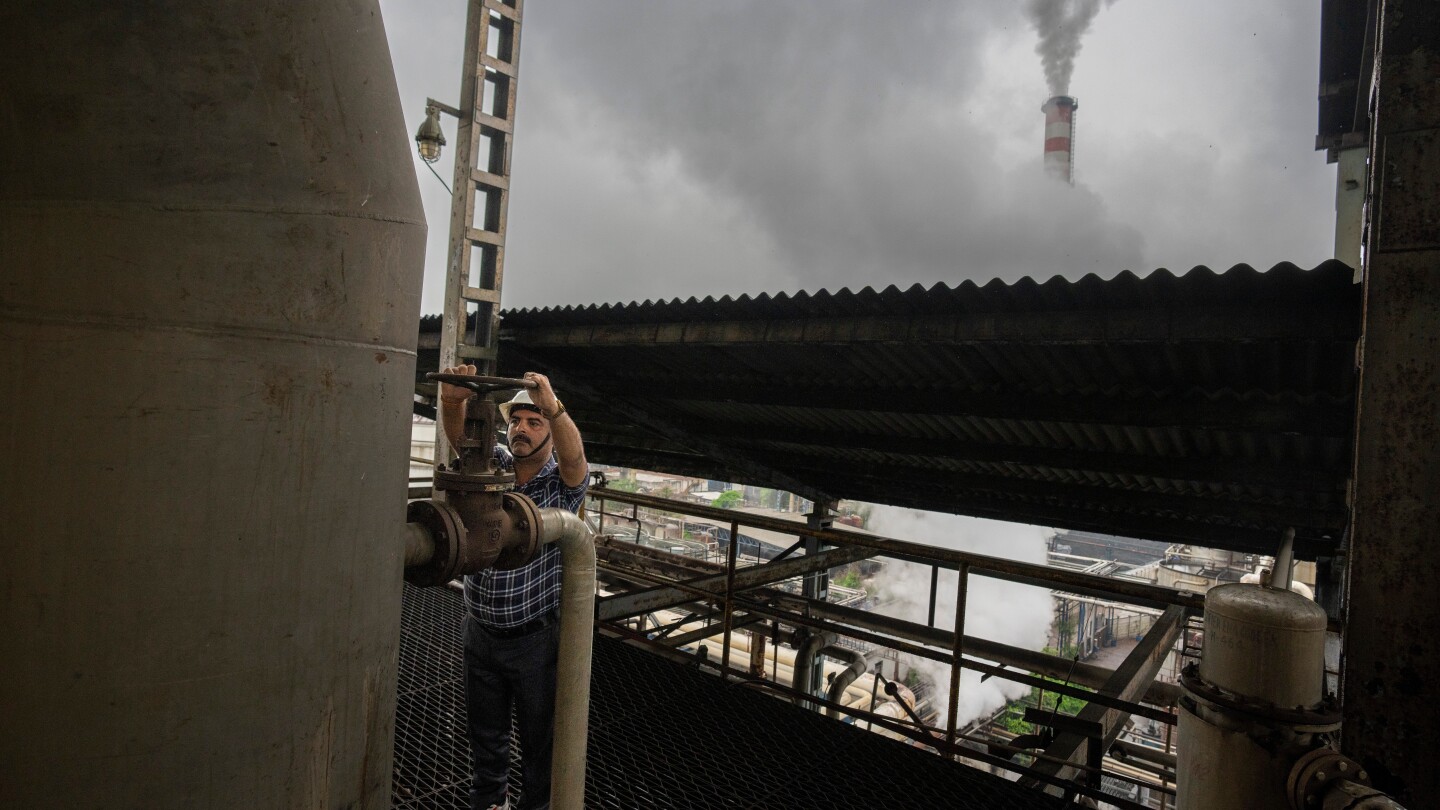
India’s ambitious ethanol blending program, aimed at reducing carbon emissions and cutting oil imports, has achieved significant milestones but also faces practical challenges. The government recently announced the successful implementation of a 20% ethanol blend with gasoline, five years ahead of schedule. This initiative, part of the global Belem 4x effort, aligns India with countries like Brazil, Japan, and Italy in promoting biofuels and low-emission hydrogen-based fuels. However, the rapid shift to ethanol has raised concerns among consumers, farmers, and environmental experts. While the government claims ethanol blending has reduced carbon emissions by 74 billion kilograms and saved $12 billion in oil imports over the past decade, car owners report decreased mileage and engine issues, particularly in older vehicles. Farmers, meanwhile, seek clarity on crop procurement for ethanol production, as shifts in government policies have led to price volatility for crops like corn and sugarcane. Environmentalists caution that increased grain cultivation for ethanol could displace food crops and generate more greenhouse gases than it saves. Experts suggest a balanced approach, advocating for a 10% ethanol blend to minimize environmental impact while addressing consumer and agricultural concerns. The debate underscores the complexities of transitioning to sustainable fuels and the need for policies that balance environmental goals with economic and social realities.
-
China, world’s top carbon pollutor, likely to overdeliver on climate goals. Will that be enough?
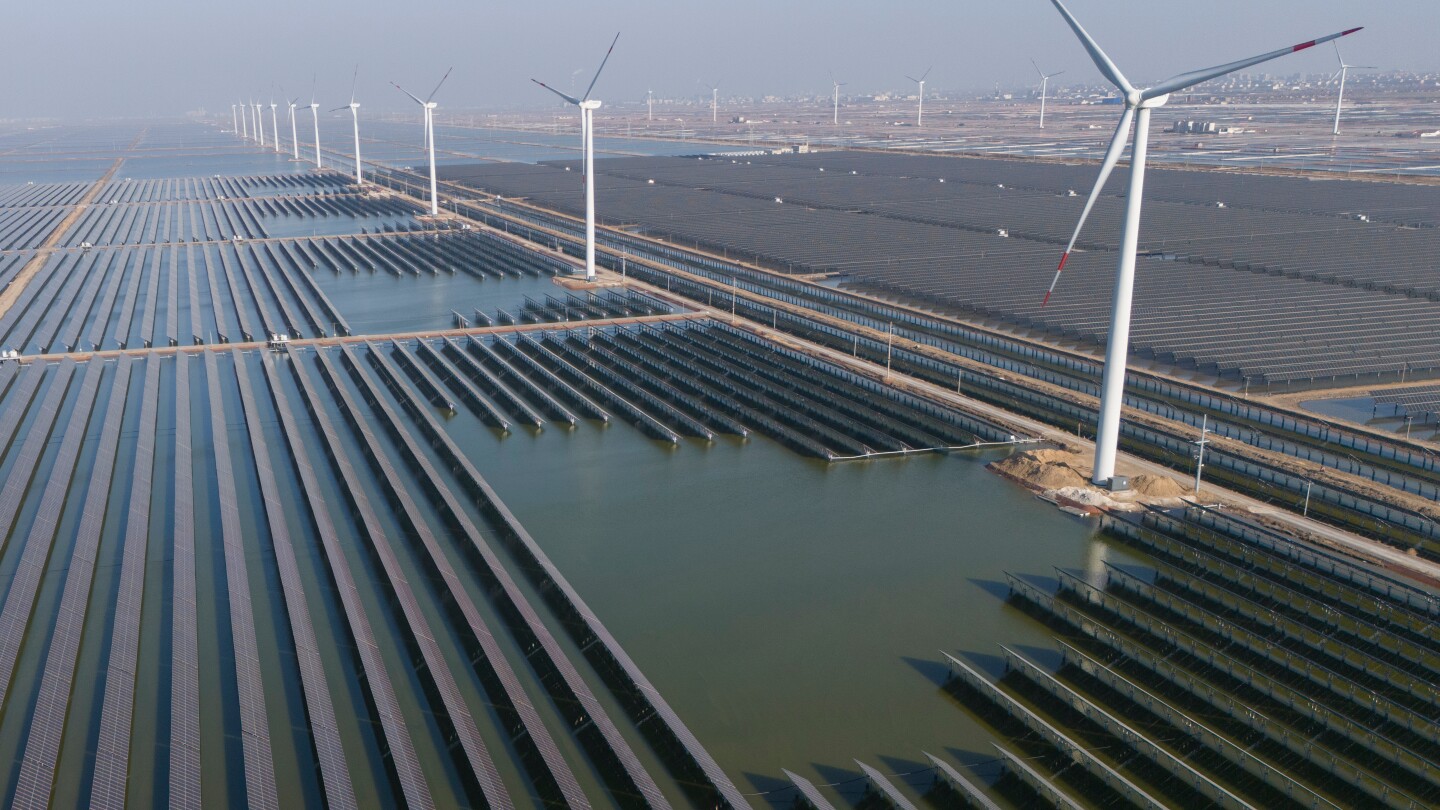
As the United Nations Climate Conference (COP30) kicks off in Brazil, China’s updated climate commitments have come under scrutiny. The world’s largest emitter of greenhouse gases recently unveiled its 2035 climate goals, detailing plans to reduce emissions by 7% to 10%. While this marks the first time China has set a specific emissions reduction target, experts argue it falls short of the 30% cut needed to align with the Paris Agreement’s aim of limiting global warming to 1.5°C. China’s role is pivotal, not only as the top emitter but also as a global leader in green technologies like solar, wind, and electric vehicles. The nation’s goals include raising non-fossil fuel energy consumption to 30%, achieving 3,600 gigawatts of solar and wind capacity, and mainstreaming electric vehicles. However, the absence of specific targets for coal power capacity raises concerns, as coal remains a cornerstone of China’s energy strategy. Despite these challenges, China has a history of surpassing its climate targets, such as exceeding its renewable energy goals six years ahead of schedule. Whether its latest commitments will suffice to combat global warming remains a critical question as the world watches COP30 unfold.
-

China’s Global Mangrove vision takes root in Shenzhen
In the heart of Shenzhen, Guangdong province, the International Mangrove Center has become a beacon of global collaboration in mangrove conservation. Established just a year ago, the center has successfully united 20 member countries in a shared mission to protect one of the planet’s most vital yet vulnerable ecosystems. Mangroves, which thrive along tropical and subtropical coastlines, serve as natural defenses against storms, purify seawater, sequester carbon, and support diverse marine life. China stands out as one of the few nations to achieve a net increase in mangrove coverage, thanks to extensive restoration initiatives and robust wetland protection legislation. The center’s efforts underscore the importance of international cooperation in safeguarding these critical habitats for future generations.
-

UAE: Artificial reefs installed in 3 emirates to boost fish stocks, food security
The UAE Ministry of Climate Change and Environment (MoCCAE) has unveiled a groundbreaking initiative to install artificial reefs across three emirates—Sharjah, Ajman, and Ras Al Khaimah. This strategic move aims to bolster fish stocks, promote sustainable fisheries, and enhance national food security while addressing the adverse effects of climate change on coastal and marine ecosystems. Hiba Obaid Al Shehhi, Acting Assistant Undersecretary for the Biodiversity and Marine Life Sector at MoCCAE, emphasized the importance of these efforts in safeguarding marine resources and supporting the fishing industry. The artificial reefs serve as accessible fishing grounds and provide safe habitats for marine species, thereby revitalizing biodiversity. This initiative is part of the broader ‘Artificial Caves Programme,’ launched in 2016, which focuses on creating artificial nurseries to foster fish breeding and growth. The UAE has also undertaken other significant projects, such as the ‘Abu Dhabi Coral Gardens,’ which aims to install 40,000 eco-friendly artificial corals across 1,200 square kilometers of coastal and deep waters by 2030. A two-year study from 2021 to 2023 demonstrated promising results, with 17 invertebrate species and 15 fish species thriving in the newly established reef modules. These efforts underscore the UAE’s commitment to combating marine degradation and ensuring the sustainability of its marine environments.
-
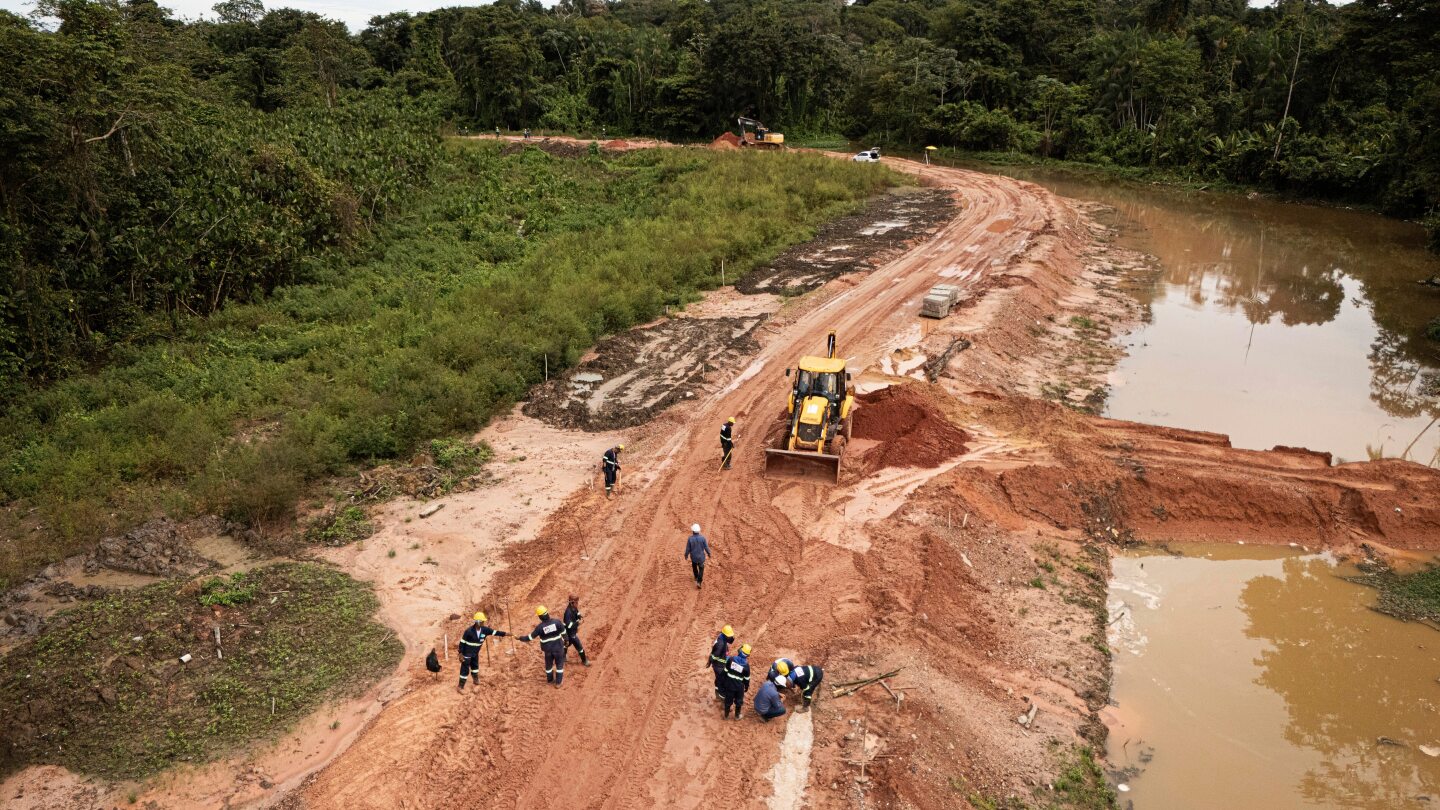
Brazil’s Amazon deforestation falls 11% even as fires surge to record levels
In a significant environmental development, Brazil’s Amazon rainforest saw an 11% reduction in deforestation from August 2024 to July 2025, according to government data released on Thursday. Despite this progress, the region faced record-breaking wildfires and severe drought, as reported by Brazil’s National Institute for Space Research (INPE). Approximately 5,796 square kilometers (2,238 square miles) of forest were cleared during this period—an area nearly four times the size of New York City—marking the lowest deforestation level in nearly a decade. The Environment Ministry attributed this decline to enhanced environmental enforcement, expanded satellite monitoring, and improved coordination among federal agencies. This announcement comes just weeks before Brazil hosts the COP30 U.N. climate summit in Belem, where the country is expected to showcase its commitment to ending illegal deforestation by 2030. However, INPE also reported that fire detections in the Amazon from January through October 2025 reached their highest levels since 2010. Widespread burning and prolonged drought have caused severe air pollution in northern Brazil, leading to flight cancellations and health warnings in states like Amazonas and Para. Experts warn that these fires, often used to clear deforested land, could undermine recent conservation efforts. Brazil’s environmental enforcement agency, Ibama, conducted 9,540 inspections this year—a 38% increase from 2024—issuing $520 million in fines and seizing over 4,500 pieces of machinery and livestock linked to illegal activities. Additionally, over 75 civil lawsuits were filed against deforestation and illegal burning cases. Márcio Astrini of the Climate Observatory highlighted the progress but criticized the government’s contradictory policies, such as approving oil drilling projects in the Amazon River basin. Greenpeace Brazil welcomed the results but emphasized the need for permanent safeguards and stronger global cooperation to ensure lasting progress.