分类: environment

  • Stepping on the gas necessary to realize carbon-peaking goal

    Stepping on the gas necessary to realize carbon-peaking goal

    As China advances toward its ambitious carbon emissions peak target set for 2030, the nation is implementing comprehensive strategies to overcome remaining challenges in its green energy transition. Despite remarkable progress in renewable energy deployment—with installed capacity reaching 2.34 billion kilowatts in 2025, accounting for approximately 60% of total power capacity—systemic hurdles require innovative solutions.

    The intermittent nature of renewable energy sources presents significant grid integration challenges. To address this, China is developing virtual power plants and smart management systems that coordinate supply, demand, storage, and grid operations. Energy storage infrastructure, including pumped hydro and electrochemical facilities, is being expanded to manage surplus green electricity.

    A key innovation involves converting excess renewable energy into ‘green hydrogen’ through water electrolysis, creating a carbon-free energy carrier that can replace coal in metallurgical processes and enable production of green ammonia, methanol, and sustainable aviation fuels. Technological advancements are needed to improve safety and reduce costs in this emerging sector.

    Recognizing coal’s continued role in China’s energy landscape, the country is advancing carbon capture technologies while promoting circular economy principles. The National Development and Reform Commission is formulating the 15th Five-Year Plan for circular economy development, emphasizing resource recovery from electronic waste—a approach that reduces emissions significantly compared to traditional metal production.

    Financial mechanisms are being strengthened through carbon market expansion, including new sectors and derivative products. Transition finance supports emissions-intensive industries, while comprehensive carbon footprint accounting systems cover product life cycles. Public participation remains crucial, with initiatives promoting green lifestyles, low-carbon transportation, and sustainable consumption patterns to ensure national targets are met.

  • China’s forest, grass coverage rate surpasses 56%: report

    China’s forest, grass coverage rate surpasses 56%: report

    China has achieved a remarkable environmental milestone with its combined forest and grassland coverage rate now exceeding 56%, according to an official report released by the National Greening Commission on March 12, 2026. The announcement coincided with the country’s 48th National Tree Planting Day, highlighting decades of sustained afforestation efforts.

    The comprehensive report reveals that China’s ambitious greening initiatives resulted in the planting of over 3.56 million hectares of new forests during 2025 alone. Simultaneously, the nation successfully restored approximately 4.93 million hectares of degraded grassland, demonstrating a balanced approach to ecosystem rehabilitation.

    Detailed metrics show China’s forest coverage rate has reached 25.09%, with total forest stock volume climbing to nearly 20.99 billion cubic meters. These ecological achievements have translated into significant economic benefits, with the forestry and grassland industry generating an output value approaching 11 trillion yuan (approximately $1.6 trillion) last year.

    The environmental revival has also fueled a surge in ecotourism, which recorded more than 3 billion visitor trips throughout 2025. This substantial public engagement with natural areas underscores the growing appreciation for China’s restored landscapes and biodiversity.

    These findings emerge as part of China’s broader environmental strategy, which has increasingly focused on sustainable development and ecological civilization construction. The report provides concrete evidence of how coordinated government policies, combined with widespread public participation in tree-planting initiatives, have collectively transformed the country’s natural environment over nearly five decades of consistent effort.

  • Feral grass ‘changing the nature’ of Australia’s deserts, traditional owners warn

    Feral grass ‘changing the nature’ of Australia’s deserts, traditional owners warn

    A coalition of Indigenous leaders and environmental advocates is converging on Australia’s capital to demand urgent federal action against an invasive grass species that is fundamentally transforming the nation’s desert landscapes. The controversial buffel grass, originally native to Africa and parts of Asia, burns with unprecedented intensity and frequency, creating ecological havoc across Central Australia.

    Traditional owners have identified the plant as tjanpi kura (bad grass) or mamu tjanpi (devil grass) due to its destructive characteristics. The species spreads aggressively, choking waterways and creating dense fuel loads that result in catastrophic fires. These infernos reach temperatures and frequencies previously unknown to these ancient ecosystems, destroying centuries-old desert oaks and mulga trees that have long defined the region’s character.

    The federal government recently postponed a critical decision on whether to designate buffel grass as a Weed of National Significance—a classification that would trigger coordinated national response measures. This hesitation has prompted Indigenous Ambassador Richard Swain, a Wiradjuri man representing the Invasive Species Council, to characterize the situation as requiring immediate national leadership.

    Beyond the Northern Territory where it’s already declared a weed, buffel grass has established dominance across hundreds of kilometers in Central Australia and continues its expansion into Western Australia, South Australia, New South Wales, and Queensland. This geographical spread places numerous native species at risk and threatens First Nations cultural practices tied to the land.

    The delegation arriving in Canberra includes senators David Pocock and Sarah Hanson-Young alongside traditional owners. They advocate for a three-pronged approach: official designation as a Weed of National Significance, classification as a Key Threatening Process under national environmental law, and dedicated funding for a national coordinator position alongside a comprehensive action plan.

    Senator Hanson-Young emphasized the dual threat to both ecosystems and Indigenous culture, noting that worsened fire conditions endanger plants, animals, and communities simultaneously. Eastern Arrernte Traditional Owner Camille Dobson highlighted structural challenges, explaining that remote communities lack properly trained firefighters and equipment, while Aboriginal ranger programs remain chronically underfunded and overstretched despite being positioned as primary responders to the crisis.

  • Green expertise helps clean up war-tarred soil

    Green expertise helps clean up war-tarred soil

    In the vast expanse of Kuwait’s Burgan oilfield—the world’s second-largest—patches of green vegetation now emerge following seasonal rains, representing far more than natural regeneration. These fragile sprouts symbolize a remarkable environmental recovery from one of history’s most devastating ecological disasters: the 1991 Gulf War oil catastrophe.

    When retreating Iraqi forces ignited nearly 700 oil wells three decades ago, they created apocalyptic conditions that persisted for months. Daylight vanished beneath smoke clouds, nights glowed with burning wells, and approximately one-third of Kuwait’s territory became contaminated. The resulting ‘oil lakes’—massive pools of crude—poisoned groundwater and transformed fertile desert into toxic wasteland.

    The turning point arrived in 2019 when Kuwait launched a global initiative to address this enduring environmental crisis. Among the international respondents was Hangzhou Zaopin ST Co Ltd, a Chinese environmental technology startup specializing in microbial remediation. Despite lacking prior international experience, the company possessed decade-refined proprietary technology developed through partnerships with China’s leading universities.

    Zaopin’s breakthrough involved identifying and bioengineering specific bacterial strains from Kuwait’s oil sludge into highly efficient petroleum-degrading microorganisms. At operational sites within Burgan field, specialized vehicles now churn contaminated soil while sprinklers distribute these tailored microbial solutions. This process reduces oil content from 5% to below 1% within three months—meeting Kuwait’s stringent environmental standards.

    For heavily contaminated areas, Zaopin deployed secondary soil washing technology utilizing heat, chemical agents, and mechanical separation. This method not only cleanses the soil but recovers reusable crude oil, transforming environmental liability into economic opportunity.

    The project’s quantifiable success includes treatment of over 5 million tons of contaminated soil and recovery of 150,000 barrels of crude oil. Additional Chinese firms like Jereh Group have joined the effort, introducing pyrolysis systems that process the most contaminated sludge at 300-600°C while recovering high-quality crude.

    Kuwaiti officials initially expressed skepticism about these unconventional methods. Mohammad Khalaf, senior engineer at Kuwait Oil Company, admitted: ‘I didn’t believe the Chinese soil washing method would work. But they overcame every technical challenge. Now I trust them 110 percent.’

    The collaboration’s significance extends beyond technical achievement—it represents ecological restoration previously considered impossible. As Zaopin founder Dai Baiping reflects: ‘We’re not just fixing soil. We’re helping bring back a desert ecosystem that was written off as lost.’

  • China’s carbon dioxide emissions per 10,000 yuan of GDP down 5% in 2025

    China’s carbon dioxide emissions per 10,000 yuan of GDP down 5% in 2025

    China has demonstrated substantial progress in its decarbonization efforts, with official statistics revealing a notable 5% year-on-year reduction in carbon dioxide emissions per 10,000 yuan of GDP during 2025. The National Bureau of Statistics (NBS) released comprehensive data on Saturday indicating the nation’s accelerated transition toward sustainable economic development.

    The statistical report further detailed a 5.1% decline in energy consumption per 10,000 yuan of GDP, calculated after excluding raw material usage and non-fossil energy consumption. This parallel improvement underscores China’s effective implementation of energy efficiency measures across industrial and economic sectors.

    Clean energy generation achieved remarkable momentum, with hydropower, nuclear, wind, and solar power collectively producing nearly 4.25 trillion kilowatt-hours – representing a robust 14.4% increase compared to 2024. This surge in renewable energy output has been instrumental in displacing fossil fuel-based electricity generation.

    The transportation sector exhibited particularly impressive transformation, with new energy vehicle manufacturing reaching 16.52 million units, marking a 25.1% production increase. By December 2025, China’s NEV fleet had expanded to 43.97 million vehicles, adding 12.57 million zero-emission vehicles to its roads within a single year.

    Environmental monitoring data corroborated these advancements, showing improved air quality across China’s urban centers. Among 339 cities at prefecture level and above, 72.6% met national air quality standards, reflecting the tangible benefits of reduced emissions and cleaner energy infrastructure.

  • China revises technical standards to better manage waste electrical products

    China revises technical standards to better manage waste electrical products

    China has unveiled comprehensive revisions to its technical standards governing waste electrical and electronic products, marking a significant advancement in the nation’s environmental regulatory framework. The updated standards, announced by the Ministry of Ecology and Environment, will become effective on March 1, 2026, replacing previous regulations established in 2010.

    This regulatory enhancement addresses China’s position as both the world’s largest manufacturer and consumer of electrical goods, where escalating volumes and diversification of electronic waste have created pressing environmental challenges. Ministry spokesperson Pei Xiaofei emphasized that the expanding variety of discarded electronics necessitates more sophisticated management approaches.

    Key innovations within the revised framework include expanded categorization that now encompasses emerging electronic products such as self-service kiosks, retail checkout systems, unmanned aerial vehicles, wearable smart devices, and intelligent automotive components. The standards also introduce refined protocols for pollution control during storage and dismantling processes, addressing critical environmental protection concerns.

    The regulatory update builds upon more than a decade of systematic e-waste management during which Chinese authorities have processed over one billion major appliances including televisions, refrigerators, washing machines, air conditioners, and computers. This effort has facilitated the proper recycling or disposal of approximately 22 million tonnes of dismantled materials through formal channels.

    Looking forward, the ministry will guide regional authorities and industry enterprises in implementing these enhanced requirements while intensifying enforcement actions against illegal practices including open-air dumping and non-compliant dismantling operations. This comprehensive approach demonstrates China’s commitment to balancing technological advancement with environmental responsibility in its rapidly evolving electronics ecosystem.

  • China balances GDP growth with air quality

    China balances GDP growth with air quality

    China has accomplished a remarkable environmental milestone by simultaneously boosting economic output and dramatically reducing air pollution levels throughout its 14th Five-Year Plan period (2021-2025). Official data from the Ministry of Ecology and Environment reveals unprecedented progress in the nation’s atmospheric conditions while maintaining robust economic growth.

    According to Li Tianwei, Director of the Ministry’s Department of Atmospheric Environment, China achieved a 30 percent expansion in Gross Domestic Product while reducing the national average concentration of PM2.5 particulate matter by 20 percent during the five-year timeframe. This dual accomplishment demonstrates the effectiveness of China’s integrated approach to environmental management and economic development.

    The statistical evidence shows substantial improvements across multiple metrics. The number of urban centers meeting national air quality standards increased significantly from 206 to 246 cities. Particularly noteworthy is the performance of China’s economic powerhouses—the 29 cities with GDP exceeding 1 trillion yuan ($145.8 billion)—which achieved an average PM2.5 concentration of 27.8 micrograms per cubic meter, surpassing the national average.

    Beijing’s transformation stands as a particularly compelling case study. Through twelve years of sustained pollution control measures, the capital reduced its annual average PM2.5 density from 89.5 mcg/cu m in 2013 to just 27 mcg/cu m in 2025. This represents one of the most dramatic air quality improvements recorded in any major global city.

    The Ministry is implementing upgraded air quality standards effective March 1, establishing a transitional annual limit of 30 mcg/cu m for PM2.5 until 2030, with plans to tighten this further to 25 mcg/cu m thereafter. These standards represent a significant enhancement over the previous 2012 benchmark of 35 mcg/cu m.

    Additional indicators confirm the comprehensive nature of China’s air quality achievements. During summer 2025, the nation recorded 97 consecutive days with air quality indexes below 100—the first time such an extended period of consistently good air quality has been documented. Nationwide, cities at prefecture level and above achieved an average PM2.5 concentration of 28 mcg/cu m in 2025, with heavy pollution days accounting for just 0.9 percent of the year. Excluding dust weather impacts, the proportion of days with good air quality reached 89.3 percent, establishing new records across all three monitoring indicators.

  • China’s air quality continues to improve in 2025

    China’s air quality continues to improve in 2025

    China has reached a groundbreaking environmental achievement with air quality parameters reaching their most favorable levels in recorded history during 2025. According to the Ministry of Ecology and Environment, the nation’s comprehensive pollution control measures have yielded unprecedented results in atmospheric conditions.

    The remarkable improvement represents the culmination of China’s multi-year, systematic approach to environmental management that began with the implementation of its National Air Pollution Action Plan. The ministry’s data reveals significant reductions across all major pollutant indicators, with particulate matter (PM2.5 and PM10), sulfur dioxide (SO2), nitrogen dioxide (NO2), and ozone (O3) concentrations showing substantial decreases compared to previous years.

    This environmental turnaround stems from China’s strategic integration of policy enforcement, technological innovation, and industrial restructuring. The government’s intensified focus on transitioning to renewable energy sources, enhancing emission standards for industrial facilities, and promoting electric transportation has created synergistic effects on air quality improvement.

    Regional analyses demonstrate particularly notable progress in previously heavily polluted areas, including the Beijing-Tianjin-Hebei cluster, the Yangtze River Delta, and the Pearl River Delta regions. These improvements coincide with China’s accelerated push toward carbon neutrality commitments and green development initiatives outlined in its latest Five-Year Plan.

    Environmental experts worldwide are recognizing China’s achievement as a significant case study in large-scale environmental recovery, demonstrating that concerted policy measures can produce tangible atmospheric improvements within relatively short timeframes despite industrial growth.

  • A red tide in South Africa is causing the mass deaths of crayfish

    A red tide in South Africa is causing the mass deaths of crayfish

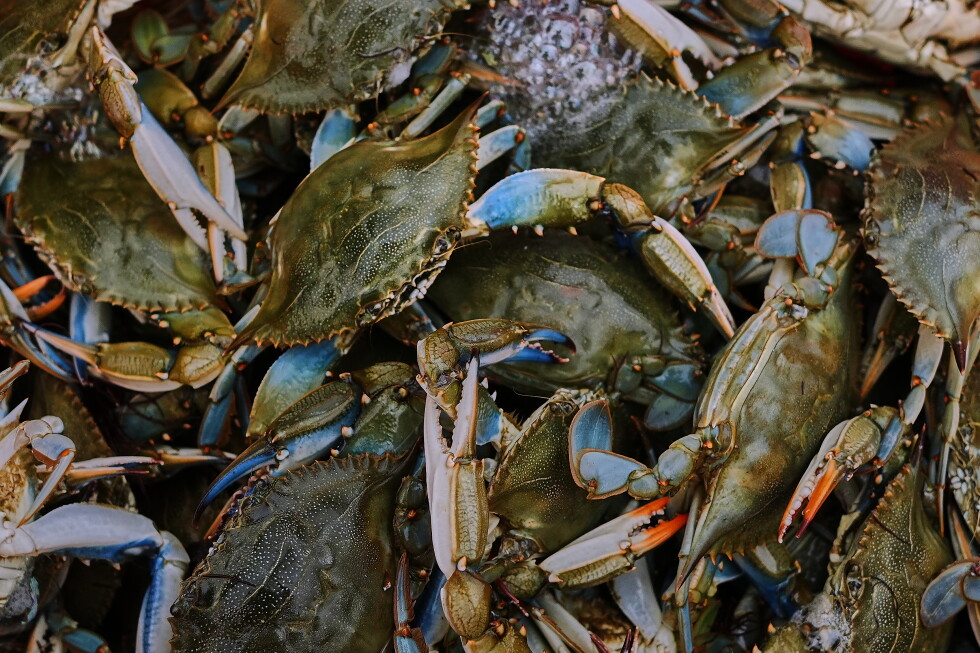
    CAPE TOWN, South Africa — An unprecedented ecological crisis is unfolding along South Africa’s western coastline as a massive toxic algae bloom, commonly referred to as a red tide, has triggered catastrophic marine mortality. The event has resulted in extensive die-offs of crayfish (rock lobsters) and various fish species, creating alarming scenes on beaches near Elands Bay, approximately 220 kilometers north of Cape Town.

    The Ministry of Forestry, Fisheries and the Environment has issued urgent public health advisories, explicitly warning against harvesting or consuming stranded crayfish due to potentially lethal neurotoxins. Despite these warnings, authorities reported intercepting over 20 individuals attempting to gather the toxic crustaceans from contaminated beaches, prompting deployment of police personnel to enforce safety measures.

    Scientifically characterized as a Harmful Algal Bloom (HAB), this phenomenon occurs when microscopic algae undergo uncontrolled proliferation, releasing potent biotoxins that deplete oxygen levels and poison marine organisms. The current outbreak represents one of the most severe red tide events recorded in recent South African history, causing what officials describe as a ‘mass walkout’ event where crayfish instinctively abandon toxin-saturated waters only to perish on shorelines.

    Environmental response teams are conducting emergency operations to rescue surviving marine organisms and safely dispose of decomposing carcasses. The incident highlights growing concerns about increasing frequency and intensity of algal blooms potentially linked to climate change and coastal water pollution, with significant implications for local biodiversity and fishing communities reliant on marine resources.

  • Time to put China on the hook for overfishing

    Time to put China on the hook for overfishing

    Environmental challenges exist in three distinct categories, each requiring different solutions and presenting unique obstacles. Local pollution—contaminated air and water—primarily affects nearby communities and has been effectively addressed through national regulations and economic development. The Environmental Kuznets Curve demonstrates that as societies prosper, they increasingly prioritize cleaner local environments, evidenced by China’s remarkable air quality improvements in the 2010s.

    Global environmental harm, exemplified by climate change, presents greater coordination challenges due to free-rider problems. Technological innovation often provides the most viable solution, replacing polluting technologies with cleaner alternatives, as seen in the transition from ozone-depleting CFCs to HFC refrigerants.

    The third category—harm to nature itself—poses the most complex challenge. Habitat destruction through logging, mining, and pollution primarily damages biodiversity rather than current human populations. Solving these problems requires altruism: either intrinsic valuation of nature or concern for future generations.

    Encouragingly, evidence suggests wealthier nations increasingly preserve their natural environments. Reforestation trends across North America, Europe, and East Asia indicate growing environmental consciousness among developed nations. Even Brazil has significantly reduced Amazon deforestation rates since the early 2000s.

    However, China presents a concerning exception in marine conservation. While implementing strong environmental protections domestically—including Yangtze River fishing bans and reforestation programs—China operates the world’s largest distant-water fishing fleet, accounting for 44% of global fishing activity according to Oceana’s 2025 report.

    This fleet engages in widespread illegal, unreported, and unregulated (IUU) fishing practices: disabling transponders, falsifying records, using prohibited gear, and poaching from other nations’ waters. An Outlaw Ocean Project investigation found nearly half of China’s squid fleet committed environmental or human rights violations.

    The ecological impact is devastating. China leads in destructive fishing practices like bottom-trawling, which Japan and the US have largely abandoned. Consequently, increasingly more global fisheries become overexploited, threatening both biodiversity and future food security.

    Geopolitical motivations underlie much of this activity. China’s fishing fleet functions as a de facto naval militia, asserting territorial claims and pressuring other nations, particularly in the South China Sea. Government subsidies, primarily fuel support, maintain this massive fleet despite diminishing returns.

    Environmental organizations have largely neglected this crisis, focusing criticism predominantly on Western nations while ignoring China’s extensive environmental violations. This selective outrage risks rendering the environmental movement irrelevant as global power shifts eastward.

    The situation represents both optimism and concern: China demonstrates capacity for environmental stewardship domestically, suggesting adherence to the wealth-environment consciousness correlation. However, its geopolitical ambitions drive destructive practices internationally that threaten global marine ecosystems.