分类: entertainment

  • ‘Door is open’ for Canada to join Eurovision

    ‘Door is open’ for Canada to join Eurovision

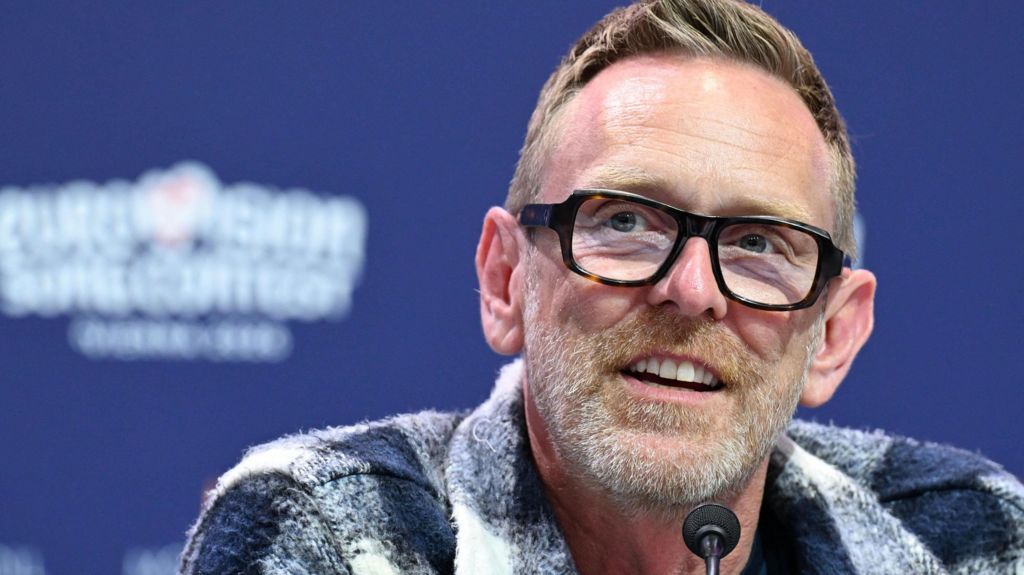
    The door to the Eurovision Song Contest remains open for Canada, if the North American nation chooses to formally pursue a spot, according to the event’s senior leadership. In an interview with the BBC this week, Eurovision director Martin Green confirmed on Wednesday that no official application for Canadian entry has yet landed on his desk, but the competition stands ready to welcome a new participant that aligns with the event’s core values. “We will welcome anyone through those doors who wants to share the values of this wonderful occasion and stand on our stage with friends,” Green stated.

    The push for Canadian participation originates from Prime Minister Mark Carney’s government, which has prioritized deepening political and economic integration with Europe since taking office in 2024. The idea of joining Eurovision was first formally introduced in Carney’s 2025 federal budget, with the government’s November fiscal plan noting it is partnering with the Canadian Broadcasting Corporation (CBC), Canada’s national public broadcaster, to explore the feasibility of entering the competition. Green confirmed he is aware of Canada’s growing interest in the contest, noting that the Carney administration is actively seeking stronger ties with European partners.

    Unlike most past and current participants that are geographically located within Europe, Eurovision’s entry rules do not bar non-European nations from joining. Eligibility is instead tied to membership in the European Broadcasting Union (EBU), the organization that produces the annual contest. While the CBC is not a full EBU member, it holds the status of associate member — a qualification that has already been accepted for past non-European entries. Under official contest regulations, associate member broadcasters can be considered for participation on a case-by-case basis, a precedent set by Australia, which has competed as a formal entry since 2015. Australia was approved for entry despite its associate member status, in large part because it has a long history of broadcasting the contest to its highly engaged domestic audience.

    So far, Canada’s exploratory process has led the CBC to deploy three staff members to the 2026 Eurovision Song Contest as observers, senior director of public affairs Leon Mar confirmed in a public statement. “We are talking with the EBU about how we can collaborate more closely and exchange more content,” Mar added, signaling that ongoing discussions are progressing behind the scenes.

    While Canada has never competed as an official entry, Canadian talent has already left a major mark on the contest’s history. In 1988, Quebec-born global superstar Céline Dion won the contest representing Switzerland with her performance of *Ne partez pas sans moi* — a victory that launched her decades-long international career and remains the last win for a French-language song in the competition. Other Canadian artists have also competed for European nations in the years since: Acadian singer Natasha St-Pier represented France in 2001, and Montreal-based performer La Zarra represented France in the 2023 contest. Contest rules do not require singers to hold citizenship of the country they represent, leaving the requirement open to individual participating nations to set their own policies.
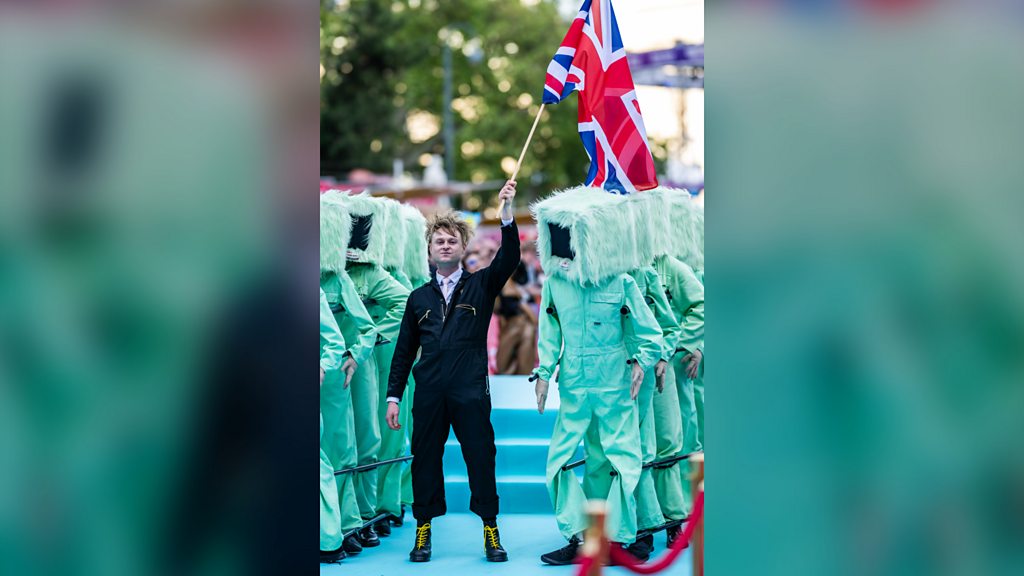
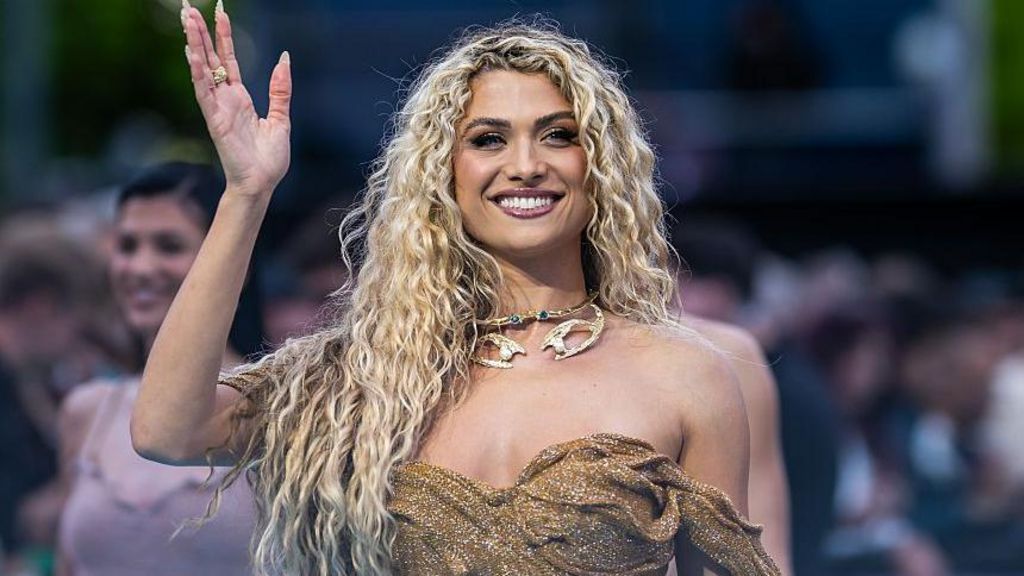
  • How has Eurovision voting changed this year?

    How has Eurovision voting changed this year?

    The Eurovision Song Contest, one of the world’s most-watched live music events, is rolling out enhanced voting monitoring for this year’s competition, contest director Martin Österdahl has confirmed. The move comes in direct response to lingering public and stakeholder concerns that emerged following the 2023 contest, when questions were raised about potential unfair influence on the final results linked to Israel’s participation.

    Österdahl emphasized in a recent statement that event organizers have ramped up scrutiny of all voting activity this year, with teams tracking voting patterns “very, very carefully” to safeguard the contest’s long-standing commitment to fair and transparent competition. The changes to voting oversight come amid broader debates around political tensions impacting the pan-European music competition, which has prided itself on uniting countries through musical performance for nearly 70 years.

    Organizers have not announced sweeping changes to the core voting structure— which combines public televoting and jury scores from participating countries— but have added new layers of data analysis to flag any unusual or coordinated voting activity that could skew the final rankings. The goal of the adjusted monitoring process is to maintain public trust in the contest’s outcome, ensuring that results reflect genuine audience and expert appreciation of competing entries rather than external interference.

  • Swapping Love Island for Eurovision: Antigoni’s pride at representing Cyprus

    Swapping Love Island for Eurovision: Antigoni’s pride at representing Cyprus

    The Eurovision Song Contest has increasingly become a stage where familiar faces from across the entertainment world make surprise appearances, with small participating nation San Marino leading the trend in recent years — from a fleeting cameo by 80s pop icon Boy George at this year’s contest to a high-profile guest spot from American rapper Flo Rida that helped the country secure its place in the 2021 grand final. This year, however, it is fans of hit British reality series *Love Island* that are in for a surprise: 2022 series eight contestant Antigoni Buxton is set to take the stage in the contest’s second semi-final, representing Cyprus with her upbeat dance-pop entry *Jalla*.

    For many viewers who only know Buxton from her time as a bombshell on the reality dating show, her leap to Eurovision may come as a shock — but the London-born singer-songwriter says that transition is anything but out of the blue. In an interview with BBC Newsbeat, Buxton explained that singing has been her lifelong passion, long before her *Love Island* appearance. “I’ve been wanting to be a singer, that has been my dream since I was as young as I can remember,” she said. “And I had an obsession with Eurovision ever since I saw Helena Paparizou win for Greece back in 2005.” Buxton frames her 2022 reality TV stint as a happy accident that opened unexpected doors: “If anything doing Love Island was random. It was a great moment because it gave me the chance to introduce myself to a lot of people and now I’m on that path I always wanted to be on.”

    Though raised in the British capital, Buxton has deep Greek-Cypriot roots, and she has woven her cultural heritage into every layer of her Eurovision entry. She spent six to eight weeks every summer on the Mediterranean island growing up, and says she has always felt a strong connection to her Cypriot identity, making representing the country a point of immense pride. *Jalla* blends modern pop production with traditional Greek instrumentation, and draws direct inspiration from Tsifteteli, the beloved Greek belly dance style. The track’s title itself holds special local meaning: it is unique Cypriot-Greek slang that roughly translates to “more” or “again”, a detail Buxton says she is excited to share with a global audience. “Sharing my roots is something I do across all my music, and I am really proud to be able to share that specific part of Cypriot culture here,” she added.

    The music video for *Jalla* leans even further into Buxton’s cultural and entertainment connections, featuring cameos from her own mother and grandparents, as well as iconic UK-based Cypriot dance duo Stavros Flatley. The father-son pair rose to fame after their memorable 2009 run on *Britain’s Got Talent*, and Buxton says they are one of the most famous Cypriot acts to break through in the UK. She reached out directly to Demi, the duo’s lead performer, who jumped at the chance to join the project with open enthusiasm.

    Unlike her experience on reality competition television, Buutton says she has found the Eurovision community to be overwhelmingly warm and supportive, a sharp contrast to the critical culture that often surrounds reality TV appearances. “That’s the thing about Eurovision, it’s almost the opposite of some things I’ve done in the public eye in the past where people want to judge and give bad comments,” she explained. “People still do, but it’s a very loving community. It’s a really warm, happy, loving, supportive community. Everyone sees that it’s a big opportunity to learn about culture, to have fun. So I feel overwhelmed with joy and with gratitude.”

    This year marks the 42nd time Cyprus has competed in the Eurovision Song Contest — a record for the most participation by any country without ever claiming the top prize. After failing to qualify for the 2025 grand final, the country is pulling out all the stops for Buxton’s performance in this year’s host city Vienna. Her live staging takes the track’s lyric about dancing on tables literally, featuring a giant prop table that dancers emerge from underneath, and builds to a explosive climax packed with extensive pyrotechnics. But despite the high stakes for her country, 30-year-old Buxton says she is not solely focused on taking home the win. “In terms of my career and in terms of success, the focus is just doing my very best,” she said. “If I can leave there and feel like I did myself proud, Cyprus is proud of me, my family and my team, that is a win in itself. But I also feel like I have an opportunity to make history for my country and it would just mean so much to the people of Cyprus.”

  • Madonna, Shakira, BTS to headline first World Cup final half-time show

    Madonna, Shakira, BTS to headline first World Cup final half-time show

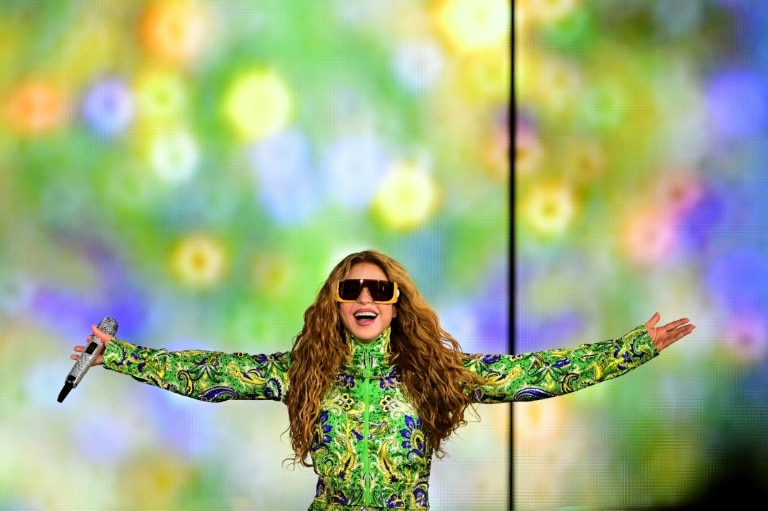
    Football’s global governing body FIFA made a landmark announcement Thursday, confirming that three of the world’s biggest music acts — pop icon Madonna, Colombian superstar Shakira, and K-pop phenomenon BTS — will top the bill for the first-ever official half-time show at a men’s FIFA World Cup final. The star-studded event will take place on July 19 at New Jersey’s MetLife Stadium, modeled after the iconic Super Bowl half-time spectacle that has become a cultural touchstone. Overseeing curation of the groundbreaking performance is Chris Martin, frontman of British alternative rock band Coldplay, though the announcement has already sparked discussion and some concern over potential delays to match flow from an extended break. The 2026 FIFA World Cup, the first iteration of the expanded 48-team tournament, will be co-hosted across the United States, Canada, and Mexico, kicking off its opening round on June 11. The idea for a dedicated World Cup final half-time show was first teased by FIFA President Gianni Infantino in March 2024, when he pledged an unprecedented entertainment spectacle for the tournament but shared no details about performers or run time. On Thursday, Infantino framed the upcoming show as a historic milestone for the global competition, writing on his Instagram that the event would be “befitting the biggest sporting event in the world.” This step by FIFA follows a pattern established at recent major CONMEBOL and FIFA events: Shakira headlined the half-time show at the 2024 Copa America final held in Miami’s Hard Rock Stadium, and the 2024 FIFA Club World Cup final at MetLife Stadium also featured a half-time performance that pushed the break well past the standard 15-minute regulation length. Beyond the on-field performance, Infantino revealed Thursday that FIFA plans to host a major fan activation that will “take over” New York City’s iconic Times Square during the final weekend of the tournament, bringing the energy of the World Cup to one of the most visited public spaces in the United States. The half-time show will also serve a philanthropic purpose: all proceeds and associated fundraising efforts will support the FIFA Global Citizen Education Fund, an initiative that aims to raise $100 million to expand access to education for children across the globe over the course of the tournament. Shakira, who has the longest and most high-profile ties to the World Cup among the announced performers, has been building hype for her 2026 tournament involvement for weeks. Last week, the Grammy-winning artist dropped a teaser for the official 2026 World Cup song, titled “Dai Dai,” sharing a 67-second clip filmed on the pitch of Rio de Janeiro’s legendary Maracana Stadium — the site of two of the most iconic men’s World Cup finals in tournament history. In the teaser, Shakira holds the 2026 World Cup’s official match ball, the Trionda, while performing snippets of the new track in English alongside backup dancers wearing colors representing the United States, Colombia, and other participating nations. “Dai Dai” was produced in collaboration with award-winning Nigerian afrobeats star Burna Boy, and is scheduled for full official release this Thursday. The teaser has already been shared widely across the official FIFA World Cup social media accounts, closing with a rallying message for fans: “We’re ready!” This will be Shakira’s fifth major World Cup-related appearance: the singer has performed at two prior final matches (2006 and 2014) and recorded the genre-crossing 2010 World Cup anthem “Waka Waka (This Time for Africa),” which remains one of the best-selling World Cup theme songs of all time. Ahead of filming the 2026 teaser, Shakira drew a crowd of more than two million fans to a free open-air concert on Rio’s Copacabana Beach, underscoring her enduring global popularity as the tournament approaches.

  • A Vienna cafe offers a welcome for Israel supporters as tensions brew at the Eurovision Song Contest

    A Vienna cafe offers a welcome for Israel supporters as tensions brew at the Eurovision Song Contest

    The iconic coffeehouses of Vienna, a city long celebrated as a global hub of music, have opened their doors to Eurovision Song Contest fans this year — but the festive atmosphere has been sharply overshadowed by escalating geopolitical tensions tied to Israel’s inclusion in the glitzy global pop competition.

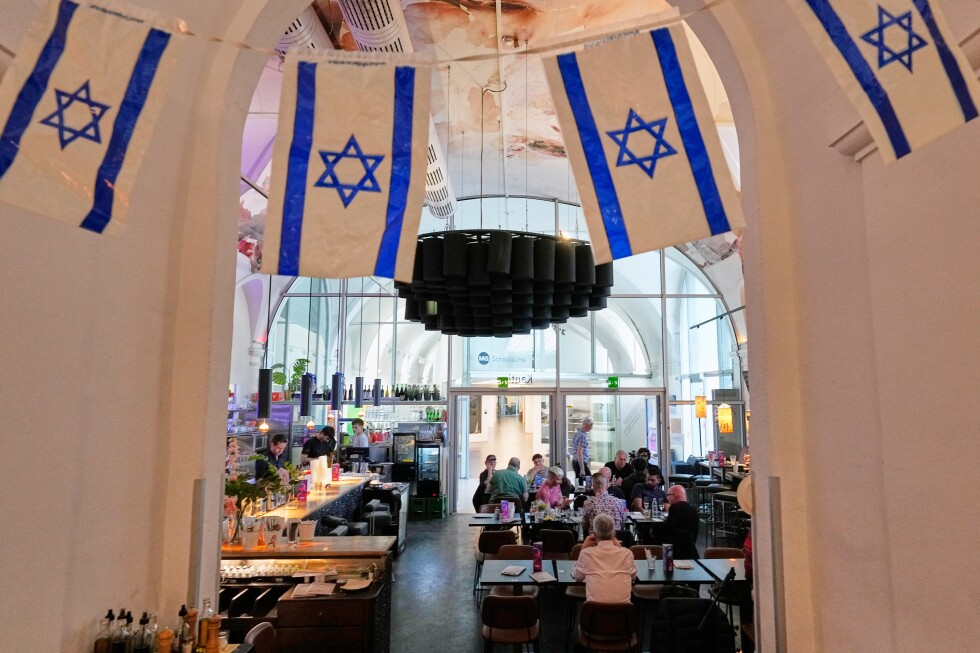
    When city officials first unveiled their roster of “Eurofan Cafes,” themed venues serving cuisine and playing music from each competing nation, Israel was notably absent from the lineup. Stepping into the gap, MQ Kantine — a contemporary cafe located in Vienna’s popular arts and museums district — stepped forward to host Israeli-themed programming. Today, the space features falafel, lox bagels and kosher wine on its menu, strings of small Israeli flags strung across its ceiling, and a uniformed police officer posted permanently outside its entrance.

    Security measures across Vienna have been ramped up significantly for this year’s contest, turning the event’s unifying “United by Music” slogan into something of a hollow promise for many. Five countries have already announced boycotts of the 2026 Eurovision in response to the European Broadcasting Union’s decision to allow Israel to compete, while pro-Palestinian organizers have planned alternative protest concerts across the continent, alongside a major anti-Israel march scheduled ahead of Saturday’s grand final. At MQ Kantine, local volunteers rotate shifts to watch for potential unrest, but cafe representative Daniel Kapp — a PR consultant and pro-Israel campaigner — says community response has so far been overwhelmingly supportive.

    Sitting on the cafe’s sun-dappled terrace as guests sipped coffee and drank beer, Kapp noted that while the visible police presence confirms the situation is far from business as usual, the public support for the venue reflects a shifting cultural context in Austria. “My feeling is that Austria to a certain degree has learned from its history,” he said, referencing the state-sponsored antisemitism that killed hundreds of thousands of Austrian and European Jews under Nazi rule during World War II. “Which is why the support for Israel is a lot more normal than it is in other countries.”

    Israel has competed in the Eurovision Song Contest for more than 50 years, claiming the grand prize four times. But its participation has sparked global controversy ever since it launched its full-scale military offensive in Gaza following the October 7, 2023 cross-border attack led by Hamas that killed roughly 1,200 people and took roughly 250 hostages. According to Gaza’s Health Ministry — which operates under Hamas rule but whose casualty data is widely regarded as reliable by the international community — more than 73,000 Palestinians have been killed in the offensive to date. The Israeli government has repeatedly defended its military campaign as a necessary response to the October 7 attacks, though multiple independent experts, including a panel commissioned by a United Nations human rights body, have concluded that Israel’s actions in Gaza meet the legal definition of genocide. Israel, a country home to hundreds of thousands of Holocaust survivors and their descendants, has vehemently denied these allegations. Ongoing cross-border conflict between Israel and Hezbollah in Lebanon and recent Israeli strikes on Iranian military targets have only amplified global tensions surrounding Israel’s participation.

    Protests calling for Israel’s expulsion from the contest marred last year’s event in Liverpool, UK, and this year’s preliminary rounds hosted in Malmö, Sweden, and tensions have carried over to Vienna’s host city activities. This year’s contest has been split sharply along political lines: while the main arena at Wiener Stadthalle and the official Eurovision Village fan zone maintain an upbeat, celebratory vibe, entry requires passing through a heavy security cordon of armed officers, bag scanners and personal searches, with a total ban on all bags inside the arena. Security concerns have been heightened in Vienna after a 21-year-old Austrian man pled guilty this year to plotting a mass attack on a 2024 Taylor Swift concert, after pledging allegiance to the Islamic State group.

    Israeli contestant Noam Bettan has revealed he practiced his performance while recordings of crowd booms played in the background, following the same preparation used by 2023 Israeli competitor Yuval Raphael. When Bettan took the stage for Tuesday’s first semifinal, scattered boos rang out through the arena between cheers from supporters, but he still secured a top 10 spot to advance to Saturday’s grand final, determined by a combined vote of national juries and global viewers. Contest organizers confirmed four audience members were removed from the 10,000-person semifinal crowd for disruptive political behavior.

    Austrian Eurovision fan Ivo Herzl, who attended the semifinal, described the in-arena energy as “incredibly positive.” He has shown his support for Israel by designing and selling “Mazel Lov” T-shirts, a playful pun on the Hebrew-Yiddish celebratory phrase “mazel tov.” “Vienna has always been a city of tolerance,” Herzl said. “It’s the city of music and we’ll always do everything possible for everyone to enjoy a musical event.”

    Many Israeli fans said they have been reassured by the heavy security and widespread public support in Vienna. Oz Yona, who is attending his first Eurovision this year, said he has encountered “no hate” during his trip, and credited Austria for taking the threat of antisemitism seriously. Yona came to cheer on Bettan alongside friends, but he downplayed his chances of winning — for musical, not political, reasons. “I don’t think he will win,” Yona said. “Finland is better this year. Greece is better this year. We have a good song, but not a winning song.”

    Even among long-time Eurovision fans, the political tensions have fractured a community long known for its radical inclusivity and cross-border friendship. Birgitta Peterson and Kristina Nilsson, two Swedish fans who call themselves The Swedish Ladies and attend the contest every year to meet their network of “Eurovision family” from across the continent, plan to wave Israeli flags in the stands during Saturday’s final, breaking with the position of their home country’s contestant Felicia, who has publicly stated she believes Israel should be excluded from the competition. “The wounds are very deep at the moment,” Nilsson said. “This event should really be about ‘united by music’ and happiness. That’s what Eurovision is all about.”

  • Drug addiction counsellor sentenced in Matthew Perry’s overdose death

    Drug addiction counsellor sentenced in Matthew Perry’s overdose death

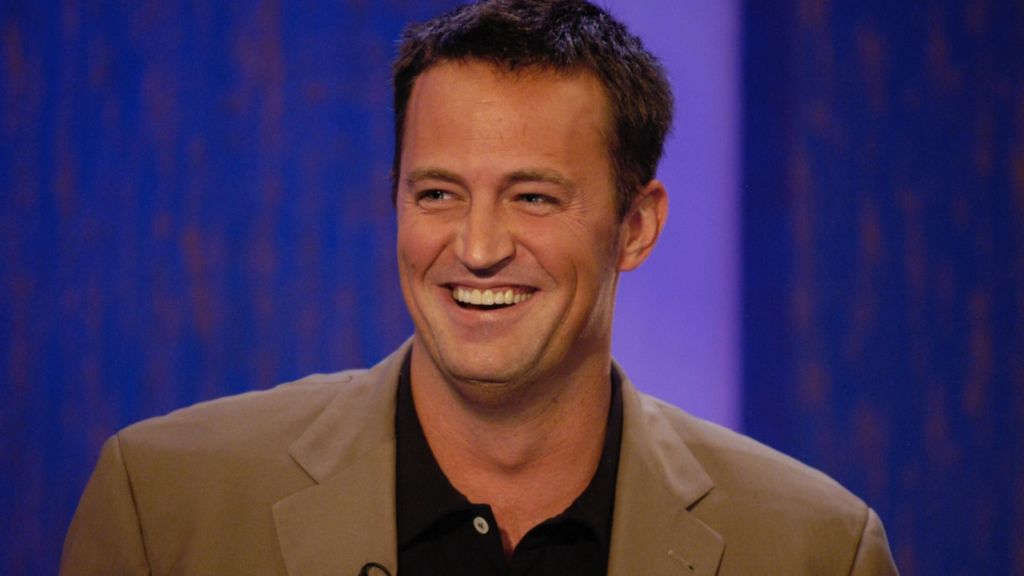
    The long-running legal case tied to the 2023 death of beloved *Friends* star Matthew Perry has reached another milestone, with a California man handed a two-year prison sentence for his role in distributing the ketamine that killed the actor, multiple U.S. media outlets have confirmed.

    Fifty-six-year-old Erik Fleming, a drug counselor who admitted to sourcing ketamine from a Los Angeles dealer known widely as the “Ketamine Queen” and supplying the controlled anesthetic to Perry, entered a guilty plea to one count of conspiracy to distribute ketamine back in August 2024. In addition to his two-year prison term, U.S. federal Judge Sherilyn Peace Garnett also ordered Fleming to serve three years of supervised release following his incarceration and pay a $200 statutory fine.

    Perry, who was globally famous for his decades-long portrayal of Chandler Bing on the hit NBC sitcom *Friends*, was found unresponsive and dead in the backyard hot tub of his Southern California home in October 2023. A subsequent official coroner’s investigation ruled his death was caused by acute toxicity from ketamine, ruling out other contributing factors.

    During the sentencing proceedings held Wednesday, Fleming addressed the court directly, expressing profound remorse for his actions that led to Perry’s death. He told the judge that the tragedy is “a nightmare I can’t wake up from” and that he is permanently “haunted by the mistakes I made.” This public expression of regret echoed earlier statements he made in a pre-sentencing letter submitted to the court in April, where he called his choice “the biggest mistake of my life” and said he accepted full responsibility for the harm he caused. Fleming also stated that he provided ketamine to Perry out of a mix of financial motive and a misplaced belief he was helping a friend, writing that he was “overwhelmed with grief and shame” the moment he learned of the actor’s passing. In the memo, his legal team emphasized that he has taken “extreme lengths to atone for his criminal conduct” since Perry’s death.

    Court arguments ahead of sentencing showed a clear divide between prosecution and defense over what an appropriate punishment would be. Federal prosecutors pushed for a 30-month prison term for Fleming, while his defense attorneys requested a far more lenient sentence: three months of prison followed by nine months of residential drug treatment.

    Fleming is just one of five people charged by federal authorities in connection with Perry’s death. Prosecutors allege that all five defendants exploited Perry’s well-documented struggle with addiction, supplying him with ketamine for profit and ultimately setting the stage for his fatal overdose. All five have pleaded guilty in the federal case, and Fleming is the fourth to receive his sentence.

    Just last month, Jasveen Sangha, the 42-year-old Los Angeles dealer nicknamed the “Ketamine Queen” who supplied the ketamine that Fleming passed to Perry, was sentenced to 15 years in federal prison after her conviction. In December 2024, two medical doctors who also supplied Perry with ketamine in the weeks leading up to his death received their sentences: Dr. Salvador Plasencia was ordered to serve 30 months behind bars, while Dr. Mark Chavez was given eight months of home detention and three years of supervised release.

    The only remaining defendant awaiting sentencing is Kenneth Iwamasa, Perry’s live-in personal assistant, who pleaded guilty to one count of conspiracy to distribute ketamine causing death. Iwamasa is scheduled to appear in court for his sentencing on May 27.

  • Why is the Princess of Wales in Italy this week?

    Why is the Princess of Wales in Italy this week?

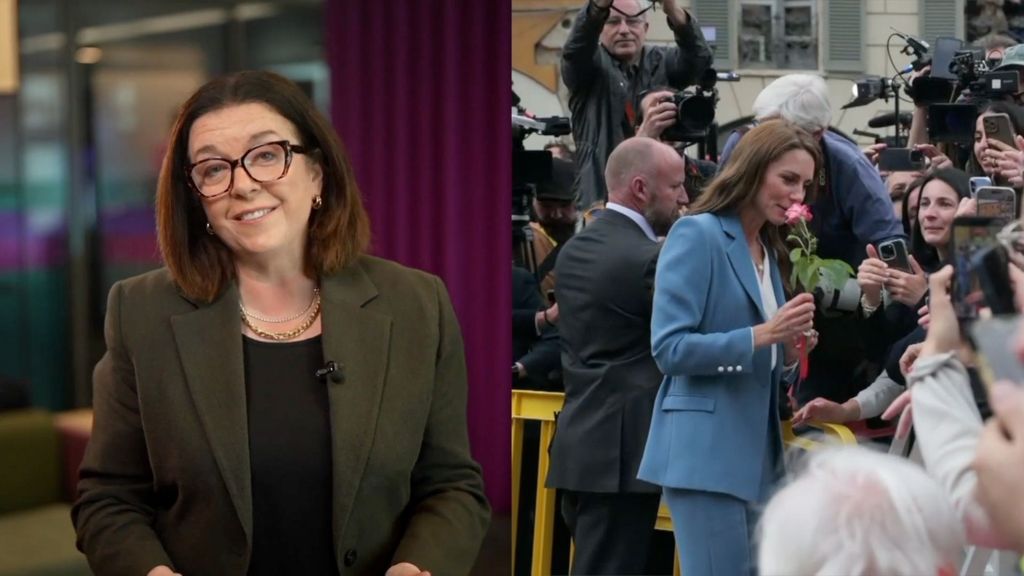
    After months of focused cancer treatment, the Princess of Wales has marked a highly anticipated return to international public appearances, with her first stop this week drawing enthusiastic crowds across Italy. The milestone visit comes as the British royal steps back into official overseas duties following a period of private treatment and recovery from her cancer diagnosis, a health journey that drew global attention and messages of support earlier this year.

    Members of the public turned out in large numbers along the Princess’s public route in Italy, waving flags, holding handwritten supportive signs, and cheering loudly as she greeted well-wishers. The warm, enthusiastic reception from Italian locals highlighted the widespread public interest in her recovery and the broad affection for the British royal family across continental Europe.

    This trip carries significant symbolic weight for the Princess’s public return: it is her first major overseas engagement since announcing her cancer diagnosis, and it signals her gradual resumption of official royal duties as her treatment progresses. While details of the exact itinerary and the private agenda for her visit have been partially kept from public view to respect her ongoing recovery, the public welcome itself has already made the trip a notable moment in her 2024 public schedule. Royal watchers across the globe have framed the warm Italian welcome as a positive milestone in her recovery journey, with many expressing hope for her continued good health as she eases back into public life.

  • Alternative shows counter Eurovision amid larger protest over Israel’s participation

    Alternative shows counter Eurovision amid larger protest over Israel’s participation

    The 70th iteration of Europe’s iconic annual Eurovision Song Contest, held this year in Vienna, has become the center of a growing global controversy, as widespread anger over Israel’s devastating military campaign in Gaza has sparked mass boycotts, alternative performances, and loud demands for Israel’s expulsion from the competition.

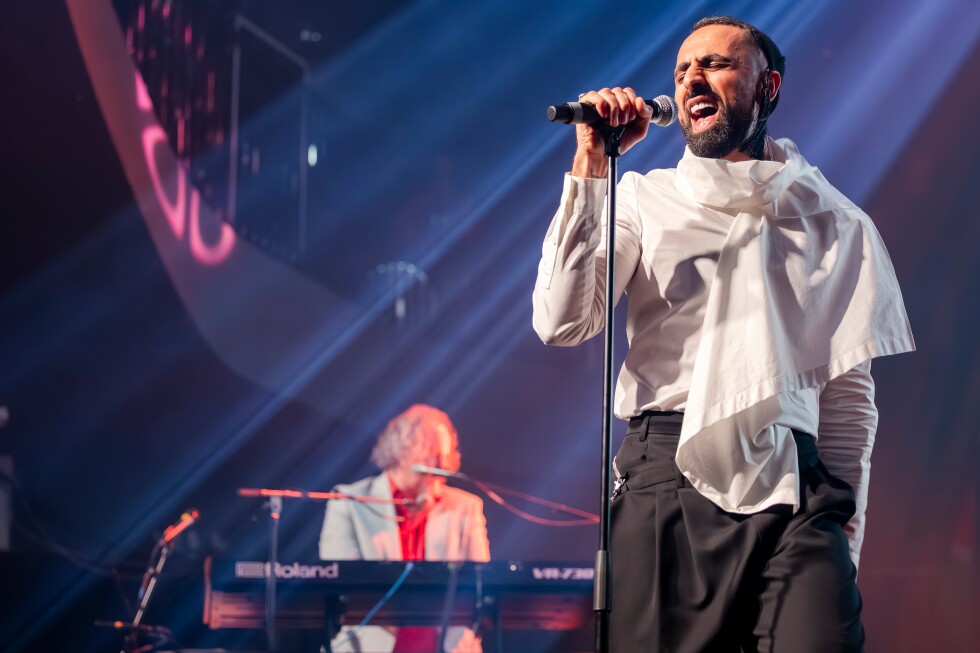
    On a Tuesday evening in an ornate Brussels concert venue, Palestinian singer-songwriter Bashar Murad took the stage before hundreds of attendees to deliver a haunting, bilingual rendition of Nina Simone’s civil rights anthem *I Wish I Knew How It Would Feel to Be Free*, blending English and Arabic lyrics. When the final note faded, the crowd erupted into thunderous applause, capping off a performance that anchored one of the largest alternative pro-Palestinian events organized to counter the official contest. This Brussels gathering, titled *United for Palestine*, brought together European artists and Palestinian creators to protest Israel’s spot in the 35-nation lineup, and it is one of dozens of parallel events taking place across the continent this week.

    The controversy has already split participating countries: five nations — Spain, Ireland, the Netherlands, Slovenia, and Iceland — have formally withdrawn from the kitschy, widely beloved pop extravaganza, declining to send competitors or broadcast the final. Despite the rising pressure, the Geneva-based European Broadcasting Union (EBU), which administers the contest, has refused to remove Israel from the roster, a decision that has amplified outrage across activist circles and political bodies. Ahead of this year’s event, the EBU did tighten contest voting rules to address persistent allegations of Israeli government interference to boost its competitor, but stopped short of the full expulsion demanded by critics.

    The debate over Israel’s participation stretches back decades. Murad, who nearly became Iceland’s 2024 Eurovision competitor, has a personal connection to the fight for Palestinian inclusion: in 2005, his father, a founding member of the iconic Palestinian musical collective Sabreen, joined a petition to the EBU to grant Palestine official entry to the contest, a request that was ultimately denied. Israel, by contrast, has been a participating member since 1973, has claimed four contest victories, and the event holds deep cultural resonance for the Israeli public.

    But as the death toll from Israel’s military operations in Gaza, the West Bank, Lebanon, and Iran has mounted, public fury has spread across Europe. Mass pro-Palestinian protests have been held from Rome to Madrid, and senior European Union officials are currently considering new sanctions against Israel over the humanitarian crisis in Gaza. Amnesty International’s Secretary General Agnès Callamard has joined the calls for expulsion, drawing a parallel to the EBU’s 2022 decision to ban Russia following its full-scale invasion of Ukraine. “Songs and sequins must not be allowed to drown out or distract from Israel’s atrocities or Palestinian suffering,” Callamard stated.

    In response to the EBU’s refusal to remove Israel, grassroots activists and public broadcasters have stepped up to organize alternative programming across the continent. SOS Belgium, one of the organizers of the Brussels alternative concert, told reporters that parallel events are also running in Austria, Germany, Slovenia, Italy, and Spain. In Spain, public broadcaster RTVE, which has aired Eurovision for decades, will not broadcast the 2025 final; instead, it will air *La Casa de la Música*, a special 70th anniversary tribute to the broadcaster’s musical legacy that features 20 performers, including the winners of Spain’s national selection contest Benidorm Fest, who would have normally competed at Eurovision.

    On Tuesday, the first set of finalists was confirmed, with Israel and fan-favorite Finland securing spots in the grand final, which will be held this weekend. The official contest, which carries this year’s motto “United by Music,” drew 162 million global viewers in 2025 and retains a massive, dedicated fanbase that far outpaces the audience of any alternative event.

    Still, Murad and other organizers of the alternative gatherings say their goal is not to compete with Eurovision directly, but to push the contest to live up to its stated founding mission of uniting people across borders through music. “The purpose of these alternative programs that are happening is to remind Eurovision what it’s actually about and to try to hopefully bring it back, to correct its course, and make it actually live up to the things that it claims to be about,” Murad said. “A lot of people in the world feel that the competition has lost its meaning.” “It’s always amazing to be in the same room with people who believe in the same things as you and people who believe that we can’t just let the show go on,” he added.

  • Eurovision boss: ‘We’re watching the voting very carefully’

    Eurovision boss: ‘We’re watching the voting very carefully’

    The 2025 Eurovision Song Contest, currently underway in Vienna, Austria, has found itself at the center of fresh controversy around Israeli participation and voting integrity, prompting organizers to implement sweeping reforms to competition rules and issue a formal reprimand to Israeli public broadcaster Kan.

    Tensions around Israeli voting practices first emerged following the 2024 contest, when Israel finished as the public vote winner despite earning only 60 points from the competition’s professional national juries, which score entries based on artistic and compositional merit. Roughly 83% of Israel’s total points came from public votes that year, a stark contrast to overall winner Austria, which drew just 41% of its score from public voting.

    Independent media investigations later revealed that an Israeli government advertising agency had funded a coordinated online campaign that instructed social media users how to cast the maximum allowed 20 votes for the Israeli entry, a move that violated Eurovision guidelines around disproportionate state-backed promotion. While the European Broadcasting Union (EBU), Eurovision’s governing body, found no conclusive evidence of actionable voting irregularities after the 2024 event, it moved quickly to overhaul voting procedures ahead of the 2025 contest.

    Key reforms approved in November 2024 include cutting the maximum allowed number of votes per user in half to 10, banning disproportionate promotional campaigns led by third parties including national governments, and mandating that online voters submit verifiable credit card details to confirm votes originate from the voter’s claimed country of residence. The reforms also restored jury voting to semi-final rounds, a step taken after six national juries were caught colluding to trade votes at the 2022 Turin contest.

    Despite these new guardrails, controversy has flared again this year. Earlier this month, Israeli contestant Noam Bettan—currently one of the favorites to win the grand final with his romantic ballad *Michelle*—released social media videos instructing fans to “vote 10 times for Israel”, a move that directly violated the competition’s spirit and promotional rules. In response, the EBU issued a formal warning to Kan and ordered the offending posts be removed immediately.

    In an exclusive interview with the BBC, current Eurovision Contest Director Martin Green, who took on the role in 2024 after leading creative and ceremonial teams for the 2012 London Olympics and 2022 Birmingham Commonwealth Games, acknowledged that concerns over unfair promotion were valid. “I agree that some of the promotion by some of the broadcasters was a little disproportionate,” he told the BBC, adding that organizers are monitoring all voting patterns “very, very carefully” this year to head off any potential misconduct.

    Green emphasized that the EBU prefers to resolve violations through dialogue rather than immediate harsh sanctions, when asked whether Israel faced potential disqualification for further breaches. “We’re a long way from any of that. If there is a problem, we start a conversation and we try and resolve it amicably, without reaching for sanctions,” he explained. “We hope, in a way, that you teach the world that you can solve [conflict] by being collegiate right now.”

    On Tuesday, Israel secured one of the 10 grand final spots from the first semi-final, though semi-final voting breakdowns will not be released publicly until after the final concludes to avoid biasing voters. Beyond voting rules, Green’s tenure has also been marked by widespread protests over Israel’s continued participation, with many contestants, fans and activists objecting to the country’s military offensive in Gaza. Last November, after a proposal to suspend Israel from the contest failed to pass, five national broadcasters—including those from Spain, Ireland and the Netherlands, all vocal critics of Israeli military policy—announced they would boycott the 2026 contest.

    Speaking ahead of this year’s first semi-final, Green expressed openness to reconciliation with the boycotting broadcasters. “We’ve got 35 members of our family here, and that’s enough to have a big party. But, you know, five [are absent] and we miss them,” he said. “When this show is over, I know we’ll pick up the dialogue and we’ll see what comes.”

    Despite ongoing tensions, Green said he has full confidence in the integrity of the newly revised voting system. “We are very consistent. We have one of the best voting systems for the public in the world. It is fair, it is true, it is secure. People can try and do what they like. They’re not going to [influence] anything,” he added.

  • Nigerian film star Alex Ekubo dies aged 40

    Nigerian film star Alex Ekubo dies aged 40

    The Nigerian entertainment industry is in mourning this week after the passing of beloved award-winning actor Alexx Ekubo, who died at 40 following a prolonged fight with cancer. Local media reports confirm Ekubo passed away on Monday night at a medical facility in Lagos, marking the end of a years-long career that left an indelible mark on both Nollywood and Nigerian humanitarian work.

    Born in Rivers State on April 10, 1986, Ekubo rose through the ranks of Nollywood to become one of the industry’s most recognizable and celebrated figures. He landed his first on-screen role from veteran filmmaker Lancelot Imasuen, who would later describe his former protégé’s passing as “devastating and unbelievable” in comments to Nigeria’s Vanguard newspaper.

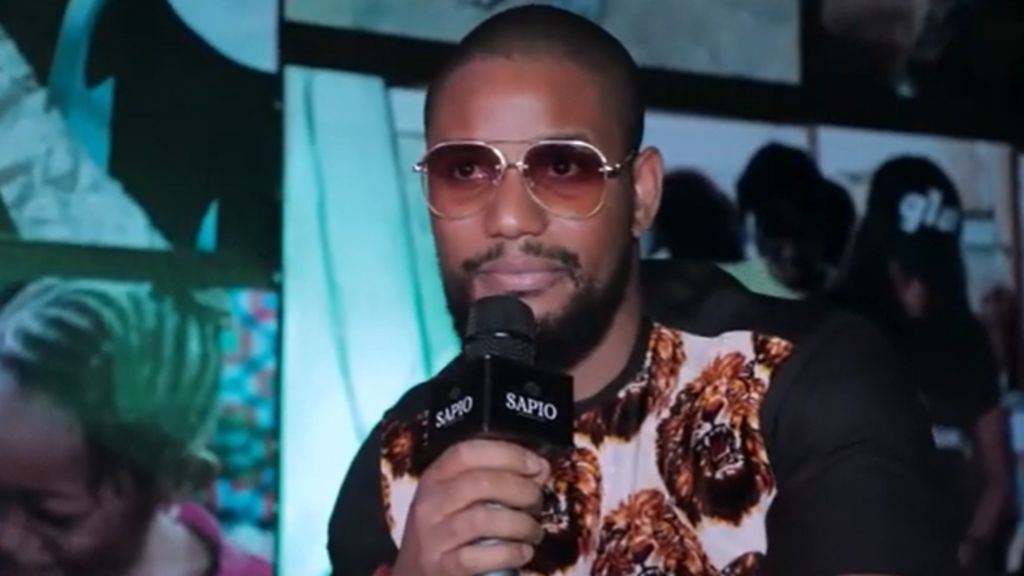
    Throughout his decades-long career, Ekubo earned a raft of prestigious honors for his contributions to film, culture and public service. In 2018, Nigeria’s First Lady presented him with a Special Recognition Award for his work advancing the country’s entertainment sector. Two years later, he was inducted into the United Nations’ Most Influential People of African Descent (MIPAD) under 40, recognizing his dual impact in entertainment and social development. In 2021, he accepted an honorary doctorate in arts and culture from Benin’s Institut Supérieur de Communication et de Gestion, and also took home the Nigerian National Award of Excellence as Global Social Giving Actor of the Year for his extensive charity work. That same year, Nigeria’s Sapio Club, a think tank focused on solving national social challenges, awarded him a Certificate of Excellence for his humanitarian commitments.

    Ekubo had stepped back from public life and social media in recent months, with his last public post dating back to December 2024 — a gap that already had fans concerned about his well-being. As of Tuesday, neither Ekubo’s family nor his official management team had released a formal statement confirming his death, but tributes have already flooded in from colleagues, fans and friends across Nollywood.

    Fellow Nollywood star Funke Akindele, who co-starred with Ekubo in the hit 2020 comedy *Omo Ghetto – The Saga*, shared a heartfelt tribute on social media. “I tried to reach out. To see you one more time but guess you knew best,” Akindele wrote. “You kept telling me you are fine. May your kind soul rest in peace Alex. Ore mi like you fondly called me, I will always remember and cherish the good times we shared together.”

    News of Ekubo’s death has sent shockwaves through the African entertainment community, with countless fans and industry figures sharing memories of his work, charisma and commitment to improving lives across the region.