分类: entertainment

  • America’s Next Top Model shaped reality TV, but should it ever have been made?

    America’s Next Top Model shaped reality TV, but should it ever have been made?

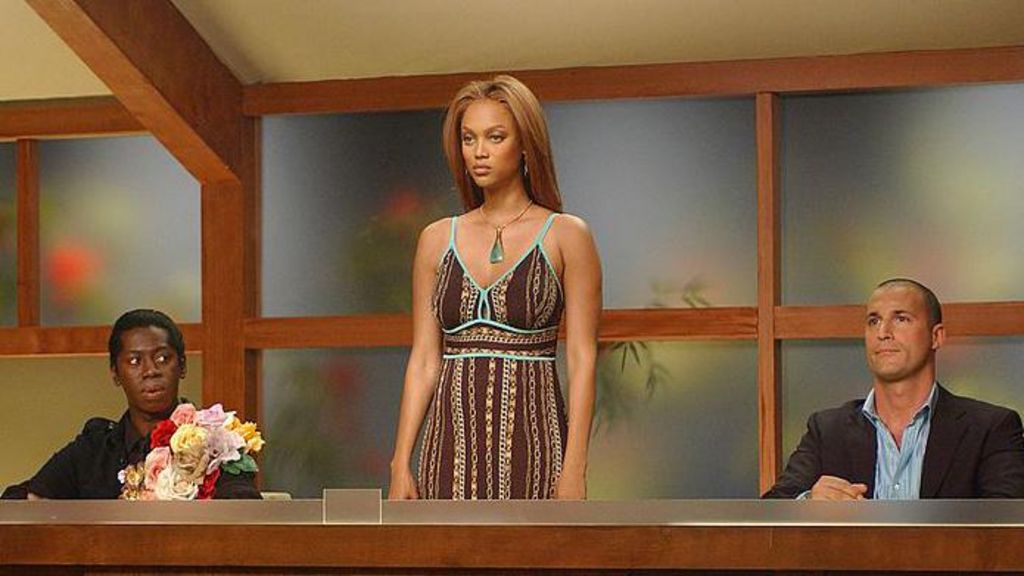
    A forthcoming Netflix documentary, ‘Reality Check: Inside America’s Next Top Model,’ is generating significant attention for its critical re-examination of the controversial reality television phenomenon. The three-part series features creator Tyra Banks and judging panel members Jay Manuel, J Alexander, and Nigel Barker addressing the show’s most contentious moments, including body-shaming incidents, racially insensitive ‘ethnicity-switching’ challenges, and psychologically manipulative tactics.

    The documentary explores how the series, which aired from 2003 to 2018 across 24 seasons and 170 countries, pushed boundaries that now draw scrutiny from modern audiences. Particularly notable is the re-evaluation of Banks’ infamous 2006 outburst toward contestant Tiffany Richardson (‘I was rooting for you!’), which has become emblematic of the show’s dramatic approach.

    Former contestants provide compelling testimony about their experiences. Cycle 18 winner Sophie Sumner describes how producers deliberately manipulated contestants’ psychological vulnerabilities, including persuading her to perform a photoshoot atop Macau Tower despite her acknowledged fear of heights. She characterizes the British version as a ‘fluffy little competition’ compared to its American counterpart.

    More troubling accounts come from Cycle 1 participant Ebony Haith, who reveals she is ‘still healing’ from judges’ comments about her skin appearing ‘ashy’ and her personality being ‘too harsh’ 23 years later. She notes that criticism of her racial characteristics overshadowed her potential as a model.

    The documentary examines the complex legacy of a show that pioneered diversity in modeling while simultaneously employing questionable ethical practices. Directors Daniel Sivan and Mor Loushy conducted extensive four-hour interviews with Banks, who maintained editorial independence throughout the process. Banks explains she created ANTM to address adversity she faced as a black woman in modeling, though contestants question whether ratings ultimately superseded ethical considerations.

    The series premieres on Netflix February 16th, inviting viewers to reconsider reality television’s evolution through a contemporary ethical lens.

  • Why is ‘Dhurandhar’ Ranbir Kapoor’s ‘current favourite’?

    Why is ‘Dhurandhar’ Ranbir Kapoor’s ‘current favourite’?

    Bollywood superstar Ranbir Kapoor has publicly expressed his profound admiration for fellow actor Ranveer Singh’s record-breaking film ‘Dhurandhar,’ declaring its soundtrack among his current favorite musical selections. The ‘Animal’ star made these revealing comments during an interactive fan session hosted through his lifestyle brand ARKS’s official Instagram platform.

    Kapoor specifically highlighted the film’s musical compositions, stating, ‘My current favorite song…I remain thoroughly captivated by all the extraordinary tracks from Dhurandhar. That music absolutely dominates my playlist.’ He further commended the collective effort behind the production, adding, ‘The entire cast and creative team delivered an exceptional cinematic experience…truly memorable moments at the theaters.’

    This endorsement comes as Kapoor prepares for his own highly anticipated projects, including his portrayal of Lord Ram in Nitesh Tiwari’s two-part ‘Ramayana’ epic, Sanjay Leela Bhansali’s ‘Love and War,’ and the sequel to ‘Brahmastra.’

    ‘Dhurandhar’ has achieved remarkable commercial and critical success, surpassing previous box office records to claim the title of highest-grossing Hindi film in history, overtaking ‘Pushpa 2: The Rule.’ The feature boasts an ensemble cast including Akshaye Khanna, Sanjay Dutt, Sara Arjun, Arjun Rampal, and R Madhavan in significant roles.

    The film’s cultural impact has been substantial enough to warrant an already-announced sequel, ‘Dhurandhar: The Revenge,’ scheduled for theatrical release in March of this year, indicating the franchise’s continuing momentum within Indian cinema.

  • For Indian actor and fitness icon Milind Soman, it’s life as usual at 60

    For Indian actor and fitness icon Milind Soman, it’s life as usual at 60

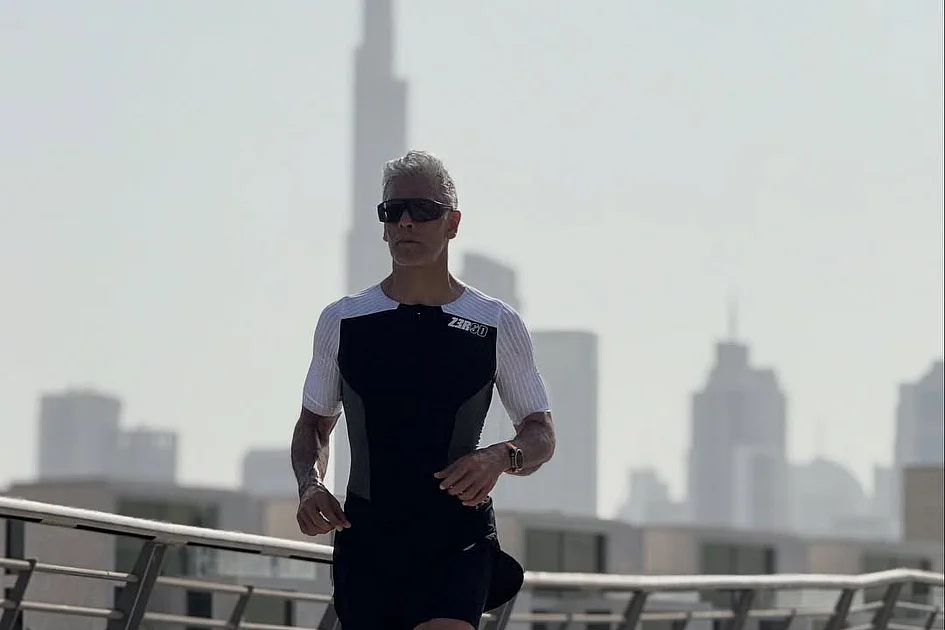
    At 60 years old, Indian actor and fitness phenomenon Milind Soman continues to embody vitality and wellness, demonstrating that age is merely a number when paired with dedication. The former model, renowned for his iconic appearances in campaigns like ‘Made in India,’ has seamlessly transitioned into his current role as a wellness authority, maintaining a physique that rivals those decades younger.

    Soman’s philosophy centers on fitness as a pathway to longevity rather than mere aesthetics. His daily regimen remains remarkably consistent, featuring 25 leg raises, sumo squats lasting one to two minutes, and the challenging boat pose. This disciplined approach extends to his nutrition, where he prioritizes whole, seasonal foods and light meals that fuel his active lifestyle.

    Beyond personal fitness, Soman’s impact resonates through his creation of Pinkathon, India’s largest women’s running event established to promote health awareness and breast cancer education. His athletic accomplishments are equally impressive, including a Limca Book of Records achievement for running 1,500 kilometers in 30 days during a greenathon event. The pinnacle of his athletic career came in 2015 when he completed the grueling Ironman Triathlon in 15 hours and 19 minutes.

    When asked about his favorite pursuit among modeling, acting, and fitness, Soman unequivocally chooses fitness. His advice for those seeking to improve their physical condition in their 50s and 60s emphasizes gradual progression and the transformative power of consistent effort. ‘Everything you do becomes a learning experience,’ he notes, reflecting his belief that fitness represents an ongoing journey rather than a destination.

  • ‘Drishyam 3’ release date locked in April, confirms Mohanlal

    ‘Drishyam 3’ release date locked in April, confirms Mohanlal

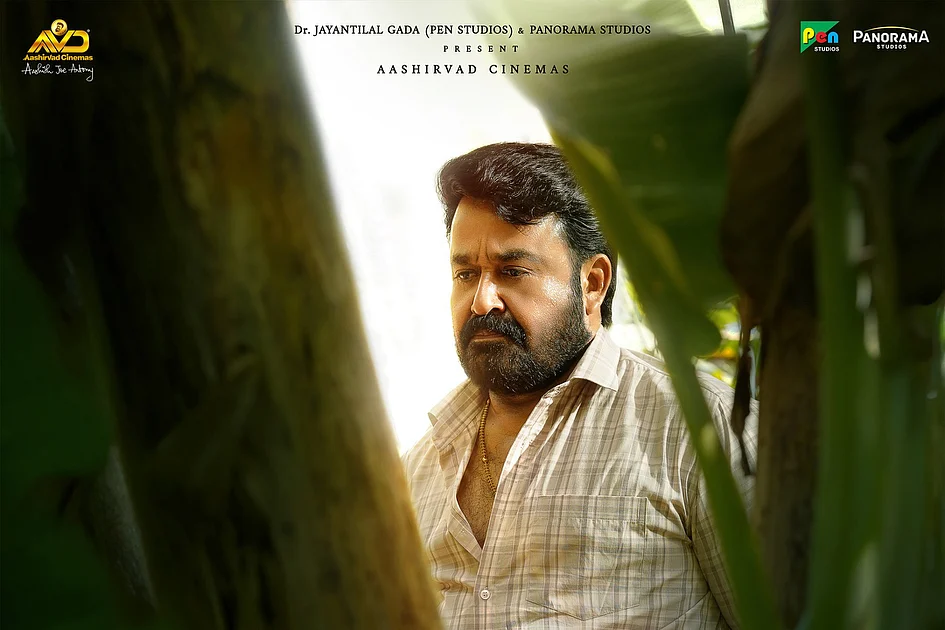
    The cinematic universe of Georgekutty prepares for its conclusive chapter as megastar Mohanlal officially announced the worldwide release date for “Drishyam 3” on April 2, 2026. The confirmation came through the actor’s social media channels, generating immediate excitement among the franchise’s global fanbase.

    Director Jeethu Joseph, the creative architect behind the entire thriller trilogy, has indicated this installment will serve as the definitive conclusion to the narrative that began with the groundbreaking 2013 original. The production team completed principal photography in December 2025, sharing behind-the-scenes moments from the emotional final shoot.

    The journey toward this third installment gained momentum following the remarkable success of “Drishyam 2” in 2021. Joseph revealed that Mohanlal himself initiated discussions about continuing the story shortly after the second film’s triumph. Despite initial creative uncertainties, the director eventually developed a narrative framework that satisfied both his artistic vision and audience expectations.

    Originally emerging as the highest-grossing Malayalam film of its time, the Drishyam phenomenon transcended regional boundaries through successful remakes in Tamil, Telugu, Hindi, and Kannada languages. This cross-cultural adoption established the franchise as one of India’s most influential cinematic exports.

    Industry analysts anticipate substantial box office performance given the franchise’s established track record and the strategic April release window, coinciding with the beginning of the Indian summer entertainment season. The film features returning cast members Meena and Asha Sharath, maintaining continuity with the previous installations while promising to deliver a memorable conclusion to this critically acclaimed series.

  • ‘O Romeo’ review: Shahid Kapoor is fabulous in a weak Vishal Bhardwaj film

    ‘O Romeo’ review: Shahid Kapoor is fabulous in a weak Vishal Bhardwaj film

    Vishal Bhardwaj’s latest cinematic offering ‘O Romeo’ emerges as a perplexing case study in squandered potential, combining brilliant individual performances with a fundamentally flawed narrative execution. Drawing inspiration from Mumbai’s notorious underworld era of the 1990s-2000s, the film allegedly takes creative inspiration from the legendary story of Sapna Didi—a real-life housewife turned vigilante who challenged Dawood Ibrahim’s criminal empire to avenge her husband’s murder.

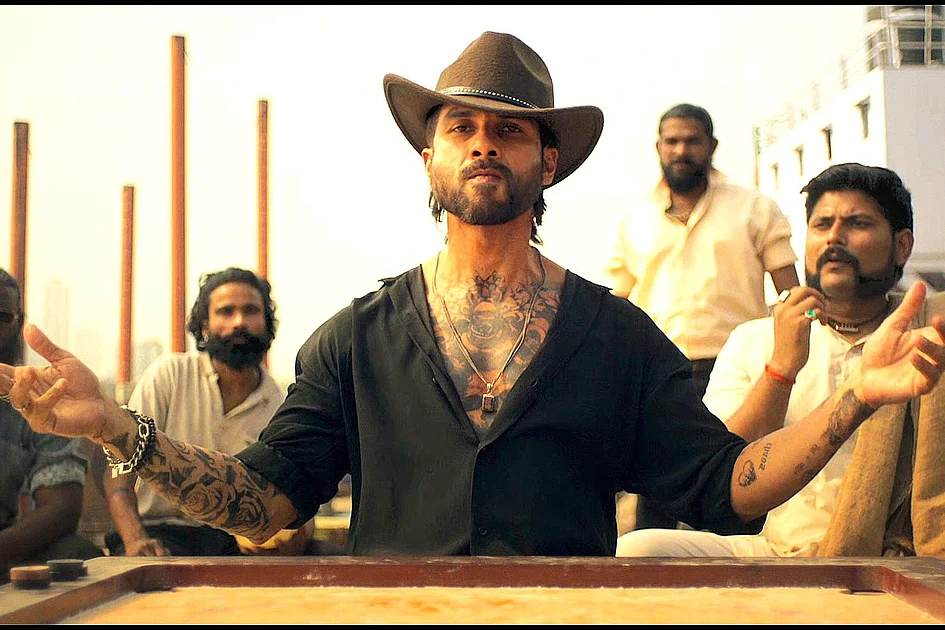
    The film assembles an impressive creative ensemble, reuniting Bhardwaj with Shahid Kapoor following their acclaimed collaborations in ‘Haider’ and ‘Kaminey’. Kapoor embodies Hussain Ustara, a blade-wielding contract killer operating in Mumbai’s gritty underworld. His character development shows fascinating complexity, particularly through his relationships with intelligence officer Khan (Nana Patekar) and his foul-mouthed grandmother (Farida Jalal). The plot gains momentum when Ustara encounters Afshan Qureshi (Tripti Dimri), a widow seeking retribution for her husband’s murder at the hands of mafia kingpin Jalal (Avinash Tiwary).

    Bhardwaj demonstrates directorial brilliance in isolated sequences, employing symbolic imagery like rifle-shaped liquor bottles and staging action sequences in unconventional locations including an empty theater playing ‘Dhak Dhak’. The first half maintains engaging tension through well-crafted montages exploring the developing relationship between Ustara and Afshan against Mumbai’s atmospheric backdrop.

    However, the film undergoes a dramatic deterioration in its second act with an ill-conceived relocation to Spain. This geographical shift introduces bizarre bullfighting sequences and transforms the previously menacing Jalal into a caricatured villain resembling 1980s Bollywood antagonists. The narrative becomes increasingly implausible, culminating in a climactic bullring confrontation that defies logical coherence while failing to generate emotional investment.

    The fundamental weakness lies in the screenplay’s abandonment of its compelling source material. Rather than exploring the feminist undertones of a woman challenging patriarchal criminal structures, the film opts for excessive violence and profanity that overshadow character development. Despite Kapoor’s committed performance—blending elements of his previous roles from ‘Udta Punjab’ and ‘Kabir Singh’—the writing fails to provide adequate depth to either his character or Dimri’s potentially fascinating avenger.

    Supporting performances from veteran actors provide occasional highlights, particularly Patekar’s nuanced portrayal of the morally ambiguous Khan. Yet these cannot compensate for the film’s structural deficiencies, including underdeveloped themes about political-criminal nexus and emotional conflicts surrounding loyalty and redemption.

    ‘O Romeo’ ultimately represents a disappointing departure from Bhardwaj’s established reputation for crafting sophisticated crime narratives with literary depth. The production values—including exceptional cinematography and melodic soundtrack—highlight the tragedy of wasted potential, making this underdeveloped effort particularly frustrating for audiences anticipating another masterpiece from the acclaimed director.

  • Why this blogger’s ‘Best of Hainan 2025’ list is going viral

    Why this blogger’s ‘Best of Hainan 2025’ list is going viral

    A digital content creator’s visionary guide to Hainan’s future has sparked widespread enthusiasm across social media platforms. The ‘Best of Hainan 2025’ compilation presents the tropical island province as an emerging paradigm of luxury living and economic opportunity, transforming conventional travel narratives into a compelling lifestyle proposition.

    The viral content reimagines Hainan’s development through creative metaphors, characterizing sun protection as ‘Speed Pass Freedom’ and duty-free shopping as a financial ‘anti-aging serum.’ This innovative framing resonates with audiences seeking both experiential travel and practical benefits within China’s southernmost province.

    Beyond superficial attractions, the guide highlights substantive policy advantages under Hainan’s Free Trade Port initiative, positioning the island as a seamless blend of natural beauty and economic innovation. The creator juxtaposes stunning coastal vistas and aromatic rainforest experiences with the region’s evolving commercial landscape, suggesting that Hainan represents not merely a vacation destination but a viable lifestyle alternative.

    The content’s popularity reflects growing international interest in Hainan’s transformation from tropical retreat to integrated economic zone, offering viewers both aspirational imagery and tangible reasons to engage with China’s ambitious southern development project.

  • Indian writer Arundhati Roy pulls out of Berlin Film Festival over Gaza row

    Indian writer Arundhati Roy pulls out of Berlin Film Festival over Gaza row

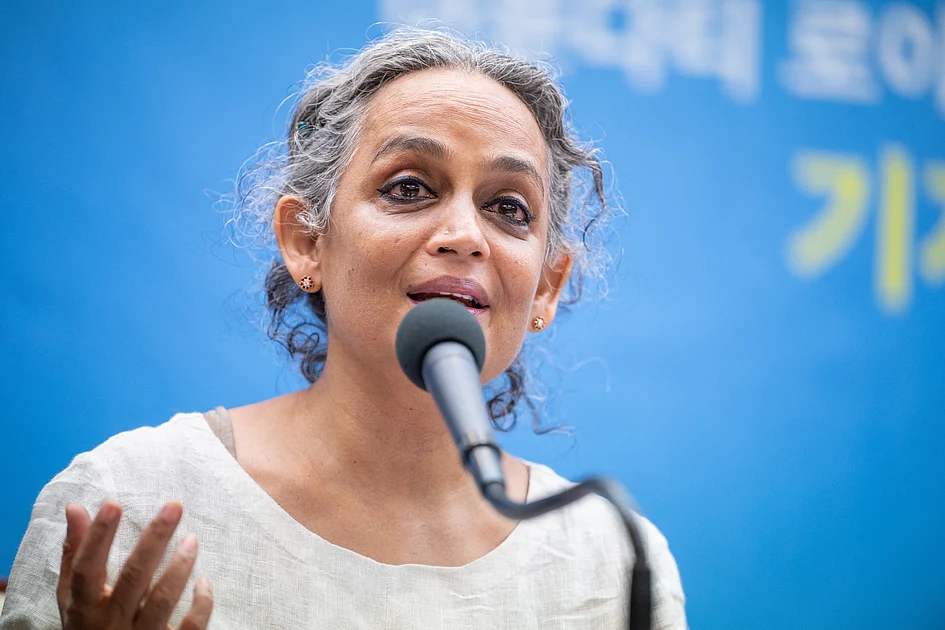
    Celebrated Indian author and Booker Prize laureate Arundhati Roy has dramatically withdrawn from the 2026 Berlin International Film Festival following controversial remarks by the festival’s jury leadership regarding political expression in cinema. The acclaimed writer of “The God of Small Things” announced her decision on Friday, expressing profound dismay at statements made by jury president Wim Wenders and fellow jurors.

    The controversy erupted when German filmmaker Wenders, heading the seven-member international jury, asserted during a press conference that filmmakers must “stay out of politics” and serve as a “counterweight to politics” rather than creating “dedicatedly political” works. Polish producer Ewa Puszczynska, another jury member, similarly characterized questions about the Gaza conflict as “not fair” to the judging panel.

    Roy condemned these positions as “unconscionable” in a sharply worded statement published by The Wire. “To hear them say that art should not be political is jaw-dropping,” she declared, arguing that such rhetoric effectively silences crucial dialogue about ongoing humanitarian crises. She emphasized that artists bear particular responsibility to confront atrocities unfolding in real time.

    Festival organizers acknowledged Roy’s withdrawal with regret, noting her presence would have “enriched the festival discourse.” Roy was scheduled to present her 1989 screenplay “In Which Annie Gives It Those Ones” in the Berlinale Classics section.

    This incident highlights the deep cultural divisions emerging from the Gaza conflict, which has claimed over 70,000 Palestinian lives according to local health officials, following Hamas’ October 7 attack that killed 1,200 Israelis. The Berlinale, historically considered more politically engaged than counterparts in Venice and Cannes, has faced mounting criticism from pro-Palestinian advocates for its perceived reluctance to address Gaza with the same urgency demonstrated toward Ukraine or Iran.

    The controversy occurs within a broader context of international legal actions, with both Israeli Prime Minister Benjamin Netanyahu and Hamas leader Ibrahim Al-Masri facing ICC arrest warrants for alleged crimes against humanity.

  • Free live music, hula hoop shows: Bluewaters turns Dubai into open-air stage on weekends

    Free live music, hula hoop shows: Bluewaters turns Dubai into open-air stage on weekends

    Dubai’s Bluewaters Island has undergone a remarkable transformation into a vibrant cultural hub every weekend, offering residents and tourists an immersive open-air entertainment experience completely free of charge. From February through March 1, the waterfront destination comes alive with simultaneous performances across multiple locations, creating an unprecedented artistic atmosphere.

    The Dubai Busking Experience program features 25 international artists who showcase diverse talents including musical performances, dance routines, circus acts, and magic shows from 6:30 PM to 10:30 PM every Friday, Saturday, and Sunday. This innovative initiative represents a significant development in Dubai’s cultural landscape, providing artists with unprecedented access to audiences while offering visitors spontaneous entertainment encounters.

    Among the standout performers is Salina Bakaou, a professional performance artist whose mesmerizing hula hoop act combines technical mastery with emotional storytelling. “I bring soul and character to my performances,” Bakaou explained. “What distinguishes my show isn’t just skill but the genuine connection I establish with audiences. No two performances are ever identical.”

    Meanwhile, musician and magician Adam Cadabra demonstrates remarkable adaptability through his unique lap tapping guitar technique, developed after a hand injury altered his conventional playing style. “This approach originated from early blues slide guitar traditions,” Cadabra noted. “Dubai’s emerging busking culture represents an exciting evolution in the region’s artistic scene.”

    The event organization facilitates direct artist-audience interaction without physical barriers or formal staging, creating an intimate atmosphere where spectators can transition seamlessly between performances. A secure cashless payment system enables visitors to support performers financially while maintaining the event’s accessible nature.

    This cultural initiative marks Dubai’s continuing expansion of family-friendly entertainment options beyond traditional dining and sightseeing experiences, positioning Bluewaters as a pioneering destination where artistic expression and public engagement converge organically.

  • Sketching new life for new year

    Sketching new life for new year

    As the 2026 Year of the Horse approaches, acclaimed China Daily illustrator Li Min has launched an innovative artistic series titled ‘A New Journey for Ten Thousand Steeds.’ This collection represents a sophisticated fusion of China’s rich equestrian heritage with contemporary artistic vision, creating a bridge between historical symbolism and modern aesthetics.

    The series draws inspiration from China’s most celebrated historical horses, transforming these cultural icons into vibrant visual narratives. Rather than simply recreating traditional motifs, Li Min has developed a unique artistic language that maintains the auspicious symbolism associated with equine imagery while speaking to contemporary sensibilities.

    Through her innovative approach, the illustrator demonstrates how traditional Chinese aesthetics can be seamlessly integrated into modern life. The collection showcases her technical mastery while offering fresh perspectives on cultural preservation through artistic innovation. Each piece in the series tells a story of movement, progress, and cultural continuity, reflecting both the dynamism of the horse as a symbol and the evolving nature of Chinese cultural expression.

    The timing of this release, coinciding with the upcoming lunar new year celebration, positions the series as both a cultural tribute and a forward-looking artistic statement. Li Min’s work represents how traditional zodiac symbolism can be reimagined for contemporary audiences while maintaining deep roots in China’s artistic heritage.

  • Why writer Arundhati Roy’s cult classic film is still relevant in India

    Why writer Arundhati Roy’s cult classic film is still relevant in India

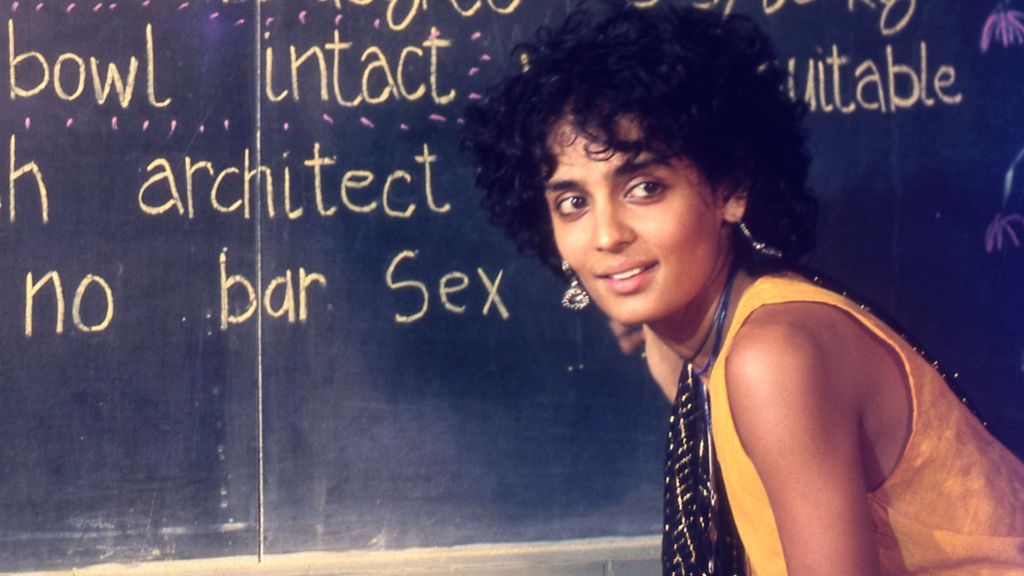
    A landmark piece of Indian cinema history is poised for a remarkable renaissance as the restored version of Arundhati Roy’s 1989 television film “In Which Annie Gives It Those Ones” prepares for its world premiere at the 2026 Berlin International Film Festival’s Berlinale Classics section. Nearly four decades after its initial broadcast on India’s state broadcaster Doordarshan, this cult classic capturing the anarchic spirit of Delhi’s architecture students will finally receive global recognition.

    The Film Heritage Foundation, spearheading the restoration initiative, has announced concurrent theatrical releases across India in March 2026, with strategically discounted ticket pricing aimed at attracting younger audiences. Shivendra Singh Dungarpur, filmmaker and Director at Film Heritage Foundation, emphasized the film’s enduring significance: “We wanted it to be accessible. In its dialogue, portrayal of college life, and character development, it achieved something truly unusual for its time.”

    Set against the backdrop of late-1980s Delhi, the film presents an unvarnished portrait of final-year architecture students navigating institutional absurdities and personal aspirations. Centered around the endearing fifth-year student Anand “Annie” Grover—a character suspended between idealism and chronic distraction—the narrative unfolds through witty dialogue and situational comedy derived from Roy’s own campus experiences at the School of Planning and Architecture.

    The production boasts historical significance as both Roy’s screenwriting debut and the first screen appearance of Bollywood megastar Shah Rukh Khan. Roy herself appears as Radha, a sharp-witted student embodying the film’s carefree defiance against authority. The ensemble cast delivers authentic performances that capture the specific dialect of English-Hindi hybrid language spoken among Delhi’s student population at the time.

    What makes Annie particularly remarkable is its prescient examination of systemic issues that remain relevant decades later. The film’s debates about hierarchy, bureaucracy, and institutional power mirror India’s transition toward economic liberalization, capturing a generation’s simultaneous optimism and apprehension about their future. Dungarpur notes: “The issues the film speaks about are still prevalent. That’s why it resonates. It hasn’t dated in the way you might expect.”

    The restoration process itself involved forensic-level reconstruction after the original materials were nearly discarded during a house move by director Pradip Krishen. The team faced significant technical challenges, from color correction (particularly in scenes featuring Roy’s red sari) to audio restoration, requiring meticulous attention to historical accuracy.

    As contemporary audiences prepare to experience this cinematic time capsule, they’ll discover not just a period piece with flared trousers and drafting tables, but a surprisingly relevant commentary on educational systems and youthful resistance that continues to echo across generations.