分类: business

  • Visa partners with Aldar to complete first end to end voice-enabled agentic payment in the region

    Visa partners with Aldar to complete first end to end voice-enabled agentic payment in the region

    In a groundbreaking development for digital payments, Visa has partnered with Abu Dhabi’s leading real estate developer Aldar to launch the region’s first fully voice-enabled AI agentic payment system. This landmark implementation of Visa Intelligent Commerce technology enables customers to complete real estate service charge payments through conversational AI interfaces on both the Live Aldar mobile application and corporate website.

    The innovative system, which went live with its first successful transaction using an Emirates NBD Darna Visa Credit Card, represents a significant advancement in autonomous payment technology. Customers can now authorize AI agents to handle routine financial transactions through a secure, consent-based process that confirms details and executes payments within seconds while maintaining full transparency and user control.

    This initial deployment focuses specifically on property service charges, with plans to expand functionality across additional payment categories throughout 2026. The integration leverages Visa’s Token Management Service to ensure maximum security through credential tokenization, protecting sensitive financial information while enabling AI-initiated transactions.

    Harry Nakichbandi, Aldar’s Chief Digital Officer, emphasized the customer-centric nature of the innovation: ‘By combining our AI agent with Visa’s intelligent commerce platform, we’ve transformed routine payments into secure, instantaneous experiences that build trust while removing friction from financial interactions.’

    The collaboration represents a strategic move toward autonomous commerce in the Middle East, with Visa’s Senior Vice President Godfrey Sullivan noting the implementation demonstrates how trusted, secure agent-initiated transactions can handle routine financial tasks on behalf of cardholders. Emirates NBD’s involvement further strengthens the ecosystem, extending the bank’s tokenized digital payment capabilities into this new era of agentic commerce.

    This pioneering initiative positions the UAE at the forefront of AI-powered financial services innovation, potentially setting new standards for convenience and security in digital transactions across the real estate sector and beyond.


  • Celebrated matchmaker Priya Shah announces exclusive consultations in Dubai

    Celebrated matchmaker Priya Shah announces exclusive consultations in Dubai

    Dubai’s elite matrimonial market is set to receive exclusive access to one of the world’s most distinguished matchmaking experts as Priya Shah announces her return to the emirate for limited consultations from December 26, 2025, to January 4, 2026. The pioneering matchmaker, with over three decades of industry experience, will offer her premium services to high-net-worth families, business leaders, and professionals seeking discreet, personalized matchmaking solutions.

    With a career spanning 34 years since 1991, Shah has established herself as a trusted authority in premium matchmaking, serving prominent NRI and HNI families, industrialists, CEOs, and global professionals across India, the Middle East, Europe, and North America. Her methodology combines deep cultural understanding with emotional intelligence, resulting in an exceptional track record of facilitating meaningful, lasting marriages.

    Dubai holds particular significance in Shah’s professional journey, with two decades of dedicated service to families across the UAE and wider Gulf region. Her commitment to privacy, precision, and personalized attention earned her dual recognition from the Dubai Government in 2025 for excellence in luxury matrimonial services and cross-border community relationship building.

    Beyond matchmaking, Shah founded India’s inaugural premium wedding publication, The Marriages of India, launched in 2004 with parliamentarian Hema Malini as chief guest. She is widely recognized for pioneering the ‘arranged love marriage’ concept, which harmoniously blends traditional values with modern compatibility assessment and emotional alignment.

    ‘Dubai feels like my second home,’ Shah remarked regarding her upcoming visit. ‘Families here have trusted me for years with their most important decisions. I provide absolute confidentiality, personal involvement in every match, and guidance not only for individuals but for entire families.’

    Her innovative approach merges human intuition with AI-powered compatibility tools, creating a contemporary framework that maintains cultural integrity. Due to the bespoke nature of her services, consultations during this period will be strictly limited and available exclusively through advance appointments.

  • UAE student builds discount platform; users save up to 20% monthly

    UAE student builds discount platform; users save up to 20% monthly

    In an inspiring response to rising inflation, 19-year-old Emirati entrepreneur Naji Faqihi Al Awadhi has launched SmartPocket, a dedicated student discount platform that helps users save approximately 20% on monthly expenses. The concept emerged from Al Awadhi’s personal experience during his final year at the American School of Dubai, where he noticed his fixed allowance increasingly failed to cover basic necessities as prices continued to climb.

    SmartPocket, which went live in October 2025, now partners with over 20 brands across food, fashion, electronics, and subscription services. Students verify their status through university email addresses or official identification documents to access exclusive deals. The platform operates on a unique business model that charges no commissions or upfront costs to brands, instead offering free distribution to secure partnerships with companies typically hesitant about new platforms.

    The development journey spanned two years and required significant operational sophistication compared to Al Awadhi’s previous venture in sneaker reselling. After initially developing the concept with a co-founder through family and friends funding, Al Awadhi bought out his partner’s stake before launch. The most substantial challenge came from refining the redemption system after meetings with Dubai businesses revealed different needs than initially anticipated.

    Currently pursuing Entrepreneurship and Innovation studies at George Washington University, Al Awadhi manages the platform remotely while focusing on market feedback rather than immediate expansion. While GCC growth remains possible, the young entrepreneur emphasizes the importance of starting small and building gradually, crediting the UAE’s supportive business environment for enabling young innovators.

    The platform enters a competitive market alongside international student discount services but has already generated valuable user feedback regarding verification processes and interface design. While long-term revenue generation strategies remain undisclosed, SmartPocket represents a innovative approach to addressing youth financial challenges in an inflationary economy.

  • How Tech’s biggest companies are offloading the risks of the AI boom

    How Tech’s biggest companies are offloading the risks of the AI boom

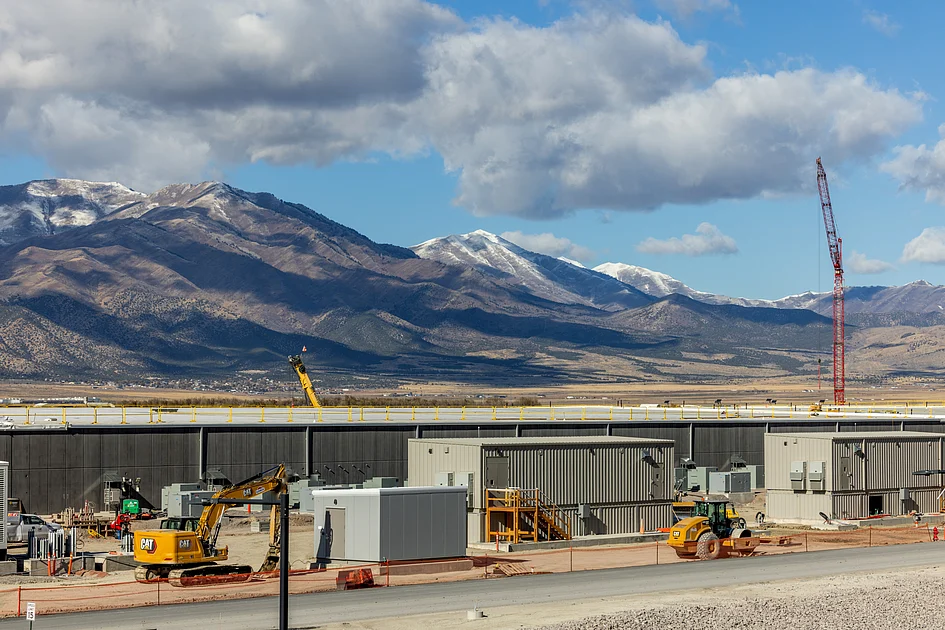
    In an unprecedented financial maneuver, technology behemoths including Meta, Microsoft, and Google are implementing sophisticated strategies to transfer substantial portions of AI infrastructure risk to smaller entities and private lenders. This emerging trend represents a fundamental shift in how major corporations approach the enormous capital requirements of artificial intelligence development.

    Throughout 2025, these companies have orchestrated complex financial arrangements totaling tens of billions of dollars. Microsoft secured approximately $17 billion in computing power through Nebius, a neocloud provider with roots in Russian internet giant Yandex, followed by additional multi-billion dollar agreements with Nscale, Iren, and Lambda. Meta established a groundbreaking $30 billion data center project in Louisiana through Beignet Investor LLC, a special purpose vehicle financed primarily by Blue Owl Capital.

    The financial architecture of these deals enables tech giants to classify expenditures as operational costs rather than long-term debt, thereby avoiding balance sheet liabilities that might concern investors. This approach provides maximum flexibility to scale operations according to actual AI demand while minimizing financial exposure should the AI boom underperform expectations.

    According to financial experts including Columbia Business School professor Shivaram Rajgopal, these arrangements echo previous investment bubbles that utilized off-balance-sheet financing and special purpose vehicles. ‘Risk is like a tube of toothpaste,’ Rajgopal noted. ‘You press it here, it’s going to come out somewhere else. It’s always in the system.’

    The risk redistribution extends throughout the AI ecosystem. CoreWeave, a leading neocloud provider, has committed billions in high-interest debt financing to support computing capacity demands, with OpenAI contracting for up to $22.4 billion in computing power. This creates significant dependency relationships where smaller companies effectively bet their futures on the sustained success of AI development.

    Microsoft executives including CEO Satya Nadella have emphasized the strategic importance of maintaining flexibility in infrastructure planning. The company has implemented temporary pauses in construction projects while simultaneously expanding its network of shorter-term computing agreements through various neocloud providers.

    Industry analysts observe that only the largest technology firms possess the financial leverage and market position to execute such sophisticated risk-transfer strategies effectively. As AI infrastructure demands approach trillions of dollars in investment, these financial innovations represent both prudent risk management and potential systemic vulnerabilities within the rapidly expanding AI ecosystem.

  • How US manufacturing was gutted with a smile

    How US manufacturing was gutted with a smile

    For over three decades, the Smile Curve theory has dominated corporate strategy with devastating consequences for American industry. First proposed by Acer founder Stanley Shih in 1992, this influential model suggested that maximum value creation occurs in R&D/branding and marketing/services, while manufacturing represented the low-value bottom of the curve.

    The theory emerged from Shih’s observation that manufacturing operations generated compressed margins due to intense competition and high capital expenditure requirements. As globalization accelerated following China’s 2001 WTO accession, Western corporations enthusiastically embraced this framework, rushing to divest manufacturing operations and become ‘asset light.’

    Apple exemplifies this approach, outsourcing all manufacturing to contractors like Foxconn while concentrating high-compensation design, software engineering, and marketing functions at its Cupertino headquarters. Mid-level software engineers command over $200,000 annually, while Foxconn assembly workers in Zhengzhou earn approximately $3.89 per hour with annual compensation between $10,000-14,000.

    The fundamental flaw in the Smile Curve theory lies in its misrepresentation of manufacturing complexity. As Elon Musk has noted, manufacturing proves 100 to 1,000 times more challenging than design. The model’s distortion stems from Dutch disease economics and Baumol’s law, which have artificially inflated the perceived value of service-sector jobs while undervaluing industrial capabilities.

    America’s asset-for-goods trade with China created a distorted economic environment where software engineers and marketing managers received compensation benchmarked to asset sales rather than actual productivity. This led to the wholesale offshoring of precisely the most complex, skill-intensive components of the value chain.

    The proof of this miscalculation emerges through downward compatibility analysis. Chinese companies like Xiaomi, Huawei, and numerous electric vehicle manufacturers have successfully mastered R&D, design, and branding while maintaining manufacturing superiority. Western attempts to repatriate manufacturing capabilities reveal the immense difficulty of rebuilding industrial capacity once lost.

    Current calls for U.S. re-industrialization acknowledge the national security risks and economic vulnerabilities created by over-dependence on Chinese manufacturing. However, reversing three decades of industrial decline requires confronting uncomfortable truths about compensation structures and value perception that the Smile Curve theory helped establish.

  • UAE: How to build wealth with real estate in ‘slow, steady but strategic’ way

    UAE: How to build wealth with real estate in ‘slow, steady but strategic’ way

    The United Arab Emirates’ residential property sector presents a compelling wealth-building opportunity for investors adopting a measured, strategic approach rather than seeking rapid returns. According to market analysis, the sector’s valuation is projected to surge from $143.22 billion in 2025 to $217.09 billion by 2030, representing a robust compound annual growth rate (CAGR) of 8.66%. This growth trajectory underscores the market’s potential for sustained appreciation.

    Industry experts emphasize that successful real estate investment begins with modest acquisitions rather than premium properties. Porush Jhunjhunwala, CEO of Banke International Properties, notes that serious portfolios typically originate with studio or one-bedroom units in well-selected communities rather than luxury penthouses. The key lies in identifying locations with consistent rental demand, where even a single property can evolve into a significant wealth driver through patient holding.

    Dubai’s rental market demonstrates particularly strong fundamentals, with average gross yields remaining healthy and exceeding 7% in certain mid-market communities. Areas including International City, JVC, and Dubai Silicon Oasis offer some of the highest rental yields, reflecting sustained demand that forms the foundation of long-term wealth accumulation.

    The UAE’s property growth is fueled by multiple factors: a rising population, substantial infrastructure commitments, and continued investor engagement. Market data reveals considerable buyer interest, with 69% of respondents in a Property Finder survey expressing intentions to purchase property within the next six months.

    Financial experts caution against treating mortgages as primary strategies rather than tools. Vijay Valecha, Chief Investment Officer at Century Financial, advises stress-testing cash flows and maintaining payment capabilities under shifting market conditions. He emphasizes that reducing debt during high-interest periods provides guaranteed returns through interest savings, while reinvesting rental income accelerates wealth compounding.

    The most successful investors demonstrate that meaningful wealth accumulation doesn’t require frequent transactions. Many have built substantial net worth through one or two carefully selected assets held over extended periods, allowing market appreciation and rental income to compound effectively. This approach prioritizes stability and gradual growth over speculative short-term gains, creating sustainable wealth through market fundamentals rather than timing strategies.

  • China’s Hainan Free Trade Port heralds new era of openness

    China’s Hainan Free Trade Port heralds new era of openness

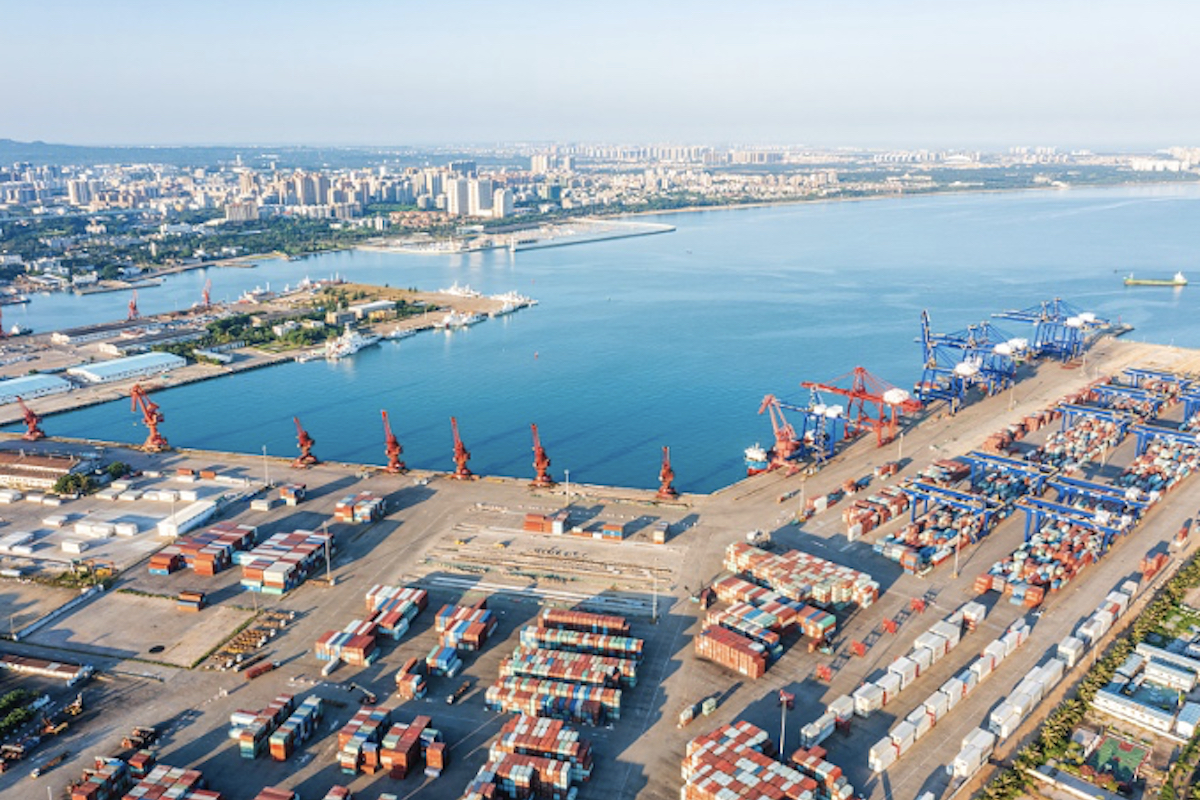
    While global trade faces increasing protectionism, China is charting an opposite course through its ambitious Hainan Free Trade Port initiative. The tropical island has undergone a remarkable transformation since December 18, when China launched special customs operations across its entire 35,000 square kilometers—creating what represents the nation’s most extensive experiment in economic openness to date.

    Unlike China’s 22 existing free trade zones confined to specific urban areas, Hainan operates as a comprehensive free trade port with its own customs, tax, and regulatory systems. This unprecedented scale—over 70 times larger than China’s 156 bonded zones combined—provides international companies with unparalleled access and flexibility within the Chinese market.

    The port’s innovative policies include a massive expansion of zero-tariff goods from 21% to approximately 74% of all tariff lines, covering nearly all production equipment and key raw materials. The groundbreaking ‘30% value-added rule’ allows products processed in Hainan with substantial local value addition to enter mainland China duty-free, encouraging genuine manufacturing and supply-chain development rather than mere goods transfer.

    Corporate incentives are equally compelling. Qualifying companies in encouraged industries benefit from a ‘double 15%’ tax advantage—corporate income tax capped at 15% compared to 25% on the mainland—while eligible professionals enjoy personal income tax capped at 15% versus mainland China’s top rate of 45%.

    Early results demonstrate tangible benefits. Jingrun Pearl, established in 1994, became an early beneficiary, saving approximately $248,000 in taxes on a $1.67 million pearl purchase. These savings translated to consumer price reductions of up to 20% on some products.

    Hainan’s strategic vision extends beyond immediate economic gains. As an island, it provides a controlled environment for testing sensitive reforms in offshore finance, cross-border data flows, and internationalized medical services. The initiative serves as both a stress test for domestic industries and a signal of China’s commitment to opening amid global uncertainty.

    International response has been robust, with foreign investment growing over 40% in the first three quarters of this year, attracting companies from 176 countries and regions. By facilitating the simultaneous movement of goods, capital, people, and data, Hainan is positioning itself as an international economic crossroads rather than a traditional special zone.

  • UAE celebrity real estate boom: How stars turn Dubai’s skyline into global icons

    UAE celebrity real estate boom: How stars turn Dubai’s skyline into global icons

    The United Arab Emirates has pioneered a revolutionary approach to urban development by strategically integrating celebrity influence into its real estate ecosystem. This transformative fusion of entertainment prestige and architectural ambition is fundamentally reshaping how properties are conceived, marketed, and perceived on the global stage.

    Beyond conventional marketing, the UAE has mastered the art of narrative-driven development where buildings transcend their physical form to become embodiments of aspiration. The presence of A-list celebrities—from Bollywood royalty like Shah Rukh Khan and power couple Alia Bhatt-Ranbir Kapoor to football legend Neymar Jr.—imparts a mythological quality to developments that conventional advertising cannot achieve.

    This strategic alignment operates on profound psychological principles. Recognition bypasses analytical hesitation—a familiar face registers faster than architectural specifications. Social proof validates quality when global icons invest personally. Fantasy projection enables buyers to envision themselves within curated lifestyles. Most importantly, narrative stickiness ensures properties become conversation pieces through celebrity associations rather than mere structural details.

    The economic impact is substantial: celebrity-backed projects achieve instant international exposure across diverse markets from Mumbai to São Paulo, experience accelerated sales cycles through emotional resonance, maintain stronger resale value due to symbolic worth, and attract new categories of cross-border investors seeking culturally-validated assets.

    Looking forward, this synergy is evolving toward deeper collaboration. The next decade will likely witness celebrities transitioning from ambassadors to co-designers of bespoke spaces, athlete-driven wellness communities with integrated training facilities, digital property launches in virtual environments, and influence-curated micro-communities targeting specific fan demographics.

    The UAE’s skyline has thus become a dynamic canvas where entertainment mythology merges with urban planning—transforming concrete and glass into cultural landmarks that represent not just where people live, but who they aspire to become.

  • UAE: Air Arabia announces daily flights to, from Prague

    UAE: Air Arabia announces daily flights to, from Prague

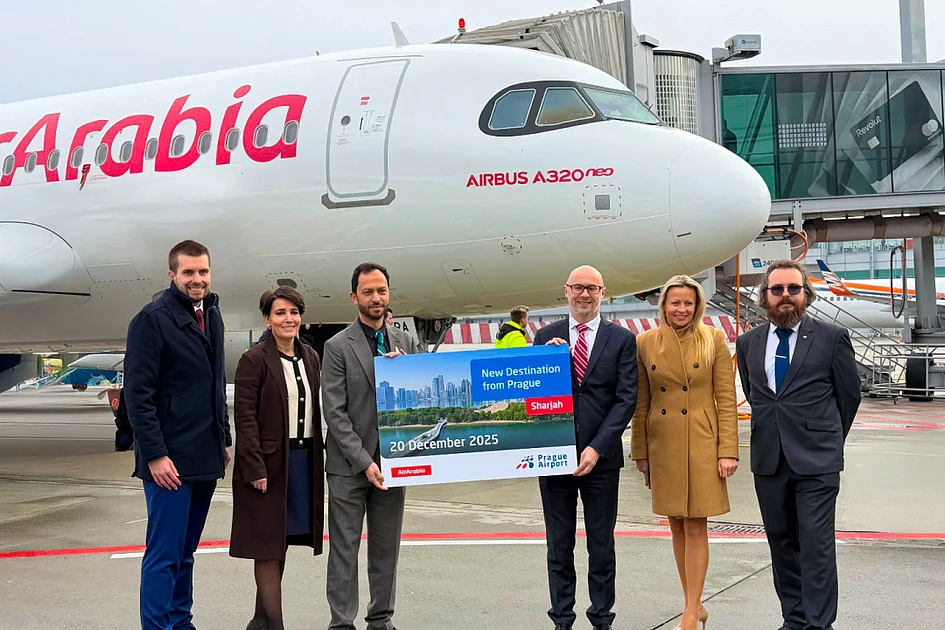
    UAE-based low-cost carrier Air Arabia has officially launched daily direct flights between Sharjah International Airport and Václav Havel Airport Prague, marking a significant expansion of its European network. The inaugural flight was celebrated with a welcome ceremony at Prague airport attended by airport officials, local partners, and airline representatives.

    The new route enhances Air Arabia’s growing European footprint, which already includes destinations such as Vienna, Athens, Milan Bergamo, Krakow, and both Warsaw Chopin and Modlin airports. The Prague service will be operated using the airline’s recently acquired Airbus A320neo aircraft, known for its fuel efficiency and reduced environmental impact.

    This strategic expansion provides travelers with enhanced connectivity between the UAE and Central Europe while offering competitive pricing typically associated with budget carriers. The daily service creates new tourism and business travel opportunities between the two regions, potentially stimulating economic and cultural exchanges.

    The addition of Prague represents Air Arabia’s continued growth strategy focused on expanding its route network to meet increasing demand for affordable air travel options across Europe, Asia, and the Middle East.

  • World Bank approves $700million to boost Pakistan’s economic stability

    World Bank approves $700million to boost Pakistan’s economic stability

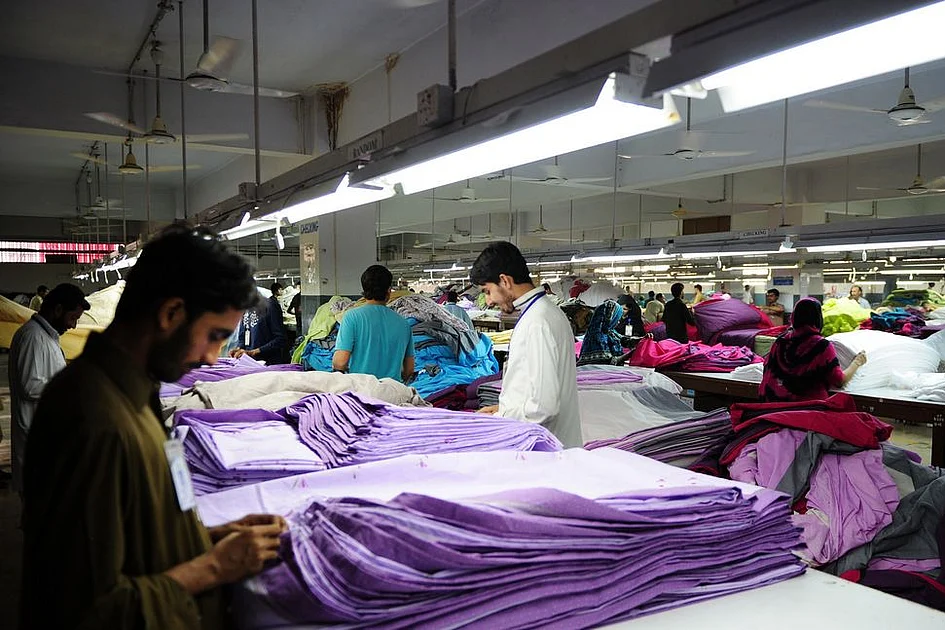
    The World Bank has greenlit a substantial $700 million financial assistance package for Pakistan, marking a significant step in the nation’s ongoing economic stabilization efforts. This funding, approved on Friday, represents the initial disbursement under the broader Public Resources for Inclusive Development—Multiphase Programmatic Approach (PRID-MPA) framework, which could potentially channel up to $1.35 billion in total support to the South Asian nation.

    The allocation breakdown designates $600 million for federal-level initiatives aimed at strengthening macroeconomic foundations, while $100 million is specifically earmarked for development projects in Sindh province. This provincial funding targets enhanced service delivery and infrastructure improvements in Pakistan’s southern region.

    This financial endorsement follows a previous World Bank intervention in August 2025, when the institution granted $47.9 million to revitalize primary education systems in Punjab, Pakistan’s most populous province. The consecutive approvals signal sustained international confidence in Pakistan’s reform agenda despite existing challenges.

    However, the path to economic recovery remains complex. A recent joint IMF-World Bank assessment, disclosed by Pakistan’s finance ministry in November, identified persistent obstacles including fragmented regulatory frameworks, non-transparent budgeting processes, and political interference that continue to hamper investment flows and revenue generation.

    Geopolitical considerations may also influence future financing arrangements. Earlier this year, Reuters reported India’s potential opposition to World Bank funding for Pakistan, indicating that regional tensions could surface in international financial decision-making forums.