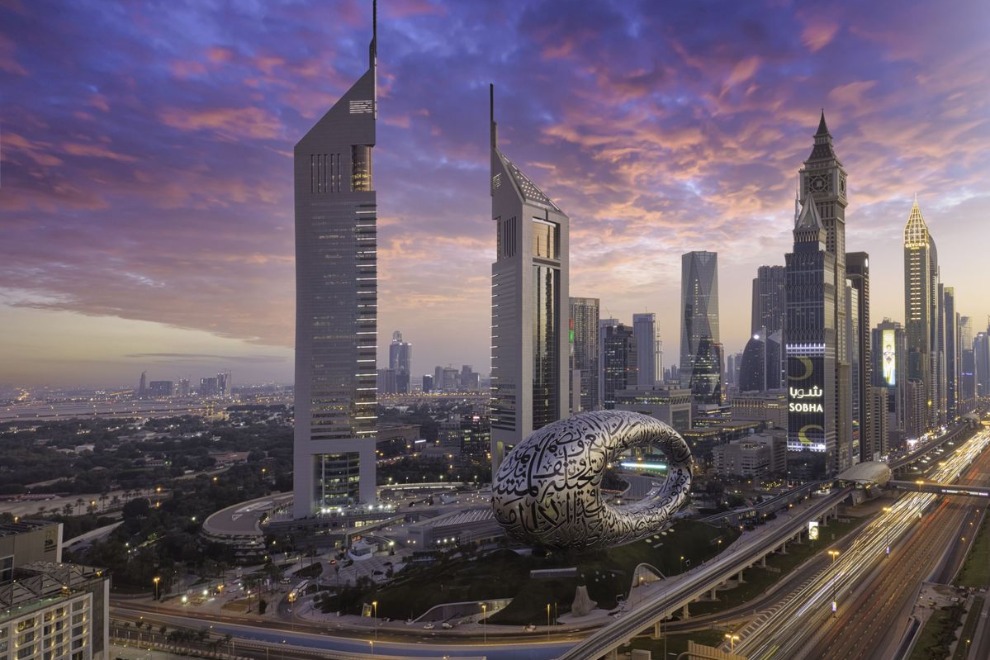
A comprehensive analysis by S&P Global indicates that banking institutions across the Gulf Cooperation Council (GCC) region demonstrate varying levels of preparedness for potential financial outflows stemming from geopolitical tensions. According to the latest assessment, banks in the United Arab Emirates, Kuwait, and Oman maintain robust net external asset positions that would enable them to withstand significant deposit withdrawals even under severe geopolitical stress scenarios. Saudi Arabian financial institutions similarly exhibit capacity to endure outflows, notwithstanding their rapidly increasing external debt obligations. The report highlights concerning vulnerabilities in Qatar and Bahrain, where banking sectors face potential funding shortfalls in worst-case conflict scenarios. Bahraini institutions could confront an absolute funding deficit of $1.9 billion by year-end 2025, while Qatari banks may experience a reduced but still substantial $4.4 billion shortfall. S&P maintains an average long-term ‘A-‘ rating for GCC banks, with 95% of outlooks rated stable as of December 2025. The analysis suggests that any credit impact from regional escalation would likely mirror the scale and duration of the June 2025 events when Iran retaliated against American strikes by targeting Qatar’s Al Udeid Air Base. While the region remains vulnerable to external debt outflows during tensions, the UAE banking sector specifically demonstrates exceptional resilience against potential geopolitical upheavals.
分类: business
-

Xi’s article on key tasks of China’s current economic work to be published
BEIJING – A comprehensive article detailing China’s economic roadmap for the current period, authored by President Xi Jinping, is scheduled for publication in the forthcoming issue of Qiushi Journal, the Communist Party of China Central Committee’s premier theoretical publication. The article derives from President Xi’s pivotal address delivered during last December’s Central Economic Work Conference, which establishes the nation’s annual economic agenda.
The publication outlines several strategic pillars for China’s economic development. A primary emphasis is placed on stimulating domestic demand as a foundational element for constructing a robust and self-sustaining domestic market. Concurrently, the article champions innovation as the central driver for progress, advocating for the accelerated incubation of new growth engines to ensure long-term economic vitality.
Further directives call for a deepening of structural reforms designed to inject renewed momentum into high-quality development initiatives. This is paired with a reaffirmed commitment to expanding the country’s openness, fostering international collaboration for mutual benefit across various sectors. The development strategy also prioritizes enhanced coordination to bridge urban-rural disparities and bolster regional synergistic growth.
Environmental sustainability forms another critical component of the economic plan, with a dedicated push for a comprehensive green transition. This initiative is explicitly aligned with China’s ambitious dual carbon objectives of achieving peak emissions and carbon neutrality. Finally, the article underscores the government’s focus on social welfare, emphasizing the paramount importance of improving public livelihoods and proactively managing potential risks in crucial economic areas to ensure overall stability.
-

Ras Al Khaimah’s Wynn Al Marjan construction on schedule for early 2027 opening
Wynn Resorts has confirmed its landmark $5.1 billion integrated resort development in Ras Al Khaimah remains on schedule for a first-quarter 2027 opening. The project, a joint venture between the Nevada-based gaming operator and local partner RAK Holding, achieved a critical construction milestone with the topping out of its 70-story hotel tower in December 2025.
The ambitious Wynn Al Marjan Island development will feature 1,530 luxury rooms and suites, complemented by 22 food and beverage venues, a dedicated theater space, premium retail outlets, and a marina facility. Company executives characterize the UAE market as one of the most promising new destinations for integrated resort development in recent decades, with projected gross gaming revenue estimates ranging between $3 billion and $5 billion.
Financial disclosures reveal Wynn Resorts has committed $914.2 million in equity contributions to date, with an additional $375-400 million planned for 2026 and $75-100 million in 2027. The remaining equity requirement is estimated between $450 million and $550 million. The project is expected to generate approximately $345 million in EBITDAR (earnings before interest, taxes, depreciation, amortization, and restructuring costs) upon operational commencement.
The development represents a strategic expansion into what company leadership describes as a uniquely positioned market with limited announced competition. During the fourth quarter of 2025, Wynn Resorts contributed $79.2 million to the 40%-owned joint venture entity overseeing construction. This substantial investment underscores the operator’s confidence in the UAE’s tourism growth potential and Ras Al Khaimah’s emerging status as a premium international destination.
-

Bitcoin bounce revives bulls but ‘crypto winter’ risks linger
Bitcoin has demonstrated a tentative recovery following weeks of substantial market pressure, climbing over 4% to approach the $69,000 threshold. This upward movement, adding approximately $2,700 to its valuation, offers a temporary reprieve from the cryptocurrency’s recent 44% decline from its October 2025 peak. However, market analysts caution that this stabilization may represent technical market dynamics rather than fundamental strength, with macroeconomic uncertainties continuing to cast shadows on Bitcoin’s immediate prospects.
Market strategists observe that the current rebound appears driven primarily by technical buying and short-covering activities rather than robust institutional participation. Trading volumes remain notably subdued, while volatility metrics indicate many investors maintain a cautious stance awaiting clearer signals from key economic indicators, particularly US inflation data and Federal Reserve policy directions.
Research firm Ned Davis Research presents one of the more conservative outlooks, suggesting Bitcoin could potentially face further declines should current corrections evolve into a prolonged bear market. Historical analysis indicates that during previous major downturns, Bitcoin experienced peak-to-trough declines ranging between 70-75%. Should similar patterns emerge, prices could theoretically approach the $31,000 range—representing a potential 55% decrease from current levels.
The duration of historical crypto winters further compounds concerns. Since 2011, Bitcoin has endured average drawdowns of approximately 84% during bear markets, with these downturns typically lasting around 225 days. With only 120 days elapsed since October’s peak, the current correction might still be in its preliminary phases if historical cycles repeat.
Despite these cautionary indicators, some market observers identify reasons for measured optimism. Analysts at Bitfinex note diminishing selling pressure and improving funding rates across derivatives markets, potentially signaling the formation of a short-term base. Simultaneously, CoinShares research indicates stabilization in institutional flows into crypto investment products following weeks of outflows, suggesting selective re-entry by larger investors.
The cryptocurrency’s strengthened correlation with global equities and risk assets renders it particularly sensitive to interest rate expectations and liquidity conditions. For investors in UAE and regional markets, Bitcoin’s recent volatility reinforces its characterization as a high-risk, high-reward asset class, with many traders adopting wait-and-see approaches focused on short-term opportunities rather than long-term accumulation.
While the modest rebound provides temporary relief for bullish investors after months of declines, the broader outlook remains delicately balanced. Stabilizing prices and improving sentiment suggest potential base formation, yet bearish forecasts and historical precedents emphasize the risk that current recovery efforts might prove transient. Bitcoin’s trajectory will likely depend significantly on global macroeconomic signals and investor risk appetite in the coming weeks, with analysts anticipating range-bound movement until clearer market catalysts emerge.
-

Dubai Flower Centre: UAE’s dnata handles 227,000kg of Valentine’s Day flowers in 5 days
Dubai’s strategic position in global floral logistics was demonstrated as dnata, a premier air services provider, managed an extraordinary 227,530 kilograms of Valentine’s Day blossoms through its specialized Dubai Flower Centre facility between February 7-11, 2026. This massive volume—transported via 274 separate shipments containing over 18,700 boxes—represented a substantial increase over typical operational periods, with February 10 alone seeing 59,800kg processed, more than double normal daily capacity.
The floral influx originated primarily from Colombia, Ecuador, Ethiopia, Kenya, and the Netherlands, with traditional red roses maintaining their dominance in seasonal demand despite significant quantities of hydrangeas, chrysanthemums, and orchids passing through the facility. dnata’s purpose-built 3,500 square meter perishables center features advanced temperature-controlled zones, rapid airside transfer corridors, and specialized handling systems specifically engineered for time-sensitive cargo.
With capacity to process up to 400,000kg of perishables daily, the facility operated with over 50 trained cargo professionals working around the clock during this peak period. Guillaume Crozier, dnata’s Chief Cargo Officer, emphasized: “Valentine’s Day represents one of our most intensive floral logistics windows. Our coordinated efforts with airline partners, exporters, and supply chain stakeholders ensure shipments move through Dubai with maximum efficiency while maintaining the highest standards for perishable care.”
This operation underscores Dubai’s continuing role as a critical global transit hub connecting flower growers across Africa, Europe, and Asia with markets throughout the Middle East and beyond.
-

From farm to festive table: Inside Changsha’s global wholesale hub
As China approaches its peak Lunar New Season consumption period, Changsha’s Hongxing Agricultural Wholesale Market has transformed into a round-the-clock global distribution nexus. This massive trading facility serves as critical infrastructure connecting international producers, sophisticated cold-chain logistics networks, and domestic vendors throughout China’s festival season.
The market currently operates at maximum capacity, handling unprecedented volumes of fresh produce including tropical specialties, off-season delicacies, and premium imported fruits from global sources. The complex ecosystem of buyers, distributors, logistics coordinators, and transportation specialists works in coordinated shifts to maintain the continuous flow of perishable goods.
China Daily’s field documentation reveals the human dimension behind this supply chain phenomenon. Market vendors report the current period represents their most profitable operational window, with some fruit varieties experiencing 300% demand surges compared to regular seasons. The market’s operational intensity reflects both China’s growing appetite for diverse food options and the sophisticated distribution networks that make year-round availability possible.
This wholesale hub demonstrates China’s evolving consumption patterns where traditional festival foods now share table space with imported fruits, symbolizing both economic globalization and rising disposable incomes. The market’s success during this period underscores the effectiveness of China’s modernized agricultural distribution systems in meeting concentrated seasonal demand.
-

UAE steps up food price hike monitoring after 7,702 violations last year
In a decisive move to combat inflation and ensure market stability, the UAE Ministry of Economy and Tourism is amplifying its monitoring of essential food prices in preparation for Ramadan 2026. This enhanced vigilance follows the identification of 7,702 regulatory violations during a comprehensive 2025 inspection campaign that encompassed 155,218 tours across the nation’s markets.
The Ministry has issued a firm guarantee that the cost of nine fundamental commodities—including rice, wheat, bread, sugar, cooking oil, dairy, eggs, poultry, and legumes—will remain frozen throughout the holy month. To enforce this pledge, authorities are implementing a sophisticated, multi-layered strategy. This includes the deployment of a real-time electronic price monitoring system integrated with 627 major retail outlets, which collectively represent over 90% of the domestic trade in basic consumer goods.
Supply chain preparedness forms a critical pillar of this initiative. Early coordination with major suppliers and importers has been prioritized to bolster strategic food reserves and streamline distribution networks. Trade data from logistics hubs like DP World’s Jebel Ali port indicates that retailers are proactively importing larger quantities of essentials six to eight weeks ahead of Ramadan to preempt any supply chain pressures and efficiently manage anticipated demand surges.
On-the-ground enforcement has been significantly scaled up, with 420 field inspections already conducted. In Dubai alone, the Consumer Protection and Fair Trade Corporation has executed more than 220 visits to reinforce price stability and product availability. These inspections span wholesale markets, traditional retail stores, and e-commerce platforms to ensure comprehensive market coverage.
Complementing these regulatory measures, a robust consumer awareness campaign is underway. The Ministry is promoting a ‘Consumer Rights Guide’ on digital platforms and encouraging the public to report any instances of unjustified price hikes. Simultaneously, private sector retailers have announced extensive plans to increase stock levels and launch promotional campaigns, offering significant discounts on a wide range of Ramadan essentials while committing to stable pricing across groceries, fresh food, and other consumer goods.
Through this coordinated alliance of government action, technological surveillance, and private sector cooperation, the UAE aims to deliver a well-supplied, affordable, and transparent market environment for all residents during the Ramadan period.
-

China to implement zero tariffs on imports from 53 African countries
In a significant move to strengthen economic ties with Africa, China will eliminate import tariffs for all 53 African nations with which it maintains diplomatic relations, effective May 1, 2026. The announcement, reported by state media on Saturday, represents one of the most comprehensive trade liberalization initiatives between China and the African continent.
The tariff elimination initiative will be complemented by enhanced market access mechanisms designed to facilitate African exports to Chinese markets. Among these measures is an upgraded ‘green channel’ system that will streamline customs procedures and reduce administrative barriers for African goods entering China.
Additionally, Chinese authorities revealed plans to accelerate negotiations for bilateral economic partnership agreements with African trading partners. This dual approach of tariff removal and institutional facilitation signals China’s commitment to rebalancing trade relations with Africa while promoting South-South cooperation at an unprecedented scale.
The policy announcement comes as China continues to expand its economic engagement with African nations through various channels including infrastructure development, investment programs, and technological cooperation. This latest initiative aligns with broader efforts to strengthen the Forum on China-Africa Cooperation (FOCAC) framework established over two decades ago.
Market analysts suggest the zero-tariff policy could significantly boost African exports of agricultural products, minerals, and manufactured goods to the world’s second-largest economy, potentially reshaping trade dynamics between China and the African continent.
-

Investarise Global hosts high-profile Business & Investment Summit at Taj Exotica, Palm Jumeirah
Dubai’s Taj Exotica Resort & Spa on Palm Jumeirah served as the prestigious backdrop for Investarise Global’s landmark Business & Investment Summit on February 14, 2026. The high-level gathering brought together an influential assembly of international investors, pioneering entrepreneurs, government policymakers, and established business leaders to advance critical discussions on global capital deployment and innovative cross-border partnerships.
The event gained significant stature with the presence of Shaikha Moaza Obaid Suhail Al Maktoum as guest of honor, highlighting the crucial role of public-private cooperation in driving regional economic advancement. The summit also welcomed Sultan Ali Rasheed Lootah, a prominent UAE business figure renowned for his substantial contributions to enterprise development and economic diversification.
Under the strategic direction of Investarise Global’s leadership team—including Founder and CEO Kishan Kumar Verma, Global Strategy Lead Sanjay Bhambri, Intergovernmental Relations Co-Founder Farid Ahmed, and Event Director Habib Ahmed—the summit successfully created a dynamic platform for meaningful dialogue and connection.
Key participants included Jeet Wagh, Sandesh Sharda, Mudit Kumar, and Ashwin Kumar representing Ideabaaz, alongside Saeed Hamad Al Hamli of NQUBATOR. The diverse attendance spanned global investors, startup founders, and senior executives from the UAE, India, and international markets, creating a truly global networking environment.
The summit benefited from extensive cross-sector support with strategic partnerships from Ideabaaz, ARBA, NoWorryTrip, Extrovert Events, Lootah Group, Nuqoosh, Realm Investment, VMC, Sicurezza, Artha, NQUBATOR, GMA, Infispark, and Marwari Catalyst.
Central to the discussions were strategies for enhancing the global startup and SME ecosystem through improved investment accessibility, strategic alliance formation, and effective international market entry approaches. Industry leaders exchanged practical insights on innovation acceleration, capital flow optimization, and developing resilient international business relationships.
This successful convening represents a significant achievement in Investarise Global’s mission to bridge entrepreneurial communities with global opportunities while positioning the UAE as a strategic hub for sustainable international business growth and innovation-driven economic development.
-

China upgrades Xiong’an high-tech zone to national level
China’s State Council has formally granted national-level status to the Hebei Xiong’an High-Tech Industrial Development Zone, marking a significant milestone in the region’s development strategy. The approval, announced on February 14, 2026, covers two designated sections encompassing 20.84 square kilometers within the broader Xiong’an New Area in Hebei province.
The upgraded zone will operate under the guiding principle of ‘developing high technology and achieving industrialization,’ with particular emphasis on cultivating new-quality productive forces adapted to local conditions. This elevation to national status is designed to accelerate the integration of scientific innovation with industrial development while attracting premium innovation resources from both domestic and international sources.
Strategic objectives include fostering research collaborations on major scientific projects, achieving breakthroughs in core technologies within priority sectors, and facilitating the efficient commercialization of technological achievements. The zone will additionally focus on strengthening existing leading industries while making strategic investments in emerging sectors through institutional reforms and enhanced international cooperation.
This development represents a crucial component of Xiong’an’s transformation into a global hub for cutting-edge industries and original innovation. The initiative supports the broader national strategy of establishing Xiong’an New Area as a modern metropolis while advancing the coordinated development of the Beijing-Tianjin-Hebei region. Originally established in April 2017, Xiong’an was conceived to absorb functions non-essential to Beijing’s capital status, with this latest upgrade significantly enhancing its innovation capacity and economic importance.