分类: business

  • Gold price climbs above $4,400 to hit record high

    Gold price climbs above $4,400 to hit record high

    Gold markets have achieved an unprecedented milestone, surging past the $4,400 per ounce threshold for the first time in history before reaching a peak of $4,420 on Monday. This remarkable rally represents a staggering 68% year-to-date increase—the most substantial annual gain since 1979—propelled by a convergence of economic pressures and global instability.

    Market analysts identify multiple catalysts driving this historic bull run. Expectations of further interest rate reductions by the US Federal Reserve in 2026 have fundamentally reshaped investment strategies. With lower rates diminishing returns on traditional fixed-income assets, investors are increasingly flocking to safe-haven commodities like gold to diversify portfolios and secure returns.

    Geopolitical factors have equally contributed to gold’s spectacular performance. Trade tensions amplified by the Trump administration’s tariff policies, combined with ongoing global conflicts, have created an environment of uncertainty that traditionally benefits precious metals. Adrian Ash, research director at BullionVault, observes that 2025’s “slow-burning trends around interest rates, war and trade tensions” have collectively fueled the rally.

    The phenomenon extends beyond gold alone. Silver has dramatically outperformed its counterpart, skyrocketing 138% this year to reach a record $69.44 per ounce. Platinum simultaneously hit a 17-year high, benefiting from both investment demand and industrial applications. Unlike gold, these metals maintain significant manufacturing utility, creating additional demand pressure alongside their investment appeal.

    A weakening US dollar has further accelerated the trend, making dollar-denominated commodities more attractive to international buyers. This perfect storm of monetary policy expectations, geopolitical instability, and currency dynamics has created the most favorable conditions for precious metals in decades.
  • India and New Zealand finalize a free trade agreement, eyeing growth as global uncertainties persist

    India and New Zealand finalize a free trade agreement, eyeing growth as global uncertainties persist

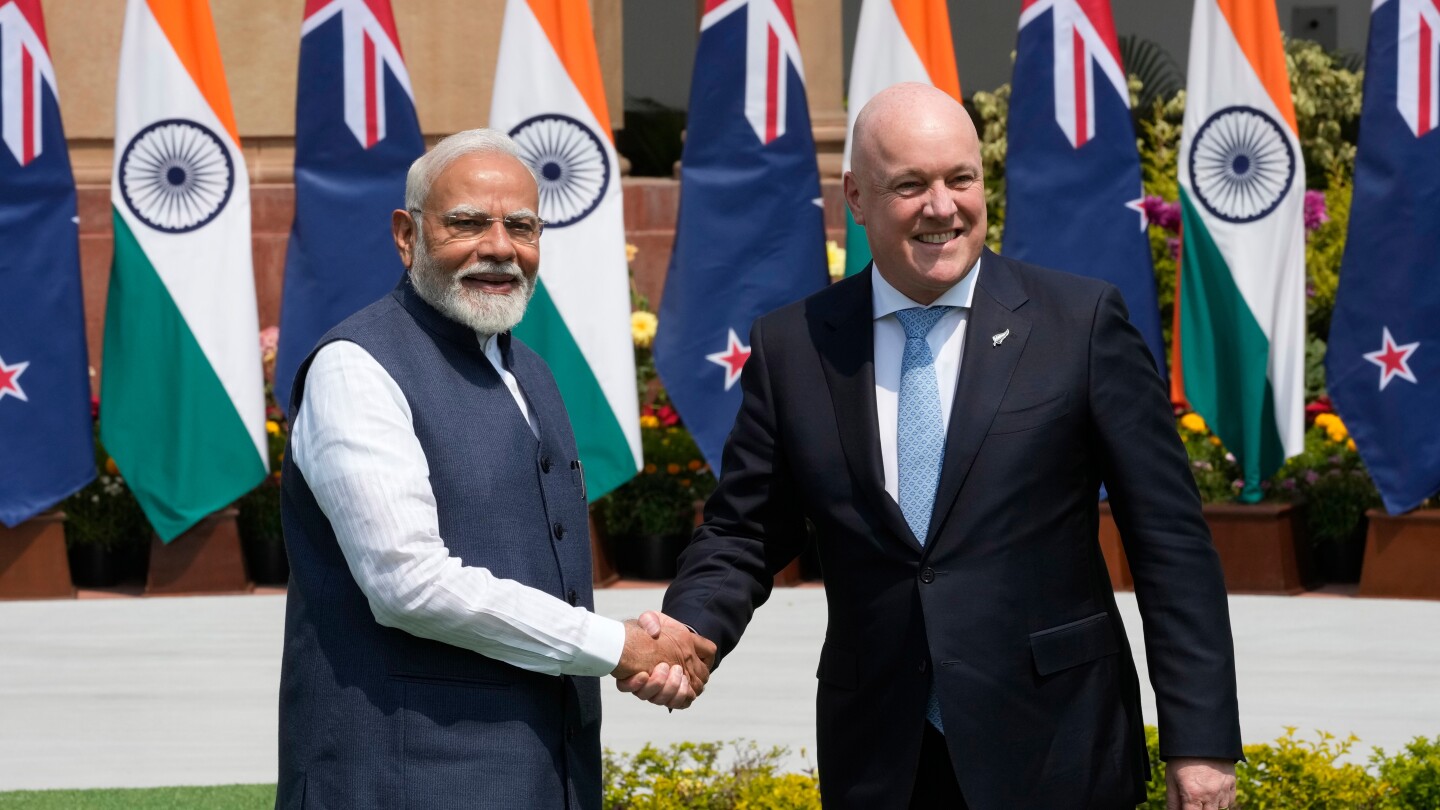
    In a strategic move to bolster economic resilience against mounting global trade volatilities, India and New Zealand have finalized negotiations for an extensive free trade agreement. The pact, concluded after nine months of intensive discussions, represents a significant milestone in bilateral relations between the two nations.

    The agreement establishes a framework for reciprocal tariff reductions, regulatory harmonization, and enhanced cooperation across multiple sectors including goods, services, and investments. India secures zero-duty export access for all its commodities entering New Zealand, while Wellington obtains phased duty concessions covering approximately 70% of New Delhi’s tariff lines, encompassing 95% of its exports.

    Key beneficiaries from the Indian side include textiles, apparel, engineering goods, leather and footwear, and marine products. New Zealand anticipates substantial gains in horticulture, wood exports, and sheep wool industries. Notably, India has excluded sensitive agricultural products including dairy items (milk, cream, whey, yogurt, cheese), goat meat, onions, and almonds from the agreement due to domestic considerations.

    The partnership extends beyond merchandise trade, with New Zealand committing $20 billion in investments over 15 years to strengthen economic ties. Current bilateral trade encompassing goods and services stands at $2.4 billion annually, with both governments targeting a doubling of this volume within approximately five years.

    Prime Minister Christopher Luxon of New Zealand projected that exports to India would increase by $1.1 to $1.3 billion annually over the next twenty years, emphasizing that enhanced trade translates to more employment opportunities, higher wages, and expanded prospects for New Zealand workers. Indian Prime Minister Narendra Modi’s office characterized the agreement as a catalyst for greater trade, investment, innovation, and mutual prosperity.

    The formal signing ceremony is scheduled for the first quarter of 2025 following legal verification of the negotiated text, according to India’s chief negotiator Petal Dhillon.

  • Asian shares advance, yen slips after AI stocks push higher on Wall Street

    Asian shares advance, yen slips after AI stocks push higher on Wall Street

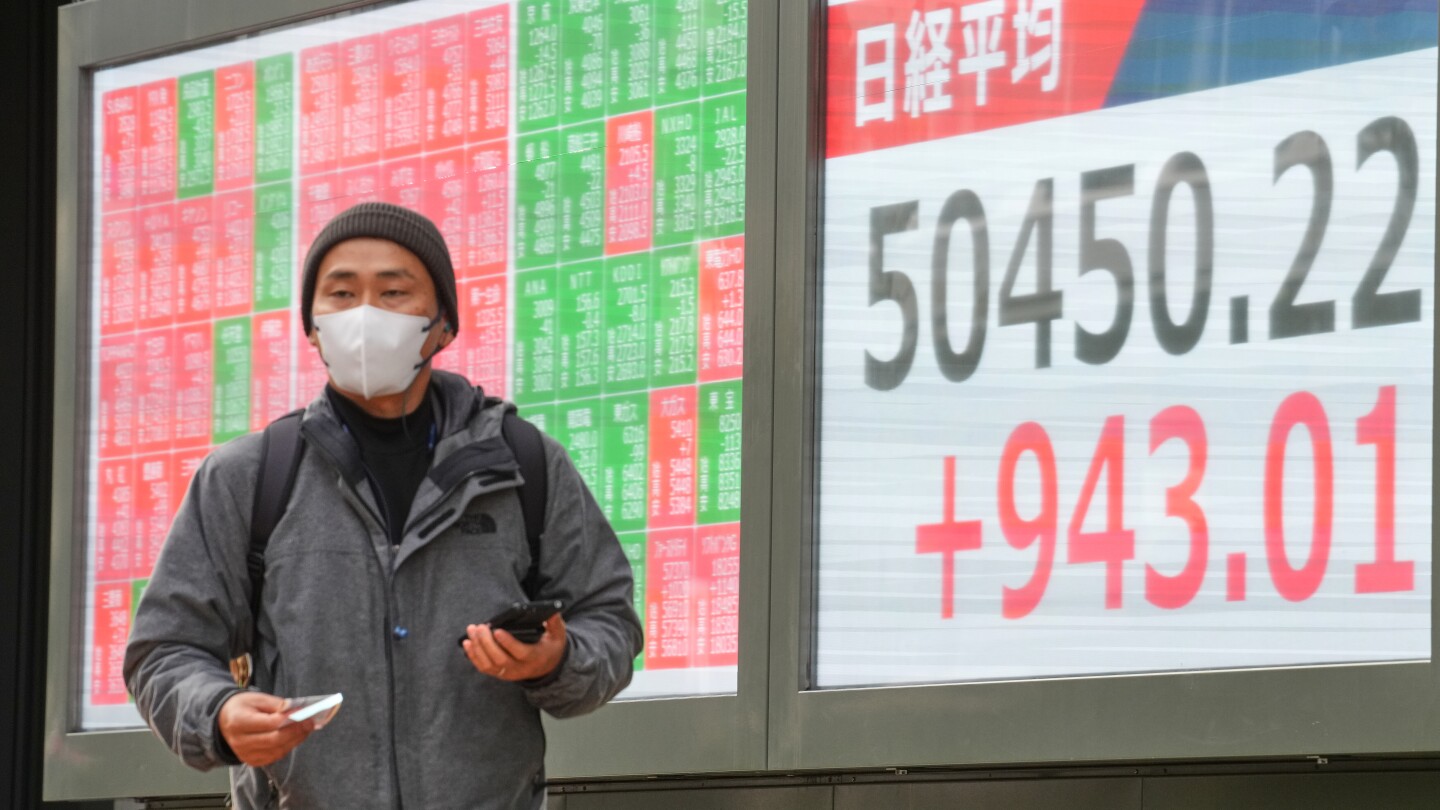
    Asian equities opened the trading week with robust gains, propelled by a powerful rebound in artificial intelligence stocks that originated on Wall Street. This surge created a ripple effect across Pacific markets, with Japan’s Nikkei 225 index leading the charge with a substantial 1.9% advance to 50,455.07 points.

    The semiconductor sector emerged as the primary catalyst for this upward momentum. Tokyo Electron, a major chip manufacturing equipment producer, witnessed an impressive 6.7% climb, while Advantest, specializing in chip testing technology, recorded a 4.7% gain. This performance mirrored the recovery pattern established by U.S. tech giants, particularly Nvidia, which had surged 3.9% in the previous trading session.

    In a significant monetary policy development, the Bank of Japan’s decision to elevate its key interest rate to a three-decade high produced unexpected currency effects. Contrary to conventional economic theory, the yen weakened substantially against the dollar, trading at 157.32 yen per dollar. This depreciation prompted intervention warnings from Japan’s top foreign exchange official, Atsushi Mimura, who indicated readiness to address excessive currency fluctuations.

    Chinese markets demonstrated moderate positivity, with the Shanghai Composite advancing 0.7% to 3,915.84 and Hong Kong’s Hang Seng index rising 0.2% to 25,751.93. The People’s Bank of China maintained stability by keeping its benchmark loan prime rates unchanged.

    Regional performances varied, with South Korea’s Kospi gaining 1.8%, Taiwan’s Taiex rising 1.6% (boosted by TSMC’s 2.1% increase), and Australia’s S&P/ASX 200 climbing 0.9%. Market analysts attributed this constructive bias to the combination of Wall Street’s solid rebound and persistent bullish sentiment regarding year-end market trajectories.

    Meanwhile, underlying economic concerns persisted beneath the market optimism. The University of Michigan’s consumer sentiment survey revealed only marginal improvement from November levels, remaining significantly below year-ago readings. Persistent inflation pressures, a cooling job market, and weakening retail sales continue to challenge economic momentum, compounded by ongoing trade tensions between the United States and key international partners.

  • Bourbon maker Jim Beam halts production at main distillery for a year

    Bourbon maker Jim Beam halts production at main distillery for a year

    Suntory Global Spirits, the Japanese beverage conglomerate owning iconic bourbon brand Jim Beam, has announced a complete production suspension at its primary Kentucky distillery throughout 2026. The decision comes as the company seeks to implement strategic facility enhancements while navigating challenging market conditions exacerbated by international trade tensions.

    The distillery closure, confirmed in an official statement, represents a significant operational shift for one of America’s most recognized whiskey producers. Company representatives emphasized this pause enables critical infrastructure investments while allowing adjustment to evolving consumer demand patterns. Despite the production halt, Jim Beam’s secondary distillery operations, bottling facilities, and warehousing plants throughout Kentucky will maintain normal operations, preserving employment for most of the company’s 1,000-plus Kentucky workforce.

    This strategic pause occurs against a backdrop of unprecedented bourbon inventory levels across Kentucky. The Kentucky Distillers’ Association reported record stockpiles exceeding 16 million barrels, creating substantial financial pressure through state taxation that cost distillers approximately $75 million this year alone.

    Trade policy disruptions have significantly impacted the industry’s global expansion strategy. Former President Donald Trump’s widespread tariff impositions in April triggered retaliatory measures from trading partners, particularly affecting alcohol exports. Canada’s provincial boycotts of American spirits earlier this year exemplify the cross-border trade tensions that have constrained international growth opportunities for Kentucky distillers.

    The company is engaged in constructive dialogue with labor representatives regarding workforce utilization during the production hiatus, while its Kentucky visitor center remains open to maintain brand engagement during this transitional period.

  • Celebrate festive season with Ghraoui Chocolate’s indulgent Christmas Collection

    Celebrate festive season with Ghraoui Chocolate’s indulgent Christmas Collection

    Ghraoui Chocolate, the renowned confectionery house with a legacy dating back to 1805, has launched an exclusive Christmas Collection designed to elevate festive celebrations through artisanal craftsmanship. This limited-edition assortment merges centuries-old Damascene sweet-making traditions with European artistry, offering sophisticated options for holiday gifting and table presentations.

    The collection features meticulously crafted chocolate figures including Tiny Santa with caramelised praline filling, Tiny Snowman with crushed mixed nuts, and various Santa-themed creations in premium milk chocolate. Each piece is wrapped in deep winter-toned packaging adorned with hand-painted-style ornaments, pine branches, and delicate blossoms, complemented by red bows and gold accents that evoke seasonal elegance.

    Beyond the chocolate offerings, Ghraoui presents traditional fruit treats including Ghouta and Pâtes de Fruits that recall historical luxury confectionery. The range spans from Apricot Chewcake to Fruit Rouges, featuring velvety pralines, nut-studded delights, and vibrant fruit infusions—all crafted without artificial additives.

    The collection’s bespoke packaging includes embroidered boxes with Christmas decorations, seasonal sleeves, and curated hampers. Ghraoui ensures seamless delivery across the UAE, Kuwait, Bahrain, Qatar, and Saudi Arabia, making premium gifting accessible throughout the region during the festive season.

  • Wall St Week Ahead: A Santa rally? Investors hope for year-end gains to cap strong 2025

    Wall St Week Ahead: A Santa rally? Investors hope for year-end gains to cap strong 2025

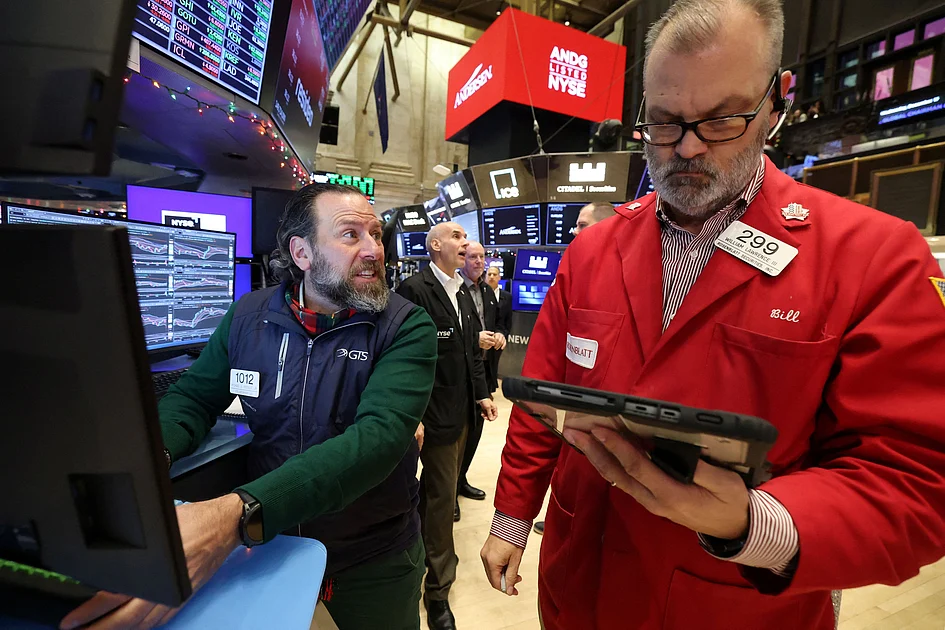
    Wall Street investors anticipating traditional year-end market gains are navigating unexpected turbulence as December’s performance defies historical patterns. Despite heading toward double-digit percentage gains for 2025, the S&P 500 has registered modest declines this month, contrasting with its typical strong December performance.

    Market volatility in recent weeks has been driven by two primary factors: increasing scrutiny of massive corporate investments in artificial intelligence infrastructure and evolving expectations regarding Federal Reserve interest rate policies for 2026. Technology stocks, particularly those tied to AI development, faced pressure following concerns about Oracle’s data-center project, while encouraging inflation data provided temporary relief.

    According to Angelo Kourkafas, senior global investment strategist at Edward Jones, recent economic indicators reinforce expectations that the Fed will maintain a rate-cutting bias. While profit-taking after a strong year may create selling pressure, Kourkafas suggests the latest data ‘likely provide a green light for the Santa Claus rally to take place this year.’

    Historical data from the Stock Trader’s Almanac shows that since 1950, the S&P 500 has averaged a 1.3% gain during the period encompassing the last five trading days of the year and the first two January sessions. This year’s critical window runs from December 24 through January 5.

    Investors have been processing a backlog of economic data delayed by the recent 43-day federal government shutdown. November employment figures revealed rebounding job growth alongside a 4.6% unemployment rate—the highest level in over four years. Concurrently, consumer price index data indicated milder-than-expected inflation growth, though analysts caution about potential distortions from delayed data collection and seasonal retail discounts.

    The Federal Reserve has implemented rate cuts at three consecutive meetings, leaving market participants to decipher economic signals for clues about future monetary policy adjustments in 2026.

    Trevor Slaven, global head of asset allocation at Barings, notes the particular challenge of interpreting shutdown-affected data: ‘There’s this unsettled argument between the direction of travel for these major central banks, the direction of travel for inflation at a time when it does look like there’s more softness in the labor market data.’

    While AI-driven stocks have propelled market gains throughout 2025—with the S&P 500 achieving over 15% growth—recent skepticism about returns on massive infrastructure investments has tempered enthusiasm for technology sectors. This development is particularly significant given technology’s substantial weighting in major indexes.

    Mark Luschini, chief investment strategist at Janney Montgomery Scott, observes that ‘skepticism around the AI spend is becoming more prominent,’ contributing to pressure on cap-weighted indexes. However, previously lagging sectors including transportation, financial services, and small-cap stocks have demonstrated strength in December, providing market stability amid technology sector volatility.

    Kourkafas concludes that while money has rotated away from technology, ‘other areas have stepped up and have helped keep markets mostly range-bound,’ suggesting a broader market participation beyond the AI narrative that dominated most of 2025.

  • Adnoc secures landmark structured financing of up to $11 billion for Hail and Ghasha Gas Development

    Adnoc secures landmark structured financing of up to $11 billion for Hail and Ghasha Gas Development

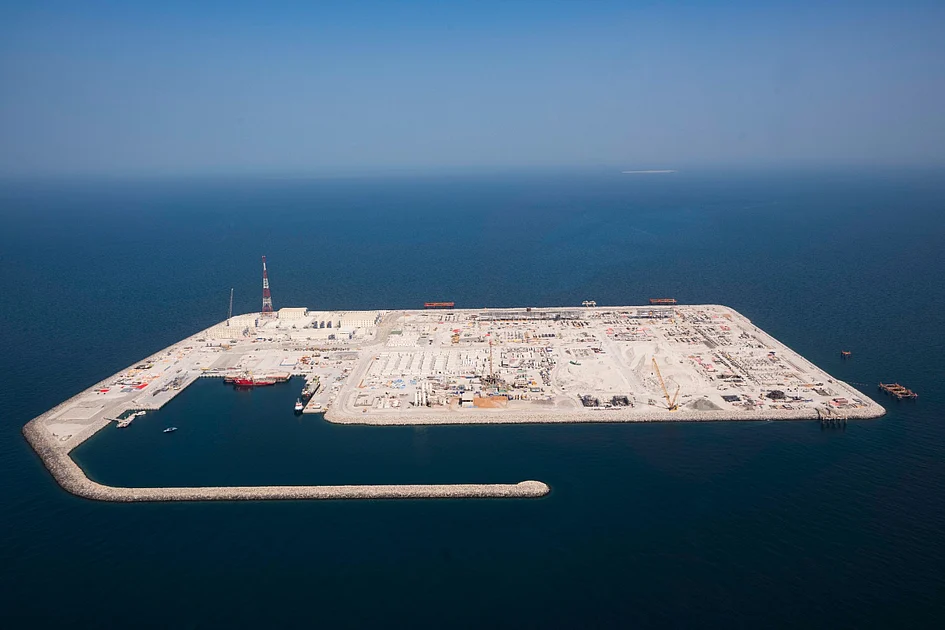
    Abu Dhabi National Oil Company (ADNOC), in collaboration with energy partners Eni and PTT Exploration and Production, has achieved a groundbreaking financial milestone with the successful closure of an $11 billion structured financing arrangement. This transformative transaction specifically targets the midstream development of the Hail and Ghasha natural gas fields, situated within the broader Ghasha Concession offshore Abu Dhabi.

    The financing model represents a significant innovation in energy project funding, being structured as non-recourse financing—an unprecedented approach for a project of this magnitude and technical complexity. This arrangement enables ADNOC to realize upfront value for future gas production while maintaining strategic and operational control over the assets. The transaction has attracted exceptional demand from more than 20 leading global and regional financial institutions, demonstrating strong market confidence in ADNOC’s development strategy.

    Beyond its financial engineering, the Hail and Ghasha project represents an environmental milestone as the world’s first offshore gas development designed to operate with net-zero emissions. The project incorporates advanced carbon capture technology capable of sequestering 1.5 million tonnes of carbon dioxide annually—equivalent to removing more than 300,000 vehicles from roadways each year. Upon completion, the concession is projected to produce approximately 1.8 billion standard cubic feet of natural gas per day, significantly contributing to the UAE’s energy strategy and global gas markets.

    Dr. Sultan Ahmed Al Jaber, UAE Minister of Industry and Advanced Technology and ADNOC Managing Director, emphasized the transaction’s strategic importance: “This landmark achievement reinforces our successful track record of global energy partnerships while unlocking capital to advance one of the world’s most ambitious offshore gas developments. The project remains on course to generate substantial value for ADNOC, our partners, and the nation while delivering important new gas resources to our customers.”

    The financing structure establishes a replicable model for future large-scale greenfield energy projects, combining robust long-term cash flows from high-quality assets with strong contractual protections. This transaction continues ADNOC’s series of pioneering infrastructure partnerships, following previous successful midstream arrangements including a $4.9 billion oil pipeline partnership and a $10.1 billion gas pipeline agreement with leading global infrastructure investors.

  • Why Croatia’s capital wants to hold Europe’s best Christmas market

    Why Croatia’s capital wants to hold Europe’s best Christmas market

    Zagreb’s acclaimed Christmas market has emerged as a transformative economic engine for Croatia, strategically repositioning the Balkan nation from a seasonal summer destination to a year-round tourism hub. The capital’s Zagreb Advent event, recognized as Europe’s best Christmas market for three consecutive years (2015-2017), has become the centerpiece of Croatia’s ambitious tourism diversification strategy.

    Croatia’s tourism sector, accounting for over 20% of the national economy, has historically relied heavily on summer visitors drawn to the Adriatic coast. Tourism Minister Tonci Glavina emphasizes the strategic shift: ‘We are developing as a year-round tourism destination – we are not a summer destination anymore. Croatia has achieved significant development beyond just sun and sea.’

    Zagreb Advent represents a multi-venue urban transformation that engulfs the city center throughout December. Unlike single-location markets elsewhere, Zagreb’s offering features distinct thematic areas with unique decorations and content. The experience encompasses traditional seasonal staples like sausages and mulled wine alongside multiple music stages, craft stalls, traditional Croatian food vendors, art installations, and a massive ice rink.

    The economic impact has been substantial. Overnight stays in December more than doubled from 100,198 in 2014 to 245,352 in 2024, generating approximately €100 million in economic activity. Marketing efforts have expanded from neighboring countries to international campaigns in London tube stations and Milan buses, with special trains bringing visitors from Slovenia and Hungary.

    Despite its success, Zagreb remains a newcomer compared to European Christmas market heavyweights. Cologne’s market anticipates four million visitors with €229 million economic impact, while Vienna attracts 2.8 million and Strasbourg two million. Dresden’s market, dating to 1434, highlights Zagreb’s relatively brief 11-year history.

    Academic experts like Marko Peric, Dean of Tourism at the University of Rijeka, acknowledge the ‘unusually high’ December arrivals but caution that Croatia must further develop its off-season offerings. Minister Glavina points to promising trends, including 5% growth in June and September arrivals and a 10% year-on-year increase in early December visitors, indicating successful shoulder season development.

    The strategy exemplifies sustainable tourism transformation, balancing peak season stability with expanded shoulder season offerings while promoting lesser-known destinations across Croatia.

  • Sustainable economy is being misrepresented as green

    Sustainable economy is being misrepresented as green

    In contemporary environmental policy discussions, the frequent conflation of ‘green economy’ with ‘sustainable economy’ represents a significant conceptual error with profound implications for global development practices. According to Dr. Abdullah Belhaif Alnuaimi, former UAE Minister for Climate Change and Environment, these terms possess fundamentally distinct meanings that extend far beyond semantic differences.

    The green economy paradigm, which gained prominence during the 2012 United Nations Conference on Sustainable Development in Rio de Janeiro, primarily emphasizes technological solutions including clean energy adoption, emission reduction strategies, and resource efficiency improvements. While environmentally relevant, this approach often neglects crucial social equity considerations, lacks comprehensive long-term perspective, and risks being deployed as superficial branding without substantive structural reform.

    In contrast, sustainable economy represents a holistic framework that integrates environmental protection with social inclusion, economic resilience, and intergenerational responsibility. This multidimensional concept redefines humanity’s relationship with nature beyond mere technical advancements, prioritizing both current needs and future generations’ capabilities while specifically addressing the essential requirements of the world’s impoverished populations.

    The political dimension of this terminology carries substantial consequences. The limited representational scope of ‘green’ terminology potentially obscures the absence of genuine justice or sustainability behind environmental facades, misleading policymakers and the public about the comprehensive transformations required. This linguistic imprecision shapes awareness and policy directions in ways that may undermine the cultural and social dimensions necessary for building truly resilient futures.

    Transitioning toward authentic sustainability demands fundamental shifts in governmental priorities, supported by policy reforms across energy, transportation, urban infrastructure, industrial, and agricultural sectors. While each nation will progress at different paces, the acquisition of resources, knowledge, and information remains critical for this transformation.

    Dr. Alnuaimi concludes that conceptual precision is ethically imperative during this era of profound environmental transformation. He recommends adopting more accurate terminology such as ‘integrated sustainable economy’ or ‘transformative economy’ to properly reflect the comprehensive nature of the required changes, emphasizing that green economy does not equate to sustainable economy.

  • Visa partners with Aldar to complete first end to end voice-enabled agentic payment in the region

    Visa partners with Aldar to complete first end to end voice-enabled agentic payment in the region

    In a groundbreaking development for digital payments, Visa has partnered with Abu Dhabi’s leading real estate developer Aldar to launch the region’s first fully voice-enabled AI agentic payment system. This landmark implementation of Visa Intelligent Commerce technology enables customers to complete real estate service charge payments through conversational AI interfaces on both the Live Aldar mobile application and corporate website.

    The innovative system, which went live with its first successful transaction using an Emirates NBD Darna Visa Credit Card, represents a significant advancement in autonomous payment technology. Customers can now authorize AI agents to handle routine financial transactions through a secure, consent-based process that confirms details and executes payments within seconds while maintaining full transparency and user control.

    This initial deployment focuses specifically on property service charges, with plans to expand functionality across additional payment categories throughout 2026. The integration leverages Visa’s Token Management Service to ensure maximum security through credential tokenization, protecting sensitive financial information while enabling AI-initiated transactions.

    Harry Nakichbandi, Aldar’s Chief Digital Officer, emphasized the customer-centric nature of the innovation: ‘By combining our AI agent with Visa’s intelligent commerce platform, we’ve transformed routine payments into secure, instantaneous experiences that build trust while removing friction from financial interactions.’

    The collaboration represents a strategic move toward autonomous commerce in the Middle East, with Visa’s Senior Vice President Godfrey Sullivan noting the implementation demonstrates how trusted, secure agent-initiated transactions can handle routine financial tasks on behalf of cardholders. Emirates NBD’s involvement further strengthens the ecosystem, extending the bank’s tokenized digital payment capabilities into this new era of agentic commerce.

    This pioneering initiative positions the UAE at the forefront of AI-powered financial services innovation, potentially setting new standards for convenience and security in digital transactions across the real estate sector and beyond.