分类: business

  • Pakistani consortium acquires 75% stake in PIA in major privatization move

    Pakistani consortium acquires 75% stake in PIA in major privatization move

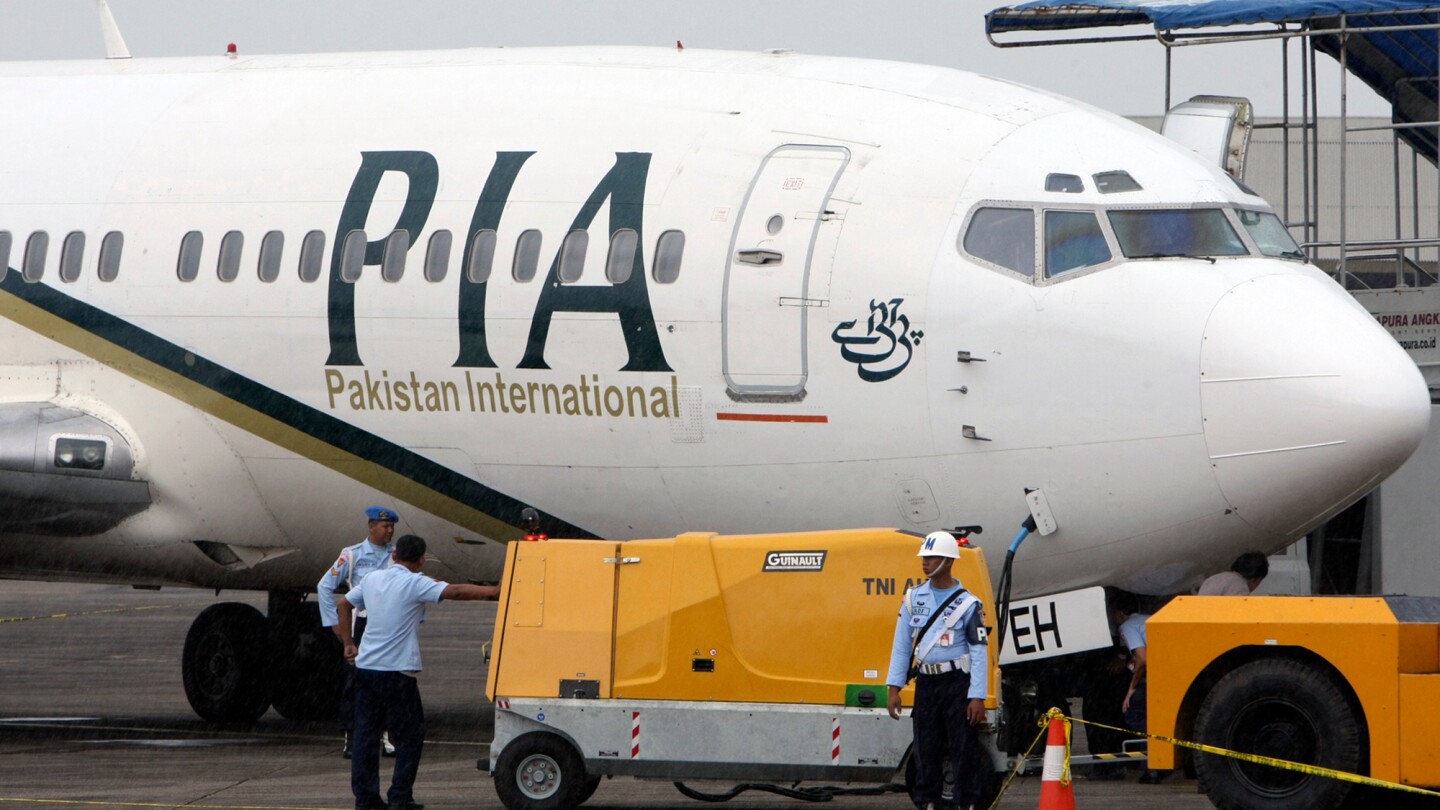
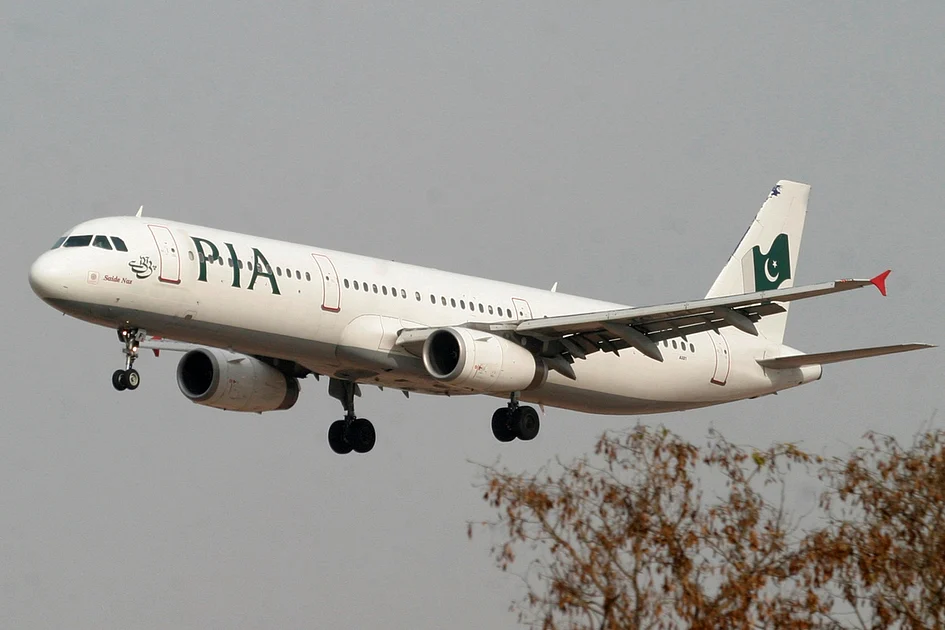
    In a landmark transaction marking Pakistan’s most significant privatization initiative in decades, a consortium headed by Arif Habib Group has successfully acquired a 75% controlling interest in Pakistan International Airlines (PIA). The winning bid of 135 billion rupees ($482 million) was announced during a nationally televised auction ceremony on Tuesday, representing a crucial milestone in the government’s protracted effort to divest the chronically unprofitable national carrier.

    The acquisition fulfills a key condition set by the International Monetary Fund (IMF), which has consistently advocated for PIA’s privatization as a central component of Pakistan’s economic reform agenda connected to international bailout packages. Finance Minister Muhammad Aurangzeb characterized the bidding process as thoroughly transparent and competitive, expressing confidence that the new ownership would spearhead the airline’s operational revitalization.

    This development occurs against a backdrop of tentative recovery for PIA, which recently resumed direct European flights just two months ago following the European Union Aviation Safety Agency’s decision to revoke a four-year suspension imposed over safety violations. The prohibition originated after the tragic 2020 Karachi crash that claimed 97 lives.

    Once celebrated as a regional aviation leader, PIA’s operational efficiency has dramatically deteriorated through decades of political interference and severe overstaffing. The carrier currently maintains approximately 300 employees per aircraft across its 32-plane fleet—substantially exceeding the industry standard of fewer than 200 workers per aircraft—reflecting profound structural challenges that the new ownership must address.

  • Issue-based integration to bring Asian economies together

    Issue-based integration to bring Asian economies together

    A transformative approach to regional economic cooperation is emerging across Asia, with nations increasingly pursuing integration through targeted issue-based alliances rather than comprehensive multilateral frameworks. According to Amitendu Palit, Senior Research Fellow at the National University of Singapore’s Institute of South Asian Studies, this strategic pivot represents a fundamental reimagining of economic collaboration mechanisms.

    The new paradigm emphasizes concentrated cooperation on specific critical areas such as climate change mitigation, digital trade standardization, and sustainable development initiatives. This thematic approach allows diverse economies with varying development levels and political systems to find common ground on pressing transnational challenges without requiring full policy alignment across all economic sectors.

    Palit suggests that this issue-focused methodology may prove significantly more effective than traditional blanket integration models. By creating flexible coalitions around shared priorities, countries can achieve tangible progress on specific objectives while maintaining sovereignty in other policy domains. This granular approach particularly benefits regions with substantial economic diversity, such as Asia, where unified comprehensive agreements have historically proven challenging to negotiate and implement.

    The shift reflects growing recognition that complex global challenges require specialized, expertise-driven solutions rather than one-size-fits-all frameworks. Digital trade corridors, cross-border carbon markets, and joint renewable energy initiatives represent practical applications where issue-based cooperation is already demonstrating measurable success across Asian economies.

    This evolution in economic diplomacy signals a maturation of regional relations, moving beyond traditional geographic or ideological blocs toward more dynamic, interest-based partnerships that can adapt rapidly to emerging global priorities and technological transformations.

  • Pakistan to receive bids for PIA privatisation in televised auction

    Pakistan to receive bids for PIA privatisation in televised auction

    Pakistan has initiated a publicly televised auction process for the privatization of Pakistan International Airlines (PIA) on Tuesday, marking a significant step in the government’s economic reform agenda mandated by the International Monetary Fund. This represents the nation’s second attempt to divest the historically significant flag carrier after last year’s televised bidding collapsed due to insufficient offers.

    The auction structure involves two distinct phases for majority stake submissions, with initial bids due at approximately 10:45 AM local time (0545 GMT) followed by a public bid-opening ceremony later the same day. According to Privatisation Minister Muhammad Ali, three domestic entities are anticipated to participate in the competitive process following the withdrawal of military-affiliated Fauji Fertilizer from consideration.

    Notably, the government has structured the transaction to permit up to 100% acquisition of PIA, with any stake exceeding 75% subject to a 15% premium surcharge. This revised approach follows last year’s unsuccessful attempt where the government’s minimum price of $305 million for a 60% stake attracted only a single bid of $36 million from real estate developer Blue World City, which subsequently declined to increase its offer citing financial concerns and operational inefficiencies within the airline.

    The current privatization effort occurs under substantially improved circumstances. The Pakistani government has assumed majority responsibility for PIA’s legacy debt, the carrier has reported its first pre-tax profit in twenty years, and critical flight restrictions to European destinations have been lifted following the removal of a five-year ban by Britain and the European Union. These developments have significantly enhanced PIA’s market valuation potential compared to previous assessment periods.

    This airline divestment constitutes a cornerstone of Pakistan’s broader privatization initiative under its IMF bailout program, which additionally includes planned sales of state-owned banking institutions, power distribution companies, and various other loss-making public enterprises aimed at reducing fiscal burdens and restoring investor confidence in the national economy.

  • US economy grows at fastest pace in two years

    US economy grows at fastest pace in two years

    The United States economy demonstrated remarkable resilience and vigor in the third quarter, achieving its most robust growth performance in two years. According to newly released data, the nation’s Gross Domestic Product (GDP) expanded at an annualized rate of 4.3% between July and September, significantly surpassing both previous figures and economist projections.

    This acceleration from the second quarter’s 3.8% growth was primarily fueled by a substantial surge in consumer spending, which jumped to 3.5% from the previous quarter’s 2.5%. Simultaneously, exports showed notable improvement, contributing to the overall economic momentum. The comprehensive report provides crucial insights into the economic landscape following earlier data collection disruptions caused by the federal government shutdown.

    The stronger-than-anticipated performance indicates sustained economic resilience despite previous concerns about potential slowdowns. The consumer spending resurgence particularly signals continued confidence among American households, which remain a fundamental driver of economic activity. Export growth simultaneously suggests improving international trade conditions and global demand for U.S. goods and services.

    This quarterly expansion represents the most vigorous growth period since late 2021, offering optimistic indicators for the broader economic trajectory as the year concludes. The data provides policymakers, investors, and businesses with clearer guidance for strategic planning amid evolving market conditions.

  • India’s Delhi Airport warns of flight delays, cancellations amid dense fog

    India’s Delhi Airport warns of flight delays, cancellations amid dense fog

    Delhi’s Indira Gandhi International Airport has issued formal advisories regarding significant disruptions to flight operations due to persistent dense fog conditions severely limiting visibility. Airport authorities confirmed that all flight activities are presently operating under CAT II Instrument Landing System protocols, which permit landings with runway visual range reduced to approximately 300-549 meters.

    The aviation hub has activated comprehensive passenger assistance protocols to mitigate travel inconveniences, strongly recommending that travelers verify their flight status directly with their respective airlines before proceeding to the terminal facilities. The airport’s official communication channels, including social media platform X, have conveyed sincere regrets for any travel disruptions caused by these unavoidable meteorological conditions.

    This weather-related disruption echoes similar challenges experienced on December 15th, when multiple airports across northern India faced comparable operational constraints due to reduced visibility. Aviation meteorologists note that while winter fog represents a natural seasonal phenomenon, deteriorating air quality conditions in the Delhi National Capital Region have exacerbated these events, frequently transforming them into persistent smog episodes.

    The current aviation crisis coincides with heightened environmental concerns, as Delhi recently recorded its worst air quality readings of the season. The Central Pollution Control Board documented air quality index measurements exceeding 450 at multiple monitoring stations, prompting the Commission for Air Quality Management to implement Stage Four restrictions under the Graded Response Action Plan. These emergency measures include suspended construction activities, hybrid education models, and restricted entry for older diesel vehicles into the capital region.

    Aviation experts emphasize that such weather-related disruptions underscore the critical intersection of environmental policy and transportation infrastructure management in one of Asia’s busiest aviation markets.

  • Heritage in motion: How Hackett London is tailoring its next chapter across the GCC

    Heritage in motion: How Hackett London is tailoring its next chapter across the GCC

    In an exclusive interview with Business Technology Review, Marcella Wartenberg, CEO of AWWG Group, outlined Hackett London’s ambitious five-year expansion strategy across the Gulf Cooperation Council (GCC) region. The British heritage brand, renowned for its tailoring excellence and understated menswear aesthetics, is leveraging its partnership with Apparel Group to establish a formidable presence in one of the world’s most competitive luxury markets.

    The GCC region has emerged as a strategic priority for international fashion brands seeking sustained growth amid shifting global consumer patterns. With Dubai serving as the regional anchor, Hackett London’s expansion roadmap focuses on measured market penetration across the UAE, Saudi Arabia, Qatar, and Oman. The brand recently underscored its commitment through the regional launch of its Autumn/Winter 2025 campaign in Dubai, featuring racing legends Carlos Sainz Sr. and Jr.

    Wartenberg emphasized that the Middle East represents a long-term strategic investment rather than an experimental market. ‘The GCC offers a unique combination of fashion-forward consumers, strong menswear culture, and high concentration of affluent shoppers,’ she noted. ‘However, success requires precise adaptation to local climate conditions, lifestyle preferences, and styling expectations without compromising the brand’s British heritage.’

    The CEO highlighted the critical importance of maintaining authenticity while implementing regional adaptations. Hackett London’s approach includes introducing lighter fabrics, versatile silhouettes, and transitional pieces that move seamlessly between professional and social settings. This balanced methodology allows the brand to preserve its design integrity while meeting practical consumer needs.

    The Sainz father-son campaign narrative was strategically selected to resonate with regional values emphasizing family legacy and generational continuity. This marketing approach aligns with cultural sensibilities while demonstrating the brand’s evolution within traditional frameworks.

    From an operational perspective, Hackett London is transforming its retail approach from transactional to experiential. The brand is implementing personalized services, strengthened client relationships, and integration with Apparel Group’s loyalty ecosystem. This experiential shift aims to create lasting emotional connections with discerning GCC consumers who increasingly value brand relationships beyond mere purchases.

    Wartenberg confirmed sustained investment across the region, with particular focus on Saudi Arabia’s emerging luxury market and Dubai’s established retail landscape. The expansion strategy combines physical store openings with cultural adaptation, ensuring Hackett London maintains its distinctive British identity while building meaningful regional relevance.

  • Baotou-Yinchuan High-speed Railway enters full operation

    Baotou-Yinchuan High-speed Railway enters full operation

    Northern China’s transportation infrastructure achieved a significant milestone on December 23, 2025, as the Baotou-Yinchuan High-Speed Railway commenced full operations following the inauguration of its final section. The historic D4667 train departed Baotou Railway Station at 10:08 am, marking the official opening of the Baotou-Huinong segment and completing the comprehensive rail link between Inner Mongolia and Ningxia.

    This engineering marvel spans 519 kilometers across China’s northern territories, connecting Baotou in Inner Mongolia Autonomous Region with Yinchuan in Ningxia Hui Autonomous Region. Designed for operational speeds of 250 kilometers per hour, the railway features 13 strategically located stations along its route.

    The most dramatic improvement comes in travel efficiency, with journey times between the two endpoint cities reduced from approximately six hours to under three hours—cutting transit duration by more than half. This transformation significantly enhances regional connectivity and economic integration possibilities.

    Strategically, the railway constitutes a vital component of China’s ambitious ‘eight vertical and eight horizontal’ high-speed rail network, specifically serving as a crucial segment within the Beijing-Lanzhou transport corridor. The completed line establishes a faster northwestern route to the national capital while substantially strengthening the overall capacity and coverage of China’s comprehensive rail infrastructure in its northwestern regions.

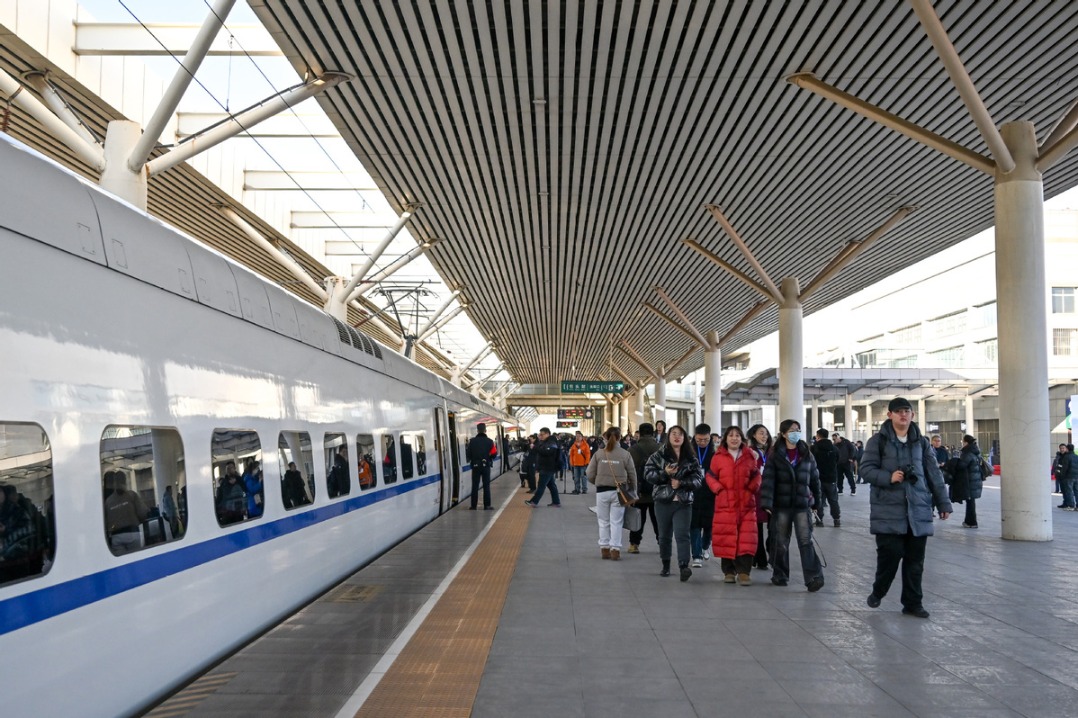
    The launch ceremony at Baotou Railway Station witnessed enthusiastic passengers boarding the inaugural service, with officials highlighting the project’s role in fostering economic development, facilitating cultural exchange, and promoting tourism between the autonomous regions.

  • Full operation starts on Baotou-Yinchuan High-Speed Railway

    Full operation starts on Baotou-Yinchuan High-Speed Railway

    China’s transportation infrastructure achieved a significant milestone on December 23, 2025, with the comprehensive operational launch of the Baotou-Yinchuan High-Speed Railway. The completion was marked by the inauguration of the crucial Baotou-Huinong segment, finalizing the entire rail corridor that connects Inner Mongolia Autonomous Region with Ningxia Hui Autonomous Region.

    The newly operational railway represents a major engineering achievement in China’s ongoing high-speed rail expansion initiative. The line establishes a rapid transit connection between Baotou, an industrial hub in Inner Mongolia, and Yinchuan, the capital city of Ningxia. This infrastructure development is projected to substantially reduce travel time between the two regional centers, facilitating enhanced economic integration and passenger mobility across Northern China.

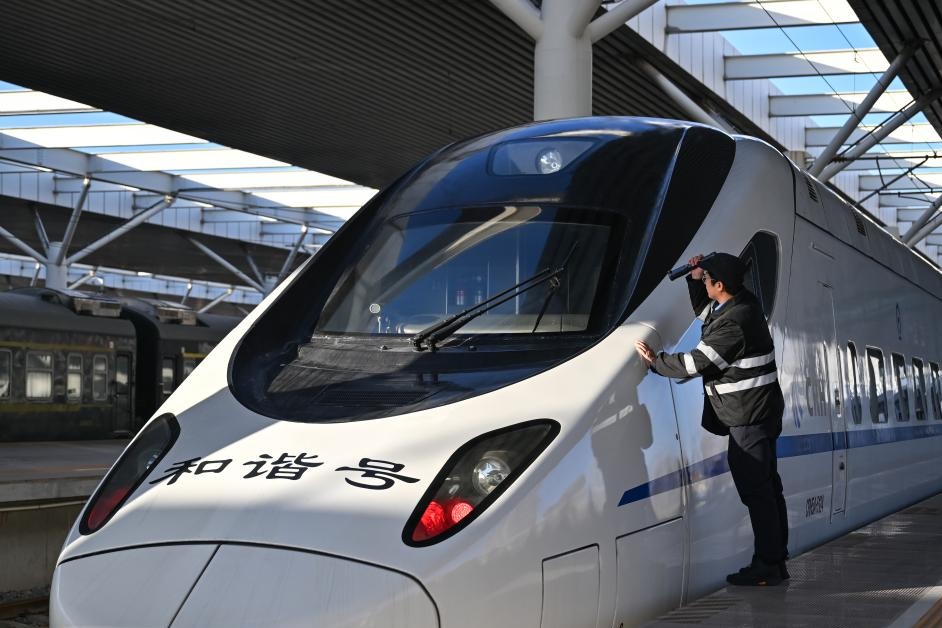
    Technical crews conducted final inspections at Baotou Railway Station, where staff members were photographed examining the inaugural train prior to its departure. The event signifies the culmination of extensive planning and construction efforts that have transformed regional transportation dynamics.

    Transportation analysts indicate this railway will serve multiple strategic purposes beyond passenger transit. The line is expected to stimulate economic development along its route, promote tourism exchange between the regions, and provide improved logistics connectivity for goods transportation. The project aligns with broader national initiatives to develop China’s western regions and create more balanced economic growth across the country.

    The Baotou-Yinchuan High-Speed Railway now stands as a testament to China’s advanced railway engineering capabilities and its commitment to infrastructure-led regional development strategies.

  • Two new high-speed rail lines boost agriculture, industry in Guangdong

    Two new high-speed rail lines boost agriculture, industry in Guangdong

    Guangdong Province has ushered in a new era of regional connectivity with the simultaneous inauguration of two major high-speed rail lines, fundamentally reshaping economic and transportation networks across the region. The groundbreaking infrastructure projects commenced operations on Monday, marking a significant milestone in China’s railway development.

    The Guangzhou-Zhanjiang high-speed railway, with its inaugural G9785 service departing from Guangzhou Baiyun Railway Station, establishes a direct 350 km/h corridor linking western Guangdong to the provincial capital. This engineering marvel spans approximately 401 kilometers, traversing Foshan, Zhaoqing, Yunfu, Yangjiang, and Maoming, with bridges and tunnels constituting 76.7% of its route. The project’s crown jewel, the 9,640-meter Zhanjiang Bay undersea tunnel, set national records for large-diameter subaqueous tunneling achievements.

    Parallel to this development, the Shantou-Shanwei high-speed railway initiated service with train G9787 connecting Shantou to Guangzhou. The newly operational 19.8-kilometer segment across Shantou Bay represents a technological breakthrough that integrates Shantou’s urban core into the 350 km/h high-speed network for the first time.

    These twin rail developments create a transformative two-hour transportation circle connecting Zhanjiang and Shantou—key sub-center cities in western and eastern Guangdong respectively—to the economic powerhouse of the Guangdong-Hong Kong-Macao Greater Bay Area. The infrastructure advancement substantially reduces travel duration between previously remote regions and the Pearl River Delta’s core economic zone.

    The economic implications are already materializing across sectors. In Maoming’s Genzi township, renowned for lychee production, agricultural enterprises are preparing for expanded market access. “Our distribution channels for premium lychees will significantly expand into the Greater Bay Area and beyond,” noted a major local farmer identified as Long, who is implementing new packaging infrastructure in anticipation of increased demand.

    Meanwhile, in Shantou’s Chenghai district—a traditional manufacturing hub for toys, gifts, and garments—business operations are undergoing rapid transformation. Buyers like Mr. Chen from Shenzhen report that what previously required two-day business trips can now be accomplished in a single day, enabling morning product selection, afternoon deal finalization, and evening returns to Shenzhen.

    According to China Railway Guangzhou Group, these developments represent crucial progress in constructing a highly efficient transportation network during China’s 14th Five-Year Plan period (2021-2025). The province’s total railway operational mileage now reaches 6,433 kilometers, with 3,411 kilometers dedicated to high-speed railways operating at 200 km/h or faster.

  • Tea sector blends commerce with cross-Strait exchanges

    Tea sector blends commerce with cross-Strait exchanges

    In the mountainous landscapes of Fujian province, a unique agricultural collaboration across the Taiwan Strait is transforming tea cultivation into both an economic success story and a model for cross-border cooperation. Taiwan farmer Peng An-yuan has established an innovative eco-friendly tea garden in Sanming that demonstrates remarkable agricultural harmony, where tea plants coexist with wild grasses to create a natural habitat for beneficial insects.

    Peng introduced Oriental Beauty tea, a prized oolong variety from his hometown of Hsinchu, Taiwan, to Datian county in Sanming. The region’s similar climate and ecological conditions proved ideal for cultivating this distinctive tea, known for its unique production process where small green leafhoppers naturally enhance the leaves’ flavor profile. These insects bite the tea leaves, triggering a biochemical reaction that imparts a sought-after fruity and honey-like aroma, resulting in leaves with distinctive dark purple and brown tones covered with fine white hairs.

    “The tea jassids feeding on the leaves are essential, but their behavior is unpredictable,” explained Peng, who serves as the primary inheritor of Taiwan’s Oriental Beauty tea tradition on the Chinese mainland. “This unpredictability is precisely what makes this tea variety so exceptionally precious.”

    The successful cultivation has been bolstered by Sanming’s designation as China’s first cross-Strait rural integrated development pilot zone in November 2022. With 78 percent forest coverage earning it the nickname “Green City,” Sanming provides an ideal environment for this agricultural collaboration. The partnership has yielded substantial economic benefits: Datian county now produces 4,300 metric tons of Oriental Beauty tea annually, representing 70 percent of the mainland’s total output, with exports reaching European and Southeast Asian markets.

    In a significant step toward standardization, the Fujian Provincial Administration for Market Management recently released cross-Strait technical regulations for Oriental Beauty tea processing. These standards were jointly developed by tea associations and universities from both sides of the Strait, facilitating deeper industry integration.

    The collaboration extends beyond tea production. Driven by supportive policies, Sanming has approved 106 new Taiwan-invested enterprises over the past three years with total investments reaching 801 million yuan ($114 million). The region has established 12 specialized bases for Fujian-Taiwan agricultural integration, creating numerous opportunities for cross-border entrepreneurship.

    In Jianning county, Taiwan entrepreneur Lin Hsiu-ying operates an oil tea camellia cooperative that applies Taiwanese techniques to boost production, increasing income for 112 local households by an average of over 4,000 yuan per person. Lin attributes this success to mainland policies providing financial support for new plant varieties and equipment.

    The integration efforts align with China’s 15th Five-Year Plan (2026-30), which emphasizes high-quality development across the Taiwan Strait and strengthened industrial cooperation. According to Zhang Han, spokeswoman for the State Council Taiwan Affairs Office, implementation of the plan will create expanded opportunities for Taiwan compatriots to study, work, and live on the mainland.

    Fujian officials plan to capitalize on these developments by encouraging greater youth participation in rural vitalization projects. Sanming has already attracted 30 cross-Strait youth teams, including over 80 Taiwan professionals in architecture and design, who contribute to rural environmental renovation initiatives.

    Taiwan designer Tsai Hsingchueh, who works across Sanming’s villages, notes that the mainland’s rural vitalization blueprint offers significant opportunities for young Taiwan professionals with expertise in community development. His team brings graduate students from universities on both sides of the Strait for half-year internships, with many participants choosing to remain in the villages long after their programs conclude.