分类: business

  • Staff underpayment costs wipe $485m from Woolworths’ first-half net profit

    Staff underpayment costs wipe $485m from Woolworths’ first-half net profit

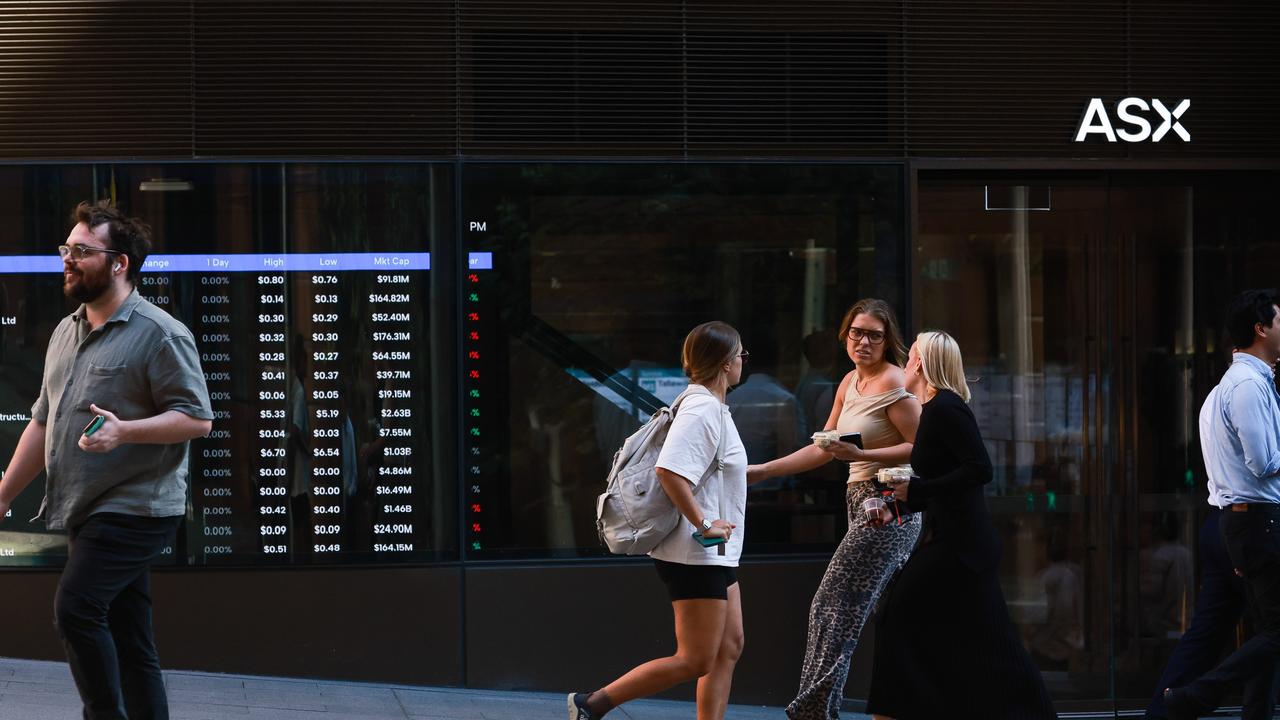
    Australian retail giant Woolworths has disclosed its financial performance for the first half of the fiscal year, revealing a substantial 49.4% decline in net profit to $374 million. This significant downturn primarily stems from a $485 million expenditure allocated to remediating underpaid salaried employees, following a Federal Court ruling issued last September.

    Despite the profit contraction, the supermarket chain demonstrated robust operational health with group earnings surging 14.4% to $1.66 billion. Profit before accounting for significant items showed impressive growth, climbing 16.4% to $859 million. The company’s Australian operations recorded sales growth of 3.6%, reaching $27.63 billion for the six-month period ending December, while earnings from these stores increased by 9.9% to $1.51 billion.

    Chief Executive Officer Amanda Bardwell characterized the supermarket sector as “highly competitive” while maintaining an optimistic outlook about the company’s trajectory. She emphasized that customers remain intensely value-conscious, frequently shopping across multiple retailers to maximize their purchasing power.

    “Our strategic focus remains on delivering continuous value to our customers, rebuilding trust within the community, sustaining sales momentum, and advancing our key priorities to benefit customers, team members, and shareholders alike,” Bardwell stated in her ASX announcement.

    In a move reflecting confidence in its financial position, Woolworths declared an increased interim dividend of 45 cents per share, up from the previous 39 cents, scheduled for payment on April 2.

  • Shanghai records double-digit consumption growth during the Chinese New Year

    Shanghai records double-digit consumption growth during the Chinese New Year

    Shanghai witnessed a remarkable surge in consumer activity during the recent Spring Festival holiday, with official data revealing a substantial 12.8% year-on-year increase in overall spending. According to the Consumer Market Big Data Laboratory (Shanghai), total consumption across both physical and digital platforms reached an impressive 60.35 billion yuan ($8.76 billion) during the eight-day holiday period from February 15 to 22.

    The breakdown shows particularly strong performance in offline commerce, which jumped 15.4% to 36.55 billion yuan, while online spending maintained solid growth at 8.9%, totaling 23.80 billion yuan. The tourism sector emerged as a standout performer, with comprehensive travel-related expenditures—encompassing accommodation, dining, transportation, entertainment, shopping, and sightseeing—soaring 20.9% to 25.61 billion yuan.

    Shanghai’s popularity as a holiday destination was further evidenced by the arrival of 21.67 million visitors during the festive period, as monitored by the city’s tourism big data systems. The municipal government’s strategic initiatives played a crucial role in stimulating economic activity, with over 300 daily promotional events organized throughout the festival. Additional incentives including consumption vouchers and prize invoice programs effectively boosted consumer participation and spending enthusiasm.

    The city’s commercial districts demonstrated vibrant performance, with Shanghai’s 19 major business hubs recording combined sales of 4.78 billion yuan—a 12% increase from the previous year. These areas also experienced significant foot traffic growth, with average daily visitor numbers reaching 3.19 million, representing a 15.8% year-on-year increase, indicating strong consumer confidence and robust market vitality.

  • ‘Not to make profits’: India backs new ride-hailing service to challenge likes of Uber

    ‘Not to make profits’: India backs new ride-hailing service to challenge likes of Uber

    India has unveiled a groundbreaking government-supported ride-hailing platform that directly challenges international giants like Uber through an innovative cooperative business model. The service, named Bharat Taxi, represents a significant shift in the country’s mobility ecosystem by eliminating driver commissions and offering profit-sharing opportunities to participating drivers.

    Amit Shah, India’s Minister of Cooperation and Home Minister, announced the initiative during a Monday address to drivers, explaining that for a nominal investment of 500 rupees (approximately $5.50), drivers can become shareholders and receive profit distributions after three years of operation. “The fundamental objective of this taxi service is not to function as a conventional profit-driven corporation,” Shah emphasized during the launch event.

    The government-backed venture emerges amid widespread dissatisfaction among drivers working for established platforms such as Uber and its domestic competitor Ola. Primary grievances include excessive commission structures, inadequate fare rates, and overall financial pressures on drivers. Shah previously informed Parliament that unlike existing services, Bharat Taxi’s profits “will not be channeled to corporate tycoons.”

    While Uber maintains dominance alongside Ola and Rapido in India’s rapidly expanding $2 billion ride-hailing market—projected by Grand View Research to reach $11 billion by 2033—Bharat Taxi has already attracted over 250,000 drivers. Currently operational in select regions including New Delhi, the service plans nationwide expansion within two years.

    The platform offers comprehensive mobility options through its mobile application, enabling customers to book traditional cabs, three-wheeled autorickshaws, and motorcycle taxis. Additionally, Bharat Taxi provides financial services including vehicle mortgage assistance and loan facilitation for drivers.

    Uber responded to the development by acknowledging India’s “dynamic and rapidly evolving mobility ecosystem,” stating that “healthy competition ultimately benefits all stakeholders” while asserting its continued preference among both drivers and riders. Ola declined to comment on the new competitor.

    This marks the first federal government-backed challenge to established ride-hailing services in India, distinguishing itself from previous private sector attempts like BluSmart that failed to significantly disrupt market dominance.

  • Galadari Brothers

    Galadari Brothers

    The United Arab Emirates’ food and beverage sector is undergoing a profound transformation driven by technological innovation, shifting consumer values, and evolving lifestyle patterns. Industry leaders like Galadari Brothers’ Food & Beverage Division are navigating these changes by implementing strategic adaptations across their operations.

    A significant shift toward health-conscious consumption is redefining menu offerings across the region. Consumers increasingly seek reduced-sugar, high-protein alternatives without compromising on flavor satisfaction. This has prompted the emergence of ‘better-for-you’ versions of traditional favorites, including plant-based proteins and vegan desserts, now commonplace even in established quick-service formats like Halla Shawarma.

    The very concept of cafés has evolved beyond mere refreshment stations into multifunctional social hubs. Establishments like the newly launched Cool Mood Café emphasize aesthetic design and comfortable environments alongside specialty coffee programs that cater to discerning consumers interested in sourcing and brewing methodologies.

    Technology integration has become fundamental rather than optional, with artificial intelligence now optimizing everything from inventory management to personalized marketing campaigns. Contactless ordering systems, AI-assisted kitchens, and self-service kiosks have become industry standards, while blockchain technology enhances supply chain transparency and food safety protocols.

    Despite economic pressures, consumers demonstrate willingness to spend on perceived quality through ‘affordable indulgence’ products. This paradox has fueled success stories like Baskin-Robbins’ Dubai Chocolate edition, which offered premium experiences at accessible price points.

    Sustainability considerations are gaining prominence, with brands adopting recyclable packaging and waste reduction initiatives. Baskin-Robbins’ transition from plastic cups to glass bottles for milkshakes exemplifies this growing environmental consciousness.

    The future of UAE’s F&B landscape will be characterized by brands that successfully balance technological advancement with human connection, global standards with local authenticity, and convenience with experiential dining.

  • DAMAC honours Allegiance Real Estate with Platinum Partner Status for 2025

    DAMAC honours Allegiance Real Estate with Platinum Partner Status for 2025

    In a significant industry development, DAMAC Properties has conferred its prestigious Platinum Partner status upon Allegiance Real Estate for the year 2025. This distinction marks the fifth consecutive year that Allegiance has received top brokerage recognition from the prominent Dubai-based developer, underscoring a partnership that has matured from initial strategic alignment to a comprehensive global collaboration.

    The recognition follows an exceptional year of structured execution across international markets. Allegiance Real Estate demonstrated remarkable operational precision in 2025, supporting twelve major DAMAC project launches through meticulously planned advisory services, targeted marketing campaigns, and coordinated exposure initiatives. These efforts successfully connected international investment capital with Dubai’s dynamic real estate opportunities.

    Beyond project launches, Allegiance expanded its global influence through an ambitious schedule of more than 100 international roadshows, engaging directly with investors in key financial hubs worldwide. This direct engagement strategy was bolstered by an integrated marketing ecosystem spanning over ten strategic channels, ensuring consistent brand visibility and measurable performance metrics.

    The scale of Allegiance’s achievement is reflected in substantial quantitative results: generating over 80,000 qualified investor leads representing more than 90 nationalities throughout 2025. This globally diversified investor portfolio demonstrates the firm’s capacity to transform extensive outreach into tangible business outcomes.

    Amr Aboushaban, CEO of Allegiance Real Estate, emphasized that the Platinum recognition resulted from unified global operations rather than isolated departmental achievements. ‘Every Allegiance branch office worked in complete alignment—from advisory and marketing teams to operations specialists and international representatives. This award celebrates coordinated execution across markets and departments,’ Aboushaban stated.

    The company attributes its Platinum status to sustained delivery performance and disciplined collaborative practices. As the partnership progresses, both entities anticipate entering a new phase characterized by strengthened alignment, expanded global reach, and shared ambitious vision for future real estate development.

  • Galadari Brothers

    Galadari Brothers

    The Gulf Cooperation Council (GCC) region is experiencing a fundamental transformation in its food and beverage sector, driven by a new generation of digitally-native consumers who are rewriting the established rules of dining. This paradigm shift represents a dramatic departure from traditional restaurant dynamics that once dominated the regional landscape.

    A Digital Payment Revolution has become the cornerstone of this new dining ecosystem. According to a 2026 Visa report, an astonishing 80% of transactions in the UAE are now cashless, with smartphones replacing wallets as the primary payment method. This transformation spans from luxury establishments to modest kiosks, making seamless digital payment integration an absolute necessity rather than an optional feature for F&B operators.

    The emergence of Hyper-Convenience Culture has fundamentally altered consumption patterns. With internet penetration exceeding 90% across GCC nations, app-based food ordering has evolved from novelty to normalcy. Social media platforms have accelerated this digital migration, creating instant pathways from food discovery to purchase without leaving the application interface. Industry projections indicate online orders will constitute over 40% of total sales in certain food categories within this decade, fueling the rapid expansion of cloud kitchens that operate with significantly reduced overhead costs.

    Demographic forces are amplifying this transformation, with nearly 70% of the GCC population under age 35. This youth-dominated market prioritizes speed, personalization, and value over brand heritage alone. Research indicates approximately three-quarters of consumers have switched brands within the past year, demonstrating that promotional offers and perceived value frequently outweigh longstanding brand loyalty.

    The Visual Economy of dining has emerged as a critical factor, particularly among younger demographics. Food must not only satisfy taste buds but also serve as shareable digital content, with multi-colored desserts and limited-edition formats gaining popularity through platforms like TikTok and Instagram. This visual-centric approach has redirected marketing budgets toward creator partnerships and experiential launches that generate organic social media traction.

    Psychological engagement through Gamified Loyalty Systems represents another strategic shift. Points, badges, tier upgrades, and time-limited challenges have transformed routine purchases into progression journeys, with regional platforms increasingly integrating tiered rewards and digital scoring mechanisms to drive customer retention and gather valuable consumer data.

    This comprehensive transformation necessitates a Strategic Reset for F&B operators. Digital infrastructure has transitioned from optional to essential, promotional agility has become critical in value-driven markets, physical formats must accommodate delivery demands, and marketing strategies require interactive elements. Success in this new landscape will belong to the most adaptive operators who recognize that the region hasn’t merely upgraded its technology—it has fundamentally elevated its expectations of the dining experience.

  • Sarah Maria wins Elite Leadership Award for best migration services in the UAE

    Sarah Maria wins Elite Leadership Award for best migration services in the UAE

    DUBAI, UAE – Sarah Maria, Chief Executive Officer of Blue Whale Migration Services, has been distinguished with the coveted Elite Leadership Award in recognition of her company’s exceptional performance within the United Arab Emirates’ migration services sector. The prestigious accolade, presented by Media Waves and ME2-Connect, celebrates outstanding industry contributions and transformative leadership.

    Under Maria’s strategic direction, Blue Whale Migration Services has established itself as a premier consultancy for individuals and families pursuing international relocation opportunities. The organization provides comprehensive migration solutions including specialized consultation services, European business and investor visa assistance, employment support, and complete end-to-end guidance throughout the migration journey.

    “This recognition truly honors our team’s unwavering dedication to delivering innovative and reliable migration solutions,” Maria stated upon receiving the award. “Our commitment remains steadfast in supporting clients as they pursue their global aspirations and build successful futures abroad.”

    The award selection process evaluated numerous factors including leadership excellence, client satisfaction metrics, service innovation, and overall industry impact. Blue Whale’s operational philosophy, encapsulated by its motto “Your Dream is Our Plan,” emphasizes transparency, professional integrity, and client-centric success strategies.

    The Elite Leadership Awards ceremony, held recently in the UAE, brings together distinguished professionals and organizations across various sectors, highlighting those who demonstrate exceptional standards of excellence and visionary leadership in their respective fields.

  • Dubai’s rental sector records strong growth in 2025

    Dubai’s rental sector records strong growth in 2025

    Dubai’s real estate sector demonstrated remarkable resilience and growth throughout 2025, with the rental market emerging as a particularly strong performer. According to comprehensive data released by the Dubai Land Department, the emirate witnessed a substantial 6% increase in registered tenancy contract volume and an impressive 17% surge in value compared to 2024 figures.

    The market activity reached unprecedented levels with 1.38 million contracts finalized, representing a total transactional value of AED126.4 billion. This robust performance underscores the market’s vitality and sustained momentum across both residential and commercial segments. New tenancy agreements saw a significant 10% uptick, exceeding 513,000 contracts, while renewed contracts increased by 3% to surpass 514,000 – clear indicators of growing tenant satisfaction and market stability.

    This exceptional rental market performance aligns strategically with Dubai’s broader economic vision, particularly the Dubai Economic Agenda D33 which prioritizes quality of life enhancement and the emirate’s positioning as a premier global destination for living, working, and investing. The sector’s stability further complements the Dubai Real Estate Sector Strategy 2033, which emphasizes creating a sustainable market equilibrium between ownership and rental options within transparent regulatory frameworks.

    Beyond the rental sector, Dubai’s real estate landscape showed comprehensive growth. Project completion rates accelerated with 124 projects finalized in 2025, marking a 7% increase with a total value of AED27.5 billion (a 23% value increase). The development pipeline expanded substantially with 937 projects under construction, representing a 25% growth that signals strong developer confidence.

    Transaction activity surged remarkably, with sold units increasing by 25% to 147,500 units valued at AED280 billion – a 30% value appreciation. Notably, villa values increased by 12% despite volume decreases, indicating a market shift toward premium property segments.

    The regulatory environment expanded dramatically with 4,122 new real estate offices registered (a 102% increase), bringing Dubai’s active real estate offices to 10,182. Licensing activity flourished with 14,364 real estate licenses issued across diverse specializations, led by sales and purchase brokerage (6,009 licenses), leasing brokerage (3,513 licenses), and transaction follow-up services (2,126 licenses).

    This integrated performance across rental markets, project development, and regulatory expansion reflects Dubai’s achievement of advanced institutional maturity within its real estate ecosystem. The market continues to demonstrate exceptional capacity for sustained growth within an environment characterized by regulatory clarity, operational efficiency, and long-term sustainability.

  • VisaTop.com, fastest growing visa consulting company in the UAE

    VisaTop.com, fastest growing visa consulting company in the UAE

    In the dynamic landscape of global mobility, VisaTop.com has emerged as the United Arab Emirates’ fastest-growing visa consultancy firm, transforming how individuals and businesses navigate regional immigration processes. Founded on the principle of eliminating bureaucratic friction, the company specializes in Golden Visa services while expanding into comprehensive business establishment support across the UAE and Saudi Arabia.

    The company addresses one of relocation’s most persistent challenges: the complex, often opaque visa application procedures where minor documentation errors can result in costly rejections. Through structured guidance on required documents, formats, and procedural stages, VisaTop significantly reduces application risks, converting an traditionally uncertain process into a predictable experience.

    VisaTop’s completely digital operating model distinguishes it from traditional consultancies that rely on physical paperwork and in-person visits. Clients can complete entire processes remotely, receiving end-to-end support from initial assessment to final visa issuance. The company’s business formation service assists entrepreneurs in selecting appropriate jurisdictions (Mainland, Free Zone, or Offshore) while handling licensing, documentation, and government coordination.

    Artificial intelligence serves as the company’s technological backbone, automating internal workflows, extracting data from uploaded documents, and accelerating processing times. This AI integration translates to faster turnaround and reduced costs for clients while enabling staff to focus on high-value advisory services. The recently implemented AI-powered FAQ system provides 24/7 instant responses to common inquiries, catering to global clients across time zones.

    CEO Francesco Mattia emphasizes that clarity and trust drive the company’s competitive strategy. “We focused from day one on removing uncertainty by combining human expertise with technology,” Mattia stated. He identifies technology as fundamental to VisaTop’s operational model, enabling scalability without compromising quality.

    Looking toward future expansion, VisaTop aims to establish itself as the regional market leader for visa services throughout the MENA region, using the UAE as its foundational market while setting new standards for immigration service delivery across the Middle East and North Africa.

  • New US 10% tariffs take effect after Supreme Court ruling

    New US 10% tariffs take effect after Supreme Court ruling

    A new era in U.S. trade policy commenced Tuesday as President Donald Trump’s administration implemented comprehensive 10% tariffs on imported goods, responding to a landmark Supreme Court decision that invalidated substantial portions of his previous global tariff regime. The ruling, delivered Friday by a 6-3 conservative-majority court, determined that Trump had overstepped presidential authority using a 1977 statute to impose arbitrary duties on individual nations.

    The freshly enacted tariffs, affecting approximately $1.2 trillion worth of annual imports representing 34% of total goods entering the United States, function as a temporary 150-day measure unless extended by Congressional approval. White House officials justify the policy as necessary to address “large and serious United States balance-of-payments deficits.” Trump has already signaled intentions to escalate the tariff rate to 15%, while maintaining exemptions for goods covered under sector-specific investigations and the US-Mexico-Canada trade agreement.

    According to Tax Foundation analysis provided by Vice President of Federal Tax Policy Erica York, the tariff structure imposes significant financial burdens on American households—averaging $1,000 per household in 2025, with projections indicating $700 per household in 2026 despite the court’s rejection of previous tariffs implemented under the International Emergency Economic Powers Act.

    The Supreme Court’s decision preserves Trump’s sector-specific tariffs on commodities like steel and automobiles while triggering complex refund proceedings for invalidated duties. U.S. Customs and Border Protection simultaneously ceased collection of court-rejected tariffs while implementing the new 10% levy effective Tuesday.

    Trade experts interpret the administration’s response as strategic adaptation to judicial constraints. Wendy Cutler, former U.S. trade official and current Asia Society Policy Institute senior vice president, noted: “With his tariff wings clipped, Trump needs a new tool to express displeasure at actions by others. Threatening steep licensing fees is an alternative, but it lacks the flair and quantitative nature of tariffs.”

    Trump maintains an assertive posture, claiming the Supreme Court ruling provided “far more powers and strength” while threatening escalated tariffs against nations that “play games” following the decision. The administration continues to leverage trade pressure as diplomatic tool, with U.S. Trade Representative Jamieson Greer emphasizing expectations that partners honor existing agreements despite the legal upheaval.

    Analysts warn that such approaches risk accelerating global efforts to diversify trade relationships away from United States dependence, potentially undermining long-term American economic influence despite short-term protectionist gains.