分类: business

  • Xinjiang sees record grain, cotton outputs

    Xinjiang sees record grain, cotton outputs

    China’s Xinjiang Uygur Autonomous Region has shattered production records in both cotton and grain harvests for 2025, marking a significant advancement in agricultural productivity. The remarkable yields have been propelled by comprehensive modernization initiatives including large-scale mechanization, enhanced farming techniques, and superior crop varieties.

    Official statistics reveal cotton production reached an unprecedented 6.17 million metric tons, surpassing the 6 million ton threshold for the first time and constituting 92.8% of China’s total output. Simultaneously, grain yields climbed to 8,291.9 kilograms per hectare, maintaining Xinjiang’s position as the national leader for the second consecutive year.

    Wei Fenghua, an official from the National Bureau of Statistics, attributed this agricultural success to multiple factors including extensive mechanized farming operations and sustained favorable cotton market prices that have encouraged continued cultivation expansion. The region’s cotton yield per hectare reached 2,379 kg, exceeding the national average by 150 kg, benefiting from optimal climatic conditions, abundant sunlight, sophisticated field management practices, and genetically improved seed varieties.

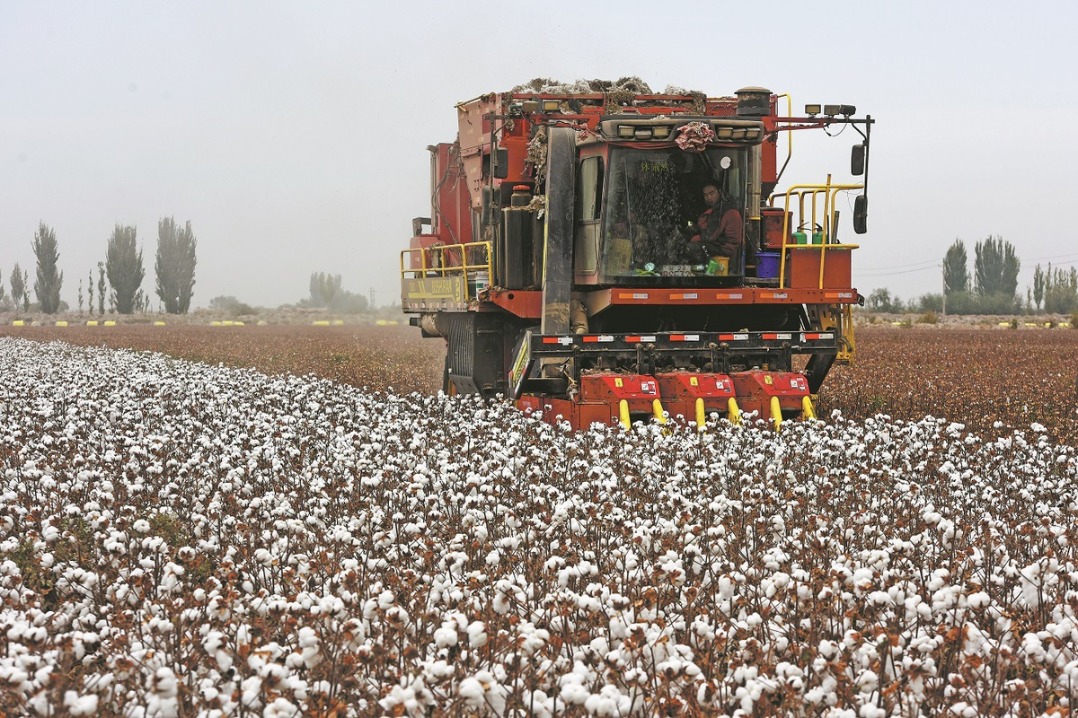
    The mechanization revolution has been particularly transformative. In Awat county, Aksu prefecture, the Yuhao Farmers’ Cooperative has automated over 80% of cotton operations from planting to harvesting. Cooperative manager Wang Hongwei explained how land leveling and adoption of high-yield, disease-resistant cotton varieties have enabled large-scale equipment deployment.

    Domestic agricultural machinery has played a crucial role in this transformation. Self-propelled cotton harvesters, predominantly manufactured domestically, can now process 10 hectares daily—equivalent to approximately 100 manual laborers. Local data indicates domestic machinery accounted for over 80% of cotton harvesters in Aksu’s Awat and Shaya counties.

    Agricultural equipment operators have increasingly embraced Chinese-made machinery, noting advantages in maintenance speed, warranty support, and training tailored to local conditions. Hao Jiangshan, who transitioned from imported to domestic harvesters after five years, exemplifies this shift. Yue Xingchun, manager at Shaya Boshiran Intelligent Agricultural Machinery Co, confirmed domestic equipment now matches imported models in performance while being specifically designed for Chinese field dimensions and operational requirements.

    Grain production similarly demonstrated robust growth, with total output reaching 24.32 million tons—an increase of 1.02 million tons from 2024. Over the past five years, Xinjiang’s annual grain output has expanded by 8.49 million tons, contributing 18.7% of China’s total growth during this period—the largest regional increase nationwide.

    Xinjiang’s agriculture department highlighted how approximately 4 million hectares of high-standard farmland have facilitated these achievements through technologies including rational dense planting and precision water-fertilizer regulation. Future plans involve concentrating cotton cultivation in mechanization-friendly zones, expanding local processing capabilities for wheat, corn, and cotton, and continuing yield optimization through technological innovation and improved farming practices.
  • China in elite global manufacturing club

    China in elite global manufacturing club

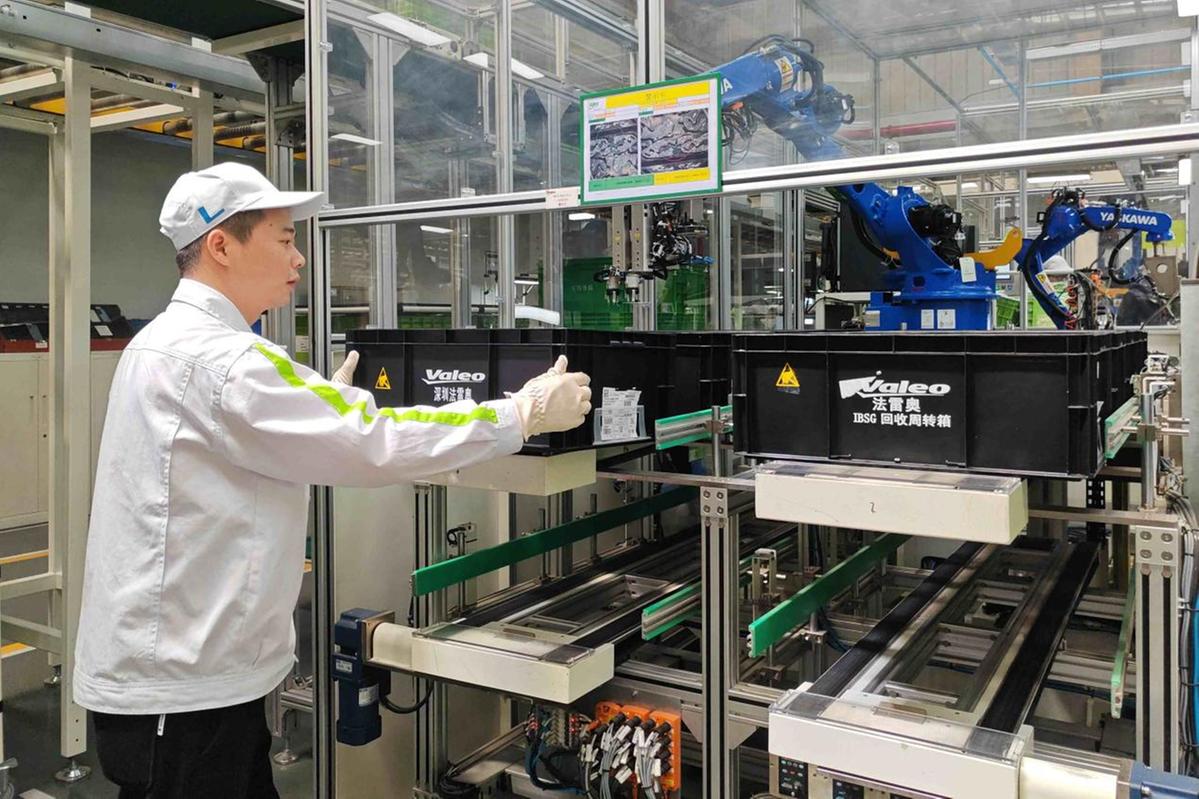
    China has achieved a historic milestone by entering the top tier of global manufacturing powers, according to a comprehensive report released on December 31, 2025. The nation’s manufacturing sector has surpassed Japan for the first time, positioning itself alongside Germany and the United States in the elite group of industrial leaders.

    The annual manufacturing development assessment, jointly published by the Chinese Academy of Engineering’s Centre for Strategic Studies, the China Academy of Machinery Science and Technology Group Co, and the China Industrial Control Systems Cyber Emergency Response Team, evaluates nine major economies across five critical indicators: scale development, quality and efficiency, structure optimization, innovation capacity, and sustainable development.

    Qin Hanjun, Chairman of the China Academy of Machinery Science and Technology Group Co, announced at a Beijing press conference that China’s manufacturing index has consistently exceeded 120 points for four consecutive years, firmly establishing the country within the second tier of manufacturing nations. The United States maintains a commanding lead with a score of 190.89, while Germany, China, and Japan form a competitive cluster scoring between 120 and 140.

    The report highlights innovation as the primary catalyst behind China’s manufacturing ascent. Research and development investment within the sector has more than doubled since 2012, rising from 0.85% to 1.82% in 2024. This sustained commitment to innovation has yielded tangible results, with China leading globally in Patent Cooperation Treaty applications for both 2023 and 2024.

    China has achieved world leadership in several advanced manufacturing sectors, including information and communication equipment, advanced rail transit systems, electrical power infrastructure, and new energy vehicles. Professor You Zheng, President of Huazhong University of Science and Technology and Chinese Academy of Engineering academician, identified key global trends reshaping manufacturing, including a strategic shift from efficiency-focused to security-focused supply chains, accelerated green transformation, and intensifying technological competition.

    Looking toward 2030, China anticipates maintaining world-leading positions in seven core industries while achieving breakthrough innovations in original technologies. By 2035, six additional sectors including new display equipment, robotics, and energy storage systems are projected to join China’s portfolio of globally competitive manufacturing capabilities.

  • China factory activity picks up in December as orders rebound ahead of holidays

    China factory activity picks up in December as orders rebound ahead of holidays

    China’s manufacturing sector has broken an eight-month contraction streak with December data indicating a return to expansion, according to official surveys released Wednesday. The National Bureau of Statistics reported the official purchasing managers index (PMI) climbed to 50.1 this month, narrowly crossing the 50-point threshold that separates expansion from contraction. A parallel private sector survey mirrored this reading at 50.1.

    The unexpected rebound reflects multiple factors including a temporary truce in U.S.-China trade tensions and manufacturers accelerating production ahead of the extended Lunar New Year holidays in mid-February. High-tech manufacturing demonstrated particularly robust performance, registering a PMI of 52.5 in December—a significant 2.4 percentage point increase from November.

    Sector-specific analysis revealed equipment manufacturing and consumer goods industries both reached 50.4 PMI readings. The food, textiles, apparel, and electronics sectors performed especially well with measures exceeding 53 points.

    However, the recovery remains uneven. While large manufacturers increased output, small and mid-sized enterprises—which employ the majority of China’s workforce—continued to contract. The RatingDog research firm noted that despite overall order improvements, new export sales declined slightly and hiring weakened.

    RatingDog founder Yao Yu cautioned that while manufacturing regained growth at year-end, “the improvement was marginal, with the impact of promotions and new products appearing impulse-driven and their sustainability requiring observation.”

    Economists point to persistent structural challenges including a prolonged property sector slump, industrial overcapacity, and squeezed profit margins due to rising raw material costs. Exporters responded by raising prices for the first time in three months to offset these higher costs.

    Julian Evans-Pritchard of Capital Economics suggested the upturn might be temporary, noting limited policy appetite for substantial demand-side stimulus amid ongoing property and industrial capacity headwinds expected to persist through 2026.

  • Global shares trade mixed with some exchanges closed ahead of the New Year

    Global shares trade mixed with some exchanges closed ahead of the New Year

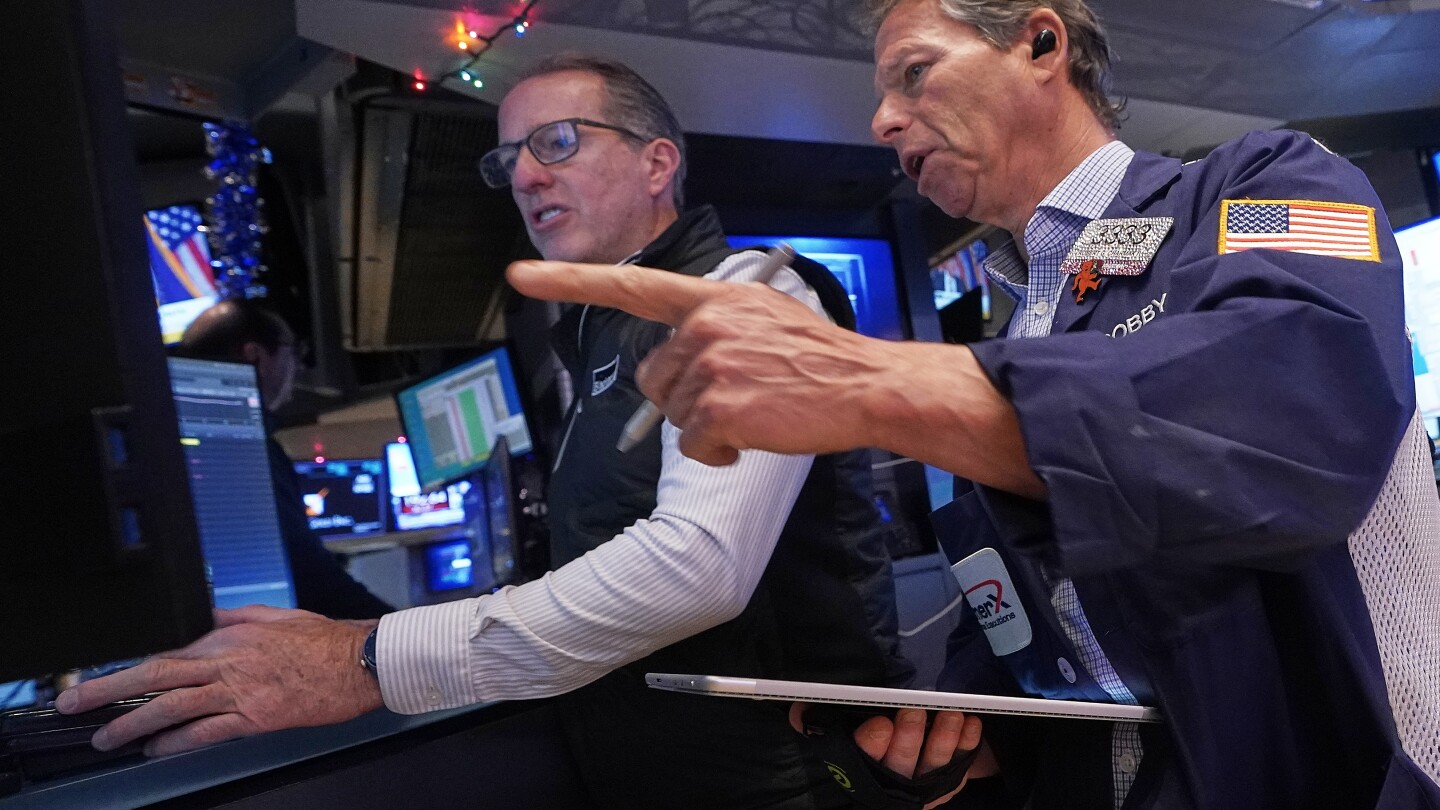
    Financial markets worldwide presented a fragmented picture during year-end holiday trading sessions, with several major exchanges across Europe and Asia remaining closed for seasonal observances. Among active European indices, France’s CAC 40 declined by 0.5% to reach 8,130.14 while Britain’s FTSE 100 retreated 0.2% to 9,923.59. Asian markets demonstrated divergent trajectories with Hong Kong’s Hang Seng dropping 0.9% to 25,630.54, while Taiwan’s Taiex surged 0.9% to 28,963.60. Australia’s S&P/ASX 200 remained nearly unchanged with a marginal decline. Tokyo and South Korean markets scheduled extended closures through the New Year period, with Wall Street maintaining limited Wednesday operations before its Thursday holiday closure.

    Energy markets witnessed subtle adjustments as U.S. crude prices decreased by 16 cents to $57.79 per barrel, with international benchmark Brent crude experiencing a comparable decline to $61.18. Currency markets reflected modest fluctuations with the U.S. dollar strengthening to 156.55 Japanese yen from 156.36 yen, while the euro weakened slightly against the dollar to $1.1727.

    Market analysts identified persistent concerns regarding inflationary pressures and central bank policy directions as key factors influencing trading sentiment. The Federal Reserve’s December meeting minutes revealed internal divisions regarding economic threat assessments, contributing to market uncertainty. Financial experts including Sung Won Sohn, economics professor at Loyola Marymount University, emphasized that central banks must exercise caution amid labor shortages and interest rate uncertainties, predicting continued market volatility requiring sophisticated risk management strategies from businesses and investors.

  • UAE sets minimum wage of Dh6,000 for Emiratis in private sector from January 1, 2026

    UAE sets minimum wage of Dh6,000 for Emiratis in private sector from January 1, 2026

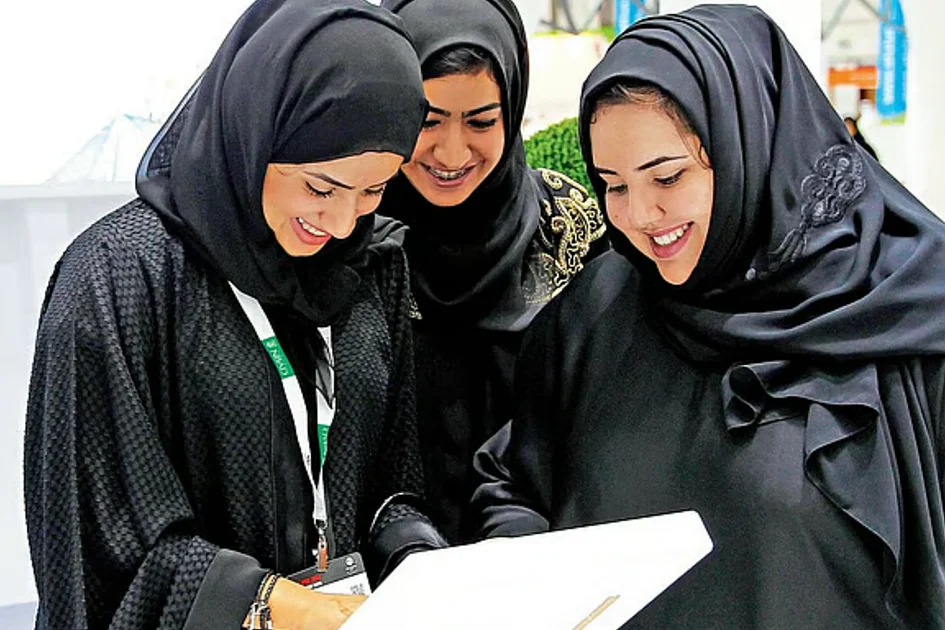
    The United Arab Emirates has announced a significant labor policy update establishing a Dh6,000 minimum wage requirement for Emirati nationals employed within the private sector. This landmark decision, formally disclosed by the Ministry of Human Resources and Emiratisation (Mohre), is scheduled to take effect on January 1, 2026.

    The policy directive was initially communicated through the ministry’s official smart application on December 27, 2025, with subsequent clarifications provided via their social media channels. The updated wage threshold will become a mandatory condition for all processes involving citizen work permits, including new issuances, renewals, and amendments.

    According to the ministerial guidelines, employers will receive official notifications through Mohre’s service channels and smart application platforms, alerting them to the new financial obligation. From the implementation date forward, any application for an Emirati work permit will be automatically rejected if the registered salary falls below the mandated Dh6,000 threshold.

    The regulation establishes a compliance grace period extending through June 30, 2026. Organizations failing to adjust salaries to meet the new standard by this deadline will face enforcement measures beginning July 1, 2026. Penalties include exclusion of non-compliant employees from official Emiratisation quota calculations and restrictions on new work permit issuance for the entire establishment.

    Mohre specifically clarified that the wage increase applies exclusively to citizen work permits with standard two-year validity periods. This development follows previous wage adjustments that required Emiratis hired from January 2025 to receive at least Dh5,000 monthly by February 2025, with similar compliance mechanisms.

  • Natural gas accounts for 70% of portfolio output: Mubadala Energy COO

    Natural gas accounts for 70% of portfolio output: Mubadala Energy COO

    Mubadala Energy has revealed that natural gas constitutes approximately 70% of its production portfolio, according to Chief Operating Officer Adnan Bu Fateem. The announcement came as the company characterized 2025 as a transformative year for its international growth initiatives.

    The state-owned energy company has strategically positioned natural gas as a cornerstone of its investment philosophy, recognizing it as a critical transitional fuel with lower emissions compared to more carbon-intensive alternatives. This approach forms part of a broader strategy that seeks to balance global energy security requirements with ongoing energy transition objectives.

    Bu Fateem detailed the company’s recent geographic diversification, highlighting their entry into the United States market through investment in the Caturus natural gas and LNG portfolio. This strategic move provides Mubadala Energy with comprehensive exposure across the entire gas value chain within one of the world’s largest energy markets. The expansion complements the company’s existing assets across the Middle East, Southeast Asia, and Russia.

    Operational progress continues across key projects, with significant advancements reported at the Tangkulo gas field in Indonesia. Meanwhile, production levels remain consistent at the flagship Pegaga project in Malaysia, demonstrating operational stability in the region.

    Environmental performance metrics show substantial progress, with the company achieving a 36.5% reduction in Scope 1 and 2 greenhouse gas emissions. Additionally, Mubadala Energy’s community engagement programs have positively impacted over one million beneficiaries throughout the past decade, underscoring the company’s commitment to sustainable development alongside commercial operations.

    The COO emphasized that Mubadala Energy’s investment model prioritizes long-term stability and returns across diverse geographic regions, creating a resilient portfolio capable of weathering market volatility while contributing to global energy needs.

  • NRIs in UAE: How to invest in digital gold in India

    NRIs in UAE: How to invest in digital gold in India

    Financial experts are issuing urgent warnings to Non-Resident Indians in the UAE regarding the substantial risks associated with digital gold investments through unregulated online platforms. Unlike government-approved securities, these e-gold products operate entirely outside the regulatory oversight of India’s Securities and Exchange Board (SEBI), leaving investors vulnerable to significant financial losses without access to protective mechanisms.

    The regulatory gap means investors cannot seek recourse through SEBI’s complaint channels if transactions go awry. Instead, financial advisors strongly recommend regulated alternatives such as Gold Exchange Traded Funds (ETFs) offered by mutual funds or Electronic Gold Receipts (EGRs) traded on formal stock exchanges through SEBI-registered intermediaries.

    Meanwhile, India’s economic outlook for 2026 appears robust despite global uncertainties. The Asian Development Bank projects 6.5% growth for India, slightly below the Reserve Bank of India’s 7.3% forecast for fiscal year 2025-26. This growth is fueled by rising domestic consumption, manufacturing expansion, and recent reductions in Goods and Services Tax.

    In parallel developments, India’s Global Capability Centers (GCCs) are experiencing unprecedented growth, creating approximately 300,000 new technical jobs annually. Multinational corporations have established over 1,800 GCCs across major Indian cities, with hiring rates surpassing traditional IT services companies by fourfold. Specialized fields like artificial intelligence, product engineering, and cybersecurity are witnessing particularly high demand.

    The Mumbai Metropolitan Region Development Authority recently partnered with a global property firm to develop Asia’s largest GCC by 2029, expected to generate 30,000 skilled positions. Maharashtra’s proactive GCC policy aims to attract high-value operations that promote sustainable economic development through green energy initiatives and skilled employment generation.

  • Chinese firms make strong Hong Kong debuts, capping bumper listings year

    Chinese firms make strong Hong Kong debuts, capping bumper listings year

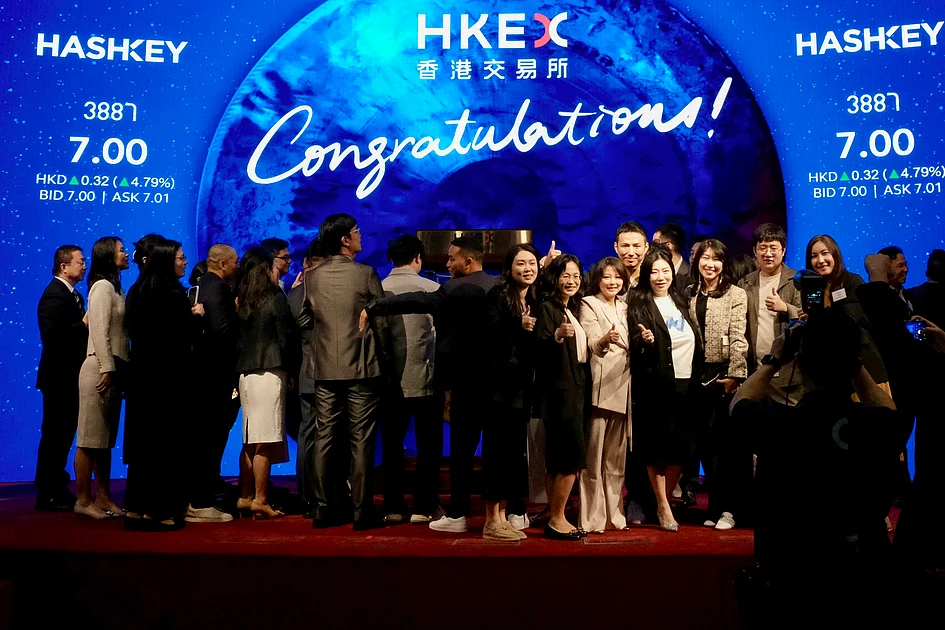
    Hong Kong’s equity markets concluded a remarkable resurgence year with exceptional debut performances from multiple Chinese companies on December 30, 2025. Six newly listed firms collectively raised approximately HK$6.99 billion ($900 million) and all closed significantly above their initial offering prices, signaling robust investor appetite for technology-driven growth stories.

    The trading session witnessed particularly impressive gains from artificial intelligence and technology-focused enterprises. Generative-AI pharmaceutical research firm InSilico Medicine Cayman TopCo surged nearly 25%, while digital twin technology specialist Beijing 51WORLD Digital Twin Technology jumped approximately 30%. Industrial steel-structure manufacturer USAS Building System advanced 7.6%, and premium skincare company Shanghai Forest Cabin Cosmetics Group rose over 9%.

    Market analysts attribute this buoyant performance to several key factors: regulatory reforms implemented in August, abundant market liquidity, and a resurgence of margin lending activity. According to Hong Kong Stock Exchange data, the average first-day gain for IPOs throughout 2025 reached approximately 40%, with total capital raising reaching HK$285.8 billion across 119 listings.

    George Au, Deputy Sales Director at Phillip Securities, noted: ‘This year represents our strongest performance since the canceled Ant Group offering in 2020, driven by successful listings including Mixue and CATL, along with regulatory adjustments that have significantly improved market sentiment.’

    The momentum continues with three additional Chinese companies launching share sales on Tuesday, adding over HK$9 billion to Hong Kong’s IPO pipeline. AI specialist Zhipu AI (Knowledge Atlas Technology) seeks to raise HK$4.35 billion, semiconductor manufacturer Shanghai Iluvatar CoreX targets HK$3.67 billion, and surgical robotics developer Shenzhen Edge Medical aims to raise approximately HK$1.2 billion, all scheduled to begin trading on January 8.

    With more than 300 companies currently filed for listing and prominent debuts from semiconductor designer Shanghai Biren Technology and AI startup MiniMax expected in early January, Hong Kong has firmly reestablished itself as Asia’s dominant equity capital marketplace heading into 2026.

  • TEKA opens first flagship showroom in Saudi Arabia with Abdul Latif Jameel Electronics

    TEKA opens first flagship showroom in Saudi Arabia with Abdul Latif Jameel Electronics

    JEDDAH, SAUDI ARABIA – In a significant expansion move, German-built kitchen appliance manufacturer TEKA has launched its inaugural flagship showroom in Saudi Arabia through a strategic alliance with Abdul Latif Jameel Electronics (ALJE). The prestigious opening ceremony in Jeddah gathered top executives from TEKA, ALJE, and MIDEA Group, alongside industry stakeholders, dealers, and media representatives.

    The state-of-the-art showroom presents TEKA’s premium built-in kitchen solutions through an immersive experience emphasizing German engineering excellence and contemporary design innovation. The facility aims to inspire homeowners, architects, and developers while addressing the sophisticated demands of Saudi Arabia’s evolving consumer market.

    ALJE Chief Executive Hisham Hamza highlighted the partnership’s strategic significance, noting the alignment with Saudi Vision 2030’s economic diversification objectives. “This collaboration embodies our shared commitment to quality and innovation while expanding our portfolio of world-class brands,” Hamza stated during the inauguration.

    Scott Fu, President of MIDEA Group for the MEARI region, emphasized the historical partnership between MIDEA and Abdul Latif Jameel Electronics, confirming that all MIDEA Group appliance brands now maintain substantial presence in the Saudi market through this expansion.

    Arturo Manso, TEKA’s Regional CEO for the Middle East, articulated the brand’s philosophy centered on the kitchen as the home’s fundamental gathering space. “As German kitchen specialists, we deliver reliable, design-forward appliances that serve as essential partners in modern living,” Manso explained.

    The launch event featured guided showroom tours demonstrating TEKA’s latest technological innovations and design concepts to invited guests and media representatives. This development reflects growing consumer demand for premium home solutions in Saudi Arabia and supports Vision 2030’s initiatives to enhance retail experiences and lifestyle standards nationwide.

    The Jeddah showroom is now operational and open to public visitation, offering comprehensive access to TEKA’s full range of kitchen appliance solutions.

  • Hainan registers record flow of foreign visitors

    Hainan registers record flow of foreign visitors

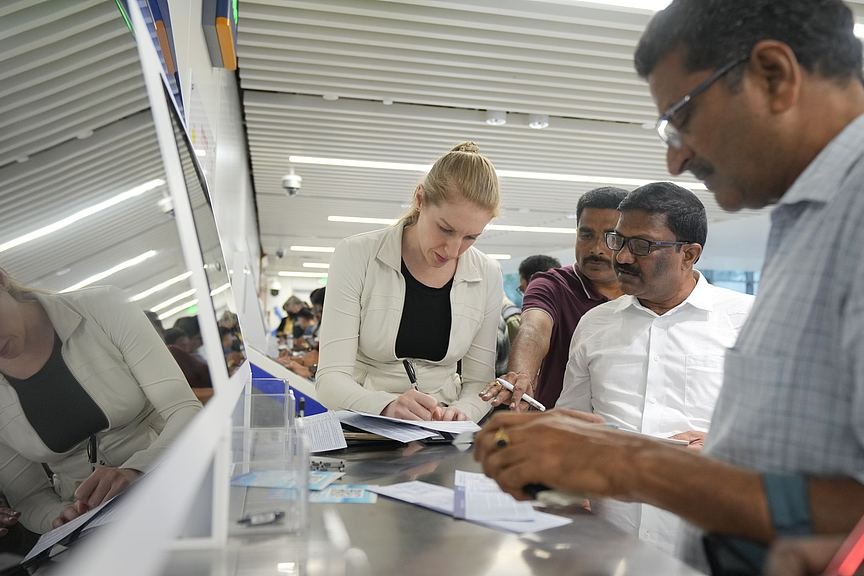
    Hainan Province has achieved a remarkable milestone in international tourism, recording over 1.46 million foreign arrivals and departures as of December 2025. This represents a significant 16% increase compared to the previous record set in 2019, according to official immigration data released Tuesday.

    The unprecedented growth is largely attributed to Hainan’s expansive visa-free policies, which have become a cornerstone of the Hainan Free Trade Port’s strategy for enhanced global connectivity. Wang Haixing, Director of the Haikou General Station of Exit and Entry Frontier Inspection, emphasized that these liberalized entry regulations have positioned Hainan as a leader in China’s international tourism recovery.

    Visa-free entries now constitute 90% of all foreign arrivals to the tropical island, with foreign nationals accounting for 54% of total inbound and outbound traffic through Hainan’s ports. The province currently extends visa-free access to citizens from 86 countries for various purposes including tourism, business activities, family visits, medical services, exhibitions, and sporting events.

    Complementary policies have further streamlined entry procedures, including a 144-hour visa waiver for foreign tour groups originating from Hong Kong and Macao, a 15-day exemption for cruise passengers, and a 240-hour transit visa waiver program.

    To accommodate the surging passenger volume, Hainan has undertaken substantial infrastructure enhancements. The province has expanded its immigration inspection lanes to 98 channels while establishing 92 international air routes connecting to more than 30 countries and regions. These routes now facilitate approximately 80 daily international flights, supporting a dramatic recovery from 780,000 passengers in 2023 to 2.7 million in 2025—an average annual growth rate exceeding 85%.

    Concurrently, Hainan has implemented efficiency measures that have reduced visa processing times at ports by nearly 30 minutes and accelerated overall passenger clearance by 30%. For maritime and aviation transport, optimized procedures including pre-clearance and onboard inspection have decreased wait times, boosting transport efficiency by 20%.

    These operational improvements have yielded substantial economic benefits, saving businesses an estimated 12,000 hours in clearance time and approximately 250 million yuan ($35 million) in operational costs, according to immigration authorities.