分类: business

  • Bulgaria joins the euro after rocky path to new currency

    Bulgaria joins the euro after rocky path to new currency

    Bulgaria has officially become the 21st nation to adopt the euro, marking a significant yet contentious milestone for the European Union’s most economically disadvantaged member state. This transition, which saw the Bulgarian lev replaced on January 1st, 2026, positions the nation ahead of wealthier Eastern European peers like Poland, Hungary, and the Czech Republic.

    The move to the single currency has exposed a stark generational and geographic rift within the country. For younger, urban, and entrepreneurial citizens, euro adoption represents the final step in a long journey of European integration, following NATO and EU membership and entry into the Schengen zone. They view it as an optimistic leap toward greater economic opportunity and stability.

    Conversely, for older, rural, and more conservative segments of the population, the abandonment of the historic lev—a national symbol since 1881—has provoked fear and resentment. The currency, whose name means ‘lion,’ was pegged first to the Deutschmark and then to the euro since 1997, but its physical replacement is seen by many as an erosion of national sovereignty.

    This societal split is reflected in opinion polls, which indicate the nation’s 6.5 million people are almost evenly divided. The political landscape further complicates the transition. Prime Minister Rosen Zhelyazkov’s coalition government collapsed after a no-confidence vote on December 11th, 2025, following mass protests against the national budget. This event continues a pattern of extreme instability, with seven elections held in the past four years and an eighth likely imminent.

    Interviews with citizens reveal the depth of this division. Todor, a 50-year-small business owner in Gabrovo, expressed strong opposition, stating he believed 70% would reject the euro in a referendum—a vote proposed by President Rumen Radev but rejected by the government. He blamed fears of the new currency for a decline in his sales amid already high inflation.

    In contrast, Ognian Enev, a 60-year-old tea shop owner in Sofia, welcomed the change as a mere ‘technical’ shift. He noted that many Bulgarians, particularly the 1.2 million living abroad who send remittances in euros, are already accustomed to the currency. Like many retailers, he is prepared with euro coins and notes for the dual-currency period throughout January, where change will be given in euros, ahead of the lev’s complete retirement on February 1st.

    To ease the public’s fear of price gouging, a mandatory dual-pricing law has been in effect since August 2025. The near 1:2 conversion rate (€1 = 1.95583 lev) simplifies the transition. Elaborate consumer protection watchdogs have been established to prevent merchants from rounding prices up, with some, like Sofia’s public transport fares, being rounded down instead.

    In a symbolic move to assuage concerns over lost identity, Bulgaria’s euro coins feature distinct national imagery: St. Ivan of Rila on the €1 coin, Paisius of Hilendar on the €2, and the ancient Madara Rider on the smaller denominations.

    The ultimate economic impact remains the critical unknown. The country now faces two potential futures: the successful ‘Baltic model’ of Estonia, Latvia, and Lithuania, which combined euro adoption with robust reforms to spur investment and fight corruption, or the ‘Italian model’ of prolonged economic stagnation—an outcome some, including Mr. Enev, fear is more likely for Bulgaria.
  • Dubai real estate 2026: Scarcity, smart selection and shifting demand shape the next market cycle

    Dubai real estate 2026: Scarcity, smart selection and shifting demand shape the next market cycle

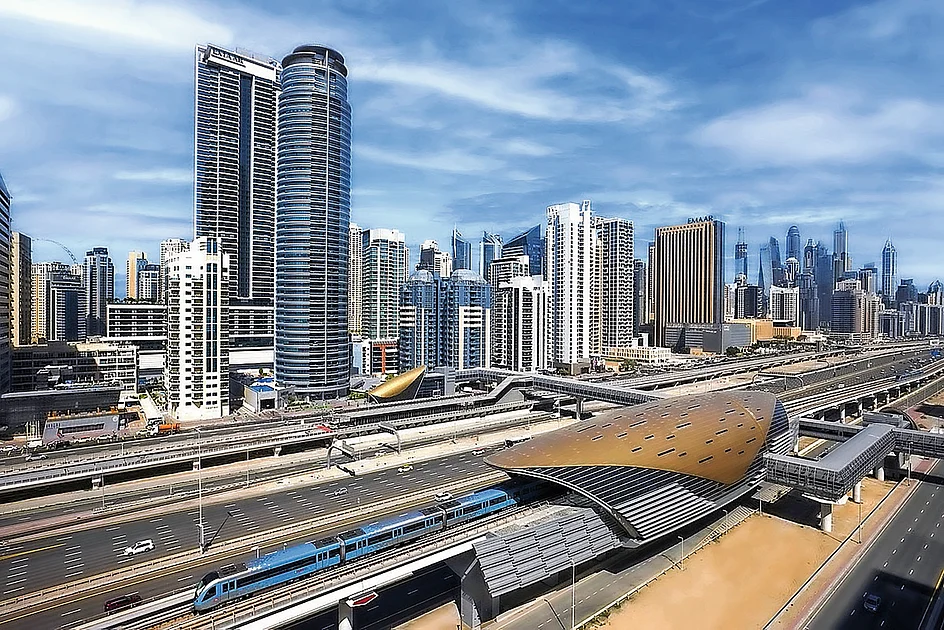
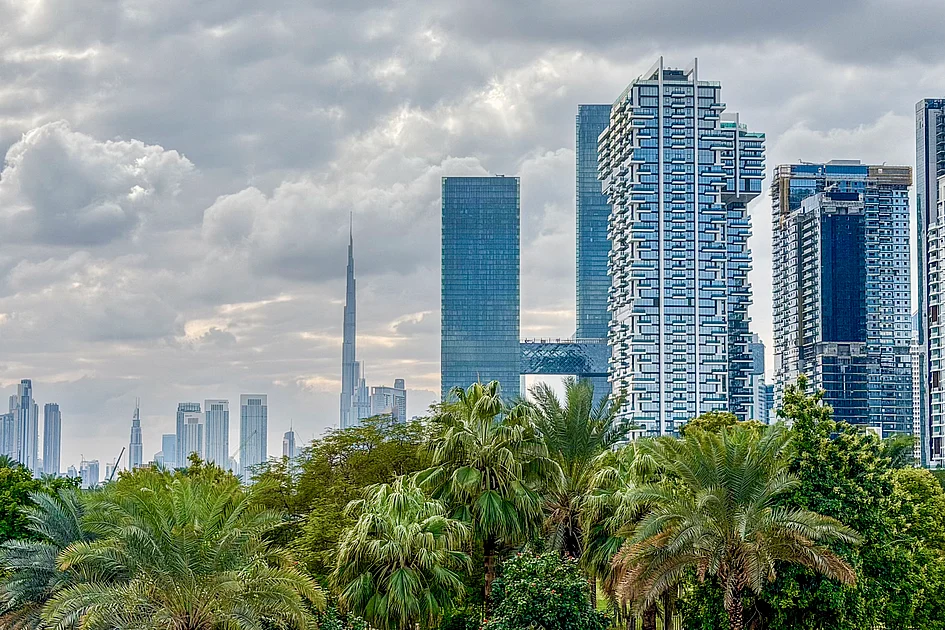
    Dubai’s property sector is poised for a transformative phase in 2026, characterized by land scarcity in prime districts, strategic market rebalancing, and the emergence of Abu Dhabi as a competitive investment alternative. Industry executives anticipate this period will favor data-driven decision-making over speculative investments, with resilience concentrated in high-quality assets and purpose-built commercial developments.

    According to Abdullah Alajaji, CEO of Driven Properties, Abu Dhabi is rapidly evolving into a formidable real estate market, with expanded liquidity through tokenization and alternative ownership structures enhancing market depth. The upcoming cycle is expected to address the current imbalance between residential oversupply and office space shortages, with government-backed entities likely to introduce purpose-built office districts to meet sustained demand.

    Firas Al Msaddi, CEO of fäm Properties, emphasizes the critical importance of analytical metrics for market timing. “Days on market and absorption rates provide real-time indicators of supply-demand dynamics,” he notes, cautioning against treating Dubai as a monolithic market. Instead, he recommends granular analysis across location, price category, usage type, and buyer profile to identify genuine opportunities.

    Market projections indicate high handover volumes through 2026-2027 will create rental price softening in areas with substantial new supply, while sales prices maintain stability with upward trends in select segments. The most resilient locations will be those with limited future development potential, particularly Dubai’s emerging “golden square” encompassing Jumeirah Bay, Jumeirah Water Canal corridor, Downtown, Business Bay, DIFC, City Walk, and La Mer.

    With raw land diminishing in established core areas, Alajaji anticipates increased public-private collaboration, with government entities leveraging their extensive land banks for projects like Dubai Design District, Palm Jebel Ali, and subsequent phases of Dubai Islands. This approach distributes risk while maintaining long-term market equilibrium.

    Msaddi identifies Jebel Ali and Jumeirah Village Circle (JVC) as areas with significant upcoming supply, though he distinguishes between Jebel Ali’s massive scale mitigating oversupply risks and JVC’s 25,000+ planned handovers requiring heightened selectivity regarding building quality, layout, and pricing differentiation.

    Regulatory developments are expected to enhance transparency and operational discipline, particularly regarding advertising controls and broker operations, with anticipation building for the January 2026 implementation of NOC requirements for rental advertising permits.

    Despite potential global economic headwinds, Dubai’s lower mortgage dependency and appeal to internationally mobile wealth position it for relative resilience. “Wealth doesn’t disappear—it compresses,” Msaddi observes, noting that demand for secure, functional investment havens persists during uncertainty.

    The 2026 investment strategy prioritizes selection over speculation, focusing on scarcity-driven prime locations, institutional-quality assets, and community-oriented developments that maintain desirability beyond initial launch enthusiasm. Investors are advised to monitor days-on-market metrics, off-plan absorption rates, and exercise particular caution in high-volume pipeline areas while establishing exit strategies during acquisition rather than after.

    Market performance will ultimately be determined by disciplined pricing based on comparable properties within the same building or community, rather than optimistic projections. As Alajaji summarizes, resilience will concentrate in locations “with minimal remaining land supply,” creating an environment where only appropriately priced quality assets will thrive.

  • Farmers can now learn how much aid they will get from the Trump administration

    Farmers can now learn how much aid they will get from the Trump administration

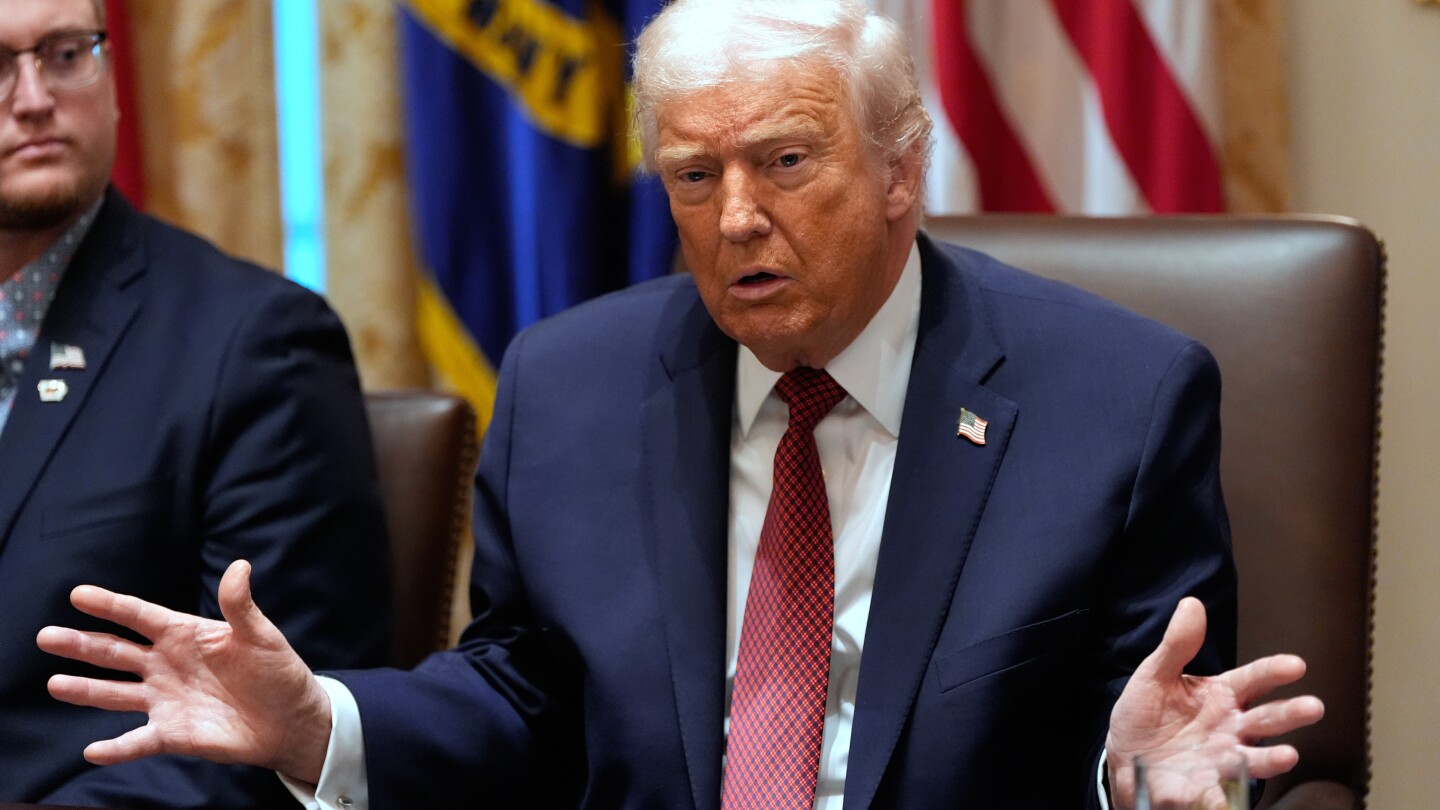
    The U.S. Department of Agriculture has finalized payment rates for its $12 billion agricultural relief program, providing crucial details to farmers grappling with trade war disruptions. The aid package, announced by the Trump administration earlier this month, establishes specific per-acre compensation rates: $48.11 for sorghum, $44.36 for corn, and $30.88 for soybeans—the crop most severely impacted by China’s cessation of American agricultural purchases.

    While officials guarantee payments will reach farmers by February’s end, the timing presents logistical challenges. Most agricultural producers have already secured financing and placed orders for next season’s seeds and fertilizers before learning their specific aid allocations. The compensation formula, based on USDA production cost calculations, aims to help farmers withstand trade disruptions until two key developments materialize: China’s fulfillment of its October agreement to resume soybean purchases and the implementation of provisions within Trump’s massive budget bill.

    Agricultural leaders acknowledge the assistance but emphasize its limitations. Kentucky soybean farmer Caleb Ragland, former president of the American Soybean Association, characterized the payments as “a Band-Aid on a deep wound,” stressing that market competition and expanded opportunities remain essential for long-term viability. National Corn Growers Association President Jed Bower echoed these concerns, noting that multiple years of low corn prices and high input costs have created sustained financial pressure across the industry.

    The relief program includes $11 billion for row crop producers with an additional $1 billion reserved for specialty crops and sugar, though details for these allocations remain pending. Eligibility restrictions cap payments at $155,000 per farmer or entity, excluding operations with adjusted gross incomes exceeding $900,000—a provision designed to prevent large-scale operations from exploiting loopholes that previously allowed some farms to collect millions in aid.

    Despite the challenges, most farmers maintain support for the administration, believing improved trade deals will ultimately emerge from current negotiations. Recent purchases by China have provided encouragement, with over 1 million metric tons of sorghum and approximately 6.6 million metric tons of soybeans acquired in recent weeks, though Beijing has not formally confirmed its commitment to purchase 12 million metric tons by February as announced by the White House.

  • Trump media firm to issue new cryptocurrency to shareholders

    Trump media firm to issue new cryptocurrency to shareholders

    Trump Media and Technology Group (TMTG), the parent company of former President Donald Trump’s Truth Social platform, has announced the creation of a novel cryptocurrency exclusively for its shareholders. This strategic move represents the Trump family’s expanding footprint in the digital asset landscape, an industry that has already yielded substantial financial returns while simultaneously drawing scrutiny over potential conflicts of interest.

    The newly unveiled token will be distributed on a one-to-one basis relative to share ownership. Current CEO Devin Nunes, who also chairs the White House Intelligence Advisory Board, hailed the initiative as a groundbreaking effort to reward investors and champion market transparency. The distribution will be facilitated through a partnership with the Crypto.com exchange, with the token operating on the Cronos blockchain.

    This foray into crypto coincides with a notable regulatory shift from the Trump administration. Since returning to the White House, President Trump has championed policies favorable to the cryptocurrency sector. His administration signed the nation’s first major crypto legislation, dropped several enforcement cases against crypto businesses, and advocated for allowing retirement savings to be invested in digital assets. This stands in stark contrast to Trump’s previous characterization of cryptocurrency as a scam.

    Despite a supportive regulatory environment, the crypto market has faced headwinds. Bitcoin is on track for an annual loss after retreating from its October peaks. Similarly, TMTG’s stock has plummeted over 60% this year, and a separate ‘TRUMP’ meme-coin launched around the January inauguration has lost more than 90% of its value. The company has indicated that token holders may receive various perks, including discounts on TMTG products, with distribution expected in the near future.

  • Hunan becomes fourth city to host Chinese-built C919 jet

    Hunan becomes fourth city to host Chinese-built C919 jet

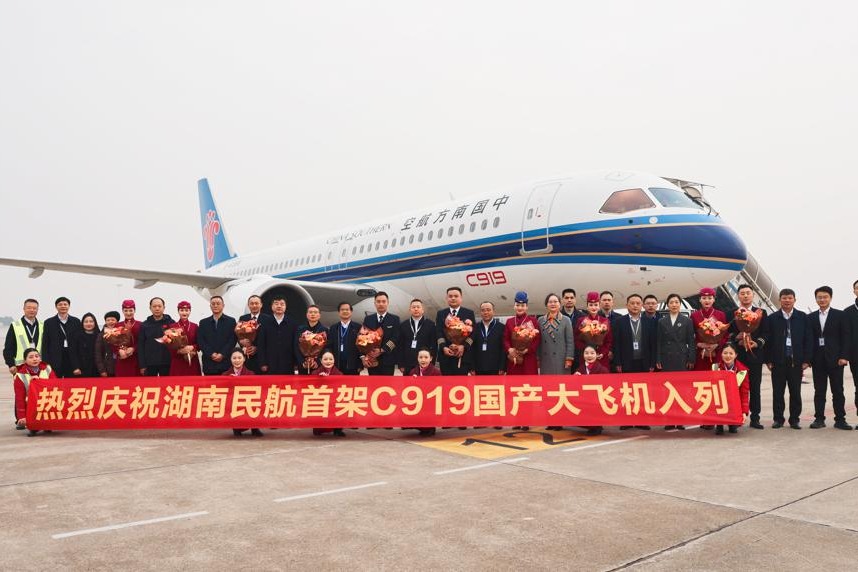
    Hunan Province has entered a new era of aviation connectivity as China’s domestically developed C919 passenger jet commenced dual-base operations from Changsha Huanghua International Airport. The aircraft (registered B-658N) completed its inaugural landing on Wednesday, establishing Hunan’s capital as the fourth Chinese metropolitan center to integrate the homegrown jetliner into regular service, following Beijing, Shanghai, and Guangzhou.

    China Southern Airlines, the pioneering carrier operating the C919, confirmed this strategic expansion represents a significant milestone in China’s commercial aviation advancement. The airline has initiated a dual-base operational model connecting Guangzhou and Changsha, enhancing regional connectivity while demonstrating growing confidence in the aircraft’s performance capabilities.

    Since its initial deployment to Hunan in January, the C919 has been actively serving seven major domestic routes from Changsha to key economic hubs including Guangzhou, Beijing, Shanghai, and Chengdu. Operational data reveals impressive performance metrics with over 1,400 completed flights transporting more than 170,000 passengers to date. Travelers and aviation experts have particularly noted the aircraft’s enhanced comfort features and operational reliability during this period.

    The expansion continues with China Southern Airlines announcing plans to introduce a second C919 aircraft to Hunan prior to the February Spring Festival travel season. According to Du Haibo, Deputy General Manager of China Southern’s Hunan branch, the additional aircraft will support three crucial routes during the peak travel period, connecting Changsha with Guangzhou, Beijing, and Shanghai.

    This strategic deployment underscores China’s accelerating progress in aerospace manufacturing and commercial aviation infrastructure development, positioning the C919 as an increasingly important component of the country’s transportation network.

  • KP Group signs MoU to develop up to 5 GW of renewable energy in Botswana

    KP Group signs MoU to develop up to 5 GW of renewable energy in Botswana

    In a landmark move for Africa’s clean energy landscape, Indian renewable power developer KP Group has entered into a strategic partnership with the Botswana government through a comprehensive Memorandum of Understanding. The agreement, signed between Botswana’s Ministry of Minerals and Energy and KP Group’s subsidiaries—KPI Green Energy Limited, KP Energy Limited, and KP Green Engineering Limited—establishes a framework for developing up to 5 gigawatts of renewable energy capacity alongside associated transmission infrastructure.

    The collaboration represents one of Africa’s most ambitious renewable energy initiatives, with an estimated investment value of $4 billion (approximately ₹36,000 crore). This partnership directly supports Botswana’s national objective of achieving net-zero carbon emissions by 2030 while simultaneously marking a significant milestone in KP Group’s international expansion strategy.

    The agreement encompasses multiple dimensions of energy development, including large-scale solar and wind power generation, advanced energy storage solutions, and critical transmission infrastructure modernization. The partnership will also focus on enhancing Botswana’s high-voltage transmission network and establishing improved interconnections with neighboring nations to facilitate regional energy security and power trading.

    Beyond infrastructure development, the MoU includes a substantial educational component wherein KP Group will fund 30 annual scholarships for Botswana citizens to pursue specialized training in renewable energy technologies, engineering disciplines, and sustainability sciences. This initiative aims to foster local expertise, promote knowledge transfer, and engage Botswana’s youth in the nation’s clean energy transition.

    The signing ceremony gained additional significance with the virtual inauguration of KP Green Engineering’s new fabrication and galvanizing facility in Matar, Bharuch, by Harsh Rameshbhai Sanghavi, Gujarat’s Deputy Chief Minister and Home Minister. This manufacturing expansion strengthens the group’s capacity to execute large-scale international renewable projects.

    Botswana’s Minerals and Energy Minister Bogolo Joy Kenewendo emphasized that the partnership would “accelerate clean energy deployment while delivering long-term economic and environmental benefits.” Dr. Faruk G. Patel, KP Group’s founding promoter, noted that the collaboration “reflects a shared vision to unlock Botswana’s solar and wind potential and support its journey toward net-zero.” The agreement follows Indian President Droupadi Murmu’s recent visit to Botswana, signaling deepening bilateral cooperation in clean energy development.

  • US or China: Whose bubbles will loom larger in 2026?

    US or China: Whose bubbles will loom larger in 2026?

    TOKYO — President Donald Trump’s escalating campaign against Federal Reserve leadership is generating profound concern among international policymakers and financial markets. This confrontation carries particular significance for Asian economies, which collectively hold approximately $3 trillion in U.S. Treasury securities, making them especially vulnerable to potential disruptions in American monetary policy stability.

    Japan maintains its position as the largest foreign holder of U.S. government debt with nearly $1.2 trillion in Treasury securities, while China follows with approximately $689 billion. Despite a national debt exceeding $38 trillion, congressional dysfunction, and ongoing tariff implementations, 10-year Treasury yields have remained around 4%, demonstrating the dollar’s persistent strength despite underlying pressures.

    The current administration’s unusual approach toward the Federal Reserve includes recent threats of legal action against Chair Jerome Powell, ostensibly regarding renovations to the Fed’s Washington headquarters. Financial analysts interpret these maneuvers as attempting to pressure the central bank into implementing more aggressive interest rate reductions while potentially creating a scapegoat for economic consequences stemming from trade policies.

    This situation evokes comparisons to monetary strategies typically associated with emerging economies rather than the nation responsible for the global reserve currency. The administration’s apparent desire for dollar weakness seems to disregard historical lessons from Japan’s experience with prolonged currency undervaluation and its subsequent economic challenges.

    Looking toward 2026, multiple potential flashpoints threaten global economic stability. These include unsustainable U.S. debt levels, tariff-induced inflation, potential implosion of artificial intelligence investment bubbles, and China’s persistent structural imbalances including property market crises and industrial overcapacity.

    The complex interdependence between the U.S. and Asian economies creates a delicate balance. While Asian nations theoretically possess significant leverage through their Treasury holdings, any large-scale selling would likely trigger rising borrowing costs that would ultimately reduce American consumers’ ability to purchase Asian exports—a classic mutually assured destruction scenario.

    Current developments suggest challenging months ahead as the administration grows increasingly impatient with trading partners. Expectations of substantial financial contributions from Japan, South Korea, and the European Union remain unfulfilled, while China’s record $1 trillion trade surplus despite 47.5% tariffs continues to create tension.

    Simultaneously, China faces its own economic challenges with property markets remaining particularly vulnerable. New home sales have declined 11.2% year-on-year as of November, exceeding earlier pessimistic forecasts. Analysts note that without substantial improvements in broader economic conditions and household income, along with significant inventory reduction, sustained recovery appears unlikely.

    The coming year may determine whether current economic tensions escalate into full-blown crises or whether policymakers can navigate these complex challenges without triggering broader market disruptions that would affect the global economy.

  • Dubai: Gold prices drop further on last day of 2025 after record-breaking year

    Dubai: Gold prices drop further on last day of 2025 after record-breaking year

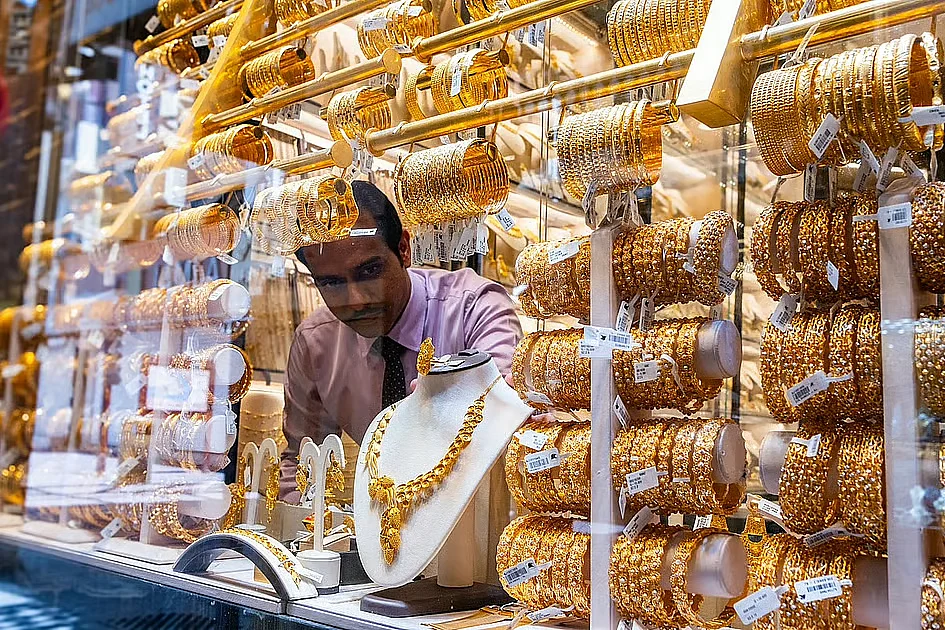
    Dubai’s gold market concluded a historic year with a downward adjustment on Wednesday, December 31, 2025, as prices declined across all variants during the final trading session. The 24K gold price opened at Dh522 per gram, reflecting a decrease of Dh3 from Tuesday’s closing rate of Dh525 per gram.

    According to data released by the Dubai Jewellery Group, other gold variants followed similar downward trajectories. The 22K variant settled at Dh483.25 per gram, while 21K gold traded at Dh463.5 per gram. The 18K and 14K categories declined to Dh397.25 and Dh309.75 per gram respectively.

    In international markets, spot gold was trading at $4,332.47 per ounce at 9:30 AM UAE time, representing a 0.88 percent decrease. This movement continues the correction that began earlier in the week, with gold having experienced a significant five percent single-day drop on December 29.

    Market analysts attribute this correction to several converging factors. Ahmad Assiri, Research Strategist at Pepperstone, identified aggressive profit-taking activities and the unwinding of leveraged positions as primary drivers behind the precious metal’s recent volatility. “The speed of the correction, as much as its magnitude, was the key element behind the intensity of the market reaction,” Assiri noted.

    Seasonal market conditions have amplified these price movements. Year-end trading typically features thinner liquidity, making prices more susceptible to fluctuations from relatively modest positioning adjustments. Despite the recent pullback, market observers note that gold has demonstrated notable resilience around the $4,350 level, which corresponds with the upper boundary of its previous trading channel.

    Assiri suggested that the current correction might present strategic opportunities rather than signaling a fundamental trend reversal: “As volatility subsides and liquidation pressures ease, this pullback could ultimately prove to be a renewed opportunity rather than a trend reversal in gold.”

    The year 2025 has been exceptionally strong for gold investors in Dubai, with residents having gained approximately Dh200 per gram throughout the year prior to this final week’s adjustment.

  • UAE experts reveal which investments paid off in 2025, why they may win next year too

    UAE experts reveal which investments paid off in 2025, why they may win next year too

    The investment landscape of 2025 demonstrated a decisive shift toward stability and tangible value, with analysts identifying clear patterns in what delivered superior returns. According to financial experts across the United Arab Emirates, investors consistently favored cash-generating, real-economy assets capable of weathering geopolitical tensions, inflationary pressures, and fluctuating interest rates.

    Gold emerged as the standout performer, earning the title ‘asset of the year’ due to its hedging capabilities against global uncertainty and substantial central bank acquisitions. Waleed Dhaduk, Chief Executive of Gutmann Capital, noted that the most successful investments combined defensiveness, predictable cash flows, and exposure to structural growth themes. Beyond precious metals, Dubai’s commercial real estate market, downstream industrials, and selective emerging-market exposures delivered robust returns. Even cash holdings proved surprisingly lucrative, benefiting from elevated EIBOR rates that rewarded conservative portfolio strategies.

    Remco Coerman, Founder and CEO of Epic Edges Group, observed that 2025 ‘rewarded utility over fashion,’ with energy infrastructure, agricultural production, defense industries, and physical assets like land and logistics in emerging markets significantly outperforming. This trend reflected a fundamental shift in investor psychology from ‘what can grow fastest’ to ‘what functions when systems falter,’ driving capital toward recession-resistant projects.

    Technology sectors, particularly artificial intelligence companies and Asian semiconductor firms, delivered genuine earnings growth backed by global demand. Defense-related businesses experienced renewed interest as government spending priorities evolved. Cryptocurrencies maintained their position as strong multi-year performers despite characteristic volatility, with growing institutional participation expanding their role in diversified portfolios.

    Tajinder Virk, Co-Founder and CEO of Finvasia Group, identified three structural forces driving 2025 outperformance: geopolitical hedging boosting precious metals, theme concentration in equity markets focused on AI and infrastructure, and structural demand in the UAE fueled by population growth, business relocations, and capital formation.

    Looking toward 2026, experts anticipate continued emphasis on quality and diversification rather than speculative optimism. Markets will premium businesses supported by durable cash flows and realistic valuations. Disciplined allocations favoring Grade A Dubai office space, investment-grade credit/sukuk, high-quality global equities, and gold are expected to outperform. Themes of food security, energy infrastructure, and strategic commodities will intensify as investors prioritize assets independent of cheap money policies.

    For UAE-based investors, the consensus emphasizes balancing strong local fundamentals with global exposure across precious metals, credit markets, emerging economies, and regulated digital assets. Those considering cryptocurrency exposure should focus on infrastructure-led themes like tokenization and compliant platforms aligned with UAE regulations.

    The definitive lesson from 2025 remains clear: disciplined allocation and risk management outweigh chasing previous winners. As 2026 approaches, the assets that maintain their value during challenging conditions will likely continue their dominance.

  • US stock market ends 2025 on a high note after volatile year

    US stock market ends 2025 on a high note after volatile year

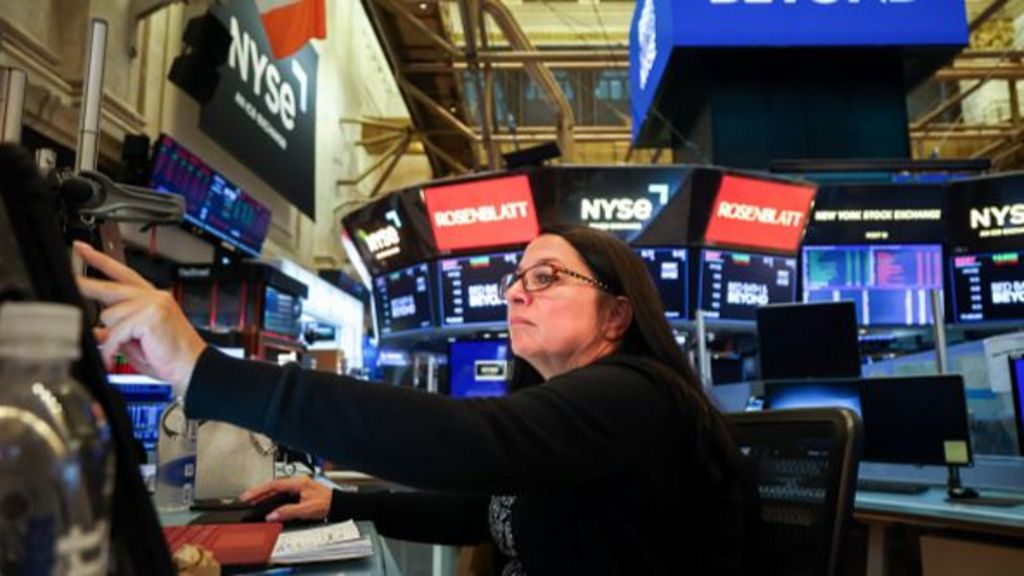
    Financial markets navigated a year of remarkable volatility in 2025, concluding with substantial gains despite significant policy-driven disruptions. The initial shockwaves from President Donald Trump’s sweeping global trade tariffs in spring sent major indices teetering on the brink of bear market territory. The S&P 500 nearly entered a 20% decline from its peak during this period, while both the Nasdaq Composite and Russell 2000 briefly plunged into bear markets.

    The market landscape transformed dramatically by summer as investor confidence surged. A powerful rally emerged, fueled by robust corporate earnings and escalating enthusiasm for artificial intelligence investments. The S&P 500 is poised to finish the year with an impressive 17% gain, marking its third consecutive year of double-digit increases. The technology-heavy Nasdaq Composite led the charge with a 21% annual advance, while the Russell 2000 index of smaller companies registered a solid 12% year-to-date increase.

    According to Deutsche Bank equity strategist Parag Thatte, ‘Strong earnings growth in corporate America has been a key driver of the stock market rally since the tariff-driven whiplash in the spring.’ This recovery occurred despite persistent economic anxieties, with investors continually ‘climbing the wall of worry’ according to Robert Edwards, chief investment officer at Edwards Asset Management.

    The AI investment phenomenon produced both spectacular gains and growing concerns. Technology behemoths including Nvidia, Apple, Microsoft, Amazon, and Alphabet—collectively representing nearly 30% of the S&P 500—significantly outperformed the broader market. However, mounting fears of an AI bubble have emerged throughout Silicon Valley as valuations soared and companies continued massive spending on artificial intelligence infrastructure.

    Geopolitical tensions, tariff uncertainties, and expectations of interest rate cuts drove substantial safe-haven demand throughout 2025. Gold prices skyrocketed approximately 70% annually, while Bitcoin failed to maintain momentum despite early administration support for digital assets, ending the year slightly negative after sharp declines from October peaks.

    Economic indicators presented a mixed picture: the US economy accelerated to a 4.3% annual growth rate in the third quarter—the strongest performance in two years—while unemployment simultaneously rose to a four-year high of 4.6% in November.

    Looking toward 2026, analysts anticipate continued market strength alongside significant uncertainties. Leadership transitions at the Federal Reserve, ongoing tariff negotiations, and concerns about overvalued equities across multiple sectors create potential headwinds. Vanguard analysts project relatively subdued annualized returns of 3.5%-5.5% for US stocks over the coming decade, suggesting investors should temper expectations compared to recent exceptional performance.