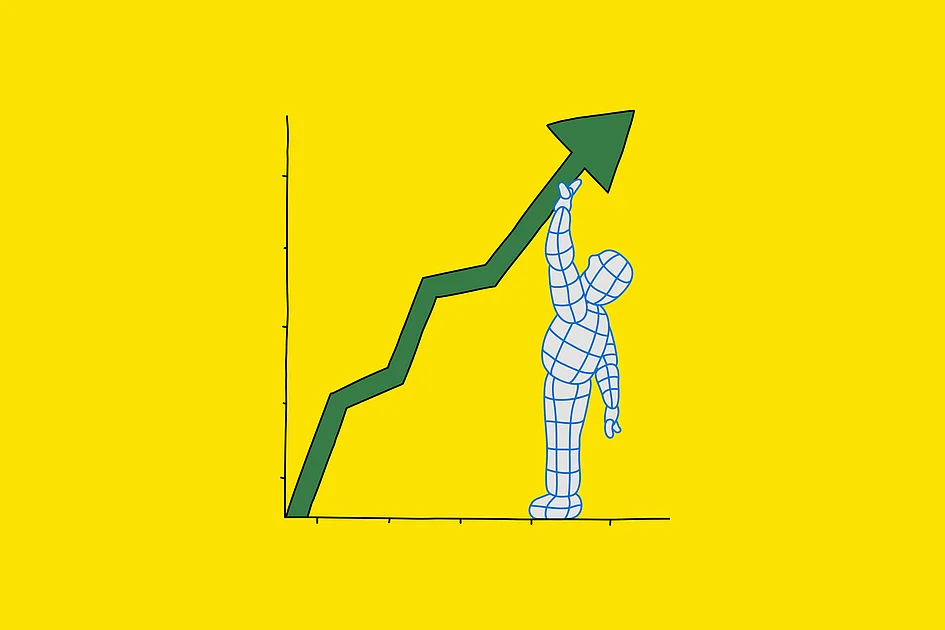
Wall Street concluded 2025 with remarkable gains largely fueled by an artificial intelligence investment frenzy, though the path was marked by significant volatility and underlying economic concerns. The S&P 500 finished the year with a 16.4% increase, primarily driven by massive investments in AI infrastructure and technology.
分类: business
-
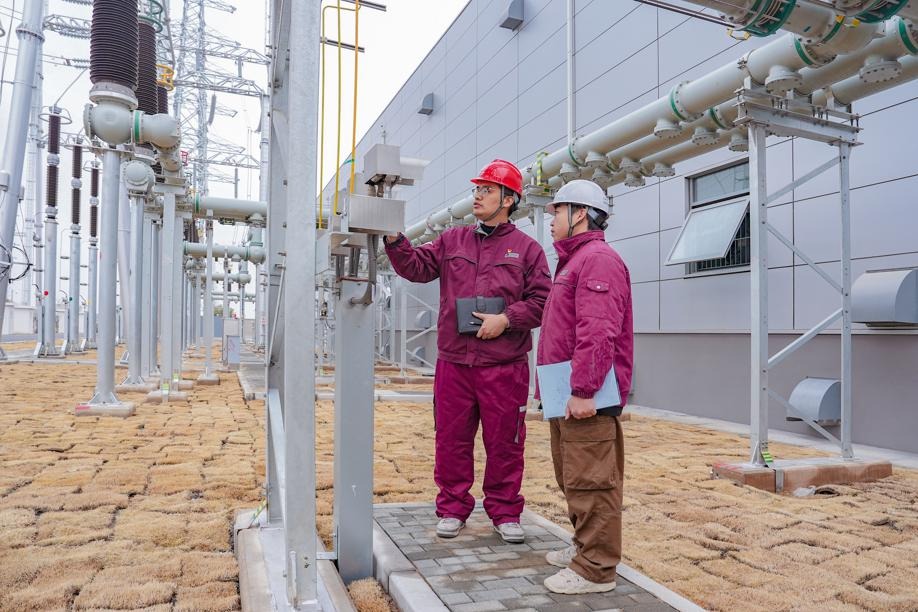
New power station opens in Shanghai
Shanghai’s ambitious economic development plans received a significant infrastructure boost on December 28 with the commissioning of a major 220-kilovolt power transmission and transformation project in the Lingang Special Area. This state-of-the-art facility represents the third core hub station activated in the strategic economic zone within the past five years, marking a substantial advancement in the region’s energy infrastructure capabilities.
According to State Grid Shanghai Electric Power Company, the newly operational power station establishes critical energy security for Lingang’s priority industrial sectors, particularly integrated circuit manufacturing and high-end equipment production clusters that require exceptionally reliable and high-quality power supply. The project’s completion culminates a comprehensive grid enhancement initiative throughout the 14th Five-Year Plan period (2021-2025), during which Lingang witnessed unprecedented development in electrical infrastructure investment, facility distribution, and overall supply capacity.
The strategic power expansion aligns with Shanghai’s broader objectives to establish Lingang as a globally competitive special area with world-class industrial capabilities. Energy experts note that such high-voltage transmission projects form the backbone of modern industrial development, enabling advanced manufacturing processes that demand stable, high-capacity power inputs. The simultaneous operation of three major hub stations creates redundant capacity that enhances grid resilience while supporting future expansion of energy-intensive industries in the special economic zone.
This infrastructure milestone demonstrates China’s continued commitment to strengthening its industrial base through strategic energy investments, particularly in designated special economic zones where advanced manufacturing and technological innovation are prioritized for national economic development.
-
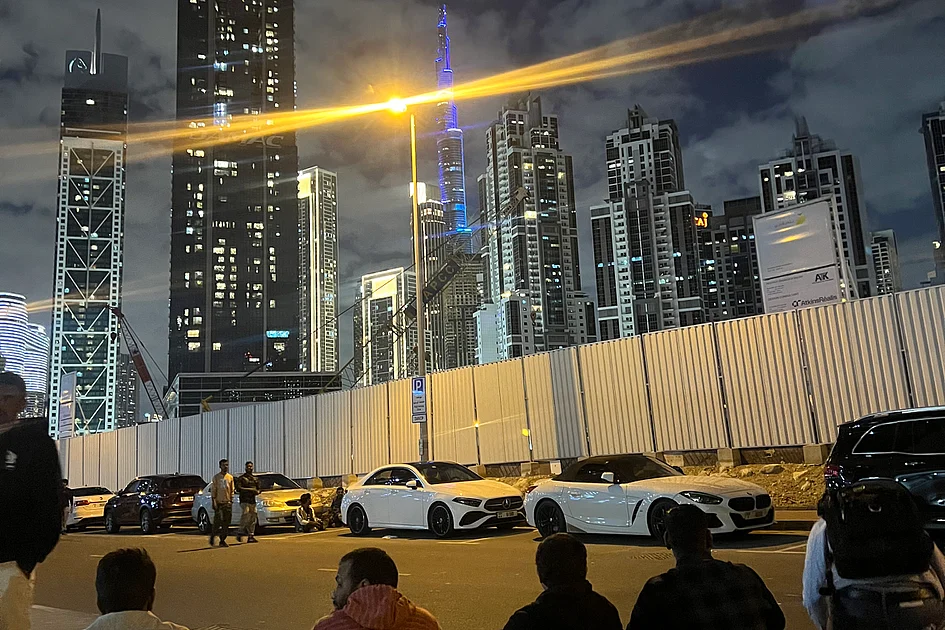
Karak chai with Burj Khalifa fireworks: Business Bay eateries cash in on New Year’s Eve
As temperatures dropped on New Year’s Eve, Business Bay transformed into a bustling corridor of culinary commerce, with food establishments capitalizing on the massive pedestrian flow heading toward Downtown Dubai’s Burj Khalifa celebrations. Cafeterias, food trucks, and supermarkets along the Business Bay stretch reported exceptionally brisk business, serving thousands of attendees preparing for extended outdoor viewing of the iconic fireworks display.
At Hubba Cafeteria, operating from a strategically positioned food truck, steam rose from paper cups as customers crowded around the counter, rubbing hands against the chill while placing orders. The atmosphere resembled a festive event in itself, with vendors reporting unprecedented demand for warm beverages and snacks.
Second Home Restaurant implemented amplified marketing tactics, with staff using microphones to advertise their tea, biryani, and sandwiches to pedestrians en route to the celebrations. The establishment’s owner projected sales exceeding 1,000 cups of tea alone, noting that the post-fireworks period typically brings the peak business surge between 1 and 2 AM.
Safestway Supermarket near Business Bay Metro Station adopted an innovative retail approach, deploying shopping trolleys piled high with popcorn bags, flanked by thermal flasks of tea and trays of samosas and kachodis. Staff continuously called out snack options, successfully capturing impulse purchases from passersby.
International visitors and residents alike emphasized the practical necessity of warm refreshments. ‘This weather makes tea non-negotiable,’ stated one Indian visitor, describing the karak chai as essential fuel for the hours of standing ahead. An Egyptian purchaser noted the dual benefit of thermal regulation and alertness maintenance during the extended outdoor event.
Business operators highlighted the precise timing dynamics of their New Year’s Eve revenue stream, with the post-fireworks exodus creating the most concentrated window of commercial opportunity during the early morning hours.
-
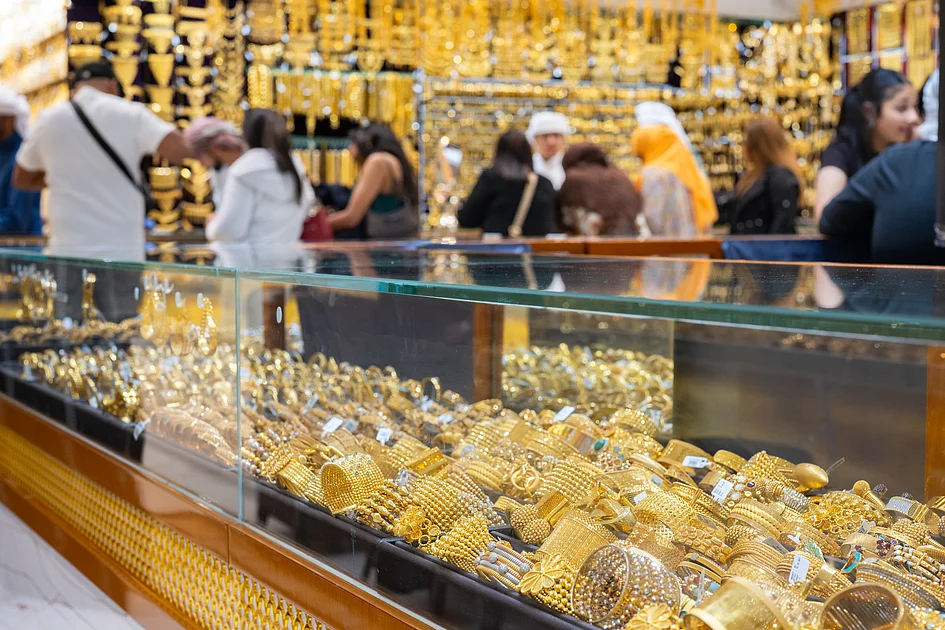
Gold prices in Dubai: Residents, investors get richer by Dh200 per gram in 2025
Dubai’s gold market experienced an extraordinary bull run throughout 2025, delivering substantial wealth gains for residents and investors who entered the market at the year’s commencement. The precious metal’s remarkable performance has established 2025 as a landmark period for commodity investments in the United Arab Emirates.
Market data reveals that 24-karat gold, the purest form available to consumers, opened the trading year at Dh318 per gram on January 1, 2025, and concluded at Dh520 per gram on December 31, 2025. This represents a staggering increase of Dh202 per gram, translating to a 63.5 percent annual appreciation—one of the most significant yearly gains in recent history.
The price surge extended across all gold variants traded in the Dubai market. 22-karat gold demonstrated parallel growth, climbing from Dh294.5 to Dh481.5 per gram, while 21-karat gold advanced from Dh285 to Dh461.75 per gram. Even the newly introduced 14-karat variant, launched in late November, recorded a 2.3 percent increase to Dh308.75 per gram despite its limited trading period.
Financial experts attribute this unprecedented rally to multiple converging factors. Aggressive central bank acquisitions of gold reserves, substantial interest rate reductions by the U.S. Federal Reserve, and escalating geopolitical tensions across the Middle East and other global regions created perfect conditions for gold’s ascent.
Vijay Valecha, Chief Investment Officer at Century Financial, characterized 2025 as “a landmark period for precious metals,” noting that gold and silver significantly outperformed broader financial markets. The metal demonstrated remarkable consistency throughout the year, posting gains in eleven of twelve months. September emerged as the strongest month with an 11.94 percent surge, followed by substantial advances in January (6.60 percent) and March (9.31 percent). July represented the only negative month with a marginal 0.40 percent decline.
The investment community responded enthusiastically to gold’s performance, with gold-backed exchange-traded funds (ETFs) recording net inflows of 15.6 million ounces. This substantial institutional and retail investor participation, combined with sustained central bank purchasing, created sustained upward momentum throughout the trading year.
-
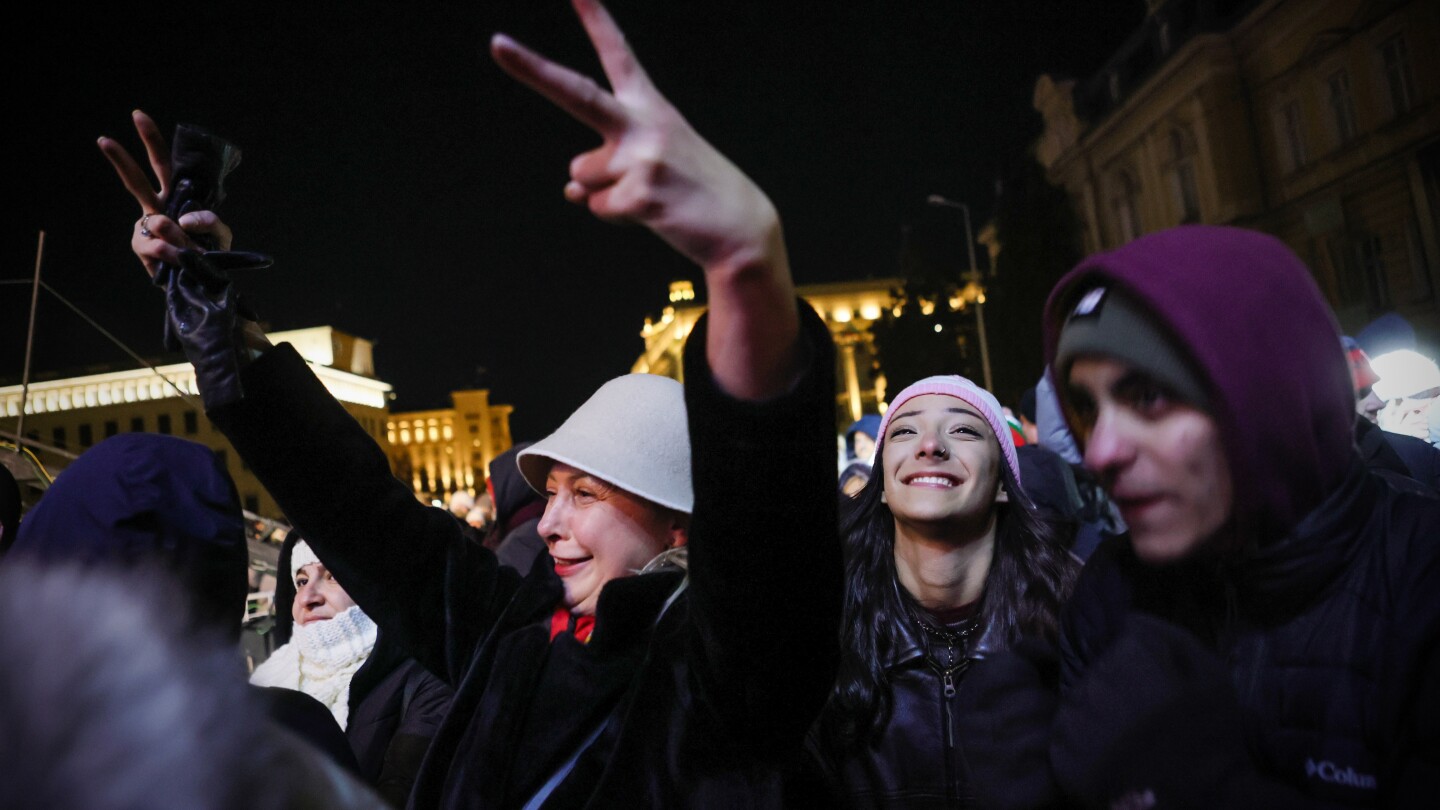
Cash machines in Bulgaria issue euros for the first time after joining the currency union
SOFIA, Bulgaria — Bulgaria marked a significant economic milestone Thursday as it formally adopted the euro, becoming the 21st member of the European single-currency union. For the first time, Bulgarian citizens withdrew euro banknotes from ATMs across the capital city, initiating the transition from their national currency, the lev.
While the lev will remain in circulation for cash transactions throughout January, all change will be exclusively provided in euros. This monetary integration represents the latest step in Bulgaria’s economic evolution since joining the European Union in 2007 as one of its most economically challenged members. The transition underscores the nation’s continued integration into European structures following its shift from a Soviet-style command economy to market democracy after 1989.
The historic currency adoption occurs against a backdrop of political instability. The conservative-led government resigned earlier this month following widespread anti-corruption protests, leaving the country without an approved budget for the upcoming year. This political vacuum has hampered critical reforms and delayed access to EU support funds.
Public sentiment remains mixed, with many citizens expressing concerns about potential price increases and economic uncertainty. Nationalist and pro-Russian factions have amplified these fears, suggesting the euro adoption could erode national identity and exacerbate poverty. Despite these challenges, Bulgaria successfully reduced inflation to 2.7% this year to meet EU convergence criteria, following Croatia’s similar transition in 2023.
-
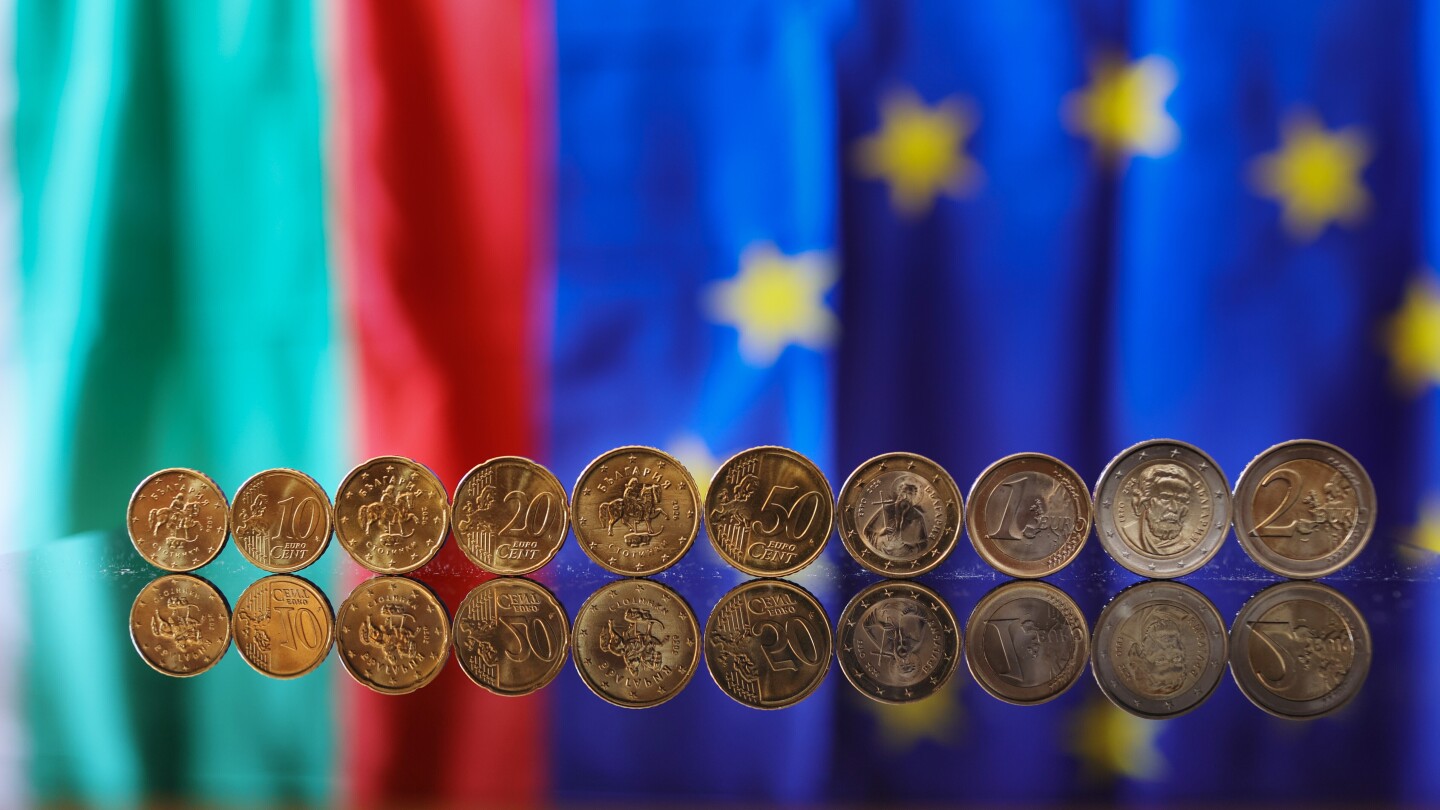
Bulgaria is joining the euro. Here’s what it means for consumers and businesses
Bulgaria marks a historic economic transition on January 1st as it becomes the 21st nation to adopt the euro, culminating a seventeen-year journey since joining the European Union in 2007. The long-anticipated move positions the Balkan nation firmly within the Eurozone’s economic framework, though implementation occurs against a backdrop of significant public apprehension.
The currency conversion establishes a fixed exchange rate of 1.95583 lev to the euro, with dual pricing displays mandated during the transition period. Banking institutions will automatically convert accounts to euros, while physical lev currency remains temporarily acceptable for payments with euro change returned. The Bulgarian Central Bank will facilitate fee-free exchanges until June 30th, with indefinite conversion services thereafter.
Economically, membership promises substantial benefits including estimated annual savings of 1 billion levs for cross-border traders through eliminated exchange costs. Bulgarian citizens gain practical advantages for travel and online shopping within the Eurozone, while the nation secures representation on the European Central Bank’s governing council.
The transition requires surrendering certain monetary policy instruments, though Bulgaria previously relinquished this autonomy by pegging the lev to the euro. Adoption mandates compliance with strict EU convergence criteria regarding inflation, debt levels, and exchange rate stability.
Despite governmental enthusiasm, recent Eurobarometer surveys reveal persistent public skepticism with 53% of Bulgarians opposing the change. Concerns primarily focus on anticipated price inflation during conversion and symbolic loss of national sovereignty. Experts attribute these apprehensions to broader economic anxieties and institutional distrust rather than ideological opposition, exacerbated by disinformation campaigns allegedly linked to Russian interests.
ECB President Christine Lagarde acknowledges natural pre-adoption uncertainties while predicting minimal inflationary impact (0.2-0.4%) based on previous transitions. Historical data suggests public opinion typically shifts favorably post-implementation, with average approval increasing by 11 percentage points once citizens experience practical benefits.
The adoption strengthens European economic integration despite Bulgaria’s challenges with corruption rankings and income levels that remain among the EU’s lowest. This expansion represents another step in the Eurozone’s evolution since the 2010-2015 debt crisis, with enhanced regulatory mechanisms now safeguarding against previous vulnerabilities.
-
UAE becomes world’s 4th largest state investor with Dh10.75 trillion assets
The United Arab Emirates has solidified its position as a global financial powerhouse, ranking as the world’s fourth-largest state investor with approximately $2.93 trillion (Dh10.75 trillion) in managed assets according to Global SWF’s 2026 Annual Report. This remarkable achievement places the UAE behind only the United States ($13.2 trillion), China ($8.22 trillion), and Japan ($3.84 trillion) in sovereign investment rankings, while surpassing Norway’s $2.27 trillion in assets.
The nation’s investment architecture is dominated by several massive sovereign entities. Leading the portfolio is the Abu Dhabi Investment Authority with $1.18 trillion in assets, followed by the Investment Corporation of Dubai ($429 billion), Mubadala Investment Company ($358 billion), ADQ ($251 billion), Emirates Investment Authority ($116 billion), Dubai Investment Fund ($80 billion), and Dubai Holding ($72 billion).
This financial milestone comes alongside Abu Dhabi’s recent recognition as the world’s wealthiest city in Global SWF’s First City Ranking in October 2024, where it surpassed Oslo with $1.7 trillion in assets managed by funds headquartered within the city, earning it the title ‘Capital of the Capital’.
The UAE also emerged as the fifth-largest recipient of sovereign investment globally in 2025, attracting $9.9 billion—a significant increase from $7.9 billion in 2024. This positions the country behind the United States ($131.8 billion), United Kingdom ($25.8 billion), Germany ($18.8 billion), and Canada ($17.7 billion) in foreign sovereign investment.
Globally, state-owned investors reached unprecedented scale throughout 2025, capitalizing on financial market rallies and pursuing major cross-sector deals while developing innovative investment strategies and partnerships. Sovereign wealth funds alone achieved a historic milestone by exceeding $15 trillion in assets for the first time in December 2025. Combined with public pension funds and central banks, these entities now manage approximately $60 trillion in global assets and reserves, with projections suggesting this figure could approach $80 trillion by 2030.
Geographic distribution of these assets shows Asia holding over one-third of the total, followed by North America (26%), Europe (19%), and the MENA region (15%). Analysts anticipate sovereign wealth funds will outpace the growth of public pension funds and central banks in coming years, potentially increasing the relative weight of Asian and MENA regions while North American and European growth may stabilize.
-
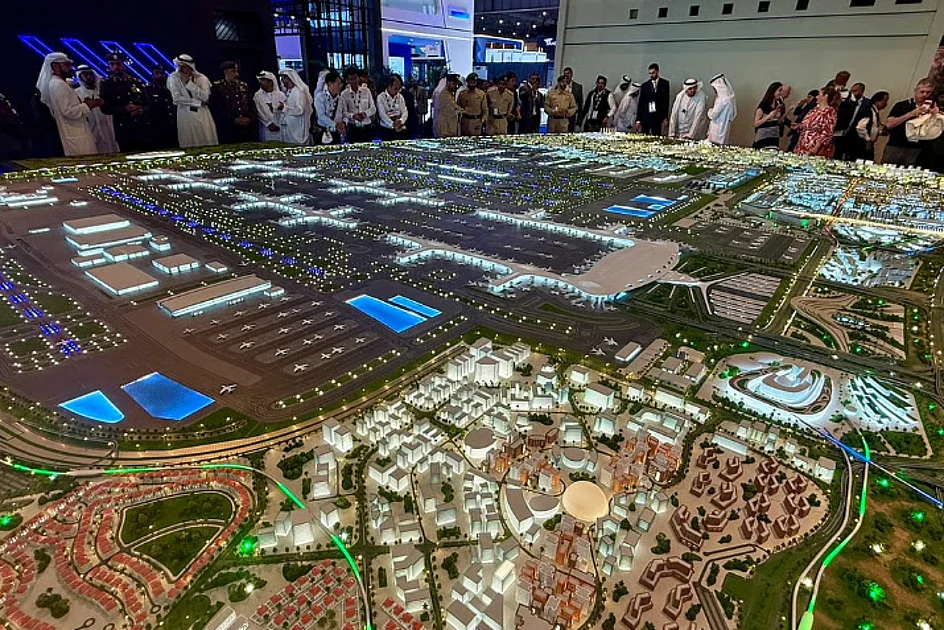
Dubai South to draw more end-users as DWC expansion creates more jobs
Dubai South’s residential communities are positioned to attract substantial end-user demand as infrastructure development around Al Maktoum International Airport accelerates, creating unprecedented employment opportunities and housing needs. Industry analysts confirm that southern Dubai communities maintain competitive affordability compared to established urban centers, driving increased buyer interest.
According to Metropolitan Premium Properties’ Deputy Director Himanshi Trivedi, areas combining infrastructure investment, lifestyle appeal, and long-term value will experience strongest demand. “Dubai South will continue attracting end-users and investors due to affordability and airport-led growth,” Trivedi stated, highlighting the region’s strategic advantages.
The ongoing development of Al Maktoum International Airport, slated to become the world’s largest aviation facility upon its 2032 opening, is projected to generate residential requirements for over one million residents. Dubai World Central (DWC) has been master-planned as a self-sufficient urban center featuring comprehensive amenities including educational institutions, healthcare facilities, retail destinations, and recreational spaces—critical factors for permanent residents rather than speculative investors.
Market data from Betterhomes indicates heightened developer focus on Dubai Investment Park, Jumeirah Village Circle, Dubai South Residential District, Al Furjan, and Town Square communities. This shift responds to growing demand stimulated by airport relocation plans and associated economic expansion.
Range International Properties Senior Consultant Humaira Vaqqas anticipates a fundamental market transformation beginning in 2026, noting: “The area is expected to shift from investor-driven to end-user-focused, particularly for families and professionals employed nearby.” Vaqqas emphasized that infrastructure development and improved connectivity will enhance livability for long-term residents.
The airport expansion is projected to generate thousands of direct and indirect employment opportunities across aviation, logistics, hospitality, and support sectors. This employment surge, coupled with comparatively affordable property prices and larger unit sizes, makes Dubai South particularly attractive for first-time buyers and families seeking value beyond established urban corridors.
Rising rental rates across Dubai may further incentivize long-term tenants working in proximity to purchase properties rather than continue renting. Strong government backing and comprehensive urban planning provide buyers confidence in the area’s sustainable development and future value appreciation potential.
-
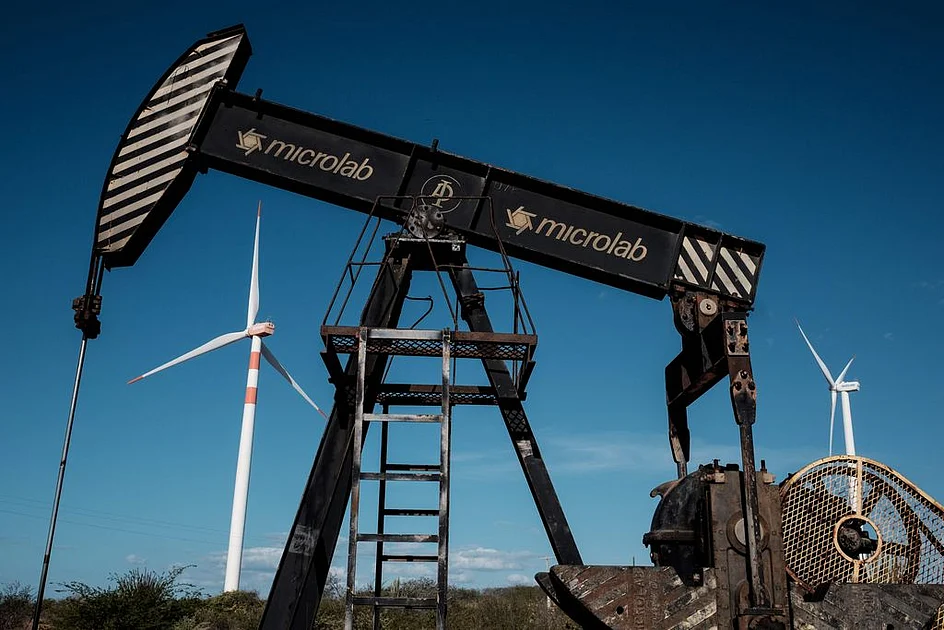
Oil prices are set for biggest annual drop since 2020
Global crude benchmarks concluded 2025 with their most significant annual depreciation since 2020, cementing a third consecutive year of losses amid complex market dynamics. Brent crude futures registered a pronounced 17% annual decline while U.S. West Texas Intermediate crude witnessed a nearly 19% drop, marking the longest sustained downward trend in history.
The year’s substantial price erosion stemmed from a confluence of factors including OPEC+ accelerated production increases, persistent concerns regarding global economic vitality under tariff pressures, and surprisingly resilient U.S. shale output. Despite geopolitical tensions that initially propelled prices upward—including strengthened sanctions on Russia, Iran-Israel conflicts disrupting Hormuz Strait shipping, and Yemen-related regional tensions—these supply threats ultimately proved insufficient to counterbalance burgeoning inventories.
Market structure analysis reveals particular weakness in refined products. Recent Energy Information Administration data showed U.S. crude stocks drawing by 1.9 million barrels, yet this was overshadowed by substantial builds in distillates (5 million barrels) and gasoline (5.8 million barrels), significantly exceeding analyst projections.
Looking toward 2026, analytical projections remain cautious. BNP Paribas commodities analyst Jason Ying anticipates Brent potentially dipping to $55/barrel in first-quarter 2026 before stabilizing around $60 as supply growth normalizes against flat demand trajectories. This bearish near-term outlook reflects the increased price insulation of U.S. shale producers who secured advantageous hedging positions.
The OPEC+ alliance, having injected approximately 2.9 million barrels daily into markets since April 2025, has announced a production pause for 2026’s first quarter. With the cartel’s next meeting scheduled for January 4, market participants await signals regarding potential supply adjustments should prices deteriorate further into the $50s range.
Despite overwhelming fundamental indicators suggesting sustained oversupply through 2026, some analysts caution against discounting geopolitical variables, particularly noting the unpredictable influence of U.S. foreign policy under the Trump administration regarding Venezuela, Iran, and broader global trade relationships.
-
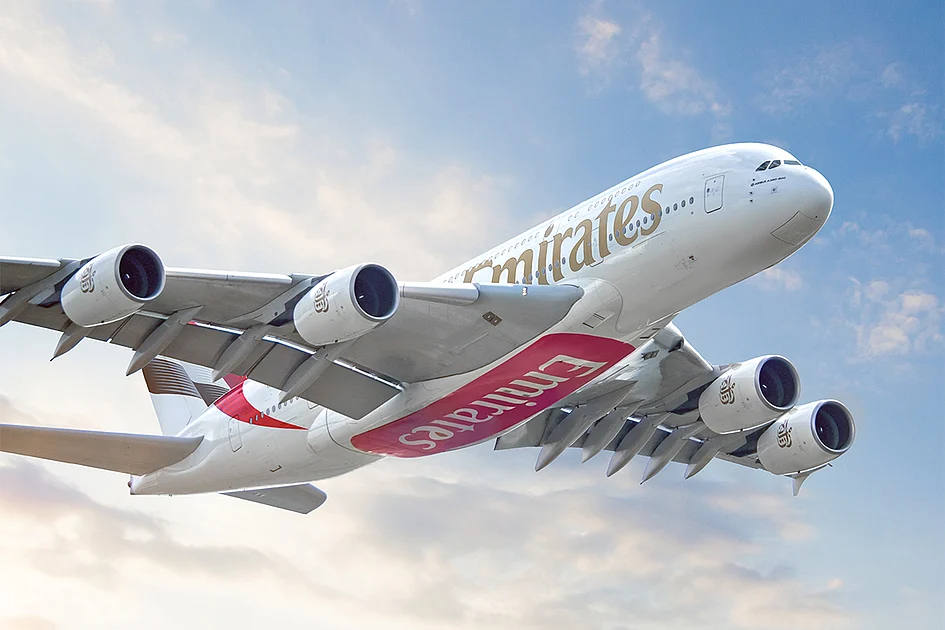
Free in-flight Wi-Fi, new destinations: How Emirates reshaped air travel in 2025
Dubai-based Emirates Airlines has fundamentally transformed the aviation landscape throughout 2025 through strategic fleet expansion, technological innovation, and enhanced passenger services. The carrier transported 55.6 million passengers across 180,580 flights—equivalent to circumnavigating the globe 29,290 times—while simultaneously placing orders for 73 new aircraft during its 40th anniversary year.
The airline’s transformative initiatives included the introduction of Airbus A350 aircraft to its operational fleet, with 16 aircraft currently serving 18 global destinations. Emirates significantly expanded its Asian network with new direct routes to Shenzhen and Hangzhou in mainland China, alongside services to Danang, Vietnam and Siem Reap, Cambodia via Bangkok.
A landmark achievement came with the November announcement of Starlink Wi-Fi implementation across 232 aircraft, positioning Emirates to become the world’s first airline with Starlink-equipped A380s by early 2026. The complimentary high-speed connectivity will enable seamless streaming, gaming, and productivity across all cabin classes.
The carrier’s Premium Economy cabin expansion reached approximately 70 cities served by over 100 aircraft, representing nearly 40% of the passenger fleet. Emirates simultaneously launched innovative commercial ventures including Emirates Courier Express, which has processed over 50,000 packages with an average delivery time of three days across 10 international markets.
Corporate social responsibility initiatives demonstrated substantial impact, with the ‘Aircrafted KIDS’ program distributing 3,700 handcrafted backpacks to underprivileged children across eight countries using upcycled materials from aircraft interiors. Emirates achieved industry-first status as the world’s inaugural Autism Certified Airline™, with 30,000 staff trained to support passengers with neurodiverse needs.
The airline’s commitment to luxury travel experiences culminated in 25 international accolades, including Best Airline in the World for the eighth consecutive year at the ULTRAs and Forbes Travel Guide’s Best International Airline recognition.