分类: business

  • How UK plush toy Jellycat conquered China

    How UK plush toy Jellycat conquered China

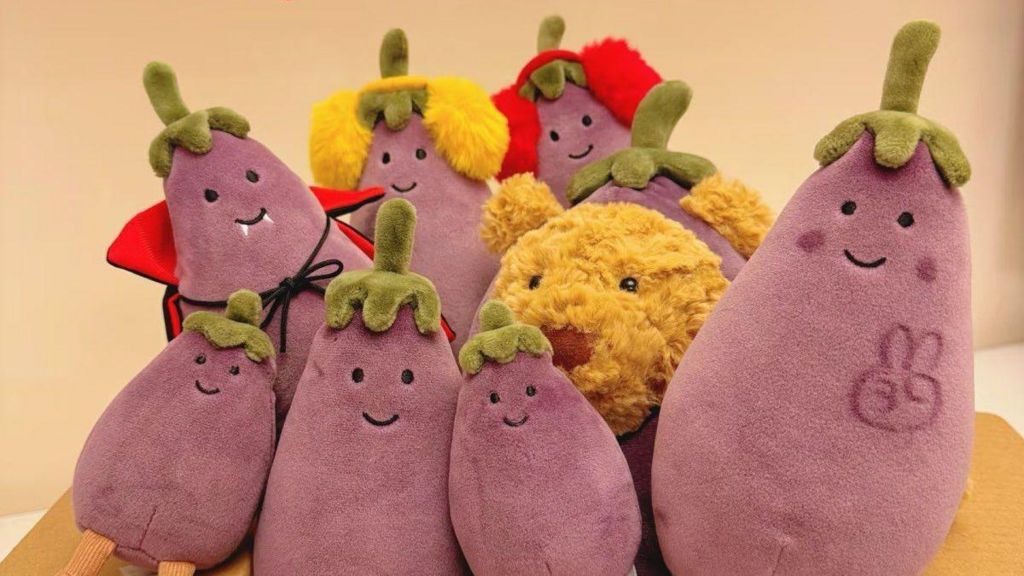
    In the midst of pandemic-era uncertainty, a surprising emotional lifeline emerged for young Chinese adults: the soft, whimsical plush toys of British brand Jellycat. What began as children’s toys has evolved into a global phenomenon, particularly in China where disenchanted youth have embraced them as tools for emotional regulation and social connection.

    The journey of Stella Huang illustrates this cultural shift. Her first Jellycat purchase in 2021, a gingerbread house plushie discovered on Chinese social platform RedNote, marked the beginning of a collection that now numbers 120 toys with a total value exceeding 36,000 yuan ($5,145). For Stella, now a 32-year-old tourism sales manager in Beijing, these aren’t mere collectibles but emotional companions in challenging times. “At my age, there are many things you can’t share with others,” she reflects. “The plushies help me regulate my emotions.

    Jellycat’s remarkable success story is rooted in strategic market positioning and perfect timing. The company’s Amuseable line—featuring inanimate objects like toilet rolls and boiled eggs with tiny faces—became breakout products that resonated deeply with Gen-Z and millennial audiences globally. According to Statista analyst Kasia Davies, these toys “appeal to a wide Gen-Z and millennial audience” by tapping into contemporary desires for comfort and companionship.

    The brand’s ascent coincided with broader demographic challenges facing toy manufacturers. With birth rates declining worldwide, companies needed to identify new markets. Jellycat had already established Chinese market presence in 2015, providing crucial groundwork for pandemic-era expansion. Business consultant Kathryn Read, with 15 years’ China experience, notes the company “captured the tone of the pandemic” when people sought comfort amid heightened uncertainty.

    Jellycat’s commercial performance has been extraordinary. Recent Companies House accounts reveal the UK-based firm’s revenue surged by two-thirds to £333m ($459m) in 2024. Chinese consumers purchased approximately $117m worth of Jellycat toys through major e-commerce platforms, according to Beijing-based Moojing Market Intelligence.

    This success reflects broader trends in China’s collectible toy market, projected to exceed 110bn yuan this year according to a 2024 report by the Chinese Academy of Social Sciences. The phenomenon parallels the success of domestic brands like Pop Mart’s Labubu elf-like dolls, highlighting growing appetite for emotional comfort objects among Chinese youth.

    Professor Erica Kanesaka of Emory University identifies this as part of a global “kidult” trend where young adults question “outdated understandings of adulthood.” Market research company Circana reports that while global toy sales declined slightly in 2024, collectible toy sales increased by nearly 5% to record highs.

    Jellycat’s marketing strategy has been particularly effective in China. Limited edition releases, pop-up experiences featuring celebrity partnerships (including A-list actress Yang Mi in Shanghai), and strategic localization— offering fish and chips plushies in London while featuring teapot designs in Beijing—have created buzz and exclusivity. Many Chinese consumers describe this approach as “hunger marketing,” driving social media desirability.

    The toys have also become vehicles for cultural expression. The Amuseable aubergine, nicknamed “the boss” by Chinese fans, has spawned numerous memes where users depict the vegetable in various states of emotional distress—complete with drawn dark circles and glasses—to humorously represent workplace exhaustion. Hong Kong marketing professional Wendy Hui posted her modified aubergine on Threads captioned: “The mental state of workers on Monday.”

    For many young Chinese, Jellycat represents an accessible luxury in economically challenging times. As 34-year-old medical sales representative Jessie Chen notes: “You have to consider for a long time before buying a luxury bag. But you don’t need to do that for a Jellycat.” The brand’s practical offerings, including bags costing just a few hundred yuan, offer both emotional and functional value.

    However, signs suggest China may have reached peak Jellycat, with some fans noting decreased social media discussion. Some collectors are turning to more affordable alternatives like Teletubbies blind boxes, while others consider “quitting the pit”—Chinese slang for retiring a hobby. As Stella Huang observes: “It is so difficult to buy them. Our daily life is not easy already and why should we make things harder for ourselves?”

    Despite these challenges, Jellycat’s impact on China’s emotional economy remains significant, offering soft comfort in hard times and illustrating how global brands can successfully adapt to local emotional landscapes.
  • Syria begins circulating new post-Assad currency bills

    Syria begins circulating new post-Assad currency bills

    DAMASCUS, Syria — Syrian authorities initiated a comprehensive currency overhaul on Saturday, marking a pivotal step in the nation’s economic recovery strategy following the collapse of the Assad regime. The monetary reform involves the introduction of new banknotes while systematically withdrawing existing currency from circulation.

    President Ahmad al-Sharaa’s administration issued an official decree earlier this week outlining the structured transition process. The central bank will oversee the gradual phase-out of old Syrian pounds through designated exchange centers according to a predetermined timetable.

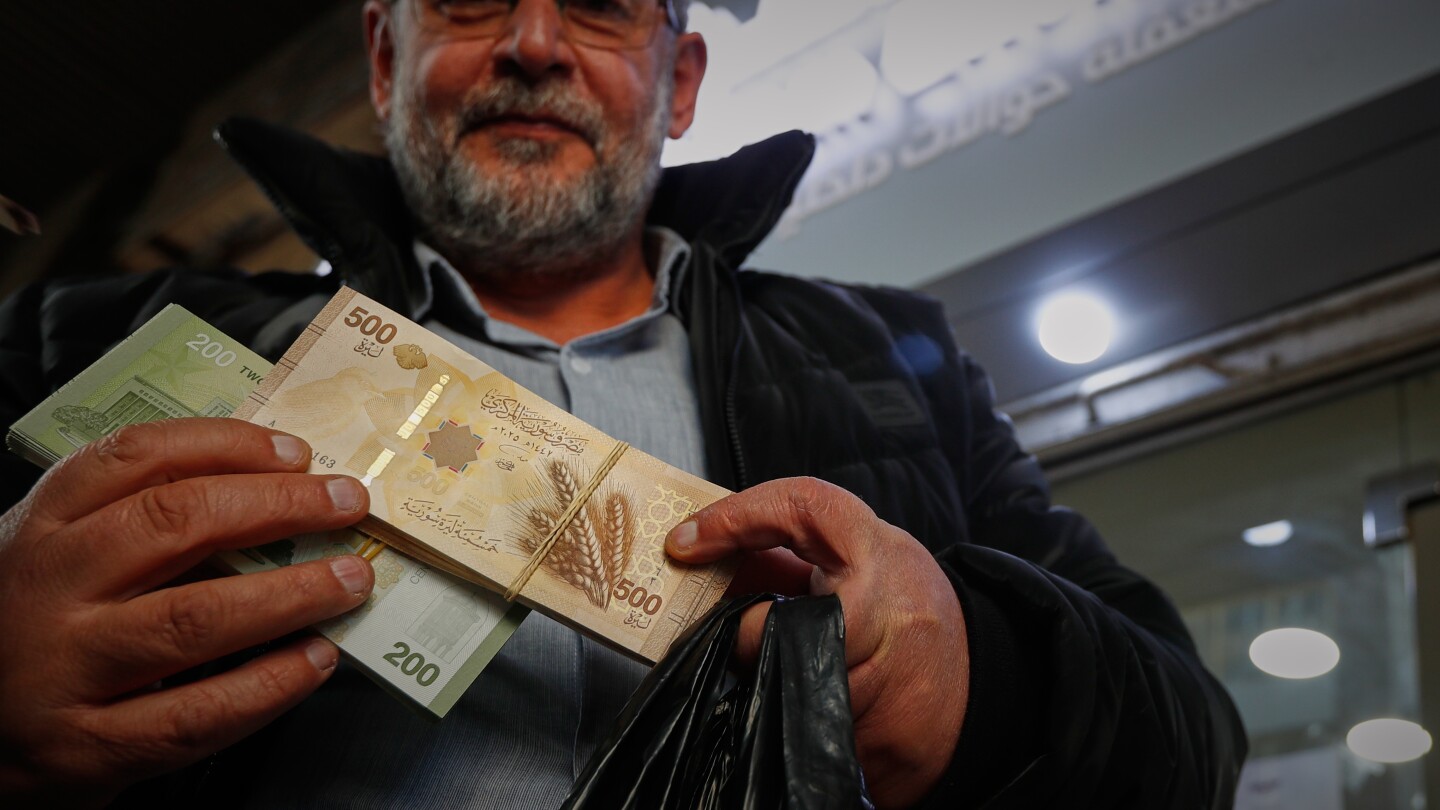
    Central Bank Governor Mokhles Nazer announced via social media platform X that the currency exchange operation commenced Saturday morning after months of meticulous preparation. The presidential decree, published by the state-run SANA news agency, specifies that the redenomination removes two zeros from nominal values, effectively making every 100 old Syrian pounds equivalent to one new pound.

    This monetary restructuring significantly alters currency denominations. The previous highest-value note of 5,000 Syrian pounds has been replaced by a new 500-pound bill, representing a substantial reduction in numerical value while maintaining equivalent purchasing power.

    Market observations revealed the U.S. dollar trading at approximately 11,800 old pounds in Damascus exchange shops on Saturday. Many of the outgoing banknotes feature images of former leader Bashar Assad and his father Hafez Assad, whose 54-year family rule ended when insurgent groups entered Damascus in December 2024.

    The currency overhaul represents the latest effort by Syria’s new leadership to address an economy devastated by prolonged conflict and international sanctions. The economic deterioration is starkly illustrated by the currency’s collapse: at the conflict’s inception in March 2011, the U.S. dollar traded at just 47 Syrian pounds.

    Recent months have seen significant diplomatic developments, with the United States and European Union removing most sanctions previously imposed during Assad’s administration, potentially facilitating economic recovery efforts.

  • UAE-India flights: Airline offers Dh2 discounted price for excess baggage

    UAE-India flights: Airline offers Dh2 discounted price for excess baggage

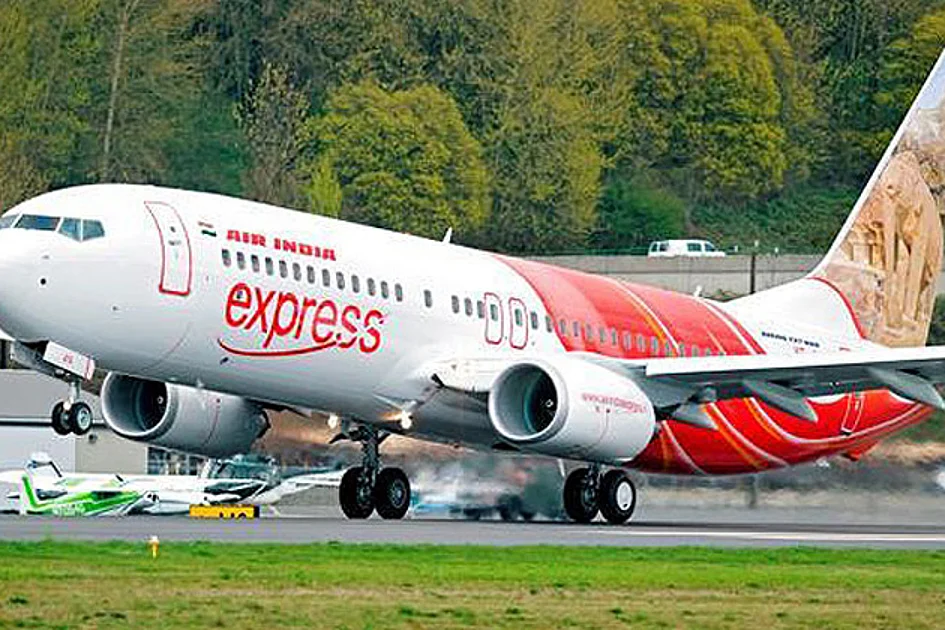
    In a groundbreaking move for budget-conscious travelers, Air India Express has unveiled an unprecedented excess baggage promotion for passengers traveling between the United Arab Emirates and India. The low-cost carrier is offering additional checked baggage at a remarkably reduced rate of just Dh2 for both 5kg and 10kg increments during a limited promotional period.

    The special offer, part of the airline’s New Year campaign, remains available for bookings made through January 31, 2026, with travel validity extending from January 16 to March 10, 2026. This discounted rate applies across all fare categories—Xpress Value, Xpress Lite, Xpress Flex, and Xpress Biz—representing substantial savings compared to standard excess baggage fees that typically range between Rs700 (Dh28.54) and Rs3,600 for international flights.

    The strategic pricing initiative comes during the traditional lean travel season when airlines typically introduce competitive fares and baggage allowances to boost seat occupancy on key routes. The UAE-GCC-India corridor ranks among the world’s busiest air travel routes, serving over nine million Indian nationals residing across Gulf Cooperation Council countries, including approximately four million in the UAE alone.

    Air India Express has extended similar discounted baggage rates across other GCC nations, with passengers from Bahrain, Kuwait, Oman, Qatar, and Saudi Arabia able to purchase additional baggage for the equivalent of Dh2 in local currencies. The airline operates direct flights between major Indian cities and UAE destinations, catering to the substantial diaspora population that frequently travels between the regions with family members.

    This pricing strategy demonstrates how budget carriers are increasingly using ancillary service discounts to attract price-sensitive travelers while maintaining competitive advantage against full-service airlines that typically charge higher rates for excess baggage.

  • ‘Somewhere to put worker bees’: Why Canada’s micro-condos are losing their appeal

    ‘Somewhere to put worker bees’: Why Canada’s micro-condos are losing their appeal

    Canada’s once-booming micro-condo market is experiencing its most severe downturn in decades, with values collapsing faster than any other housing segment amid unprecedented market pressures. The phenomenon, particularly pronounced in Toronto and Vancouver, represents a dramatic reversal for ultra-compact units that became ubiquitous over the past decade.

    The current crisis stems from a perfect storm of market forces: an oversupply of units constructed during a period of rapid population growth, shifting immigration policies that reduced demand, and rising interest rates that cooled investor enthusiasm. Urbanation President Shaun Hildebrand notes that developers ‘got way too ahead of themselves,’ creating thousands of units for a demand that abruptly vanished.

    Statistics reveal the scale of this market miscalculation. Micro-units under 600 square feet now constitute 38% of Toronto’s condo inventory, skyrocketing from just 7.7% before 2016. Investors own the majority of these compact units, which were specifically designed to maximize profitability in high-land-value urban centers.

    The correction has been severe. Properties that commanded half-million-dollar price tags just years ago are now reselling for C$300,000 or less—previously unthinkable pricing for downtown Toronto real estate. This represents what industry experts characterize as ‘a race to the bottom’ as investors struggle to offload properties purchased during the market peak.

    The downturn has prompted serious reevaluation within the development community. Many acknowledge having over-prioritized investor interests by creating units primarily designed for rental income or quick resale rather than long-term habitation. This approach has proven unsustainable as market conditions shifted.

    Paradoxically, renters are emerging as temporary beneficiaries of the crisis. Former micro-condo resident Maggie Hildebrand exemplifies this trend, having upgraded from her 300-square-foot unit to a 700-square-foot apartment for only C$200 more monthly. The increased supply has created slightly better rental deals and more options for urban dwellers.

    Looking forward, experts warn that the current price slump may be short-lived. With thousands of planned units now cancelled or postponed, Canada faces a potential supply shortage that could exacerbate the nation’s ongoing housing crisis by the decade’s end. The market correction, while painful for investors, may ultimately reshape development priorities toward more sustainable housing solutions that better balance investor interests with resident needs.

  • How K-beauty went from a viral trend to an economic powerhouse

    How K-beauty went from a viral trend to an economic powerhouse

    The Korean beauty industry has evolved from a cultural curiosity into a formidable global economic force, revolutionizing skincare standards worldwide. At the core of this transformation lies an unprecedented innovation engine that consistently delivers groundbreaking products—from snail mucin serums to salmon sperm formulations—that capture international attention through viral social media challenges.

    South Korea’s cosmetics sector achieved a monumental milestone in 2025, surpassing France to become the world’s second-largest beauty exporter after the United States. The domestic market alone reached a valuation of approximately $13 billion in 2024, with exports surging 15% in early 2025 to a record $5.5 billion, putting the nation on track to exceed $10 billion in annual beauty exports.

    The industry’s explosive growth is fueled by a sophisticated ecosystem comprising approximately 30,000 brands supported by specialized Original Development Manufacturers (ODMs). This infrastructure enables remarkably swift product development cycles—as brief as six months compared to the 1-3 years typical for Western brands—while maintaining competitive pricing through extensive automation.

    Major conglomerates like Amorepacific (controlling roughly half the domestic market) and LG Household & Health Care dominate the landscape, yet they actively collaborate with agile independent brands to maintain innovation momentum. This symbiotic relationship has proven extraordinarily effective, with Amorepacific reporting $6.2 billion in 2024 sales while acquiring pioneering brands like CosRX to enhance their innovative capabilities.

    Social media has been instrumental in K-beauty’s globalization, with TikTok, Instagram, and YouTube creating unprecedented demand for concepts like ‘glass skin’ and multi-step routines. However, industry leaders acknowledge growing concerns about the psychological impact of beauty standards and excessive consumerism, prompting more responsible marketing approaches.

    Market dynamics continue to shift as Western multinationals increasingly incorporate K-beauty ingredients into their formulations, while Chinese market dominance wanes in favor of growing North American, European, and Middle Eastern markets. Despite challenges including Trump-era tariffs and intense competition squeezing profit margins, the South Korean government recently designated K-beauty a strategic national asset, ensuring continued institutional support for this extraordinary economic success story.

  • Dubai leads global surge in ‘branded residences’ as wellness takes centre stage

    Dubai leads global surge in ‘branded residences’ as wellness takes centre stage

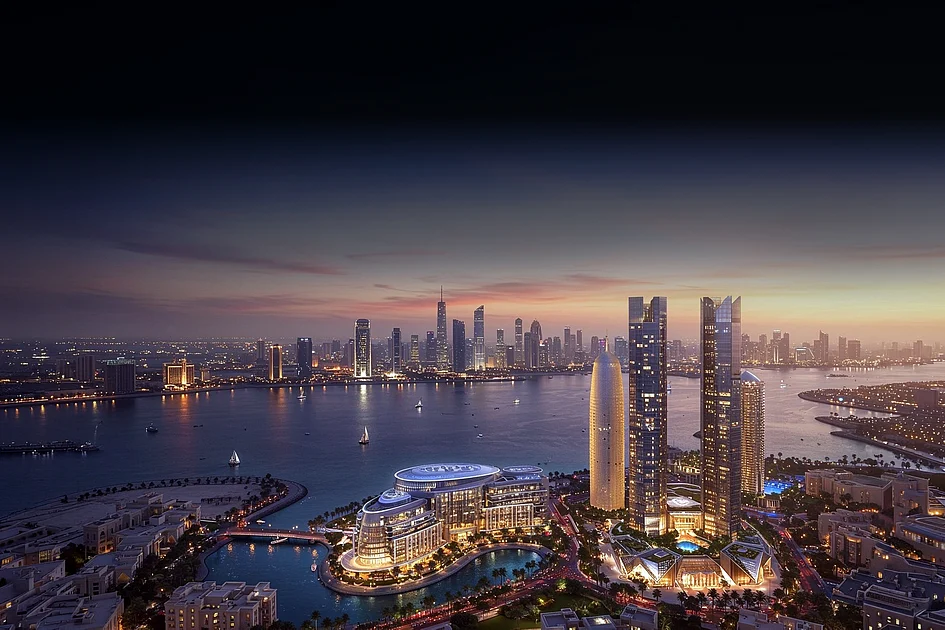
    The global luxury real estate landscape is undergoing a fundamental transformation, with Dubai emerging as the epicenter of a new era in branded residences. According to Knight Frank’s comprehensive Residence Report 2025-2026, which analyzed over 1,000 active and pipeline developments across 83 countries, the market has evolved from niche offering to core developer strategy.

    The Middle East commands approximately 27% of the global branded residence pipeline, with Dubai achieving unprecedented performance metrics. The city recorded $8.2 billion in home sales exceeding $10 million through June 2025—the highest global total—demonstrating its dominance in the ultra-prime property sector.

    A paradigm shift is occurring in what constitutes luxury value. Flashy amenities are declining in appeal while wellness integration, longevity-focused design, and everyday livability are becoming the primary value drivers. Developments now prioritize health-led living through dedicated clinics, community wellness programs, and sensory-focused architecture, as exemplified by London’s Surrenne and Dubai’s SHA Emirates.

    Three significant trends are reshaping the market:

    1. **Brand Diversification**: Beyond traditional hotel partnerships, fashion labels, restaurants, and wellness brands are entering real estate. Dubai showcases this through Bulgari Residences at Jumeirah Bay with distinctive Italian design and upcoming Bentley-branded towers targeting ultra-prime buyers.

    2. **Standalone Privacy**: Properties are increasingly designed as self-contained experiences rather than hotel attachments. Developments like Raffles Residences on The Palm offer exclusive amenities without shared spaces with hotel guests, providing complete privacy while maintaining five-star service standards.

    3. **Master-Planned Communities**: Beyond individual towers, developers are creating comprehensive branded ecosystems. Dubai Hills Estate and Sobha Hartland combine multiple residences with shared amenities including golf courses, private clubs, and cultural hubs, creating immersive lifestyle-oriented neighborhoods.

    Andrew Cummings, Head of Residential Agency at Savills Middle East, notes that Dubai’s regulatory frameworks, tax incentives, and infrastructure have enabled it to translate global trends into exceptional market performance. Unlike mature hubs facing regulatory pressures and higher borrowing costs, the UAE provides a supportive environment for wealthy buyers seeking both lifestyle enhancement and long-term investment.

    Will McKintosh, Regional Partner at Knight Frank MENA, confirms the UAE’s position as an outperformer in the global luxury residential landscape. Market dynamics are driven by substantial inward migration fueled by safety, world-class amenities, and overall quality of life rather than speculative investment.

    As the market progresses into 2026, industry experts anticipate continued high demand with increased investor selectivity. Prime and super-prime assets offering genuine differentiation through brand credibility, design excellence, and authentic community creation will likely outperform projects focused merely on immediate appeal.

  • US debt surge leaves China, Japan holding the bag in 2026

    US debt surge leaves China, Japan holding the bag in 2026

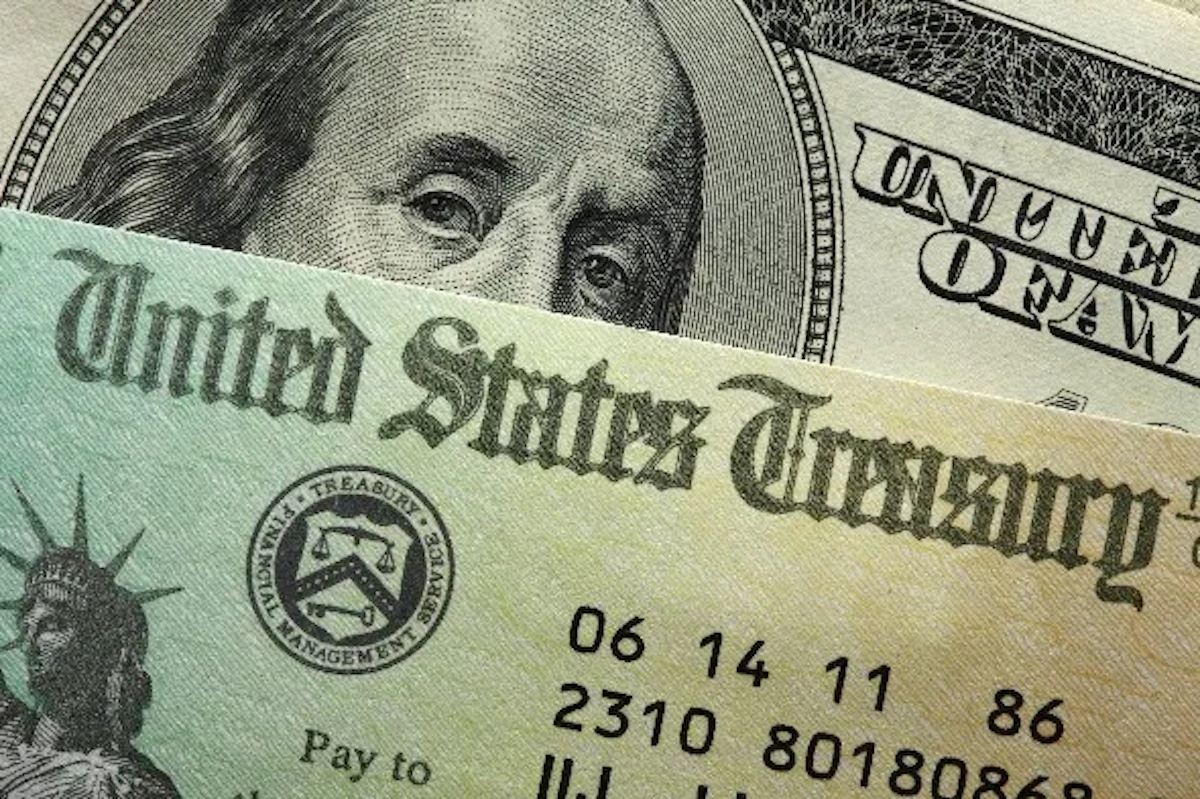
    WASHINGTON — The United States is confronting an unprecedented fiscal milestone as interest payments on its national debt surge past the $1 trillion threshold in 2026, creating global economic ramifications that particularly affect major Asian holders of US Treasuries.

    According to the nonpartisan Committee for a Responsible Federal Budget, this staggering interest payment level has become the ‘new norm’ as America’s national debt approaches $39 trillion. The situation represents a dramatic escalation from just five years prior, when net interest payments stood at $345 billion in fiscal year 2020, reaching $970 billion by 2025.

    The Congressional Budget Office projects these payments could exceed $1.5 trillion by 2030 and surpass $2.2 trillion by 2035, creating what hedge fund manager Ray Dalio characterizes as a potential ‘debt death spiral’ with grave implications for global financial stability.

    This fiscal reality places particular pressure on Japan and China, Washington’s largest foreign creditors holding $1.2 trillion and $689 billion in US Treasuries respectively. The Trump administration’s increased debt issuance to cover growing deficits means Washington will increasingly look to Asian markets to absorb Treasury offerings.

    However, economic analysts question why Tokyo and Beijing would increase exposure to US debt amid such uncertainty. While both nations require substantial dollar reserves as major trading economies, Washington’s current fiscal trajectory and political volatility create significant disincentives.

    The situation creates complex policy dilemmas for Japanese Prime Minister Sanae Takaichi, whose ‘Sanaenomics’ strategy depends on a weaker yen maintained through the Bank of Japan’s ultra-low interest rates. This approach could clash with President Trump’s apparent desire for a weaker dollar, creating potential currency policy conflicts.

    Meanwhile, China’s Xi Jinping sees an opportunity to accelerate yuan internationalization efforts. According to Cornell University’s Eswar Prasad, while China has nominally opened its markets, it must still build stronger international capital markets frameworks and establish central bank independence to build investor trust.

    Financial institutions are adjusting their outlooks accordingly. Deutsche Bank projects the trade-weighted dollar will decline by approximately 10% through 2026, potentially ending what analysts describe as an ‘unusually long dollar bull cycle.’ Goldman Sachs strategists additionally warn that concerns about Federal Reserve independence under Trump’s pressure campaigns could create additional market volatility.

    The coming year may represent a significant inflection point in global currency dynamics as US debt concerns intensify and Asian creditors reconsider their strategic positions in Treasury markets.

  • VK Group unites 1,000 staff and families for festive mega-event

    VK Group unites 1,000 staff and families for festive mega-event

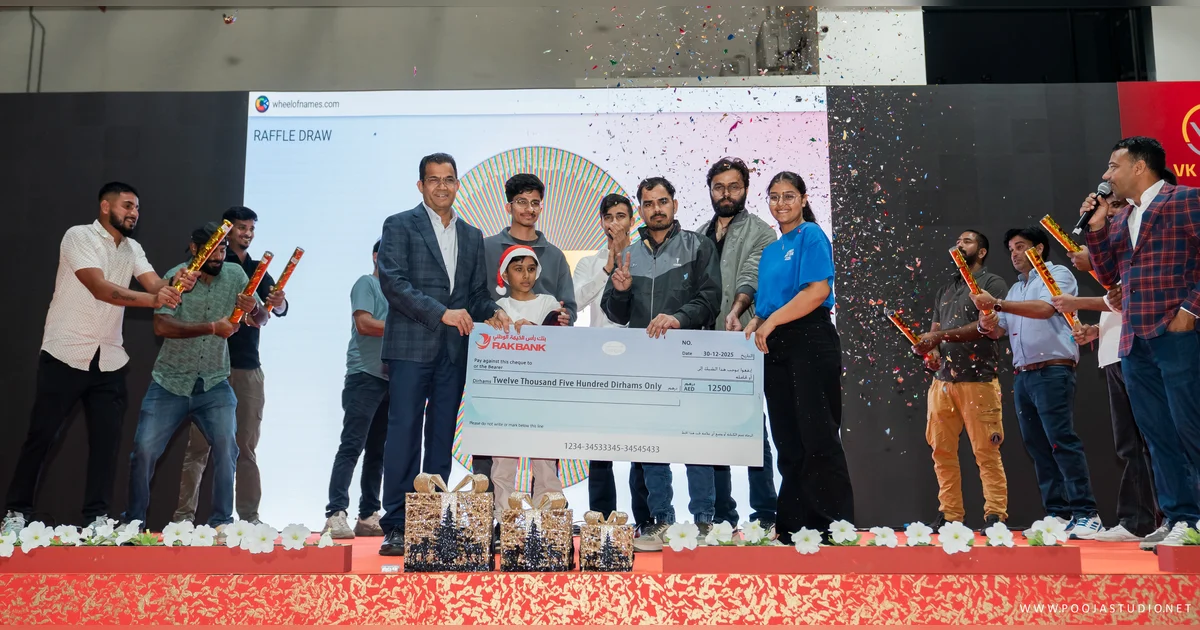
    In a spectacular display of corporate unity and familial bonding, VK Group orchestrated a monumental year-end celebration that brought together approximately 1,000 participants at its premises on December 27, 2025. The event marked the company’s annual family gathering, strategically designed to transcend traditional corporate hierarchies by integrating blue-collar workers, senior executives, clients, and their families in a shared festive experience.

    The gathering served as a tangible manifestation of VK Exhibitions & Decor Industry LLC’s foundational ‘people-first’ philosophy. By extending invitations to family members across all organizational levels and sister companies, the event evolved from a conventional corporate function into a vibrant community festival that mirrored the inclusive and multicultural ethos of the United Arab Emirates.

    Entertainment excellence was ensured through the hosting capabilities of Dubai-based celebrity anchor Joe Mohan, known professionally as VoiceGuyJoe, who facilitated an evening filled with dynamic musical and dance performances. The event garnered significant attention from dignitaries including Abhimanyu Singh Kargwal from LABOUR and MADAD, who observed firsthand the robust rapport between management and workforce.

    VK Group’s dedication to holistic employee development was prominently showcased through its commitment to creating a ‘360-degree growth environment.’ This comprehensive approach encompasses year-round sports tournaments, cultural initiatives, and structured training programs that simultaneously address professional advancement and personal well-being.

    The recognition ceremony formed a pivotal component of the evening, with over 60 staff members receiving honors for their exceptional loyalty and performance. During this segment, Radheshyam Jangid, Managing Director and CEO, delivered an inspirational address connecting the company’s past achievements with future aspirations.

    Jangid emphasized the deeper significance of the gathering: ‘This celebration transcends retrospective analysis of 2025; it represents our collective future-building endeavor. The presence of our families and children reinforces the fundamental purpose behind our diligent efforts. We are establishing a legacy of unity that will define our trajectory as we enter 2026. Our organizational strength derives not merely from physical assets but from the happiness and security of every family represented here.’

    Reflecting on his three-decade journey in the UAE, Jangid acknowledged the nation’s role in providing safety, opportunity, and growth, while committing to continued industrial excellence benchmarks. He specifically credited the visionary leadership of Sheikh Mohammed bin Rashid Al Maktoum, Vice-President and Prime Minister of the UAE and Ruler of Dubai, for cultivating the secure, tolerant, and prosperous environment that enables diverse families to thrive collectively.

  • China slashes hundreds of tariffs in strategic trade war twist

    China slashes hundreds of tariffs in strategic trade war twist

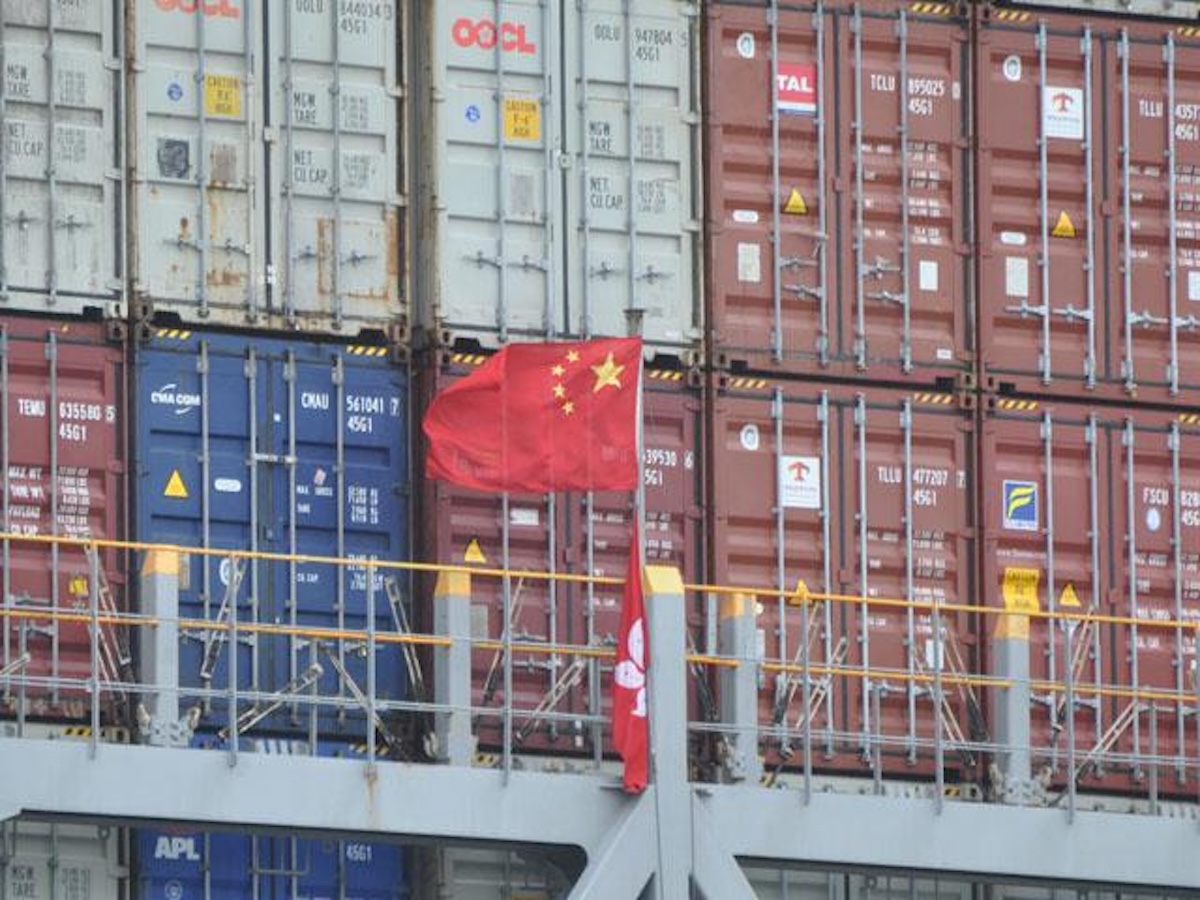
    China has unveiled a precisely calibrated tariff reduction strategy that reveals its strategic economic priorities for the coming years. Effective January 1, 2026, Beijing will lower import duties on 935 specific items below Most-Favored-Nation rates, representing not broad trade liberalization but rather a targeted approach to secure critical inputs for industrial advancement.

    The timing follows the fragile stabilization in U.S.-China relations established during the October Busan summit between Presidents Xi Jinping and Donald Trump. Recognizing this diplomatic truce as temporary, China is utilizing this window to accelerate acquisition of technologies it cannot yet produce domestically at scale.

    Analysis of the tariff list reveals three core strategic priorities: technological self-sufficiency, green energy transition, and public health security. Notable inclusions include “intelligent bionic robots,” “bio-aviation kerosene,” artificial blood vessels, and advanced diagnostic kits. The robotics focus particularly addresses China’s demographic challenges through accelerated automation of its shrinking workforce.

    This approach represents a fundamental shift in addressing industrial “involution”—the destructive domestic competition plaguing sectors like electric vehicles. Rather than simply producing more, China aims to produce with greater sophistication by facilitating imports of advanced materials and “black mass” for battery recycling, moving industries up the value chain.

    Diplomatically, the policy maintains zero-tariff treatment for 43 least-developed countries and preferential rates for 34 RCEP trading partners. This dual-purpose strategy anchors Global South nations firmly within China’s economic orbit while creating asymmetric trade relationships that contrast with more contested Western relations.

    The tariff adjustments implement the “high-quality development” mandate of the 15th Five-Year Plan, prioritizing “new quality productive forces” in integrated circuits, aerospace, and biomedicine. Healthcare technology imports have become strategically crucial for maintaining social stability during China’s painful economic transition away from real estate dependence.

    This supply-side transformation represents an investment in the state’s industrial “hardware,” betting that technological advancement will eventually generate high-paying jobs to revive the middle class. The international community should interpret these measures as China’s sophisticated response to decoupling pressures—a “strategic openness” ensuring it remains an indispensable global supply chain node through selective import facilitation rather than comprehensive closure.

  • Chauffeur Service UAE launches new luxury transport platform in Dubai

    Chauffeur Service UAE launches new luxury transport platform in Dubai

    Dubai’s premium transportation sector has entered a new era with the official launch of Chauffeur Service UAE’s sophisticated ground mobility platform. This comprehensive system, introduced on January 2, 2026, represents a strategic enhancement to the city’s luxury transport infrastructure, specifically engineered to meet the exacting requirements of business travelers, VIP clients, and discerning visitors.

    The innovative platform features an extensive fleet of meticulously maintained premium vehicles operated by professionally trained chauffeurs. Service offerings encompass hourly rental arrangements, airport transfer solutions, corporate travel programs, inter-emirate long-distance journeys, and specialized event transportation. The operation is bolstered by round-the-clock booking assistance and customer support services.

    Company leadership emphasized the platform’s significance in addressing growing market demands. ‘This initiative marks a substantial advancement for luxury transportation in Dubai,’ stated the CEO. ‘Current market trends indicate increasing preference for chauffeur services that deliver exceptional comfort, absolute discretion, and operational excellence.’

    The revamped system employs a structured vehicle allocation methodology supported by licensed drivers and pre-scheduled routing protocols, aligning with Dubai’s established transportation regulations. Centralized dispatching mechanisms ensure punctual pickups and route consistency across all service categories, maintaining stringent quality and safety standards throughout the customer journey from initial booking to final destination.

    As a Dubai-based enterprise, Chauffeur Service UAE maintains its commitment to safety, professionalism, and reliability while supporting the emirate’s positioning as an international business and tourism destination. This development reflects the expanding market for premium mobility solutions within the region’s transportation ecosystem.