分类: business

  • Australian housing market reaches $12.3 trillion milestone

    Australian housing market reaches $12.3 trillion milestone

    Australia’s residential property market has achieved an unprecedented valuation benchmark, soaring beyond $12 trillion for the first time in history. According to the latest data from the Australian Bureau of Statistics (ABS), the sector experienced its thirteenth consecutive quarter of expansion since September 2022, culminating in a remarkable $384.8 billion increase during the final quarter of 2025 alone.

    The national mean dwelling price escalated by 2.7 percent to reach $1.074 million, with every state and territory recording positive growth. Western Australia emerged as the standout performer with quarterly gains of $70,500, followed by Queensland ($48,800) and South Australia ($40,800). New South Wales maintained its position as the most expensive market with mean prices reaching $1.301 million after a 1.7 percent quarterly increase.

    ABS Head of Financial Statistics Mish Tan highlighted that Western Australia’s annual growth of 16.8 percent significantly outpaced other regions, pushing its mean dwelling price above the $1 million threshold for the first time. This development makes Western Australia the third state to join the million-dollar club alongside New South Wales and Queensland.

    Despite the expanding housing stock, which grew by 54,100 dwellings to reach 11.45 million properties, supply continues to lag behind demographic demands. Westpac’s Consumer Chief Executive Carolyn McCann characterized the supply shortage as a ‘national emergency,’ emphasizing that limited availability creates substantial barriers for prospective homeowners. McCann advocated for accelerated construction of appropriately priced homes to ensure housing accessibility remains achievable for future generations.

  • How worried are Americans about rising petrol prices?

    How worried are Americans about rising petrol prices?

    Escalating tensions in the Middle East are creating tangible economic consequences for American consumers as gasoline prices continue their upward trajectory. The ongoing conflict in Iran has triggered significant disruptions to global oil markets, resulting in steadily climbing fuel costs across United States pumping stations.

    In firsthand accounts gathered from New York residents, the BBC documented how these price increases are directly impacting household budgets and spending behaviors. Motorists reported making substantial adjustments to their daily routines, with many opting to reduce discretionary driving, combine errands into single trips, or explore public transportation alternatives.

    The price surge arrives during a period of existing economic pressure for many Americans, compounding financial concerns about broader inflation trends. Energy analysts note that geopolitical instability in oil-producing regions typically produces rapid market reactions, though the duration of price elevations remains uncertain.

    Market indicators suggest continued volatility as the international community monitors the Iran situation. Energy sector experts emphasize that price fluctuations at the pump will likely persist until either the conflict resolves or alternative oil sources stabilize the global supply chain.

  • Live Nation settles antitrust case with US Justice Dept, states object

    Live Nation settles antitrust case with US Justice Dept, states object

    Live Nation Entertainment, the corporate behemoth behind Ticketmaster, has reached a tentative settlement with the U.S. Department of Justice to resolve a sweeping federal antitrust lawsuit. The agreement, announced Monday, must still receive approval from U.S. District Judge Arun Subramanian.

    The settlement mandates significant structural changes to Live Nation’s operations. The company will be required to divest its ownership in up to 13 amphitheaters and pay $280 million in damages to nearly 40 participating states. Crucially, the agreement opens Live Nation’s ticketing platform to competitors and permits rival promoters to stage events at certain Live Nation-controlled venues—measures Justice Department officials believe will increase competition and potentially reduce ticket prices for consumers.

    Despite the federal settlement, several states including New York have declined to join the agreement. New York Attorney General Letitia James characterized the settlement as insufficient, stating it “fails to address the monopoly at the center of this case” and would “benefit Live Nation at the expense of consumers.” Her office announced plans to continue litigation against the company independently.

    Live Nation President and CEO Michael Rapino welcomed the agreement, calling it a “major step in improving the concert experience for artists and fans throughout the United States.” He emphasized that the settlement would provide artists with greater flexibility in choosing promotional partners while keeping concerts affordable for fans.

    The original case, initiated under the Biden administration, accused Live Nation of maintaining an illegal monopoly that controlled virtually all aspects of live entertainment in the United States. The company’s dominance extends to promotion, venue ownership through stakes in 460 venues, and ticketing through its control of Ticketmaster since 2010.

    Market reaction was immediately positive, with Live Nation shares surging more than 6% on the New York Stock Exchange following the announcement. The settlement talks continue with some holdout states, according to Justice Department officials who expressed hope for broader agreement.

  • Huge crude oil spike and Asia plummet: How the Iran war hit the markets

    Huge crude oil spike and Asia plummet: How the Iran war hit the markets

    Financial markets worldwide experienced significant turbulence at the week’s opening following escalated military actions between Israel and Iran over the weekend. The conflict reached new intensity when Israeli forces targeted more than thirty Iranian oil depots across Tehran and Karaj, exceeding previously communicated operational scope according to Axios reports.

    In retaliation, Iran launched offensive operations against energy infrastructure throughout the Gulf region, with confirmed attacks impacting facilities within the UAE, Qatar, Bahrain, and Kuwait. This exchange has substantially heightened geopolitical risks within global energy markets, particularly affecting crude oil transportation through the critically important Strait of Hormuz.

    Energy markets witnessed extraordinary price movements, with Brent crude futures surging to $119 per barrel – the highest valuation since 2022 – before moderating to approximately $105 following announcements of potential coordinated petroleum reserve releases by G7 nations through the International Energy Agency. The price volatility reflected market uncertainty regarding supply continuity from the region.

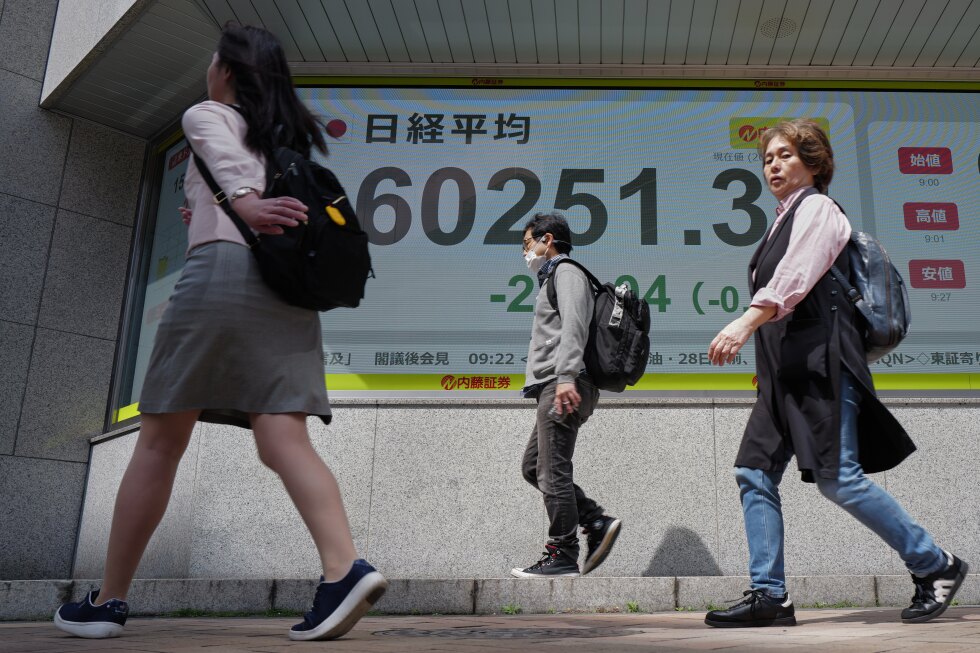
    The conflict’s impact extended beyond energy markets, creating widespread equity market declines across Asian, European, and American trading sessions. Japan’s Nikkei 225 and South Korea’s KOSPI experienced particularly severe contractions, declining 5.2% and 6.2% respectively during Monday’s session, reflecting these nations’ substantial dependence on Middle Eastern energy exports.

    European markets mirrored this negative trend, with London’s FTSE 100 dropping to its lowest level since mid-January while Germany’s DAX and France’s CAC both declined approximately 2.4%. The U.S. dollar strengthened notably amid revised inflation expectations and anticipations that the Federal Reserve might maintain higher interest rates for longer.

    Industrial and agricultural commodities demonstrated varied responses, with aluminum reaching four-year highs due to supply concerns while precious metals including gold experienced unexpected declines. Agricultural commodities, particularly palm oil and soybean oil, recorded substantial gains linked to broader energy market movements.

    Market analysts attribute the sustained volatility to concerns regarding conflict prolongation, particularly following Iran’s appointment of Mojtaba Khamenei as supreme leader and continued regional military operations. The situation remains highly fluid with traders monitoring diplomatic developments and potential supply disruptions.

  • ASX expected to rebound after Trump flagged Iran war ‘complete, pretty much’

    ASX expected to rebound after Trump flagged Iran war ‘complete, pretty much’

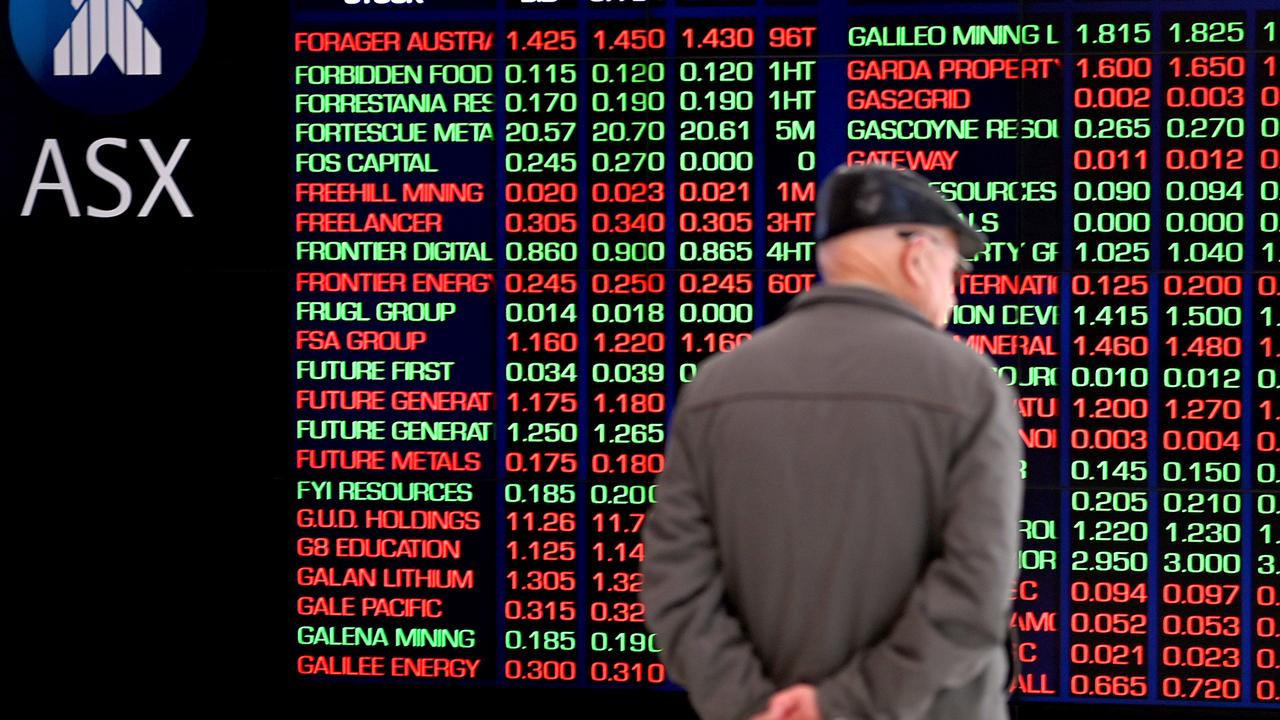
    Australian financial markets are positioned for a substantial recovery on Tuesday following a turbulent trading session that erased approximately $90 billion from market value. This dramatic reversal comes in response to former US President Donald Trump’s characterization of the Iran conflict as ‘pretty much’ complete during a CBS News interview.

    Market indicators suggest a robust comeback, with ASX 200 futures surging by 184 points (2.2 percent) ahead of the trading day opening. This upward trajectory could potentially restore between $50.6 billion and $61.6 billion to Australia’s total market capitalization within a single session.

    The previous trading day witnessed significant volatility, with the benchmark ASX 200 experiencing its most substantial single-day decline since April 2023, plummeting 252 points (2.85 percent) to close at 8599. During the most severe trading period, the market faced a 4.4 percent downturn with nearly $130 billion in value evaporating before a partial afternoon recovery limited the total losses to approximately $90 billion.

    Global markets mirrored this pattern of instability. The S&P 500 index demonstrated considerable fluctuations, initially dropping 1.5 percent before rallying to finish with a 0.8 percent gain. Commodity markets experienced even more extreme volatility, with oil prices briefly surging to nearly $120 per barrel—the highest level since 2022—before retreating to approximately $90 per barrel.

    This market turbulence originated from heightened geopolitical tensions following joint US-Israeli military strikes against Iranian targets on February 28, which prompted immediate retaliation from the Islamic Republic. Trump’s subsequent comments regarding the conflict’s status have now catalyzed the anticipated market rebound.

  • Why the price of oil matters more than you might think

    Why the price of oil matters more than you might think

    The escalating military conflict between the United States, Israel, and Iran has triggered the most significant global energy supply disruption in modern history, creating widespread economic repercussions across international markets. With approximately 20% of the world’s crude oil shipments obstructed at the strategically vital Strait of Hormuz, benchmark oil prices briefly surged toward $120 per barrel before stabilizing around $85—still substantially elevated from pre-conflict levels.

    The energy crisis extends beyond petroleum markets. Qatar’s state energy corporation has suspended natural gas production, removing roughly one-fifth of global LNG supplies from circulation. This compounded supply shock has particularly impacted energy-import-dependent regions including Asia and Europe, where analysts from JP Morgan anticipate ‘visible shortages’ within days.

    Supply chain disruptions have rippled across multiple sectors. Iraq’s oil production has plummeted by over 60%, with Kuwait and the United Arab Emirates implementing substantial output reductions. The crisis has exposed the limited capacity of non-OPEC producers including the United States, Brazil, and Norway to compensate for lost production, despite some pipeline rerouting efforts.

    The economic consequences extend beyond energy markets. Critical commodities including aluminum, sulfur, and fertilizer components face mounting supply constraints as Middle Eastern exports decline. American agricultural operations confront particularly severe challenges during peak planting season, with fertilizer import disruptions threatening crop yields and farm profitability.

    Financial markets have reflected these concerns through significant declines in Asian and European indices, while the potential for sustained price inflation threatens to undermine consumer spending and economic growth globally. Analysts warn that prolonged conflict could drive oil prices beyond $150 per barrel, potentially exceeding peaks witnessed during the Ukraine-Russia conflict.

    The crisis has underscored the world’s continued dependence on Middle Eastern energy exports and highlighted vulnerabilities in global supply chains. With limited effectiveness of strategic petroleum reserve releases and no immediate diplomatic resolution in sight, economists project that sustained elevated energy prices could reduce global economic growth by approximately 0.4 percentage points even under current conditions.

  • Emirates resumes daily Dubai-Hangzhou flights

    Emirates resumes daily Dubai-Hangzhou flights

    Emirates Airline has officially recommenced its daily round-trip flight operations between Dubai and Hangzhou, marking a significant restoration of air connectivity between the United Arab Emirates and Eastern China. The resumed service began operations on Sunday, March 8th, 2026.

    The inaugural reactivated flight, EK310, touched down at Hangzhou Xiaoshan International Airport’s Terminal 4 at precisely 3:57 PM local time, transporting 220 passengers from Dubai. The arrival was met with considerable enthusiasm, as evidenced by numerous local residents who gathered in the international arrivals hall bearing floral arrangements to welcome returning relatives and friends.

    According to ground service personnel at Hangzhou Airport, the reinstatement of Emirates’ daily service represents a notable development among Middle Eastern routes originating from the Zhejiang provincial capital. While the Cairo route continues normal operations and Qatar’s Doha route remains suspended, Emirates becomes the first carrier to restore full flight operations to the Gulf region from Hangzhou.

    Airport authorities have confirmed ongoing coordination with airline partners to continuously assess travel demand and operational conditions. Committed to maintaining transparent communication with the public, officials pledged to promptly announce any potential modifications to flight schedules as market conditions evolve.

    This route reestablishment underscores the growing economic and cultural ties between China’s Yangtze River Delta region and the Middle East, while simultaneously enhancing Hangzhou’s status as an emerging international aviation hub.

  • Zhengzhou capitalizes on hub advantages to drive economic growth

    Zhengzhou capitalizes on hub advantages to drive economic growth

    Zhengzhou, the capital of Henan province, is strategically positioning itself as a premier international economic hub by capitalizing on its unique geographic and infrastructural advantages. Mayor Zhuang Jianqiu, speaking during the National People’s Congress sessions, outlined the city’s comprehensive strategy to transform its economic landscape.

    The city’s exceptional connectivity forms the foundation of its competitive edge. With a population exceeding 13 million within its metropolitan area, Zhengzhou boasts a high-speed rail network that connects to 400 million people within a two-hour radius. Its aviation infrastructure provides access to over 90% of China’s consumer market, creating unprecedented logistical advantages for commerce and trade.

    Zhengzhou’s economic transformation focuses on innovative business models and consumption patterns. The city has successfully attracted major international retailers, including Sam’s Club, through the creation of an optimized business environment. This initiative resulted in over 400 new store and flagship openings in the past year alone, generating approximately 30 billion yuan ($4.14 billion) in related consumer spending and addressing previous gaps in high-end commercial offerings.

    The city is simultaneously promoting local brands to global markets, with Mixue Ice Cream & Tea serving as a prominent example of this outward expansion strategy. Beyond traditional retail, Zhengzhou is pioneering a shift from material consumption to emotional and experiential spending by integrating fashion elements into scenic spots and commercial districts.

    Cultural assets play a central role in Zhengzhou’s development strategy. The city is actively promoting the integration of culture, commerce, and tourism to create diverse consumption experiences. The Shangdu Historical and Cultural District exemplifies this approach, seamlessly blending historical sites with modern commercial areas to provide tangible connections to the city’s rich heritage.

    “Our objective is to cultivate innovative consumption patterns that transform every urban space into a catalyst for economic activity,” stated Mayor Zhuang. The city’s forward-looking plan includes further environmental optimization, nurturing enterprises across the entire value chain, and developing comprehensive scenarios to enhance connections between domestic and international markets, thereby strengthening its position as a dynamic hub for both economic and cultural exchange.

  • Stocks slide as oil soars past $100 on Mideast war

    Stocks slide as oil soars past $100 on Mideast war

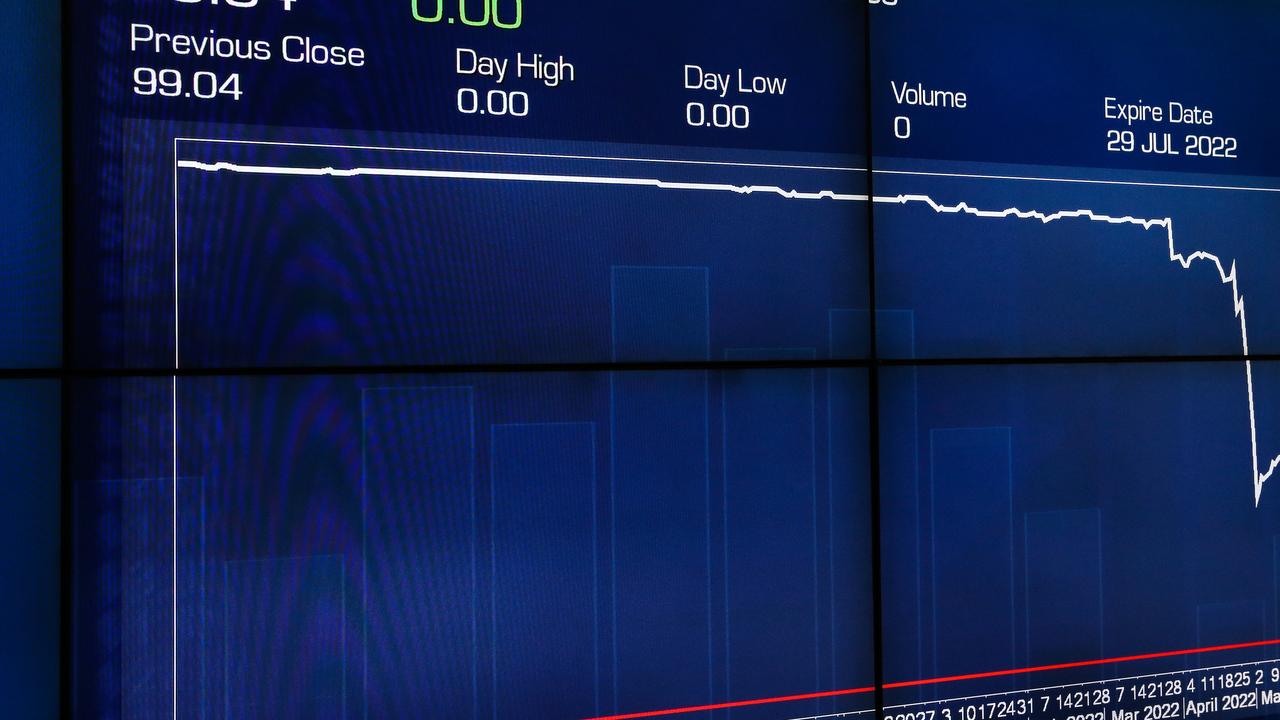
    Global financial markets experienced significant volatility on Monday as geopolitical tensions in the Middle East propelled oil prices above $100 per barrel for the first time since Russia’s 2022 invasion of Ukraine. The dramatic price surge followed retaliatory actions by Iran targeting crude-producing Gulf nations, raising immediate concerns about regional energy infrastructure security and potential prolonged conflict.

    Benchmark Brent crude and West Texas Intermediate both breached the psychological $100 threshold during Asian trading before paring gains, settling at $99.76 and $95.67 per barrel respectively by late European hours. This represents a 38% increase for Brent since the eve of the current Middle East conflict and a 64% surge year-to-date.

    The market reaction was most pronounced in Asian equities, with Seoul’s Kospi plunging 6.0% and Tokyo’s Nikkei 225 dropping 5.2%. European markets showed more resilience, with London’s FTSE 100 declining 0.3% and Frankfurt’s DAX falling 0.8%. Wall Street exhibited mixed signals as the Nasdaq Composite remained flat while the Dow Jones Industrial Average dropped 0.8%.

    Market analysts highlighted the critical vulnerability of the Strait of Hormuz, where maritime traffic has been severely disrupted. This vital waterway typically handles approximately one-fifth of global crude oil and liquefied natural gas shipments, amplifying supply chain concerns.

    Chris Beauchamp, Chief Market Analyst at IG, noted: ‘The overnight panic in oil has eased temporarily, but the fundamental drivers behind this shock move remain firmly in place. We’re now seeing open season on oil infrastructure across the region, which establishes a near-term price floor significantly above pre-war levels.’

    The energy price surge has reignited stagflation fears, with Mitsubishi UFJ analyst Lee Hardman warning that ‘the surge higher for oil is significantly increasing stagflation risks for the global economy and could trigger a deeper sell-off in global equity markets.’

    Central banks face renewed pressure, with monetary policy expectations shifting dramatically. Trade Nation analyst David Morrison observed that investors now anticipate only one interest rate cut from the Federal Reserve this year, compared to two cuts projected just last week. Meanwhile, expectations have shifted toward potential rate hikes from the European Central Bank rather than maintained stability.

    Currency markets reflected the uncertainty, with the euro dipping to $1.1591 while the pound strengthened slightly to $1.3396 against the dollar.

  • Beijing to boost new productive forces with Tianjin, Hebei

    Beijing to boost new productive forces with Tianjin, Hebei

    The Beijing-Tianjin-Hebei regional integration initiative is gaining significant momentum as authorities prioritize the development of new productive forces across the economic corridor. Beijing Mayor Yin Yong announced enhanced collaboration measures during a press conference held alongside China’s ongoing legislative sessions, highlighting strategic coordination with Hebei province’s Xiong’an New Area and the municipality of Tianjin.

    The regional development strategy centers on strengthening international innovation hubs through technological advancement and knowledge transfer. Mayor Yin emphasized the region’s commitment to creating a multi-tiered, collaborative framework designed to serve not only northern China but also contribute to national and global economic networks. This initiative represents a crucial component of China’s broader regional development objectives.

    Recent economic indicators demonstrate substantial progress in the integration effort. The Beijing-Tianjin-Hebei region recorded a collective GDP growth of 5.4% in the previous year, exceeding the national average by 0.4 percentage points. The area’s contribution to national economic output has shown consistent expansion, reflecting the success of coordinated development policies.

    Technology transfer has emerged as a particularly successful aspect of regional cooperation. The value of technology contracts transferred from Beijing to Tianjin and Hebei reached approximately 100 billion yuan ($14 billion), representing a year-on-year increase exceeding 18%. This substantial flow of technological resources underscores the region’s growing innovation ecosystem.

    Infrastructure connectivity has also seen remarkable advances with the recent completion and operation of several major transportation projects. The Beijing-Tangshan Intercity Railway and the Chengde-Pinggu section of the Chengping Expressway have significantly enhanced regional mobility, reducing transportation barriers between the three jurisdictions.

    Beyond economic and infrastructure integration, the collaboration has yielded substantial benefits in public services. Educational cooperation has flourished with over 300 high-quality primary and secondary schools and kindergartens from Beijing and Tianjin establishing partnership programs with counterparts in Hebei. Healthcare integration has similarly progressed with the formation of 150 Beijing-Tianjin-Hebei medical alliances, while more than 300 government services can now be processed across all three regions through self-service terminals, greatly improving administrative convenience for residents.