分类: business

  • Dubai-Riyadh route records second highest airfare increase among cross-border travel

    Dubai-Riyadh route records second highest airfare increase among cross-border travel

    The Dubai-Riyadh air corridor has emerged as a significant aviation market, recording the world’s second-highest airfare increase in 2025 with a notable 6% price surge. According to aviation analytics firm OAG, average fares on this route reached $267 (Dh980), reflecting robust demand primarily driven by business travel and religious tourism.

    This pricing trend coincides with the route’s remarkable capacity expansion, ranking as the seventh busiest global corridor with 4.465 million seats annually—a 4% year-on-year increase and a substantial 42% growth compared to pre-pandemic 2019 levels. The sustained demand underscores the Middle East’s strengthening connectivity and economic integration.

    Dubai International Airport’s traffic statistics further validate this trend, revealing Saudi Arabia as its second-largest market during the first three quarters of 2025. The airport recorded 5.5 million passengers traveling to Saudi destinations, with Riyadh specifically accounting for 2.3 million travelers during this period, solidifying its position as Dubai’s second most popular city destination.

    The facilitation of travel between the neighboring Gulf nations has been significantly enhanced by Saudi Arabia’s streamlined visa policies. The introduction of electronic pilgrimage visas through the Nusuk Umrah platform, launched in August 2025, has simplified access for UAE residents and other international visitors seeking religious tourism experiences. This digital initiative offers comprehensive service customization, allowing pilgrims to arrange integrated packages or individual components including visas, accommodation, and transportation.

    Globally, the Kuala Lumpur-Singapore route experienced the most substantial airfare increase at 8%, while New York-London saw a more modest 2% rise. Conversely, several Asian routes including Tokyo-Taipei and Bangkok-Hong Kong witnessed fare reductions ranging from 5% to 12% throughout 2025.

  • ‘Hermès of durian’: The luxury fruit cashing in on China’s billion-dollar appetite

    ‘Hermès of durian’: The luxury fruit cashing in on China’s billion-dollar appetite

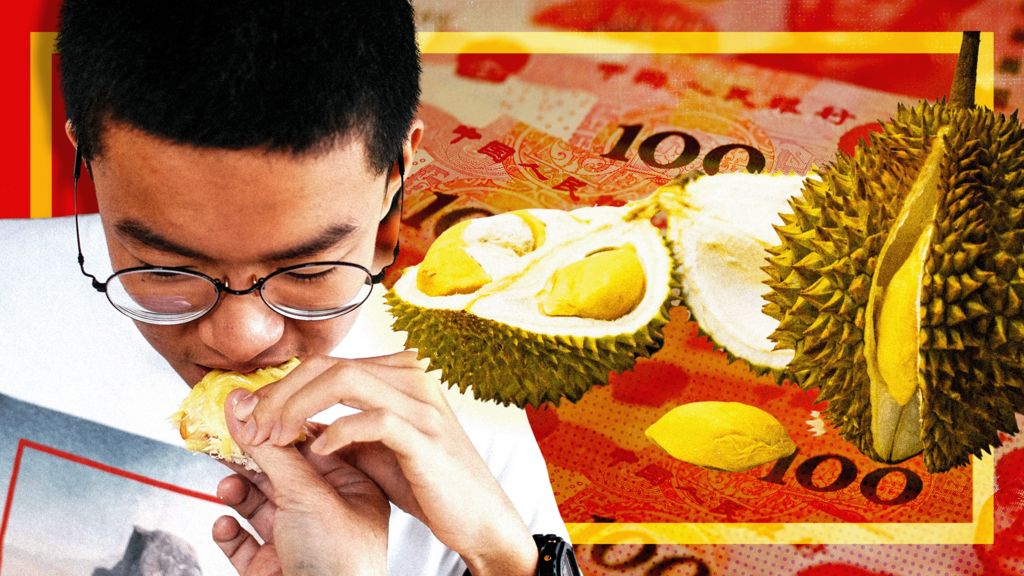
    The humble Malaysian town of Raub, once renowned for its gold mining heritage, has undergone an extraordinary economic transformation driven by China’s insatiable appetite for durians. This small community now proudly identifies as the heartland of Musang King—a premium durian variety celebrated as the “Hermès of durians” among Chinese connoisseurs.

    Driving through Raub’s mountainous terrain, the presence of the spiky fruit is unmistakable. Fragrant trails follow durian-laden trucks along winding roads, while public art and signage proudly proclaim the town’s newfound identity. This visual and olfactory landscape tells the story of an agricultural revolution reshaping Southeast Asia’s farming communities.

    China’s durian imports skyrocketed to a record $7 billion in 2024, representing a threefold increase since 2020. This massive demand now absorbs over 90% of global durian exports, creating unprecedented economic opportunities across the region. “Even if only 2% of Chinese consumers purchase durians, that represents enormous business potential,” notes Chee Seng Wong, factory manager at Fresco Green, a Raub-based exporter.

    The economic shift has been dramatic. Where farmers once replaced durian trees with oil palms during 1990s economic struggles, they now reverse this process, sacrificing cash crops to cultivate the prized fruit. This agricultural recalibration reflects durian’s extraordinary market value—while common varieties sell for under $2 in Southeast Asia, premium Musang King specimens command $14 to $100 per fruit depending on quality and season.

    Despite its divisive aroma—often compared to cabbage, sulfur, or sewers—durian has cultivated a sophisticated Chinese fanbase. It functions as an exotic luxury gift, social media status symbol, and culinary innovation ingredient, appearing in everything from durian chicken hotpot to pizza. This cultural embrace has turned the once-maligned fruit into a diplomatic tool, with Beijing signing numerous trade agreements positioning durian exchange as celebration of bilateral ties.

    Malaysia’s durian industry has created remarkable success stories. Farmers like “Uncle Thing” Lu Yuee Thing have achieved millionaire status through family-operated enterprises where sons handle transportation while daughters manage finances. “Durian has significantly contributed to our local economy,” acknowledges Uncle Thing, though he emphasizes the physical demands of farming despite the financial rewards.

    The durian boom carries complex consequences. Food safety concerns emerged when Chinese authorities detected carcinogenic dyes in Thai imports, while Vietnamese coffee farmers switching to durian cultivation have contributed to rising global coffee prices. In Raub, legal conflicts have erupted over thousands of durian trees allegedly planted illegally on state land.

    Meanwhile, China pursues “durian freedom” through domestic cultivation in Hainan province, where experimental harvests reached 2,000 tonnes in 2025. While currently representing less than 1% of China’s consumption, this domestic production potential introduces uncertainty for Southeast Asian producers who have built their economies around Chinese demand. Yet Raub’s farmers remain confident in their product’s superiority, focusing on quality and yield while monitoring China’s agricultural developments.

  • Qatari restaurant chain suspends cash payments after major internal theft

    Qatari restaurant chain suspends cash payments after major internal theft

    In a decisive response to a significant internal security breach, Qatar’s popular restaurant chain Poori & Karak has implemented a temporary suspension of all cash payments across its eight locations. The company confirmed through its official Instagram channel that multiple employees orchestrated a sophisticated theft operation, resulting in substantial financial damages described as the chain’s most severe operational setback of 2025.

    The management characterized the incident as their ‘largest internal theft incident’ of the year, though specific financial figures remain undisclosed. The fraudulent activities specifically targeted cash transaction processes, prompting the immediate transition to exclusive bank card and digital payment acceptance. This measure, according to company statements, aims to safeguard corporate assets, enhance financial transparency, and ensure the integrity of ongoing operations.

    Poori & Karak, with establishments in prominent locations including Qatar Sports Club and Al Wakra, emphasized that the payment policy shift is temporary while internal controls undergo comprehensive review and strengthening. Restaurant management separately expressed strong confidence in their remaining workforce, acknowledging staff cooperation and commitment during the transitional period.

    This incident occurs against the backdrop of accelerating digital payment adoption across Gulf Cooperation Council (GCC) countries. Younger demographics in particular are driving this transformation, valuing the enhanced security, convenience, and operational efficiency that electronic transactions provide. The region’s rapidly expanding digital infrastructure continues to facilitate this shift toward cashless economies, with businesses increasingly prioritizing financial security mechanisms.

  • Building a tower in 12 days, near bankruptcy: Emaar founder shares lessons in success

    Building a tower in 12 days, near bankruptcy: Emaar founder shares lessons in success

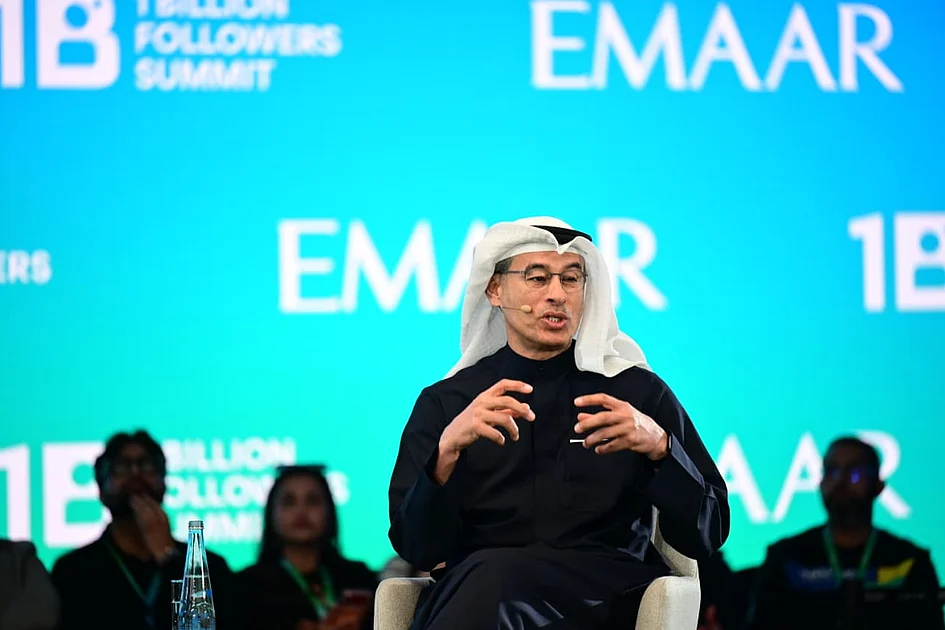
    Prominent Emirati entrepreneur Mohammed Al Abbar, founder of Emaar Properties, delivered a remarkably candid address at the 1 Billion Followers Summit in Dubai, blending humorous anecdotes with profound business insights drawn from both his spectacular successes and costly failures.

    Al Abbar revealed a groundbreaking development in construction technology stemming from a direct mandate from UAE President Sheikh Mohamed bin Zayed Al Nahyan. The President instructed him to investigate revolutionary Chinese construction capabilities, resulting in Al Abbar’s discovery of factory-based high-rise production achieving what he described as ‘mind-blowing’ results—a 15-story tower assembled in merely 12 days.

    This transformative technology utilizes advanced prefabrication, robotics, and automated processes that not only dramatically accelerate construction timelines but also offer significantly enhanced sustainability compared to conventional methods. Al Abbar highlighted that this innovation is already being implemented in Abu Dhabi, with expectations that mass adoption will substantially reduce costs.

    Beyond technological advancements, Al Abbar shared hard-earned financial wisdom, particularly emphasizing the dangers of debt accumulation. ‘Don’t borrow,’ he cautioned attendees, reflecting on his own near-bankruptcy experience during his 1997 retail operations in Singapore. ‘Borrowing injured me deeply. I minimized my borrowing to the maximum, and that saved me all my life,’ he stated, noting the particular importance of this approach in today’s volatile global economy.

    The visionary behind iconic structures like the Burj Khalifa also discussed Emaar’s costly missteps, including a failed expansion into the US market that resulted in over $1 billion in losses but provided invaluable lessons. He stressed that innovation must be coupled with humility and relentless effort, emphasizing that success is never guaranteed regardless of past achievements.

    Al Abbar concluded with empowering advice for aspiring entrepreneurs: ‘You are not going to do everything right. Failing is also learning. The real question is whether you can stand up again.’ His presentation formed part of the three-day 1 Billion Followers Summit, one of the world’s largest gatherings for content creators, hosted across Emirates Towers, the Museum of the Future, and DIFC.

  • Dubai jeweller Kiara opens its first international store in the Maldives

    Dubai jeweller Kiara opens its first international store in the Maldives

    DUBAI – Kiara Jewellery, the Dubai-based fine jewellery brand, has embarked on its first international expansion with the inauguration of a new boutique at the JA Manafaru Island Resort & Spa in the Maldives. The store, which celebrated its grand opening on December 28, 2025, represents the brand’s tenth location and its inaugural venture beyond the United Arab Emirates.

    Founded just four years ago by the mother-daughter partnership of Sonal Panday and Ada Panday, Kiara has experienced remarkable growth from a single showroom to a network of nine establishments across Dubai. The brand has cultivated a loyal clientele of over 20,000 customers in the UAE through its distinctive philosophy of creating timeless pieces designed to commemorate personal milestones rather than follow transient fashion trends.

    The selection of the Maldives for their international debut was strategically deliberate, aligning with the brand’s core values. JA Manafaru, a five-star island resort renowned for offering privacy and sophisticated luxury, attracts an international demographic seeking exclusive, slower-paced experiences. This environment perfectly complements Kiara’s vision of jewellery as enduring pieces to be worn and cherished indefinitely, not merely collected.

    The founders emphasized that their expansion decision was influenced more by the symbolic resonance of the destination than mere commercial strategy. The Maldives, with its associations of radiant light and serene tranquility, mirrors the very essence of the brand’s identity—’Kiara’ translates to ‘light’ from its Sanskrit origins.

    “This is just the beginning of an exciting journey,” stated founders Sonal and Ada Panday during the opening ceremony. This measured expansion introduces Kiara to a global audience while maintaining the intimate scale and design sensibility that has characterized its successful growth in the UAE market.

  • Nevada eyes Chinese tech to diversify economy

    Nevada eyes Chinese tech to diversify economy

    In a strategic shift to redefine its economic identity beyond gaming and tourism, the state of Nevada is actively pursuing Chinese technology firms as cornerstone partners for its diversification agenda. The announcement came from Lieutenant Governor Stavros Anthony during the 2026 Consumer Electronics Show (CES) in Las Vegas, where he emphasized the state’s commitment to building a resilient, future-proof economy.

    Anthony articulated Nevada’s ambition to shed its singular association with casinos and entertainment, envisioning instead a hub for high-tech manufacturing, advanced logistics, healthcare innovation, and data center operations. This long-standing diversification effort has positioned Nevada as an attractive destination for global enterprises, with Chinese companies representing a significant focus due to their technological prowess.

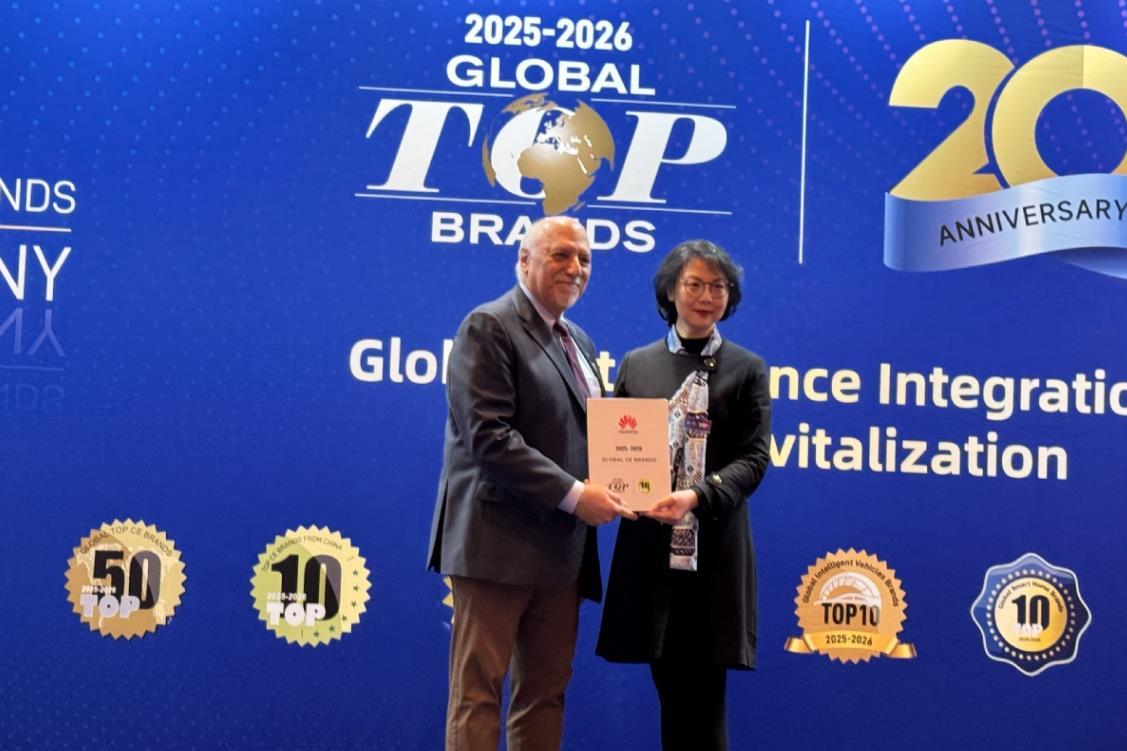
    Chinese participation at CES 2026 demonstrated particular strength across transformative sectors including robotics, intelligent automotive systems, next-generation Mini LED and rollable OLED displays, AI integration, smart home ecosystems, and clean energy solutions—all areas aligning with Nevada’s developmental priorities.

    Notably, Nevada’s arid environment has accelerated its focus on sustainable technologies, making water conservation and energy efficiency critical components of its economic strategy. The state specifically welcomes Chinese investment in renewable energy and water-efficient development projects that support sustainable growth objectives.

    The historical context of Chinese contribution to Nevada’s development through mining and railroad construction establishes a foundation for contemporary economic partnerships. Currently, Nevada maintains substantial trade relations with China, serving as a major importer of Chinese electronics, machinery, and furniture products.

    Despite broader US-China trade tensions, Anthony reaffirmed Nevada’s openness to constructive economic collaboration, stating the state remains committed to global partnerships that deliver mutual economic benefits and technological advancement.

  • EU reaches South America trade deal after 25 years of talks

    EU reaches South America trade deal after 25 years of talks

    After a quarter-century of negotiations, the European Union has successfully concluded a landmark free trade agreement with the Mercosur bloc comprising Brazil, Argentina, Paraguay, and Uruguay. The breakthrough comes despite vehement opposition from European agricultural sectors concerned about market competition.

    Brazilian President Luiz Inacio Lula da Silva celebrated the arrangement as a “historic day for multilateralism” following final negotiations in Brussels. The agreement emerges against a global backdrop of increasing protectionist measures, including recent tariffs imposed by the Trump administration and military involvement in Venezuela.

    The European Commission, led by President Ursula von der Leyen, championed the accord as mutually beneficial, emphasizing advantages for consumers and businesses across both regions. Von der Leyen stated the deal incorporates “robust safeguards” addressing agricultural concerns while promoting sustainable trade practices.

    However, the agreement has triggered significant dissent. Farmers across France and Belgium organized tractor-led demonstrations, expressing profound discontent. Judy Peeters, representing Belgian young farmers, conveyed the depth of frustration: “There is a lot of pain. There is a lot of anger.”

    Environmental and economic dimensions feature prominently in the pact. The agreement includes binding commitments to combat deforestation and ensure stable supplies of critical raw materials essential for green technology. The European Commission projects annual savings of €4 billion in export duties for European companies.

    Former EU Trade Commissioner Cecilia Malmström highlighted the agreement’s geopolitical significance, noting it serves as a strong signal to powers that diverge from rule-based trade systems. She also warned that environmental protection failures could trigger suspension mechanisms.

    The pact now advances to the European Parliament for ratification, where approval is expected to be closely contested. Economic analysts, including Capital Economics’ Jack Allen-Reynolds, question the agreement’s macroeconomic impact, noting the EU’s own projection of merely 0.05% output growth phased over 15 years, with full benefits not materializing before 2040.

  • US treasury secretary says Argentina has repaid its US credit line in a win for Milei

    US treasury secretary says Argentina has repaid its US credit line in a win for Milei

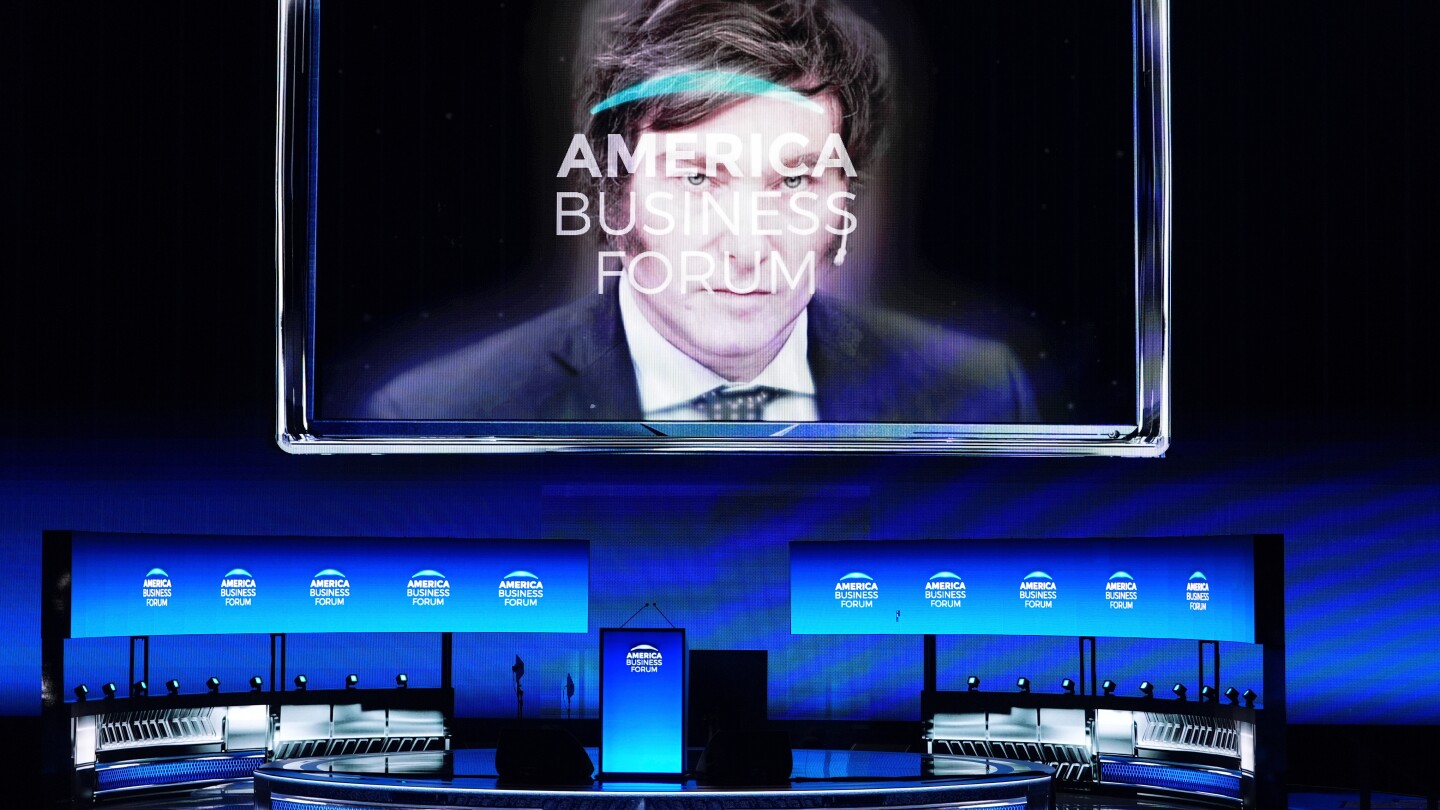
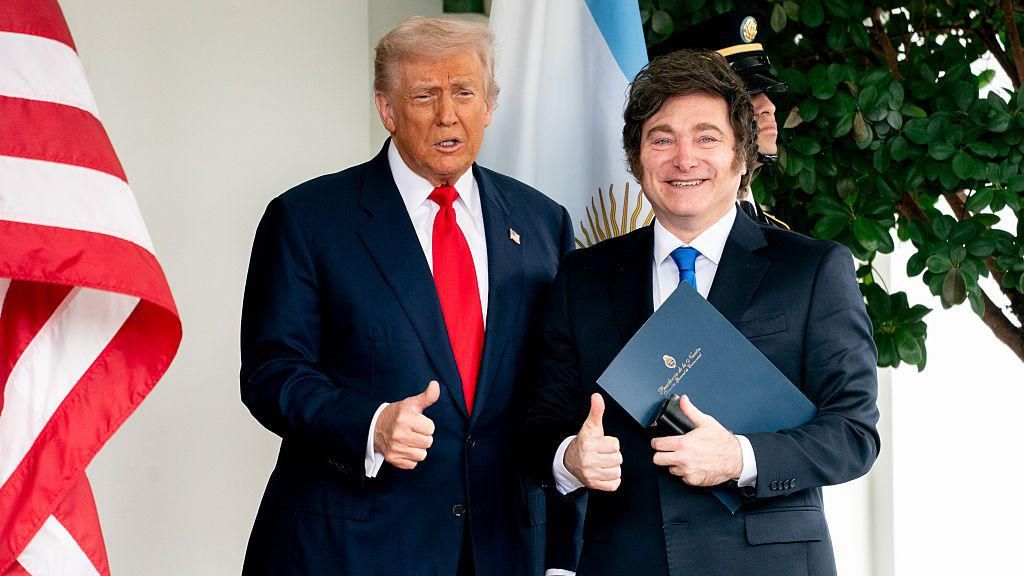
    BUENOS AIRES, Argentina — In a significant financial milestone, Argentina has fully settled its obligations from a controversial $20 billion credit facility extended by the Trump administration, U.S. Treasury Secretary Scott Bessent confirmed on Friday. This repayment marks a critical achievement for President Javier Milei’s radical libertarian government as it works to stabilize the nation’s perpetually troubled economy.

    While Bessent did not disclose the exact repayment amount, Treasury Department records indicate Argentina’s central bank had utilized approximately $2.5 billion from the swap arrangement by October’s end. The Argentine Central Bank subsequently verified the complete settlement.

    The original financial rescue package, deemed contentious by many analysts, provided essential dollar liquidity to the Trump administration’s politically aligned but financially strained partner. This intervention effectively arrested a severe market collapse in Argentina just before pivotal midterm elections last October, where Milei’s party secured a substantial victory that bolstered support for his stringent austerity measures.

    The successful debt repayment has generated renewed investor confidence in Argentina’s economic direction. In a telling development, the government recently issued its first dollar-denominated bond in eight years, signaling a potential return to international capital markets.

    Treasury Secretary Bessent hailed the repayment as vindication for the bailout decision, which had faced criticism for potentially contradicting Trump’s ‘America First’ doctrine and exposing U.S. taxpayer funds to risk. “Stabilizing a strong American ally while generating substantial profits for Americans represents an America First success story,” Bessent stated. “A stable Argentina that contributes to Western Hemisphere prosperity clearly serves our national interest.”

    Argentine Economy Minister Luis Caputo expressed gratitude for the Trump administration’s “trust in our economic policy,” noting the importance of “building this geopolitical alliance with the world’s most significant nation.”

    Despite this progress, Argentina’s economic challenges persist. Foreign exchange reserves remain dangerously depleted, and the nation faces mounting pressure from impending repayments on previous International Monetary Fund loans and additional private debt obligations in the coming months.

  • US calls Argentina peso bet a ‘homerun deal’

    US calls Argentina peso bet a ‘homerun deal’

    US Treasury Secretary Scott Bessent has publicly declared the nation’s high-stakes intervention in Argentina’s currency market a resounding success, confirming full repayment of American financial support with substantial profits. The controversial maneuver, executed last year during the Argentine peso’s sharp decline, was designed to prevent further economic turmoil and bolster President Javier Milei’s political faction ahead of critical midterm elections.

    The strategic operation involved purchasing depreciating pesos and establishing a currency swap facility that allowed Argentina to exchange pesos for US dollars. This intervention effectively halted the currency’s downward spiral, particularly after Milei’s party achieved a decisive electoral victory. According to official reports, Argentina’s central bank settled the swap arrangement in December, utilizing only $2.5 billion of the available $20 billion facility.

    Bessent characterized the outcome as an ‘America First homerun deal’ that simultaneously stabilized a key ally and generated tens of millions in profit for American taxpayers. The Treasury Department had faced significant criticism from Democratic opponents who questioned the wisdom of risking public funds in a nation with Argentina’s volatile financial history.

    Additional disclosures revealed separate financial support totaling $872 million involving International Monetary Fund reserves, though the Treasury has not provided detailed commentary on this transaction. While acknowledging the operation’s financial success, economic analysts caution that Argentina continues to face substantial challenges, including depleted foreign reserves and overreliance on external support mechanisms.

  • China invests 5.68 trillion yuan in water conservancy over past five years

    China invests 5.68 trillion yuan in water conservancy over past five years

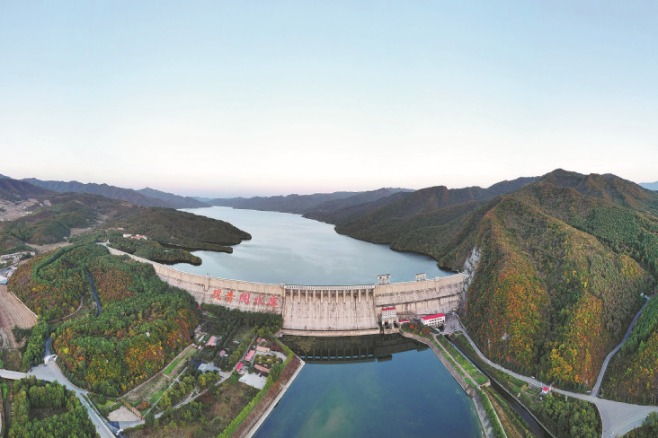
    China has channeled an unprecedented 5.68 trillion yuan ($800 billion) into water conservancy projects throughout its 14th Five-Year Plan period (2021-2025), marking a transformative investment in national water security and economic stabilization. The substantial funding represents four consecutive years of exceeding the trillion-yuan threshold in annual water management investments.

    Vice-Minister of Water Resources Chen Min, speaking at a State Council Information Office press conference in Beijing, highlighted the dual economic and infrastructural benefits of this massive undertaking. The investments have served as a powerful economic stabilizer while simultaneously addressing critical water security challenges across the nation.

    In 2025 alone, water conservancy initiatives generated 3.15 million employment opportunities through 1.28 trillion yuan in allocated funding. This job creation aspect has proven particularly valuable in maintaining employment stability during periods of economic transition.

    The strategic allocation of resources has yielded tangible improvements in China’s water infrastructure network. Authorities have successfully reinforced 17,998 aging and high-risk reservoirs while implementing comprehensive river management programs across 3,741 small and medium-sized waterways.

    These enhancements have produced measurable results: a 31.8 billion cubic meter expansion in national water supply capacity, 22.3 billion cubic meters in additional reservoir storage, and irrigation access extended to over 3.5 million hectares of agricultural land. The improvements significantly bolster China’s flood control capabilities while addressing water scarcity concerns in various regions.

    The sustained investment reflects China’s commitment to building climate-resilient infrastructure and ensuring water security amid increasing climate volatility. The comprehensive water network development aligns with broader national strategies for agricultural stability, urban water supply reliability, and disaster prevention.