分类: business

  • World Gold Council sees precious metal remaining rangebound this year

    World Gold Council sees precious metal remaining rangebound this year

    The World Gold Council (WGC) projects gold prices to remain rangebound throughout 2026, following an extraordinary performance in 2025 that saw the precious metal achieve 53 record highs and finish with a remarkable 67% annual gain in US dollar terms. According to the global body’s comprehensive analysis, gold enters the new year priced at approximately $4,368 per ounce, reflecting market consensus expectations of steady global growth, modest Federal Reserve rate reductions, and a marginally stronger US dollar.

    The Council outlines four distinct scenarios for gold’s trajectory in 2026. The base case anticipates rangebound trading amid stable economic conditions. However, the analysis reveals a pronounced upside bias should economic conditions deteriorate. A ‘shallow slip’ scenario involving softer growth and deeper policy easing could propel prices 5-15% higher, while a ‘doom loop’ of synchronized global downturn coupled with elevated geopolitical risks might trigger a substantial 15-30% surge. Conversely, stronger-than-expected US growth with higher yields and dollar strength could pressure gold downward by 5-20%.

    December 2025 witnessed historic gains across precious metals, though gold’s ascent appeared more measured compared to the volatile movements in silver and platinum. The WGC attributes gold’s strong performance to robust options activity, emerging market currency tailwinds, and falling yields, with geopolitical concerns remaining a persistent driver throughout the previous year.

    Critical wildcards that could significantly influence gold’s direction include central bank purchasing patterns—particularly from emerging markets where gold reserves remain below advanced-economy shares—and potential increases in recycling flows. Additionally, the pending Supreme Court decision regarding tariff authorities under IEEPA represents another swing factor that could either entrench policy risk premiums or refocus attention on fiscal deficits.

    Despite the rangebound base case, the Council emphasizes that gold’s fundamental supports—policy uncertainty, persistent geopolitical risks, and active investment demand—remain firmly intact. With tail risks multiplying and real rates cyclically elevated, the metal’s portfolio role as a diversifier and hedge against downside risk continues to offer compelling value for investors navigating an increasingly uncertain global landscape.
  • Why Dubai’s property boom is built to last for a long time

    Why Dubai’s property boom is built to last for a long time

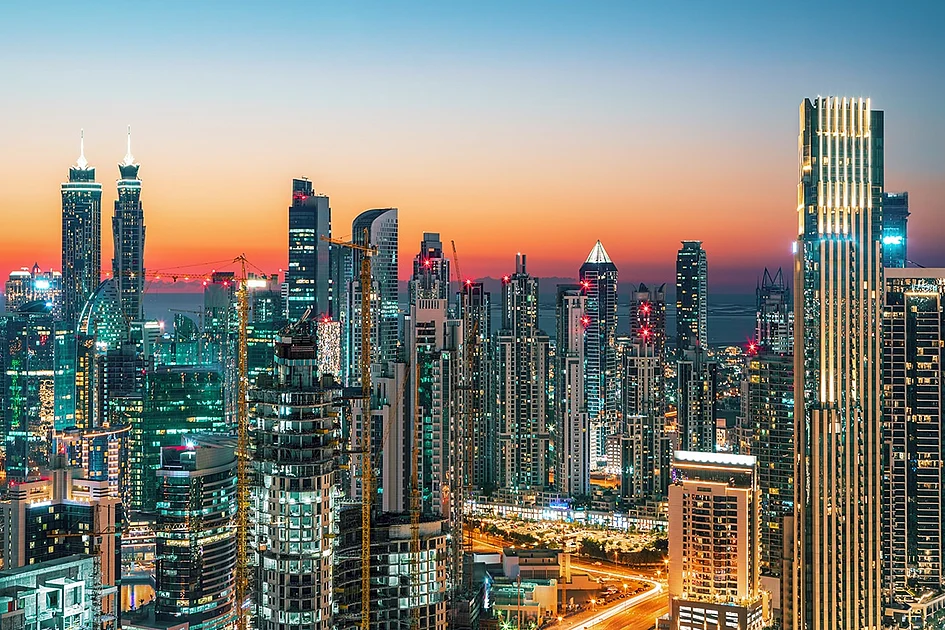
    Dubai’s property market continues to demonstrate remarkable resilience with inflation-adjusted home prices surging approximately 11% in 2025, significantly outperforming most major metropolitan markets globally according to UBS Group AG’s latest Global Real Estate Bubble Index. This growth trajectory, while drawing comparisons to overheated housing markets worldwide, is fundamentally supported by structural demand drivers rather than speculative excess.

    The emirate’s extraordinary demographic expansion serves as the primary differentiator from other global cities. Since 2020, Dubai’s population has grown by nearly 15%, surpassing four million residents for the first time in 2025, with over 208,000 new residents added last year alone. This rapid population growth—characterized by a youthful demographic with 60% under age 35 and nearly 90% expatriate composition—continues to generate sustained household formation and rental demand.

    UBS analysts note that while bubble risks have increased globally for the second consecutive year, Dubai’s risk profile remains below that of cities like Miami, Zurich, and Tokyo. Claudio Saputelli, Head of Swiss and Global Real Estate at UBS Wealth Management, explains: ‘Dubai’s population growth has tightened available supply and pushed rents higher. Over the past five years, rent increases outpaced home price gains, though property prices have recently begun to overtake rent growth as investment demand strengthens.’

    Despite accelerating new supply with approximately 100,000 residential units scheduled for completion in 2026, market participants argue that historical delivery patterns show 30-40% of forecast supply typically experiences delays. When adjusted for construction slippage and matched against unprecedented population growth, supply remains broadly aligned with absorption rates.

    Policy interventions have further reshaped market foundations. The Golden Visa program, issuing over 250,000 long-term residencies since 2021, has accelerated a strategic shift from short-term ownership toward permanent settlement. Transaction data from Betterhomes indicates cash buyers accounted for 49% of Q3 2025 transactions, while end-users represented approximately half of all transactions earlier in the year—signaling growing participation from residents purchasing primary homes rather than speculative investors.

    International demand remains broadly diversified with buyers from India, the UK, Pakistan, Europe, Russia, North America, and sustained inflows from Gulf and MENA regions. This diversity contrasts sharply with overheated global markets where price growth has increasingly decoupled from income growth.

    While UBS notes exposure to oil price volatility and rising regional competition from Abu Dhabi’s expanded investor incentives and Saudi Arabia’s planned international buyer zones under Vision 2030, Dubai’s first-mover advantage, regulatory clarity, and deep liquidity provide resilience that newer markets lack. Economic diversification across tourism, logistics, finance, and technology continues to support employment and wage expansion, helping cap speculative excess even as prices climb.

    The challenge for Dubai’s market moving forward is less about abrupt correction risks and more about successfully managing growth—maintaining disciplined supply delivery, ensuring infrastructure development outpaces demand, and aligning policy with long-term residency objectives rather than short-term speculation.

  • SEF 2026 leads youth empowerment with launch of ‘Sharjah’s Little Founders’

    SEF 2026 leads youth empowerment with launch of ‘Sharjah’s Little Founders’

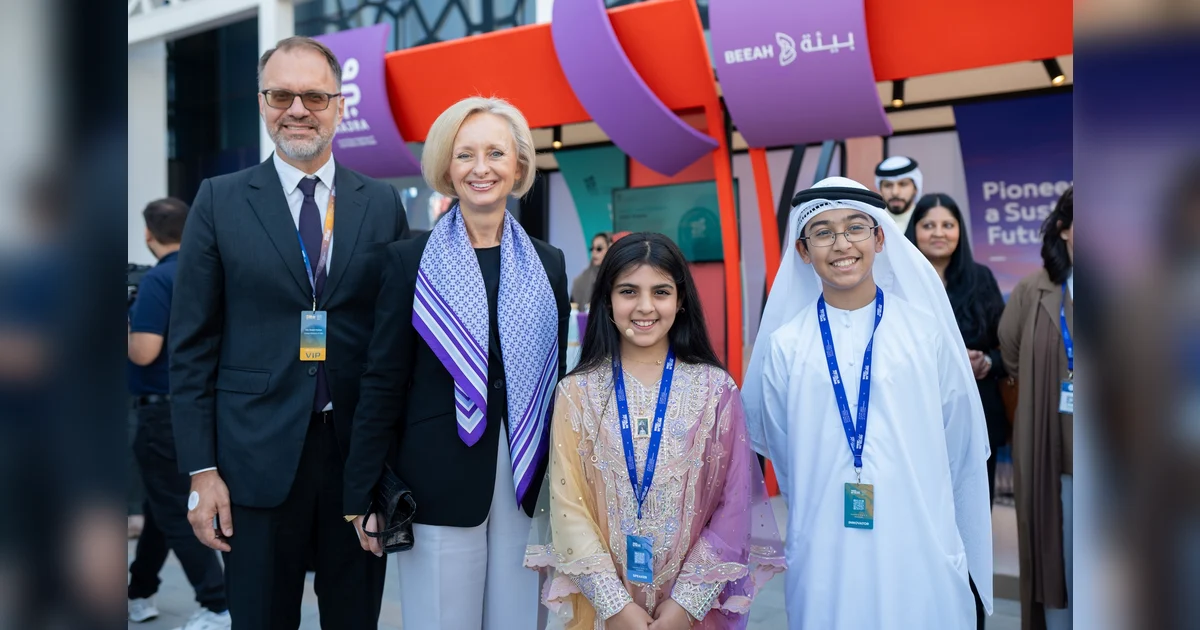
    The Sharjah Entrepreneurship Festival (SEF 2026) has unveiled a groundbreaking initiative titled ‘Sharjah’s Little Founders’ (SLF), specifically crafted to cultivate entrepreneurial capabilities among children aged 7 to 12. This innovative program represents a strategic expansion of SEF’s commitment to fostering comprehensive entrepreneurial development from childhood through adulthood.

    SLF introduces an immersive, age-appropriate educational experience that enables young participants to explore business fundamentals through hands-on learning, creative ideation, and pitch development within an engaging and supportive environment. The initiative forms one of ten specialized zones at SEF 2026, each addressing distinct aspects of the entrepreneurial ecosystem, thereby reinforcing the festival’s status as the region’s premier platform for innovators and future change-makers.

    Sara Abdelaziz Al Nuaimi, CEO of Sheraa (the Sharjah Entrepreneurship Center organizing SEF), emphasized the program’s significance: ‘Entrepreneurship originates from early curiosity and self-assurance. By incorporating Sharjah’s Little Founders into our curated zones, we deliberately create opportunities for young minds to investigate ideas, develop problem-solving capabilities, and interact with entrepreneurial concepts through accessible and inspiring methodologies. SLF demonstrates our commitment to building a genuinely inclusive ecosystem by strategically investing in tomorrow’s innovators.’

    The selection process involves online applications from which judges will identify ten exceptional candidates. These selected Little Founders will receive exhibition booths within the SLF zone and participate in preparatory workshops before competing in the main SLF Pitch Competition. Each participant will deliver a five-minute presentation followed by a five-minute question-and-answer session with judges.

    A grand prize winner will receive AED 10,000 and a family staycation at Shurooq properties, with winners announced during SEF’s closing ceremony. Additionally, three participants will receive special recognition trophies for their booth presentations, while all contributors will obtain certificates of participation.

    Prospective applicants can submit entries through the dedicated SLF landing page (https://sharjahslittlefounders.com) until January 18, 2026. The ninth edition of SEF, themed ‘Where We Belong’, will convene from January 31 to February 1 at Sharjah Research Technology and Innovation Park (SPARK), anticipating approximately 14,000 attendees and featuring guidance from 300 industry leaders for startups, professionals, and graduates.

  • CATL opens Middle East’s largest new energy aftermarket facility in Riyadh

    CATL opens Middle East’s largest new energy aftermarket facility in Riyadh

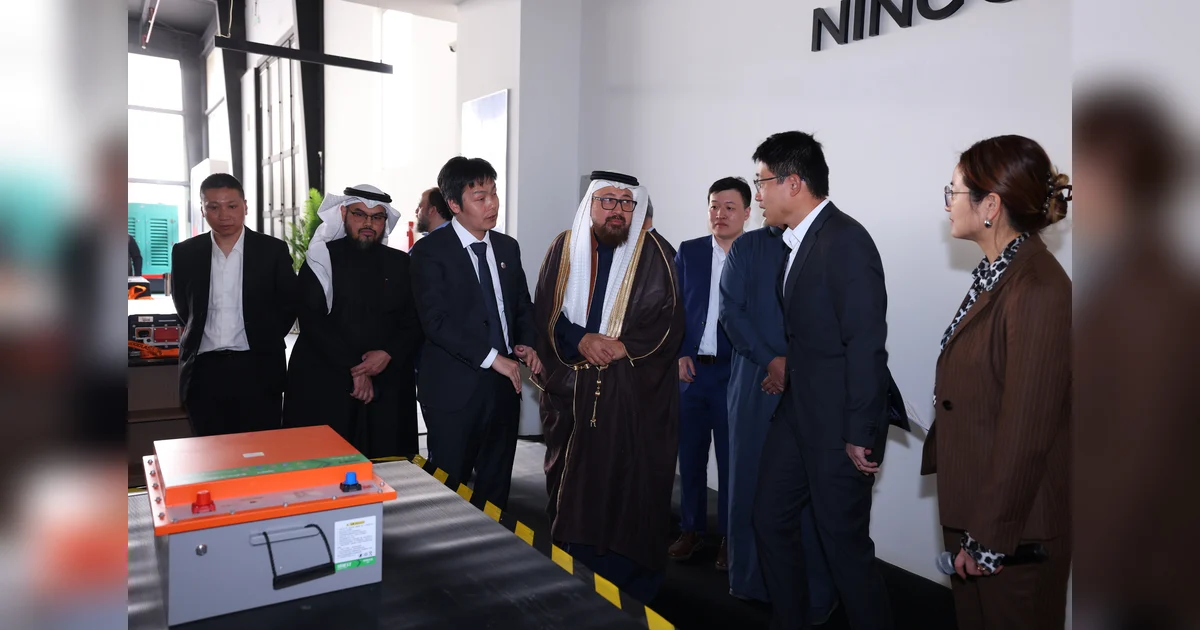
    In a strategic move to bolster the Middle East’s clean energy infrastructure, Contemporary Amperex Technology Co. Limited (CATL) has inaugurated the region’s largest new energy aftermarket facility in Riyadh. The NING SERVICE Experience Center, spanning over 7,000 square meters, represents CATL’s first and most comprehensive service hub outside China, marking a significant milestone in the company’s global expansion strategy.

    The facility’s establishment aligns directly with Saudi Arabia’s Vision 2030 objectives, which include converting 30% of Riyadh’s vehicles to electric and reducing capital city emissions by 50% before the decade’s end. The center confronts regional challenges including oil dependency, extreme climate conditions, and insufficient charging infrastructure through its full-lifecycle service approach.

    NING SERVICE offers comprehensive solutions across seven product categories, including passenger vehicles, commercial transportation, and energy storage systems. The facility features advanced diagnostic capabilities, maintenance zones, refurbishment workshops, and dedicated training spaces designed to develop local technical expertise. Through its specialized training programs, CATL has already certified over 9,700 new energy professionals globally.

    The Riyadh center operates as both a service hub and an ecosystem connector, facilitating partnerships between CATL and major regional stakeholders. The company is currently engaging with fuel network operators to deliver green electricity to gas stations, infrastructure corporations seeking to electrify vehicle fleets, and energy companies implementing solar-plus-storage solutions.

    Ahmed Ibrahim, Assistant General Manager For Procurement of Al Drees, noted: ‘As a leading energy company in Saudi Arabia, we see tremendous opportunities in energy transformation. We plan to deploy solar-plus-storage solutions at our gas stations and electrify forklifts to reduce oil reliance. We look forward to collaborating with top players like CATL.’

    CATL’s global service network encompasses 1,200 professional stations across 76 countries and 73 spare-part warehouses totaling 370,000 square meters. The company maintains the world’s largest inventory of genuine new energy components, having supported over six million electric vehicles worldwide.

    Bruce Li, President of Quality System and Aftermarket Business at CATL, emphasized the long-term commitment: ‘Our decision to establish this center in Riyadh is not only a commercial choice but a strategic partnership with the region’s sustainable future. This hub connects advanced technology, professional training, and industry collaboration to foster deeper synergy across the Middle East.’

    The facility’s launch signals CATL’s confidence in the Middle East’s evolving energy landscape and demonstrates how technological partnerships can accelerate regional decarbonization efforts while creating skilled employment opportunities and knowledge transfer.

  • Bradford International Alliance brings flexible learning options to support UAE’s growing workforce

    Bradford International Alliance brings flexible learning options to support UAE’s growing workforce

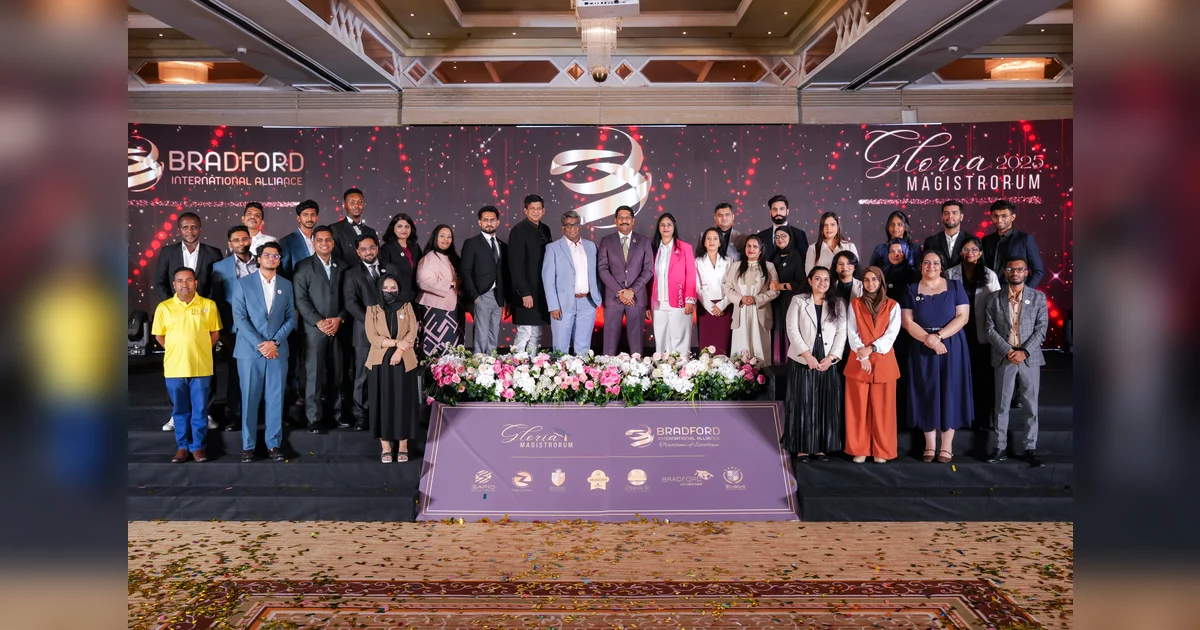
    In response to the United Arab Emirates’ rapidly evolving employment landscape, Bradford International Alliance (BIA) has introduced a comprehensive suite of career-focused educational programs designed to meet the growing demands of both students and working professionals. The initiative addresses critical workforce challenges stemming from digital transformation, economic diversification, and increasingly competitive job markets.

    The newly launched offerings span multiple academic levels, including Bachelor’s, Master’s, and PhD degrees, complemented by specialized professional and corporate training modules. These programs are delivered through strategic partnerships with internationally accredited universities and maintain strict adherence to Accreditation Council for Business Schools and Programs (ACBSP) standards, ensuring global recognition and quality assurance.

    BIA’s educational model specifically targets the unique challenges faced by UAE professionals, where a workforce exceeding 9 million contends with intense competition despite one of the world’s lowest unemployment rates. The programs feature structured learning frameworks with flexible delivery options, clear admission pathways, and continuous academic support—addressing the critical need for working professionals to enhance their qualifications without interrupting their careers.

    Maha of Bradford International Alliance emphasized the organization’s mission: “We’re breaking down barriers for those who may have missed conventional academic opportunities. Our programs, guided by PhD professors and industry experts, combine academic rigor with practical relevance. We provide personalized guidance to develop not just employees, but tomorrow’s leaders and innovators.”

    The initiative represents a significant step toward strengthening the UAE’s knowledge economy by providing accessible, internationally recognized qualifications that align with both current workplace requirements and future economic ambitions.

  • First lady of Philippines, Louise Araneta-Marcos, visits Dubai, discusses trade ties

    First lady of Philippines, Louise Araneta-Marcos, visits Dubai, discusses trade ties

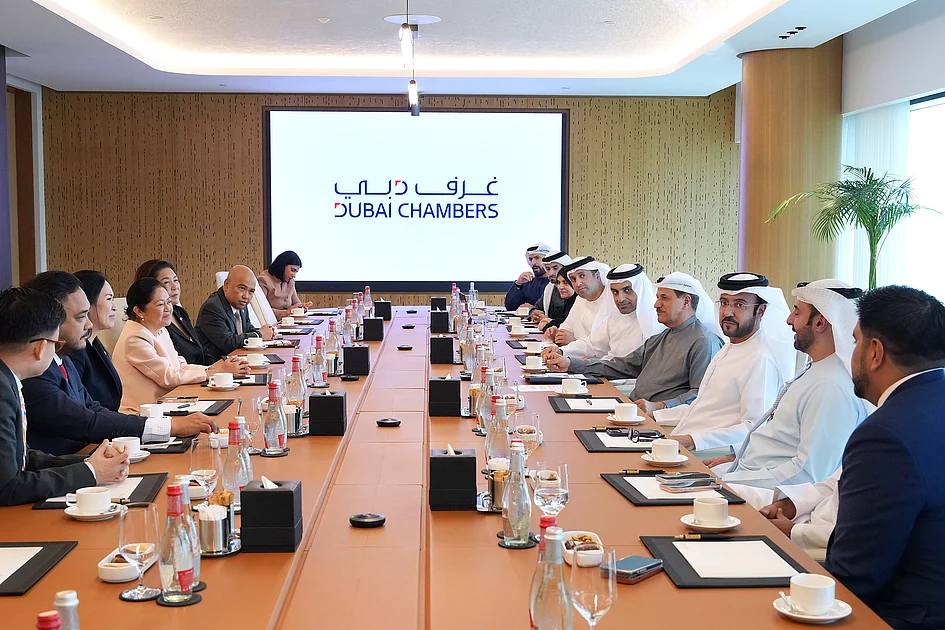
    In a significant diplomatic engagement, Philippine First Lady Louise Araneta-Marcos conducted a high-level meeting with Dubai Chambers leadership on January 11, 2026, to explore enhanced economic collaboration between the two regions. The delegation, led by Eng. Sultan bin Saeed Al Mansoori, Chairman of Dubai Chambers, and President/CEO Mohammad Ali Rashed Lootah, presented Dubai’s strategic advantages as a global business hub.

    The comprehensive presentation detailed Dubai’s exceptional infrastructure, strategic geographical positioning, and pro-business regulatory environment designed to facilitate international trade. Both parties identified multiple sectors with substantial potential for mutual economic cooperation, building upon already robust bilateral relations.

    Current trade metrics demonstrate flourishing economic ties, with non-oil bilateral trade reaching AED 3.1 billion in 2024. The partnership has seen remarkable growth, with 653 Philippine companies joining Dubai Chamber of Commerce in just the first three quarters of 2025, bringing total active Philippine member companies to 2,508 by September 2025.

    This visit builds upon previously established cooperation frameworks, including a successful trade mission to Manila featuring 17 Dubai-based companies across diverse sectors. The earlier mission facilitated 180 bilateral business meetings and culminated in the signing of a Memorandum of Understanding between Dubai Chamber of Commerce and the Philippine Chamber of Commerce and Industry. The agreement established formal mechanisms for continued commercial collaboration and knowledge exchange between the business communities of both nations.

  • From receptionist to manager: UAE expats share secret behind rapid career growth

    From receptionist to manager: UAE expats share secret behind rapid career growth

    In an inspiring demonstration of career transformation, several expatriates in the United Arab Emirates have achieved extraordinary professional growth through strategic reinvention and dedicated skill development. Their journeys, facilitated by a forward-thinking employer, reveal a powerful blueprint for career advancement in dynamic markets.

    Fatima De Guzman, formerly an English educator in the Philippines, arrived in the UAE in 2019 and accepted an entry-level receptionist position. Through seven years of progressive development, she now oversees human resources and administrative operations for a 400-employee organization, managing complex functions including recruitment, compliance, and employee relations.

    Parallel success stories emerge within the same organization: Ken Barona transitioned from IT background to culinary specialist during Dubai’s 2020 pandemic recovery, subsequently mastering operations and financial management to become a senior operations executive. Rodessa ‘Dessa’ Marie Alivarvar leveraged her computer engineering education to lead creative design teams for restaurant branding, while Sri Lankan national Munsith Ahamed expanded his graphic design expertise into videography and photography.

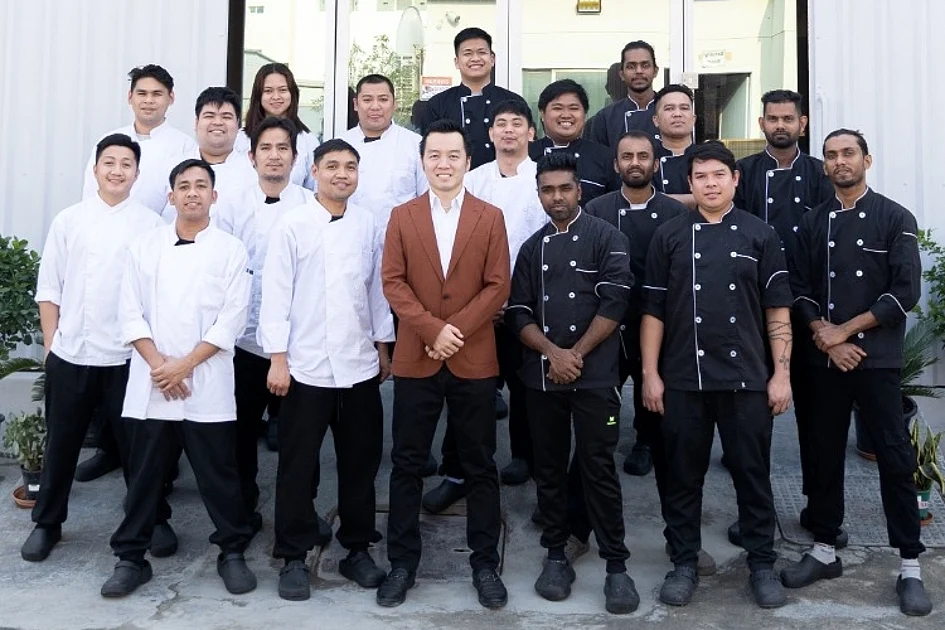
    These transformations were catalyzed by Takahiro Mogi, founder of the TKI Group, who himself deliberately stepped down from restaurant management in Singapore to work as a Dubai waiter in 2017. His six-month immersion strategy provided crucial market insights that enabled him to establish a thriving network of 10 Japanese restaurants and a premium Wagyu beef import business serving the UAE and Saudi Arabia.

    The cornerstone of this success model is Mogi’s institutionalized learning ecosystem. The company invests significantly in employee development through professional management training, specialized technical courses, and practical on-site instruction from industry experts. This educational framework emphasizes not only technical proficiency but also judgment development, personal responsibility, and leadership cultivation.

    Employees report that this commitment to continuous learning has eliminated burnout, enhanced productivity, and fostered profound organizational loyalty. The company’s philosophy encourages role exploration beyond comfort zones, with tuition support for skill acquisition that benefits both individual careers and organizational capabilities.

    These narratives reflect broader patterns among UAE expatriates who leverage adaptability and educational opportunities to achieve rapid career progression. The demonstrated formula combines employer investment in human capital with employee willingness to embrace new challenges, creating mutually beneficial advancement that transcends conventional career trajectories.

  • Dubai-Riyadh route records second highest airfare increase among cross-border travel

    Dubai-Riyadh route records second highest airfare increase among cross-border travel

    The Dubai-Riyadh air corridor has emerged as a significant aviation market, recording the world’s second-highest airfare increase in 2025 with a notable 6% price surge. According to aviation analytics firm OAG, average fares on this route reached $267 (Dh980), reflecting robust demand primarily driven by business travel and religious tourism.

    This pricing trend coincides with the route’s remarkable capacity expansion, ranking as the seventh busiest global corridor with 4.465 million seats annually—a 4% year-on-year increase and a substantial 42% growth compared to pre-pandemic 2019 levels. The sustained demand underscores the Middle East’s strengthening connectivity and economic integration.

    Dubai International Airport’s traffic statistics further validate this trend, revealing Saudi Arabia as its second-largest market during the first three quarters of 2025. The airport recorded 5.5 million passengers traveling to Saudi destinations, with Riyadh specifically accounting for 2.3 million travelers during this period, solidifying its position as Dubai’s second most popular city destination.

    The facilitation of travel between the neighboring Gulf nations has been significantly enhanced by Saudi Arabia’s streamlined visa policies. The introduction of electronic pilgrimage visas through the Nusuk Umrah platform, launched in August 2025, has simplified access for UAE residents and other international visitors seeking religious tourism experiences. This digital initiative offers comprehensive service customization, allowing pilgrims to arrange integrated packages or individual components including visas, accommodation, and transportation.

    Globally, the Kuala Lumpur-Singapore route experienced the most substantial airfare increase at 8%, while New York-London saw a more modest 2% rise. Conversely, several Asian routes including Tokyo-Taipei and Bangkok-Hong Kong witnessed fare reductions ranging from 5% to 12% throughout 2025.

  • ‘Hermès of durian’: The luxury fruit cashing in on China’s billion-dollar appetite

    ‘Hermès of durian’: The luxury fruit cashing in on China’s billion-dollar appetite

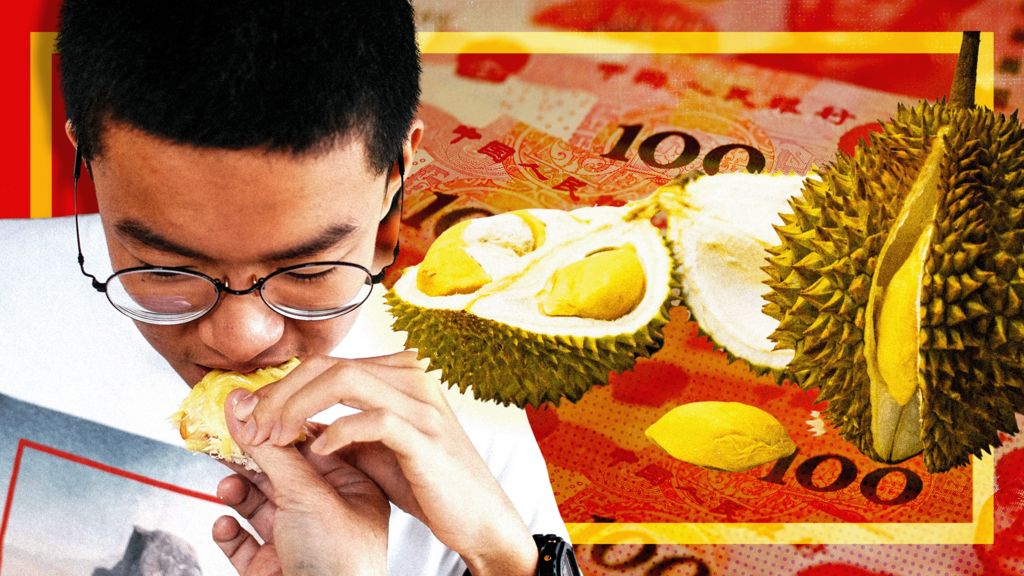
    The humble Malaysian town of Raub, once renowned for its gold mining heritage, has undergone an extraordinary economic transformation driven by China’s insatiable appetite for durians. This small community now proudly identifies as the heartland of Musang King—a premium durian variety celebrated as the “Hermès of durians” among Chinese connoisseurs.

    Driving through Raub’s mountainous terrain, the presence of the spiky fruit is unmistakable. Fragrant trails follow durian-laden trucks along winding roads, while public art and signage proudly proclaim the town’s newfound identity. This visual and olfactory landscape tells the story of an agricultural revolution reshaping Southeast Asia’s farming communities.

    China’s durian imports skyrocketed to a record $7 billion in 2024, representing a threefold increase since 2020. This massive demand now absorbs over 90% of global durian exports, creating unprecedented economic opportunities across the region. “Even if only 2% of Chinese consumers purchase durians, that represents enormous business potential,” notes Chee Seng Wong, factory manager at Fresco Green, a Raub-based exporter.

    The economic shift has been dramatic. Where farmers once replaced durian trees with oil palms during 1990s economic struggles, they now reverse this process, sacrificing cash crops to cultivate the prized fruit. This agricultural recalibration reflects durian’s extraordinary market value—while common varieties sell for under $2 in Southeast Asia, premium Musang King specimens command $14 to $100 per fruit depending on quality and season.

    Despite its divisive aroma—often compared to cabbage, sulfur, or sewers—durian has cultivated a sophisticated Chinese fanbase. It functions as an exotic luxury gift, social media status symbol, and culinary innovation ingredient, appearing in everything from durian chicken hotpot to pizza. This cultural embrace has turned the once-maligned fruit into a diplomatic tool, with Beijing signing numerous trade agreements positioning durian exchange as celebration of bilateral ties.

    Malaysia’s durian industry has created remarkable success stories. Farmers like “Uncle Thing” Lu Yuee Thing have achieved millionaire status through family-operated enterprises where sons handle transportation while daughters manage finances. “Durian has significantly contributed to our local economy,” acknowledges Uncle Thing, though he emphasizes the physical demands of farming despite the financial rewards.

    The durian boom carries complex consequences. Food safety concerns emerged when Chinese authorities detected carcinogenic dyes in Thai imports, while Vietnamese coffee farmers switching to durian cultivation have contributed to rising global coffee prices. In Raub, legal conflicts have erupted over thousands of durian trees allegedly planted illegally on state land.

    Meanwhile, China pursues “durian freedom” through domestic cultivation in Hainan province, where experimental harvests reached 2,000 tonnes in 2025. While currently representing less than 1% of China’s consumption, this domestic production potential introduces uncertainty for Southeast Asian producers who have built their economies around Chinese demand. Yet Raub’s farmers remain confident in their product’s superiority, focusing on quality and yield while monitoring China’s agricultural developments.

  • Qatari restaurant chain suspends cash payments after major internal theft

    Qatari restaurant chain suspends cash payments after major internal theft

    In a decisive response to a significant internal security breach, Qatar’s popular restaurant chain Poori & Karak has implemented a temporary suspension of all cash payments across its eight locations. The company confirmed through its official Instagram channel that multiple employees orchestrated a sophisticated theft operation, resulting in substantial financial damages described as the chain’s most severe operational setback of 2025.

    The management characterized the incident as their ‘largest internal theft incident’ of the year, though specific financial figures remain undisclosed. The fraudulent activities specifically targeted cash transaction processes, prompting the immediate transition to exclusive bank card and digital payment acceptance. This measure, according to company statements, aims to safeguard corporate assets, enhance financial transparency, and ensure the integrity of ongoing operations.

    Poori & Karak, with establishments in prominent locations including Qatar Sports Club and Al Wakra, emphasized that the payment policy shift is temporary while internal controls undergo comprehensive review and strengthening. Restaurant management separately expressed strong confidence in their remaining workforce, acknowledging staff cooperation and commitment during the transitional period.

    This incident occurs against the backdrop of accelerating digital payment adoption across Gulf Cooperation Council (GCC) countries. Younger demographics in particular are driving this transformation, valuing the enhanced security, convenience, and operational efficiency that electronic transactions provide. The region’s rapidly expanding digital infrastructure continues to facilitate this shift toward cashless economies, with businesses increasingly prioritizing financial security mechanisms.