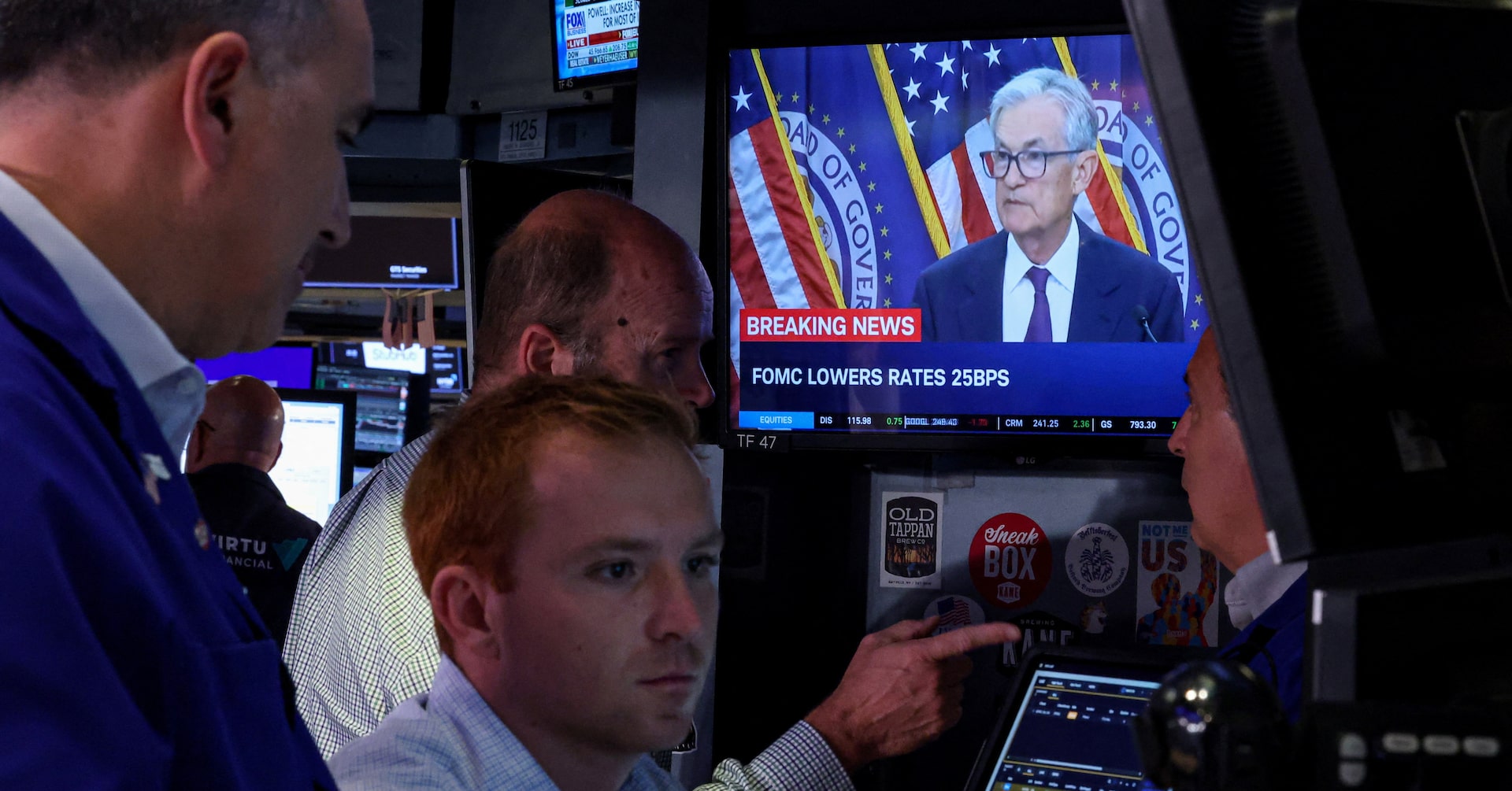
As global markets navigate a pivotal week, attention is focused on economic data and central bank decisions amidst a tense geopolitical climate. The U.S. Federal Reserve has recently implemented its first rate cut since December, signaling potential further reductions. This move sets the stage for a series of critical U.S. economic indicators, including housing data, durable goods orders, consumer sentiment, and inflation metrics. Investors are particularly keen on the personal consumption expenditures price index, a key inflation gauge, to gauge the economic outlook. The dollar has already touched its lowest level since 2022, and weaker-than-expected data could exacerbate its decline. Meanwhile, the Swiss National Bank is expected to maintain its benchmark rate at 0%, despite the challenges posed by a strong Swiss franc, which has surged 15% against the dollar this year. In Europe, preliminary estimates for the September euro zone PMI are anticipated to show manufacturing improvements and service sector stabilization. The UK’s flash PMI, released alongside the Bank of England’s steady rate decision, will reflect ongoing concerns over inflation and tax hikes. Australia’s August consumer price index, due ahead of the Reserve Bank of Australia’s policy meeting, is expected to show easing inflation, supported by new electricity rebates. On the global stage, world leaders are convening at the United Nations General Assembly in New York, addressing pressing issues such as the Gaza conflict, Ukraine war, and Iran’s nuclear tensions. The week’s developments will shape market sentiment and economic trajectories across the globe.
分类: business
-
UK trading platform IG Group buys Australian crypto exchange
In a strategic move to bolster its digital asset offerings and strengthen its presence in the Asia-Pacific region, British online trading platform IG Group (IGG.L) announced on Friday the acquisition of Australian cryptocurrency exchange Independent Reserve for A$178 million ($117.41 million). The deal, finalized on September 19, 2025, is anticipated to enhance IG Group’s cash earnings per share within the first full financial year post-closure. This acquisition underscores IG Group’s commitment to expanding its cryptocurrency services and tapping into the growing digital asset market in Australia and beyond. The transaction reflects the increasing consolidation within the crypto industry as traditional financial firms seek to capitalize on the burgeoning sector. IG Group’s investment aligns with its broader strategy to diversify its portfolio and cater to the rising demand for digital financial solutions. The deal also highlights the competitive dynamics in the Asia-Pacific crypto market, where regulatory clarity and market potential continue to attract global players.
-
India central bank asks states to spread borrowings across tenures, sources say
The Reserve Bank of India (RBI) has advised state governments to diversify their borrowing strategies across various tenures rather than concentrating solely on long-term bonds. This recommendation comes as Indian states prepare to borrow a record 12 trillion rupees ($135.95 billion) in fiscal 2026, a move that has already caused bond yields to rise by 30-60 basis points this year, unsettling financial markets. The RBI, which oversees borrowing for both federal and state governments, emphasized the need for states to communicate their fundraising plans more clearly to avoid market disruptions. During a recent meeting with state officials, the central bank urged states to distribute their borrowing across the yield curve and adhere more closely to their indicated borrowing calendars. This guidance aims to address the ad-hoc nature of state borrowing, which often leads to market confusion and volatility. The RBI also highlighted concerns from banks regarding their internal limits for state debt investments, suggesting that states focus on reissuing existing securities to enhance secondary market liquidity. Currently, most states prefer issuing fresh bonds at weekly auctions, which limits investor flexibility and reduces market appetite for new debt. By reissuing existing securities, the RBI believes states can improve trading volumes and provide better exit options for investors, thereby stabilizing the market.
-
Asia FX slide extends, making rupee vulnerable to all-time lows
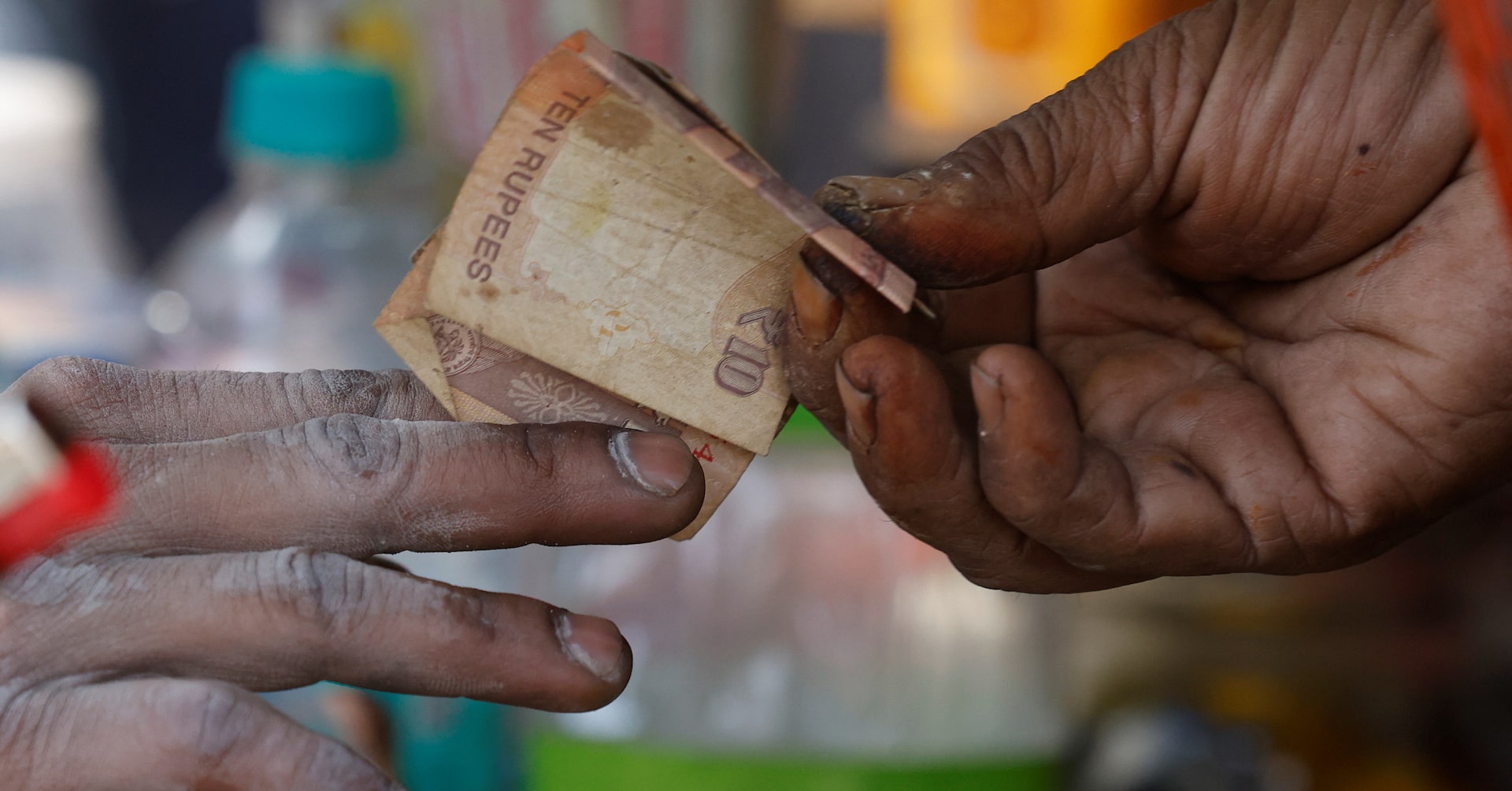
The Indian rupee faced significant pressure on Friday, September 19, 2025, as Asian currencies continued to weaken in the wake of a stronger U.S. dollar and rising Treasury yields. The rupee hit an intraday low of 88.32 against the dollar, dangerously close to its all-time low of 88.4550 recorded the previous week. By the end of the trading session, the currency was quoted at 88.30, reflecting persistent downward momentum. A currency trader at a private sector bank described the rupee’s trajectory as a ‘whippy down move,’ noting that the currency had briefly shown signs of recovery earlier in the week before succumbing to renewed pressure. The rupee had climbed past the 88 mark on Wednesday, sparking optimism among interbank traders that the worst might be over. However, this sentiment was short-lived, as the Federal Reserve’s recent decision to cut rates—coupled with Chair Jerome Powell’s hawkish press conference—reignited the dollar’s strength and weighed heavily on emerging market currencies. The Korean won and Indonesian rupiah also fell by 0.5% each, mirroring the broader regional trend. The dollar index, which had dipped to 96.22 on Wednesday, rebounded to 97.46, supported by positive U.S. jobless claims data showing a decline in new unemployment applications. Analysts attributed the dollar’s resurgence to a combination of the Fed’s mixed signals and robust economic indicators, leaving the rupee and its Asian counterparts vulnerable to further losses.
-

Exclusive: China snaps up Australian canola after trade spat with Canada, sources say
In a significant move reflecting shifting trade dynamics, Chinese state trading firm COFCO has secured up to nine cargoes of Australian canola, totaling approximately 540,000 metric tons. This decision comes in the wake of Beijing’s imposition of preliminary anti-dumping duties of 75.8% on Canadian canola imports in August, effectively halting shipments from Canada, its traditional supplier. The purchases represent about 8% of China’s total canola imports last year, highlighting the nation’s ability to pivot to alternative sources amid ongoing trade tensions.
-

UK borrowing shoots higher, deepening budget challenge for Reeves
Chancellor of the Exchequer Rachel Reeves addressed a high-profile business reception at Lancaster House in central London on September 18, 2025. The event, attended by UK and US government ministers as well as representatives from leading UK companies, coincided with the second state visit of US President Donald Trump to the UK. This gathering underscored the importance of transatlantic economic ties and the challenges facing the UK’s fiscal landscape.
-
GE Healthcare exploring sale of China unit, source says
GE Healthcare, a leading U.S. medical device manufacturer, is reportedly evaluating strategic options for its China operations, including a potential outright sale or partnership. According to a confidential source, the company is working with advisors to explore these possibilities, though discussions remain in the early stages. The China unit, which produces CT and MRI scanners among other devices, could be valued in the billions of dollars, though precise figures are yet to be determined. Bloomberg first reported the news, citing sources familiar with the matter. GE Healthcare, with a market value of approximately $34 billion, has not officially commented on the potential sale. A spokesperson reiterated the company’s commitment to supporting Chinese patients but declined to address market rumors. The China unit operates six manufacturing bases but faced a 15% revenue decline in 2024, attributed to tariffs and economic challenges. GE Healthcare’s CFO previously indicated plans to shift production to more tariff-friendly regions. The move reflects broader concerns among U.S. companies operating in China, where political tensions, domestic competition, and slowing economic growth have dampened confidence. A recent survey by the American Chamber of Commerce in Shanghai revealed that only 41% of U.S. firms are optimistic about their five-year business outlook in China, the lowest level since the survey began in 1999. This development follows similar actions by other U.S. companies, such as Bristol Myers Squibb, which recently sold its stake in a Chinese pharmaceutical joint venture.
-
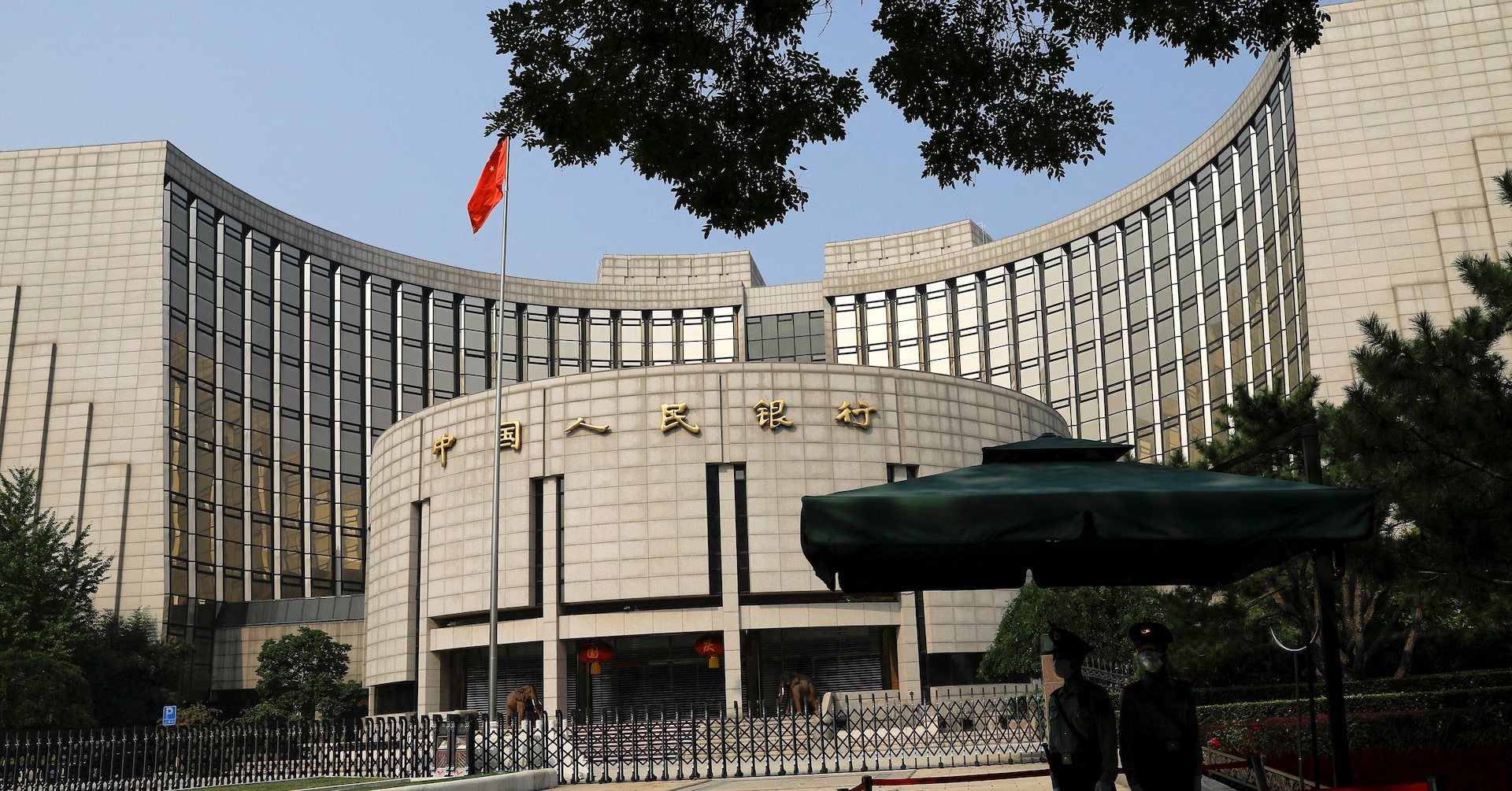
China expected to leave benchmark lending rates unchanged despite Fed easing
China is anticipated to keep its benchmark lending rates unchanged for the fourth consecutive month, according to a Reuters survey. This decision follows the People’s Bank of China’s (PBOC) move to hold steady a key policy rate after the U.S. Federal Reserve’s recent rate cut. Despite signs of economic deceleration, Chinese authorities seem reluctant to implement significant stimulus measures, buoyed by resilient export figures and a recent stock market rally. The loan prime rate (LPR), which is typically applied to banks’ top clients, is determined monthly based on submissions from 20 designated commercial banks to the PBOC. All 20 market watchers surveyed by Reuters predicted that both the one-year and five-year LPRs would remain at 3.00% and 3.5%, respectively. A brokerage trader noted that any adjustments to the LPRs would likely follow reductions in the policy rate, specifically the seven-day reverse repo rate, which the PBOC left unchanged last Thursday. While most new and outstanding loans in China are tied to the one-year LPR, the five-year rate affects mortgage pricing. Both rates were last reduced by 10 basis points in May. Analysts at Barclays highlighted that although the recent economic slowdown has increased the urgency for new stimulus, the likelihood of substantial fiscal measures may be diminished if the trade truce between the U.S. and China holds. However, some experts predict marginal monetary easing later this year to help China achieve its annual growth target of around 5%. Larry Hu, chief China economist at Macquarie, suggested that policymakers might take incremental steps to stabilize the economy, emphasizing that major stimulus is unnecessary to meet the GDP target.
-
Philippines central bank tightens rules on large cash withdrawals amid corruption crackdown
The Bangko Sentral ng Pilipinas (BSP), the central bank of the Philippines, has introduced stringent measures to monitor large cash withdrawals in a bid to combat money laundering and illegal financial activities. Effective immediately, banks are required to conduct “enhanced due diligence” for transactions exceeding 500,000 pesos (approximately $8,748.75). This directive, outlined in a circular issued on September 18, mandates that such transactions be traceable through methods like cheques, online transfers, direct credits to deposit accounts, or digital payments. The regulation applies to both single transactions and cumulative transactions within a single banking day. The BSP emphasized that this reform aims to bolster safeguards against the misuse of cash for illicit purposes, enhance public trust in the financial system, and address emerging risks. Banks are also permitted to set lower thresholds based on their internal risk assessments and customer profiles. This move aligns with the Philippine government’s broader anti-corruption campaign, which has already led to the freezing of over a hundred bank accounts linked to contractors and public officials under investigation for alleged irregularities in infrastructure projects. President Ferdinand Marcos Jr. has established an independent commission to spearhead corruption inquiries, particularly focusing on flood control expenditures, which have drawn scrutiny following devastating storms. Meanwhile, civil society groups, including church leaders, are organizing anti-corruption rallies on September 21, coinciding with the anniversary of the declaration of martial law by former President Ferdinand Marcos Sr., a period widely regarded as a dark chapter in Philippine history.
-
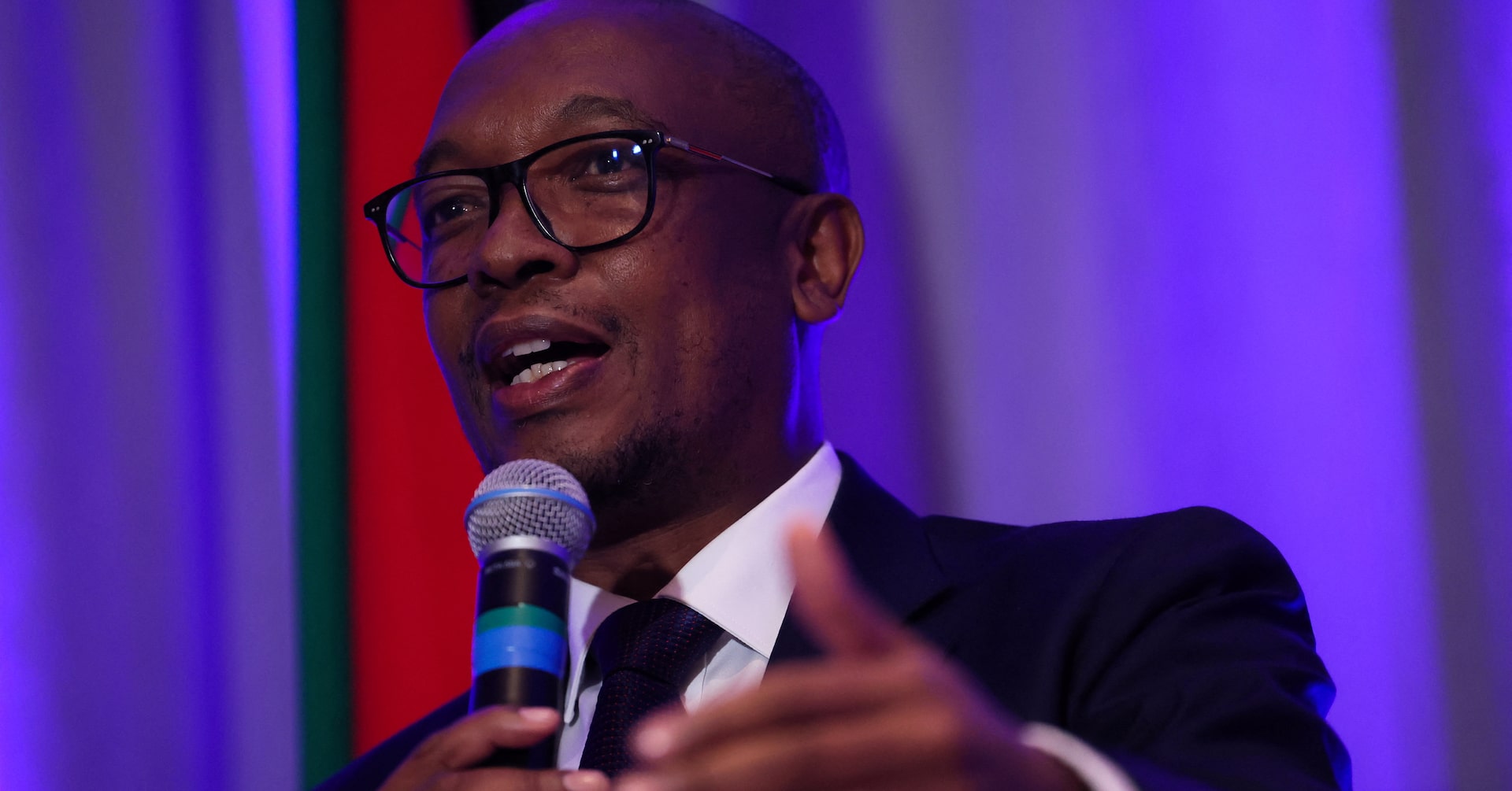
South African minister meets USTR Greer for trade talks
In a significant diplomatic effort to address escalating trade tensions, South Africa’s Minister of Trade, Industry, and Competition, Parks Tau, held a pivotal meeting with U.S. Trade Representative Jamieson Greer in Washington, D.C. The talks, which took place on September 19, 2025, aimed to negotiate a resolution to the steep 30% tariffs imposed by the U.S. on South African imports last month. The tariffs, enacted under President Donald Trump’s administration, followed unsuccessful attempts by President Cyril Ramaphosa’s government to propose a bilateral trade agreement. According to a statement from South Africa’s trade ministry, the discussions were described as ‘cordial and constructive,’ with both parties agreeing on a roadmap to guide future engagements. The meeting was preceded by three days of intensive negotiations between senior officials from both nations. While the U.S. Trade Representative’s office has yet to comment on the outcome, the talks mark a critical step in easing trade barriers and fostering economic cooperation between the two countries. South Africa, as Africa’s largest economy, is keen to secure a deal that would bolster its export sector and stabilize trade relations with one of its key global partners.