
The U.S. labor market is showing signs of softening as both the demand for and supply of workers have diminished, according to recent data. Initial claims for state unemployment benefits dropped by 33,000 to a seasonally adjusted 231,000 for the week ending September 13, partially reversing a surge from the previous week. However, the hiring side of the market has nearly stalled, with payrolls increasing by only 22,000 jobs in August and averaging 29,000 positions per month over the last three months. The unemployment rate is nearing a four-year high of 4.3%, and the average duration of joblessness has risen to 24.5 weeks, the longest since April 2022. Economists attribute the slowdown in hiring to uncertainty caused by import tariffs and a reduction in labor supply due to stricter immigration policies. Federal Reserve Chair Jerome Powell described the situation as a ‘curious balance,’ where both supply and demand have sharply declined. In response, the Fed cut its benchmark interest rate by a quarter-percentage-point to a 4.00%-4.25% range and projected further reductions for the rest of 2025 to support the labor market. Despite low layoffs, those who lose their jobs are facing prolonged unemployment due to the sluggish pace of hiring.
分类: business
-
US Fed starts easing path, other major central banks on hold
In a significant shift in monetary policy, the U.S. Federal Reserve has announced its first interest rate cut since December, marking a divergence from other major central banks that have opted to maintain their current rates. The decision comes amid a softening job market and signals potential further cuts in October and December. Fed Chair Jerome Powell emphasized that the job market’s condition is now a critical factor for policymakers. Meanwhile, U.S. President Donald Trump has initiated the dismissal of Federal Reserve Governor Lisa Cook over alleged improprieties in mortgage loan acquisitions. Newly sworn-in Fed Governor Stephen Miran cast the sole dissenting vote, advocating for a more aggressive 50 basis points cut. In contrast, the Bank of England kept its rates unchanged, with policymakers voting to slow the pace of unloading gilts purchased between 2009 and 2021. The Bank of Canada also reduced its key rate to a three-year low of 2.5%, citing a weak jobs market and reduced concerns about underlying price pressures. The Swiss National Bank, however, has maintained its key rate at 0%, with Chairman Martin Schlegel stating that the bar is high for a return to negative rates. The Reserve Bank of New Zealand is expected to cut rates further, with a Reuters poll indicating potential reductions by year-end. The European Central Bank has kept its key rate steady at 2%, with ECB chief Christine Lagarde noting that the bank remains in a ‘good place’ despite balanced economic risks. The Bank of Japan is anticipated to hold rates steady amid political uncertainty following Prime Minister Shigeru Ishiba’s resignation. These varied approaches reflect the complex global economic landscape, with central banks navigating inflation, growth, and employment challenges.
-
GE Healthcare exploring stake sale in China unit, Bloomberg News reports
GE Healthcare, a leading medical device manufacturer, is reportedly considering the sale of a stake in its China unit, according to a Bloomberg News report on September 18, 2025. The potential transaction could value the assets at several billion dollars, though discussions remain in preliminary stages, and no definitive decisions have been reached. A company spokesperson declined to comment on market rumors but reiterated GE Healthcare’s commitment to serving patients in China, one of the world’s largest healthcare markets. The move comes amid growing challenges for U.S. companies in China, including political tensions, intense domestic competition, and slowing economic growth. A recent survey by the American Chamber of Commerce in Shanghai revealed that U.S. companies’ five-year business outlook in China has plummeted to a record low of 41%. GE Healthcare has faced significant hurdles in the region, with a 15% decline in revenue in 2024 attributed to weakened sales and tariff impacts. In July 2025, the company’s CFO indicated plans to shift production capacity to more tariff-friendly locations. Despite these challenges, GE Healthcare’s shares rose 1.4% in premarket trading following the news.
-
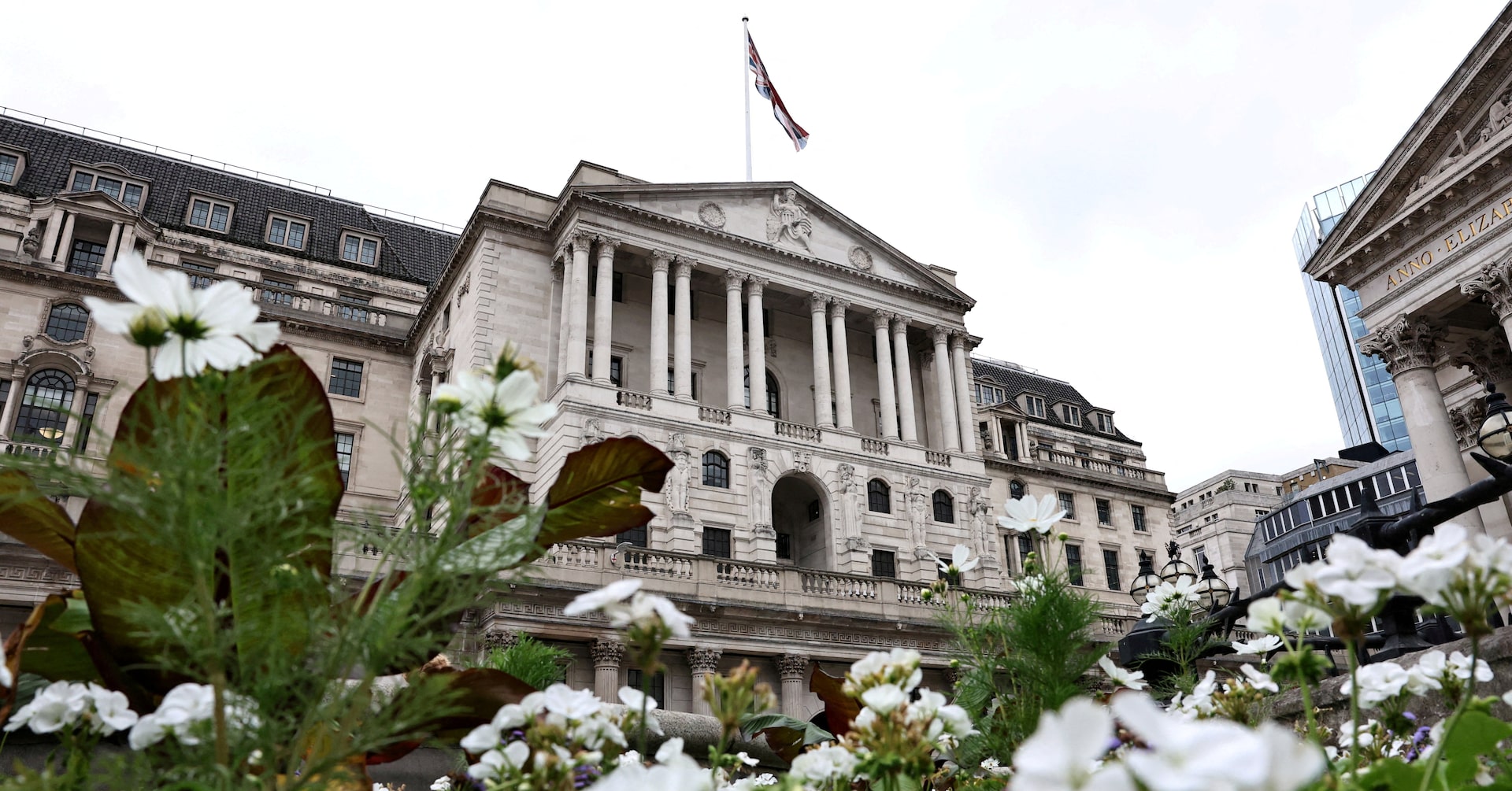
Bank of England slows pace of bond rundown and keeps rates on hold
The Bank of England (BoE) announced a significant shift in its quantitative tightening (QT) strategy on Thursday, reducing the pace of its government bond sales to £70 billion from £100 billion over the next year. This marks the first slowdown since the central bank began unwinding its gilt holdings in 2022. The Monetary Policy Committee (MPC) voted 7-2 in favor of the adjustment, which aims to minimize disruptions in the volatile gilt market. The decision comes as long-dated gilt yields hit their highest levels since 1998 earlier this month, raising concerns about market stability. Governor Andrew Bailey emphasized that while inflation is expected to return to the 2% target by mid-2027, the UK is ‘not out of the woods’ yet. The BoE also maintained its benchmark interest rate at 4%, aligning with market expectations. Future gilt sales will be skewed toward short- and medium-dated bonds, with a 40:40:20 split, compared to the previous even distribution. Economists suggest this move could ease pressure on the UK bond market ahead of the upcoming budget announcement. Sterling weakened slightly against the dollar following the decision, while 30-year gilt yields edged lower. The BoE also revised its third-quarter growth forecast upward to 0.4%, signaling cautious optimism about the economy.
-
Instant view: Nvidia’s $5 billion bet on Intel
In a significant move within the semiconductor industry, Nvidia announced on Thursday a $5 billion investment in Intel, bolstering the struggling U.S. chip foundry. This decision comes weeks after the White House facilitated a deal for the U.S. government to acquire a substantial stake in Intel. The investment marks a pivotal moment for Intel, which has faced challenges in its turnaround efforts despite its storied history in the tech sector. Following the announcement, Intel’s shares surged by 30% in premarket trading. Analysts view Nvidia’s move as less about financial impact and more about strategic influence. Matt Britzman, Senior Equity Analyst at Hargreaves Lansdown, noted that the investment provides Intel with both financial and strategic support, though it falls short of a complete solution for Intel’s foundry business, which continues to struggle against competitors like TSMC. For Nvidia, the investment aligns with U.S. policy objectives, potentially easing restrictions on selling advanced chips to China and signaling a shift in industry dynamics. Art Hogan, Chief Market Strategist at B Riley Wealth, emphasized that while the deal must still pass regulatory approval, it represents a positive step for U.S. manufacturing. The partnership underscores the geopolitical undertones of the semiconductor industry, with both companies aiming to strengthen their positions in a highly competitive market.
-
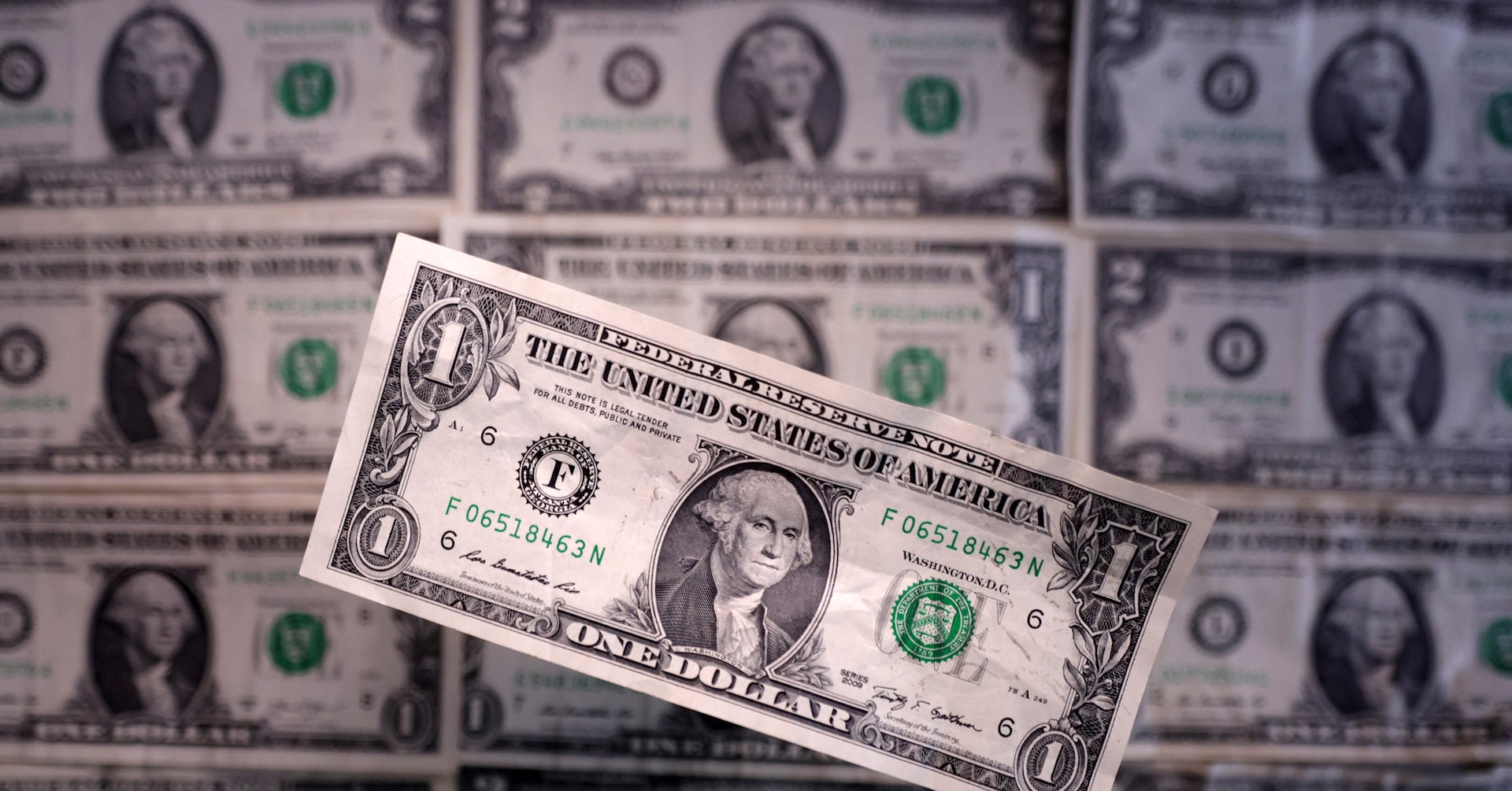
Dollar choppy after Fed decision; pound steady after BoE keeps rates steady
Global currency markets experienced significant volatility on Thursday as traders digested key policy decisions from major central banks. The U.S. dollar initially plummeted following the Federal Reserve’s cautious stance on future interest rate cuts but later rebounded, reflecting mixed signals from policymakers. Meanwhile, the British pound remained steady after the Bank of England (BoE) opted to maintain interest rates and slow the pace of its quantitative tightening (QT) program. The BoE reduced its annual gilt sales from £100 billion to £70 billion, aligning closely with market expectations. Marion Amiot, chief UK economist at S&P Global Ratings, noted that the BoE is unlikely to ease monetary policy further this year. The euro saw modest gains, rising 0.1% against the pound, while gilt yields dipped slightly. In Norway, the Norges Bank cut interest rates by 25 basis points, as anticipated, signaling potential further reductions. The Norwegian crown remained stable despite the rate cut. In Japan, the yen weakened ahead of the Bank of Japan’s (BOJ) policy decision on Friday, with markets expecting no immediate rate hikes but pricing in a possible increase by March 2024. Elsewhere, the New Zealand dollar fell to its lowest level since September 8 after data revealed a 0.9% contraction in GDP for the second quarter, fueling speculation of policy easing by the Reserve Bank of New Zealand. Analysts remain divided on the implications of the Fed’s actions, with some viewing the rate cut as the first in a series, while others interpret Chair Jerome Powell’s comments as less dovish. The dollar index, which measures the greenback against a basket of major currencies, initially dropped to its lowest since February 2022 but later recovered, ending the day steady at 96.96. The currency markets’ turbulence underscores the ongoing uncertainty surrounding global economic conditions and central bank policies.
-

Nestle’s new chairman Isla brings Zara magic to Nescafe maker’s turnaround
Nestle, the Swiss multinational food and beverage giant, has appointed Pablo Isla as its new chairman, effective October 1, 2023. Isla, renowned for his transformative leadership at Inditex, the parent company of Zara, brings a wealth of expertise in logistics, e-commerce, and consumer trends to Nestle. His appointment comes at a critical juncture for the company, which has seen its shares underperform, losing 33% of their value over the past three years, while competitors like Unilever and Danone have thrived. Isla’s track record of driving rapid global expansion and integrating digital and physical retail channels at Inditex positions him as a catalyst for Nestle’s much-needed revitalization. Nestle’s recent struggles include declining sales and profits, compounded by the abrupt dismissal of former CEO Laurent Freixe. Investors are optimistic that Isla, alongside newly appointed CEO Philipp Navratil, will spearhead a digital transformation, leveraging artificial intelligence to optimize supply chains and enhance sales. Isla’s leadership style, described as hands-on and collaborative, is expected to foster innovation and rapid change within the company. His experience in mentoring and guiding executives will also be invaluable in supporting Navratil’s transition into the CEO role. With Nestle’s e-commerce sales already accounting for 20.2% of total revenue, Isla’s appointment signals a renewed focus on digital growth and operational efficiency, aiming to reclaim the company’s competitive edge in the global market.
-

Trump trade war fallout hits Argentine soy crushers despite export boom
The U.S.-China trade war has had unexpected repercussions in Argentina, where the country’s soy crushing industry is facing significant challenges despite record-high soybean exports. According to recent reports, Argentina’s soybean sales to China have surged to a six-year high, driven by Beijing’s search for alternatives to U.S. soybeans. However, this export boom has led to a shortage of raw beans for local processors, causing idle capacity in crushing facilities to rise to 31% in July, with further increases since then. Gustavo Idigoras, president of the CIARA-CEC grain exporters and processors chamber, expressed concern over the situation, stating that the trade war has harmed Argentina by reducing jobs and export value. He also noted that the surplus of soybeans in the U.S. has intensified competition for Argentine soymeal in Southeast Asia. While exports of unprocessed soybeans from the 2024/25 harvest have reached 8.81 million metric tons, nearly double the previous season, the future of Argentina’s soybean exports remains uncertain, hinging on the outcome of U.S.-China trade negotiations. All eyes are on November, when the current trade waiver between the two nations expires.
-

U.S. may ease India tariffs, India’s chief economic adviser says
In a significant development for U.S.-India trade relations, India’s Chief Economic Adviser V. Anantha Nageswaran has expressed optimism that the U.S. may soon eliminate the punitive 25% import tariff on Indian goods and reduce reciprocal tariffs to 10-15%. Speaking at an event in Kolkata on Thursday, Nageswaran stated, ‘My personal confidence is that in the next couple of months, if not earlier, we will see a resolution to at least the extra penal tariff of 25%.’ He further suggested that the reciprocal tariff of 25% could also be lowered to levels previously anticipated between 10% and 15%. This announcement follows ‘positive’ and ‘forward-looking’ trade discussions between the two nations earlier this week. The talks aimed to address tensions that escalated after former U.S. President Donald Trump imposed punitive tariffs on India for purchasing Russian oil, doubling overall tariffs to 50% in August. Trump and Indian Prime Minister Narendra Modi recently held a phone conversation, during which Trump thanked Modi for his efforts in resolving the Russia-Ukraine conflict. While no specific agreements were disclosed, the call signaled a potential thaw in bilateral relations, which had been strained in recent months. Indian stock markets responded positively to Nageswaran’s comments, with the benchmark Nifty 50 index reaching one-week highs and its highest close since July 9.
-
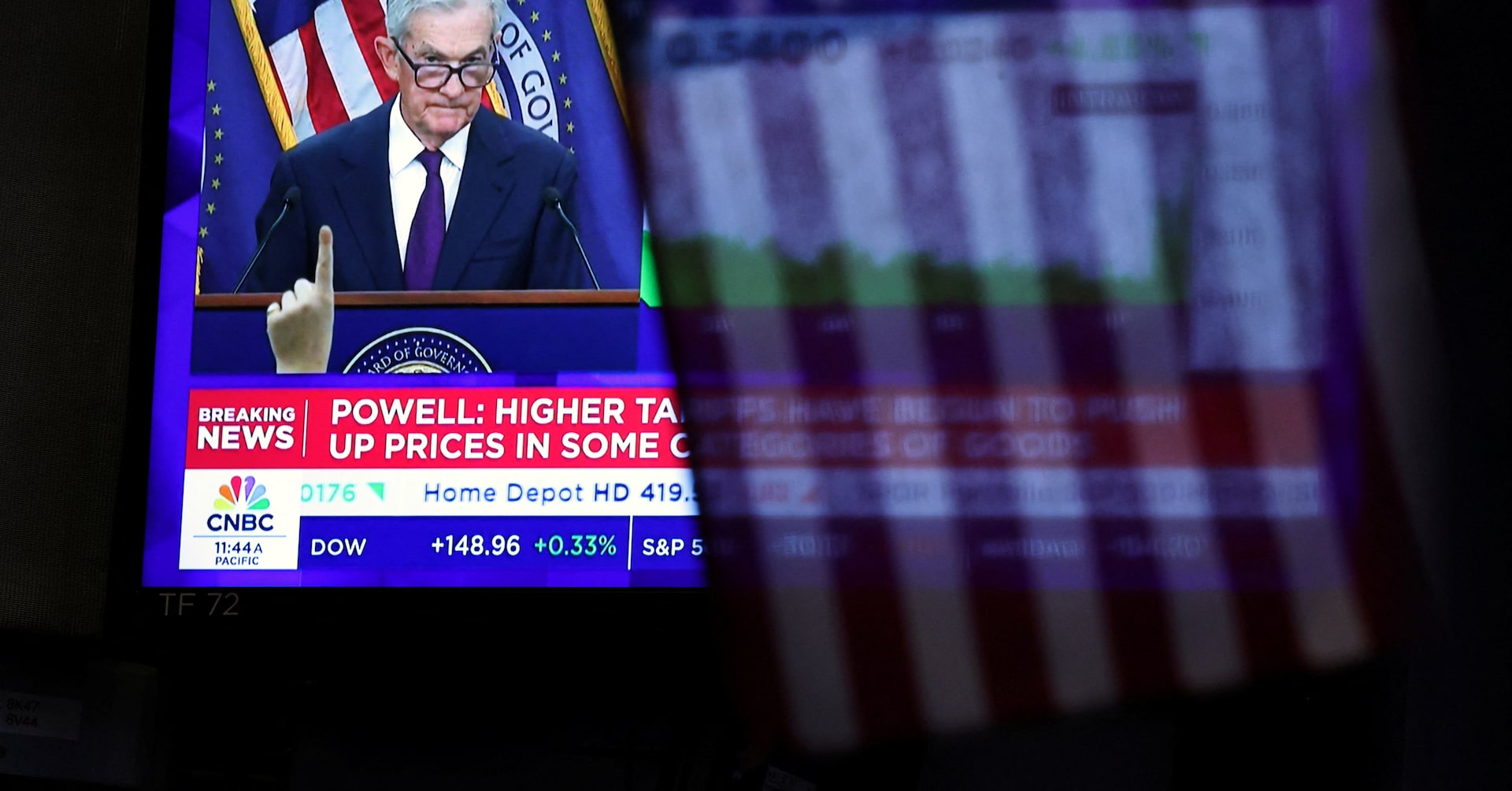
Morning Bid: Wall St rallies after post-Fed hesitation
The U.S. Federal Reserve’s decision to implement its first interest rate cut of 2025 sent ripples through global markets, sparking a mix of reactions across financial sectors. While the initial announcement led to a stumble in U.S. markets, stock futures rebounded sharply ahead of Thursday’s trading session as Fed Chair Jerome Powell signaled a cautious approach to further easing. The dollar and Treasury yields experienced significant fluctuations, with the greenback hitting a multi-year low before recovering. Powell emphasized a risk-management strategy, noting that while the median projection among Fed policymakers suggests two additional cuts this year and one in 2026, a third of officials oppose further easing in 2025, and nearly half anticipate only one more cut or none at all. This divergence has left markets uncertain, with Fed futures pricing in an 85% chance of a 25-basis-point cut in October and only 44 basis points of easing for the remainder of the year. The Nasdaq and S&P 500 both dipped on Wednesday, partly due to Nvidia’s 3% decline following reports of Chinese regulators urging domestic tech firms to halt purchases of Nvidia’s AI chips. However, optimism returned as Chinese officials expressed willingness to engage in dialogue, and tech stocks like Oracle and Lyft surged on positive news. Meanwhile, global central banks are also in focus, with the Bank of Canada cutting rates as expected and the Bank of England’s decision on quantitative tightening drawing attention. The Bank of Japan is expected to hold rates but hint at future hikes, adding to the complexity of global monetary policy. As markets brace for further volatility, the Fed’s rate-cutting cycle stands in contrast to other central banks winding down their easing measures, signaling potential turbulence ahead.