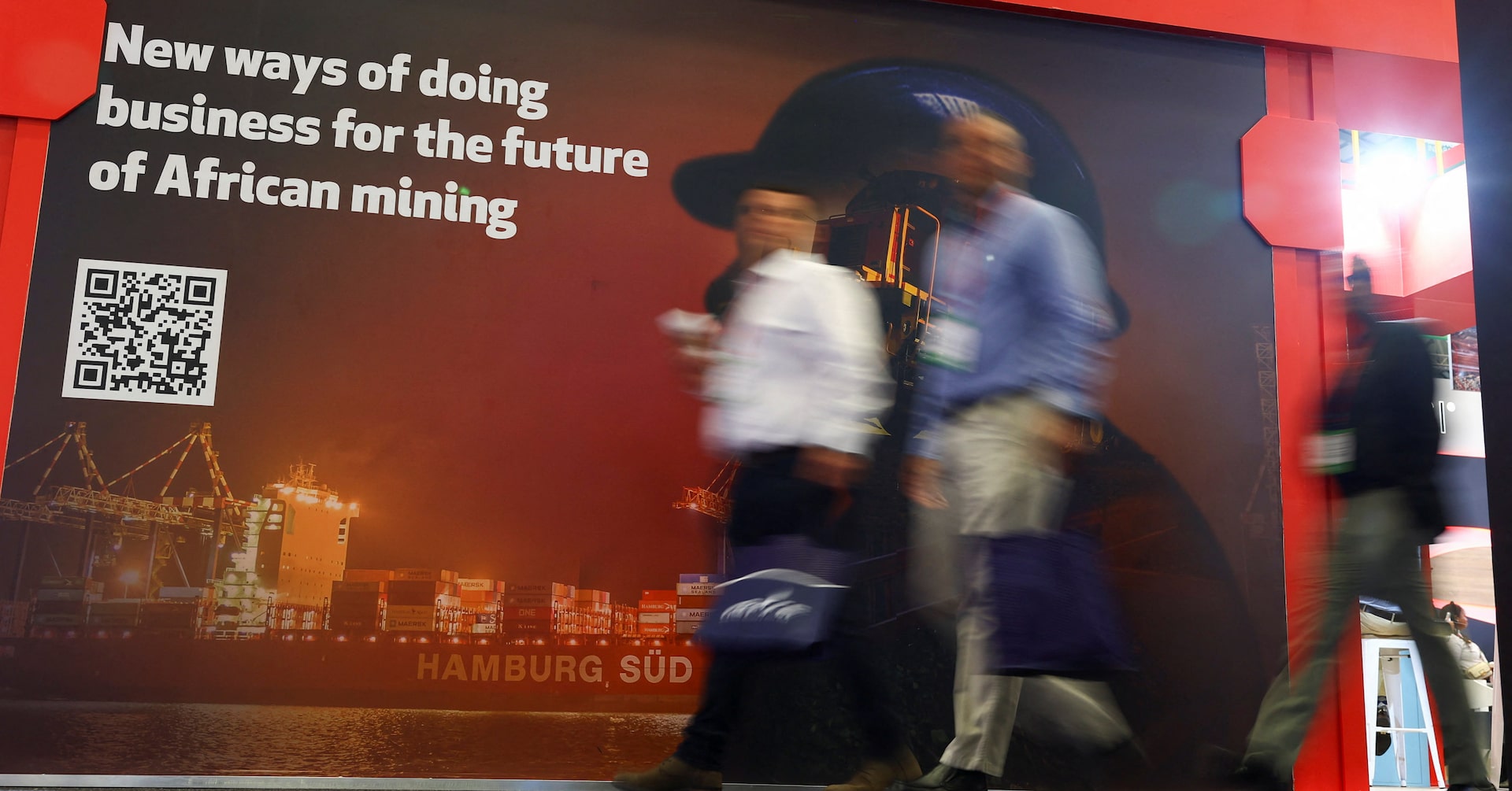
In a landmark move to revitalize its port infrastructure, South Africa’s state-owned logistics giant Transnet has inked a 10-year partnership with German industrial equipment manufacturer Liebherr. The agreement, announced on Thursday, focuses on the supply of advanced cranes and includes a comprehensive 20-year asset management program to ensure maintenance, repairs, and spare parts availability. This collaboration aims to address chronic equipment shortages and operational inefficiencies that have plagued Transnet’s port operations, often causing significant delays for retailers and exporters. Transnet Port Terminals CEO Jabu Mdaki emphasized that the partnership will enhance operational efficiency, streamline logistics, and reduce long-term costs. The company has already placed substantial orders, including four ship-to-shore cranes for Durban port and 48 rubber-tyred gantry cranes for terminals in Durban and Cape Town. This initiative marks a critical step in modernizing South Africa’s port infrastructure, which has suffered from years of under-investment.
分类: business
-
Trump says US may extend deadline on TikTok sale
In a significant development regarding the future of TikTok, U.S. President Donald Trump announced on Thursday that the United States is nearing an agreement with China to transfer ownership of the popular social media platform to U.S. companies. Speaking at a joint press conference with British Prime Minister Keir Starmer in London, Trump hinted at a possible extension of the deadline for the divestiture of Chinese ownership, emphasizing that the terms of the deal remain favorable. ‘We’re pretty close to a deal. We may do an extension with China, but it’s an extension based on the same terms that we have right now, which are pretty good terms,’ Trump stated. The President also revealed plans to discuss the matter further with Chinese President Xi Jinping on Friday. This announcement follows Trump’s executive order issued on Tuesday, which delayed the enforcement of a 2024 law mandating the divestiture of Chinese ownership of TikTok until December 16. The ongoing negotiations underscore the complex geopolitical and economic dynamics surrounding TikTok, which has been at the center of debates over data privacy and national security. The potential deal could reshape the global social media landscape and set a precedent for future cross-border tech acquisitions.
-
India’s SEBI dismisses Hindenburg allegations against Adani group
The Securities and Exchange Board of India (SEBI) has officially dismissed allegations of stock manipulation against billionaire Gautam Adani and his conglomerate, the Adani Group. The claims were initially made by U.S.-based short-seller Hindenburg Research in January 2023, accusing the group of using tax havens and failing to disclose related-party transactions. These allegations triggered a massive $150 billion sell-off of Adani Group stocks, though the shares have since rebounded. SEBI conducted an extensive investigation into the group, including Adani Ports, Adani Power, and Adani Enterprises, examining 24 separate sets of violations such as insider trading and stock price manipulation. The regulator concluded that the transactions flagged by Hindenburg did not qualify as related-party transactions under SEBI rules and thus did not violate disclosure norms or constitute market manipulation. Gautam Adani, Chairman of the Adani Group, welcomed the decision, stating on X that it reaffirms the group’s commitment to transparency and integrity. Hindenburg Research founder Nathan Anderson announced earlier this year that he would disband the firm, citing the immense toll of his work. SEBI also noted that its expanded disclosure rules, introduced in 2022, cannot be applied retroactively to transactions occurring between 2012 and 2021.
-

Diamond selling processes are outdated and hurting producers, trader says
The diamond industry is facing a significant crisis, with experts calling for a complete overhaul of its sales practices to address inefficiencies and help producers survive the ongoing price slump. Oded Mansori, co-founder and managing partner of Belgian gem trader HB Antwerp, emphasized the need for reform during a recent statement. He criticized the current tender and auction systems, describing them as opaque and inefficient, likening them to a ‘casino’ where the true value of rough diamonds is often uncertain. Mansori argued that these systems leave producers vulnerable, especially during periods of declining global demand, ultimately resulting in job losses and reduced revenues. The diamond market has been severely impacted by global economic uncertainty and the growing popularity of lab-grown stones, leading to significant challenges for producer countries like Botswana and major mining operations such as Burgundy and Letseng. Mansori advocates for a profit-sharing model, similar to the one HB Antwerp has with Lucara Diamond Corp, where producers’ revenues are tied to the polished value of their stones rather than speculative rough sales. This approach has already shown promise, with HB Antwerp accounting for 72% of Lucara’s $74 million diamond revenue in the first half of the year. Mansori estimates that producers could earn up to 40% more revenue by adopting such models, offering a potential lifeline to an industry grappling with its deepest crisis in history.
-
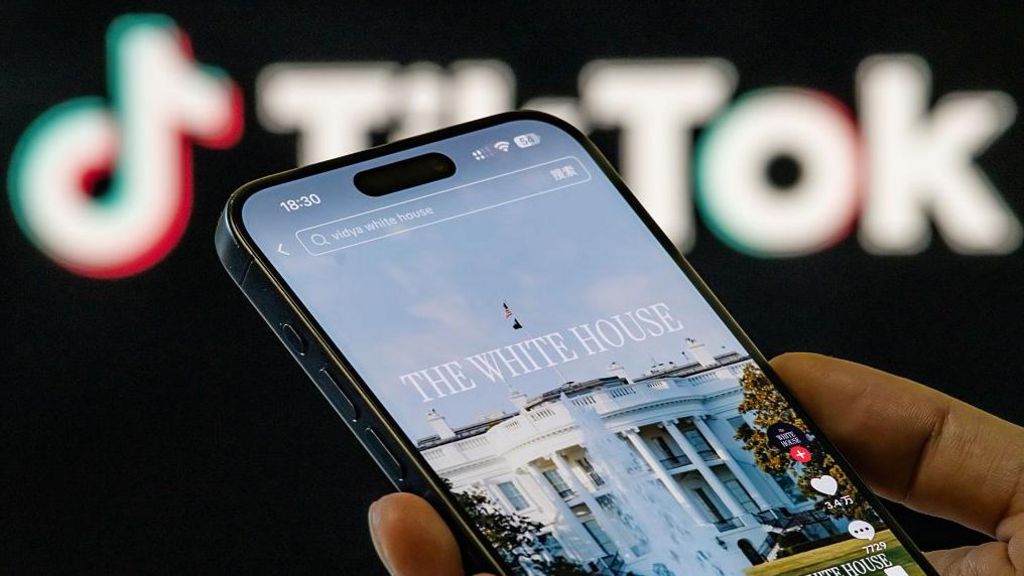
Trump’s TikTok deal may be close. But what’s in it for China?
A landmark agreement over TikTok’s US operations is on the horizon, with US President Donald Trump and Chinese President Xi Jinping poised to discuss final terms this Friday. This follows a framework agreement reached by top officials from both nations earlier this week, which could see TikTok’s US operations acquired by a consortium of American firms, including tech giant Oracle and investment firms Andreessen Horowitz and Silver Lake. The deal, described by experts as a “rare breakthrough” in US-China trade relations, aims to resolve a long-standing issue that has dominated headlines for years. Chinese state media has hailed the potential agreement as a “win-win” for both countries, while Trump has emphasized its importance for younger users. However, critical details remain unclear, particularly regarding TikTok’s algorithm—the core technology driving its success. ByteDance, TikTok’s Chinese parent company, has been reluctant to part with its prized algorithm, but Beijing has signaled a willingness to allow licensing rather than outright transfer. This marks a significant shift from China’s previous hardline stance. Experts warn that a “stripped-down” version of the app in the US could impact user experience, though it would allow ByteDance to retain its competitive edge. The deal must still navigate political hurdles in the US, with lawmakers expressing concerns over Chinese influence. Despite these challenges, the agreement could set a precedent for other Chinese tech companies seeking to enter the US market, potentially easing broader trade tensions between the two nations.
-
S.Korea c.bank to expand forward guidance on policy rate path
The Bank of Korea (BOK) is set to revolutionize its monetary policy communication strategy by introducing a dot plot system to illustrate the projected path of future interest rates. Governor Rhee Chang-yong announced this initiative during a speech at the International Monetary Fund’s Camdessus Central Banking Lecture on Thursday. The new system will expand on the current forward guidance framework, where Rhee verbally shares the conditional views of the six Monetary Policy Board members over a three-month horizon during post-policy review press conferences. The dot plot, currently in pilot testing, will graphically represent each board member’s rate projections for the upcoming year, offering a clearer and more transparent outlook for market participants. While the system is currently for internal use, Rhee emphasized plans to refine it into an effective communication tool to enhance public understanding of the BOK’s policy decisions. This move aligns with the bank’s broader efforts to improve transparency. Notably, the BOK maintained its benchmark interest rate at 2.50% during its August 28 meeting, a decision that was widely anticipated. The pilot system also allows board members to plot two to three dots per horizon to indicate probabilistic rate views, further enriching the data available for policy analysis.
-
Top brokerages eye consecutive Fed rate cuts after policy meeting
The U.S. Federal Reserve is expected to implement further rate cuts this year, according to major brokerages. Following the central bank’s widely anticipated 25-basis-point reduction, firms such as Nomura and KBW have forecasted an additional rate cut in October. Fed Chair Jerome Powell, speaking after the recent two-day monetary policy meeting, hinted at further easing, citing concerns over the softening job market as a key factor influencing the Fed’s decisions. While BofA Global Research and HSBC do not anticipate a rate cut at the next meeting, they noted that worsening jobs data could prompt an earlier reduction. Brokerages have also begun to outline their forecasts for 2025, with UBS Global Research and UBS Global Wealth Management providing distinct perspectives. The ongoing economic uncertainty continues to shape the Fed’s policy trajectory, with market participants closely monitoring upcoming data releases.
-
South African central bank maintains key rate in split decision
In a closely watched decision, the South African Reserve Bank (SARB) maintained its benchmark interest rate at 7% during its latest Monetary Policy Committee (MPC) meeting on Thursday. The outcome followed a split vote, with four members advocating for unchanged rates and two pushing for a 25 basis point reduction. This decision comes as headline inflation in South Africa unexpectedly decelerated to 3.3% year-on-year in August, down from 3.5% in July, hovering near the lower end of the central bank’s 3%-6% target range. Economists had anticipated a tight call between a rate hold and a modest cut, reflecting the delicate balance between supporting economic growth and managing inflationary pressures. In July, the SARB had reduced its policy rate by 25 basis points, signaling a shift in its inflation targeting strategy from aiming for the midpoint (4.5%) to the lower bound (3%) of its target range. The central bank’s cautious approach underscores its commitment to stabilizing inflation while navigating economic uncertainties. The decision is expected to influence borrowing costs, consumer spending, and investor confidence in Africa’s largest economy.
-

Former chief of UK directors’ lobby group banned for COVID loan abuse
Anna Daroy, a former director general of the Institute of Directors (IoD), has been disqualified from holding company directorships for 11 years after exploiting the UK government’s Bounce Back Loan Scheme during the COVID-19 pandemic. The 61-year-old, who was once shortlisted for the ‘Businesswoman of the Year’ award, secured two £50,000 loans for her management consultancy, Globepoint Associates Ltd, in 2020, despite the scheme’s rule limiting companies to a single loan. The Insolvency Service, which announced the ban on Thursday, stated that Daroy should have repaid one of the loans, which were obtained from separate banks within five days. Globepoint Associates Ltd went into liquidation in March 2023 with both loans unpaid. Kevin Read, chief investigator at the Insolvency Service, criticized Daroy’s actions, emphasizing that the loans were intended to support struggling businesses, not to be misused. Daroy, who served as interim chief operating officer and interim director general of the IoD from October 2018 to November 2019, has not publicly commented on the matter. The Insolvency Service has disqualified over 2,400 directors for similar abuses of COVID financial support schemes. The IoD reiterated its commitment to high standards of conduct and stated that any member disqualified as a director would have their membership terminated.
-
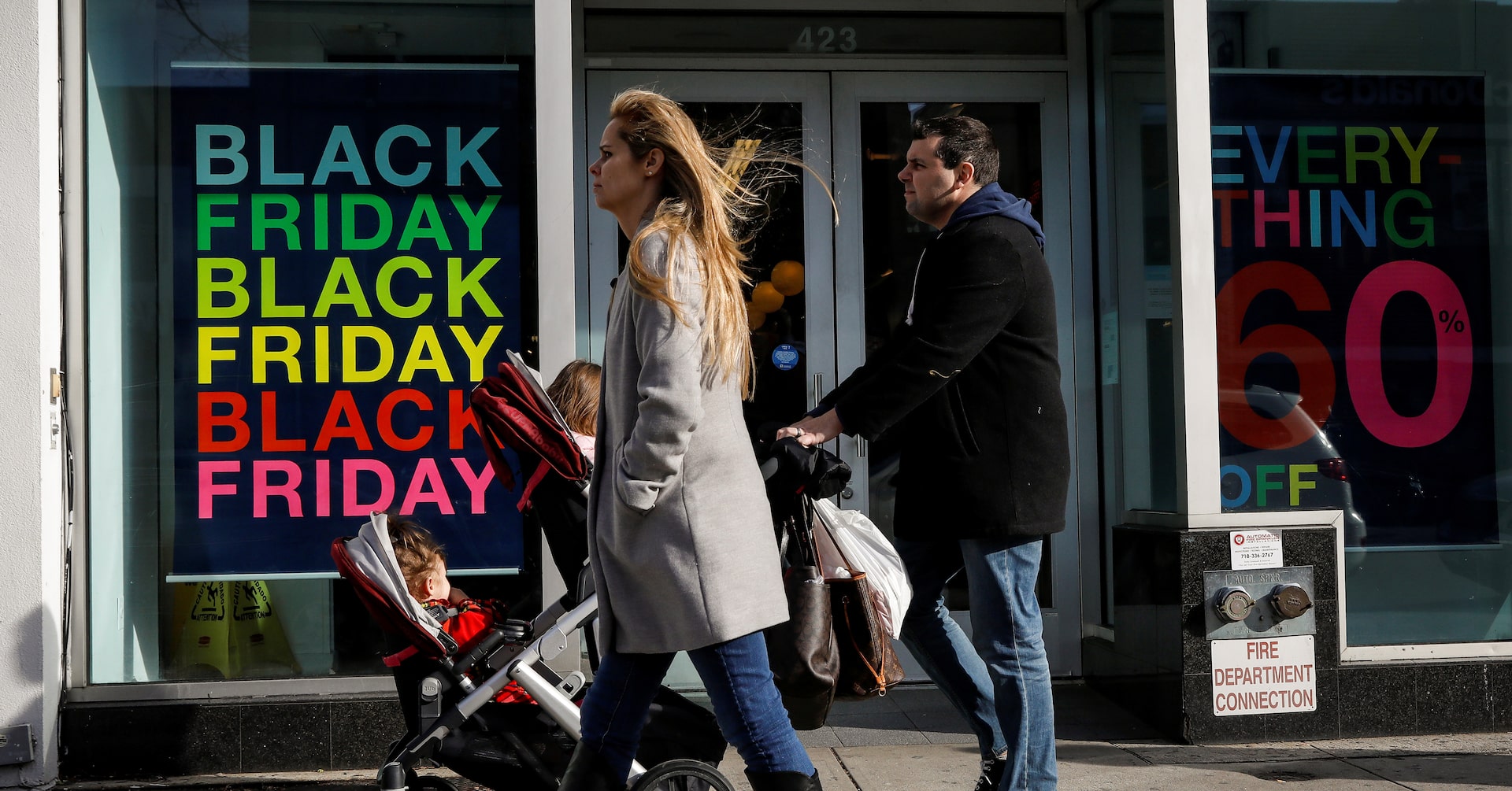
US holiday shopping growth to cool this year, Mastercard forecasts
The U.S. holiday shopping season is anticipated to experience a moderated growth in sales this year, according to a recent forecast by Mastercard. The Mastercard Economics Institute projects a 3.6% increase in retail sales from November 1 to December 24, a decline from the 4.1% growth recorded during the same period last year. This slowdown is attributed to consumers prioritizing discounts and promotions in response to persistent inflation and broader macroeconomic uncertainties. The report highlights that the Trump administration’s fluctuating trade policies have escalated the costs of goods, further dampening consumer demand. Additionally, the shortened interval between Thanksgiving and Christmas this year, coupled with the early rollout of promotions, is expected to bolster online sales at the onset of December. Michelle Meyer, Chief Economist at Mastercard Economics Institute, emphasized that while the total spending may not differ significantly from last year, the composition of spending will shift, with pricing becoming a more critical factor due to the impact of tariffs. Online sales are forecasted to rise by 7.9%, a slight decrease from the 8.6% growth observed last year, while in-store sales are projected to grow by 2.3%, down from 2.8% in the 2024 holiday season. Mastercard’s forecast, derived from SpendingPulse insights, which track in-store and online retail sales across all payment methods excluding automotive sales, aligns with recent subdued projections from Salesforce and mixed forecasts from major retailers. Target and Best Buy have maintained their annual forecasts, whereas Walmart and Macy’s have raised theirs. Conversely, toymaker Mattel has reduced its forecast. As retailers navigate these challenges, the holiday shopping season remains a pivotal driver of annual sales, albeit under more constrained economic conditions.