分类: business

  • Tristar Group launches region’s first Hybrid Barge

    Tristar Group launches region’s first Hybrid Barge

    In a landmark development for sustainable maritime operations, Tristar Group has unveiled the region’s first hybrid biofuel-electric bunkering barge at the Port of Fujairah. The pioneering vessel, named Tristar Eco Voyager, represents a significant advancement in green shipping technology and has been commissioned through a time-charter agreement with TotalEnergies Marketing Middle East.

    The 750-cubic-meter capacity barge features an innovative hybrid propulsion system that combines electric power with biofuel compatibility, marking a substantial step toward decarbonizing maritime logistics. The vessel’s advanced engineering allows for operational flexibility while dramatically reducing environmental impact compared to conventional bunkering barges.

    Eugene Mayne, Founder and CEO of Tristar Group, emphasized the broader significance of this achievement: “The Tristar Eco Voyager embodies our conviction that the maritime sector must actively participate in the global transition toward cleaner energy solutions. This vessel sets a new standard for sustainable operations in our industry.”

    Thomas Vigneron, Managing Director of TotalEnergies Marketing Middle East, echoed this commitment to innovation: “Our collaboration with Tristar enhances our operational capabilities while demonstrating our dedication to implementing sustainable solutions that drive positive environmental change in the UAE.”

    The hybrid barge is projected to achieve approximately 35% reduction in CO2 emissions compared to traditional vessels. Future infrastructure developments at Fujairah port, including planned electric charging installations, will enable the barge to operate predominantly on electric power and achieve zero emissions while docked.

    This initiative aligns with the UAE’s national sustainability objectives. The vessel concept received presidential endorsement during a World Environment Day event in June 2024, when Mayne presented the design to UAE President Sheikh Mohamed bin Zayed Al Nahyan. The discussion highlighted the critical role that corporations and communities play in addressing climate challenges.

    As the first vessel of its kind in the Gulf Cooperation Council region, the Tristar Eco Voyager provides a practical, immediately operational solution for reducing maritime carbon emissions and improving air quality in port areas, setting a precedent for future investments in green maritime technologies.


  • Comera Financial Holdings leads the next wave of fintech innovation in the UAE

    Comera Financial Holdings leads the next wave of fintech innovation in the UAE

    Abu Dhabi-based Comera Financial Holdings, an entity within the Royal Group conglomerate, is positioning itself at the forefront of the United Arab Emirates’ financial technology revolution. The company has developed an integrated ecosystem that addresses multiple facets of the digital economy through four distinct but interconnected divisions.

    The cornerstone of Comera’s offering is Comera Pay, a sophisticated digital wallet solution facilitating instant monetary transfers, bill settlements, mobile top-ups, and seamless e-commerce transactions. The platform has gained significant market adoption among both UAE residents and expatriate communities through its competitive exchange rates, intuitive user interface, and advanced security protocols. The recent introduction of a Visa-powered Multi-Currency Card has further enhanced its value proposition, enabling international spending with favorable foreign exchange rates directly manageable via the application.

    Complementing its financial services, Comera Calling provides a robust voice-over-IP and messaging platform recognized for exceptional call clarity and reliability. This communication arm supports the brand’s broader connectivity mission while serving as an additional engagement channel for its user base.

    For commercial clients, Comera Money delivers specialized financial solutions including supply-chain financing and working capital support tailored for SMEs, corporate entities, and government-affiliated organizations. A landmark partnership with energy giant ADNOC, announced during the ADIPEC conference, demonstrates the division’s capability to provide automated financing solutions through integrated technological systems. This collaboration underscores Comera’s strategic alignment with national economic objectives and sector-wide liquidity enhancement initiatives.

    The ecosystem is completed by Comera Finance, the group’s non-banking financial company arm currently developing credit and lending products pending regulatory approvals. This division aims to expand financial access for both individual consumers and small-to-medium enterprises, ultimately realizing the group’s vision of a fully interconnected financial infrastructure.

    Through its multi-faceted approach combining technological innovation, strategic partnerships, and regulatory compliance, Comera Financial Holdings is establishing a transformative financial framework that supports the UAE’s broader digital transformation ambitions while creating inclusive economic opportunities for diverse market segments.

  • Bridging economies, building futures – India and the UAE as global partners in progress

    Bridging economies, building futures – India and the UAE as global partners in progress

    The strategic economic partnership between India and the United Arab Emirates has evolved into a transformative force driving mutual prosperity and global innovation. Under the groundbreaking Comprehensive Economic Partnership Agreement (CEPA), bilateral trade has experienced remarkable acceleration, creating unprecedented opportunities for businesses across both nations.

    This enhanced economic connectivity has fundamentally reshaped commercial relationships, with Indian enterprises increasingly utilizing the UAE as their primary global expansion hub. Simultaneously, UAE investors are directing substantial capital toward India’s rapidly evolving innovation ecosystem. The agreement has particularly benefited small and medium-sized enterprises, startups, and major corporations alike, generating employment opportunities and enhancing competitive capabilities across diverse sectors.

    Future-oriented collaborations are now emerging in renewable energy, with joint ventures advancing green hydrogen technology, solar power innovations, and sustainable urban development projects. The digital transformation sector demonstrates equal dynamism, with fintech, artificial intelligence, health technology, and smart manufacturing experiencing substantial growth through the India-UAE corridor. This technological synergy thrives within an environment of progressive regulation and vibrant entrepreneurial activity.

    The India Business and Professional Council (IBPC) Dubai has played a pivotal role in facilitating this partnership for over two decades. Throughout 2025, the organization orchestrated numerous high-impact events including an AI Summit at Dubai Chambers, Youth Conclave gatherings, and specialized symposiums covering steel and alloy industries. The Capital Connect Series provided direct access to regional investors, while high-level governmental engagements with Indian Chief Ministers further strengthened institutional cooperation.

    Notably, the partnership has received robust support from Emirati leadership, including Dr. Tayeb Kamali of IOD India and Thani bin Ahmed Al Zeyoudi, UAE’s Minister of State for Foreign Trade. Dubai Chambers has consistently amplified these initiatives, enabling IBPC Dubai to effectively bridge commercial interests between both nations.

    Beyond economic metrics, the relationship thrives through cultural exchanges and community engagements celebrating India’s Independence Day, Republic Day, and International Women’s Day. These people-to-connections form the foundational bedrock of what has evolved from traditional trade partnership into comprehensive global cooperation aimed at building sustainable futures through shared vision and mutual respect.

  • Celebrating the UAE’s growth through its construction sector

    Celebrating the UAE’s growth through its construction sector

    As the United Arab Emirates commemorates its 54th National Day, the nation’s construction industry stands as a powerful testament to its remarkable transformation. What began as essential infrastructure development has evolved into a globally recognized sector driving smart, sustainable urban development.

    The UAE’s construction journey began in the 1990s with foundational projects focused on basic infrastructure, civic facilities, and connectivity. This period established the crucial groundwork for future growth. The early 2000s witnessed an unprecedented acceleration with landmark projects including Palm Jumeirah, Dubai Marina, and extensive highway networks that redefined regional construction standards.

    The 2010s introduced a paradigm shift toward lifestyle-oriented communities, with sustainability becoming central to development conversations. Green building principles, energy-efficient designs, and master-planned communities emerged as industry standards rather than exceptions.

    Current industry metrics demonstrate the sector’s robust health. Construction output reached $107.2 billion in 2024, with projections indicating growth to $130.8 billion by 2029. The broader construction market, valued at $66.9 billion in 2024, is expected to expand to $96 billion by 2030. Real estate remains a primary driver, with one emirate alone recording Dh498.8 billion in property transactions during the first nine months of 2025.

    The 2020s have ushered in a new era of digital integration, with cities being planned around smart systems, clean energy, and integrated mobility. Construction now encompasses not just physical structures but also technology infrastructure and data systems.

    ESPA, a major player in building systems across MENA and APAC regions, has mirrored this evolution. The company has supported thousands of residential and commercial projects with advanced water-management systems, adapting to increasingly complex building requirements while maintaining focus on technical excellence and reliability.

    Future construction trends will be shaped by several key factors: enhanced digital building management, sustainability imperatives driven by net-zero ambitions, modular construction techniques, and ongoing megaprojects including the Dubai Metro Blue Line and Etihad Rail. These developments create substantial opportunities across multiple industries while pushing technological innovation.

    The UAE’s construction narrative represents one of modern history’s most rapid development stories, demonstrating how visionary leadership and consistent investment can transform a nation’s physical landscape and economic prospects within a single generation.

  • Cherries from Latin America land in China

    Cherries from Latin America land in China

    The 2025-26 cherry season has commenced with Argentine fruits making their inaugural arrival in China, signaling intensified competition within the world’s largest cherry import market. This strategic move positions Argentina as a quality-focused challenger to Chile’s volumetric dominance in the Chinese fresh fruit sector.

    Harvested in mid-November, these early-season Argentine cherries are targeting premium supermarket chains and e-commerce platforms ahead of the main Southern Hemisphere shipment wave in December. The timing capitalizes on cherries’ status as coveted Chinese New Year gifts and festive delicacies, creating lucrative pre-holiday demand.

    Agustina Quiroga of Buenos Aires-based exporter Extraberries articulated Argentina’s competitive strategy: “Our operational advantage lies in the early production window commencing mid-November, enabling us to deliver precisely what the market demands—optimal size, color, and quality. While we cannot match Chile’s volume, we compete effectively on quality parameters from season commencement through initial fruit vessel arrivals.”

    Extraberries leverages specialized cultivation techniques in Chimpay and Rio Negro regions, emphasizing rapid cold chain logistics. The company prioritizes air freight to maintain fruit firmness, color integrity, and sugar levels, creating a comparative advantage over maritime shipments. Quiroga emphasized China’s unique export protocols, noting that shipments prepared for Chinese markets require specific sampling methods and cannot be readily diverted to other destinations like European-bound consignments.

    Despite Argentina’s quality-focused approach, Chile maintains overwhelming market dominance with projected 2025-26 exports reaching 131 million boxes (approximately 655,000 metric tons), according to University of Chile agricultural engineer Marcela Molina. Chile’s diversified varieties and extended growing seasons enable prolonged shipping windows, with sea freight operations scaling up through mid-November depending on regional climatic conditions.

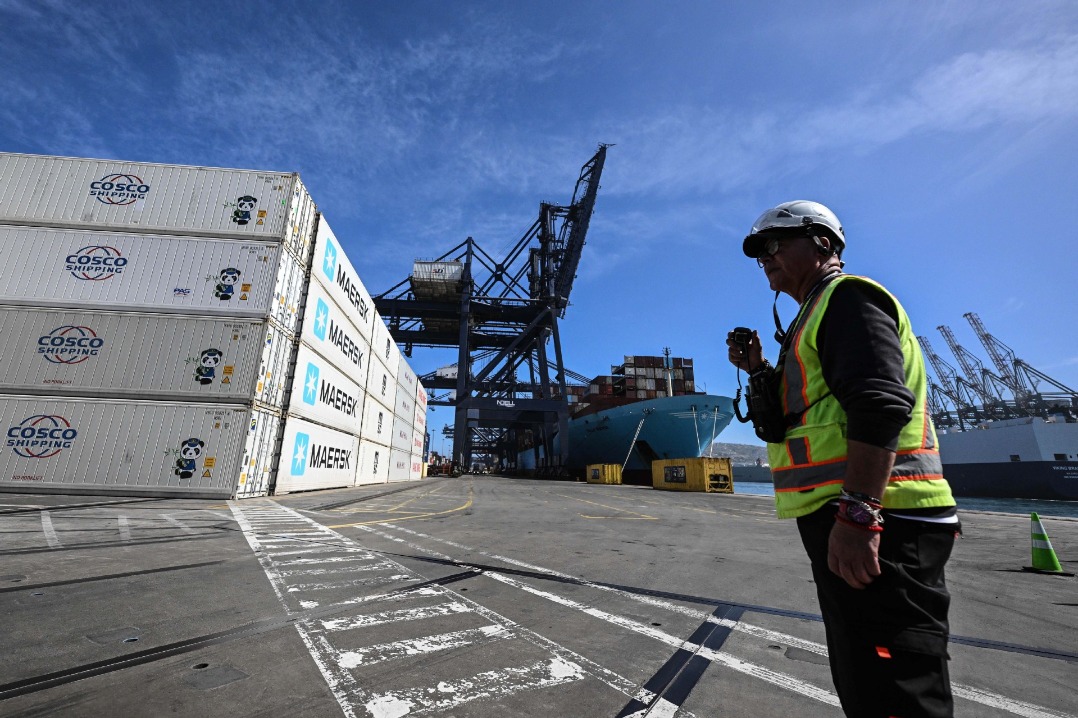
    The decade-long expansion of Chinese cherry demand catalyzed the creation of the specialized “Cherry Express” maritime service, reducing transit time to 22-23 days direct from Valparaiso and San Antonio ports to Chinese destinations. Originally focused on Hong Kong, the service has expanded to include Nansha, Shanghai, and Tianjin ports to prevent congestion.

    Market data from iQfruits indicates robust pricing dynamics, with January wholesale prices peaking at 47.20 yuan/kg ($6.67), significantly higher than the previous year’s 32.10 yuan/kg. This price surge demonstrates how constrained early and mid-season supply generates premium returns, though values typically decline to 26.20 yuan/kg by March as availability increases.

    Climate change introduces additional complexity, prompting producers to implement protective orchard covers, relocate plantations to cooler southern regions, and develop low-chill requirement varieties. These adaptations reflect the industry’s commitment to maintaining quality standards amid evolving environmental challenges in competitive global markets.

  • Tianjin turns hub for green electricity trade

    Tianjin turns hub for green electricity trade

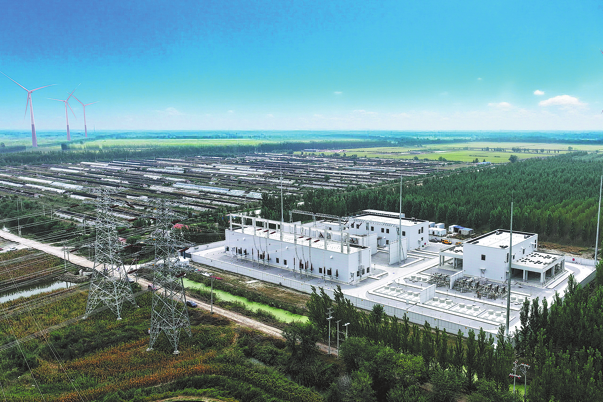
    Tianjin has solidified its position as China’s premier hub for green electricity trading, with renewable energy transactions soaring to 17.3 billion kilowatt-hours in 2025—a staggering increase from just 12 million kWh recorded in 2021 when the national green electricity market launched. This exponential growth represents approximately 40% of the city’s energy trading activity, marking a transformative shift toward sustainable power infrastructure in the northern port city.

    The remarkable expansion has yielded substantial environmental benefits, dramatically reducing carbon dioxide emissions and harmful pollutants including sulfur dioxide, nitrogen oxides and particulate matter. According to State Grid Tianjin Electric Power Co, the emission reductions achieved are equivalent to the annual carbon absorption capacity of 767 million mature trees.

    China’s national green electricity market facilitates dual transactions encompassing both physical renewable energy and tradable green certificates. This innovative mechanism enables major energy consumers—particularly manufacturing facilities and data centers—to directly source verified clean power. The system provides corporate buyers with transparent documentation of their renewable energy usage, supporting both environmental targets and corporate sustainability reporting.

    The development aligns with China’s broader ecological civilization initiatives, demonstrating how regional energy markets can drive nationwide progress toward carbon neutrality goals. Tianjin’s strategic location as a major industrial center and port city has positioned it ideally to lead this transition, combining renewable energy generation—including offshore wind farms visible from the Binhai New Area—with advanced trading infrastructure.

  • Parcel deliveries in China surpass 180 billion mark

    Parcel deliveries in China surpass 180 billion mark

    China’s express delivery industry achieved an unprecedented milestone this week, with annual parcel volume exceeding 180 billion items for the first time in history. The State Post Bureau announced Monday that this record-breaking figure was reached on Sunday, highlighting the sector’s extraordinary growth trajectory and its increasing importance to the national economy.

    The landmark parcel—a smart learning device ordered by Shenzhen resident Li Xiaojun—underwent a fully automated journey representative of China’s advanced logistics infrastructure. Processed at JD.com’s automated warehouse, the package was transported via unmanned vehicle before final doorstep delivery, demonstrating the sophisticated integration of technology throughout the supply chain.

    At JD’s Pineshan grid warehouse station in Shenzhen, automation has become fundamental to operations. Station manager An Jixing reported handling approximately 15,000 parcels daily with five unmanned vehicles that manage over 1,000 orders. “These vehicles significantly reduce staff travel time, alleviate workload pressures, and enable longer community service hours, resulting in markedly improved customer experiences,” An explained.

    Recipient Li Xiaojun expressed surprise at his accidental role in the national milestone. “I placed the order yesterday and received it today—incredible efficiency for my child’s educational device,” he remarked. “Both my family’s shopping and factory business depend heavily on courier services, though I never realized annual volumes reached such astronomical levels.”

    Courier Zhang Fan, who delivered the historic package, described how automation has transformed his profession. Serving over 2,000 households, he noted that unmanned vehicles now bring parcels within hundreds of meters rather than requiring 6-kilometer trips for package retrieval. “This allows greater focus on delivery quality, customer interaction, and collection services,” Zhang emphasized.

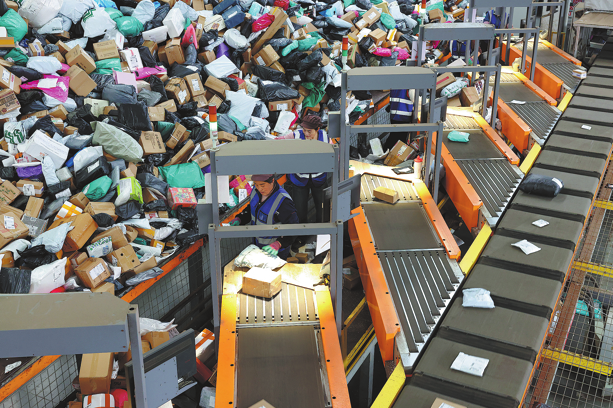
    The industry’s technological transformation extends throughout the logistics chain: warehouse robots manage inventory operations, AI-powered vision systems scan parcels within milliseconds at sorting centers, and large language models optimize transportation routing. Drones and unmanned vehicles are expanding through pilot programs to further reduce operational costs.

    With monthly averages exceeding 16 billion parcels and peak daily volumes reaching 777 million items (over 6,200 parcels per second), China’s courier sector demonstrates extraordinary scale. Liu Jiang of the State Post Bureau’s research center attributed this growth to macroeconomic policies and national market integration. “The industry’s scale effect has made it crucial for driving consumption, domestic demand, and economic stability,” Liu stated, noting technology’s role as “a powerful engine injecting lasting vitality.”

    Shenzhen has emerged as an innovation leader within the sector, deploying 180 unmanned vehicles capable of handling 100,000+ daily parcels. According to Liu Xiaoqing of Shenzhen Municipal Postal Administration, the city has invested over 150 million yuan ($21 million) in equipment upgrades this year alone. Their drone delivery system now operates eight bases with 500+ routes, achieving two-hour intra-city delivery and three-hour service throughout the Guangdong-Hong Kong-Macao Greater Bay Area.

    The industry appears poised to exceed official 2025 targets of 190 billion parcels and 1.5 trillion yuan in revenue, having already surpassed the 180 billion mark within the first eleven months of 2025. This performance underscores the resilience and continued expansion of the world’s largest express delivery market.

  • Costco sues Trump administration for ‘full refund’ of tariffs

    Costco sues Trump administration for ‘full refund’ of tariffs

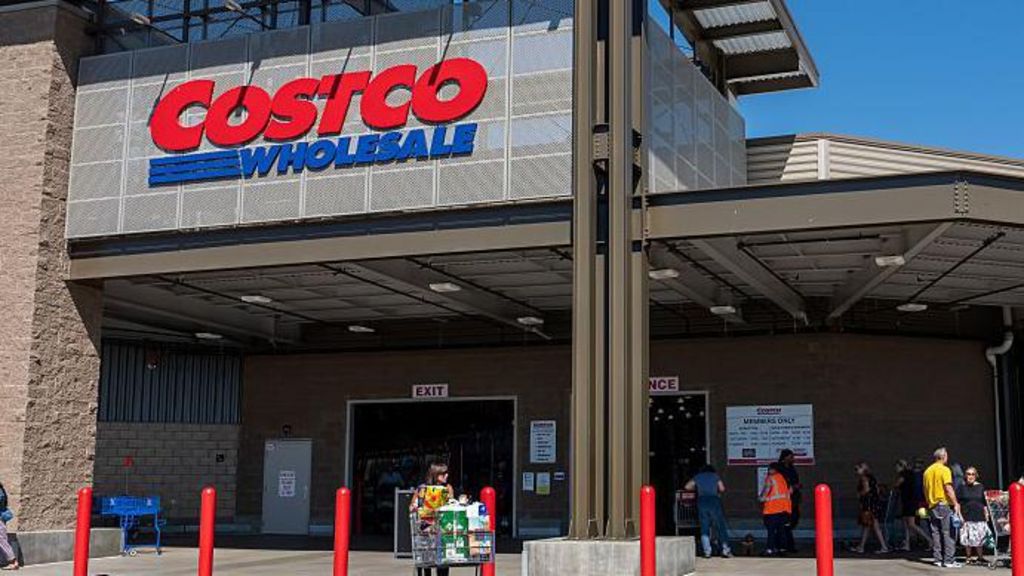
    In a significant legal confrontation with far-reaching implications for U.S. trade policy, multinational retail giant Costco has initiated litigation against the federal government to secure comprehensive refunds of import duties paid under President Donald Trump’s controversial tariff regime. The lawsuit, filed during the Thanksgiving holiday period, represents a critical challenge to presidential authority in international trade matters.

    The legal action centers on whether President Trump overstepped his executive powers by imposing emergency tariffs without congressional approval under the International Emergency Economic Powers Act (IEEPA). Costco’s filing with the U.S. Court of International Trade argues that these tariffs were unlawfully implemented and seeks judicial declaration of their illegality.

    This development comes as the Supreme Court prepares to rule on the fundamental constitutional question of presidential tariff authority. Two lower courts have already determined that Trump exceeded his authority, with the U.S. Court of International Trade first ruling the tariffs unlawful in May, a decision subsequently affirmed by the U.S. Court of Appeals.

    Costco’s legal team contends that separate judicial action is necessary because refunds are not automatically guaranteed even if the Supreme Court upholds previous rulings against the tariffs. The company expressed concern that without specific court-ordered relief, it might not recover substantial funds already paid to the government.

    According to U.S. customs data, importers have paid approximately $90 billion in IEEPA-related tariffs as of late September 2025. While Costco hasn’t specified the exact amount it seeks to recover, the company filed before a critical December 15, 2025 deadline after which recouping funds would become significantly more difficult.

    The White House has vigorously defended the tariffs, with spokesperson Kush Desai warning that an unfavorable ruling would hamper negotiation capabilities and cost the treasury billions already collected. ‘The economic consequences of the failure to uphold President Trump’s lawful tariffs are enormous,’ Desai stated, emphasizing the administration’s expectation of a ‘speedy and proper resolution’ from the Supreme Court.

    The case represents a pivotal moment in the ongoing debate over executive power versus congressional authority in trade policy, with numerous businesses awaiting the outcome to determine their own refund eligibility.

  • Indian rupee hits all-time low, holds above 90/USD mark with central bank help

    Indian rupee hits all-time low, holds above 90/USD mark with central bank help

    The Indian rupee plummeted to an unprecedented record low during Monday’s trading session, intensifying concerns over the currency’s stability amidst challenging global trade dynamics. Despite intervention efforts from the Reserve Bank of India (RBI), the currency briefly touched 89.7575 against the US dollar before settling at 89.5475, reflecting a 0.1% daily decline.

    Market analysts attribute this deterioration primarily to India’s unique position as one of the few major economies without a comprehensive trade agreement with the United States. This structural disadvantage has created persistent bearish pressure on the currency throughout 2025, even as India maintains its status as the world’s fastest-growing major economy.

    The currency’s vulnerability was exacerbated by maturing non-deliverable forward (NDF) positions that triggered substantial selling pressure. Traders confirmed that only aggressive dollar-selling interventions by the central bank prevented the rupee from breaching the psychologically critical 90-per-dollar threshold.

    Recent data reveals the RBI’s intensified efforts to stabilize the currency, with short forward dollar positions surging to $63.6 billion in October. This represents the central bank’s most robust defensive maneuver against currency depreciation pressures.

    ANZ Bank analysts warn that without tariff reductions, the rupee could weaken further to approximately 91.30 by late 2026. They note that slowing export growth combined with tariffs reaching 50% on Indian exports creates significant risks to India’s current account and balance of payments. The analysis suggests that a potential trade deal reducing tariffs to 15-20% could catalyze a recovery to 88-88.50 levels, though the RBI might counter such strength to rebuild foreign exchange reserves, which currently stand at $688.1 billion.

    The rupee’s weakness extended to cross-currency benchmarks, hitting a record low of 12.69 against the offshore Chinese yuan. Meanwhile, the dollar index registered modest declines while Asian currencies displayed mixed performance throughout the trading session.

  • Hebei cooperative’s cabbage proving a hit across China

    Hebei cooperative’s cabbage proving a hit across China

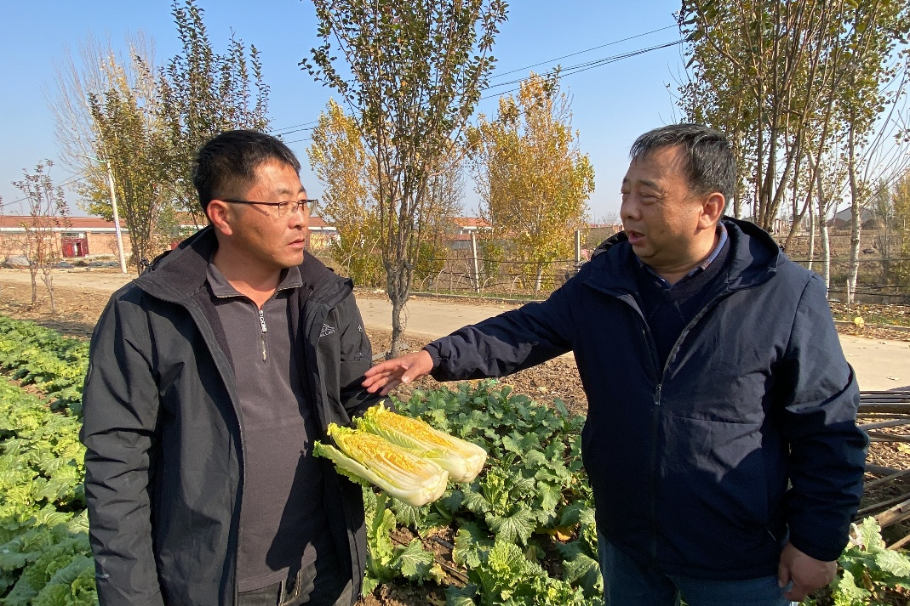
    In the agricultural heartland of Yutian county, Hebei province, a quiet revolution is unfolding within the cabbage fields that promises to reshape regional farming economics. As winter’s harvest season reaches its peak, specialized cabbage varieties from local cooperatives are commanding unprecedented market attention, with demand extending far beyond the traditional Beijing-Tianjin-Hebei regional market.

    The Huayu Cabbage Cooperative reports exceptional market performance for their Lyusun 70 variety, with all 5.3 hectares completely pre-sold at prices exceeding double that of conventional cabbage. According to cooperative head Cai Lianzhu, the variety’s exceptional low-light tolerance and disease resistance have contributed significantly to its commercial success.

    This agricultural breakthrough stems from the scientific expertise of Dr. Zhang Shujiang and his research team at the Institute of Vegetables and Flowers under the Chinese Academy of Agricultural Sciences. Their Lyusun 70 hybrid, characterized by its upright growth pattern, tightly wrapped shell-shaped leaves, and dual-purpose culinary applications, earned national recognition earlier this year when it was included in China’s catalog of recommended crop varieties.

    The success story extends beyond Lyusun 70 to include Hongsunbao No 1, another innovative variety enabling Yutian farmers to break traditional seasonal constraints. This dual-season cultivar has created new summer market opportunities, effectively extending the county’s growing calendar and enhancing overall market competitiveness.

    Shi Dongyu, director of the Lanyu Cooperative, reports expanding Hongsunbao No 1 cultivation to two hectares following substantial buyer interest, particularly from southern markets where the variety’s compact size and superior flavor command premium prices exceeding 4 yuan per kilogram.

    Dr. Zhang observes that these developments reflect broader consumer trends favoring smaller, higher-quality produce over traditional large-head vegetables. This shift toward premiumization has driven significant varietal upgrades throughout Yutian’s vegetable industry, boosting both yields and profitability while strengthening supply chain resilience.

    The regional impact has been substantial, with Yutian Vegetables securing recognition as one of the top 50 public brands in the Beijing-Tianjin-Hebei region in 2025, demonstrating how scientific innovation and agricultural tradition can combine to create competitive advantage in modern markets.