
Amazon has reached a landmark $2.5 billion settlement with the U.S. government to resolve allegations of deceptive practices related to its Prime membership program. The Federal Trade Commission (FTC) accused the tech giant of misleading millions of consumers into signing up for Prime and making it excessively difficult to cancel subscriptions. Under the proposed settlement, $1.5 billion will be allocated to refund affected customers, marking the largest civil penalty ever secured by the FTC. The agreement was finalized just days after the trial commenced in Seattle. Amazon neither admitted nor denied the allegations and has not publicly commented on the matter. Prime, which offers benefits like free shipping and streaming services, boasts hundreds of millions of global subscribers, with annual fees of $139 in the U.S. and £95 in the UK. The FTC highlighted Amazon’s use of manipulative tactics, such as pop-ups during checkout that encouraged Prime sign-ups without clear disclosure of terms or cancellation procedures. Additionally, the agency criticized the company’s one-month free trials, which automatically enrolled users into paid subscriptions without explicit consent. FTC Chairman Andrew Ferguson emphasized that Amazon’s practices violated consumer protection laws, stating, ‘We are putting billions of dollars back into Americans’ pockets and ensuring Amazon never repeats these actions.’ An estimated 35 million U.S. customers affected between June 2019 and June 2025 could receive refunds of up to $51. Amazon has agreed to automatically refund users who utilized Prime benefits fewer than three times annually, while those who used it fewer than 10 times must file a claim. As part of the settlement, Amazon is prohibited from using misleading buttons like ‘No, I don’t want free shipping’ and must simplify the cancellation process for Prime memberships.
分类: business
-

US economic growth revised up on strong consumer spending
The US economy demonstrated remarkable resilience in the second quarter of 2025, with revised government data revealing a stronger-than-expected growth rate. Gross Domestic Product (GDP) expanded at an annualized rate of 3.8% from April through June, surpassing the earlier estimate of 3.3%. This marked the fastest pace of growth in nearly two years, a significant rebound from the 0.6% contraction experienced in the first quarter. The surge was primarily driven by robust consumer spending, which increased by 2.5% year-on-year, up from a prior estimate of 1.6%, and a decline in imports. Despite the positive momentum, economists highlighted lingering uncertainties, particularly concerning the impact of former President Donald Trump’s tariffs and broader policy challenges. Retail sales also outperformed expectations, rising 0.6% in August, underscoring the resilience of American consumers. However, the labor market showed signs of strain, with only 22,000 jobs added in August and the unemployment rate edging up to 4.3%. On a brighter note, initial unemployment claims dropped to their lowest level since July, suggesting potential stabilization in the job market. Analysts remain cautiously optimistic, noting that while economic momentum has held steady, the long-term effects of tariffs and policy uncertainty could lead to slower growth and higher inflation.
-

US ready to help with Argentina’s fiscal turmoil
US Treasury Secretary Scott Bessent has affirmed the United States’ readiness to intervene and stabilize Argentina’s worsening financial crisis. In a statement on social media, Bessent emphasized that ‘all options for stabilization are on the table,’ highlighting Argentina’s strategic importance as a key ally in Latin America. This declaration has provided some relief to financial markets, which have been volatile due to concerns over the future of President Javier Milei’s austerity-driven, free-market policies. The Argentine peso has experienced a sharp decline, prompting investors to offload Argentine stocks and bonds. Milei, a libertarian economist and ally of former US President Donald Trump, was elected in 2023 on a platform of radical spending cuts and reforms to combat rampant inflation. However, the peso’s instability has raised doubts about the government’s ability to uphold its economic promises. In recent weeks, the Argentine central bank has intervened, spending $1.1 billion of its reserves to support the peso, but this has further strained the country’s financial position. Bessent revealed that the US is considering measures such as purchasing Argentine pesos and dollar-denominated government debt to assist. Further details are expected after Milei meets with Trump in New York on Tuesday. Bessent expressed confidence in Milei’s commitment to fiscal discipline and pro-growth reforms, which he believes are essential to reversing Argentina’s economic decline. Milei has expressed gratitude for the US’s support, which has already bolstered Argentine stocks and dollar-denominated debt prices. Despite international backing, Milei faces domestic challenges, including recent local election losses and a bribery scandal involving his sister. Argentina’s upcoming mid-term elections in October will serve as a critical referendum on his controversial policies, which include cuts to social programs. Earlier this year, Bessent played a pivotal role in helping Argentina secure a $20 billion loan from the International Monetary Fund.
-
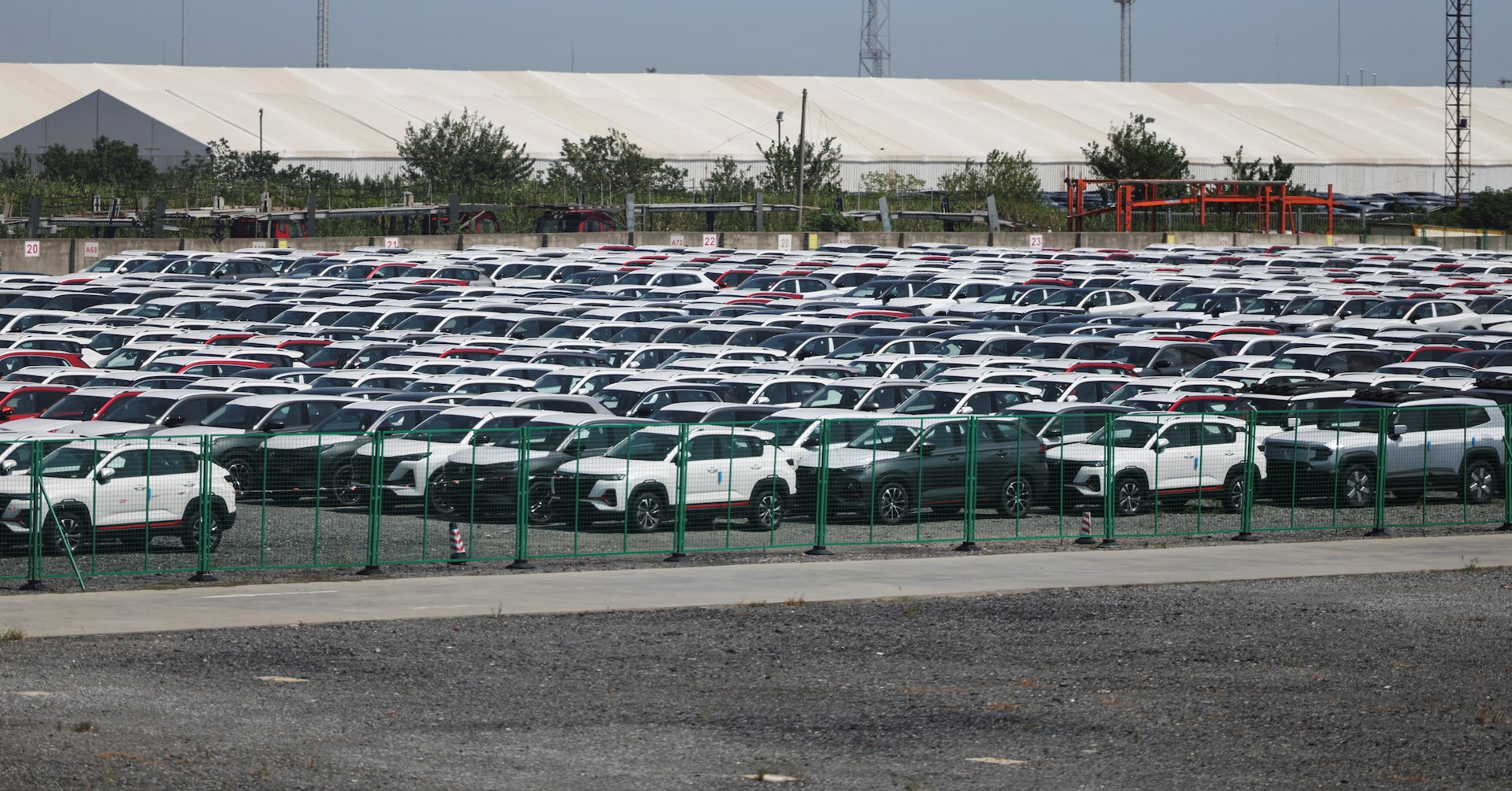
China auto industry body to launch discrimination probe into US chips
In a significant move, the China Association of Automobile Manufacturers (CAAM) announced on Friday the initiation of an anti-discrimination investigation into the effects of U.S. trade policies on the automotive sector, particularly concerning semiconductor chips. The probe, which calls for automakers to submit their inputs by October 13, follows a similar investigation launched by China’s commerce ministry on September 13 into alleged discrimination and dumping practices by U.S. chip manufacturers. This development comes just ahead of a new round of U.S.-China trade talks scheduled in Spain, highlighting the escalating tensions between the two economic powerhouses. The automotive industry, heavily reliant on semiconductor chips, faces potential disruptions as trade policies continue to evolve. The outcome of these investigations could have far-reaching implications for global supply chains and international trade relations.
-
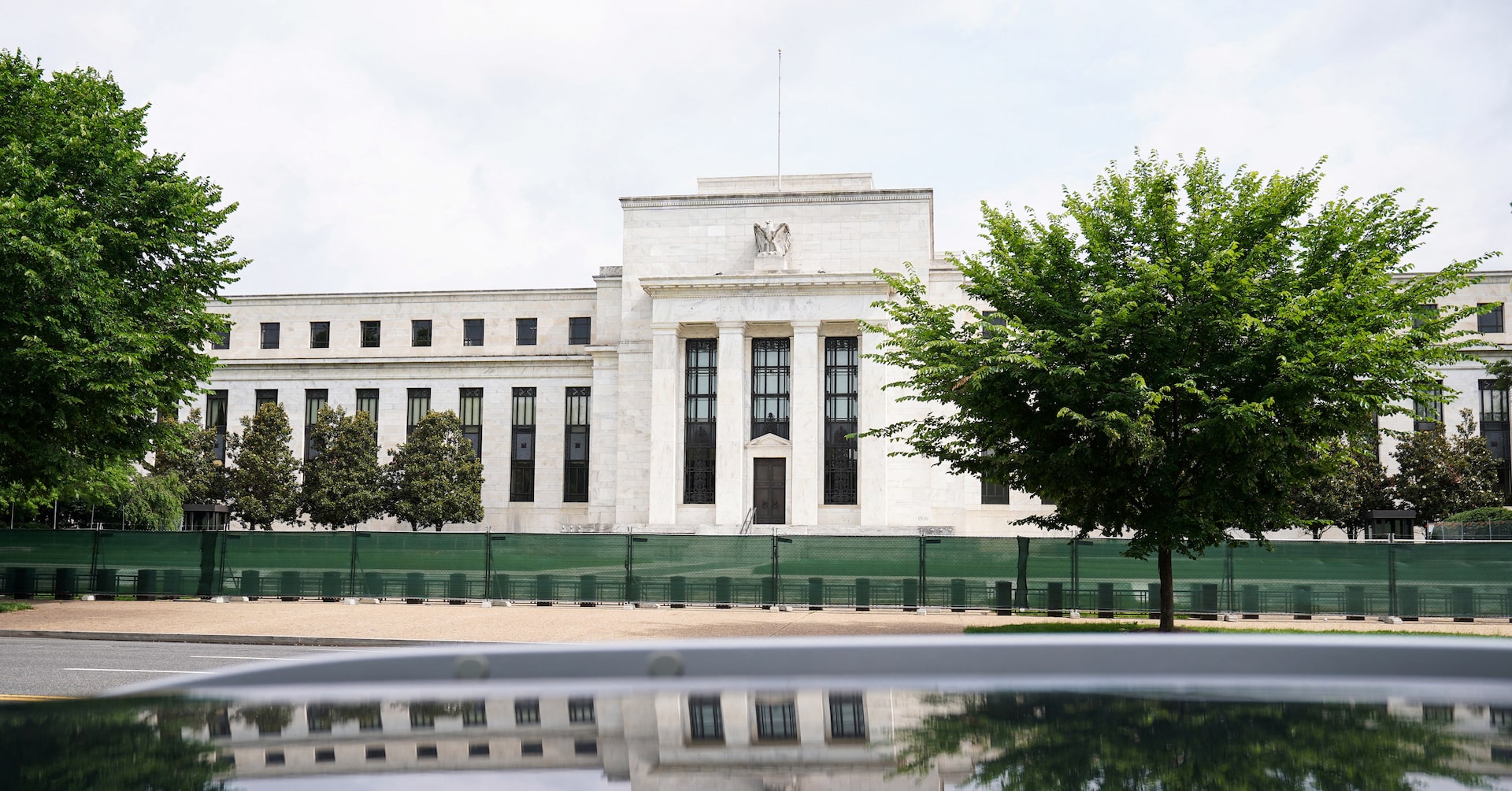
Fed resumes easing path, other major central banks on hold
In a week marked by significant monetary policy decisions, the U.S. Federal Reserve delivered its first rate cut since December, signaling a shift in its approach to economic challenges. This move contrasts sharply with other major central banks, including the Bank of England and the Bank of Japan, which opted to maintain their current rates. The divergence in policy reflects the varying economic conditions and inflation pressures across global markets. The Bank of Canada, however, reduced its key rate to a three-year low of 2.5%, citing a weak jobs market and subdued price pressures. Meanwhile, the European Central Bank (ECB) kept its rates steady, with markets anticipating limited further cuts. The Swiss National Bank also held its rates, though discussions about a potential return to negative rates persist. In the Asia-Pacific region, the Reserve Bank of New Zealand is expected to cut rates further, while the Bank of Japan maintained its short-term rates but hinted at future hikes. These decisions underscore the complex balancing act central banks face as they navigate inflation, growth, and employment dynamics in an uncertain global economy.
-

Uganda’s debt surges 26% on back of larger domestic borrowing
KAMPALA, Sept 19 (Reuters) – Uganda’s public debt has escalated significantly, increasing by 26.2% during the 2024/2025 financial year, as revealed in the finance ministry’s annual public debt report released on Friday. The total public debt climbed to $32.3 billion in the twelve months leading up to June, up from $25.6 billion in the previous year. This surge is largely attributed to the government’s intensified domestic borrowing to finance its expansive infrastructure projects in sectors such as energy and transportation. President Yoweri Museveni’s administration has been heavily investing in these areas, leading to a rapid accumulation of debt. The central bank and other financial experts have expressed concerns that the rising debt servicing costs are depleting resources essential for critical sectors like education and health. The report highlighted that domestic borrowing grew by 52.7%, significantly outpacing the 6.2% increase in external credit. This shift towards domestic borrowing has not only inflated the nominal debt stock but also escalated the cost of debt due to higher yields demanded by the local market. Consequently, the country’s debt as a percentage of GDP rose to 51.3% from 46.9% in the previous period. The report underscores the challenges Uganda faces in balancing its ambitious development goals with sustainable financial practices.
-
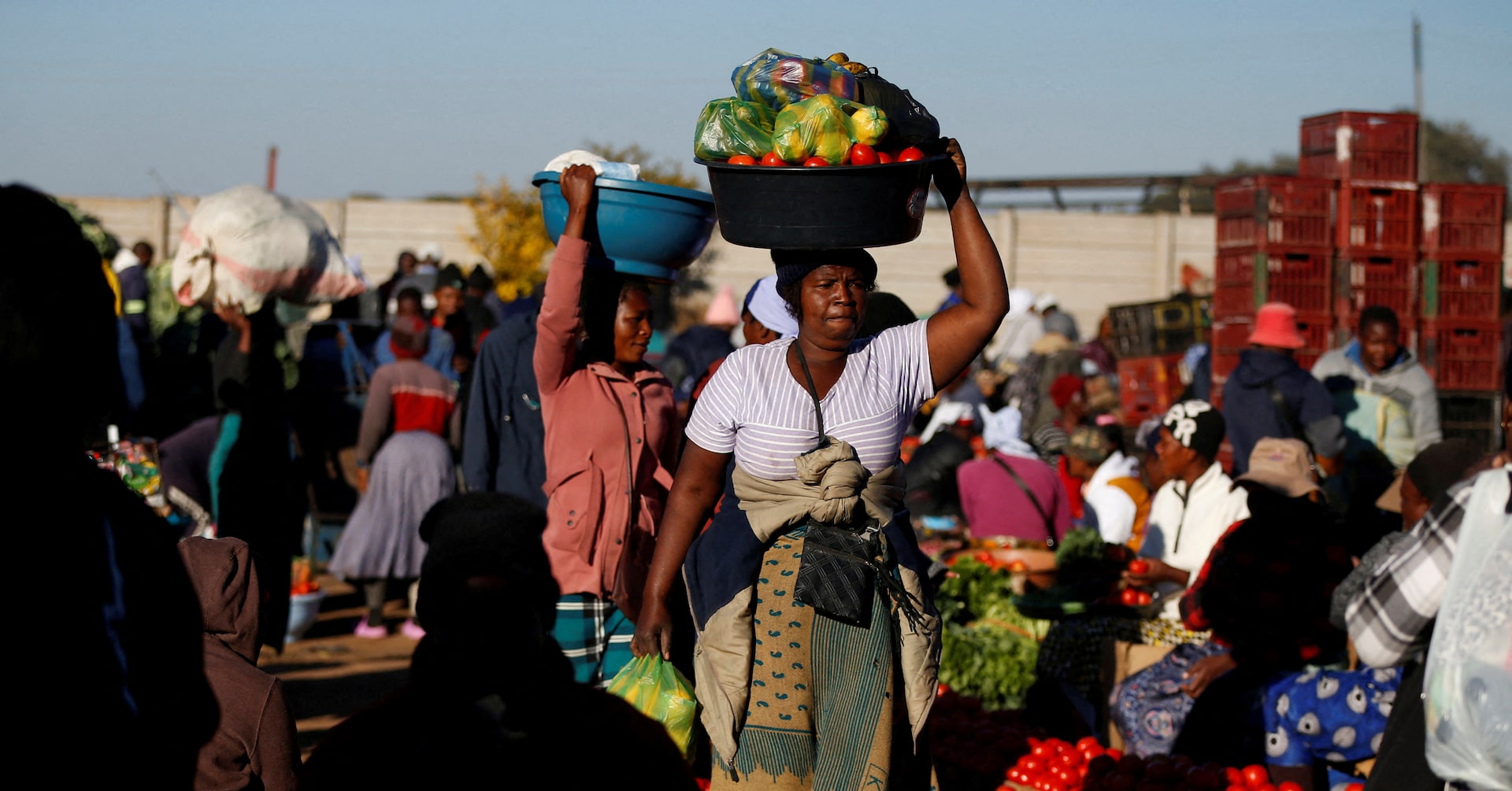
Zimbabwe lifts 2025 growth forecast on tobacco harvest, gold price rally
Zimbabwe’s economy is poised to grow by 6.6% in 2025, surpassing the earlier forecast of 6%, according to Finance Minister Mthuli Ncube. This upward revision is attributed to a robust tobacco harvest and a surge in global gold prices, which have significantly bolstered the country’s agricultural and mining sectors. Speaking at an economic conference on Friday, Ncube highlighted that the agricultural recovery, particularly in tobacco and maize production, has been a key driver of this growth. Additionally, the rally in gold prices has enhanced mining revenues, further contributing to the economic uplift. Last year, Zimbabwe’s economy grew by a modest 2%, hampered by an El Niño-induced drought that severely impacted crop yields and hydropower generation, necessitating grain imports. However, the current recovery in agriculture and favorable commodity prices have set the stage for a stronger economic performance this year.
-

Intel’s Nvidia deal expected to be a mixed blessing for Asian chipmakers
In a landmark move, Nvidia has announced a $5 billion equity investment in Intel, positioning itself as one of Intel’s largest shareholders with an approximate 4% stake. The deal, unveiled on Thursday, includes a collaborative effort to develop PC and data center chips, signaling a significant shift in the semiconductor industry. While Intel’s shares surged by 23% following the announcement, the implications for Asian chipmakers like TSMC and Samsung Electronics are more nuanced. Analysts suggest that Intel’s potential revival could alleviate U.S. regulatory pressure on foreign competitors, even as it intensifies long-term competition. TSMC, which currently dominates the AI chip market for U.S. companies, saw its shares dip by 1.6%, while Samsung’s shares fell by 1%. The partnership could bolster Intel’s next-generation manufacturing capabilities, a critical factor given its recent struggles. However, the deal also raises concerns about the future of TSMC’s business with AMD, a key competitor to Intel and Nvidia. As the U.S. government pushes for domestic semiconductor production, the dynamics of the global chipmaking industry remain uncertain, with Intel’s resurgence potentially reshaping the competitive landscape.
-

Coca-Cola Beverages South Africa plans to cut 600 jobs, newspaper reports
Coca-Cola Beverages South Africa (CCBSA) is considering reducing its workforce by over 600 employees, according to a report by Business Day. The announcement, attributed to Dominique Martin, spokesperson for the Food and Allied Workers Union, follows the company’s issuance of retrenchment notices on September 2. The union has expressed strong opposition to the proposed layoffs, which are part of CCBSA’s broader organizational adjustments in response to shifting industry dynamics. While consultations with the union are ongoing, no final decision has been reached. CCBSA, a subsidiary of Coca-Cola Beverages Africa—the eighth-largest Coca-Cola bottling partner globally by revenue—has not yet publicly commented on the matter. This development adds to South Africa’s economic challenges, as other major companies like Ford Motor South Africa, Glencore, ArcelorMittal South Africa, and Goodyear South Africa have also recently announced workforce reductions.
-
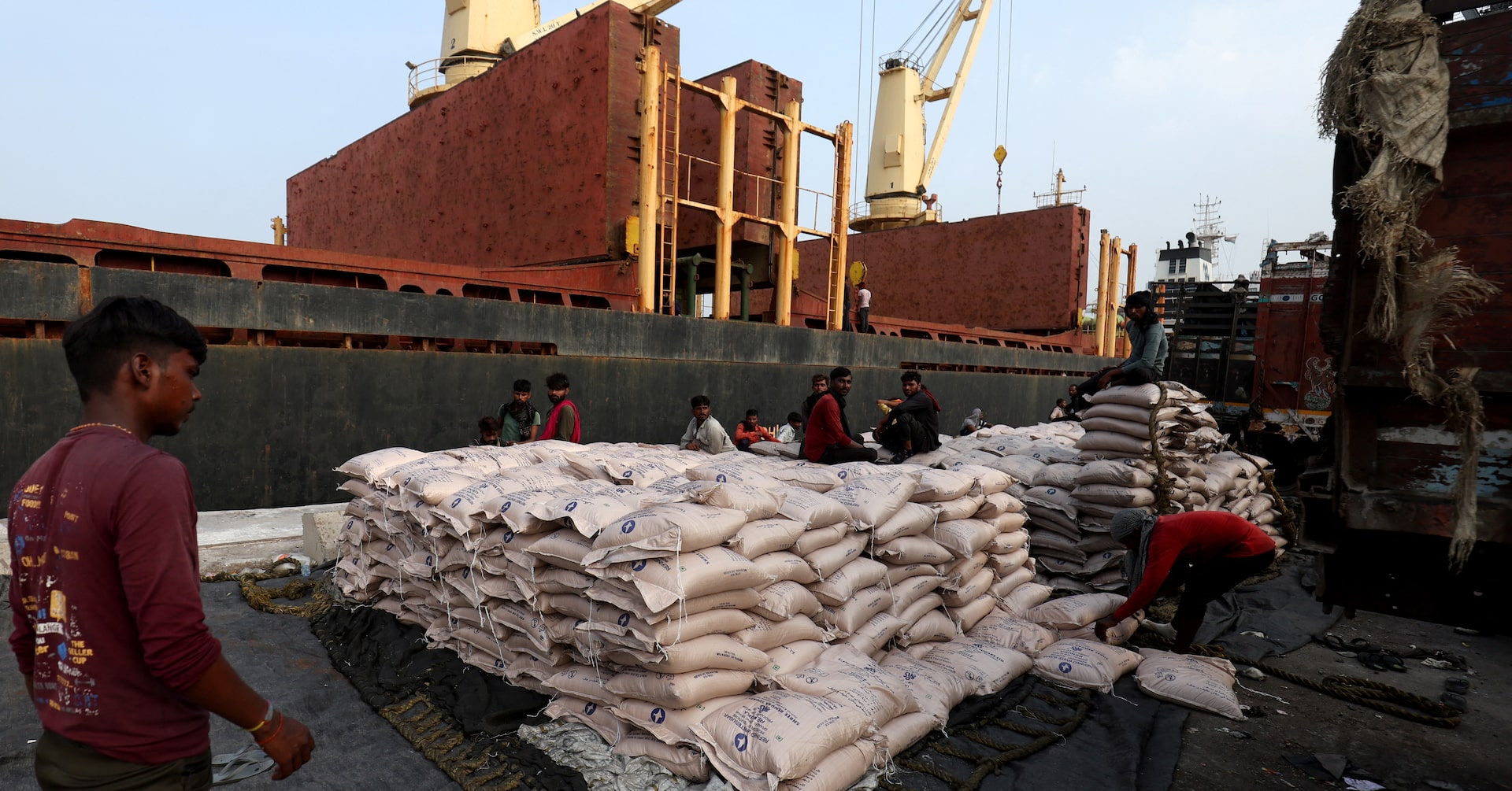
Indian sugar mills to miss export quota, ship around 775,000 tons, sources say
India’s sugar exports are projected to drop below 800,000 metric tons this season, significantly missing the government’s 1 million-ton quota. This decline is attributed to increased supplies from Brazil, which have driven global sugar prices to their lowest levels in over four years, making Indian shipments less competitive. Trade and government officials, who spoke on condition of anonymity, revealed that mills have so far contracted to export around 750,000 tons, with approximately 720,000 tons already shipped. Even under the most optimistic scenarios, exports are unlikely to exceed 775,000 tons by the end of the season on September 30, 2025. The slowdown in exports has been exacerbated by Brazilian sugar trading at more than $25 cheaper than Indian supplies, coupled with rising domestic prices in India. Traditionally, Indian sugar has held a competitive edge in Asia due to lower freight costs, but recent market dynamics have shifted the balance. With only a handful of export deals in recent weeks, mills may request the government to allow the export of the remaining 200,000-plus tons in the new season starting October 1. Despite the current challenges, India’s sugar output is expected to rise in the upcoming season, thanks to favorable monsoon rains, potentially improving export prospects. India, the world’s largest sugar producer and consumer, has been a key exporter to countries such as Afghanistan, Bangladesh, Indonesia, Sri Lanka, and the United Arab Emirates, averaging 6.8 million tons annually over the past five years.