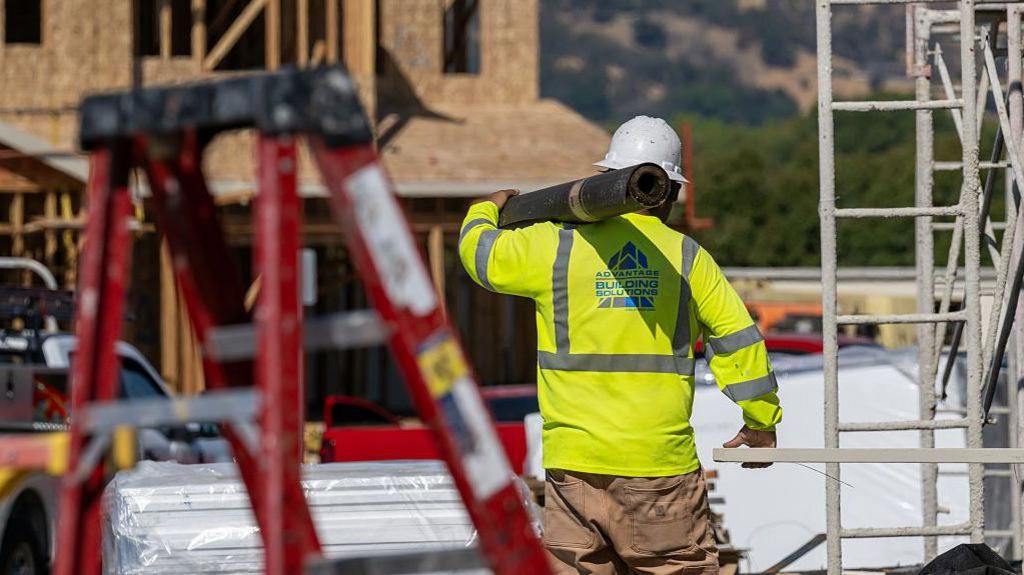
The United States has implemented a new wave of tariffs targeting imported kitchen cabinets, vanities, softwood lumber, timber, and certain upholstered furniture. These measures, enacted through a proclamation signed by President Donald Trump last month, took effect this week. The tariffs include a 10% levy on softwood lumber and timber, a 25% duty on kitchen cabinets and vanities—set to rise to 50% by January 1—and a 25% charge on upholstered wooden furniture, which will increase to 30% unless new trade agreements are negotiated. President Trump has justified these tariffs as necessary to protect U.S. manufacturers and address national security concerns. However, industry experts warn that the additional costs could drive up housing expenses and deter consumers from undertaking home renovations. Tariffs, which are taxes on imported goods paid by companies, often result in higher prices for end consumers, including American households and businesses. This latest move is part of Trump’s broader tariff strategy, which has included sector-specific duties on steel, aluminum, vehicles, and other products during his second term. Notably, the 10% global tariff on softwood lumber compounds existing duties on Canadian imports, bringing the total levy to over 45%. Canada, the second-largest global producer and a major U.S. supplier, has long been embroiled in trade disputes with the U.S. over this product. Meanwhile, wood products from the UK, EU, and Japan face lower tariffs under existing trade agreements. The White House asserts that these measures are essential to safeguard national security and bolster domestic manufacturing. However, critics, including the National Association of Homebuilders, argue that the tariffs will exacerbate challenges in the housing market by increasing construction and renovation costs. Retailers, too, are feeling the pressure. Analysts predict that companies will have no choice but to pass on the additional costs to consumers, potentially leading to double-digit price hikes. Swedish furniture giant Ikea has already acknowledged the difficulties posed by the tariffs, stating that they are impacting its business operations. As the holiday season approaches, retailers face the daunting task of balancing price increases with consumer demand.
分类: business
-
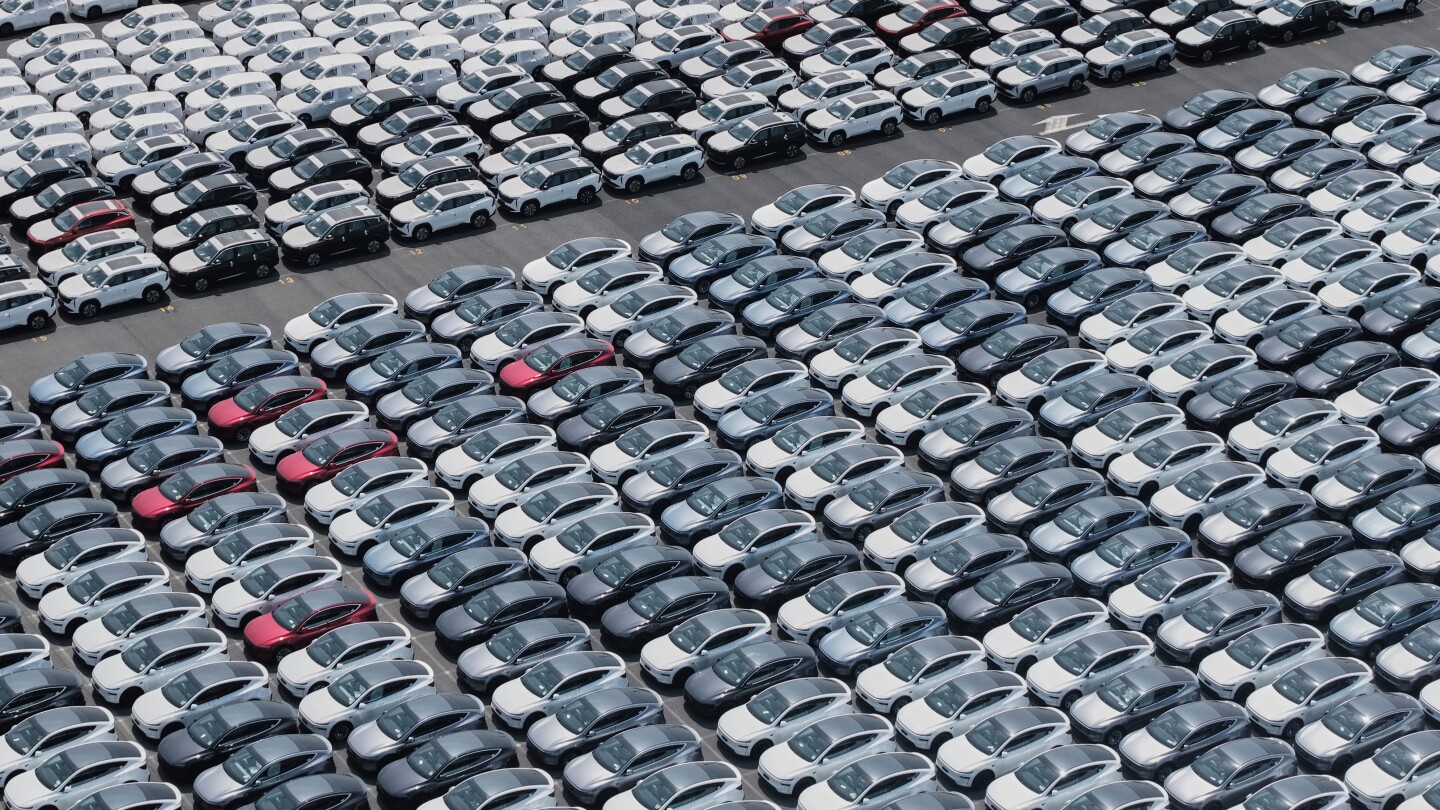
China’s exports of electric vehicles doubled in September as competition at home intensifies
China’s electric vehicle (EV) exports surged by 100% in September compared to the same period last year, reaching 222,000 units, according to the China Association of Automobile Manufacturers. This growth underscores the aggressive expansion of Chinese automakers into international markets, particularly Europe and Southeast Asia. While the figure was slightly lower than August’s 224,000 units, it highlights the increasing reliance on overseas markets due to overcapacity and intense price competition domestically. The U.S.-based consultancy Rhodium Group noted that Chinese EV manufacturers invested more abroad than domestically in 2023, marking a significant shift since 2014. BYD, one of China’s leading EV producers, reported an 880% year-on-year sales increase in the United Kingdom, now its largest market outside China. However, domestic passenger car sales growth slowed to 11.2% in September, down from 15% in August. Chinese automakers are also diversifying their investments into the Middle East and Africa, partly in response to high tariffs imposed by the European Union, U.S., and Canada. Despite these challenges, September remains a peak sales period in China, supported by government subsidies for trade-ins of new energy vehicles, though some local governments have recently suspended such payments.
-

US shipping chaos: I fear my wedding sari is destroyed
The Trump administration’s abrupt changes to U.S. import regulations have triggered widespread chaos in the shipping industry, leaving customers like Nicole Lobo and Janani Mohan in distress. Nicole, a 28-year-old graduate student, shipped 10 boxes of her belongings from the UK to Philadelphia in late August, expecting them to arrive within days. Six weeks later, she fears her possessions may be lost or destroyed by UPS, which is struggling to handle a surge in packages under new customs and tariff rules. ‘It’s been horrific,’ she says, recounting frantic efforts to prevent the disposal of her items after receiving a notification last month. Similarly, Janani, a 29-year-old engineer, is devastated by the potential loss of a box containing her wedding dress, an heirloom sari, and wedding photos sent by her parents in India. ‘Everything in there is very close to my heart,’ she says, describing tearful phone calls with UPS. The new rules, implemented in late August, require parcels worth less than $800 to undergo inspections, taxes, or tariffs, subjecting an estimated 4 million packages daily to more rigorous processing. This has led to longer processing times, higher costs, and widespread confusion. Businesses like Mizuba Tea Co. and Swedish Candy Land are also feeling the impact. Mizuba, which imports matcha from Japan, has five shipments worth over $100,000 stuck in processing, while Swedish Candy Land has lost $50,000 due to destroyed packages. Experts warn the ripple effects could worsen, with FedEx executives describing it as a ‘very stressful period’ for customers. The National Foreign Trade Council fears the issues may persist, as companies struggle to adapt to the new trade environment.
-
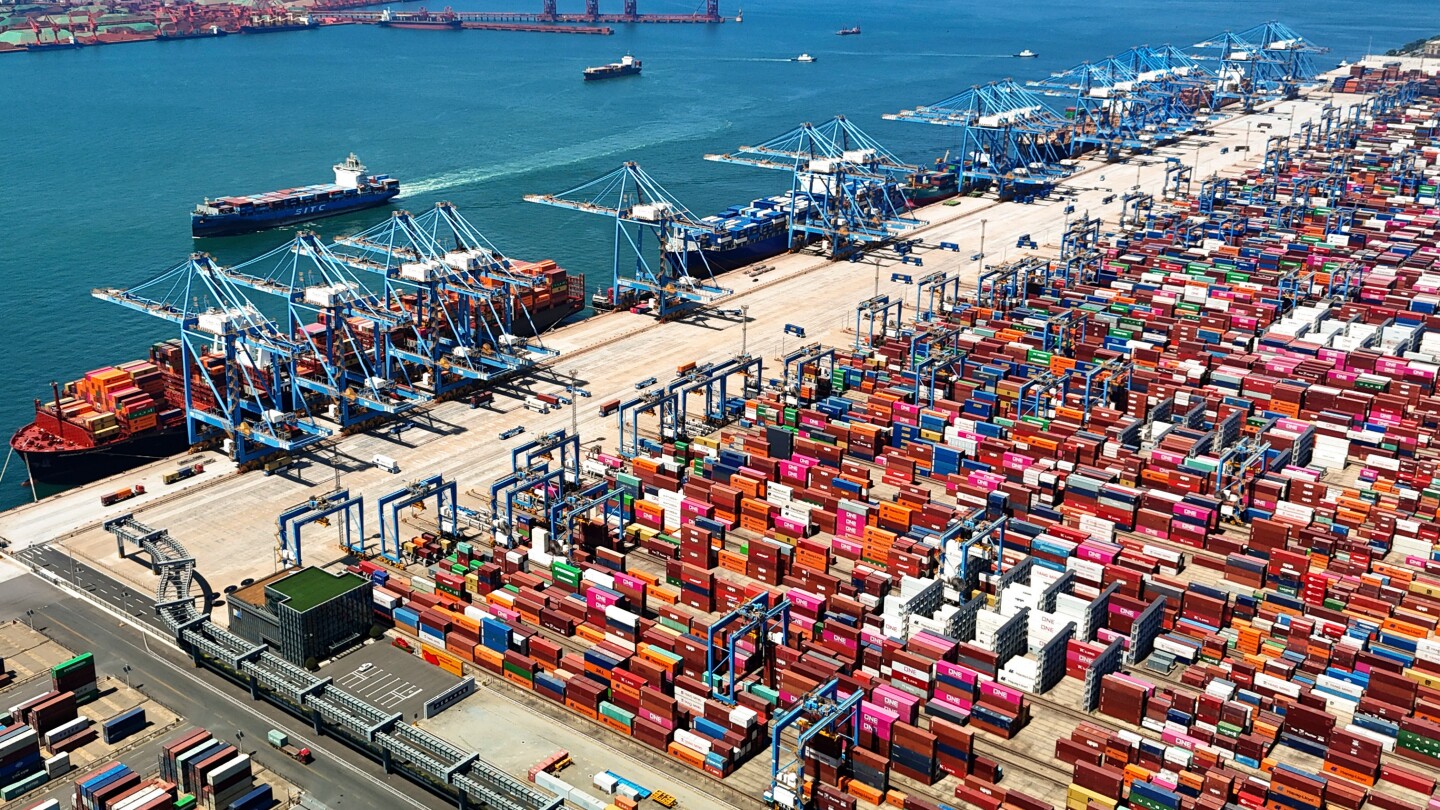
China sanctions 5 US units of South Korean shipbuilder Hanwha Ocean over probe by Washington
In a significant escalation of trade tensions between China and the United States, China’s Commerce Ministry announced on Tuesday a ban on Chinese companies engaging with five subsidiaries of South Korean shipbuilder Hanwha Ocean. This move is seen as a direct response to U.S. President Donald Trump’s efforts to revitalize the American shipbuilding industry. The sanctioned entities include Hanwha Shipping LLC, Hanwha Philly Shipyard Inc., Hanwha Ocean USA International LLC, Hanwha Shipping Holdings LLC, and HS USA Holdings Corp.
-
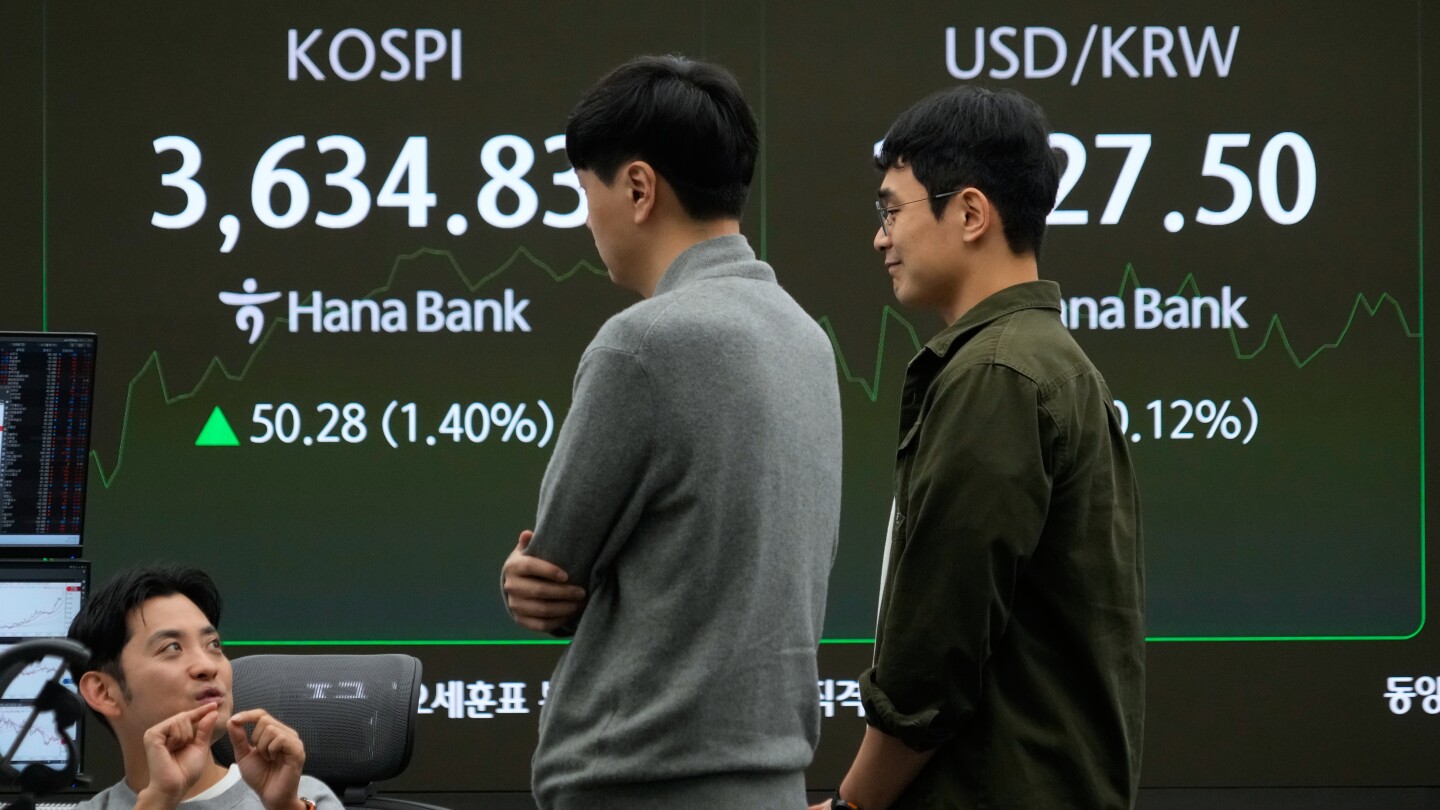
Renewed jitters over China-US trade tensions pull world shares lower
Global markets experienced a downturn on Tuesday as China’s imposition of sanctions against U.S. subsidiaries of South Korean shipbuilder Hanwha Ocean reignited concerns over escalating trade tensions with Washington. European and Asian markets bore the brunt of the fallout, with France’s CAC 40 dropping 0.8% to 7,873.25, Germany’s DAX losing nearly 0.9% to 24,181.83, and Britain’s FTSE 100 shedding 0.2% to 9,426.92. Futures for the S&P 500 and Dow Jones Industrial Average also declined by 0.8% and 0.5%, respectively, reversing gains from Monday’s recovery. In Asia, Japan’s Nikkei 225 plummeted 2.6% to 46,847.32, while Hong Kong’s Hang Seng and Shanghai Composite fell 1.7% and 0.6%, respectively. The sanctions, targeting five Hanwha Ocean subsidiaries, are seen as a direct response to U.S. efforts to bolster its shipbuilding industry, which has been overshadowed by China’s dominance in the sector. Hanwha Ocean’s shares fell 5.8% in Seoul, and the benchmark Kospi dropped 0.6%. Meanwhile, Australia’s S&P/ASX 200 edged up 0.2%, and energy markets saw declines in crude oil prices. Investors are now closely monitoring remarks by U.S. Federal Reserve Chair Jerome Powell for insights into the economic outlook. The sanctions and their ripple effects underscore the fragility of global trade relations and the potential for further market volatility.
-
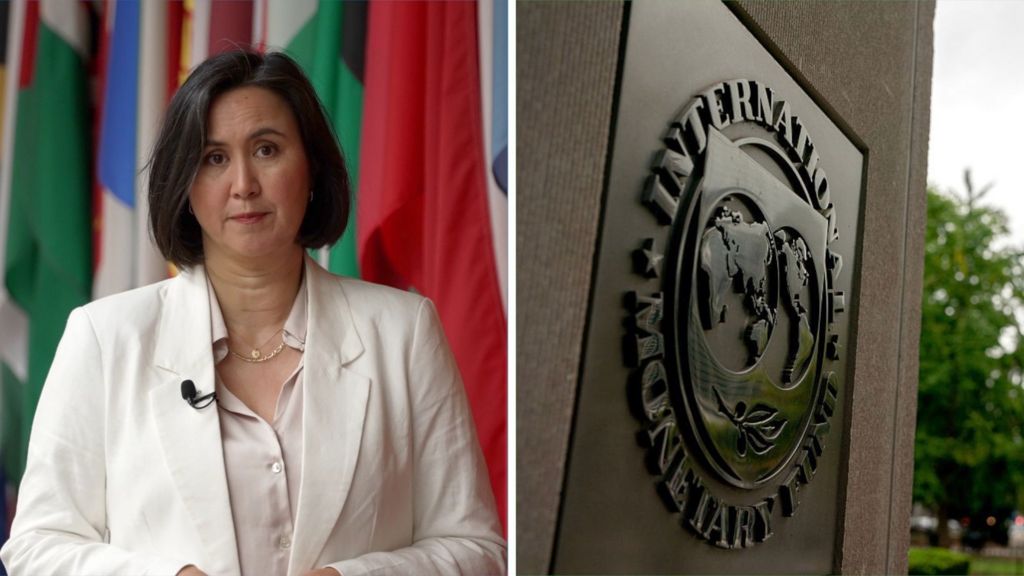
Watch: Uncertainty looms as World Bank meets in Washington
As the World Bank convenes in Washington, a cloud of uncertainty hangs over the global economic landscape. The gathering, which brings together prominent bankers and finance ministers from around the world, is set against a backdrop of mounting challenges, including inflationary pressures, geopolitical tensions, and the lingering effects of the COVID-19 pandemic. The BBC’s Michelle Fleury provides an in-depth analysis of the key issues expected to dominate discussions. Among the critical topics on the agenda are strategies to stabilize volatile markets, address debt crises in developing nations, and foster sustainable economic growth. The meeting also serves as a platform for exploring innovative financial solutions to combat climate change and support vulnerable economies. With the global economy at a crossroads, the outcomes of this high-stakes assembly could have far-reaching implications for international financial stability and development efforts.
-
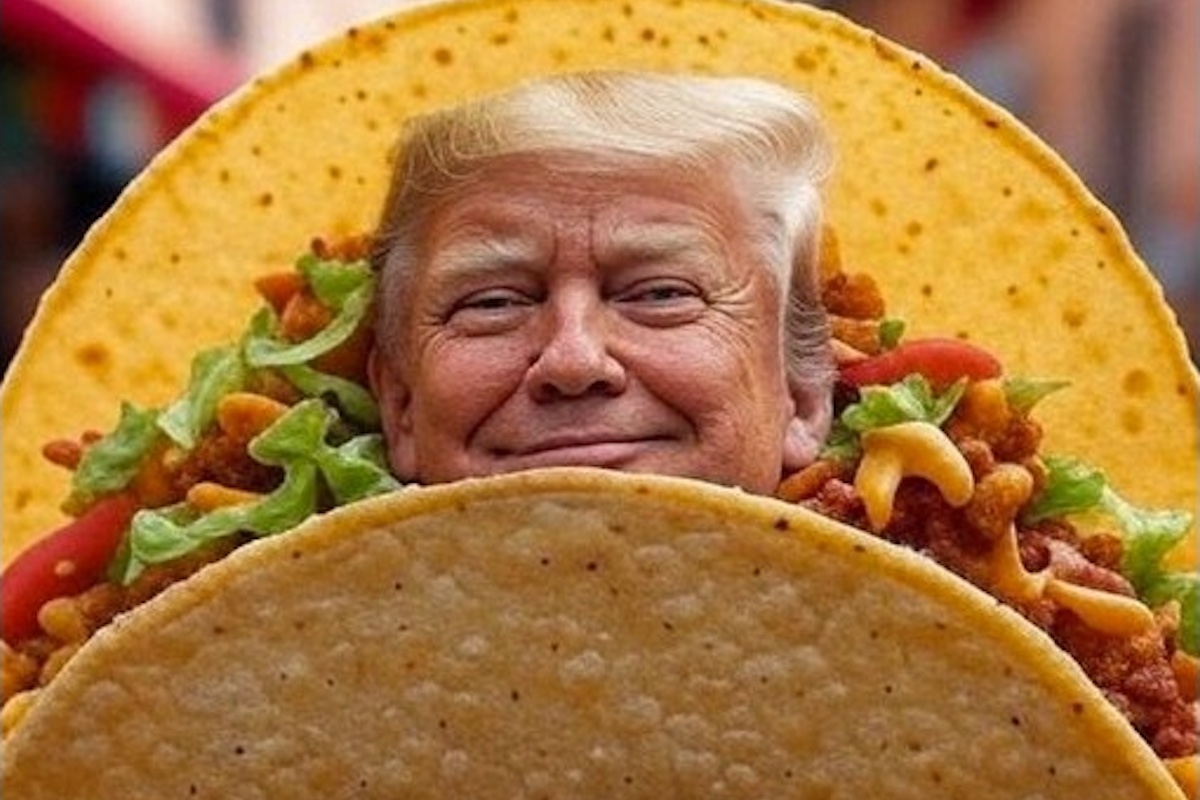
Trump’s 130% China tariff looks like another TACO moment
The global economic landscape is bracing for potential upheaval as former US President Donald Trump proposes a staggering 130% tariff on Chinese imports, escalating the US-China trade war to unprecedented levels. While markets react with alarm, analysts remain skeptical about the likelihood of such a drastic measure being implemented on November 1 as threatened. The imposition of such tariffs between the world’s two largest economies could trigger a global recession, with the combined $45 trillion output of the US and China forming the backbone of international trade. The cessation of commerce between these economic giants would be catastrophic for trade-dependent nations, potentially leading to a near-extinction-level event for their economies. The core issue, however, lies not in the tariff threat itself but in the underlying motivations driving Trump’s aggressive stance. The stated rationale—a response to China’s restrictions on critical mineral exports—appears to mask a broader agenda. Trump’s recent setbacks in trade negotiations with South Korea, Japan, and the European Union have left him increasingly desperate to secure a ‘grand bargain’ with China. Despite his bluster, many view this as a negotiating tactic rather than a genuine policy shift. Goldman Sachs analysts suggest that the ultimate outcome will likely be an extension of the current tariff pause. Meanwhile, Chinese President Xi Jinping appears to hold the upper hand, leveraging Trump’s desperation to his advantage. As the global economy teeters on the brink, the stakes have never been higher, with the potential for renewed volatility and risk repricing looming large.
-
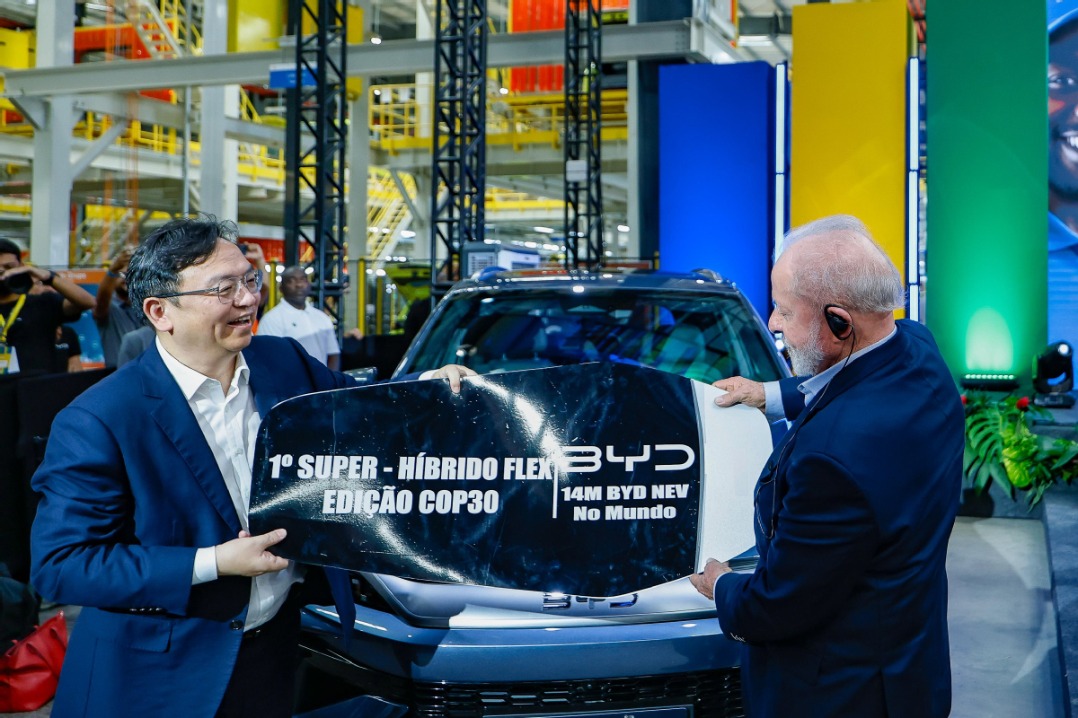
BYD opens mega factory in Brazil
Chinese automotive giant BYD has officially inaugurated its largest overseas manufacturing facility in Camacari, Brazil, marking a significant milestone in the company’s global expansion and Brazil’s green industrial transformation. The event, held on October 9, was attended by Brazilian President Luiz Inacio Lula da Silva and BYD CEO Wang Chuanfu, among other dignitaries. The $980 million mega factory, constructed on the site of a former Ford plant, is set to produce 150,000 vehicles annually in its initial phase, scaling up to 300,000 in the second phase and reaching a full capacity of 600,000 units. The facility will cater to the Brazilian market and extend its reach across Latin America. BYD, already a dominant player in Brazil’s electric and hybrid vehicle sectors, aims to further solidify its market share with localized production. President Lula emphasized the factory’s role in restoring dignity and sovereignty to the region, highlighting its potential to drive technological advancement and economic recovery. BYD’s investment aligns with Brazil’s New Industry Brazil plan, which focuses on innovation and green transition. The company plans to leverage Brazil’s abundant clean energy resources and foster a robust value chain, including research and development initiatives. BYD Brazil President Tyler Li outlined the company’s commitment to reducing fossil fuel dependence through innovations like the hybrid flex engine and advancements in electric bus chassis production. The project is expected to create 10,000 direct jobs and stimulate the local economy. Bahia’s Secretary of Economic Development, Angelo Almeida, noted that BYD’s presence could position the state as a hub for electric mobility and Industry 4.0 technologies, further enhancing its technological potential.
-
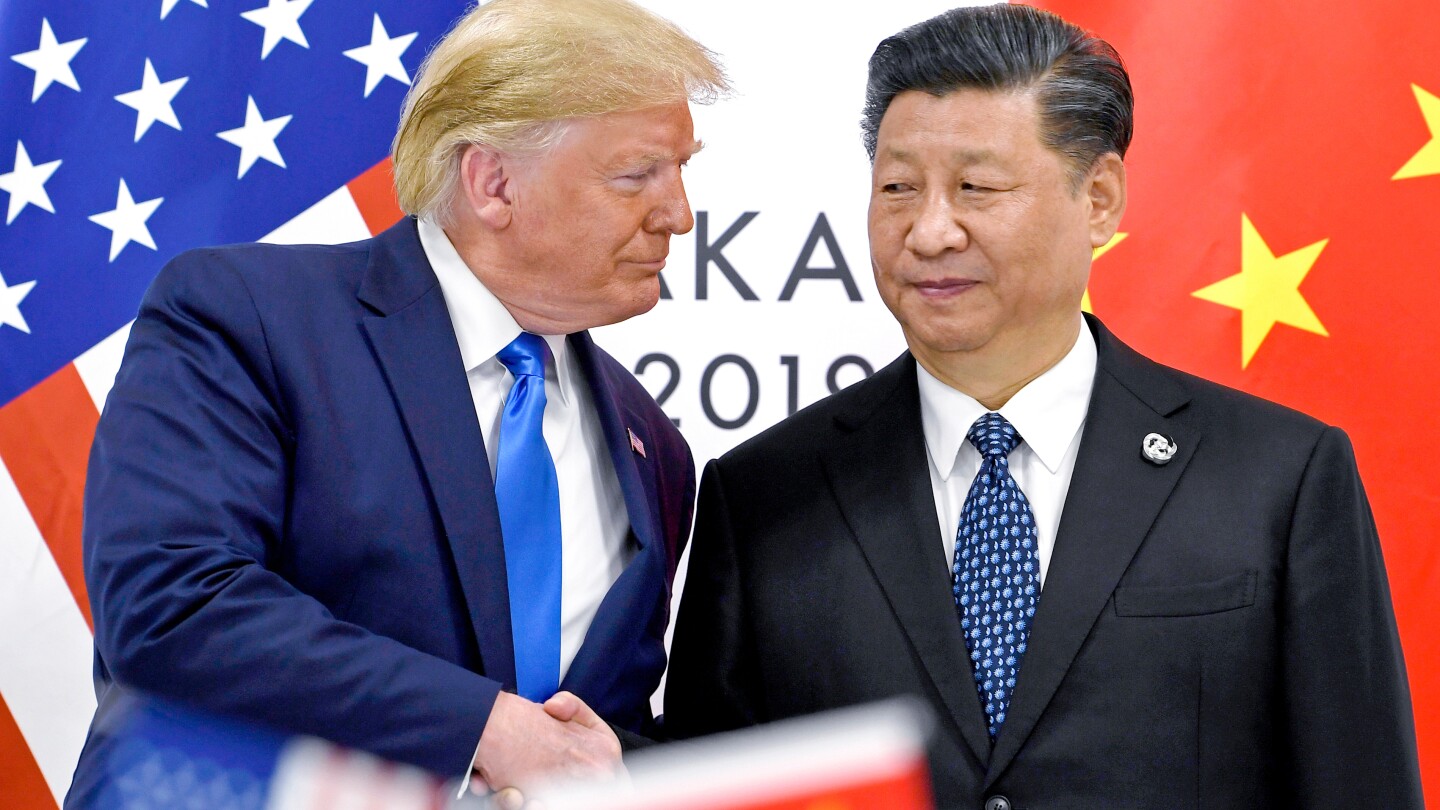
China shows no sign of backing down while issuing call for US to withdraw tariff threat
In a sharp escalation of the ongoing trade tensions between the United States and China, Beijing has called on U.S. President Donald Trump to retract his latest threat to impose a 100% tariff on all Chinese imports. This demand comes in response to Trump’s announcement over the weekend, which followed China’s decision to tighten restrictions on the export of rare earths, a critical resource for electronics manufacturing. The Chinese Ministry of Commerce described the U.S. actions as “severely damaging the atmosphere of trade negotiations.”
China’s move to restrict rare earths appeared to catch the Trump administration off guard, with the President labeling it an “out of the blue” decision. Despite the tariff threat, Trump struck a somewhat conciliatory tone in a Truth Social post on Sunday, stating, “The U.S.A. wants to help China, not hurt it!!!” However, China remained firm in its stance. On Monday, Chinese Ministry of Foreign Affairs spokesman Lin Jian urged the U.S. to “correct its erroneous practices” and warned that Beijing would take “resolute measures” to protect its interests if Washington persisted.
The trade war has seen both nations employing a range of retaliatory measures, including U.S. restrictions on China’s access to advanced computer chips and China’s halt on American soybean purchases. These actions, coupled with the imposition of tit-for-tat port fees, have created significant uncertainty in bilateral trade. Economic data released on Monday revealed that China’s exports to the U.S. have declined for six consecutive months, plummeting 27% in September compared to the previous year. This downturn underscores the growing economic strain caused by the prolonged trade conflict.
-

China’s automakers drive Ecuador’s transition toward electric mobility
Chinese automakers are spearheading Ecuador’s transition to electric mobility, capturing a significant share of the country’s automotive market. With competitive pricing, improved quality, and a growing presence in Latin America, Chinese brands like BYD, Chery, and Great Wall are transforming Ecuador’s streets and showrooms.