The gold market, currently hovering around the $4,000-per-ounce mark, is experiencing a period of apparent calm. However, analysts suggest this tranquility may be deceptive, with the precious metal potentially poised for a historic surge to $5,000 per ounce by 2026. Despite its recent inability to sustain gains above the symbolic $4,000 threshold, the underlying sentiment remains strikingly optimistic. Ewa Manthey, a commodities strategist at ING, views the current pause as a healthy reset rather than a sign of exhaustion. She predicts gold prices will average $4,000 in Q4 2025 and rise to $4,100 in Q1 2026, supported by central bank purchases, physical demand, and expectations of lower interest rates. Central banks bought an estimated 220 tonnes of gold in Q3 2025, a 28% increase from the previous quarter. Investment flows have also turned favorable, with global gold-backed ETFs seeing holdings increase by 222 tonnes between July and September. Major financial institutions, including HSBC, Bank of America, and Société Générale, forecast gold could reach $5,000 in 2026, driven by geopolitical tensions, rising government debt, and strong demand from central banks and private investors. However, some analysts, like Alex Kuptsikevich of FxPro, caution that gold’s uptrend has technically broken down, citing strong Treasury yields and a hesitant Federal Reserve. Despite short-term uncertainties, the structural appeal of gold remains intact, with lower real interest rates and fiscal pressures likely to fuel renewed safe-haven demand. Analysts believe the groundwork for a fresh surge is firmly in place, positioning gold as a hedge against modern economic uncertainties.
分类: business
-

UAE: After hitting a 5-year low, gold jewellery sales pick up as prices ease
Gold jewellery sales in the UAE have experienced a resurgence following a significant drop in prices after reaching a peak in October 2025. According to data from the World Gold Council, demand for gold jewellery in the UAE plummeted to a five-year low of 6.3 tonnes in the third quarter of 2025, marking a 10% year-on-year decline and an 18% quarter-on-quarter drop. This was the lowest quarterly figure since the third quarter of 2020, when sales stood at 3.8 tonnes. The decline was attributed to record-high gold prices, which deterred buyers during the summer months. However, as prices began to ease, consumer interest in gold jewellery has gradually returned. Jewellers in Dubai report a noticeable uptick in sales, with customers strategically opting for lighter and more affordable pieces. Chirag Vora, Managing Director of Bafleh Jewellers, noted that the dip in prices has attracted bargain hunters, while Anil Dhanak of Kanz Jewels highlighted the seasonal boost from increased tourism and festive demand. In October, 24K gold prices in Dubai peaked at Dh525 per gram but have since dropped to Dh482 per gram. Spot gold closed at $4,001.21 per ounce over the weekend. Despite the recovery in jewellery sales, demand for gold coins and bars also declined, albeit at a slower pace, as investors anticipated further price rallies. Overall, UAE gold demand fell 9% year-on-year to 9.7 tonnes in the third quarter of 2025, the lowest since the second quarter of 2021.
-

Delhi airport operator says all flight operations back to normal after glitch
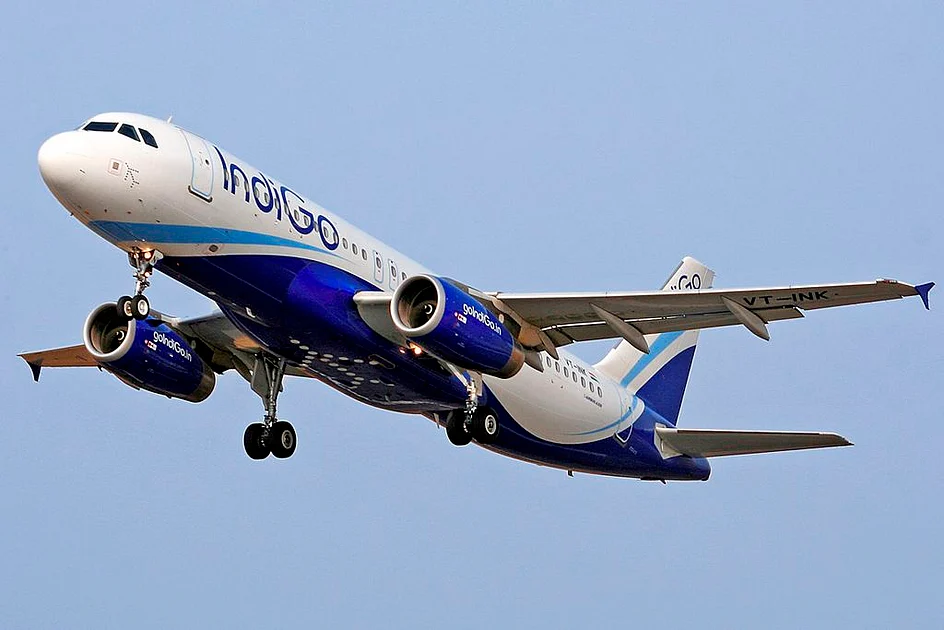
Delhi International Airport has announced the full restoration of normal flight operations following a significant technical malfunction that disrupted services over the past two days. The issue stemmed from a failure in the Automatic Message Switching System (AMSS), a critical component used for generating flight plans, which caused delays affecting hundreds of flights at one of the world’s busiest aviation hubs. The system was reportedly restored to automatic functionality by Saturday afternoon, as confirmed by the Indian government. In response to the incident, Civil Aviation Minister Ram Mohan Naidu has directed officials to implement system upgrades, including the addition of fallback servers to enhance the resilience of air traffic operations. This move aims to prevent similar disruptions in the future and ensure smoother operations at the airport. The incident highlights the increasing reliance on advanced technological systems in managing complex aviation networks and underscores the need for robust contingency planning in the face of technical failures.
-

Abu Dhabi launches Unified Gas Code in line with UAE’s Net Zero 2050 targets
In a landmark move to bolster the UAE’s sustainability goals, the Abu Dhabi Department of Energy (DoE) unveiled the Unified Gas Code during ADIPEC 2025. This pioneering regulatory framework, the first of its kind in the region, establishes standardized protocols for the gas industry, encompassing natural gas, LPG, and industrial gases. Designed to enhance safety, efficiency, and sustainability, the code aligns with global best practices and the UAE’s ambitious Net Zero 2050 targets. By fostering a transparent and consistent regulatory environment, the initiative aims to attract investor confidence and strengthen public-private collaboration. The DoE also showcased its integration of artificial intelligence and advanced technologies to refine regulatory frameworks, improve governance, and ensure compliance. These efforts are part of the broader Energy and Water Efficiency Strategy 2030, which seeks to optimize Abu Dhabi’s energy system. Abdulla Al Jarwan, Chairman of the DoE, emphasized that the Unified Gas Code represents a transformative step in Abu Dhabi’s energy sector, reinforcing its role as a global leader in clean energy innovation. The code is expected to drive significant environmental and economic benefits, including annual savings of over AED100 million for residential customers and a reduction of 200,000 tonnes of CO₂ emissions by 2050. This initiative underscores Abu Dhabi’s commitment to achieving a sustainable energy future and solidifies its position as a hub for energy innovation.
-

3 Taiwanese airlines ban Bluetooth earphones in checked baggage
In a significant move to enhance aviation safety, three major Taiwanese airlines—Uni Air, Tiger Air, and Eva Air—have imposed a ban on Bluetooth earphones in checked baggage. The decision stems from concerns over the lithium-ion batteries embedded in these devices, which pose risks of short-circuiting and potential fire hazards. According to Uni Air, Bluetooth earphones and their charging cases are classified as portable electronic devices (PEDs) that remain in ‘standby mode’ due to their automatic charging feature. This violates the requirement that PEDs must be entirely powered off when stored in checked luggage. Tiger Air has also restricted the transport of earphone charging cases, permitting them only in hand-carried baggage. Eva Air has echoed similar guidelines, reinforcing the industry-wide focus on safety. The dangers of lithium batteries were highlighted in a recent incident aboard an Air China flight, where a fire erupted in an overhead compartment due to these batteries, causing panic among passengers. This incident underscores the necessity of such precautions. Additionally, Emirates, the UAE’s flagship carrier, recently banned the use of power banks onboard, aligning with broader regional safety measures. These restrictions reflect the aviation industry’s proactive approach to mitigating risks associated with lithium battery-powered devices.
-

Fujian county’s rural development becomes a big draw for Taiwan investors
Sanming, a city in Fujian province renowned for its verdant landscapes and impressive 78 percent forest coverage, has become a focal point for cross-Strait collaboration in rural development. This has drawn significant attention from Taiwanese investors, who are increasingly investing in the region. From Thursday to Sunday, Sanming hosted a major cross-Strait rural development forum, attracting over 400 participants from Taiwan. This event, part of the annual Strait Forum, underscored Sanming’s dedication to strengthening economic and cultural ties between mainland China and Taiwan. In recent years, Sanming has made substantial strides in integrating Taiwanese expertise with local resources. The city has welcomed 106 new Taiwan-invested enterprises, with total investments amounting to 801 million yuan ($112 million). Additionally, 12 bases for Fujian-Taiwan agricultural integration have been established. Furthermore, 30 Taiwan countryside development teams and more than 80 professionals in architecture and cultural creativity have been involved in 72 rural projects in Sanming. In Jianning county, Taiwan entrepreneur Lin Hsiu-ying established an oil tea camellia cooperative, leveraging Taiwanese techniques and employing local workers. This initiative has boosted the income of 112 local households by over 4,000 yuan per person. Lin expressed that the mainland’s supportive policies have significantly enhanced his confidence and motivation to expand his business ventures in Sanming.
-

More than 1,000 flights cancelled in US government shutdown fallout
The ongoing US government shutdown has led to the cancellation of more than 1,000 flights across the country, causing widespread disruption to air travel. The crisis, now in its sixth week, has left many government employees, including essential airport staff, either working without pay or furloughed at home. The Trump administration has implemented flight reductions to alleviate the strain on air traffic controllers, with cuts affecting 40 major airports, including hubs in Atlanta, Newark, Denver, Chicago, Houston, and Los Angeles. The reductions, starting at four per cent, are expected to rise to 10 per cent next week if Congress fails to reach a funding agreement. According to FlightAware, over 1,000 flights scheduled for Friday were cancelled, with significant delays reported at Reagan National Airport in Washington, Denver International, and Hartsfield-Jackson in Atlanta. The Federal Aviation Administration (FAA) noted average delays of four hours at Reagan National, with 90-minute waits in Phoenix and one-hour delays in Chicago and San Francisco. American Airlines CEO Robert Isom expressed frustration, stating, ‘We don’t need to be in this position.’ The shutdown, driven by a bitter standoff between Republicans and Democrats over health insurance subsidies, has left federal agencies inoperable since funding lapsed on October 1. US Transportation Secretary Sean Duffy blamed Democrats for the shutdown, urging them to vote to reopen the government. President Donald Trump also called on Senate lawmakers to remain in Washington until an agreement is reached. The flight reductions come as the US enters its busiest travel period, with the Thanksgiving holiday approaching. Retiree Werner Buchi and other travellers expressed concerns about the impact on holiday plans. American Airlines reported 220 daily flight cancellations, while Delta Air Lines cut about 170 flights and Southwest Airlines axed around 100 flights. Despite the disruptions, the Trump administration reassured the public that flying remains safe, with Duffy stating, ‘It’s safe to fly today, tomorrow, and the day after because of the proactive actions we are taking.’ However, many aviation workers are reportedly calling in sick or seeking second jobs to cope with financial stress.
-

Amazon Bazaar expands to 14 new markets, including Philippines, Taiwan, Hong Kong
Amazon.com has announced the expansion of its low-cost e-commerce platform, Amazon Bazaar, to 14 additional markets, including the Philippines, Taiwan, and Hong Kong. This move intensifies its competition with Chinese rivals Shein and Temu in the global race to dominate the ultra-cheap goods market, offering products like $10 dresses and $5 accessories. The standalone Amazon Bazaar app, which mirrors the budget-friendly Amazon Haul section, will deliver a majority of products priced under $10, with some items as low as $2, to these new markets. Since its launch in Mexico last year, Amazon Bazaar has expanded to Saudi Arabia and the United Arab Emirates. Analysts view this expansion as a strategic step in Amazon’s international growth, aiming to scale up profitability while delighting consumers. Despite the challenges posed by U.S. import tariffs under the Trump administration, Amazon reported a 10% increase in third-quarter international revenue, reaching $40.9 billion. The company’s global fulfillment centers and service partners ensure efficient delivery of Amazon Bazaar products. Meanwhile, Shein and Temu continue their aggressive global expansion, operating in over 160 and 70 countries, respectively, despite setbacks from U.S. trade policies.
-

Bulgaria moves to prevent shutdown of its only oil refinery ahead of US sanctions
Bulgaria is taking urgent measures to protect its sole oil refinery from potential shutdown as U.S. sanctions targeting its Russian owner, Lukoil, are set to take effect later this month. The Bulgarian Parliament has approved legislative amendments granting expanded authority to a government-appointed manager of the Lukoil-owned Burgas refinery, located on the Black Sea coast. This decision follows the collapse of a deal with a major international commodities trader, which withdrew from purchasing Lukoil’s global assets after the company dismissed U.S. allegations of being a ‘Kremlin puppet.’ Lukoil announced the sale of its international assets in response to U.S. sanctions aimed at pressuring Russia to agree to a ceasefire in its conflict with Ukraine. The company holds significant stakes in oil and gas projects across 11 countries, including the Burgas refinery and numerous gas stations worldwide. The new legal framework empowers the state-appointed manager with substantial operational control, including the authority to sell the refinery’s shares. Opposition lawmakers have criticized the move, warning it could lead to legal disputes and financial repercussions for Bulgaria. Ivaylo Mirchev, leader of the Democratic Bulgaria alliance, argued that the extraordinary powers granted to the manager could result in lawsuits from Lukoil, potentially benefiting Russia financially. The ruling coalition defended the amendments, stating that the U.S. sanctions, effective November 21, would likely paralyze the refinery’s operations due to payment refusals from Lukoil’s counterparties. Acquired by Lukoil in 1999, the Burgas refinery is the largest in the Balkans, valued at approximately 1.3 billion euros ($1.5 billion). It plays a pivotal role in Bulgaria’s economy, with a turnover of 4.7 billion euros ($5.4 billion) in 2024 and a near-monopoly over the nation’s oil depots, gas stations, and fuel supply for ships and aircraft. In preparation for the sanctions, Bulgaria recently imposed temporary restrictions on the export of petroleum products, including diesel and aviation fuel, to ensure domestic supply stability.
-

China-ROK trade ties to drive growth in region
The deepening trade and supply chain cooperation between China and the Republic of Korea (ROK) is set to foster sustainable growth and innovation across the Asia-Pacific region, according to business leaders and experts. The recent visit of Chinese President Xi Jinping to the ROK, his first in 11 years, has been hailed as a pivotal moment for expanding bilateral business ties. President Xi attended the 32nd APEC Economic Leaders’ Meeting in Gyeongju and conducted a state visit from October 30 to November 1, 2025. Gao Chen, chairman of the China Chamber of Commerce in the ROK, emphasized that this cooperation will strengthen supply chain resilience, accelerate the Free Trade Area of the Asia-Pacific, and promote innovation-driven growth. By leveraging technologies like 5G and blockchain, the two nations aim to build a robust digital supply chain system. The synergy between the ROK’s semiconductor expertise and China’s manufacturing prowess is expected to create a resilient regional industrial network. Furthermore, the China-ROK Free Trade Agreement, in effect since 2015, is set to advance with accelerated negotiations on its second phase. Both countries, along with Japan, are advocating for a trilateral free trade agreement to deepen regional economic integration. Gao highlighted the role of frameworks like APEC and the Regional Comprehensive Economic Partnership (RCEP) in promoting China-ROK business collaboration. Choi Pil-soo, a professor at Sejong University, underscored the potential of China’s expanding consumer market to drive economic integration in East Asia. He also pointed to promising opportunities for technological cooperation in robotics, batteries, and quantum science. The growing presence of Chinese brands in the ROK market reflects the complementary nature of their industrial chains and evolving consumer trends. Liu Weiwei, vice-president of Winner Medical, expressed confidence in the region’s business prospects, urging companies to embrace win-win cooperation. Chinese Ambassador to the ROK Dai Bing called for joint efforts to oppose unilateralism and protectionism, safeguarding the international free trade system. As China prepares to host the APEC Economic Leaders’ Meeting in 2026, Dai emphasized the importance of sending a strong message of openness and inclusiveness.