
Japan’s export sector demonstrated resilience in September, with a 4.2% year-on-year increase, according to data released by the Ministry of Finance on Wednesday. This growth was primarily fueled by a 9.2% surge in exports to Asian markets, which helped counterbalance a significant 13.3% decline in shipments to the United States. The drop in U.S.-bound exports, marking the sixth consecutive month of decline, was largely attributed to tariffs imposed by former President Donald Trump. Notably, auto exports to the U.S. plummeted by 24.2%, a concerning trend for Japanese automakers like Toyota Motor Corp., which play a pivotal role in the nation’s economy. Meanwhile, exports to China rose by 5.8%, highlighting the growing importance of Asian trade partnerships. On the import side, Japan saw a modest 3.3% overall increase, with imports from Asia climbing 6%, including a 9.8% rise from China. The trade data coincides with the historic appointment of Sanae Takaichi as Japan’s first female prime minister. Takaichi, known for her nationalist and conservative views, has pledged to boost public spending, increase wages, and implement looser monetary policies, which could weaken the yen and benefit exporters. However, her policy agenda faces significant hurdles, as the ruling Liberal Democratic Party lacks a majority in parliament and remains internally divided. Trump’s upcoming visit to Japan later this month is expected to address the trade framework established in July, which imposed a 15% tariff on Japanese goods—a reduction from the initially proposed 25% rate. Japan had previously committed to investing $550 billion in the U.S. and opening its markets to American automobiles and rice.
分类: business
-

Labubu maker sees sales soar after launch of mini version of toy
Pop Mart, the renowned Chinese toy manufacturer behind the wildly popular Labubu dolls, has reported a significant surge in sales following the August release of its mini Labubu series. The company’s global revenue for the quarter ending September soared by approximately 250% compared to the same period last year. This remarkable growth was fueled by a dramatic increase in international sales, with revenue in the United States skyrocketing by over 1,200% and European sales climbing by more than 700%.
-
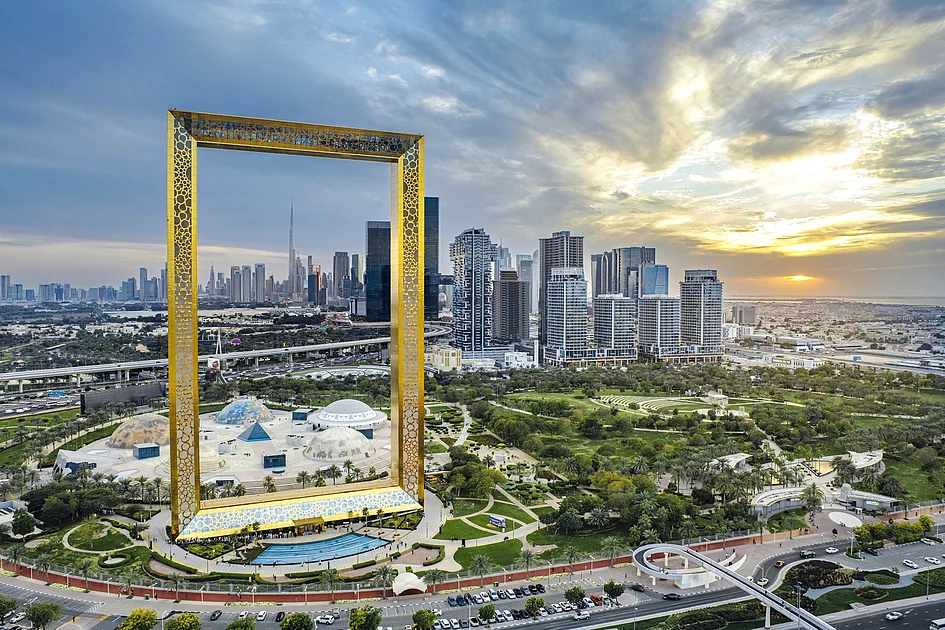
Data is the new emerging currency in Dubai real estate
Dubai’s real estate sector is undergoing a significant transformation, driven by the increasing demand for transparency, digital tools, and data-driven insights. In a rapidly maturing market, traditional methods of intuition and charm are no longer sufficient for real estate professionals. Today, agents must evolve into data strategists, analysts, and trusted advisors to meet the expectations of modern investors and buyers.
-

UAE’s crypto lead unmasked: Here’s why investors are ahead
The United Arab Emirates (UAE) has solidified its position as a global frontrunner in cryptocurrency adoption, with recent data highlighting its exceptional growth and investor enthusiasm. According to a 2025 wealth-insights report by Avaloq, 39% of affluent to ultra-high-net-worth individuals in the UAE hold crypto assets, surpassing the global average of 30%. This trend is further underscored by a 210% year-on-year growth in crypto adoption and a remarkable 25.3% ownership rate, earning the UAE a near-perfect score of 98.4 out of 100 on a leading adoption index.
Several factors contribute to this surge. Regulatory clarity stands at the forefront, with Dubai’s Virtual Assets Regulatory Authority (Vara) and tax-friendly policies creating an investor-friendly environment. The UAE’s commitment to digital economy development has also fostered a fertile ground for both retail and institutional crypto activity. Notably, Abu Dhabi-based MGX Fund Management’s $2 billion investment in Binance in March 2025 exemplifies the institutional momentum driving the market.
Infrastructure development further bolsters the UAE’s crypto leadership. The country’s exchange market generated nearly $1 billion in revenue in 2023 and is projected to grow to $5.35 billion by 2030, reflecting a compound annual growth rate of 27.1%. Demographics also play a crucial role, with a tech-savvy, youthful population showing significant interest in digital assets. Studies reveal that 74% of UAE residents aged 25-34 are actively engaged with cryptocurrencies, and 21% plan to trade within the next year.
Despite these advancements, challenges persist. Market volatility, lack of knowledge, and distrust of exchanges remain barriers for some investors. Additionally, competition among wealth managers is intense, with 63% of UAE investors considering or having changed advisors due to cost, transparency, and trust issues. Analysts emphasize the need for education and robust infrastructure to sustain growth.
Akash Anand, Avaloq’s regional director, remarked, ‘The UAE’s investor appetite for crypto is ahead of the global trend. It’s not just about buying digital coins but harnessing a broader digital-asset ecosystem to build future wealth.’ As the UAE continues to lead the crypto race, its blend of regulatory support, institutional backing, and demographic advantages positions it as a key player in the evolving digital asset landscape.
-

NBQ’s net profits rise 16% to Dh465 million in 9 months
The National Bank of Umm Al Qaiwain (NBQ) has announced a robust financial performance for the first nine months of 2025, with net profits soaring by 16% to Dh465 million compared to the same period in 2024. The bank’s total assets witnessed a significant 32% increase, reaching Dh21.8 billion as of September 30, 2025, up from Dh16.5 billion a year earlier. This growth was driven by a 20% rise in net loans and advances to Dh8.7 billion and a 45% surge in customer deposits to Dh14.7 billion. Shareholders’ equity also expanded by 10% to Dh6.4 billion. NBQ’s capital adequacy ratio stood at 33.75%, well above the minimum threshold set by the Central Bank of the UAE in line with Basel III guidelines. The non-performing loans ratio improved dramatically, dropping by 338 basis points to 0.85% from 4.23% in September 2024. Non-interest income grew by 48% to Dh233 million, while the cost-to-income ratio remained efficient at 22%. Impairment coverage, including collateral, stood at an impressive 459%. Adnan Al Awadhi, CEO of NBQ, attributed the bank’s success to its ongoing digital transformation, customer-centric solutions, and sound risk management practices. He emphasized NBQ’s commitment to operational excellence, regulatory compliance, and sustainability, which he believes will drive further expansion.
-

UAE’s e-commerce boom spurs business transformation amid soaring digital transactions
The United Arab Emirates is experiencing a transformative wave in consumer behavior, with digital transactions surpassing $60 billion in 2025, reflecting a nationwide embrace of e-commerce. Data from the UAE Central Bank reveals that retail transactions under the UAE Funds Transfer System (UAEFTS) surged by 22.57% in 2024, totaling 109.7 million transactions worth Dh7.4 trillion (approximately $2 trillion). This represents a 20.63% increase in transaction value compared to the previous year, highlighting the country’s accelerating digital transformation. Projections indicate that digital payment transaction values will grow at a compound annual growth rate (CAGR) of 14.4%, reaching nearly $118 billion by 2030. By then, the number of e-commerce users in the UAE is expected to hit 10.63 million, according to Statista. This digital boom is not only reshaping consumer habits but also compelling businesses to adapt. Blue Ocean Global Group, a Dubai-based distribution leader representing over 25 regional and international brands, has significantly reduced its offline retail operations to focus on becoming a fully technology-driven e-commerce distribution platform. Shahzad Ahmed, Chairman of Blue Ocean Global Group, noted that the company’s e-commerce distribution business has grown by 40% year-on-year, managing inventories for over 550 SKUs to meet rising demand for consumer and electronic goods online. Ahmed attributed this shift to the preferences of millennials and Gen Z consumers, who are driving the digital revolution. The company has also invested heavily in enhancing its supply chain, leveraging emerging technologies like Artificial Intelligence, Robotics, and Machine Learning to streamline B2B operations. Rohit Savara, CEO of Blue Ocean Global Group, emphasized that embracing the Fourth Industrial Revolution is essential for staying competitive in today’s rapidly evolving business landscape.
-

Gold retreats after record rally, on track for biggest daily drop since 2020
Gold prices experienced a significant downturn on Tuesday, marking their steepest daily decline in five years. This follows a record-breaking rally that saw the precious metal reach an all-time high of $4,381.21 per ounce on Monday. Spot gold fell by 5.5% to $4,115.26 per ounce, its lowest level in a week, while US gold futures for December delivery dropped 5.7% to $4,109.10 per ounce. The sharp decline comes after gold gained approximately 60% this year, driven by geopolitical tensions, economic uncertainty, and expectations of US interest rate cuts. Analysts attribute the sudden drop to profit-taking by investors and improved risk appetite in the market. The dollar index also rose by 0.4%, making gold more expensive for holders of other currencies. Meanwhile, other precious metals, including silver, platinum, and palladium, also saw significant declines. Silver dropped 7.6% to $48.49 per ounce, while platinum and palladium fell by 5.9% and 5.3%, respectively. Traders are now awaiting the delayed release of the US consumer price index report for September, expected to show a 3.1% year-on-year rise. Markets anticipate a 25-basis-point interest rate cut by the Federal Reserve at its upcoming policy meeting, which could further influence gold prices. As a non-yielding asset, gold typically benefits from a low-interest-rate environment, but recent volatility suggests a period of consolidation may be ahead.
-

Dubai’s property market enters a phase of selective growth
Dubai’s real estate market is undergoing a significant transformation, transitioning from rapid expansion to a more measured, segment-driven growth phase, as revealed by Q3 2025 data. According to a report by Betterhomes, the city recorded 55,280 property transactions worth Dh139.7 billion, marking an 18% year-on-year increase in both volume and value. However, the market’s trajectory is far from uniform, with distinct trends emerging across different property types. Apartments, particularly off-plan units, emerged as the standout performers, with sales surging 35% quarter-on-quarter—the highest jump ever recorded. Studios and one- to two-bedroom units dominated 80% of apartment transactions, driven by investor demand for liquidity and rental returns. In contrast, the villa and townhouse segment experienced a downturn, with villa sales dropping 22% year-on-year and off-plan villa transactions plummeting 69%. Louis Harding, CEO of Betterhomes, noted that villas, especially off-plan ones, face pricing and design challenges that require recalibration. Meanwhile, Dubai’s rental market remained robust, with leasing transactions nearly doubling year-on-year (+92%). Apartments led the charge with a 42% quarter-on-quarter increase, while townhouses rose 36%. The average annual rent stood at Dh196,000, with apartments averaging Dh145,000. Investor activity continued to dominate, accounting for 63% of all purchases, up from 58% in Q2. Mortgage-backed transactions eased slightly to 51%, reflecting a balanced buyer mix. Christopher Cina, Director of Sales, highlighted the market’s strength and depth, with volumes surging 11% despite a 6% dip in values from Q2 highs. The average price per square foot reached Dh1,664, nearly double the 2020 level. Over 28,500 units were delivered in 2025, with 250,000 more scheduled through 2027, underscoring Dubai’s long-term development momentum. As Q4 begins, the market is expected to focus on mid- to upper-mid products, particularly apartments, while luxury property transactions show signs of pause. Harding concluded that the market’s narrative is shifting from runaway growth to realignment, with Q4 set to test the stability of these trends.
-
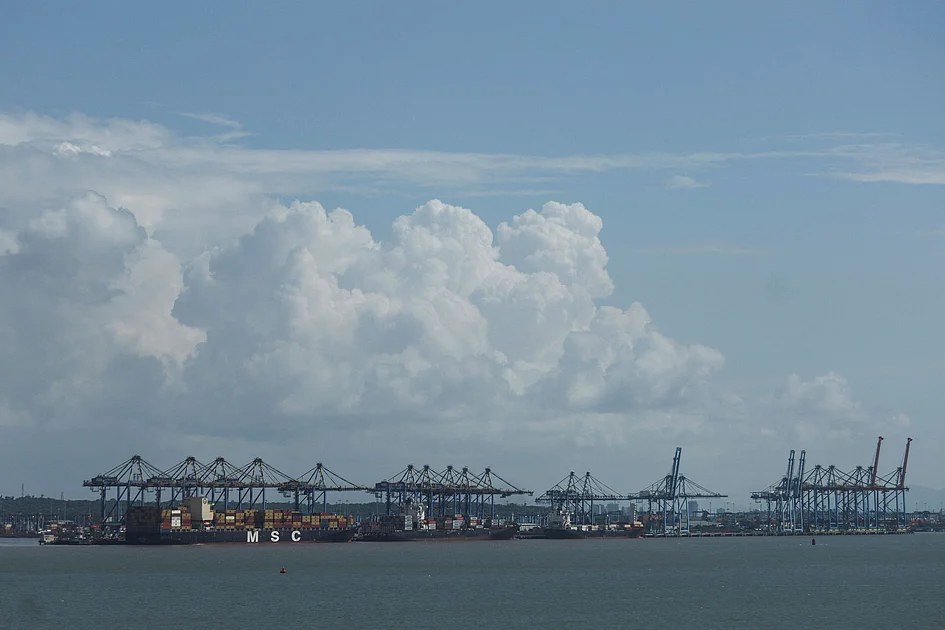
NRIs in UAE: Setting up a shipbuilding business in India after retirement
The Indian government has unveiled a transformative financial package worth approximately Rs700 billion to bolster the maritime sector, offering lucrative opportunities for Non-Resident Indians (NRIs) and global investors. This initiative, designed to address India’s minimal share in global shipbuilding output, focuses on four key areas: enhancing domestic capacity, improving long-term financing, promoting greenfield and brownfield shipyard development, and advancing technical capabilities and skilling. The package includes three major schemes: the Shipbuilding Assistance Scheme (Rs250 billion), the Maritime Development Fund (Rs250 billion), and the Shipbuilding Development Scheme (Rs200 billion). Collectively, these schemes aim to generate Rs4.5 trillion in investments, produce 2,500 vessels, and create a 4.5 million gross tonnage capacity, positioning India as a maritime self-reliant nation. Additionally, the initiative seeks to build resilient supply chains and reduce dependence on foreign ships. For NRIs like those in the UAE considering post-retirement ventures in India, this presents a promising opportunity to leverage their expertise in shipbuilding and related industries. Beyond maritime advancements, India has made significant strides in innovation, climbing from the 81st position in 2015 to the 38th in 2025 on the Global Innovation Index (GII). This growth is driven by robust ICT services exports, a vibrant venture capital landscape, and advancements in technology, including the development of semiconductors and 6G infrastructure. Furthermore, the Reserve Bank of India (RBI) is making progress in internationalizing the rupee, with plans to establish reference rates for cross-border trade transactions, starting with the Indonesian Rupiah and the UAE Dirham. These measures aim to enhance the rupee’s acceptability in global trade, though full implementation will require time and increased transaction volumes.
-

Armenia to host world tourism communication forum this month
Armenia is set to host the World Tourism Communication Forum from October 23 to 25, 2025, in Yerevan. Organized by the Tourism Committee of the Ministry of Economy, the event, titled “Tourism Talks: Connecting People, Places, and Perspectives,” aims to foster meaningful dialogue and collaboration between public and private sectors. The forum will bring together global leaders, policymakers, and communication experts to explore how strategic communication can shape the future of tourism. Lusine Gevorgyan, Chairman of the Tourism Committee of Armenia, emphasized the forum’s goal to highlight the role of communication in building trust, inclusion, and sustainable tourism growth. The event will feature keynotes, panel discussions, workshops, and interactive dialogues on themes such as intercultural communication, destination branding, and community-driven narratives. Distinguished moderators, including UN Tourism Regional Director Cordula Wohlmuther and BBC Studios’ Sergey Stanovkin, will lead the sessions, ensuring insightful discussions and actionable takeaways for participants.