
The UAE has introduced a groundbreaking ‘Retail Sukuk’ initiative, enabling citizens and residents to invest in sovereign-backed Islamic financial instruments with a minimum investment of just Dh4,000. Announced by Sheikh Maktoum bin Mohammed bin Rashid Al Maktoum, First Deputy Ruler of Dubai, Deputy Prime Minister, and Minister of Finance, this initiative aims to democratize access to public-sector financing while fostering a culture of saving and financial inclusion. The retail version of the government’s T-Sukuk programme allows individual investors to lend money to the federal government through Shariah-compliant instruments, receiving periodic profit payments and the face value at maturity. Previously reserved for institutional investors, this rollout marks a significant shift in the UAE’s financial-market architecture. The initiative aligns with the leadership’s vision of empowering individuals, promoting economic participation, and strengthening the domestic debt capital market. For residents, this offers a secure, government-guaranteed investment channel, diversifying savings beyond conventional deposits or real estate. The first participating bank is set to be announced on November 3, 2025. The broader public policy implications include enhancing financial inclusion, reducing reliance on foreign-currency debt, and reinforcing the UAE’s capital-market infrastructure. This initiative represents a strategic move to deepen the financial-market architecture while providing accessible investment opportunities for everyday residents.
分类: business
-
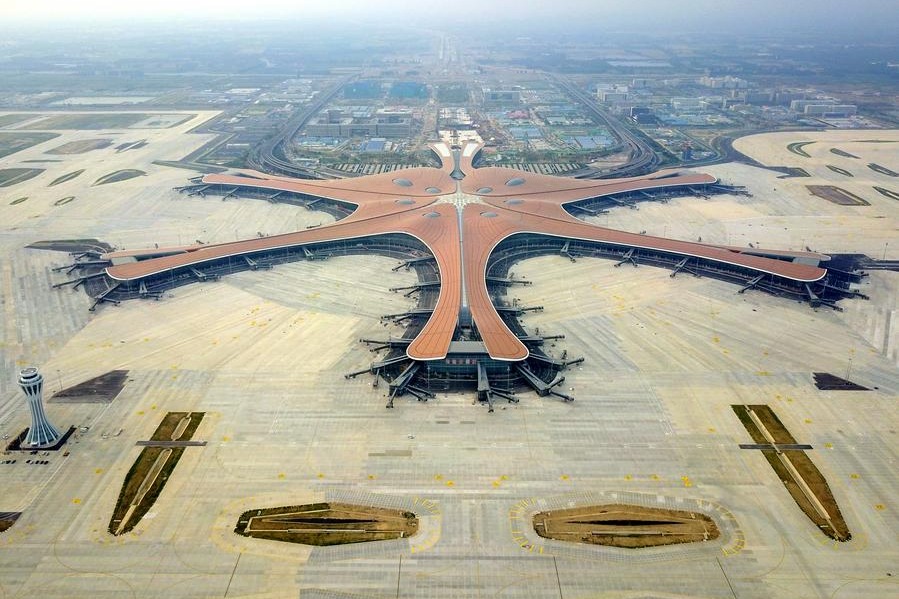
Civil aviation sector shows growth with release of upcoming flight season
China’s civil aviation industry has unveiled its 2025/26 winter-spring flight season, marking a significant step in the sector’s recovery and growth. The Civil Aviation Administration of China (CAAC) announced the new schedule on Sunday, which will run from October 26, 2025, to March 28, 2026. This season will see 210 domestic and international airlines operating approximately 119,500 passenger and cargo flights weekly, reflecting a 1.3 percent increase from the previous year. International routes are set to experience substantial growth, with 191 airlines planning to operate 21,427 international flights per week—a 10.8 percent year-on-year increase. These flights will connect China with 83 countries, including the resumption of passenger services between China and India after a five-year hiatus. New routes will also link China with Oman and Argentina for passenger travel, and with Panama, Chile, and Switzerland for cargo services. Major hubs such as Beijing, Shanghai, and Guangzhou will handle 52.1 percent of international passenger flights, up 8.6 percentage points from last year. Beijing Capital International Airport will average 1,243 daily flights, including 166 international services, while Beijing Daxing International Airport will operate about 979 flights daily, with 82 international and regional services. Airlines like China Southern, China Eastern, and Air China are expanding their networks, introducing new routes and increasing frequencies on existing ones, signaling a robust recovery and growth trajectory for China’s aviation sector.
-
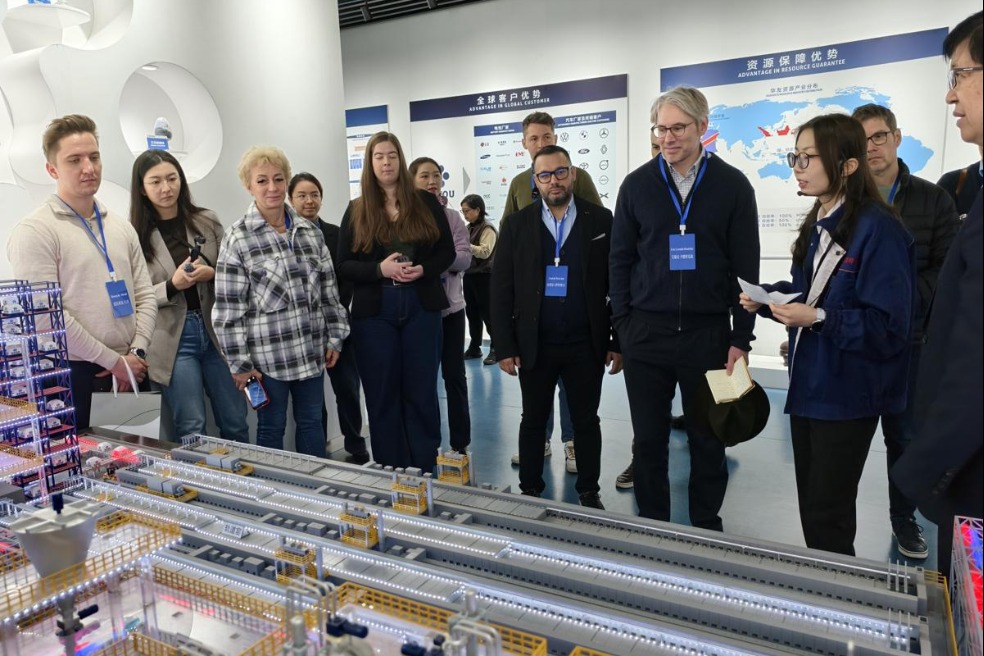
China’s industrial development driving economic growth in Europe, scholars say
China’s relentless pursuit of a modernized industrial system is not only bolstering its own economy but also significantly contributing to the economic growth of Hungary and broader Europe. This development is also playing a pivotal role in global climate change mitigation efforts, according to European scholars. These insights were shared during a recent research tour by a Hungarian think tank delegation in Sichuan province, China. The delegation, which included Eric Cornelis Hendriks, a Dutch sociologist and visiting fellow at the Danube Institute, visited several industrial projects in Chengdu, the capital of Sichuan province, from October 25 to 26, 2025. Hendriks expressed particular admiration for China’s advanced industrial capabilities during a visit to Chengdu B&M Science and Technology Co Ltd, a subsidiary of Huayou Cobalt. He highlighted a high-nickel ternary cathode material green manufacturing project in Hungary, which is currently under construction and slated for operation next year. This project exemplifies the growing industrial collaboration between China and Europe, underscoring the mutual benefits of such partnerships.
-
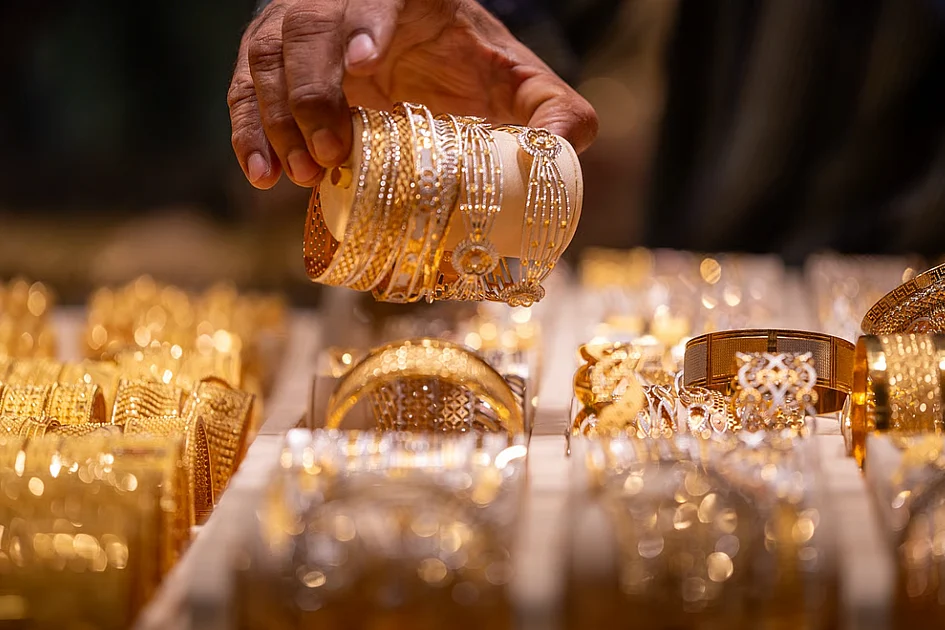
Gold prices in Dubai could hit Dh550 per gram; market experts warn of wild swings
Gold prices in Dubai are projected to surge to Dh550 per gram in the coming months, according to market experts. Despite a recent decline, the precious metal has experienced a remarkable rally this year, with prices soaring over 60% year-to-date. Jewellers and analysts remain optimistic about gold’s long-term prospects, citing strong demand from Asia, central bank purchases, and ongoing geopolitical tensions as key drivers. However, they caution that the market could witness significant fluctuations due to volatile global conditions, including trade wars and geopolitical uncertainties. On October 24, 24K gold was trading at Dh494.75 per gram in Dubai, down from a record high of Dh525 earlier this month. Experts attribute this dip to profit-taking and a temporary easing of geopolitical tensions. Varun Bafna, co-founder of Amari Capital, predicts gold will trade between Dh485 and Dh525 per gram in the next quarter, with a potential rebound to Dh540–Dh550 by early 2026 if US interest rate cuts materialise and global tensions persist. Anuraag Sinha, managing director of Liali Jewellery, notes that gold’s structural support remains intact, particularly as a hedge against inflation and macroeconomic stress. Meanwhile, Vijay Valecha, chief investment officer at Century Financial, warns of potential wild swings in gold prices, driven by heightened market volatility. Despite short-term fluctuations, the long-term outlook for gold remains bullish, supported by robust demand from both central banks and private investors.
-
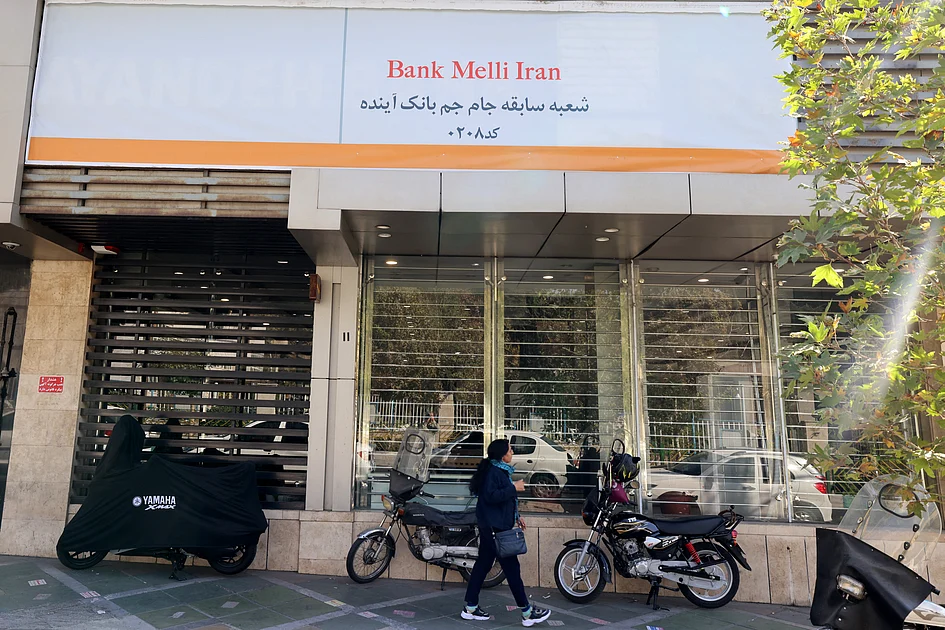
Iran declares major lender bankrupt in rare move
In an unprecedented move, Iran has declared Ayandeh Bank, one of its largest private financial institutions, bankrupt. The announcement, made on Saturday, marks a significant development in a country already grappling with severe international sanctions. Established in 2012, Ayandeh Bank boasted an extensive network of 270 branches nationwide, including 150 in Tehran alone. However, the bank had been struggling with mounting debts, with accumulated losses reaching approximately $5.2 billion and liabilities of around $2.9 billion, as reported by the ISNA news agency. The state-owned Melli Bank has now absorbed Ayandeh Bank’s assets following a directive from the Central Bank of Iran, which has assured depositors of the safety of their savings. ‘The transfer from Ayandeh Bank to Melli Bank is now complete,’ stated Melli Bank director Abolfazl Najarzadeh on state television. The bankruptcy was attributed to ‘bad debts,’ with over 90% of the bank’s funds reportedly allocated to related parties or internal projects that failed to generate returns, according to Hamidreza Ghaniabadi, an official at the Central Bank of Iran. Ayandeh Bank had been involved in ambitious ventures such as the Iran Mall shopping complex in Tehran, which features an ice rink and cinemas. The collapse of Ayandeh Bank is not an isolated incident, as five other Iranian banks—Sarmayeh, Day, Sepah, Iran Zamin, and Melal—are also facing financial difficulties. This development comes amid renewed international sanctions on Iran, reimposed by the United Nations in September after the breakdown of nuclear talks earlier this year. The sanctions, a ‘snapback’ of measures previously frozen under the 2015 nuclear deal, have further strained Iran’s economy, which has been under pressure since the U.S. withdrew from the agreement in 2018.
-
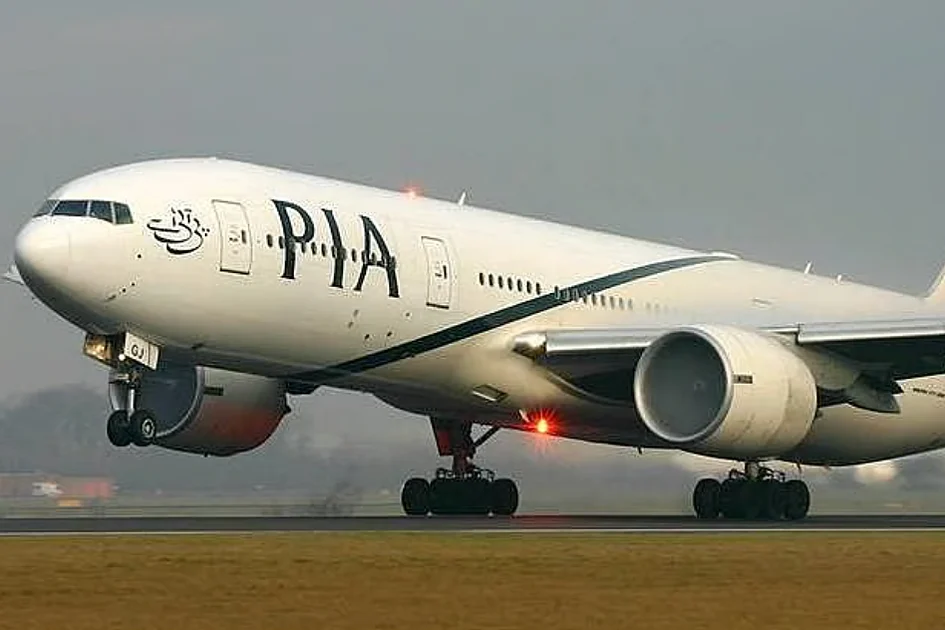
Pakistan International Airlines resumes UK flights after five-year ban
Pakistan International Airlines (PIA) has officially resumed its direct flights to the United Kingdom, marking a significant milestone after a five-year ban imposed due to aviation safety concerns. The suspension, initiated in June 2020, followed a tragic incident involving an Airbus A320 crash in Karachi that claimed nearly 100 lives. The disaster was attributed to human error, prompting UK authorities to halt PIA’s operations alongside bans from the European Union and the United States. After rigorous reforms in pilot training, licensing, and safety protocols, the UK lifted its restrictions in July 2025, deeming Pakistan’s aviation standards compliant with international norms. The resumption ceremony, held at Islamabad International Airport, was attended by Pakistan’s Defence Minister Khawaja Asif, who hailed the achievement as a testament to the airline’s perseverance and commitment to safety. PIA now operates a twice-weekly route between Islamabad and Manchester, with plans to expand services to London and Birmingham. This development follows the European Union Aviation Safety Agency’s decision in November 2024 to lift its ban, allowing PIA to resume flights to Paris earlier this year. Despite its historical significance as a national symbol since its founding in 1955, PIA has faced decades of financial struggles, mismanagement, and safety issues. The government’s ongoing efforts to privatize the airline have yet to yield success, with a recent deal collapsing due to a low offer. The resumption of UK flights represents a crucial step in restoring PIA’s credibility and operational stability.
-
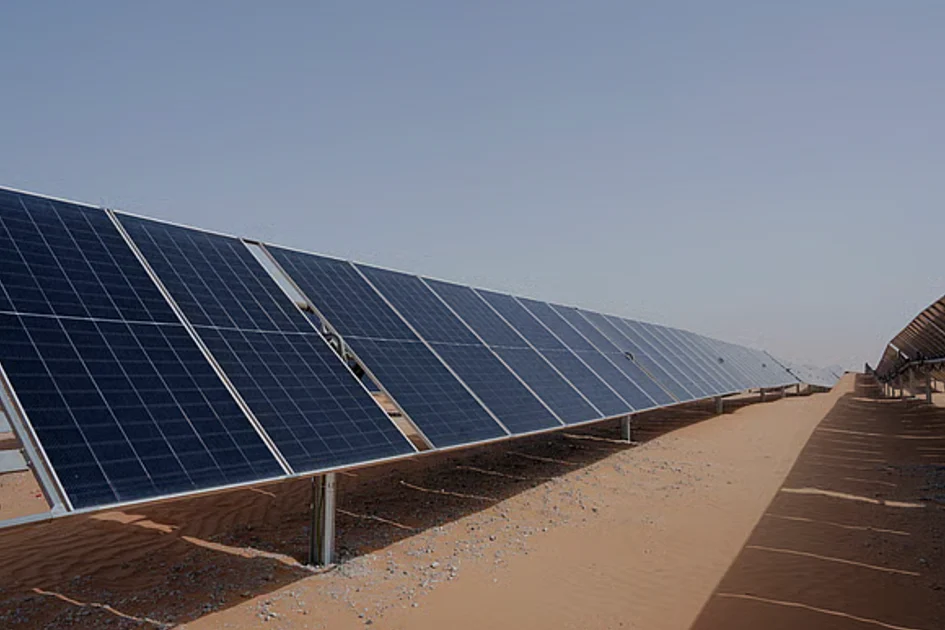
Solar power after sunset? How Abu Dhabi will deliver round-the-clock renewable energy
Abu Dhabi has embarked on a groundbreaking initiative to address one of the most persistent challenges in renewable energy: its intermittent nature. The emirate has launched the world’s first gigascale project capable of delivering continuous baseload power solely from renewable sources. This Dh22-billion facility, set to become operational by 2027, will generate one gigawatt of clean electricity, enough to power hundreds of thousands of homes. The project pairs advanced solar technology with the world’s largest battery storage system, spanning an area comparable to Manhattan and featuring a 19-gigawatt-hour battery. This system will store energy generated during peak sunlight and dispatch it seamlessly through the night and during cloudy days, ensuring uninterrupted power supply regardless of weather conditions. The project, developed by Masdar and Emirates Water and Electricity Company, aligns with the UAE’s vision to decarbonize and innovate. It is expected to create over 10,000 jobs and establish new manufacturing facilities across the UAE. Upon completion, the facility will avoid approximately 5.7 million tonnes of carbon emissions annually, equivalent to removing over one million cars from the road. This initiative represents a significant leap forward in renewable energy, proving that continuous, reliable power from solar and wind is achievable. It also underscores the UAE’s leadership in global renewable energy development, with Masdar targeting 100 gigawatts of clean energy capacity by 2030.
-
Tianjin conference highlights mining partnerships
The 2025 China Mining Conference and Exhibition, held in Tianjin, has solidified China’s role as a pivotal center for global mining collaboration. Delegates from Africa and other regions underscored a partnership model that transcends mere financial investment, focusing instead on sustainable and mutually beneficial development. The event brought together representatives from nearly 500 enterprises across 42 countries, who engaged in discussions on high-quality cooperation projects and cutting-edge mining technologies, aiming to unlock new opportunities for international collaboration. Che Changbo, secretary-general of the China Mining Association, highlighted the evolving global mining landscape, particularly in the context of China’s Belt and Road Initiative. He noted the deep integration between Chinese mining companies and resource-rich countries like the Democratic Republic of the Congo, which has ambitious development plans. Henrietta B. Rushwaya from the Zimbabwe Miners Federation emphasized the potential of partnering with Chinese companies, citing Zimbabwe’s vast mineral resources and the need for modern exploration equipment. The conference not only showcased China’s leadership in the mining sector but also reinforced the importance of international cooperation in driving innovation and sustainable development in the industry.
-
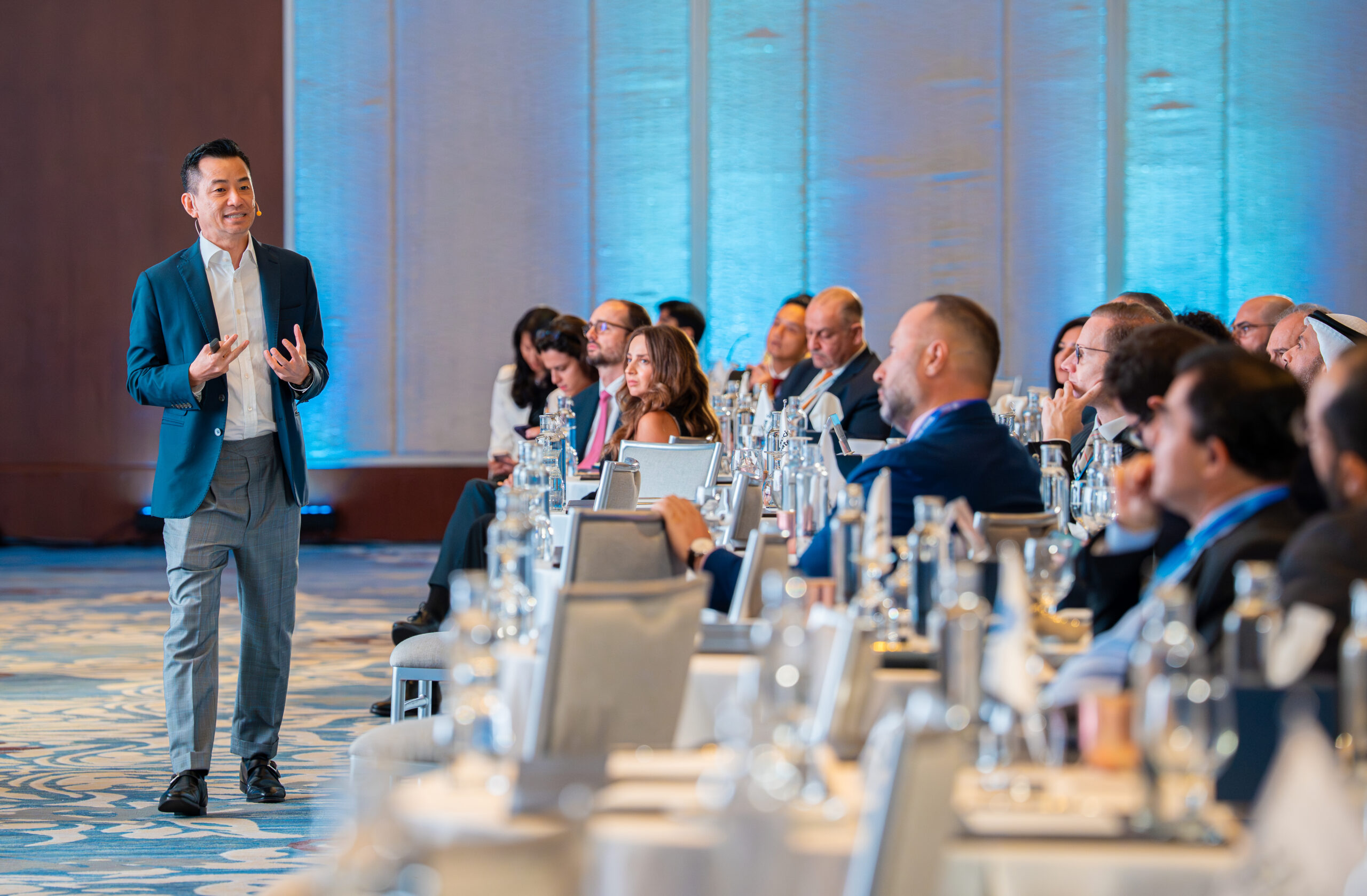
MENA Investment Congress 2025 concludes in Abu Dhabi with record attendance
The MENA Investment Congress (MENA ICON 2025), organized by CFA Society Emirates, successfully concluded in Abu Dhabi this month, setting a new benchmark for attendance and impact. Over 400 investment professionals, policymakers, and industry leaders from across the globe gathered for two days of insightful discussions, thought leadership, and networking. This year’s event was the largest and most influential edition to date, featuring a stellar lineup of speakers who explored key themes shaping the future of finance, including artificial intelligence, innovation, private capital, and global macroeconomics.
A highlight of the congress was a special recorded address by Hamad Al Mazrouei, Chairman of ADGM Academy and Undersecretary of the Abu Dhabi Department of Economic Development. His inspiring message, broadcast online, highlighted Abu Dhabi’s leadership in driving innovation, talent development, and sustainable growth within the region’s financial ecosystem. This address added significant prestige and institutional backing to the event.
The congress culminated in a headline session featuring Ray Dalio, founder of Bridgewater Associates and Dalio Family Office. His fireside chat on global economic cycles, market resilience, and long-term investing captivated the audience and left a lasting impression. Other notable speakers included Eric Sim, Lynn Raebsamen, Dr. Aliya Babul, and Brian Corish, among others, who shared diverse perspectives on investment, technology, and innovation.
A central theme throughout the sessions was the transformative impact of artificial intelligence on investment strategies, risk management, and financial advisory practices. Discussions also focused on the evolving landscape of private capital, venture investing, and family offices, underscoring MENA’s growing prominence as a global investment hub.
William Tohme, CFA, President of CFA Society Emirates, remarked, ‘MENA ICON 2025 was more than a conference. It was a meeting of minds dedicated to shaping the future of finance. We are proud to have brought together such an extraordinary community of thought leaders, investors, and policymakers, and we thank all our partners and participants for making this edition truly exceptional.’
-
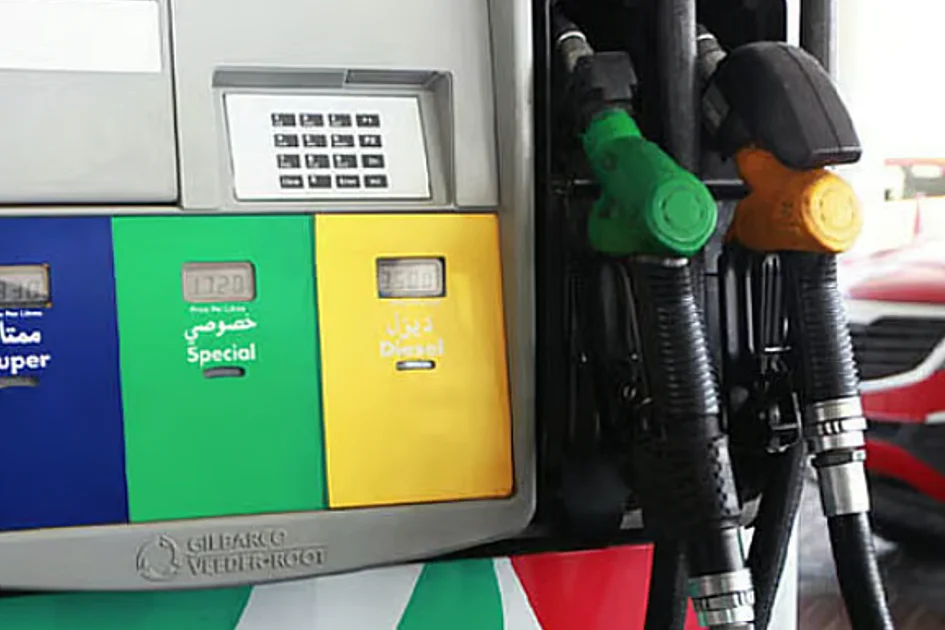
UAE fuel rates: Will petrol prices drop in November?
The UAE is set to announce revised petrol and diesel rates for November on October 31, 2025, with indications pointing toward a possible decrease in fuel prices. This adjustment aligns with the downward trend in global crude oil prices observed throughout October. The average closing price of Brent crude stood at $65.22 per barrel this month, a decline from $67 in September, signaling a potential reduction in retail fuel costs. However, recent geopolitical developments, including US sanctions on Russian oil companies, have caused a temporary rebound in oil prices, with WTI and Brent trading at $61.61 and $66.05 per barrel, respectively, as of Friday night. In October, the UAE’s Fuel Price Committee increased petrol rates by seven fils per litre, setting Super 98, Special 95, and E-Plus 91 at Dh2.77, Dh2.58, and Dh2.71 per litre, respectively. Analysts remain divided on future price trends. While Bank of America maintains a $55 price forecast, citing steady Asian demand and OPEC+ supply discipline, Citigroup predicts further declines, potentially to $50, if economic momentum and geopolitical risks diminish. Nadir Belbarka, an analyst at XMArabia, highlighted the bearish outlook driven by projected supply increases of over three million barrels per day (bpd) in 2025 and 2.4 million bpd in 2026, coupled with slowing demand growth of just 700,000 bpd annually. Despite this, geopolitical tensions, including concerns over Russian exports and Iranian output, continue to provide some price support.